Estate Property Transfer Without A Lawyer
Description
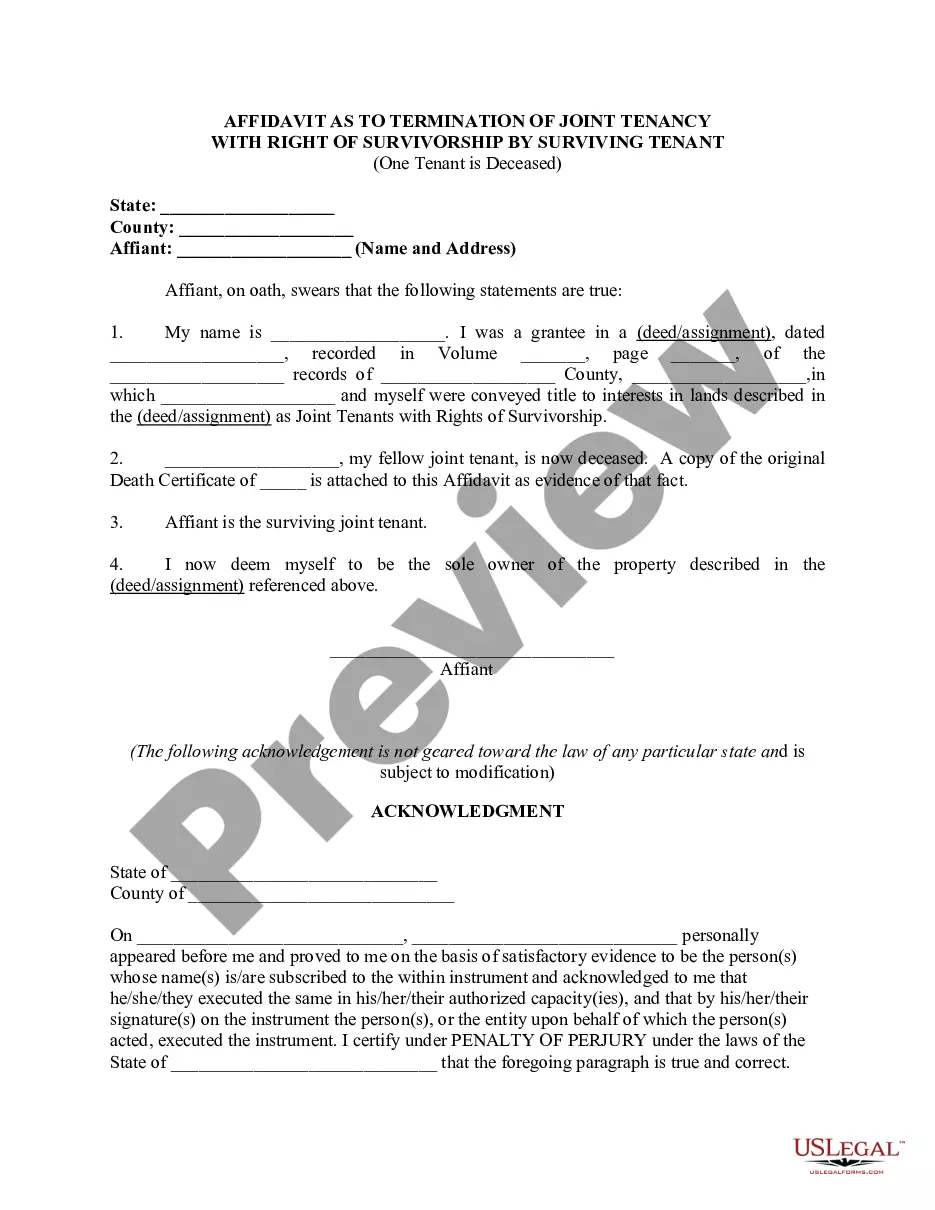

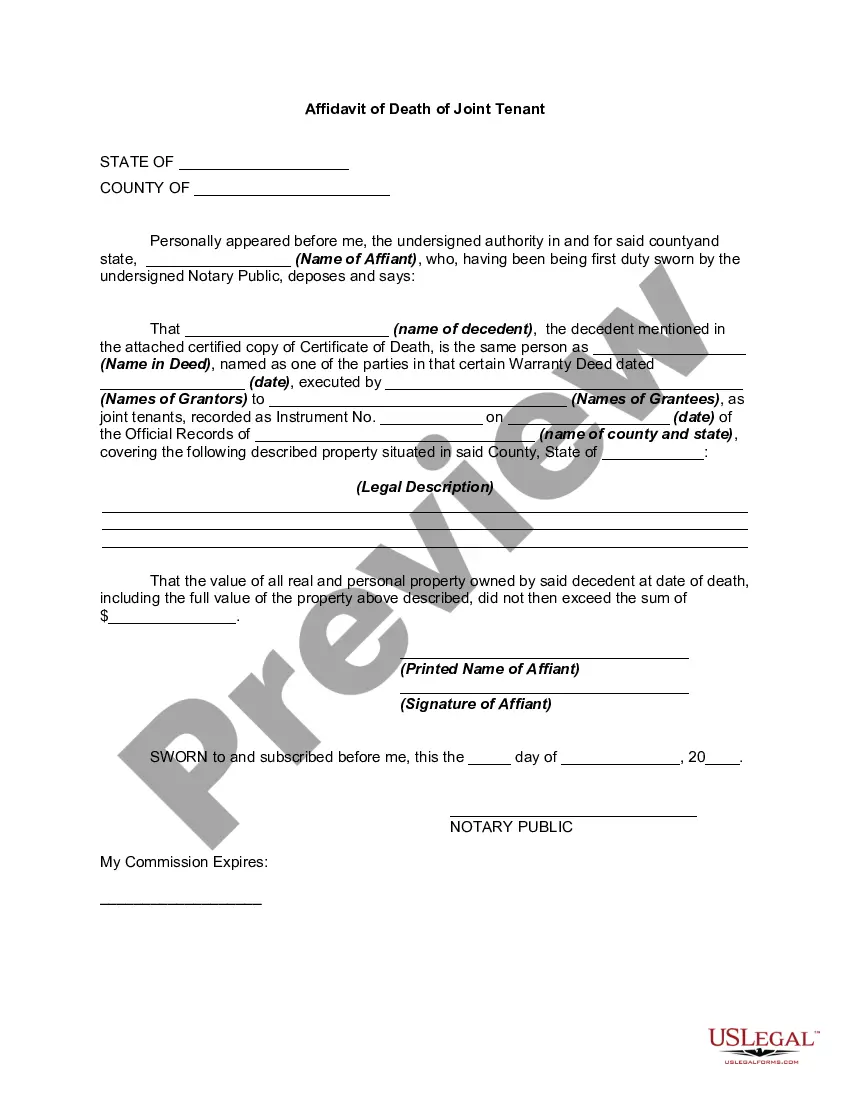
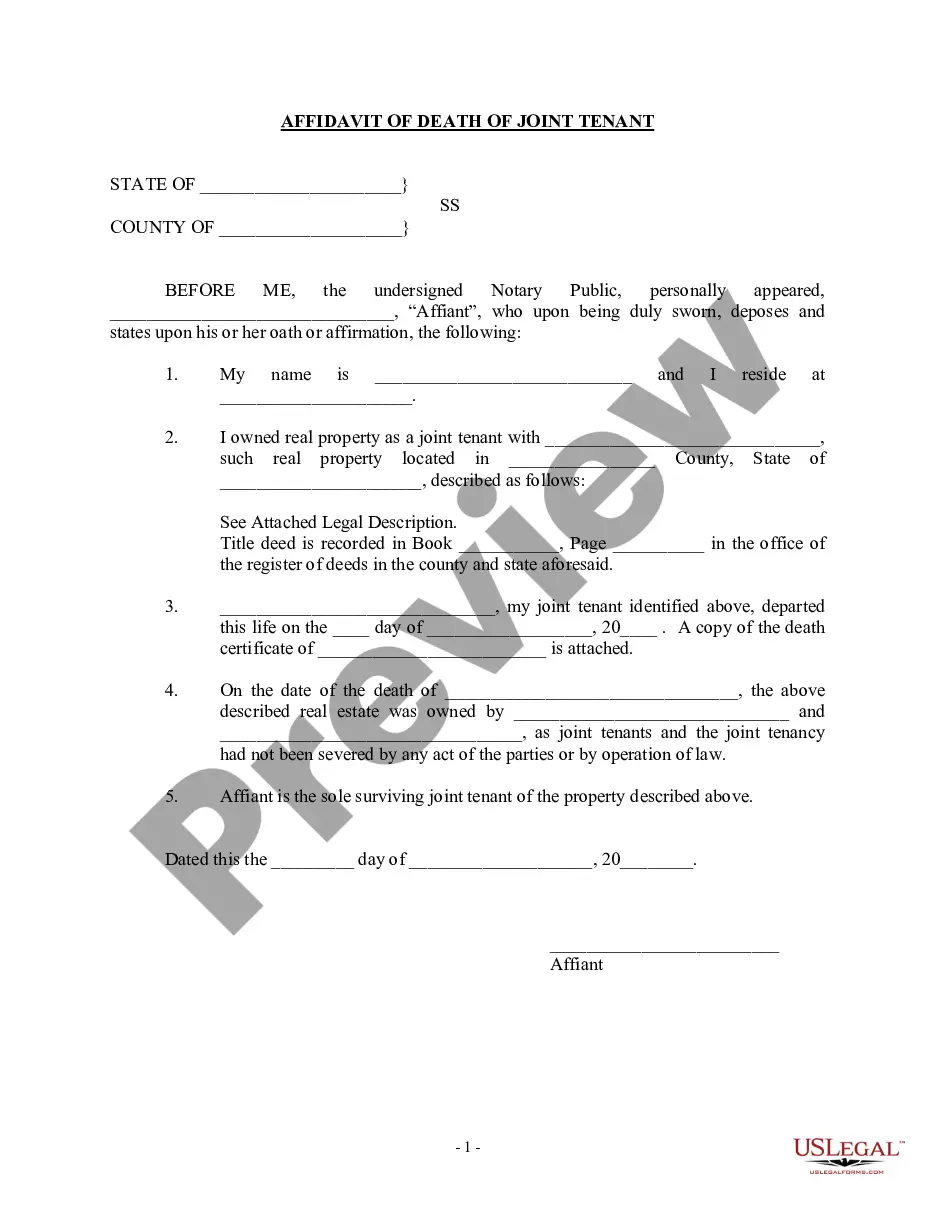
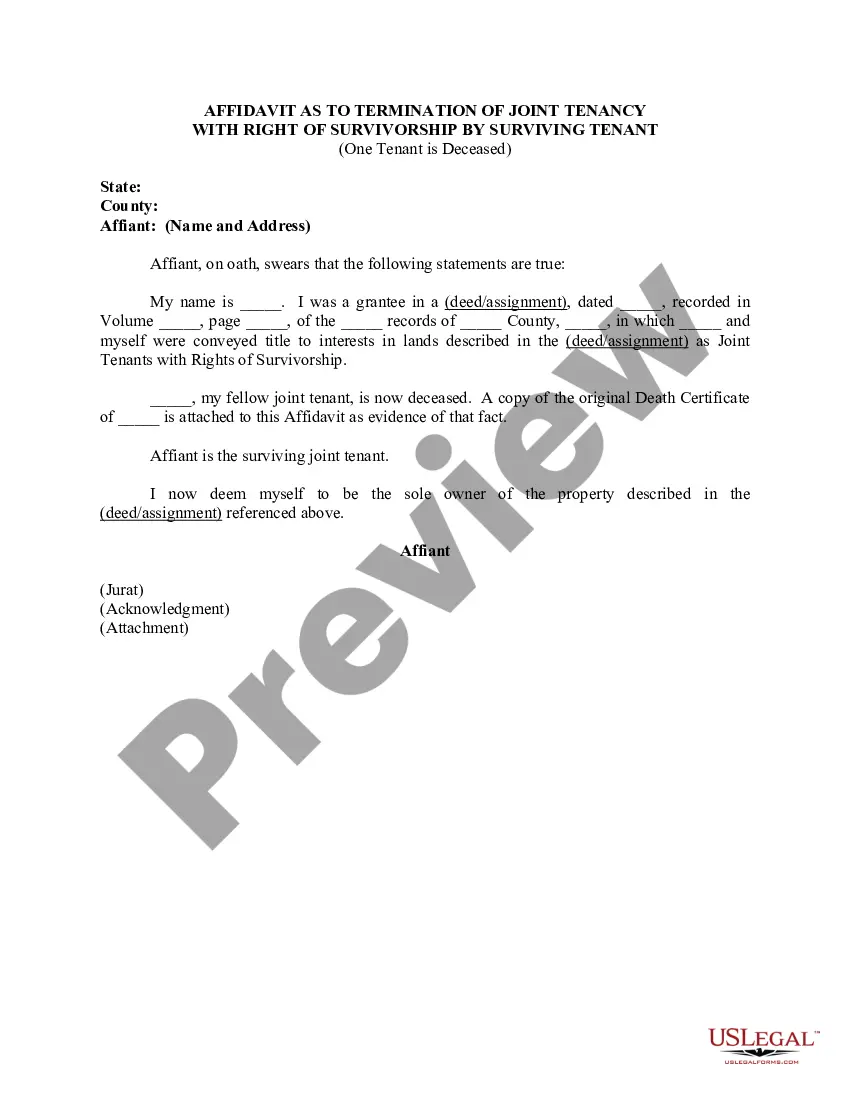
Get your form ready online
Our built-in tools help you complete, sign, share, and store your documents in one place.
Make edits, fill in missing information, and update formatting in US Legal Forms—just like you would in MS Word.
Download a copy, print it, send it by email, or mail it via USPS—whatever works best for your next step.
Sign and collect signatures with our SignNow integration. Send to multiple recipients, set reminders, and more. Go Premium to unlock E-Sign.
If this form requires notarization, complete it online through a secure video call—no need to meet a notary in person or wait for an appointment.
We protect your documents and personal data by following strict security and privacy standards.

Make edits, fill in missing information, and update formatting in US Legal Forms—just like you would in MS Word.

Download a copy, print it, send it by email, or mail it via USPS—whatever works best for your next step.

Sign and collect signatures with our SignNow integration. Send to multiple recipients, set reminders, and more. Go Premium to unlock E-Sign.

If this form requires notarization, complete it online through a secure video call—no need to meet a notary in person or wait for an appointment.

We protect your documents and personal data by following strict security and privacy standards.
Looking for another form?

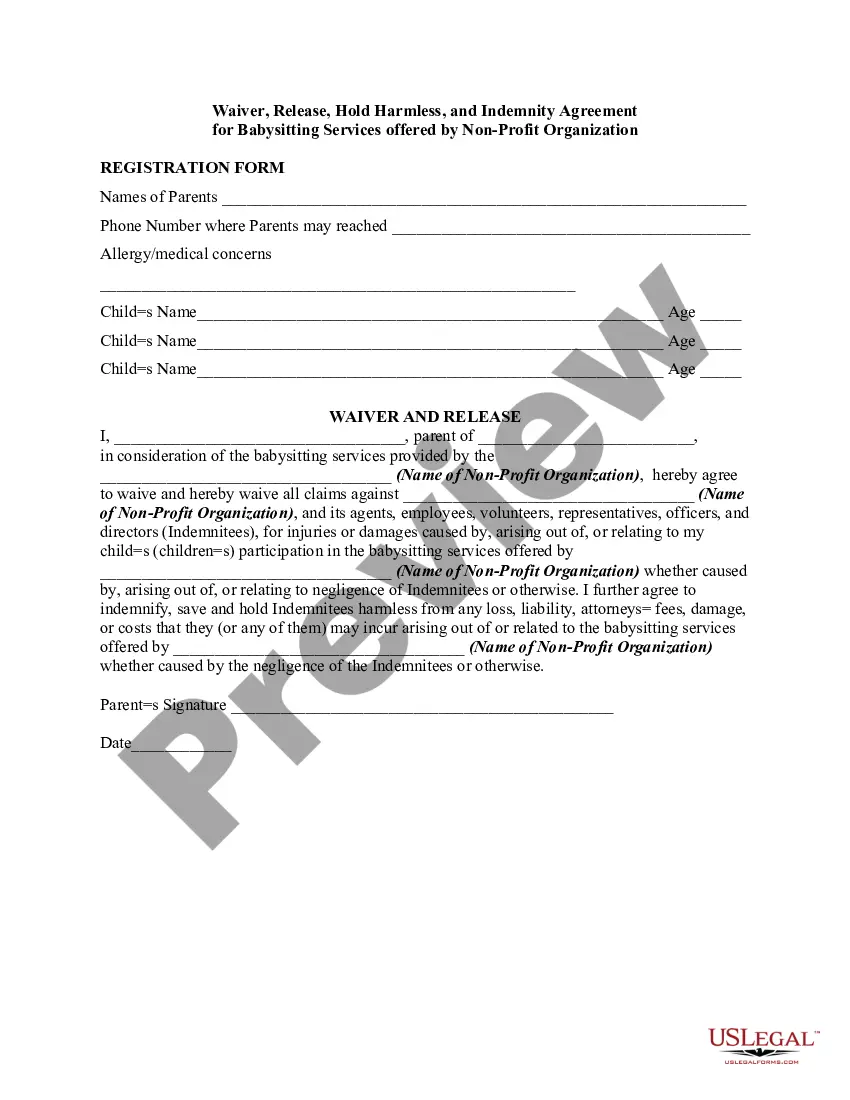

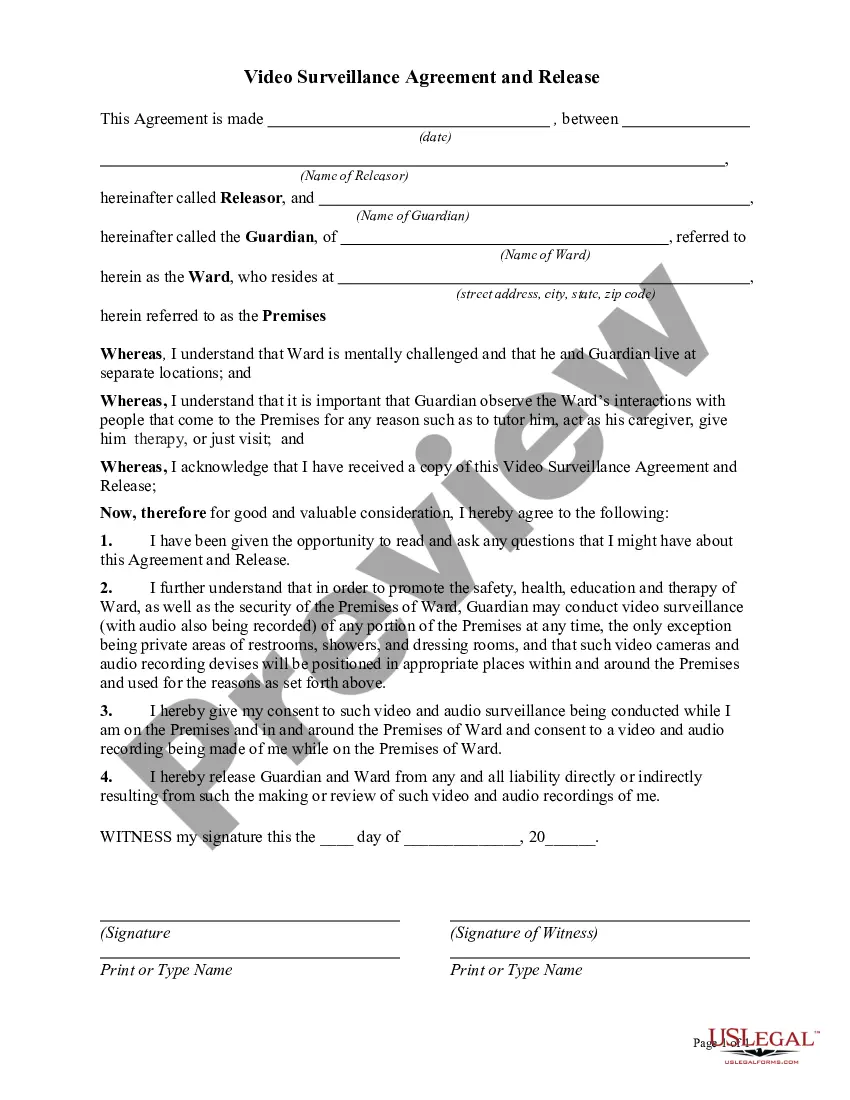

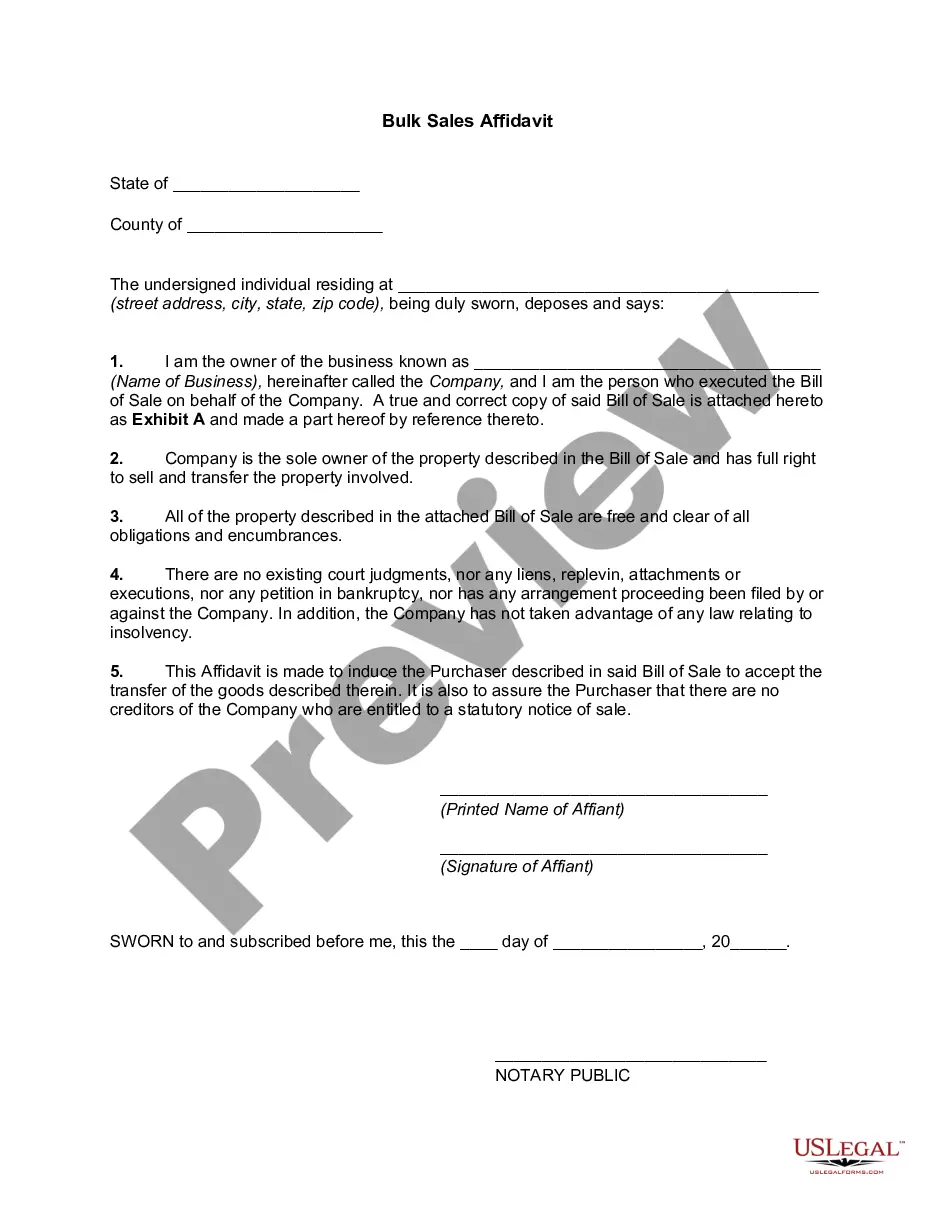



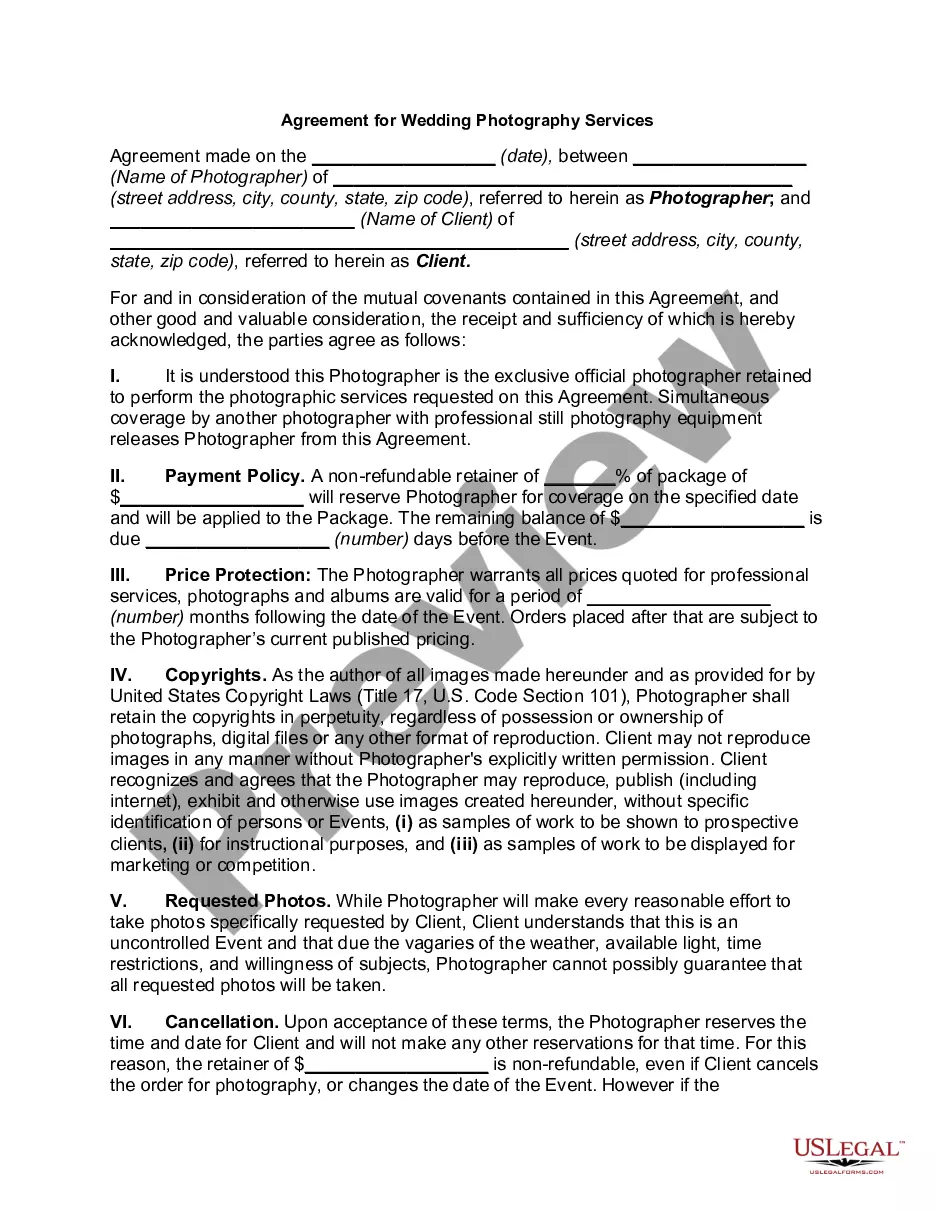
How to fill out Affidavit For Transferring Property After Death In Joint Tenancy With Right Of Survivorship By Surviving Tenant When One Tenant Is Deceased?
Legal document managing may be overwhelming, even for the most experienced professionals. When you are looking for a Estate Property Transfer Without A Lawyer and don’t have the time to spend looking for the correct and up-to-date version, the processes could be stressful. A robust online form catalogue can be a gamechanger for everyone who wants to handle these situations efficiently. US Legal Forms is a market leader in web legal forms, with over 85,000 state-specific legal forms available at any moment.
With US Legal Forms, you are able to:
- Gain access to state- or county-specific legal and business forms. US Legal Forms handles any demands you may have, from individual to enterprise paperwork, all in one location.
- Use advanced tools to complete and handle your Estate Property Transfer Without A Lawyer
- Gain access to a resource base of articles, instructions and handbooks and materials relevant to your situation and requirements
Save time and effort looking for the paperwork you need, and employ US Legal Forms’ advanced search and Review tool to discover Estate Property Transfer Without A Lawyer and acquire it. For those who have a subscription, log in for your US Legal Forms profile, search for the form, and acquire it. Review your My Forms tab to find out the paperwork you previously saved as well as to handle your folders as you can see fit.
If it is your first time with US Legal Forms, make an account and acquire unrestricted usage of all advantages of the platform. Here are the steps to take after getting the form you need:
- Confirm this is the correct form by previewing it and looking at its information.
- Ensure that the sample is accepted in your state or county.
- Choose Buy Now when you are all set.
- Choose a monthly subscription plan.
- Find the formatting you need, and Download, complete, eSign, print and send out your papers.
Take advantage of the US Legal Forms online catalogue, backed with 25 years of expertise and stability. Enhance your daily papers administration in to a smooth and easy-to-use process right now.
Form popularity
FAQ
The most common and reliable way to transfer title of property to someone is through a deed. There are a variety of different deeds, however, when buying or selling you'll typically want a Warranty Deed or Grant Deed.
A property owner formally transfers North Carolina real estate to a new owner by signing a deed and recording it in the register of deeds office. North Carolina law recognizes several types of deeds an owner can use to transfer property during life.
(A) The transfer of a deceased owner's real property or interest in real property as designated in a transfer on death designation affidavit provided in section 5302.22 of the Revised Code shall be recorded by presenting to the county auditor of the county in which the real property is located and filing with the ...
In California, probate settles a deceased person's estate and is required in California if the estate is worth more than $184,500.
The executor handling the decedent's estate, the receiver in a receivership, or the trustee in a bankruptcy estate are appointed by a court having jurisdiction over the property and typically transfer property using what is called a "fiduciary deed."