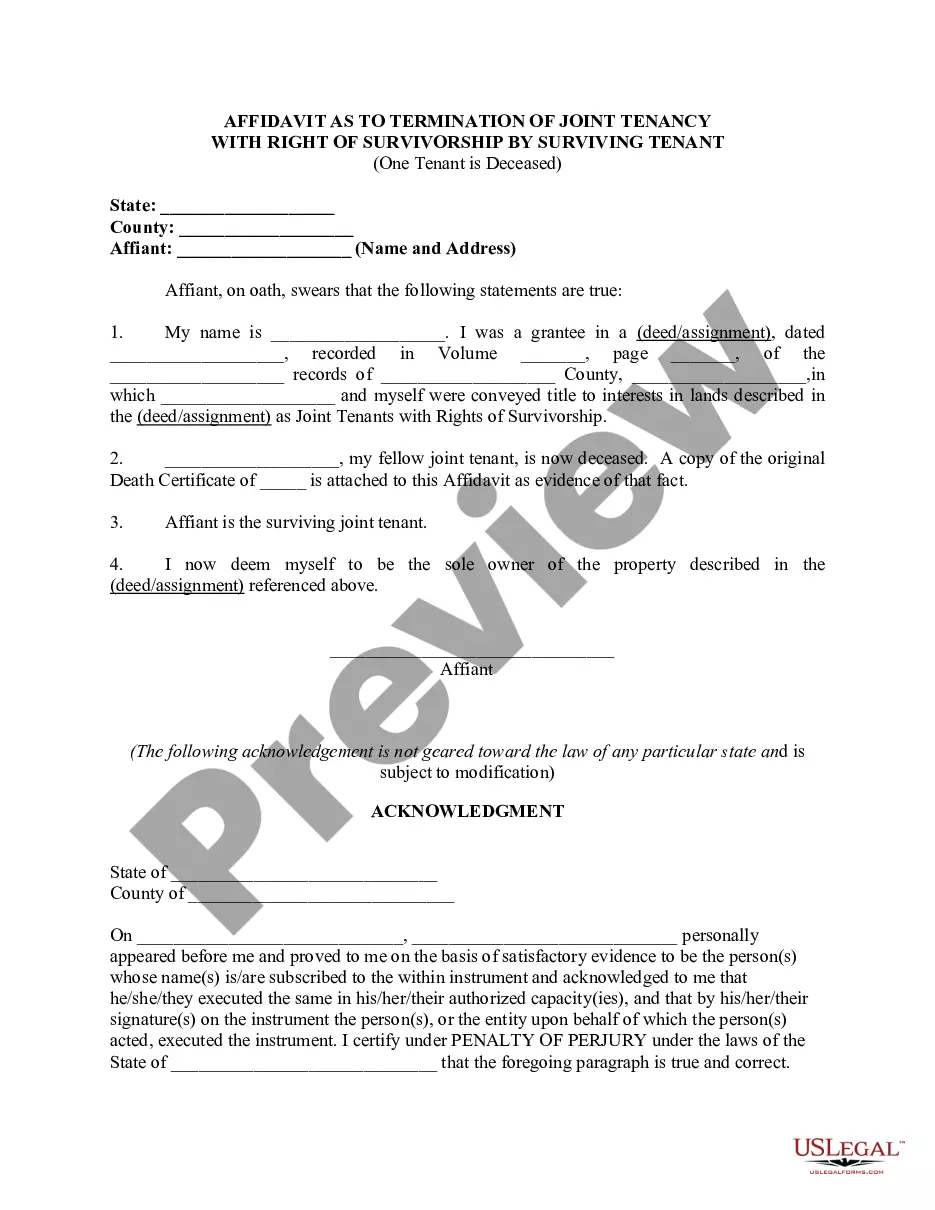
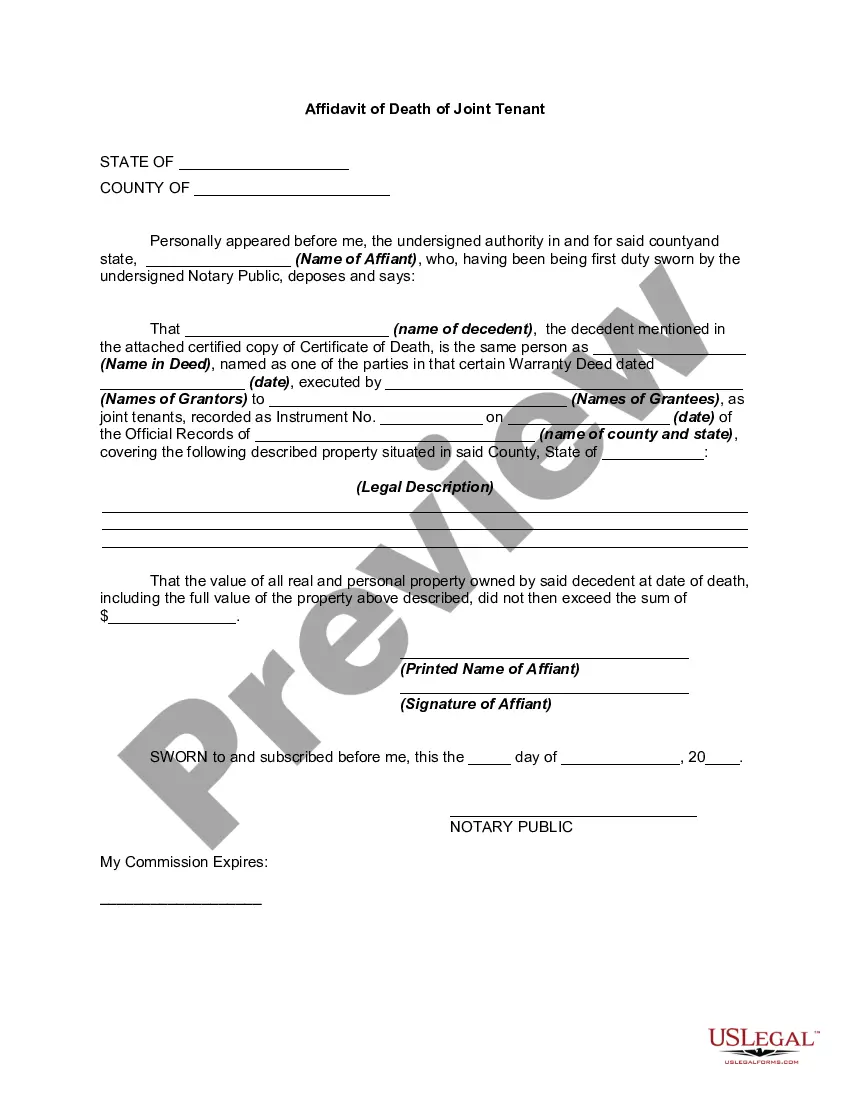
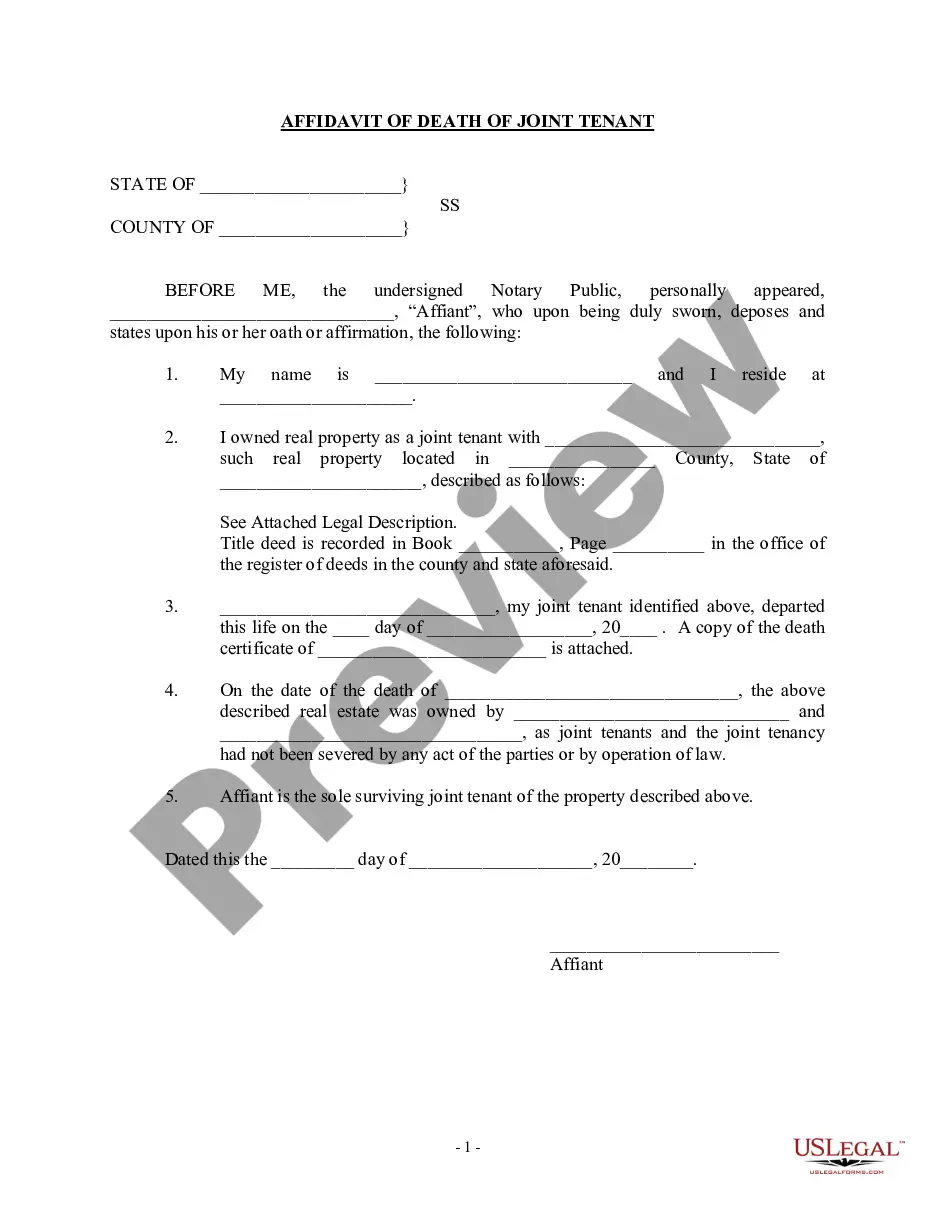
Estate Property Transfer With Deceased
Description
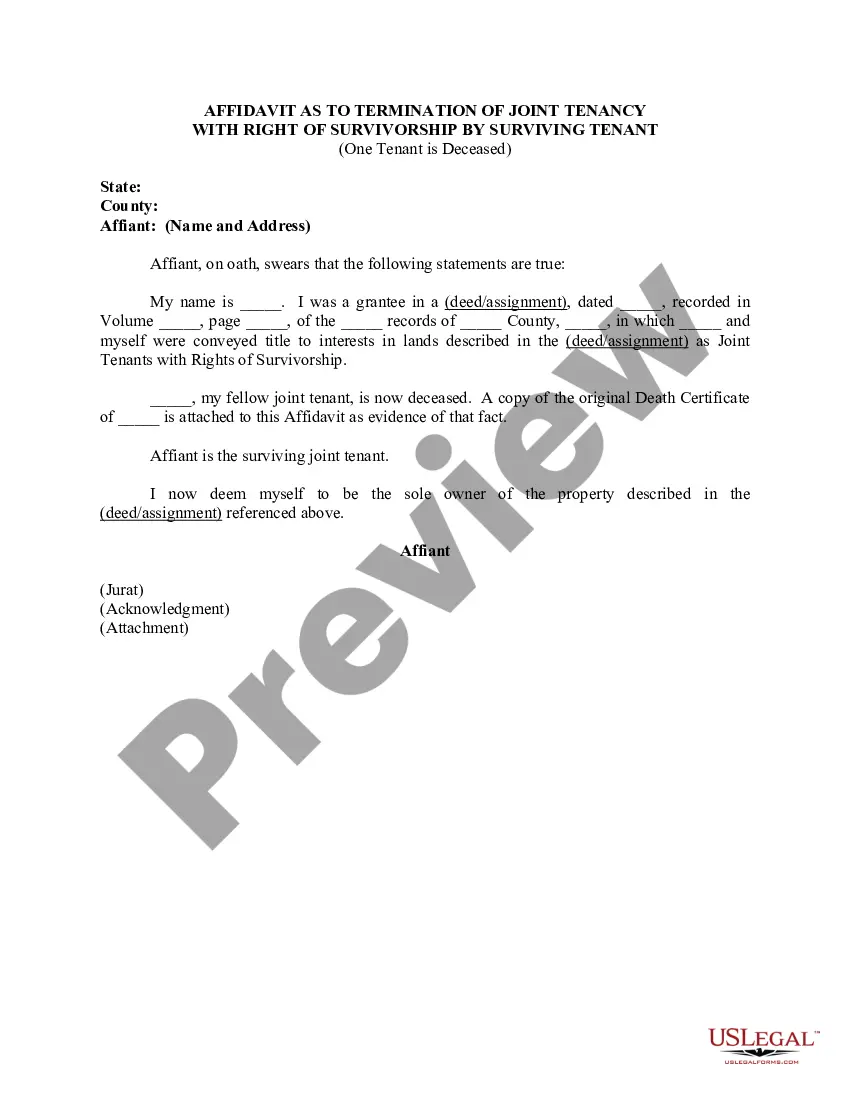
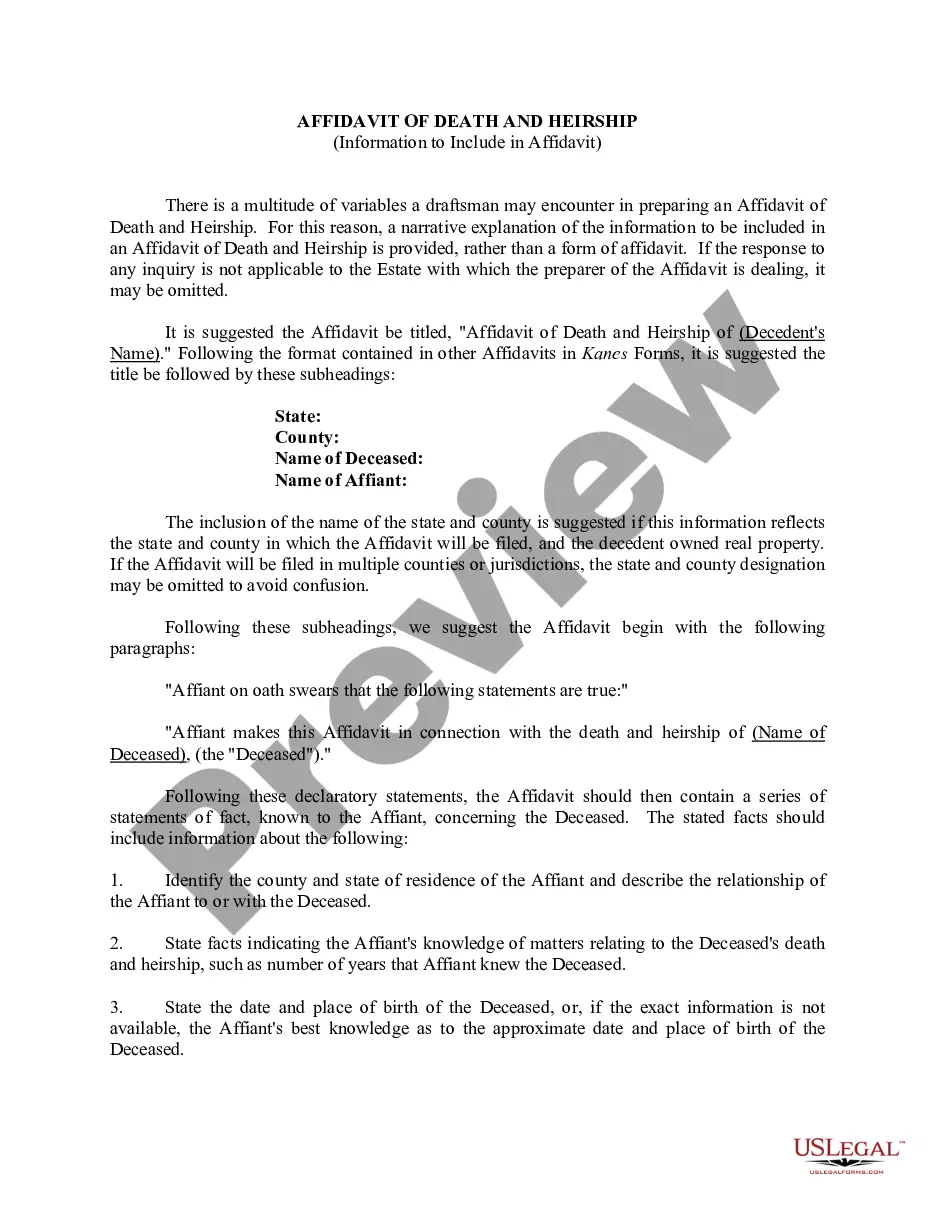
Get your form ready online
Our built-in tools help you complete, sign, share, and store your documents in one place.
Make edits, fill in missing information, and update formatting in US Legal Forms—just like you would in MS Word.
Download a copy, print it, send it by email, or mail it via USPS—whatever works best for your next step.
Sign and collect signatures with our SignNow integration. Send to multiple recipients, set reminders, and more. Go Premium to unlock E-Sign.
If this form requires notarization, complete it online through a secure video call—no need to meet a notary in person or wait for an appointment.
We protect your documents and personal data by following strict security and privacy standards.

Make edits, fill in missing information, and update formatting in US Legal Forms—just like you would in MS Word.

Download a copy, print it, send it by email, or mail it via USPS—whatever works best for your next step.

Sign and collect signatures with our SignNow integration. Send to multiple recipients, set reminders, and more. Go Premium to unlock E-Sign.

If this form requires notarization, complete it online through a secure video call—no need to meet a notary in person or wait for an appointment.

We protect your documents and personal data by following strict security and privacy standards.
Looking for another form?










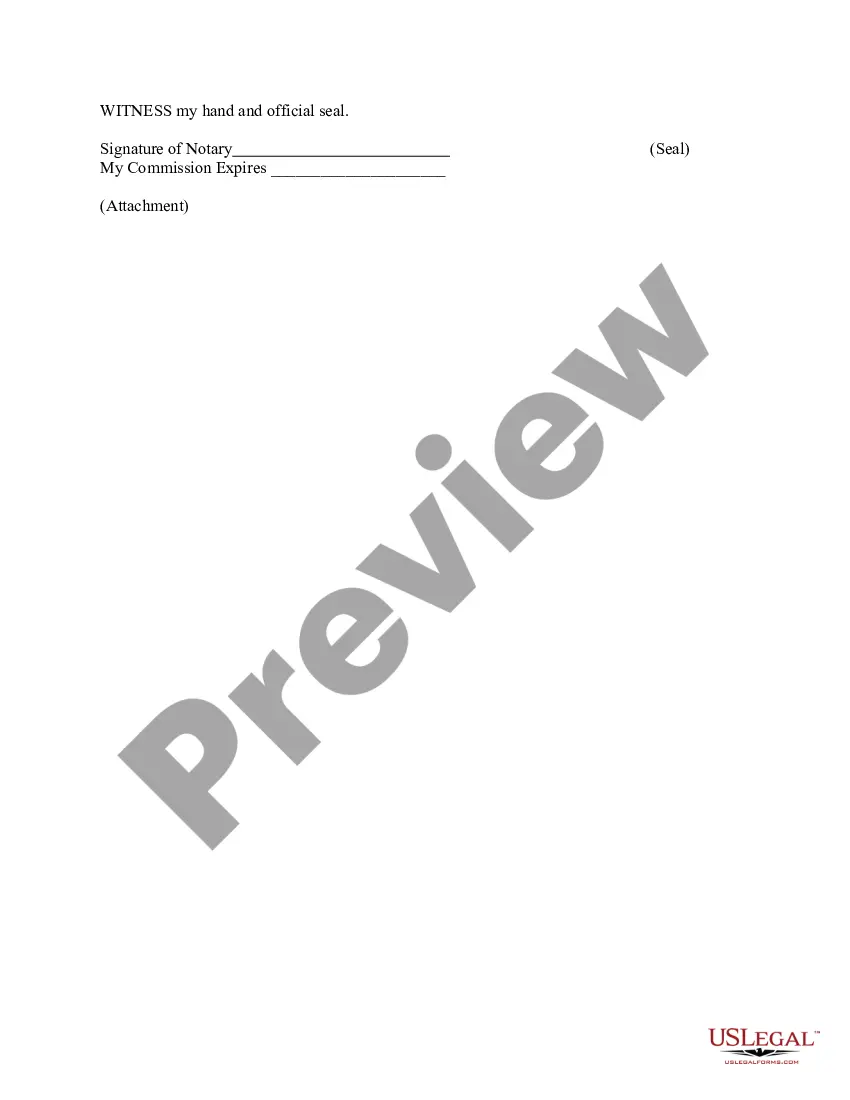
How to fill out Affidavit For Transferring Property After Death In Joint Tenancy With Right Of Survivorship By Surviving Tenant When One Tenant Is Deceased?
Drafting legal documents from scratch can sometimes be intimidating. Some cases might involve hours of research and hundreds of dollars spent. If you’re searching for a more straightforward and more cost-effective way of preparing Estate Property Transfer With Deceased or any other paperwork without jumping through hoops, US Legal Forms is always at your disposal.
Our virtual catalog of over 85,000 up-to-date legal forms covers virtually every element of your financial, legal, and personal affairs. With just a few clicks, you can instantly get state- and county-compliant templates carefully prepared for you by our legal professionals.
Use our website whenever you need a trustworthy and reliable services through which you can quickly locate and download the Estate Property Transfer With Deceased. If you’re not new to our website and have previously created an account with us, simply log in to your account, locate the form and download it away or re-download it at any time in the My Forms tab.
Don’t have an account? No problem. It takes minutes to set it up and navigate the library. But before jumping directly to downloading Estate Property Transfer With Deceased, follow these recommendations:
- Review the document preview and descriptions to ensure that you have found the form you are looking for.
- Check if template you choose conforms with the regulations and laws of your state and county.
- Pick the best-suited subscription option to purchase the Estate Property Transfer With Deceased.
- Download the form. Then fill out, certify, and print it out.
US Legal Forms boasts a good reputation and over 25 years of expertise. Join us today and turn form completion into something easy and streamlined!
Form popularity
FAQ
A relinquishment deed is required for a legal heir to permanently transfer property rights to another legal heir. It is a deed executed on a stamp paper and signed by two witnesses. The sub-registrar's office can also demand indemnity bond from other legal heirs.
A son is a legal heir to his father's property. If he inherits the property by way of a Will or natural succession; he can sell the same. It is important he gets the property transferred in his name upon the death of his father.
If a probate court proceeding is necessary, the court will choose someone based on that priority list. Most states make the surviving spouse or registered domestic partner, if any, the first choice. Adult children are usually next on the list, followed by other family members.
A beneficiary who receives real estate through a transfer on death deed becomes personally liable for the debts of the dead property owner without proper counsel from an estate planning professional or a title company. The beneficiary becomes liable to potential financial obligations as a result.
Another case is if your father has died intestate, i.e., there is no will or testament then you will have to obtain the settlement deed/ gift deed/ relinquishment deed from other legal heirs and produce it in front of the SRO for property transfer. The appropriate succession laws may also apply in this case.