Estate Property For Sale
Description
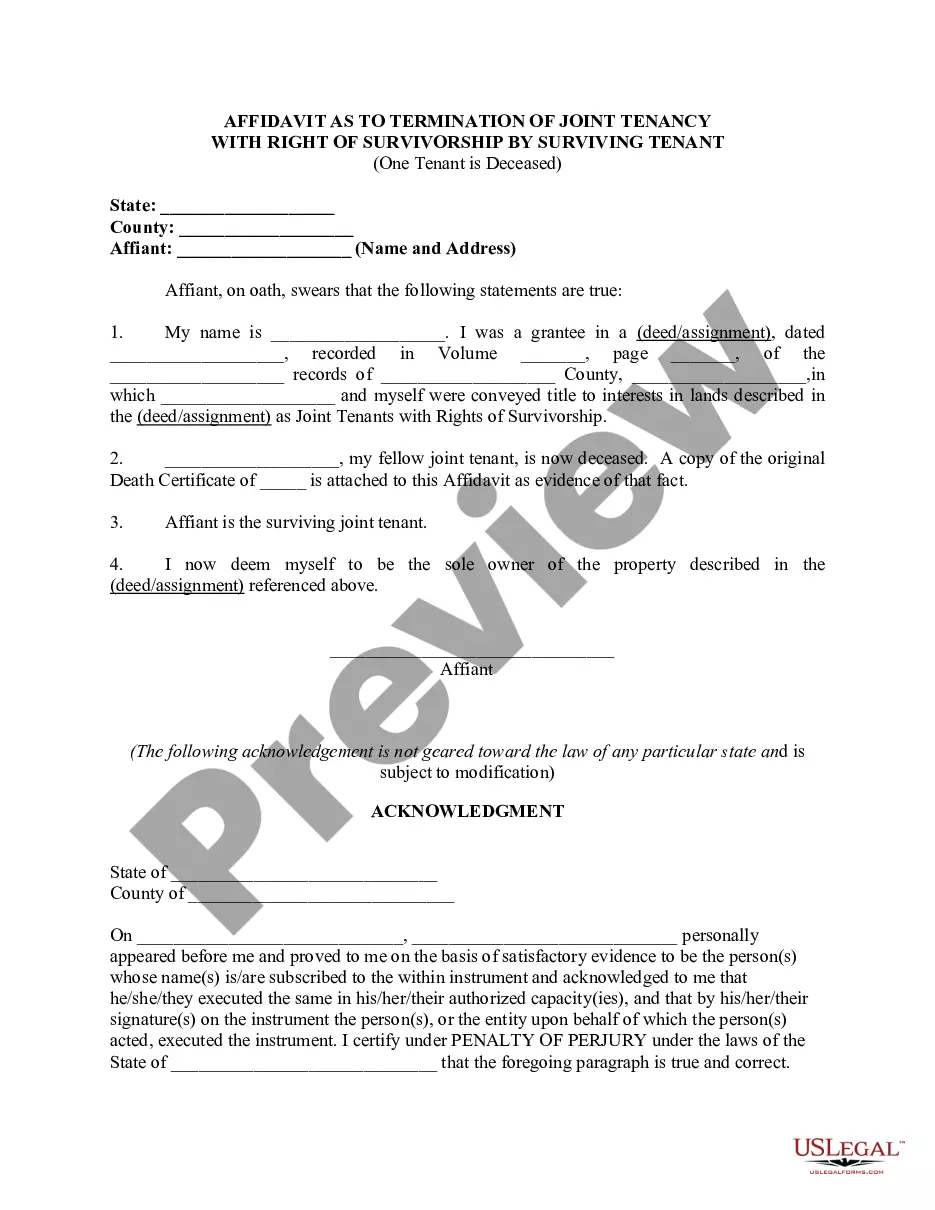
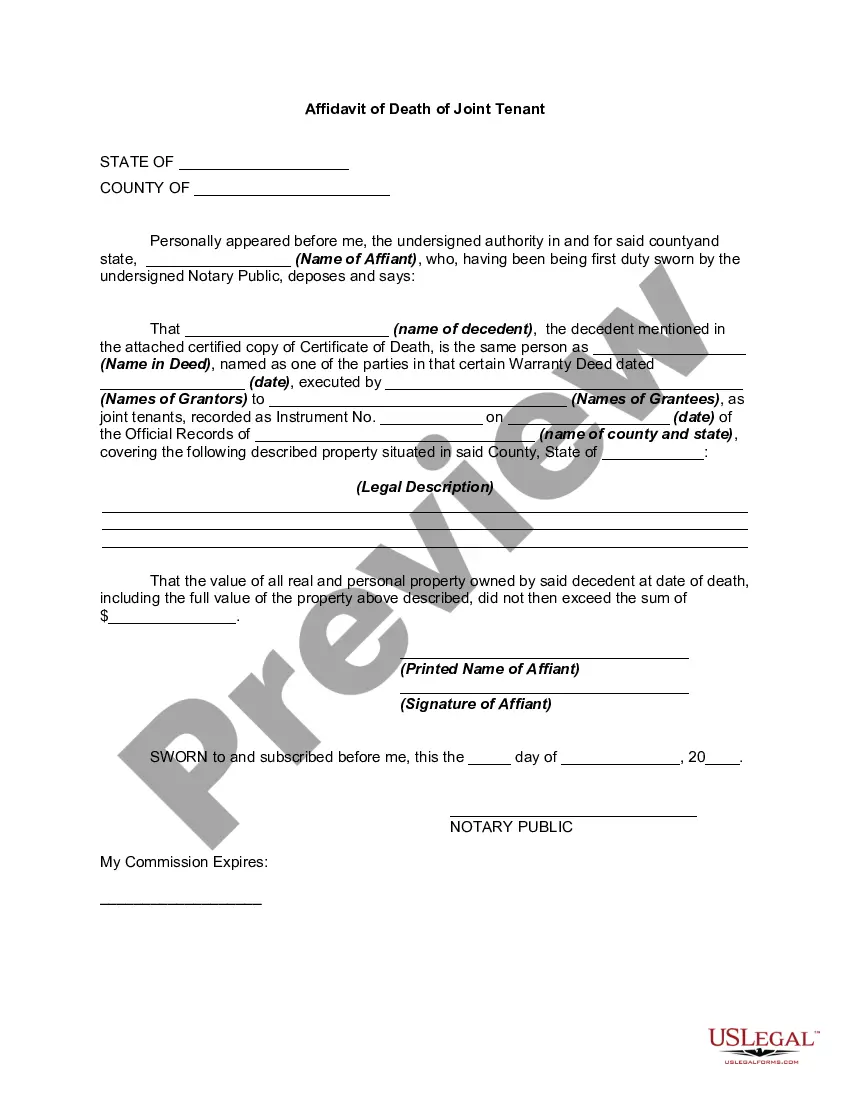
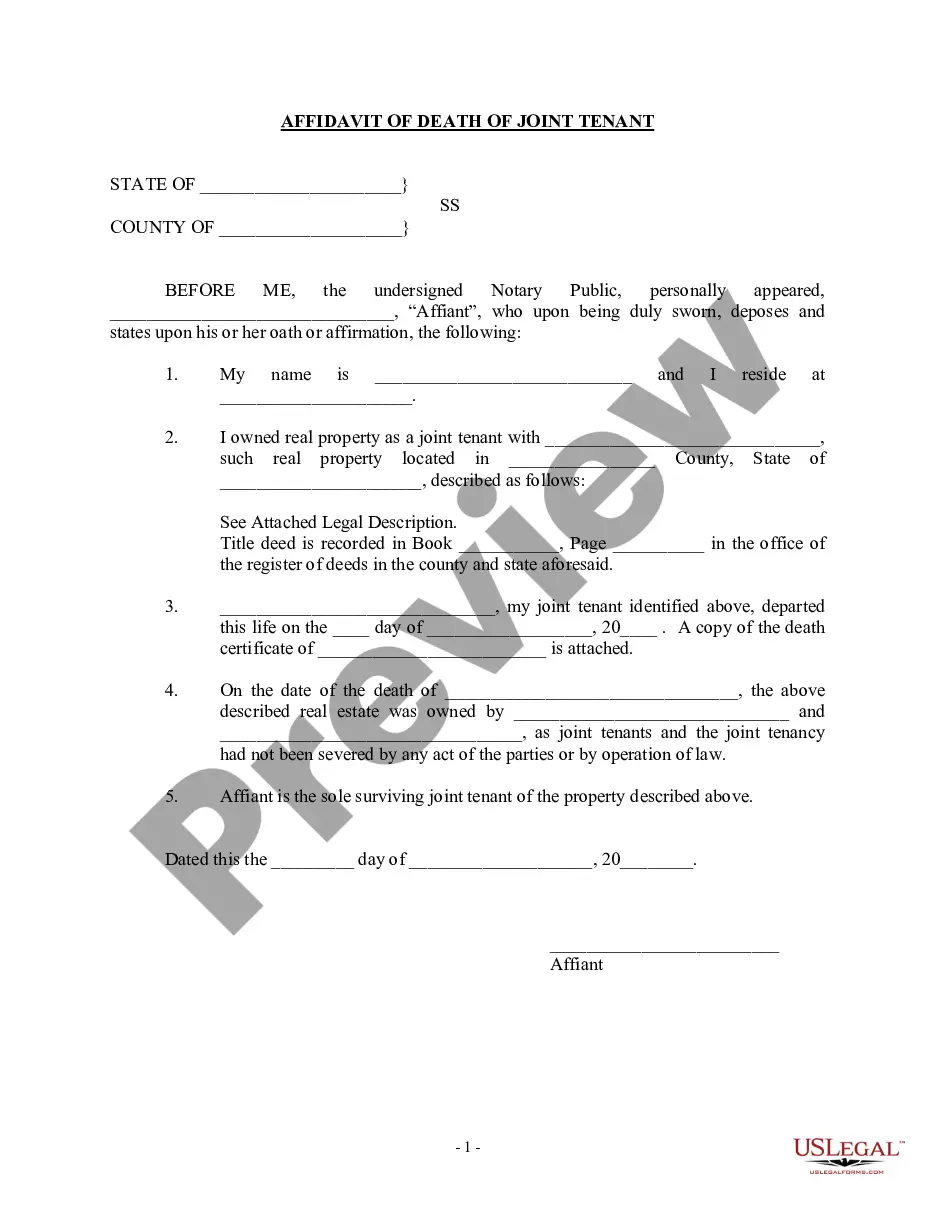
Get your form ready online
Our built-in tools help you complete, sign, share, and store your documents in one place.
Make edits, fill in missing information, and update formatting in US Legal Forms—just like you would in MS Word.
Download a copy, print it, send it by email, or mail it via USPS—whatever works best for your next step.
Sign and collect signatures with our SignNow integration. Send to multiple recipients, set reminders, and more. Go Premium to unlock E-Sign.
If this form requires notarization, complete it online through a secure video call—no need to meet a notary in person or wait for an appointment.
We protect your documents and personal data by following strict security and privacy standards.

Make edits, fill in missing information, and update formatting in US Legal Forms—just like you would in MS Word.

Download a copy, print it, send it by email, or mail it via USPS—whatever works best for your next step.

Sign and collect signatures with our SignNow integration. Send to multiple recipients, set reminders, and more. Go Premium to unlock E-Sign.

If this form requires notarization, complete it online through a secure video call—no need to meet a notary in person or wait for an appointment.

We protect your documents and personal data by following strict security and privacy standards.
Looking for another form?








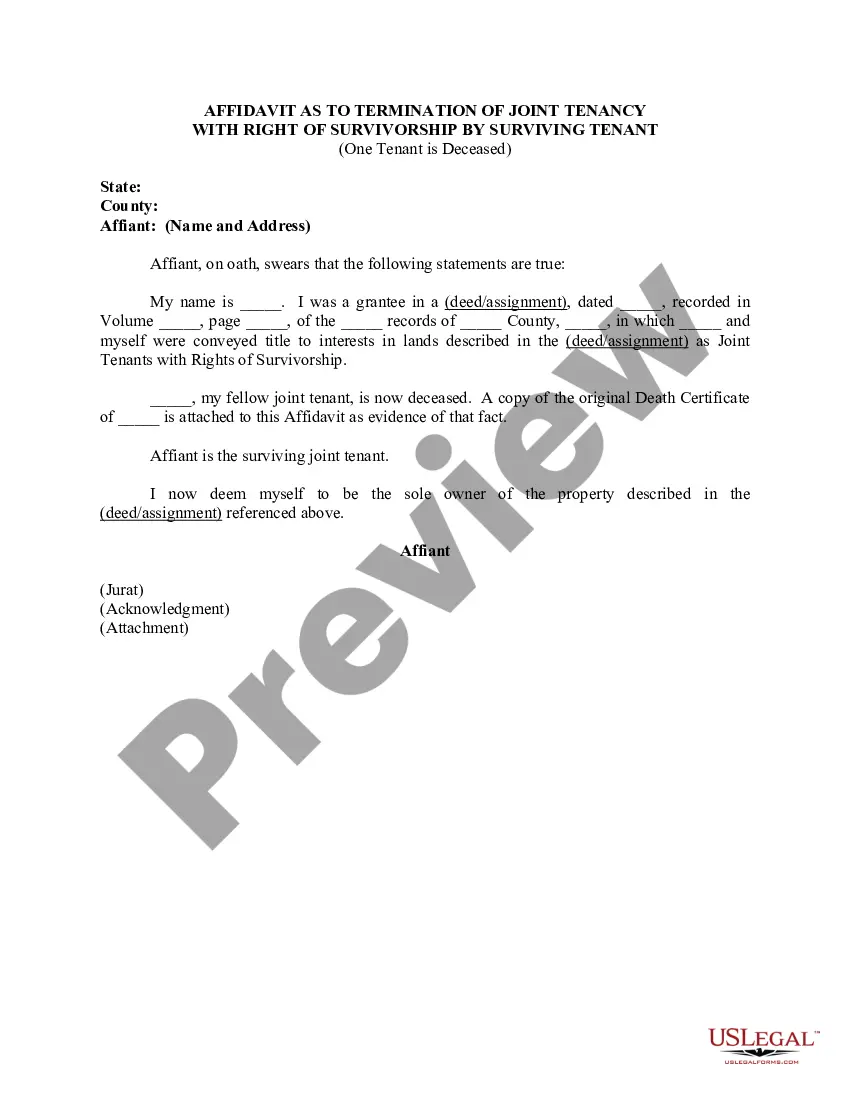
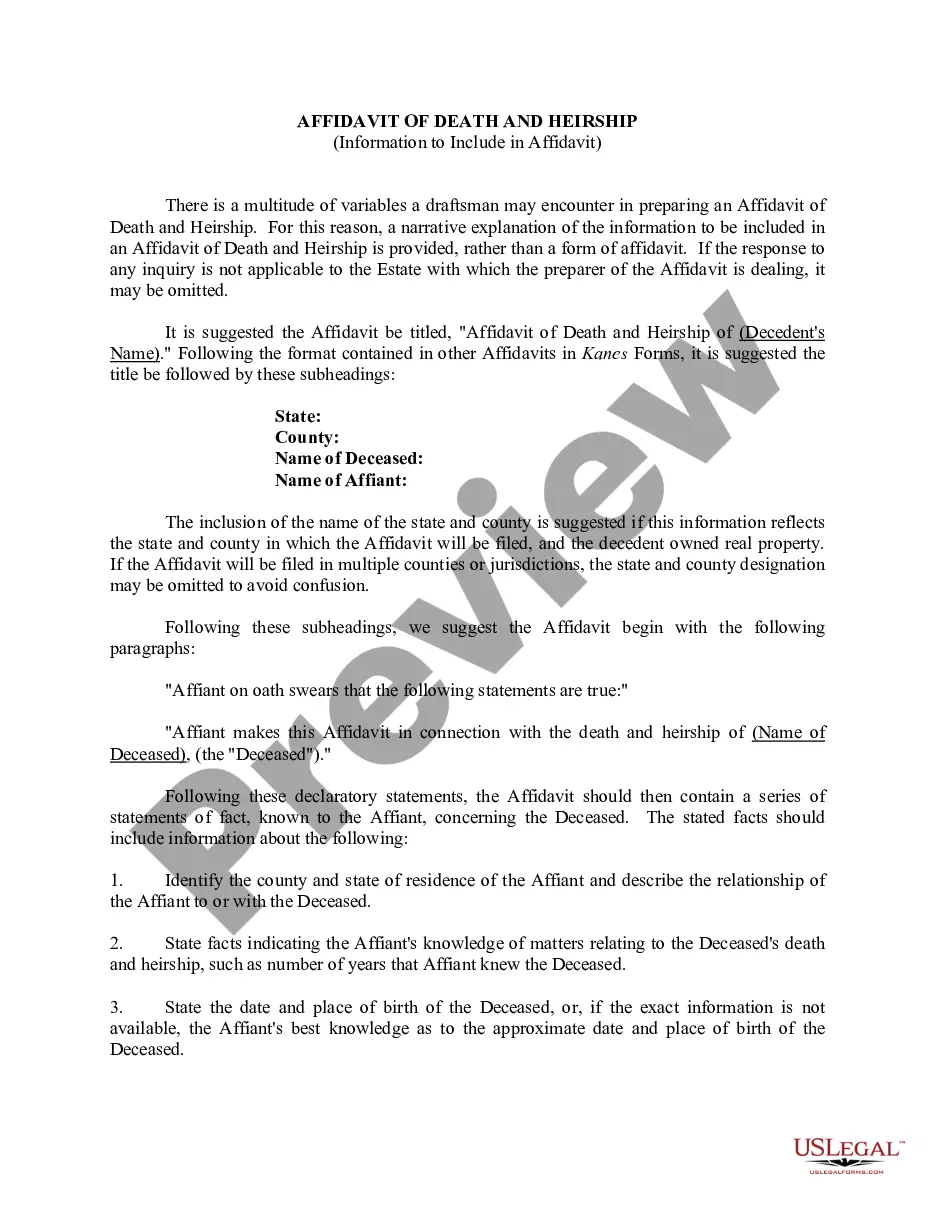
How to fill out Affidavit For Transferring Property After Death In Joint Tenancy With Right Of Survivorship By Surviving Tenant When One Tenant Is Deceased?
The Estate Property For Sale you see on this page is a reusable formal template drafted by professional lawyers in accordance with federal and local regulations. For more than 25 years, US Legal Forms has provided people, companies, and attorneys with more than 85,000 verified, state-specific forms for any business and personal occasion. It’s the fastest, most straightforward and most trustworthy way to obtain the documents you need, as the service guarantees bank-level data security and anti-malware protection.
Getting this Estate Property For Sale will take you just a few simple steps:
- Search for the document you need and review it. Look through the file you searched and preview it or review the form description to confirm it satisfies your needs. If it does not, utilize the search option to find the appropriate one. Click Buy Now when you have found the template you need.
- Sign up and log in. Choose the pricing plan that suits you and register for an account. Use PayPal or a credit card to make a quick payment. If you already have an account, log in and check your subscription to continue.
- Get the fillable template. Select the format you want for your Estate Property For Sale (PDF, Word, RTF) and download the sample on your device.
- Fill out and sign the document. Print out the template to complete it by hand. Alternatively, utilize an online multi-functional PDF editor to quickly and precisely fill out and sign your form with a valid.
- Download your papers again. Make use of the same document once again anytime needed. Open the My Forms tab in your profile to redownload any previously downloaded forms.
Sign up for US Legal Forms to have verified legal templates for all of life’s circumstances at your disposal.
Form popularity
FAQ
Ohio Revised Code §2115.02. It should also include tangible and intangible personal property of the decedent that is to be administered and of which the Executor is aware. Tangible personal property includes furniture, jewelry, and art. These are items that usually can be physically picked up or touched.
This inventory must include all of the decedent's (i) personal estate under your supervision and control, (ii) interest in any multiple party account (which is defined in Part 2) in any financial institution, (iii) real estate over which you have a power of sale, and (iv) other real estate that is an asset of the ...
Everything owned by a person who has died is known as their estate. The estate may be made up of: money, both cash and money in a bank or building society account. This could include money paid out on a life insurance policy.
On the 90-day inventory form, you will need to list the following information: The decedent's county of residence. The decedent's name. Any accounts in the sole name of the decedent and their value. Any joint accounts, the percentage the decedent owned, and their value.
Generally speaking, assets not accounted for by the estate plan include the following: Pension plans. Savings bonds. Living trust assets. 401 (k) accounts. Savings accounts (in select circumstances)