Motion Court Form Document With Motion
Description

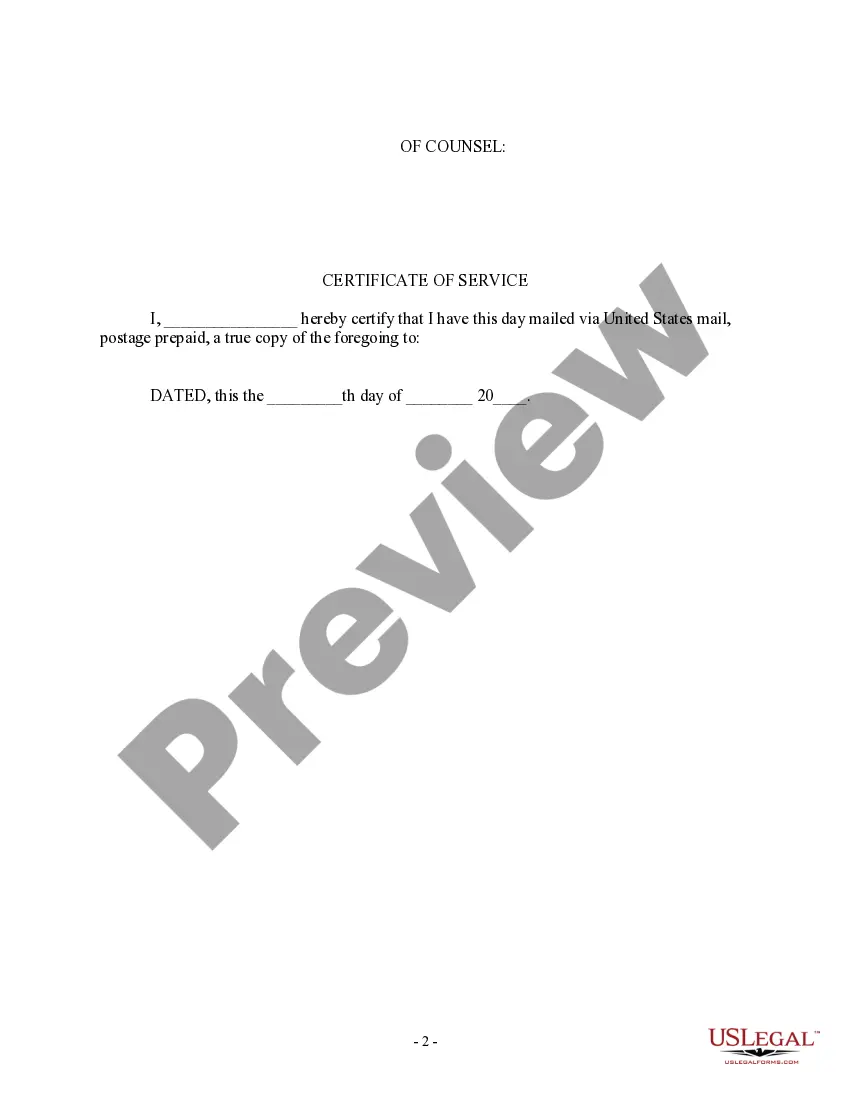

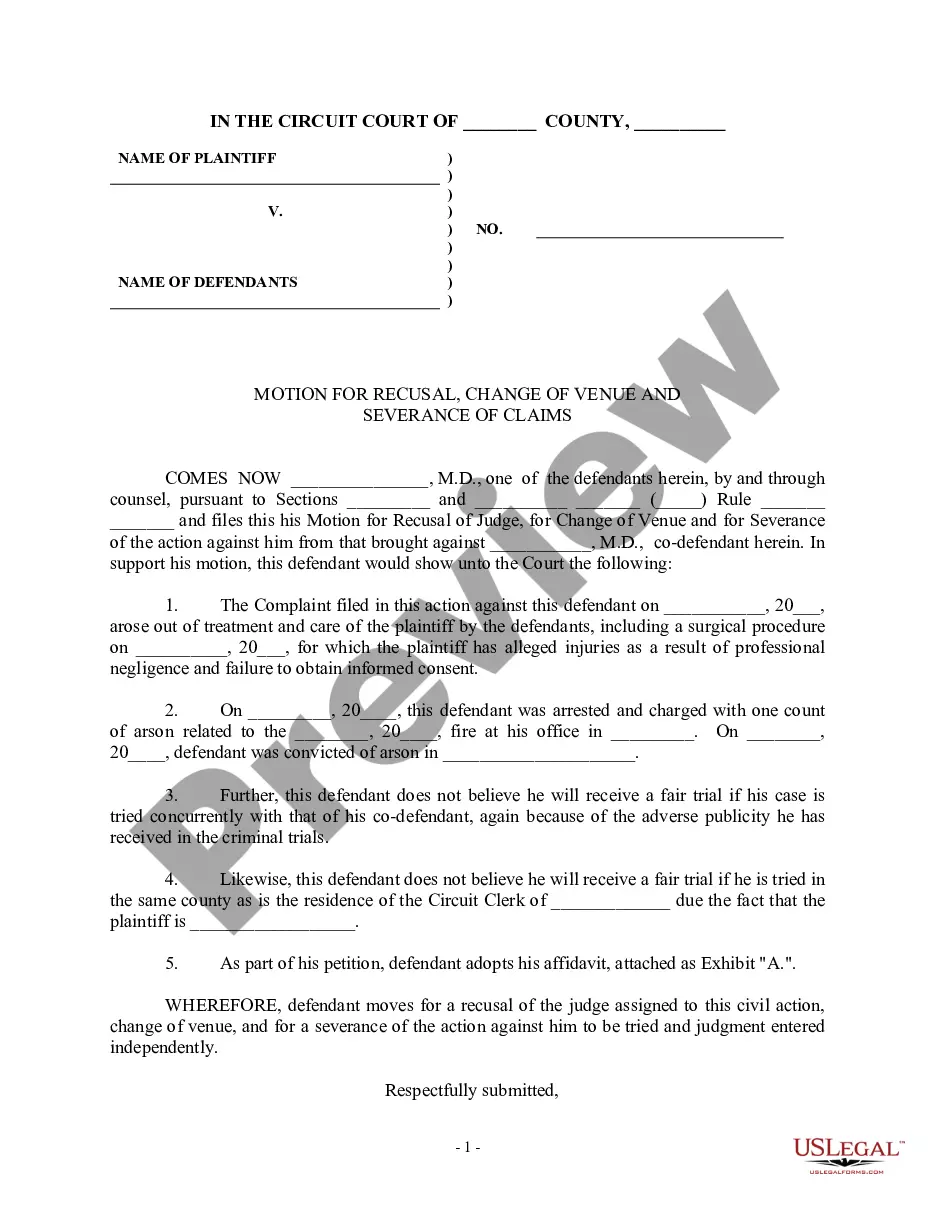
Get your form ready online
Our built-in tools help you complete, sign, share, and store your documents in one place.
Make edits, fill in missing information, and update formatting in US Legal Forms—just like you would in MS Word.
Download a copy, print it, send it by email, or mail it via USPS—whatever works best for your next step.
Sign and collect signatures with our SignNow integration. Send to multiple recipients, set reminders, and more. Go Premium to unlock E-Sign.
If this form requires notarization, complete it online through a secure video call—no need to meet a notary in person or wait for an appointment.
We protect your documents and personal data by following strict security and privacy standards.

Make edits, fill in missing information, and update formatting in US Legal Forms—just like you would in MS Word.

Download a copy, print it, send it by email, or mail it via USPS—whatever works best for your next step.

Sign and collect signatures with our SignNow integration. Send to multiple recipients, set reminders, and more. Go Premium to unlock E-Sign.

If this form requires notarization, complete it online through a secure video call—no need to meet a notary in person or wait for an appointment.

We protect your documents and personal data by following strict security and privacy standards.
Looking for another form?


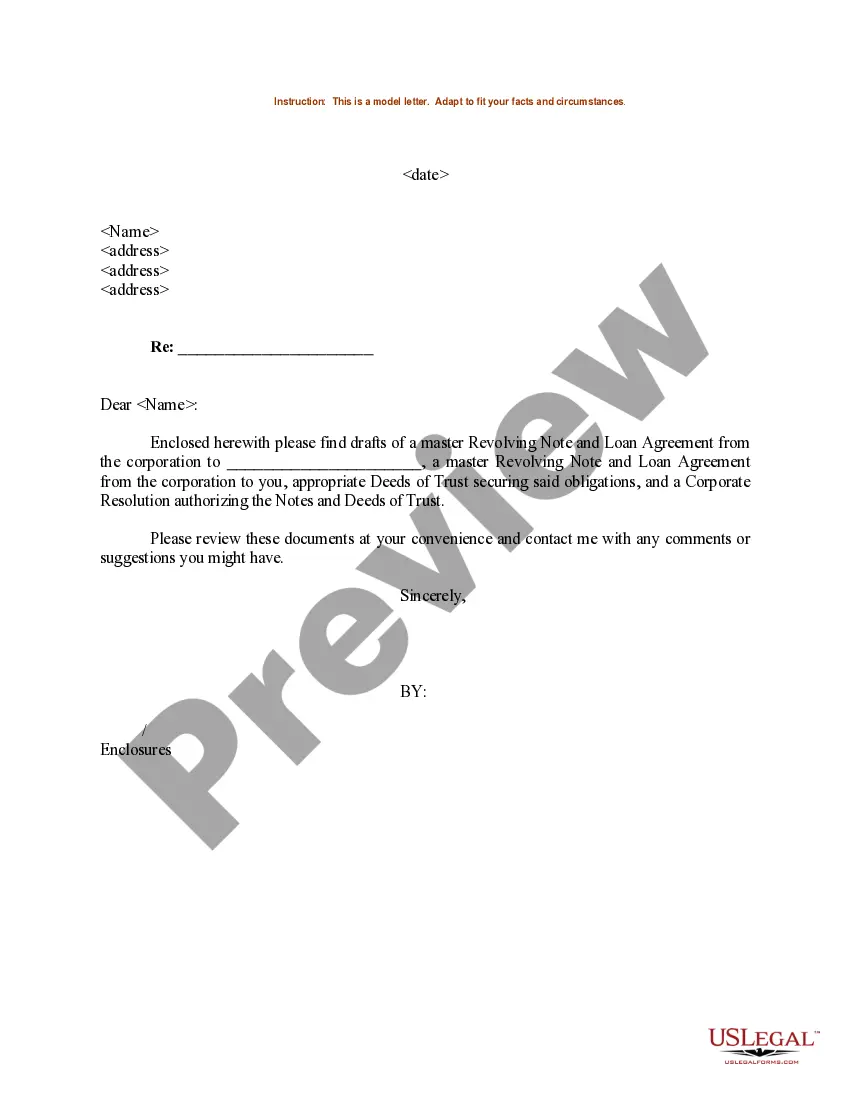
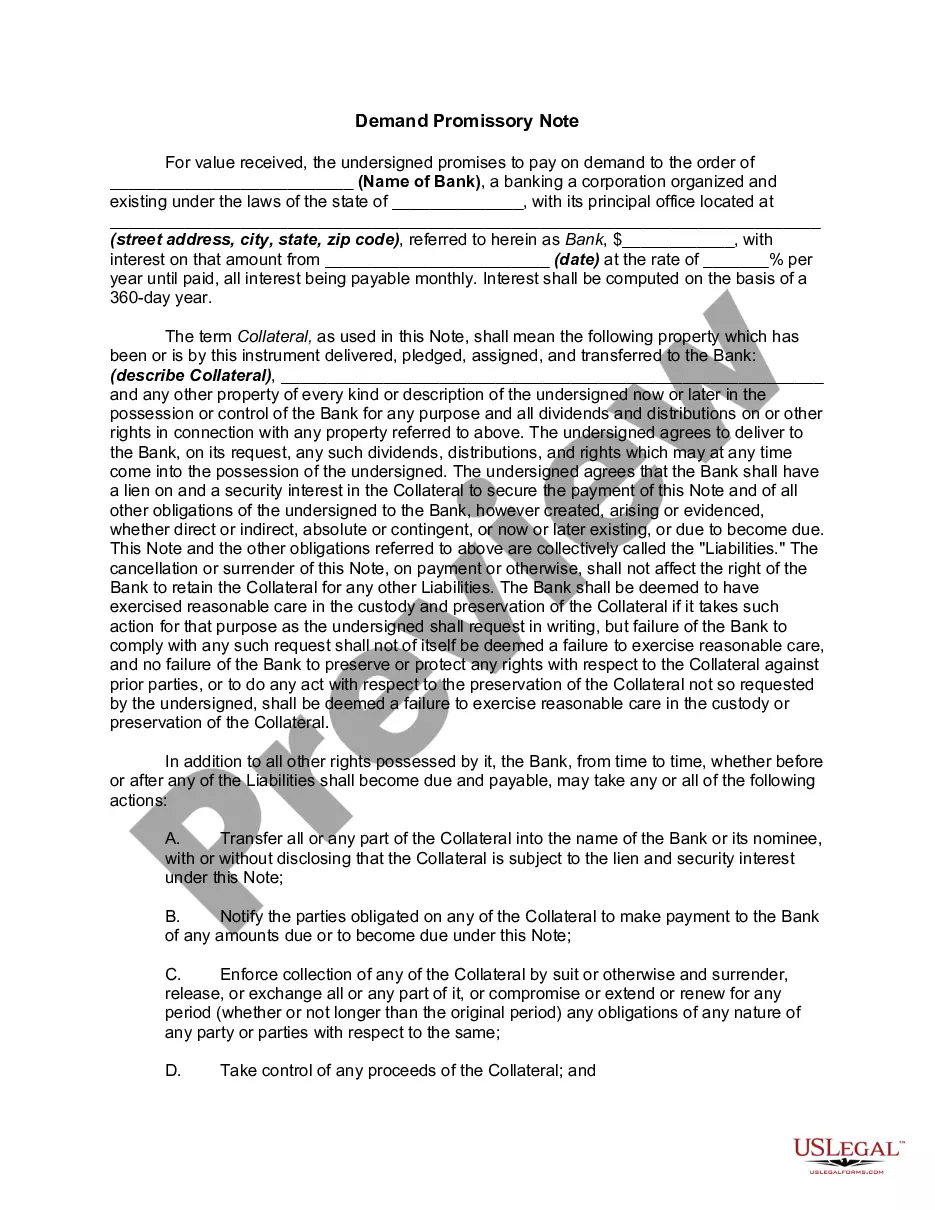

How to fill out Motion For Change Of Venue - Incorrect Court District?
Managing legal documents can be daunting, even for the most skilled professionals.
When you seek a Motion Court Form Document With Motion and lack the time to search for the correct and current edition, the process can be taxing.
US Legal Forms accommodates all your needs, from personal to business documents, conveniently in one location.
Employ advanced tools to fill out and manage your Motion Court Form Document With Motion.
Here are the steps to follow after downloading the necessary form: Verify that it is the correct document by previewing it and reviewing its details.
- Access a rich resource library of articles, guides, and manuals relevant to your situation and requirements.
- Save time and energy searching for the documents you require, and utilize US Legal Forms’ sophisticated search and Preview tool to locate Motion Court Form Document With Motion and obtain it.
- If you have a monthly subscription, Log In to your US Legal Forms account, search for the document, and download it.
- Check the My documents tab to view the documents you have previously downloaded and manage your folders as desired.
- If it's your first engagement with US Legal Forms, create a free account and gain unrestricted access to all the platform's benefits.
- Utilize a vast online form library could be transformative for anyone aiming to handle these scenarios efficiently.
- US Legal Forms is a pioneering provider in online legal documents, with more than 85,000 state-specific legal forms accessible at any time.
- With US Legal Forms, you are able to access state- or county-specific legal and business documents.
Form popularity
FAQ
The main purpose of a motion is to request a court to take a specific action or make a decision in a legal matter. Filing a Motion court form document with motion helps clarify your intentions and facilitates a structured response from the court. It serves as a vehicle to argue your case effectively and seeks to resolve issues efficiently. Understanding this purpose can enhance your legal strategy.
Court rules usually limit the number of questions included in an interrogatory. For example, under Rule 33 of the Federal Rules of Civil Procedure, each party may only ask the other party 25 interrogatory questions, unless the court permits them to ask more.
The Nebraska Court records website is developed to help provide electronic access to public court records. It provides citizens with the right to gather, obtain copies, and examine public court records as permitted by Nebraska's public records laws.
NUMBER AND SCOPE OF INTERROGATORIES. Rule 33(a), Federal Rules of Civil Procedure, restricts to 25 (including all discrete subparts) the number of interrogatories a party may serve on any other party.
Unless otherwise permitted by the court for good cause shown, no party shall serve upon any other party more than fifty interrogatories. Each question, subquestion, or subpart shall count as one interrogatory.
(1) Availability. Unless otherwise stipulated or ordered by the court, a party may serve on any other party no more than 25 written interrogatories, including all discrete subparts. Leave to serve additional interrogatories may be granted to the extent consistent with Rule 26(b)(1) and (2).
Parties may obtain discovery regarding any matter, not privileged, which is relevant to the subject matter involved in the pending action, whether it relates to the claim or defense of the party seeking discovery or to the claim or defense of any other party, including the existence, description, nature, custody, ...
The Public Access to Court Electronic Records system (PACER) provides case information over the Internet. PACER is part of the court's Case Management/Electronic Case Files (CM/ECF) system.
To start a Small Claims Court lawsuit you must go to the County Courthouse and complete a claim form, sign it before the clerk, and pay the filing fee and service costs. You may mail a completed claim form to the clerk if you have signed it before a Nebraska Notary Public.