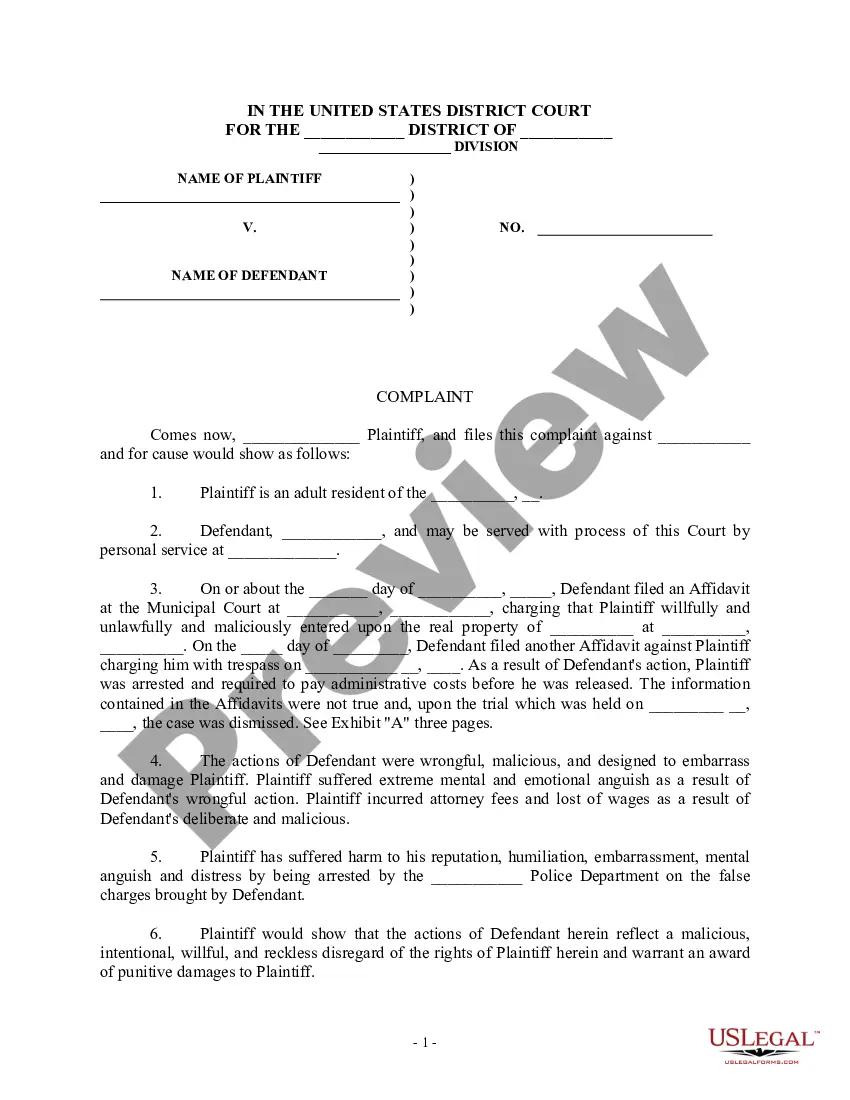
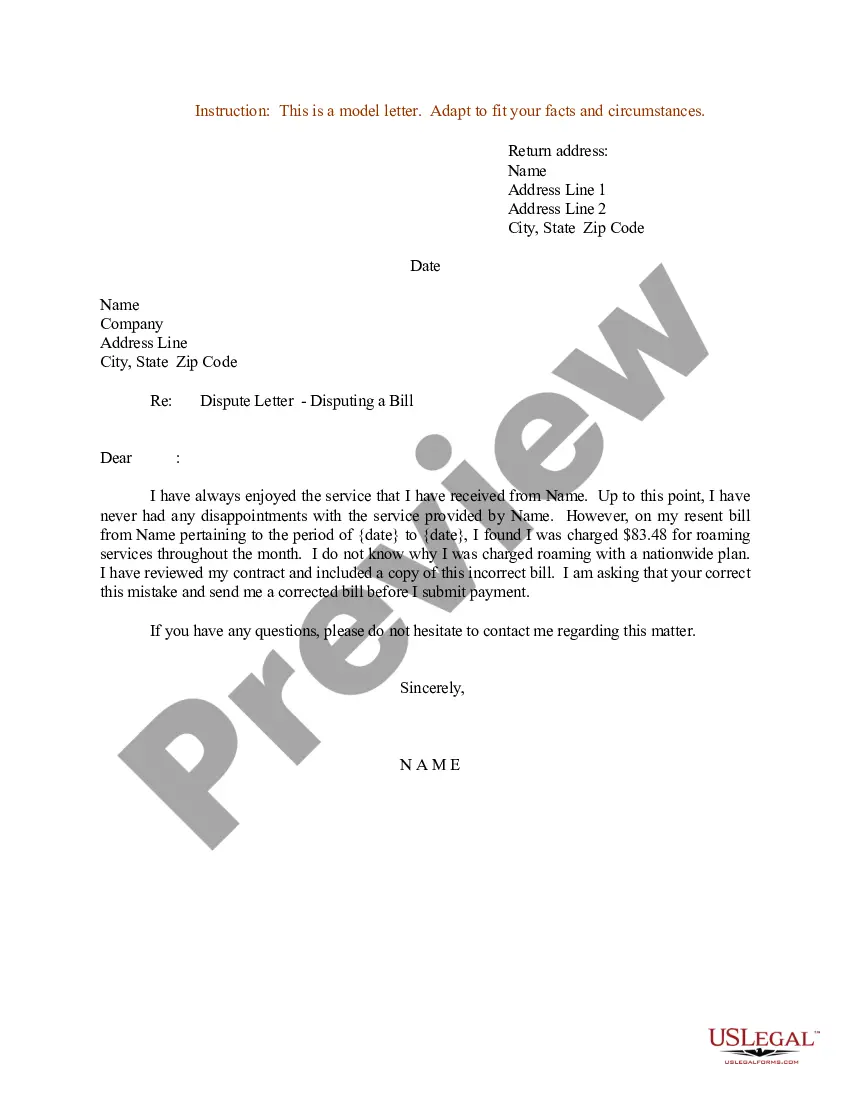
Dispute Letter With Collection Agency
Description
Get your form ready online
Our built-in tools help you complete, sign, share, and store your documents in one place.
Make edits, fill in missing information, and update formatting in US Legal Forms—just like you would in MS Word.
Download a copy, print it, send it by email, or mail it via USPS—whatever works best for your next step.
Sign and collect signatures with our SignNow integration. Send to multiple recipients, set reminders, and more. Go Premium to unlock E-Sign.
If this form requires notarization, complete it online through a secure video call—no need to meet a notary in person or wait for an appointment.
We protect your documents and personal data by following strict security and privacy standards.

Make edits, fill in missing information, and update formatting in US Legal Forms—just like you would in MS Word.

Download a copy, print it, send it by email, or mail it via USPS—whatever works best for your next step.

Sign and collect signatures with our SignNow integration. Send to multiple recipients, set reminders, and more. Go Premium to unlock E-Sign.

If this form requires notarization, complete it online through a secure video call—no need to meet a notary in person or wait for an appointment.

We protect your documents and personal data by following strict security and privacy standards.
Looking for another form?

How to fill out Letter Of Dispute - Complete Balance?
What is the most reliable service to obtain the Dispute Letter With Collection Agency and other current versions of legal paperwork? US Legal Forms is your answer! It boasts the largest assortment of legal documents for any situation.
Every template is carefully crafted and verified for adherence to federal and state regulations. They are organized by area and state of application, making it easy to find the one you require.
US Legal Forms is an ideal choice for anyone needing to manage legal documentation. Premium subscribers can enjoy even more features as they complete and sign previously saved files electronically anytime using the built-in PDF editing tool. Explore it today!
- Experienced users of the platform only need to Log In to the system, verify if their subscription is active, and click the Download button next to the Dispute Letter With Collection Agency to acquire it.
- Once saved, the template will be accessible for additional use within the My documents section of your profile.
- If you don't yet have an account with us, follow these steps to create one.
- Form compliance check. Prior to obtaining any template, you must verify if it aligns with your use case requirements and the regulations of your state or county. Review the form description and utilize the Preview option if it exists.
Form popularity
FAQ
To obtain a deletion letter from a collection agency, you typically need to negotiate with them after resolving the debt or disputing its validity. If you settle the debt, request a deletion letter in writing as a part of the agreement, ensuring they acknowledge that the collection will be removed from your credit report. Utilizing platforms like uslegalforms can streamline this process by providing templates for these letters, making it easier for you to communicate effectively.
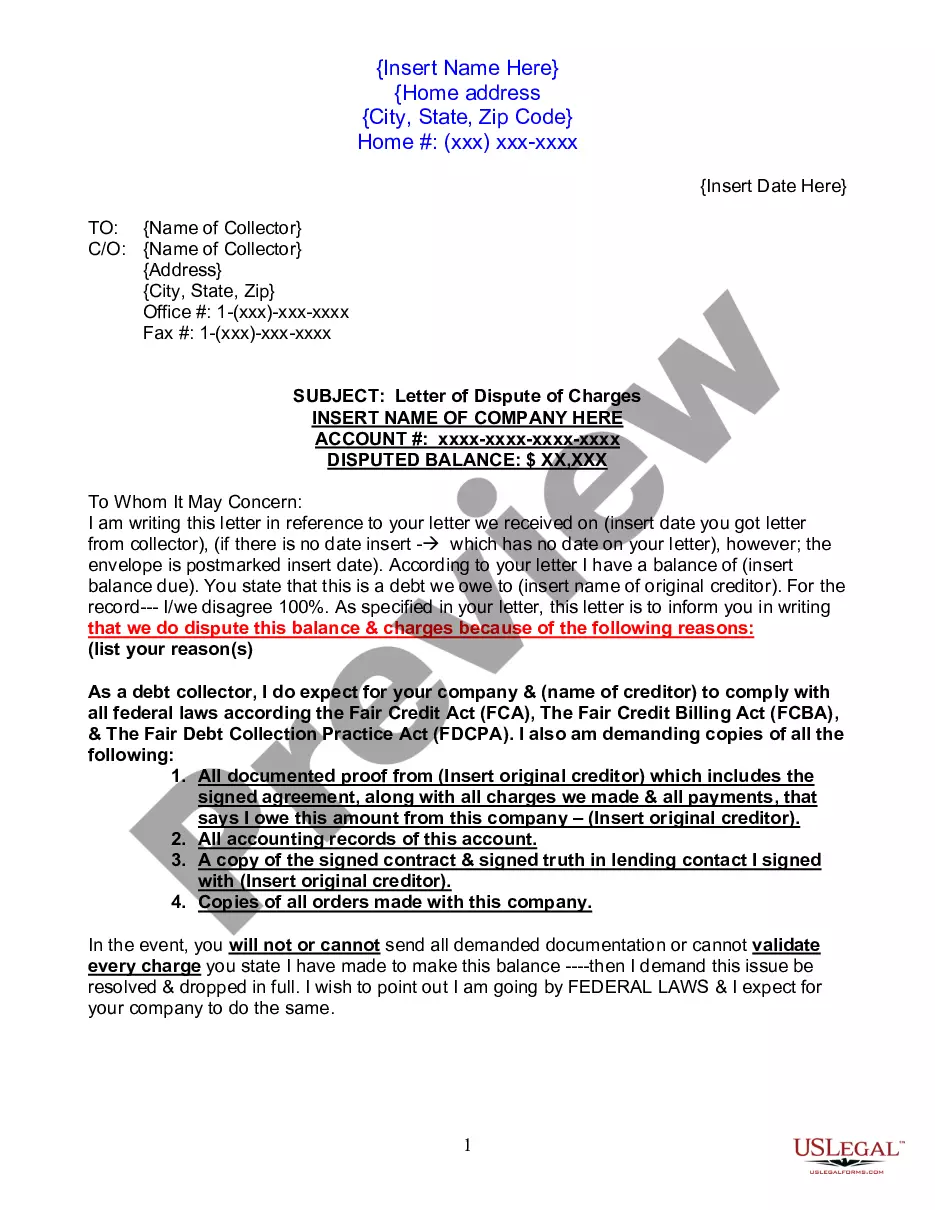
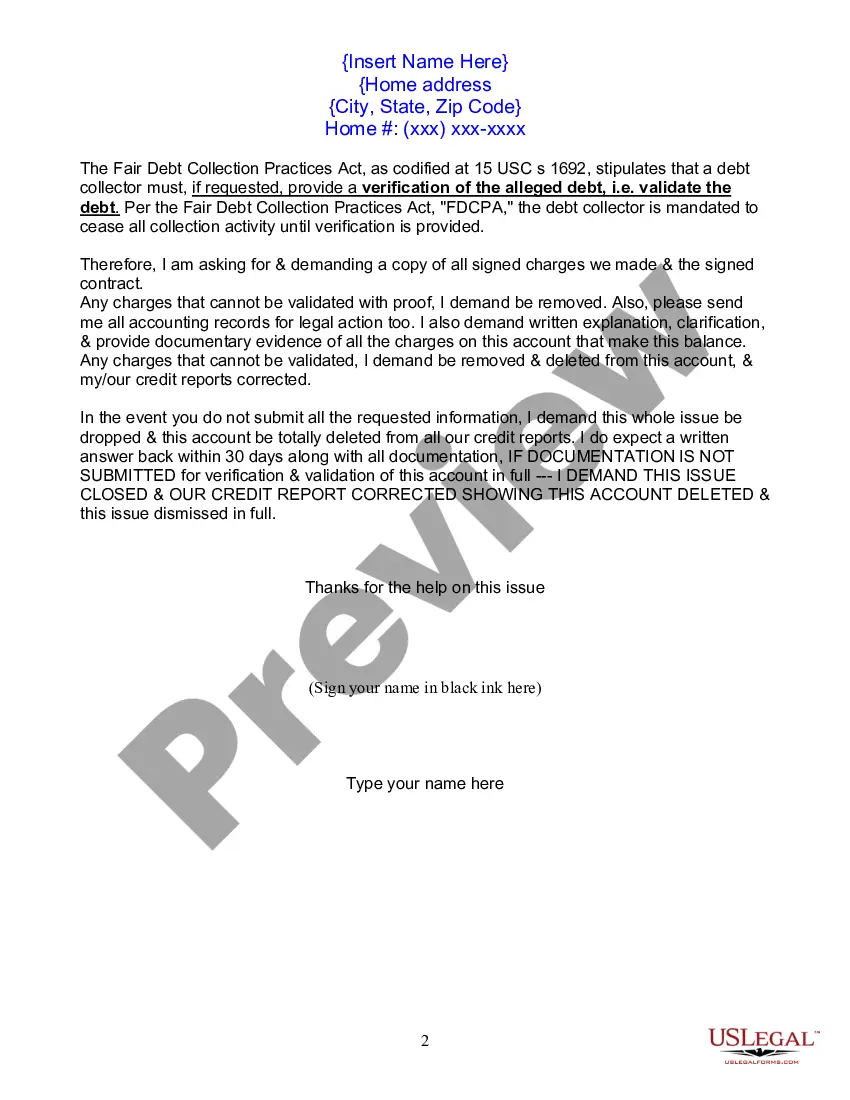
When crafting a dispute letter with a collection agency, begin with a clear and respectful introduction. State the reason for your dispute, provide specifics such as account numbers, and include any evidence to support your claim. Conclude with a request for resolution, whether it's a correction or deletion, ensuring that you mention your rights under the Fair Debt Collection Practices Act.
A 609 letter is a formal request sent to a collection agency that asks for validation of the debt they claim you owe. This letter leverages your rights under the Fair Credit Reporting Act, specifically Section 609, which allows you to request information related to the collection account. Sending a 609 letter may help you challenge incorrect collections and could lead to the removal of negative items from your credit report.
To send a dispute letter with a collection agency, start by gathering all relevant information, including your account details and any supporting documents. Next, draft the letter clearly stating your dispute, ensuring to include your contact information and the collection agency’s address. Once you have reviewed the letter for accuracy, send it via certified mail for tracking purposes, keeping a copy for your records.
Dispute letters can be quite effective when dealing with collection agencies. They provide a formal way to dispute debts that may not be valid, often prompting a review of the account. Many users have found that sending a well-crafted dispute letter with a collection agency leads to significant changes, such as debt removal from credit reports or resolution of discrepancies.
Disputing a collection can be worthwhile, especially if you believe the debt is erroneous. Sending a dispute letter with a collection agency opens the door for a conversation and potential resolution regarding the debt. By taking action, you can protect your credit and financial standing, making it a proactive step towards resolution.
Collection dispute letters can be effective in resolving issues with debts you believe are incorrect. When you send a dispute letter with a collection agency, it prompts them to review the information and verify the debt. Many consumers see success in having invalid debts removed or corrected, leading to a better credit profile and peace of mind.
The 777 rule refers to a guideline that states debt collectors cannot contact you after you dispute a debt without providing proof of its validity. This means if you send a dispute letter with a collection agency, they need to cease communication until they verify the debt. This rule helps protect consumers by requiring collectors to provide evidence before pursuing collection efforts.
To write a dispute letter with a collection agency, start by clearly identifying the debt in question. Include your personal information, the agency’s name, and date on the letter. State your reasons for disputing the debt succinctly, and be sure to ask for verification of the debt. Finally, keep a copy of the letter for your records and send it via certified mail.
When you dispute a collection, the best approach is to clearly state that you are disputing the validity of the debt referenced. You might say something like, 'I am writing to dispute the validity of this debt as I believe it is inaccurate.' This direct communication establishes your position, pressuring the collection agency to respond appropriately.