Wrongful Single Actions Order For Protection
Description
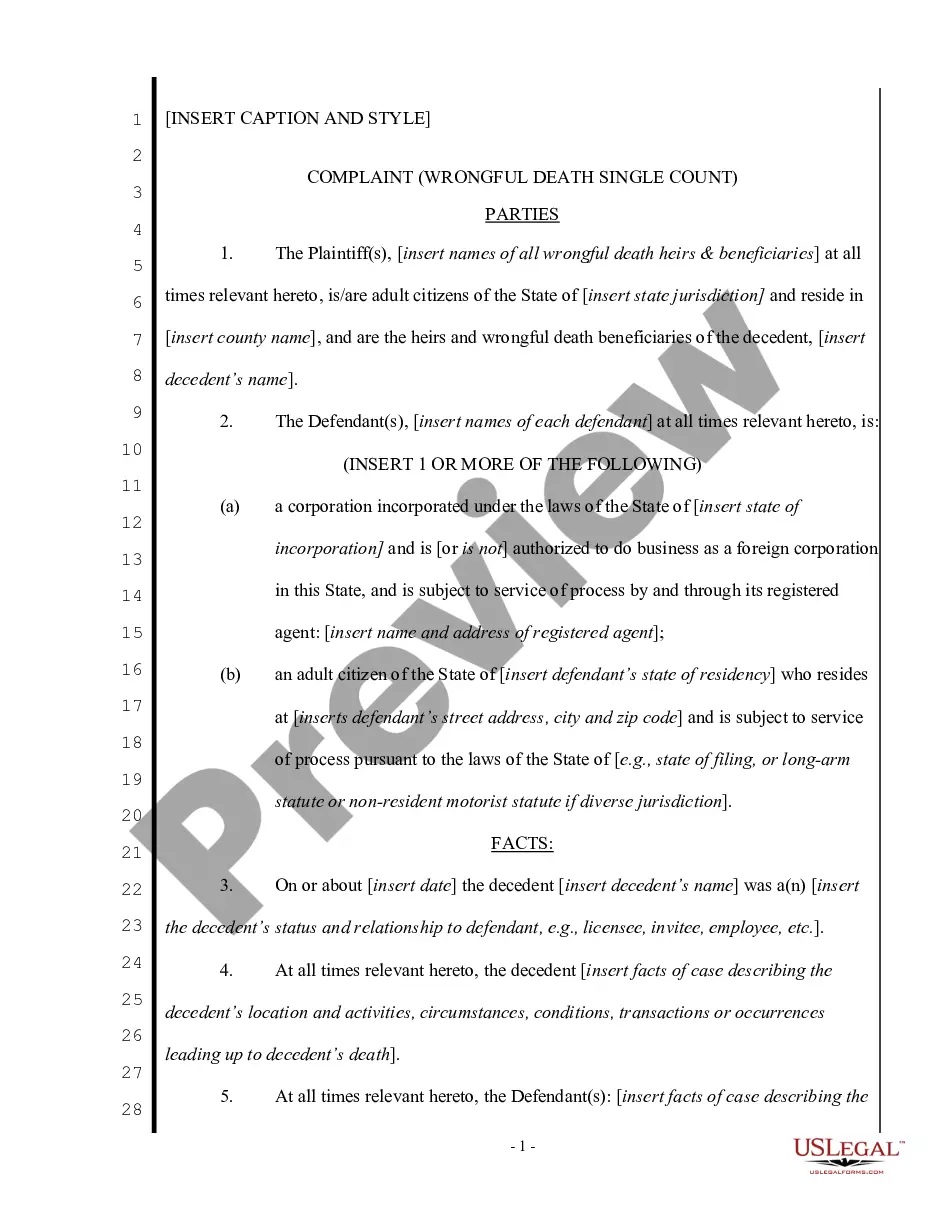
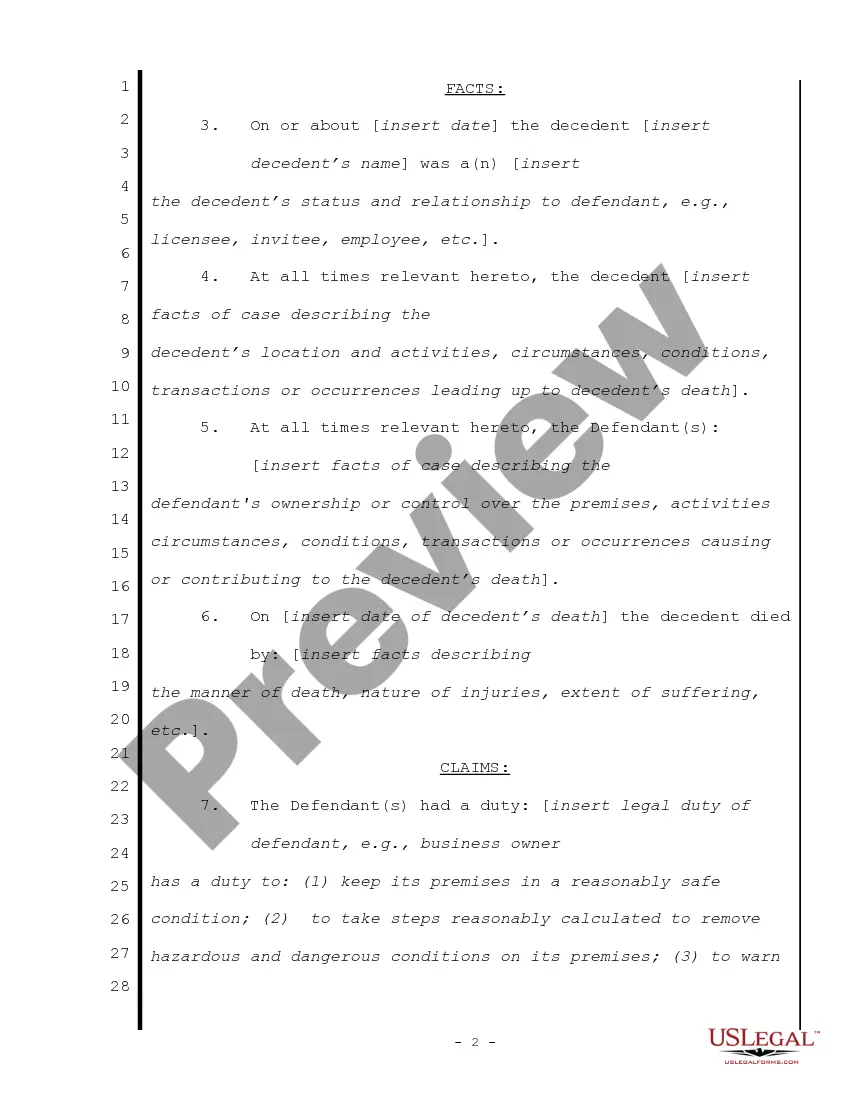
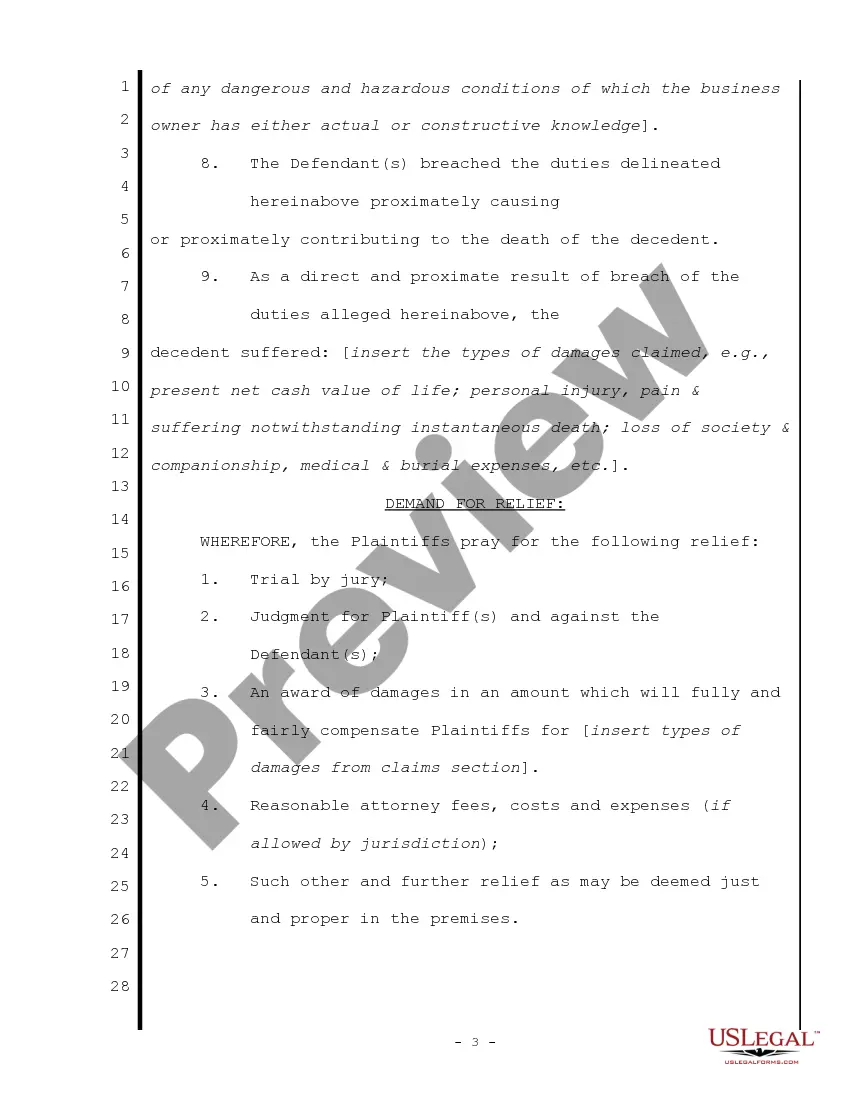
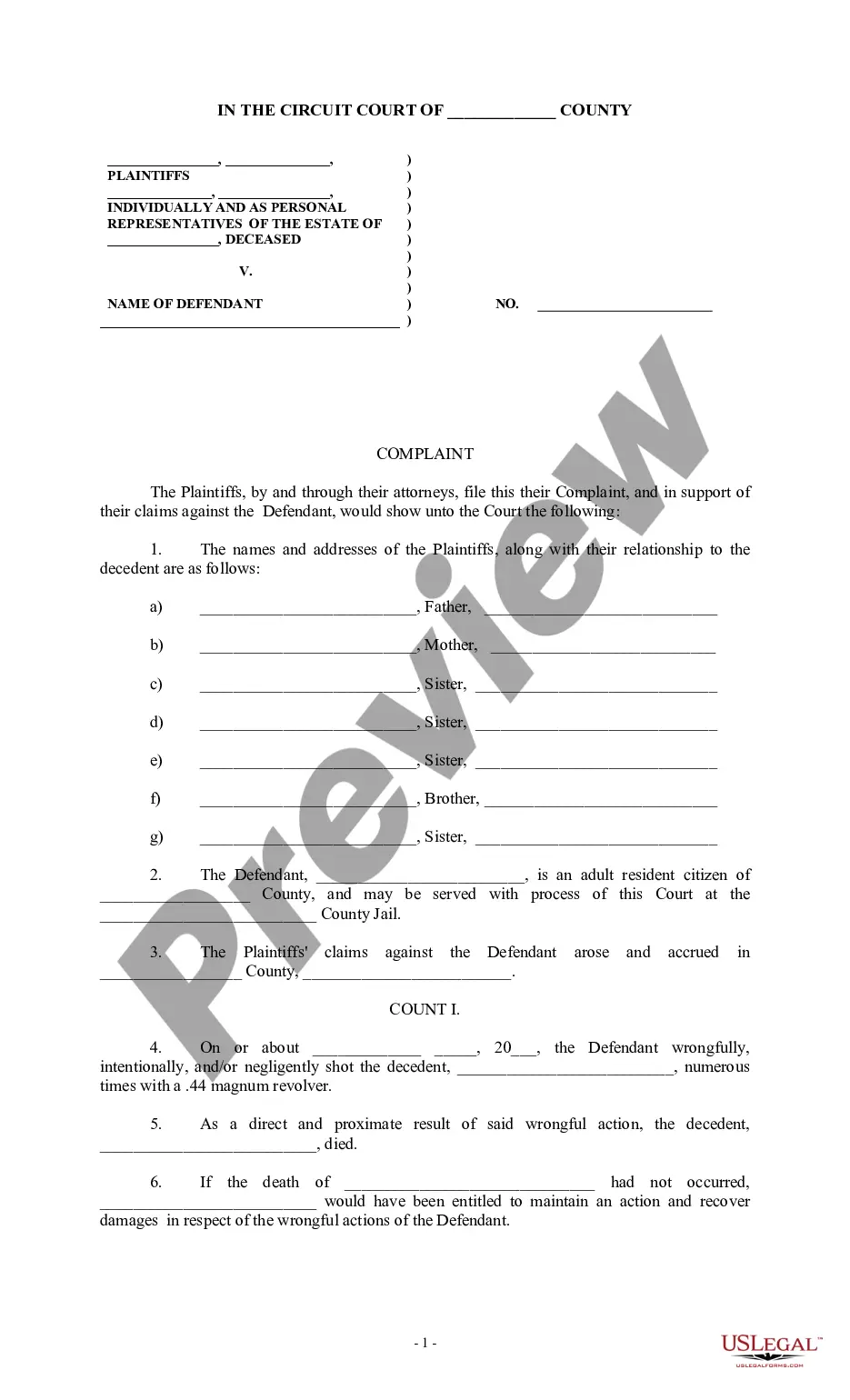
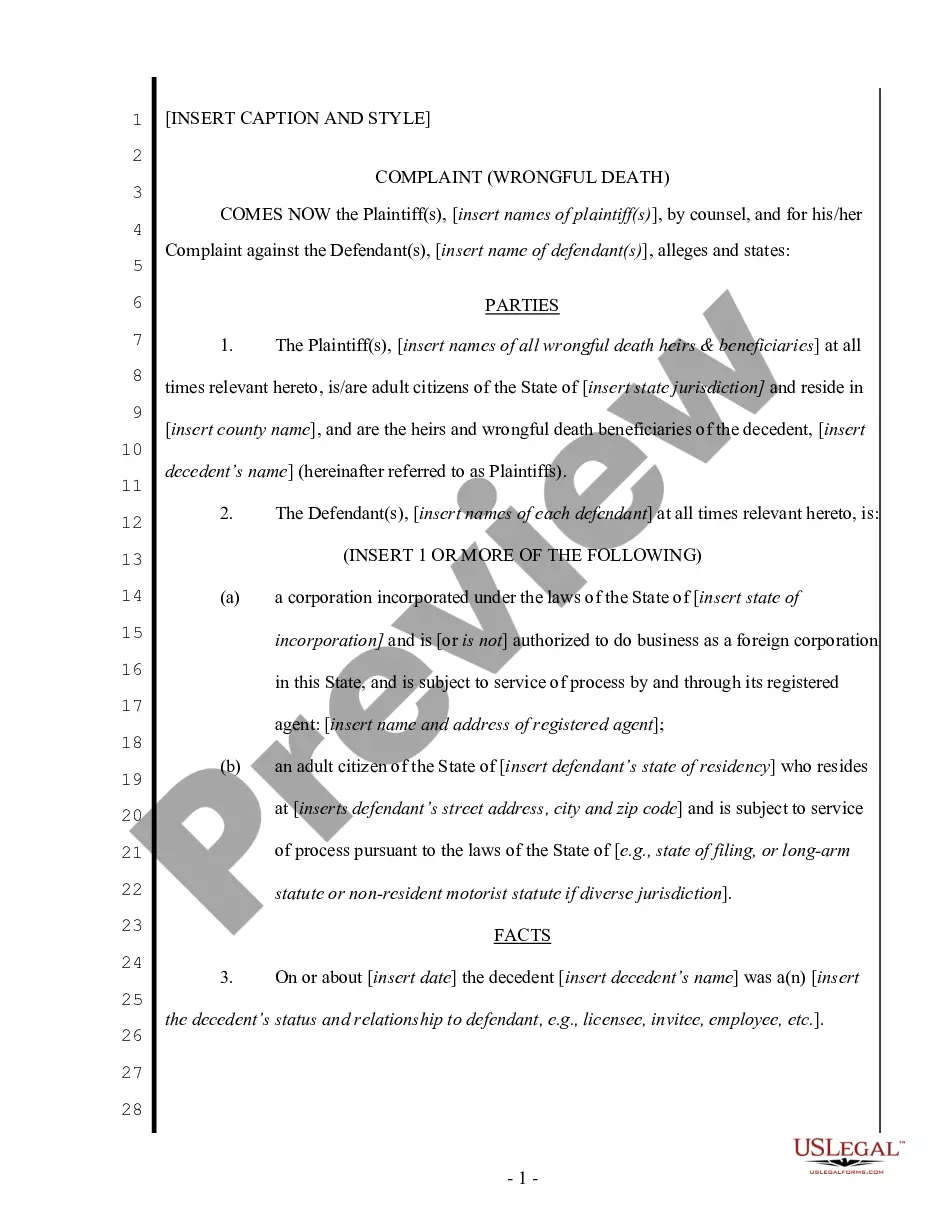

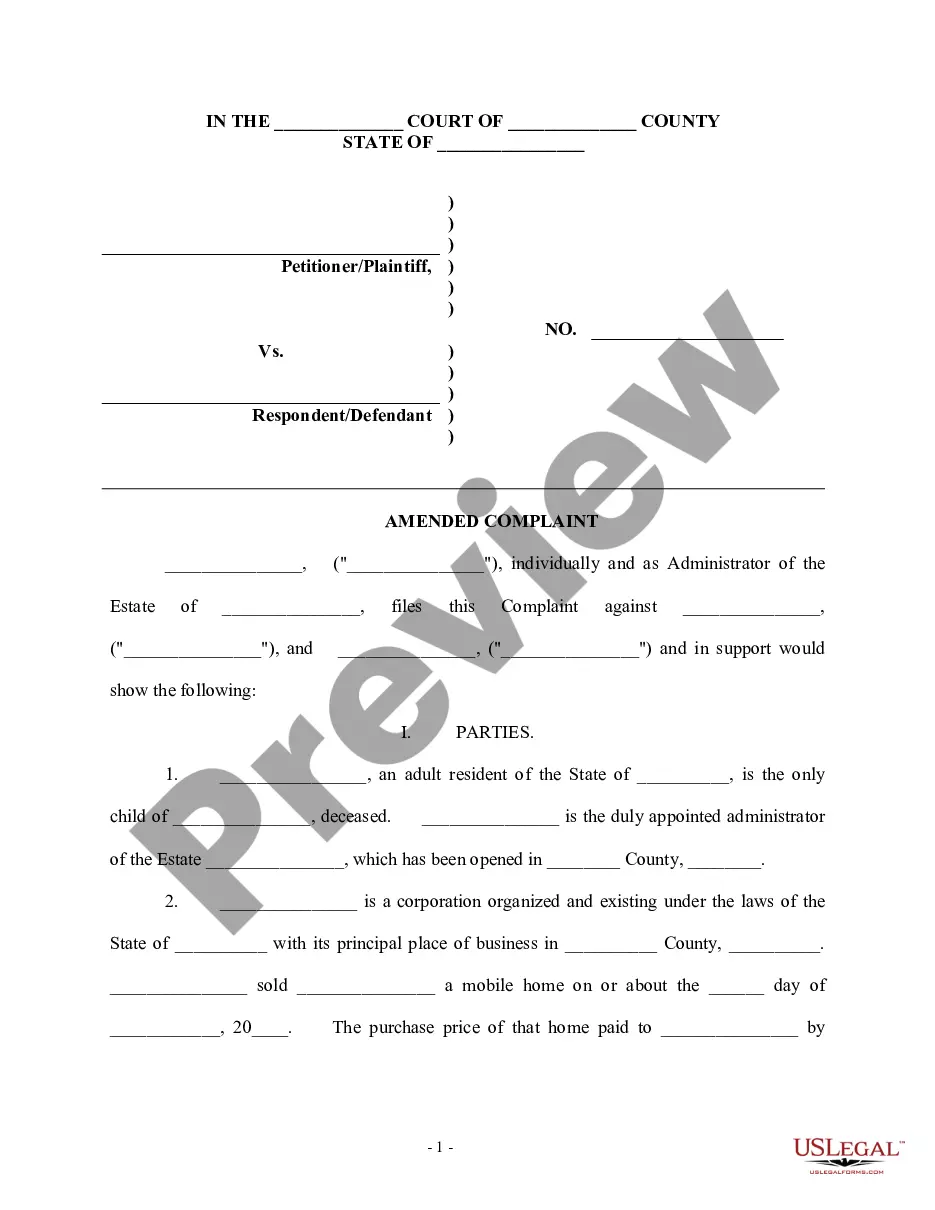
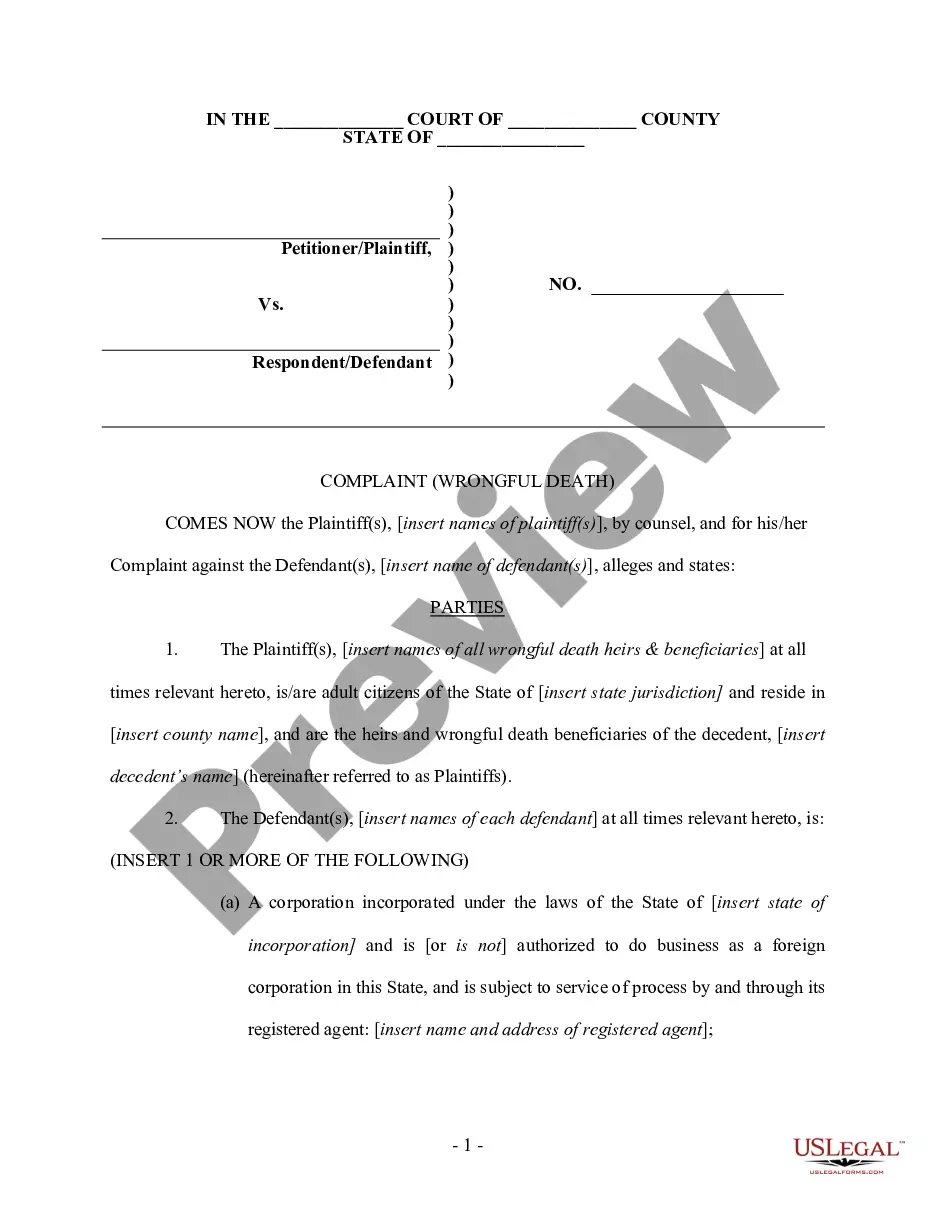
Get your form ready online
Our built-in tools help you complete, sign, share, and store your documents in one place.
Make edits, fill in missing information, and update formatting in US Legal Forms—just like you would in MS Word.
Download a copy, print it, send it by email, or mail it via USPS—whatever works best for your next step.
Sign and collect signatures with our SignNow integration. Send to multiple recipients, set reminders, and more. Go Premium to unlock E-Sign.
If this form requires notarization, complete it online through a secure video call—no need to meet a notary in person or wait for an appointment.
We protect your documents and personal data by following strict security and privacy standards.

Make edits, fill in missing information, and update formatting in US Legal Forms—just like you would in MS Word.

Download a copy, print it, send it by email, or mail it via USPS—whatever works best for your next step.

Sign and collect signatures with our SignNow integration. Send to multiple recipients, set reminders, and more. Go Premium to unlock E-Sign.

If this form requires notarization, complete it online through a secure video call—no need to meet a notary in person or wait for an appointment.

We protect your documents and personal data by following strict security and privacy standards.
Looking for another form?



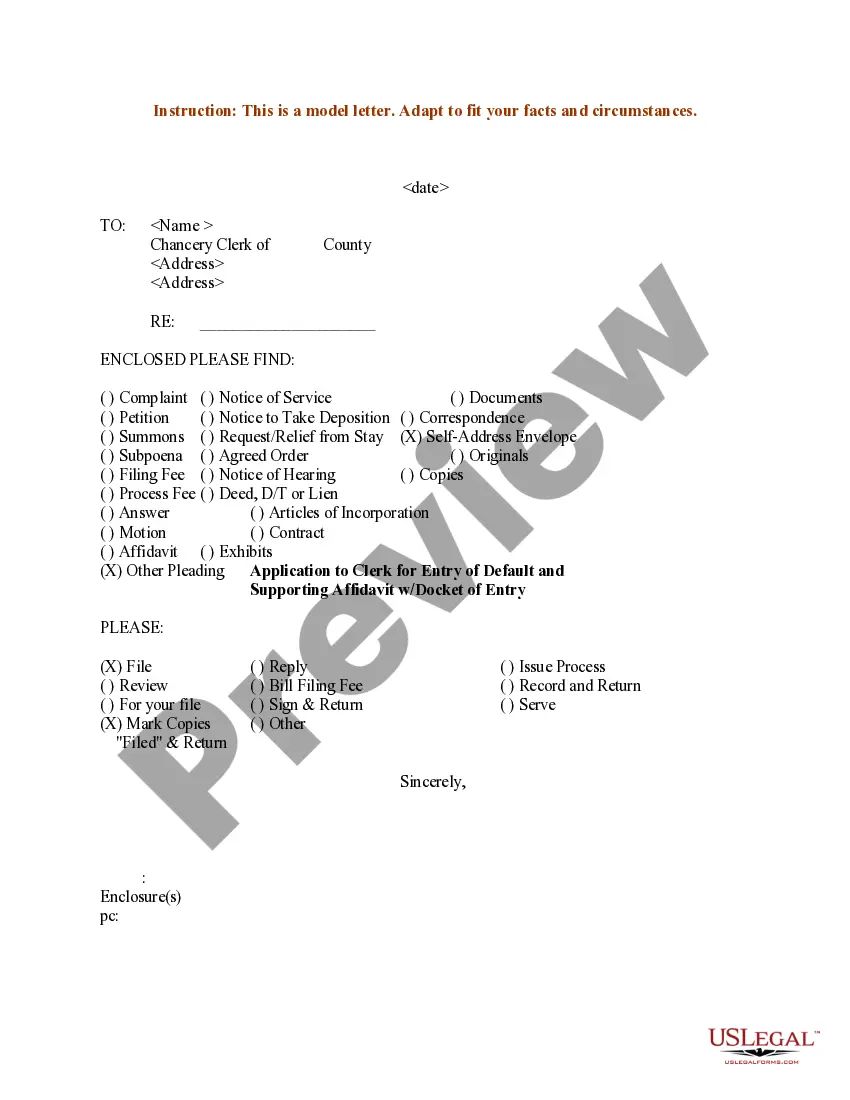



How to fill out Complaint For Wrongful Death - Single Count?
- Visit the US Legal Forms website and log in to your account if you are a returning user. If your subscription is inactive, renew it based on your plan.
- For first-time users, start by reviewing the form descriptions in Preview mode to ensure you select the right document that complies with your state’s regulations.
- Utilize the Search function if you need to look for additional templates based on your specific requirements.
- Once you find the appropriate form, click the 'Buy Now' button and opt for the subscription plan that suits your needs.
- Complete your purchase by entering your payment information, either through a credit card or PayPal.
- Download the completed document to your device and access it anytime from the 'My Forms' section of your account.
With US Legal Forms, you gain access to over 85,000 legal templates, ensuring you can find precisely what you need while enjoying the benefits of expert assistance if required.
Take control of your legal needs today by visiting US Legal Forms and start accessing your wrongful single actions order for protection form now!
Form popularity
FAQ
If someone files a false order of protection against you, it is crucial to respond quickly and firmly. First, gather any evidence that disproves the claims made against you; this could include texts, emails, or witness statements. Next, consider contacting a legal professional who specializes in wrongful single actions order for protection to help you navigate the legal system. They can guide you on how to contest the order effectively and ensure that your rights are protected.
The three types of protection include temporary orders, permanent orders, and ex parte orders. Temporary orders provide immediate relief, while permanent orders last longer and require more evidence. Ex parte orders are granted without the other party present and are typically temporary. If you are considering a wrongful single actions order for protection, USLegalForms can assist you in understanding these options and preparing the necessary paperwork.
Yes, you can file for a restraining order without the other party being aware initially, but they will eventually be notified. This process is often essential in cases where immediate safety is a concern. A wrongful single actions order for protection is effective in ensuring your safety while maintaining your privacy. Platforms like USLegalForms provide the tools to navigate this sensitive process smoothly.
The percentage of restraining orders that are granted can vary by state, but generally, around 50-85% are approved. This depends on the evidence you provide, the situation's specifics, and the legal standards in your area. A well-documented case of a wrongful single actions order for protection significantly increases your chances of approval. Consulting resources offered by USLegalForms can guide you through this process.
To prove harassment, you need evidence that the person’s actions cause you distress. This can include repeated unwanted communication, threats, or stalking behavior. Documenting these interactions can strengthen your case for a wrongful single actions order for protection. Utilizing platforms like USLegalForms can help you gather the necessary documentation to present your situation effectively.
Yes, you can sue for a false protective order if it was filed maliciously or without just cause. This legal action usually falls under civil litigation for damages caused by the wrongful filing. Addressing wrongful single actions order for protection issues requires careful navigation, so seeking legal advice will help you understand your rights and how best to proceed. A seasoned attorney can assist you in building a strong case.
While specific statistics vary by region, studies suggest that a notable percentage of restraining orders might be based on false claims. Some reports estimate this could be around 20-30% in certain jurisdictions. Understanding the prevalence of wrongful single actions order for protection can help you grasp the seriousness of the issue. If you’re facing such a situation, expert legal assistance can guide you through challenging circumstances.
When a false protection order is filed, it can lead to significant legal consequences for the individual who made the false claim. They may face civil penalties or even criminal charges for their actions. Additionally, a wrongful single actions order for protection may damage their credibility in future legal matters, affecting their standing in the court. It's essential to address this issue with professional legal help as soon as possible.
Yes, you can sue someone for false accusations if they have made untrue statements that harmed your reputation or well-being. This type of lawsuit falls under defamation law, where you can seek damages for emotional distress or financial loss. Consider the involvement of wrongful single actions order for protection in your case, as people may use such orders to manipulate circumstances. Consulting a legal professional can clarify your options.
Defending against a false restraining order requires gathering evidence that contradicts the claims made by the other party. You can present witness statements, text messages, or any relevant documentation to support your case. It is crucial to act quickly and consult with a legal expert who understands wrongful single actions order for protection intricacies. Legal guidance can help you navigate the process effectively.