Wrongful Count Civil Order With No Title
Description
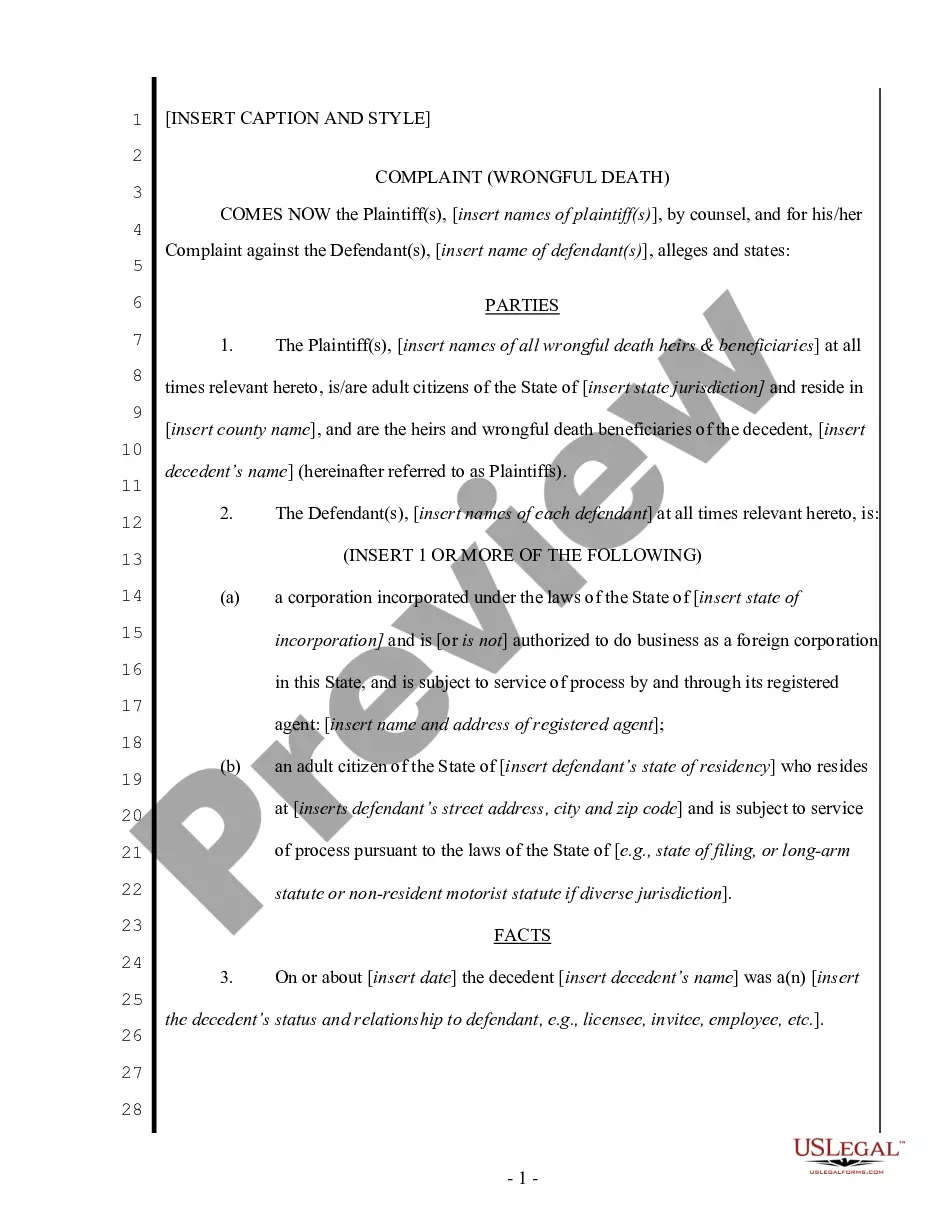

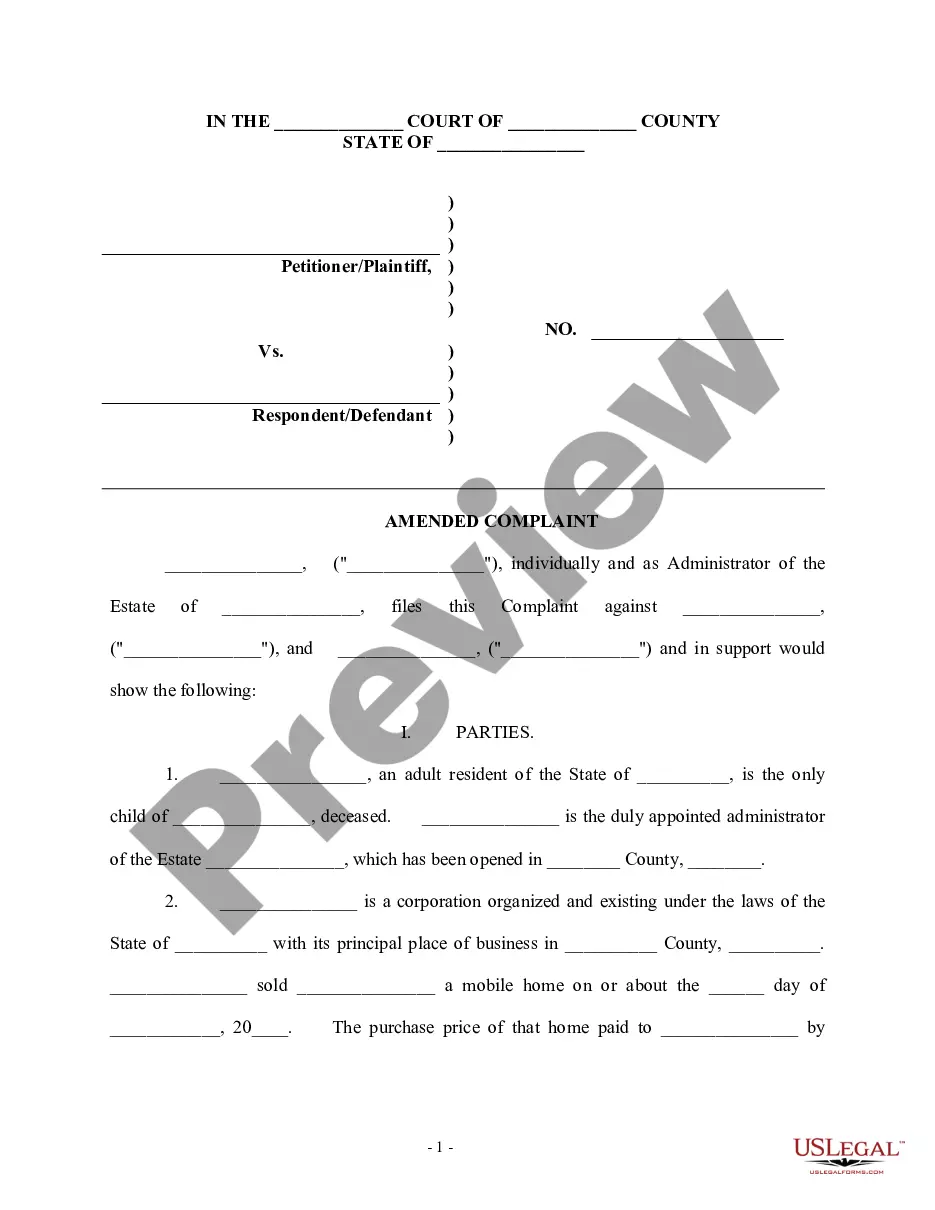
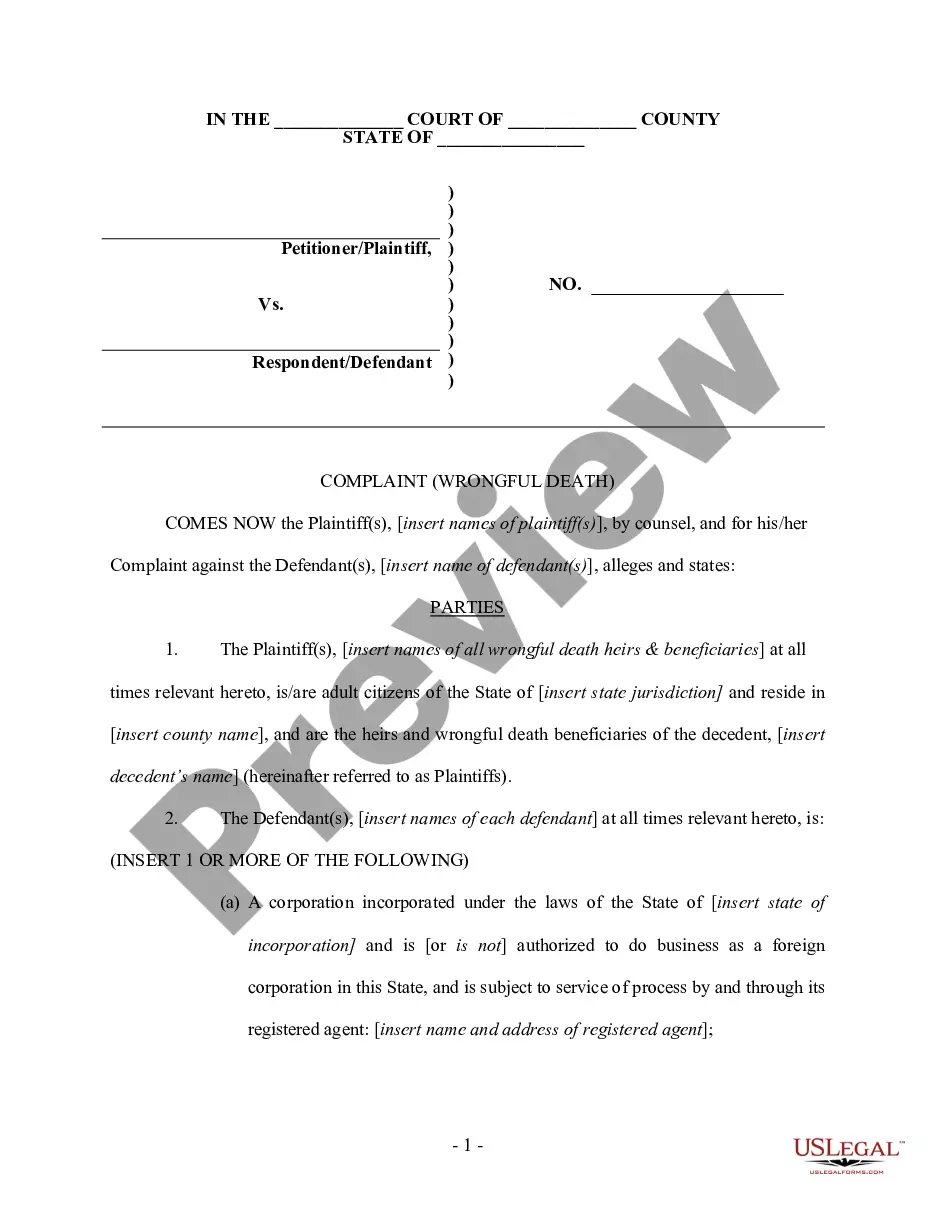
Get your form ready online
Our built-in tools help you complete, sign, share, and store your documents in one place.
Make edits, fill in missing information, and update formatting in US Legal Forms—just like you would in MS Word.
Download a copy, print it, send it by email, or mail it via USPS—whatever works best for your next step.
Sign and collect signatures with our SignNow integration. Send to multiple recipients, set reminders, and more. Go Premium to unlock E-Sign.
If this form requires notarization, complete it online through a secure video call—no need to meet a notary in person or wait for an appointment.
We protect your documents and personal data by following strict security and privacy standards.

Make edits, fill in missing information, and update formatting in US Legal Forms—just like you would in MS Word.

Download a copy, print it, send it by email, or mail it via USPS—whatever works best for your next step.

Sign and collect signatures with our SignNow integration. Send to multiple recipients, set reminders, and more. Go Premium to unlock E-Sign.

If this form requires notarization, complete it online through a secure video call—no need to meet a notary in person or wait for an appointment.

We protect your documents and personal data by following strict security and privacy standards.
Looking for another form?


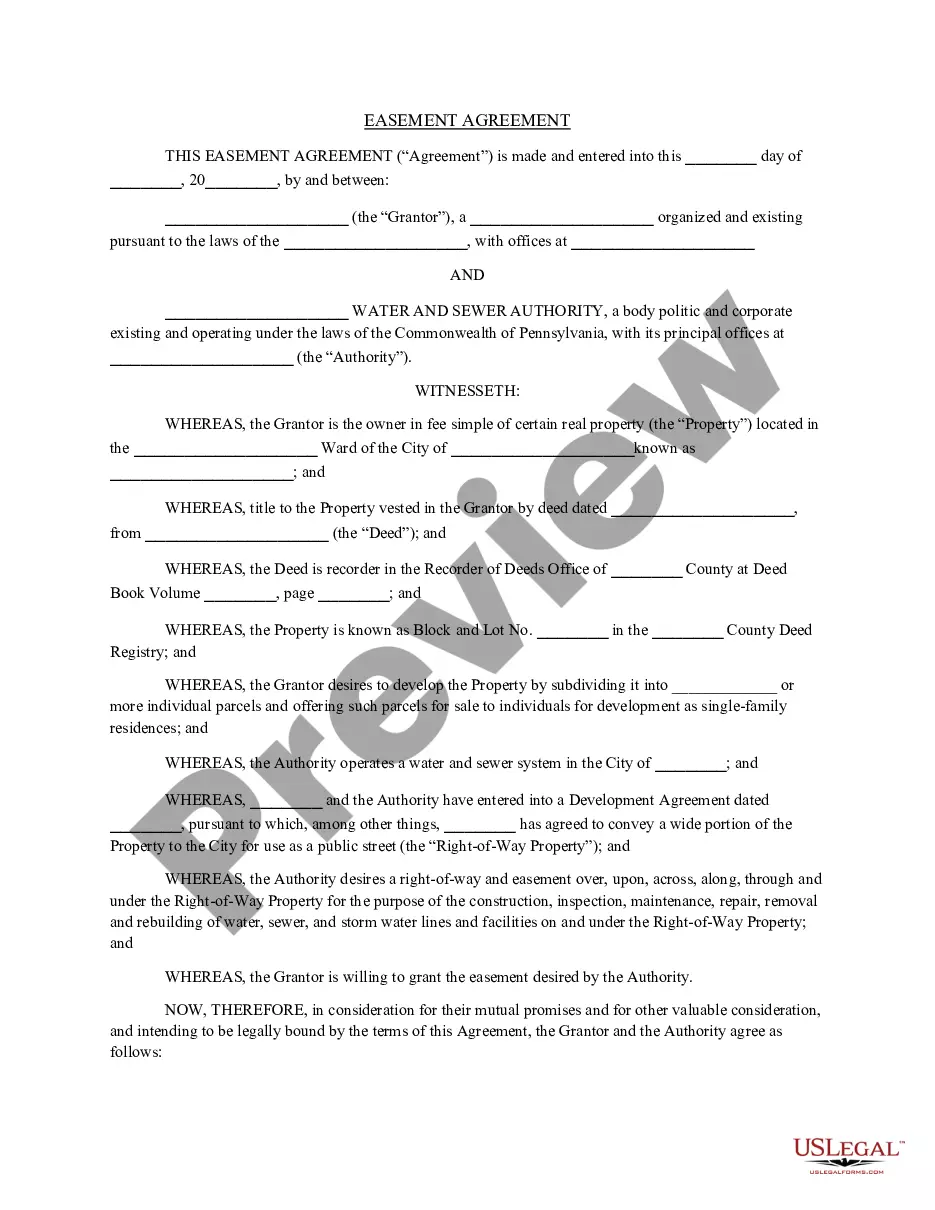



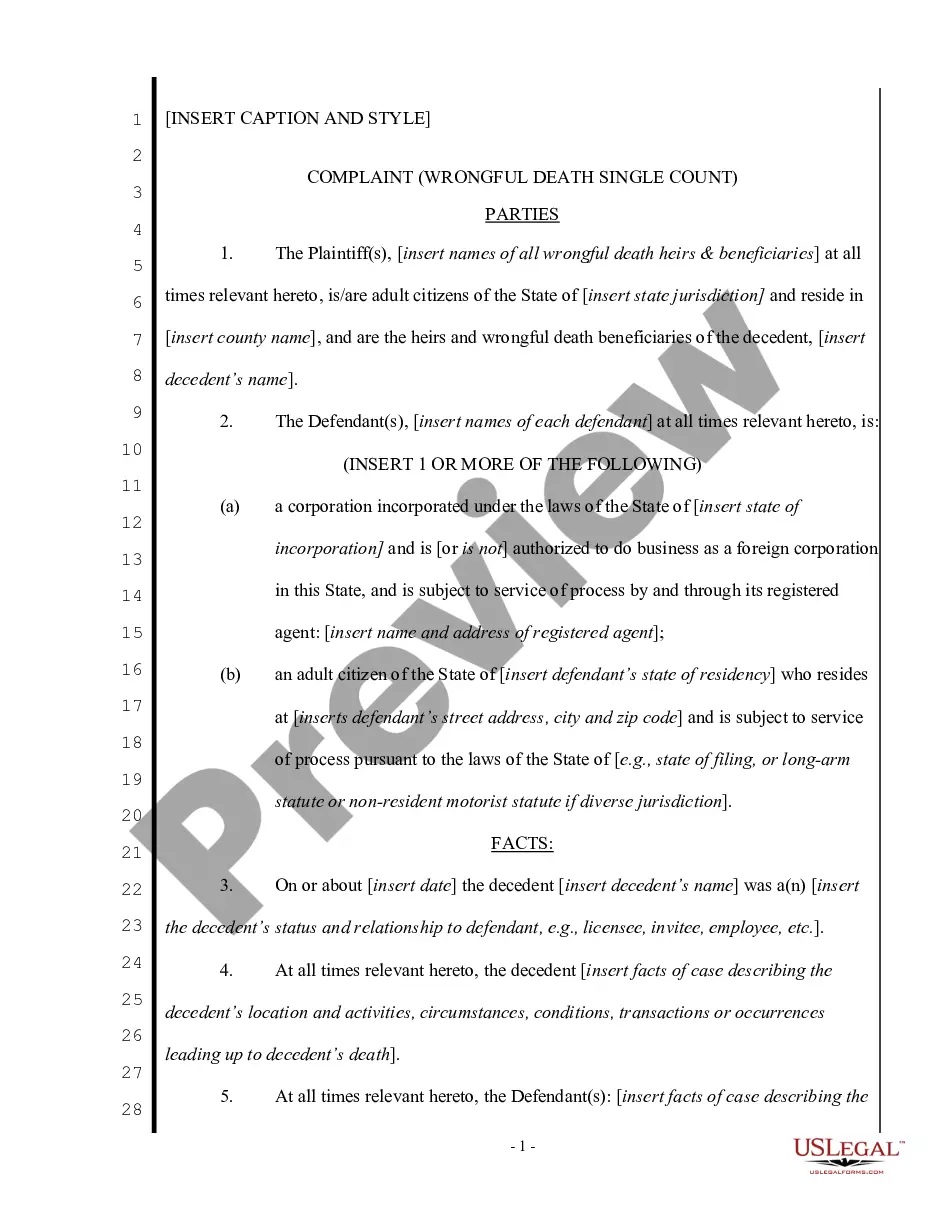
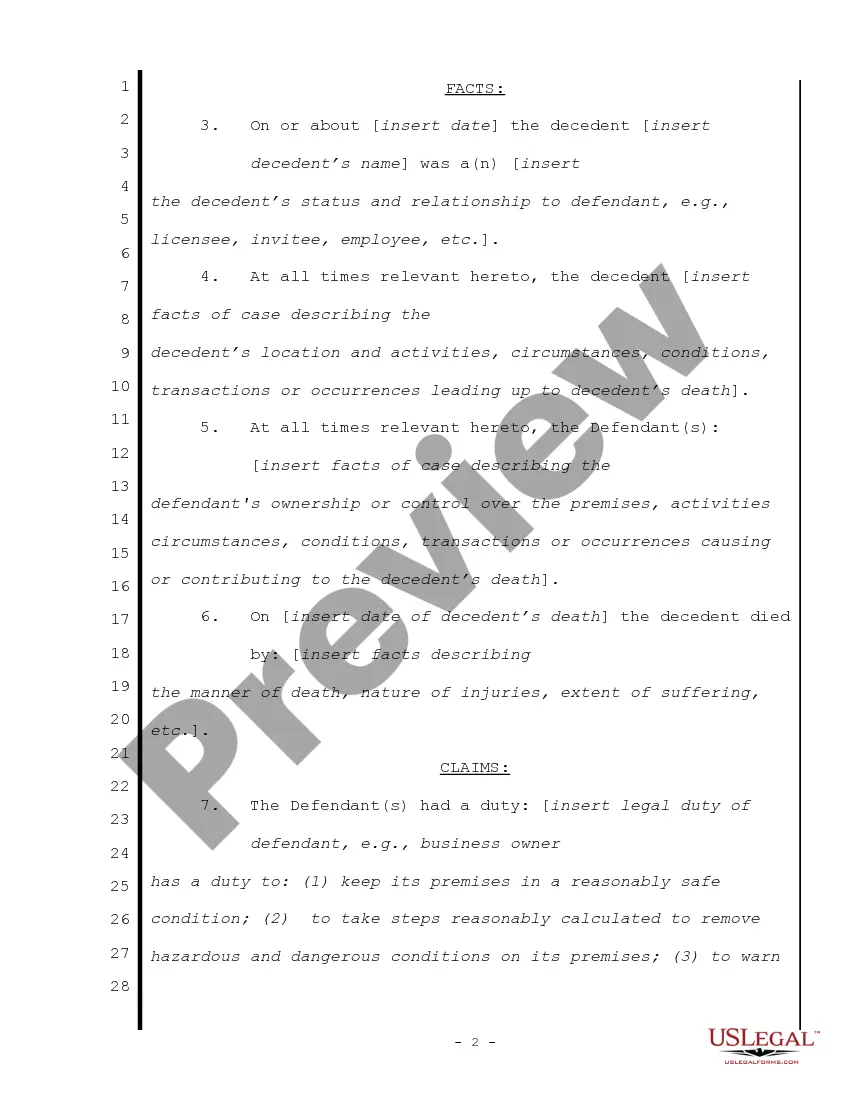
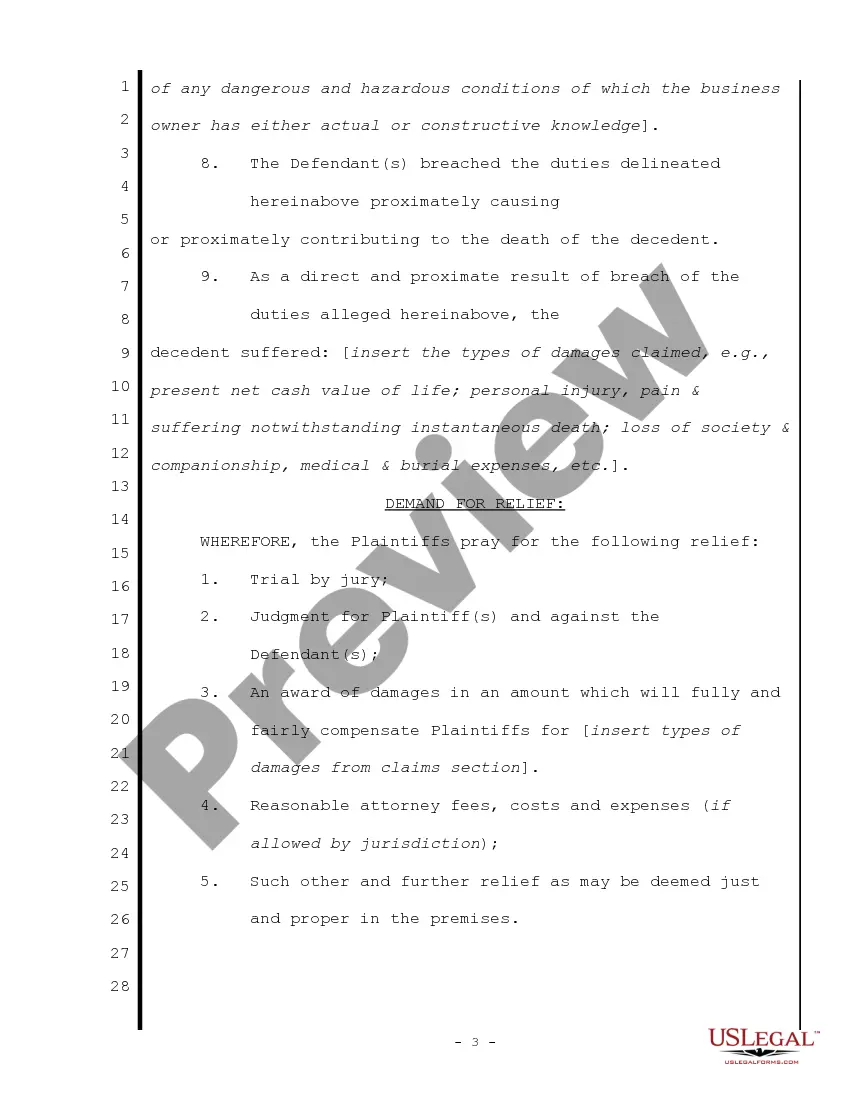
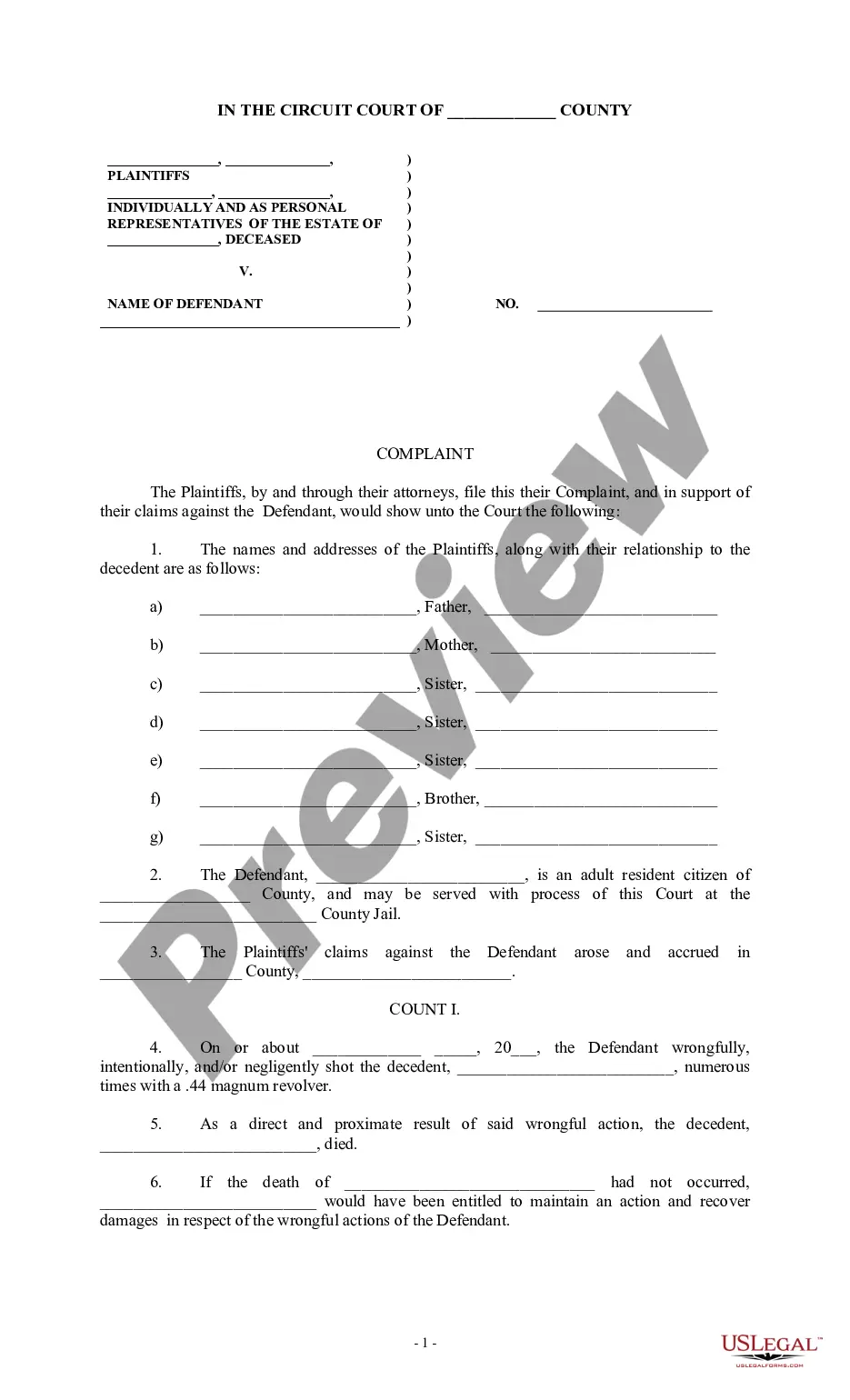
How to fill out Complaint For Wrongful Death - Single Count?
- If you're already a US Legal Forms user, log in to your account and download the necessary form template directly to your device by clicking on the Download button. Confirm that your subscription is active; if it’s expired, renew according to your payment plan.
- For new users, start by exploring the Preview mode and description of the form. Ensure that the document you select aligns with your requirements and complies with your local jurisdiction rules.
- If the initial template isn't suitable, utilize the Search feature to locate the correct form. Once you find a suitable match, you can proceed to the next step.
- Purchase the document by clicking the Buy Now button and selecting your preferred subscription plan. An account registration is necessary to access the extensive library of resources.
- Complete your purchase by entering your credit card information or using PayPal to finalize your subscription.
- Download the required form directly to your device for completion. You can also access it anytime from the My Forms section of your profile.
With access to over 85,000 fillable and editable legal forms, US Legal Forms empowers users to navigate legal requirements effectively. They also provide access to premium experts who can assist with form completion, guaranteeing accuracy and legal compliance.
Take the first step towards acquiring your wrongful count civil order with no title today by visiting US Legal Forms and unlocking a wealth of resources to meet your legal needs.
Form popularity
FAQ
Yes, California has statutes of limitation that dictate how long you have to file a civil lawsuit. The time limits vary depending on the nature of the claim, but many civil suits, including wrongful count civil orders with no title, generally have a three-year limit. Familiarizing yourself with these laws is important to safeguard your legal rights. A legal expert can provide tailored advice based on your specific circumstances.
If you are dealing with a wrongful count civil order with no title, the typical timeframe to file a lawsuit in California is three years from the incident date. Time constraints can seriously impact your case, so it's vital to act promptly. Always check specific statutes that may apply to your situation. Consulting legal professionals can help clarify your filing timeline.
Yes, you can file your own civil lawsuit in California, but knowing the proper procedures is crucial. Self-representing individuals must ensure they complete all necessary forms correctly to avoid delays. Platforms like USLegalForms provide valuable resources and templates to guide you through filing a wrongful count civil order with no title. However, consider seeking legal advice for more complex cases.
In California, the time you have to file a civil suit depends on the specific circumstances surrounding your case. Generally speaking, for wrongful count civil orders with no title, you may have up to three years from the date of the event to file. Staying informed about these time limits is essential for protecting your rights. Consulting a legal professional can help clarify your situation.
To file a civil lawsuit in California, you typically need to complete several forms. These often include a Complaint, Summons, and a Civil Case Cover Sheet. You can find the necessary forms and additional guidance on platforms like USLegalForms, which simplifies the complex process of managing your wrongful count civil order with no title. Always verify with local court rules to ensure compliance.
The 3 year rule in California refers to the statute of limitations for specific civil claims. Under this rule, you must initiate your wrongful count civil order with no title within three years of the incident date. This timeline helps ensure timely resolution of disputes and prevents delays in the legal process. Always consult a legal expert for detailed guidance related to your situation.
In Arizona, the maximum amount you can sue for in civil court generally depends on the court where your case is filed. For instance, the limited jurisdiction courts handle cases involving claims up to $10,000, while the superior courts manage cases with larger claims. When considering a wrongful count civil order with no title, it is essential to determine the appropriate court for your case to ensure your claim falls within the permissible limits. Properly assessing the value of your claim will help you choose the right forum.
A civil complaint typically addresses a dispute where a person believes they have been wronged and seeks to resolve the issue through the court system. For instance, a wrongful count civil order with no title may arise when someone claims damages due to a breach of contract or property dispute. This complaint outlines the specific allegations, providing a clear narrative of the grievance and the intended remedy. By presenting your case effectively, you can seek justice in civil court.
A car title is considered invalid when it contains incorrect information, lacks necessary signatures, or has been altered or forged. Additionally, vehicles with title brands, such as salvage or rebuilt, may also face issues validating their titles. Understanding the aspects that contribute to title validity is critical, especially when navigating wrongful count civil orders with no title, as this could impact your right to ownership.
In New Mexico, to transfer a car title, you need the signed title from the seller, a completed application for title, and payment for applicable fees. You must also provide proof of identity and address. If you face complications related to wrongful count civil orders with no title, consider utilizing legal assistance to streamline the title transfer process.