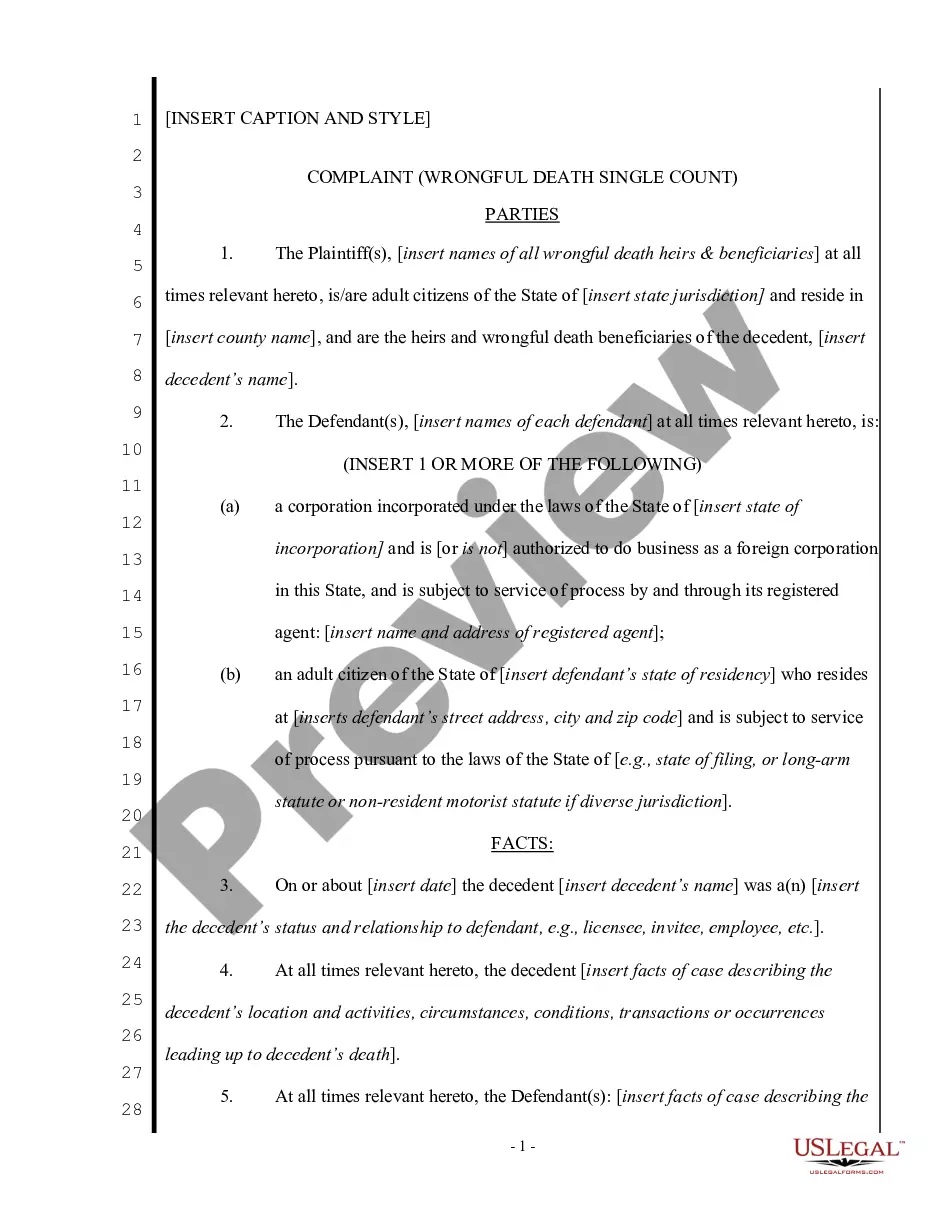
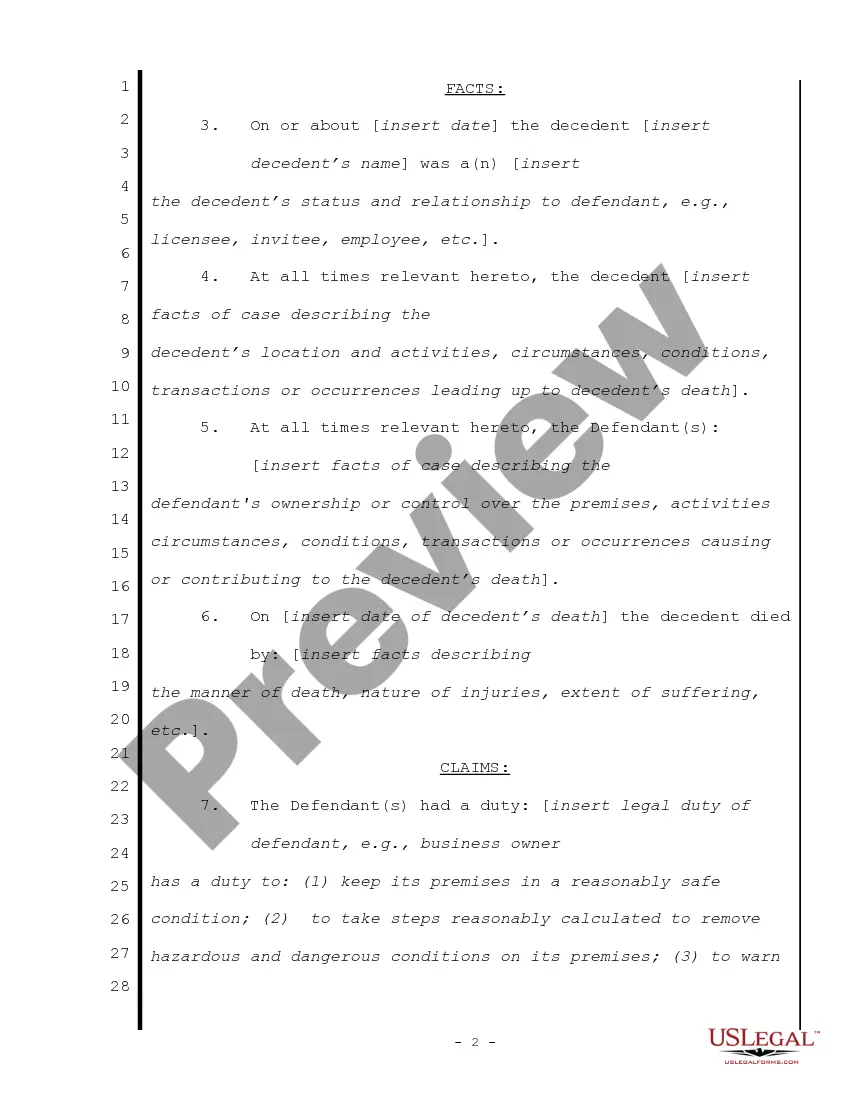
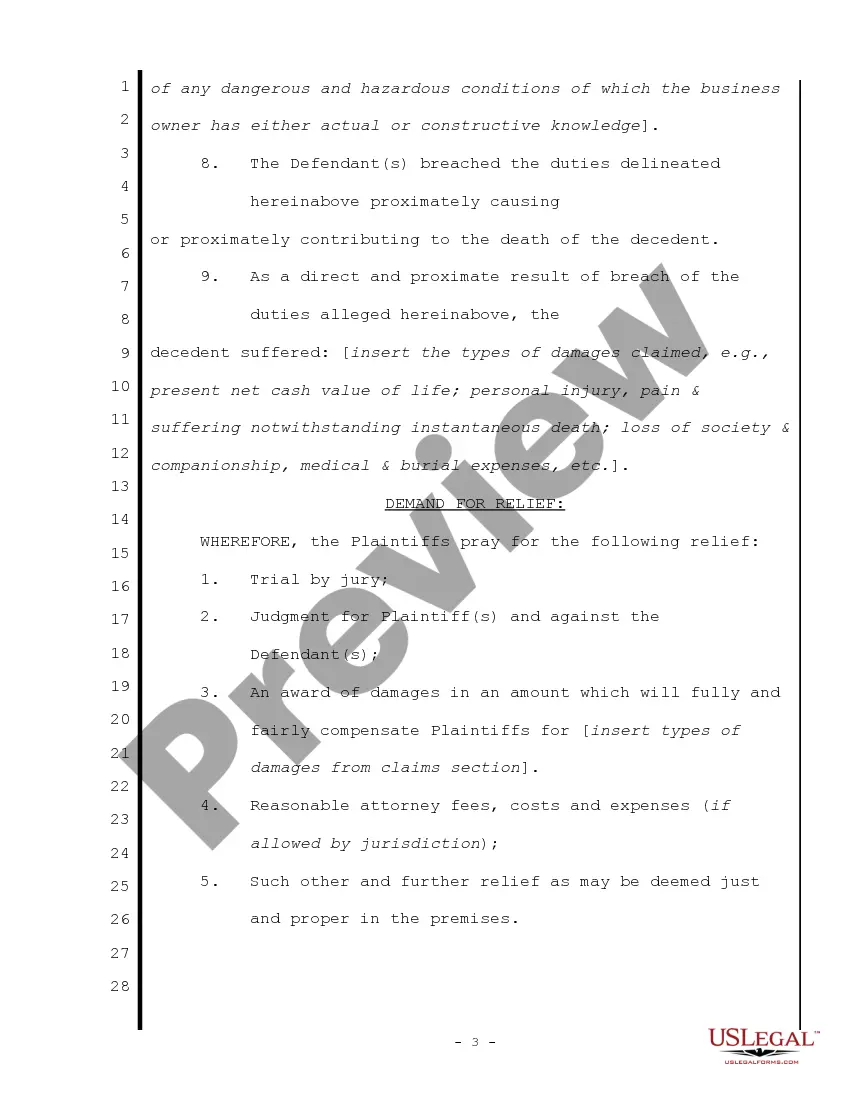
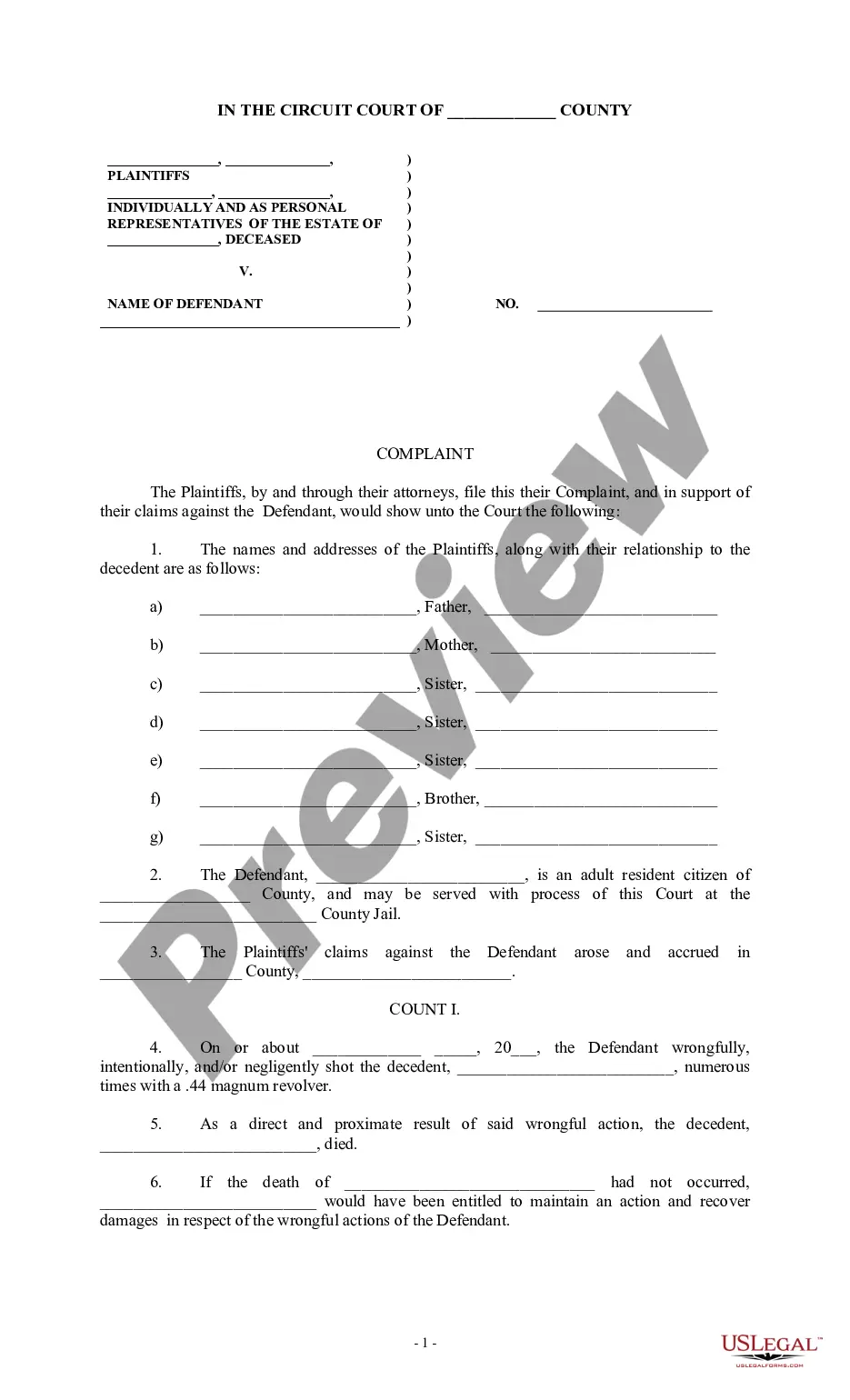
Wrongful Count Civil Blank For Theft
Description
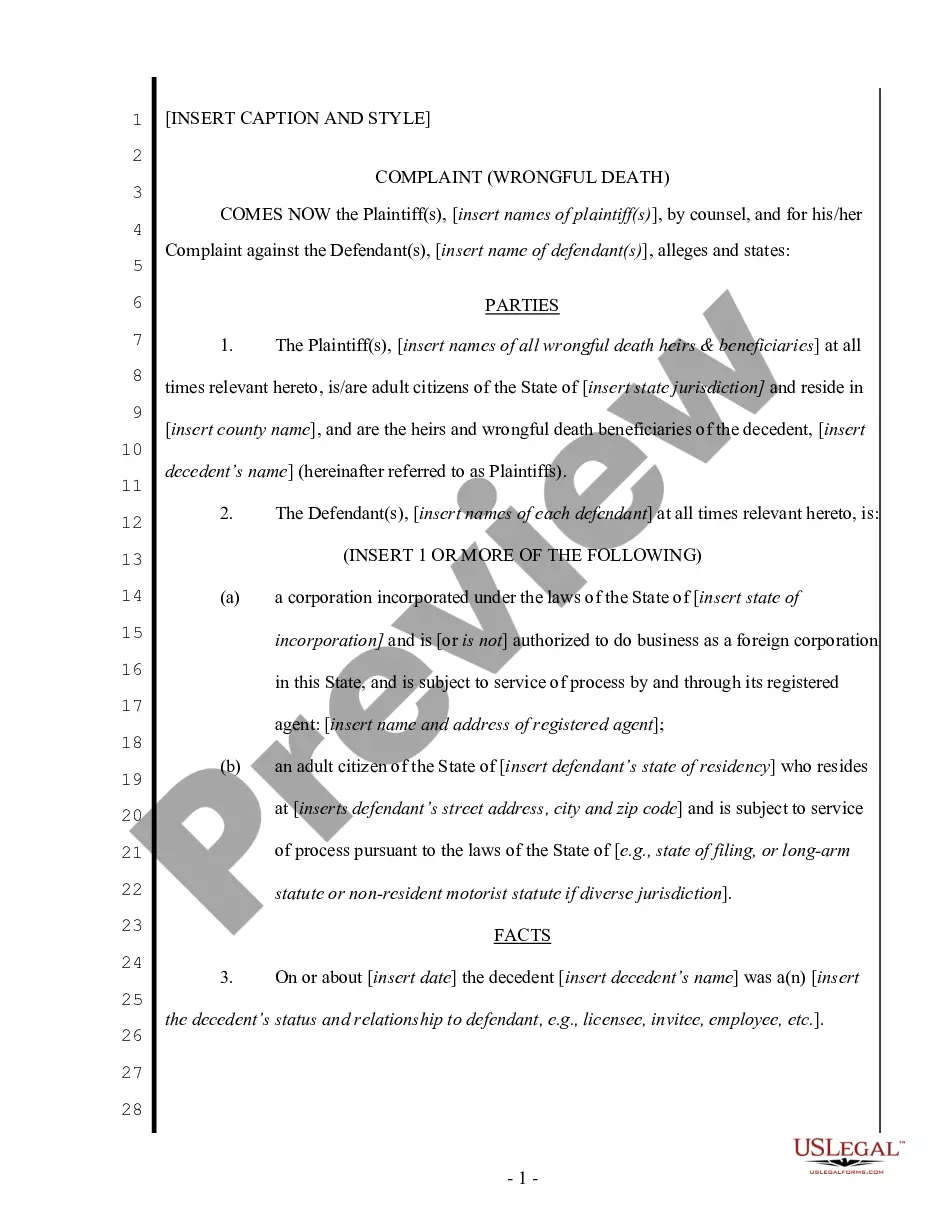

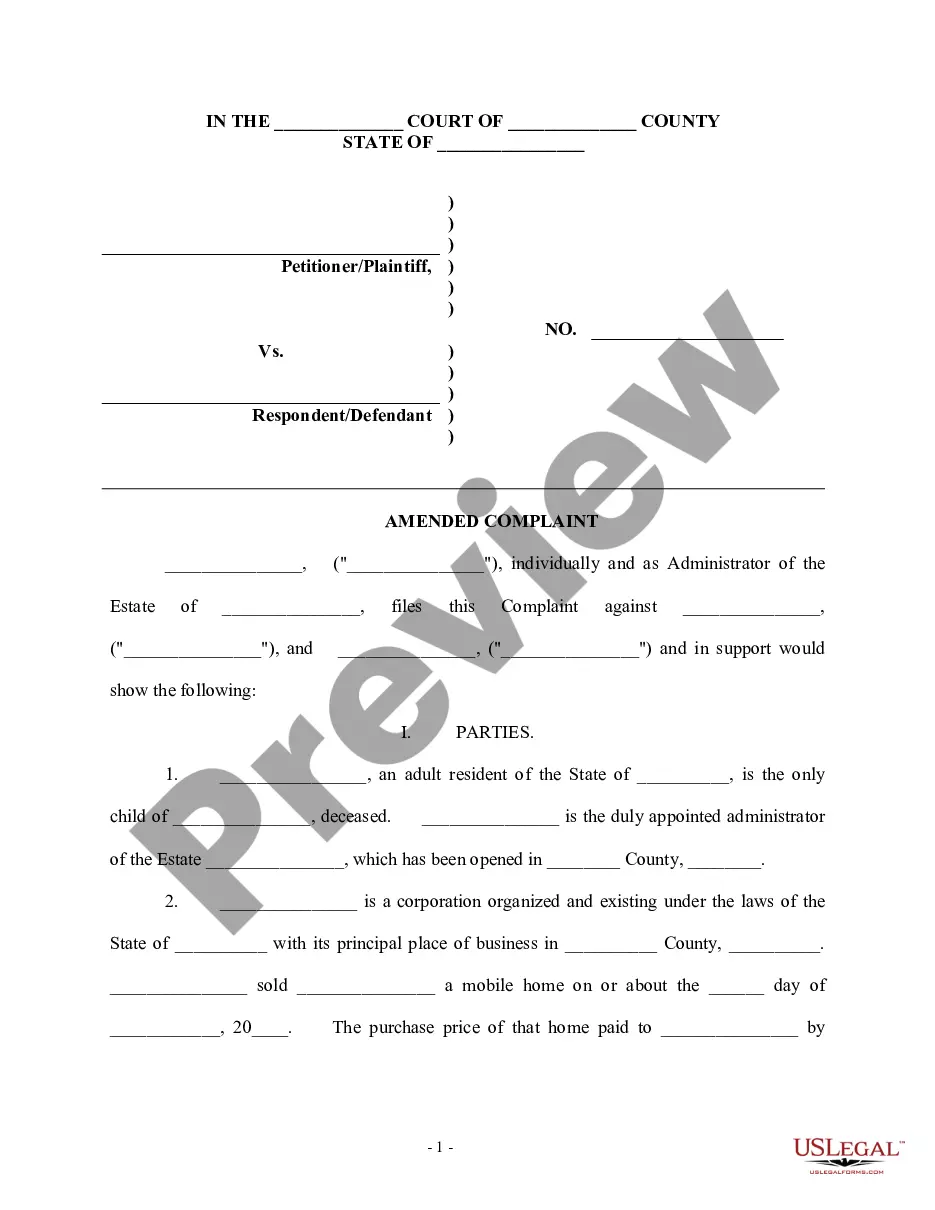
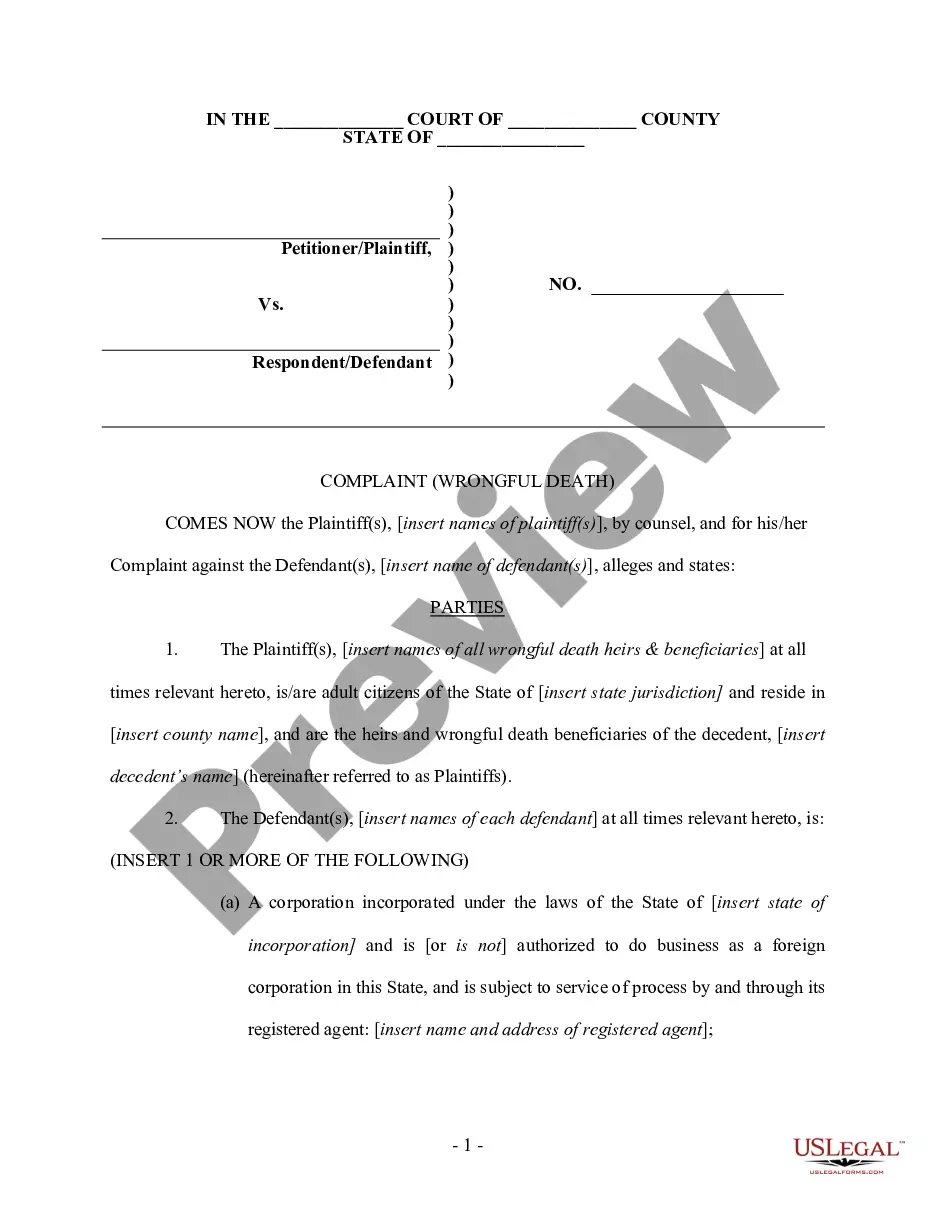
Get your form ready online
Our built-in tools help you complete, sign, share, and store your documents in one place.
Make edits, fill in missing information, and update formatting in US Legal Forms—just like you would in MS Word.
Download a copy, print it, send it by email, or mail it via USPS—whatever works best for your next step.
Sign and collect signatures with our SignNow integration. Send to multiple recipients, set reminders, and more. Go Premium to unlock E-Sign.
If this form requires notarization, complete it online through a secure video call—no need to meet a notary in person or wait for an appointment.
We protect your documents and personal data by following strict security and privacy standards.

Make edits, fill in missing information, and update formatting in US Legal Forms—just like you would in MS Word.

Download a copy, print it, send it by email, or mail it via USPS—whatever works best for your next step.

Sign and collect signatures with our SignNow integration. Send to multiple recipients, set reminders, and more. Go Premium to unlock E-Sign.

If this form requires notarization, complete it online through a secure video call—no need to meet a notary in person or wait for an appointment.

We protect your documents and personal data by following strict security and privacy standards.
Looking for another form?




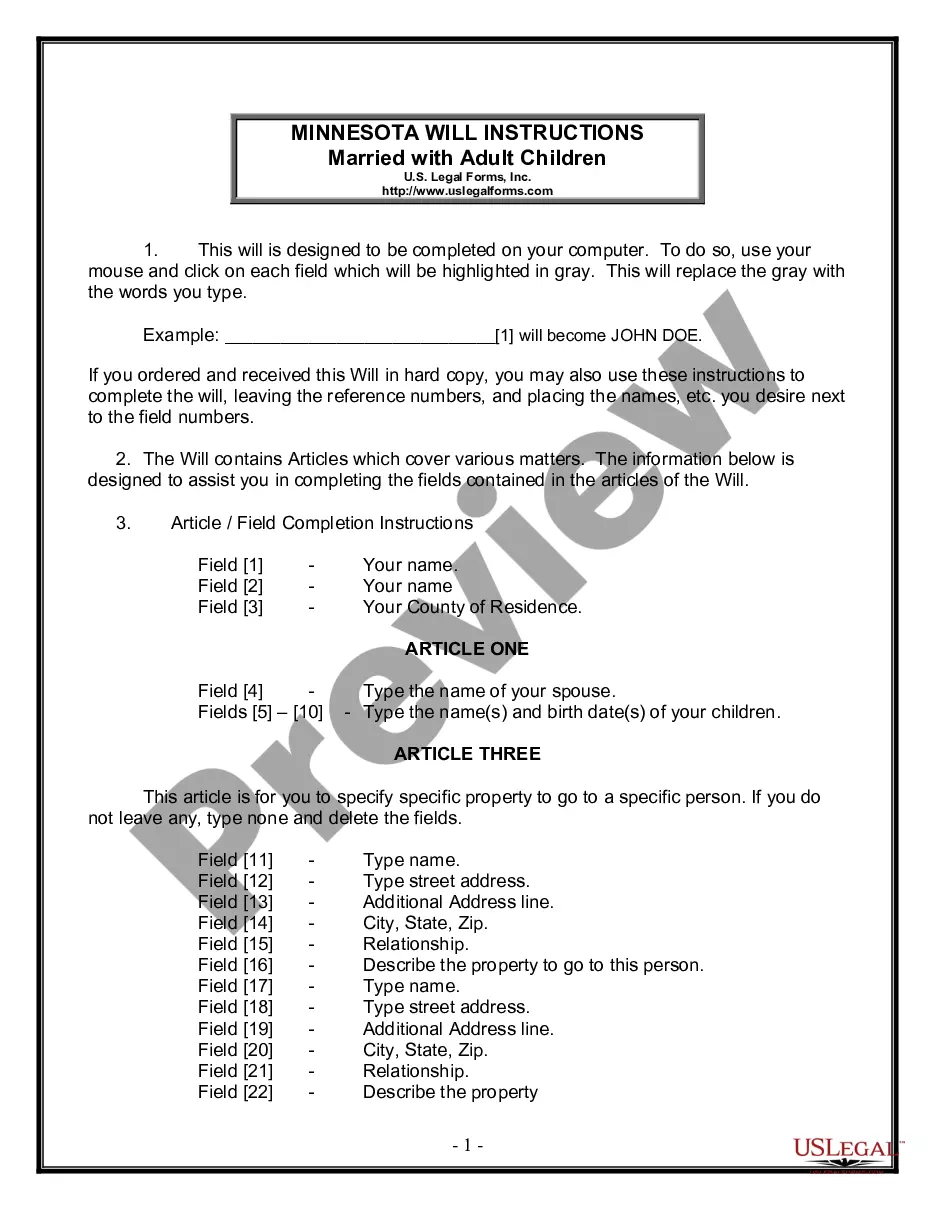

How to fill out Complaint For Wrongful Death - Single Count?
- If you're a returning user, log in to your account and select the required form template. Ensure your subscription is active to download it directly.
- For first-time users, start by browsing through the form description and preview mode to find the document that best suits your needs.
- Utilize the search feature to find alternative templates if you encounter any discrepancies or if the document doesn't meet your requirements.
- Click the Buy Now button to purchase the document, selecting the subscription plan that fits your needs. Remember, you'll need to create an account to access the forms library.
- Complete your purchase by entering your payment information, either via credit card or PayPal, to finalize your subscription.
- Download the form to your device, allowing you to complete it at your convenience. You can also access the document later in the My Forms section of your profile.
US Legal Forms provides a robust collection of over 85,000 fillable legal forms and packages, surpassing competitors in both variety and affordability.
With expert assistance available for form completion, you can rest assured that your documents will be both precise and legally compliant. Start your journey with US Legal Forms today!
Form popularity
FAQ
Generally, civil theft leads to monetary damages rather than jail time, as it focuses on compensation rather than punishment. However, if the theft also involves criminal actions, such as breaking and entering or fraud, then jail time can be a consequence of those charges. Understanding the distinction between civil and criminal theft is essential, and seeking legal advice can clarify your rights and options.
To press charges for theft, begin by reporting the incident to law enforcement. They will conduct an investigation based on your report and determine if criminal charges are appropriate. In some cases, you may also consider filing a wrongful count civil blank for theft to recover losses directly from the responsible party, which can provide financial relief while the criminal process unfolds.
The civil version of theft refers to a wrongful count civil blank for theft, which allows individuals to seek damages in civil court rather than criminal court. In these cases, the focus is on compensating the victim for losses rather than punishing the offender. This process emphasizes the recovery of stolen property and financial compensation for the harm suffered.
When pursuing a wrongful count civil blank for theft, the amount you can sue for varies by state and the specific circumstances of your case. Generally, you can seek compensation for actual damages, including stolen property value and additional costs. It is important to check the local laws for any caps on damages and to document your losses thoroughly. Consulting with a legal professional can provide guidance tailored to your situation.
Rule -2 in New Jersey pertains to the requirements for filing domestic relations papers. It specifies the necessary forms and procedures needed for filing, ensuring clarity in legal proceedings. If your case involves a wrongful count civil blank for theft, understanding this rule will help you effectively prepare your legal documents.
After submitting a counterclaim, it’s important to prepare for any upcoming hearings. You should gather evidence and documentation to support your claims, particularly in cases involving a wrongful count civil blank for theft. Staying organized and proactive will help you navigate the legal process smoothly.
In New Jersey, you usually have 35 days to respond to a complaint. Your answer should address each point raised in the complaint, particularly if it involves a wrongful count civil blank for theft. Meeting the deadline ensures you maintain your right to contest the claims made against you.
To file an answer in NJ courts, you must prepare your response and submit it to the court where the case is pending. Include all relevant information related to the wrongful count civil blank for theft in your answer. Once filed, make sure to deliver a copy to the opposing party to comply with court requirements.
In New Jersey, you generally have 35 days to answer a counterclaim. This timeline begins when you receive the counterclaim notice. Responding quickly is vital, especially if the counterclaim relates to a wrongful count civil blank for theft, as delays can impact the outcome of your case.
You typically have 30 days to respond to a counterclaim after receiving the court's notice. It is crucial to address this promptly to avoid any negative implications for your case. If you face a wrongful count civil blank for theft, ensure you prepare a solid response within the designated timeframe.