Special Test For Tennis Elbow
Description
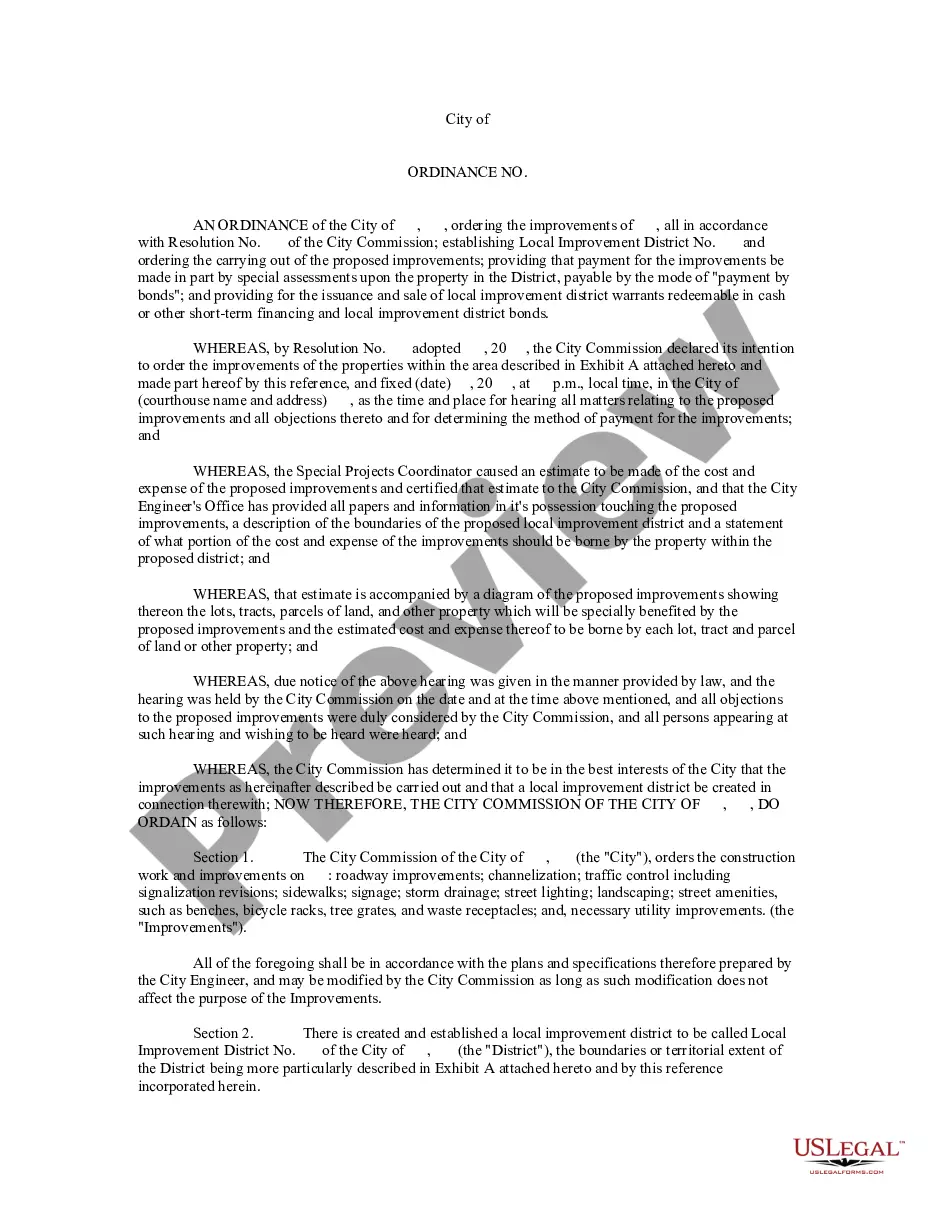

Get your form ready online
Our built-in tools help you complete, sign, share, and store your documents in one place.
Make edits, fill in missing information, and update formatting in US Legal Forms—just like you would in MS Word.
Download a copy, print it, send it by email, or mail it via USPS—whatever works best for your next step.
Sign and collect signatures with our SignNow integration. Send to multiple recipients, set reminders, and more. Go Premium to unlock E-Sign.
If this form requires notarization, complete it online through a secure video call—no need to meet a notary in person or wait for an appointment.
We protect your documents and personal data by following strict security and privacy standards.

Make edits, fill in missing information, and update formatting in US Legal Forms—just like you would in MS Word.

Download a copy, print it, send it by email, or mail it via USPS—whatever works best for your next step.

Sign and collect signatures with our SignNow integration. Send to multiple recipients, set reminders, and more. Go Premium to unlock E-Sign.

If this form requires notarization, complete it online through a secure video call—no need to meet a notary in person or wait for an appointment.

We protect your documents and personal data by following strict security and privacy standards.
Looking for another form?








How to fill out Special Improvement Project And Assessment?
Regardless of whether it is for professional reasons or for personal issues, everyone must handle legal matters at some point in their lifetime.
Filling out legal documents requires meticulous care, starting from choosing the correct form template.
After saving it, you can fill in the form using editing software or print it out and complete it manually. With an extensive catalog from US Legal Forms available, you never have to waste time searching for the right template online. Use the library’s straightforward navigation to find the suitable template for any circumstance.
- Locate the template you require using the search bar or catalog browsing.
- Review the form’s details to confirm it corresponds with your circumstances, state, and locality.
- Click on the form’s preview to inspect it.
- If it is the incorrect form, return to the search feature to find the Special Test For Tennis Elbow template you need.
- Obtain the template if it fulfills your criteria.
- If you have a profile with US Legal Forms, click Log in to access your previously saved templates in My documents.
- If you haven't created an account yet, you can acquire the form by clicking Buy now.
- Choose the correct pricing option.
- Complete the profile registration form.
- Select your payment method: you can utilize a credit card or PayPal account.
- Select the document format you desire and download the Special Test For Tennis Elbow.
Form popularity
FAQ
A positive Maudsley's test indicates the presence of lateral epicondylitis, or tennis elbow. This test involves extending the middle finger against resistance, which elicits pain at the lateral elbow if the condition is present. Pain during this test confirms irritation of the extensor muscles involved in finger movement. By recognizing a positive result in the Maudsley's test, appropriate steps can be taken for effective rehabilitation.
There are several special tests for lateral epicondylitis, and one of the most effective is the Mill's test. This examination evaluates the integrity of the extensor tendons around the elbow. By producing specific movements that stress these tendons, clinicians can gather crucial information about your pain. Accurate diagnosis through these tests allows for tailored treatment options to relieve your tennis elbow symptoms.
The Cozen's test is specifically utilized to diagnose lateral epicondylitis, also known as tennis elbow. Through this test, the clinician assesses pain arising from the lateral part of the elbow when the wrist is extended against resistance. If you report discomfort, it confirms the presence of tendon strain or inflammation. Understanding your condition through the Cozen's test can ensure you receive the appropriate care.
A common special test for forearm pain is the Cozen's test, which focuses on identifying issues related to lateral epicondylitis or tennis elbow. During this examination, the clinician will apply resistance while you try to extend your wrist. Pain experienced during this movement indicates a possible problem with the tendons in the forearm. Thus, this test helps shape your treatment approach towards recovery.
The primary purpose of the Mills test is to assess for lateral epicondylitis, commonly known as tennis elbow. By placing stress on the extensor muscles of the forearm, this test can reveal whether inflammation or injury exists. If pain arises during this examination, it suggests a possible diagnosis of tennis elbow. This test is instrumental in guiding effective treatment plans for your elbow discomfort.
The Mill's test is a special test for tennis elbow, specifically designed to evaluate lateral epicondylitis. By extending the wrist and applying a gentle pressure, this test helps identify discomfort in the elbow and forearm area. If you experience pain during the Mill's test, it can indicate irritation in the common extensor tendon. This test is a valuable tool for clinicians to diagnose elbow pain accurately.
Physical findings of tennis elbow typically include tenderness at the lateral epicondyle and pain during wrist extension activities. You may notice swelling or warmth around the elbow joint. Gripping or lifting weights often exacerbates the discomfort, aligning with the responses from the special test for tennis elbow. Understanding these findings can guide effective treatment plans.
Tennis elbow is a condition that involves inflammation of the tendons attaching to the outer elbow. You might describe it as a sharp or aching pain that limits your ability to perform daily tasks, especially those requiring grip strength. The condition often arises from repetitive stress, and recognizing it early through a special test for tennis elbow can lead to better outcomes. Consider utilizing platforms like uslegalforms for guidance.
To test yourself for tennis elbow, try to extend your wrist against resistance. If this action produces pain on the outer side of your elbow, it may indicate the condition. Additionally, gripping a small object and feeling discomfort can also suggest the need for the special test for tennis elbow. If symptoms persist, seeking help from a professional is advisable.
On examination, tennis elbow presents with localized tenderness near the outer elbow joint. You may observe limited range of motion and increased pain during certain activities, particularly gripping. Testing your strength using specific maneuvers, which are often part of the special test for tennis elbow, can further confirm the diagnosis. Accurate assessment is crucial for effective treatment.