Landlord Tenant Requirements
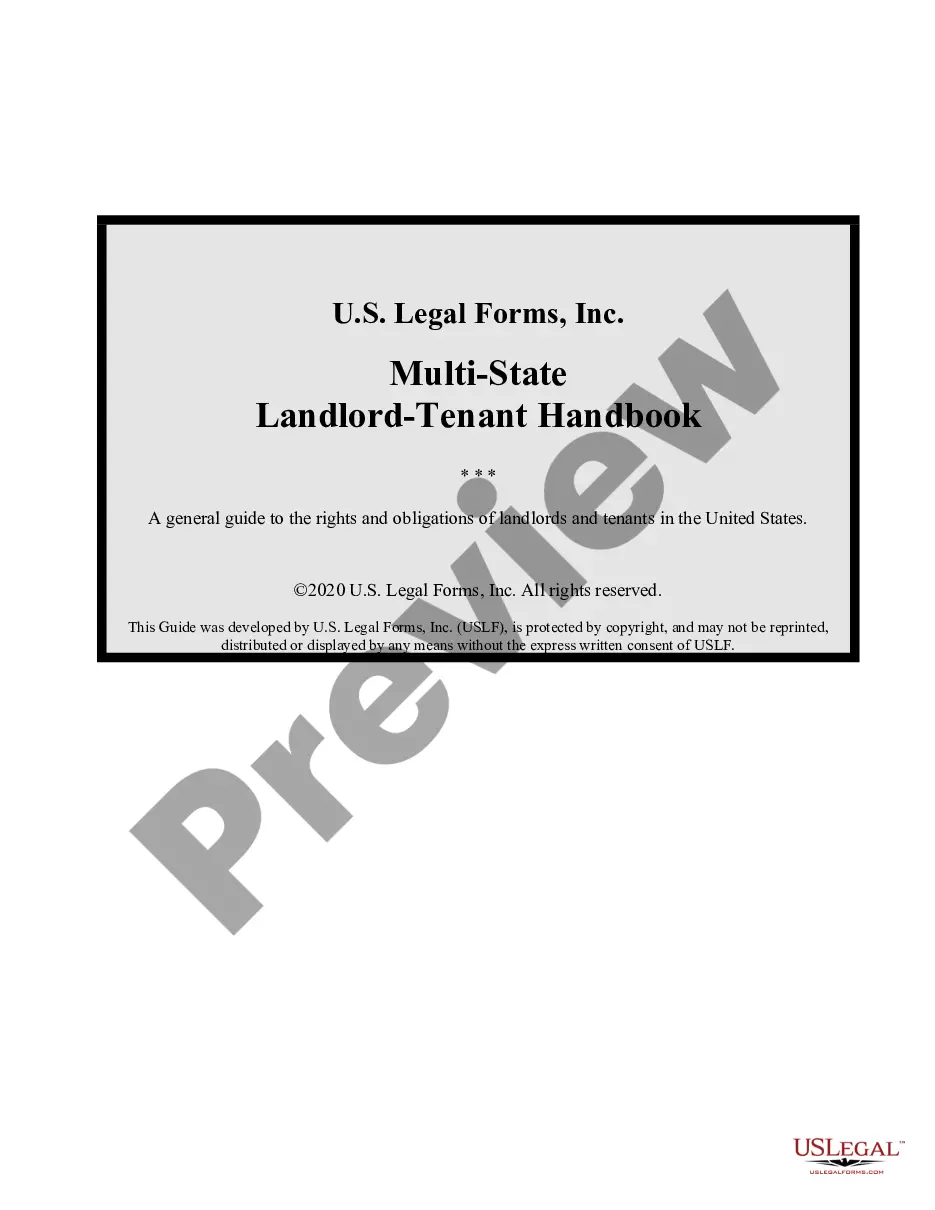
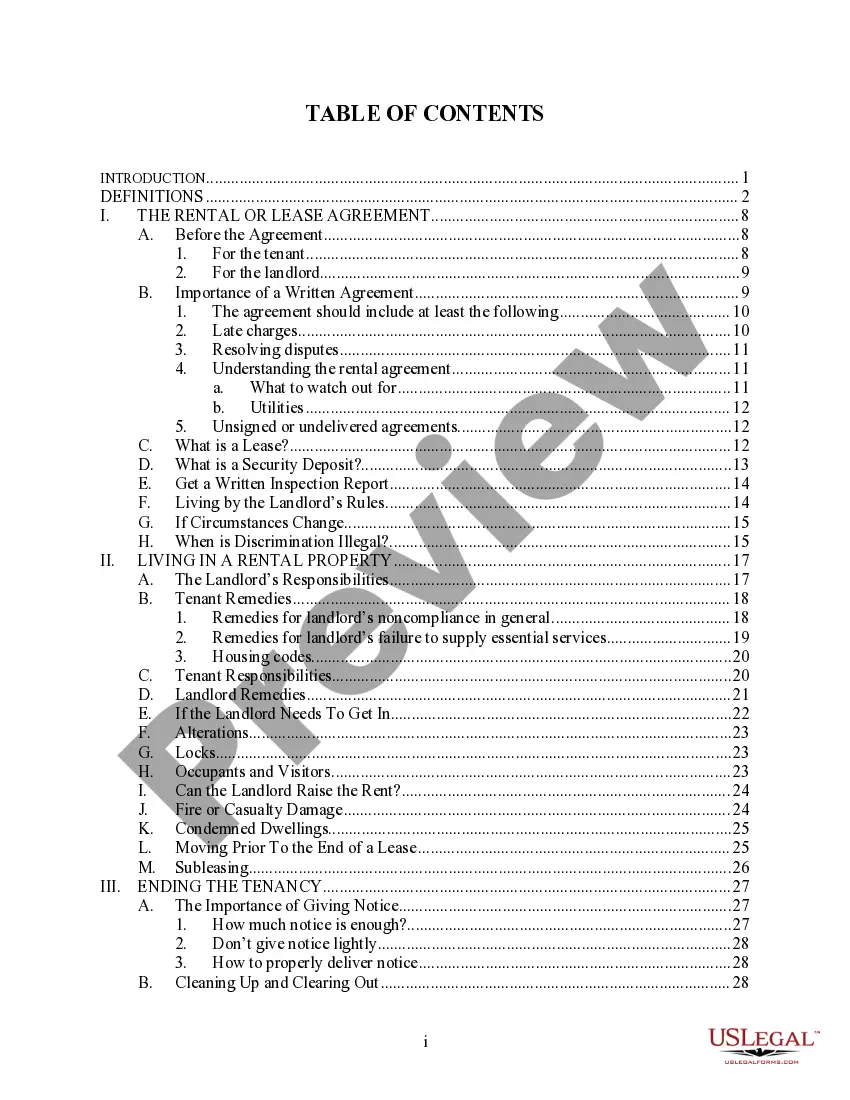
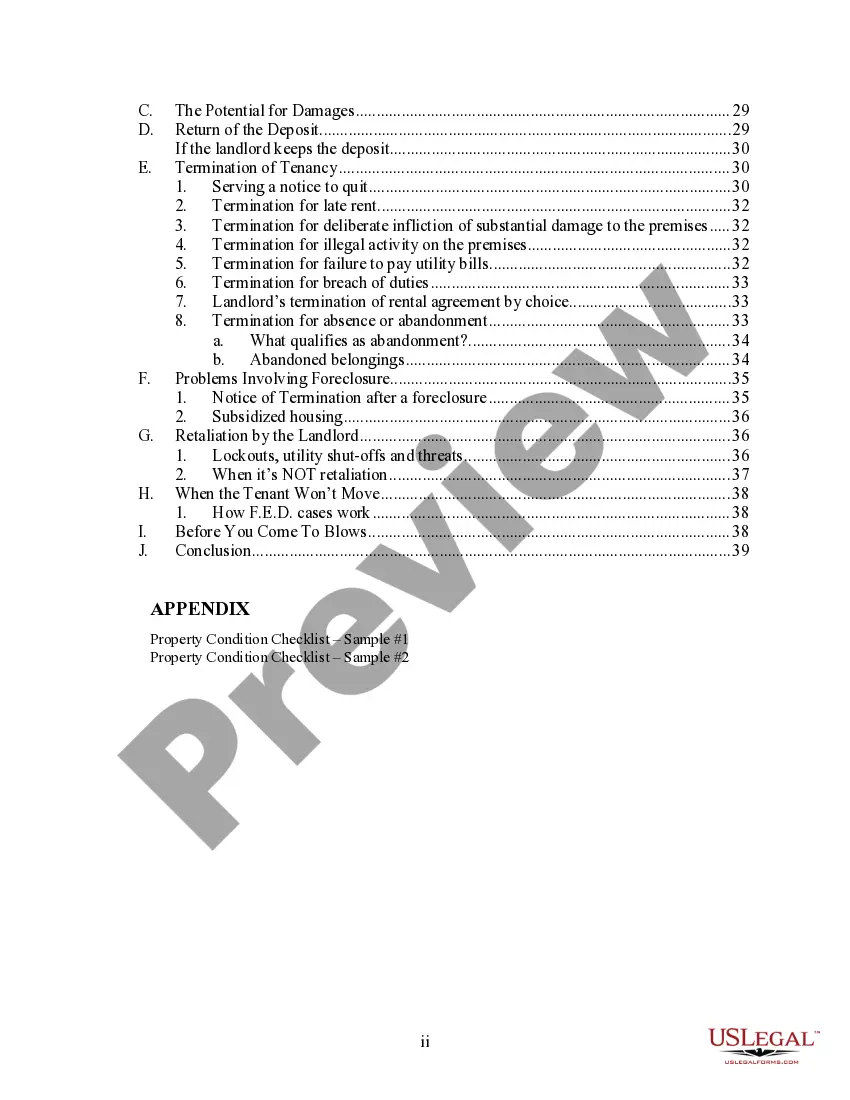
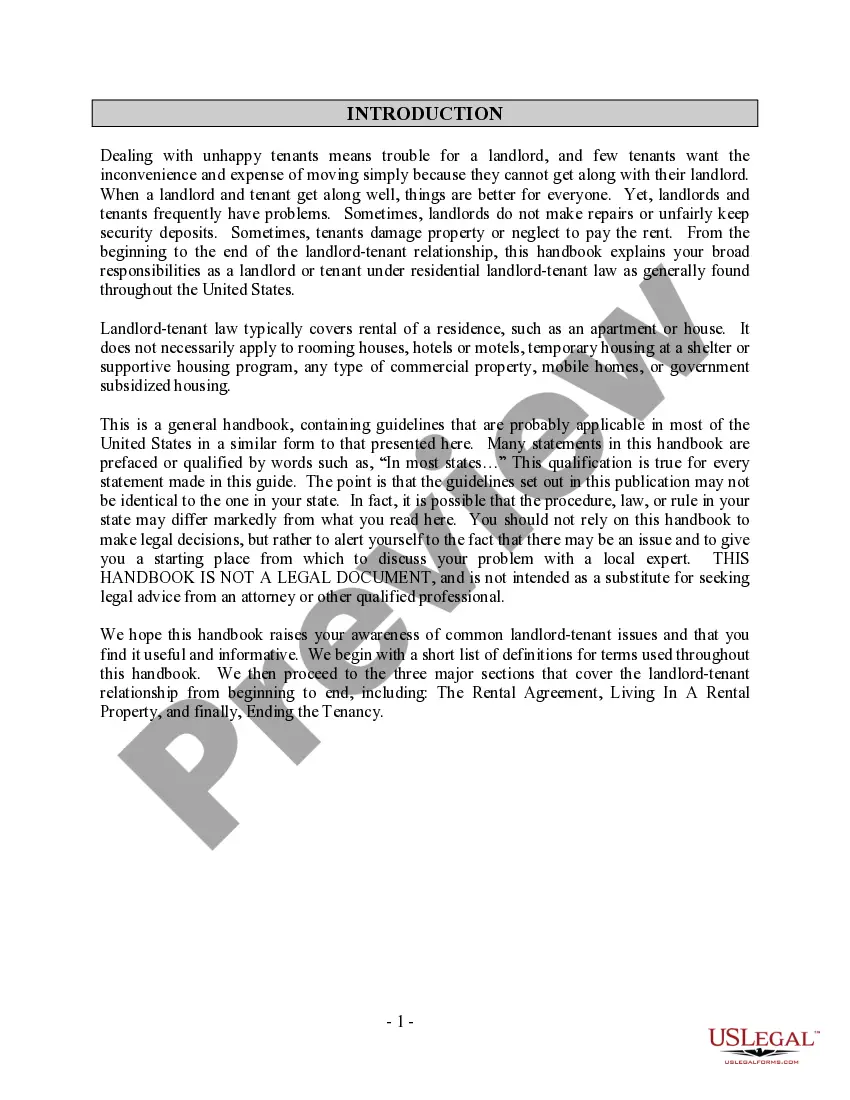
Description
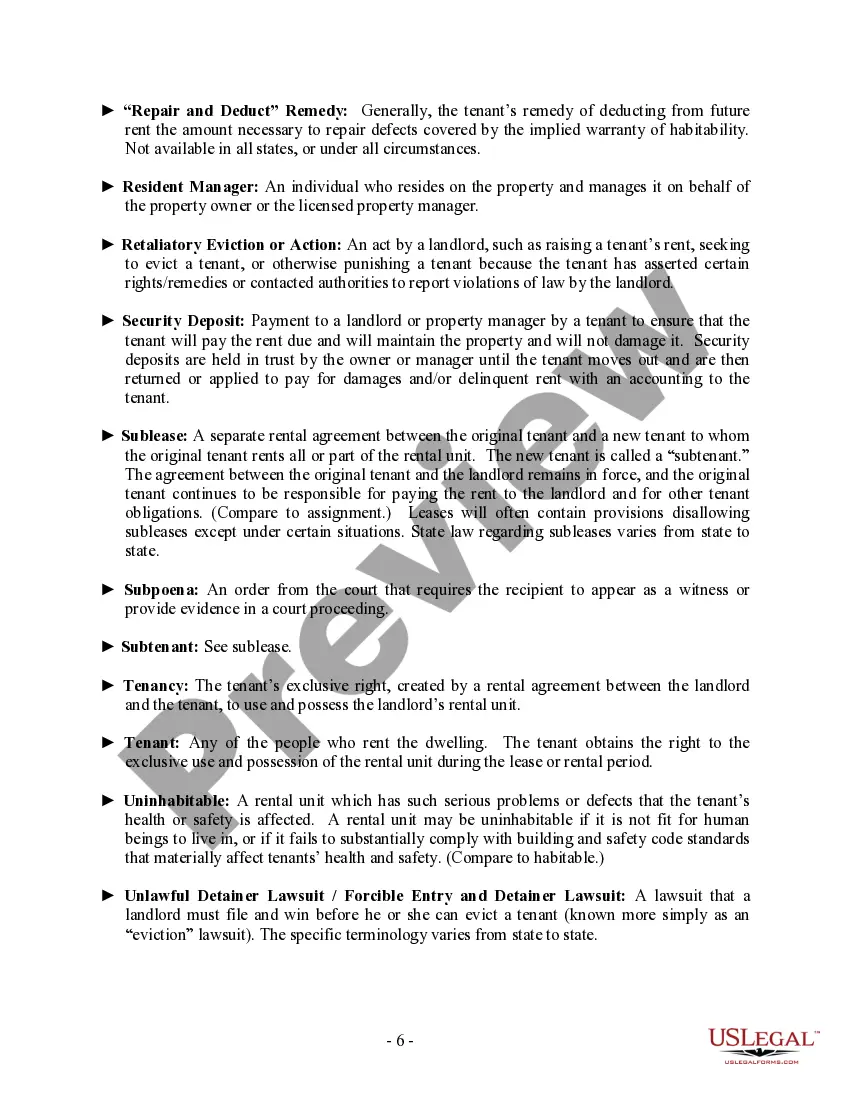

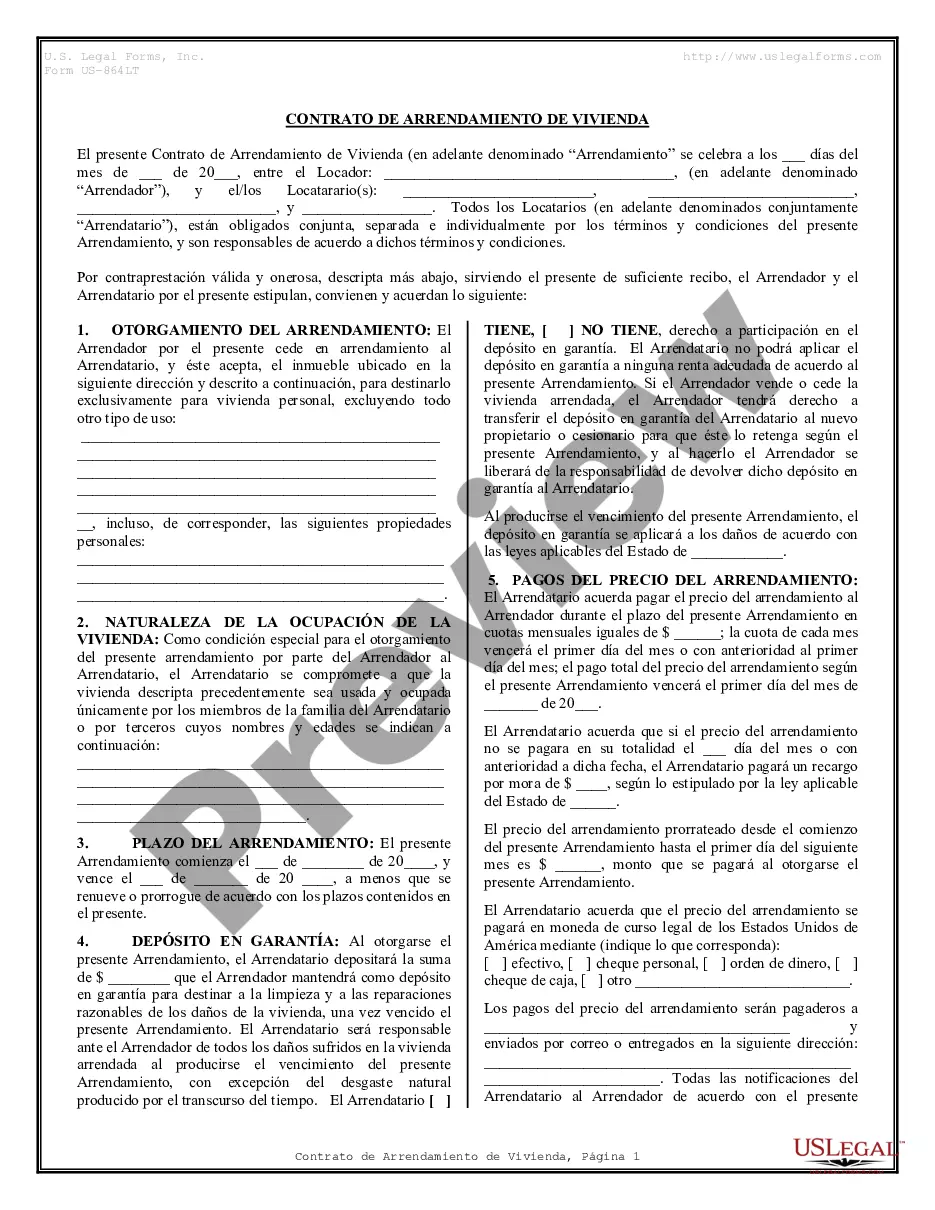
Get your form ready online
Our built-in tools help you complete, sign, share, and store your documents in one place.
Make edits, fill in missing information, and update formatting in US Legal Forms—just like you would in MS Word.
Download a copy, print it, send it by email, or mail it via USPS—whatever works best for your next step.
Sign and collect signatures with our SignNow integration. Send to multiple recipients, set reminders, and more. Go Premium to unlock E-Sign.
If this form requires notarization, complete it online through a secure video call—no need to meet a notary in person or wait for an appointment.
We protect your documents and personal data by following strict security and privacy standards.

Make edits, fill in missing information, and update formatting in US Legal Forms—just like you would in MS Word.

Download a copy, print it, send it by email, or mail it via USPS—whatever works best for your next step.

Sign and collect signatures with our SignNow integration. Send to multiple recipients, set reminders, and more. Go Premium to unlock E-Sign.

If this form requires notarization, complete it online through a secure video call—no need to meet a notary in person or wait for an appointment.

We protect your documents and personal data by following strict security and privacy standards.
Looking for another form?










How to fill out Multistate Landlord Tenant Handbook - Guide - Laws?
Dealing with legal documents and processes can be a lengthy addition to your schedule.
Landlord Tenant Requirements and similar forms frequently require you to locate them and comprehend how to fill them out properly.
Therefore, whether you are managing financial, legal, or personal issues, utilizing a comprehensive and user-friendly online library of forms will significantly help.
US Legal Forms is the premier online platform for legal templates, providing over 85,000 state-specific forms along with a variety of resources to assist you in completing your documentation with ease.
Is this your first time using US Legal Forms? Sign up and create a free account in just a few minutes to gain access to the form library and Landlord Tenant Requirements. Then, follow the steps below to complete your form: Ensure you have the correct form using the Review feature and reading the form description. Select Buy Now when ready, and choose the subscription plan that suits your requirements. Click Download, then fill out, sign, and print the form. US Legal Forms has 25 years of experience aiding clients in managing their legal documents. Find the form you need today and simplify any process without breaking a sweat.
- Explore the collection of relevant documents available to you with just one click.
- US Legal Forms provides you with state- and county-specific forms available for download at any time.
- Safeguard your document management processes using a high-quality service that enables you to prepare any form within moments without extra or hidden charges.
- Simply Log In to your account, find Landlord Tenant Requirements, and download it immediately from the My documents section.
- You can also access previously downloaded documents.
Form popularity
FAQ
Any time you write a letter or email to your landlord, keep your language clear and concise to eliminate any potential for confusion. Include relevant details such as the date of writing, the dates of any instances referenced within the letter, and your contact information and unit number.
What to Include in a Letter to Your Landlord. Your letter should: detail the issue that you're experiencing in your rental (include pictures if helpful) propose a reasonable solution.
Steps To Writing a Complaint Letter to a Landlord Explain Your Complaint. ... Explain the Impact. ... Suggest a Solution. ... Attach Any Relevant Documentation. ... Include a Deadline to Respond.
Follow These Steps for Tenant Letters Keep letters consistent by including the following elements: Tenant's name and full address. The date. A subject line that summarizes the information. The landlord's expectations (pay the rent, stop breaking a rule, etc.)
The tenant has every right to call upon the landlord whenever he requires any repairs done. The tenant in the absence of the landlord or on the instructions of the landlord shall carry on the repairs at his own expense and later the landlord shall reimburse him for the same.