Agreement Level Document For Web Application
Description

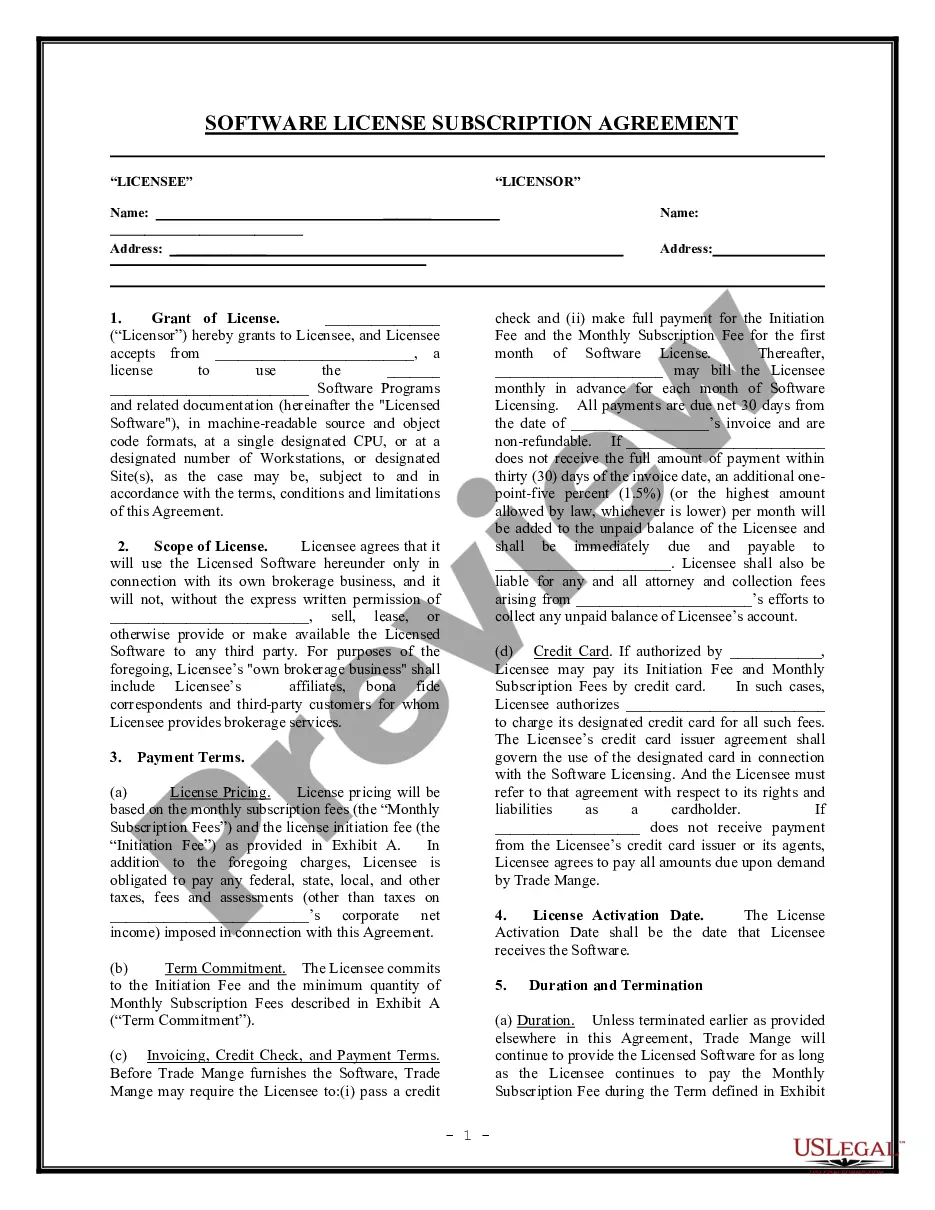
Get your form ready online
Our built-in tools help you complete, sign, share, and store your documents in one place.
Make edits, fill in missing information, and update formatting in US Legal Forms—just like you would in MS Word.
Download a copy, print it, send it by email, or mail it via USPS—whatever works best for your next step.
Sign and collect signatures with our SignNow integration. Send to multiple recipients, set reminders, and more. Go Premium to unlock E-Sign.
If this form requires notarization, complete it online through a secure video call—no need to meet a notary in person or wait for an appointment.
We protect your documents and personal data by following strict security and privacy standards.

Make edits, fill in missing information, and update formatting in US Legal Forms—just like you would in MS Word.

Download a copy, print it, send it by email, or mail it via USPS—whatever works best for your next step.

Sign and collect signatures with our SignNow integration. Send to multiple recipients, set reminders, and more. Go Premium to unlock E-Sign.

If this form requires notarization, complete it online through a secure video call—no need to meet a notary in person or wait for an appointment.

We protect your documents and personal data by following strict security and privacy standards.
Looking for another form?


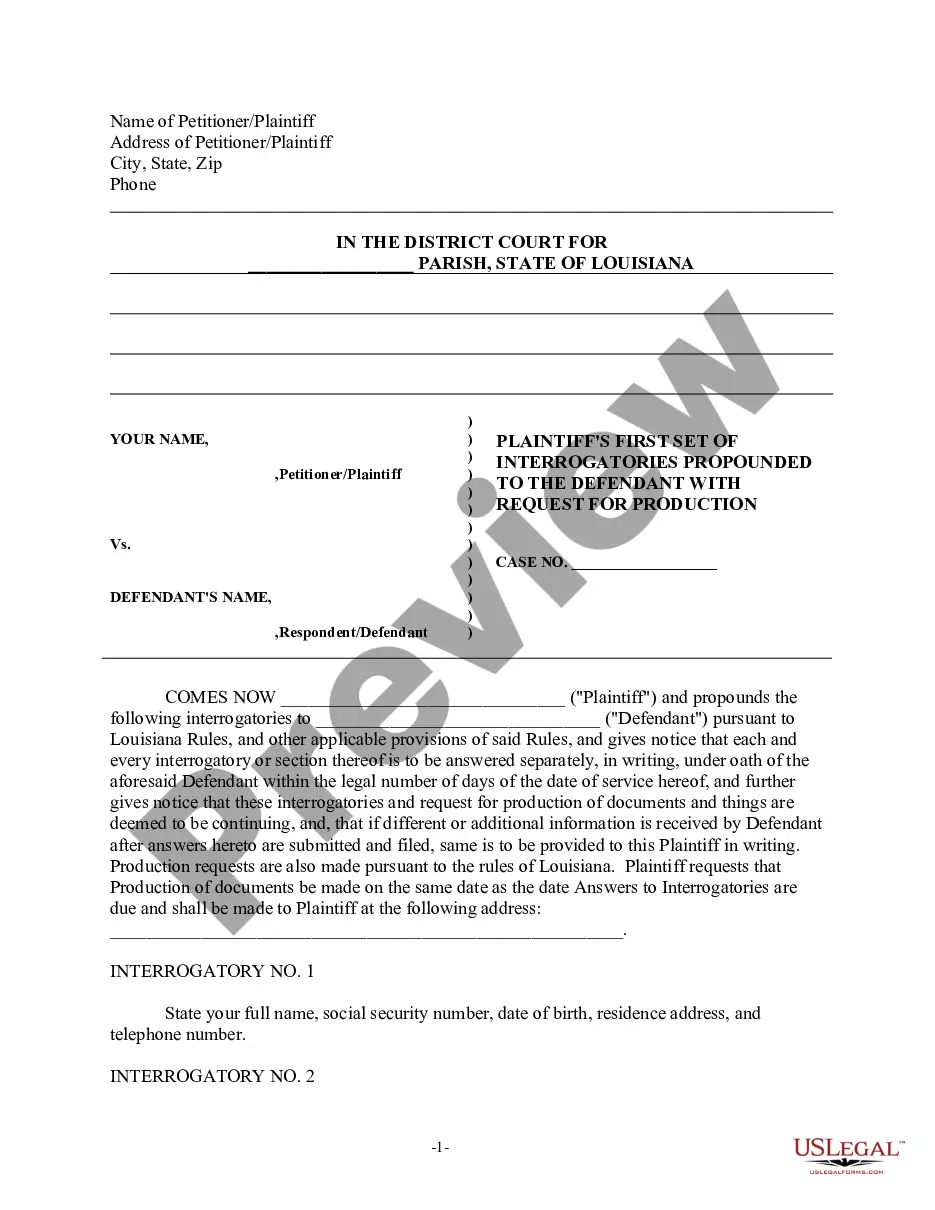



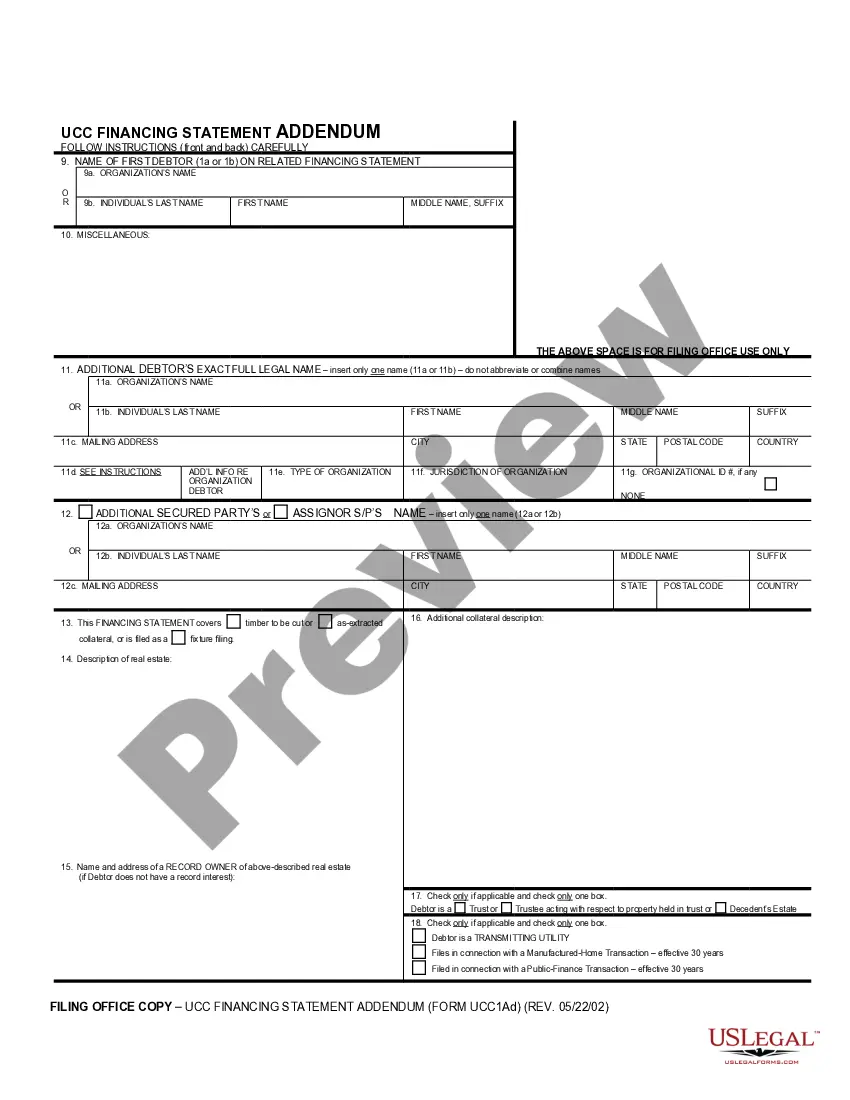

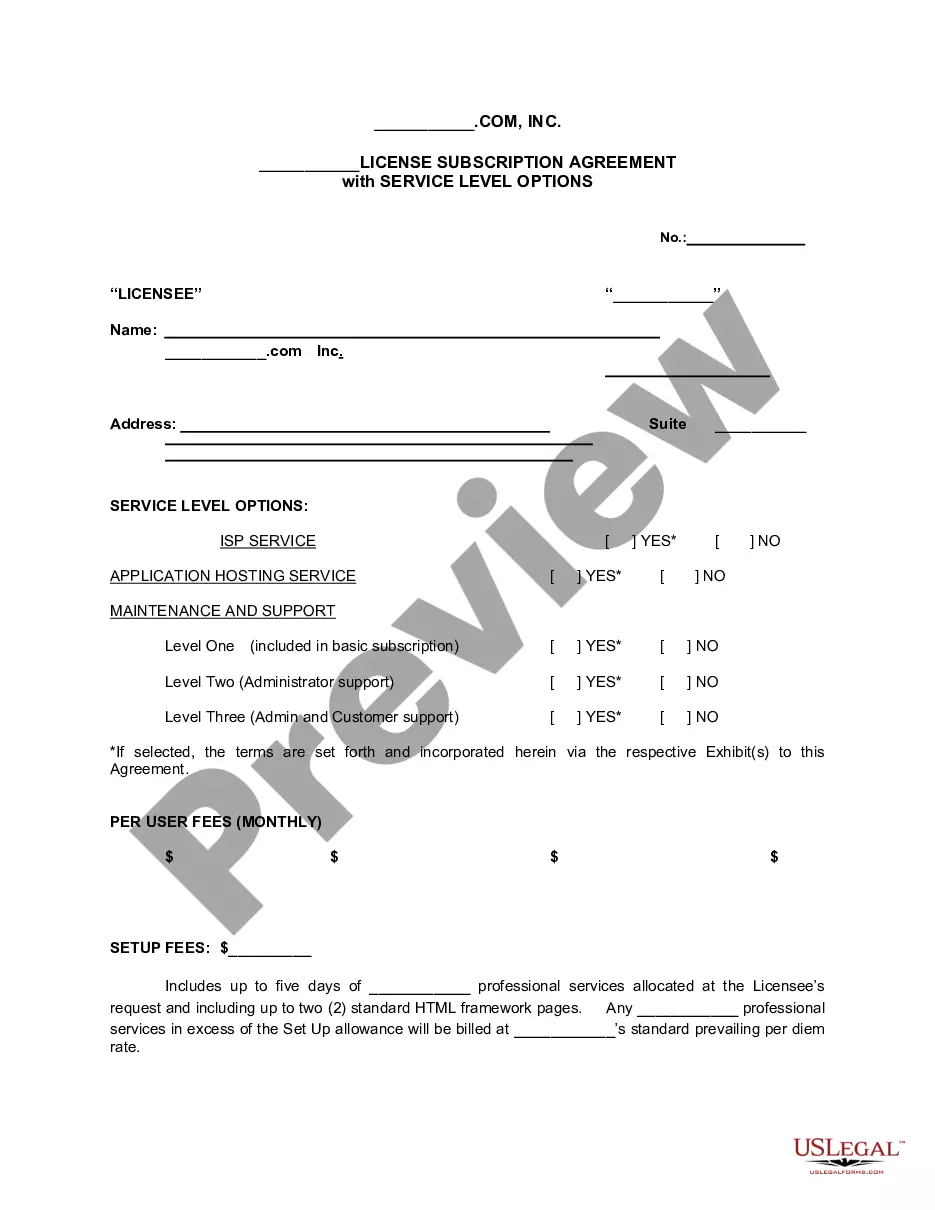
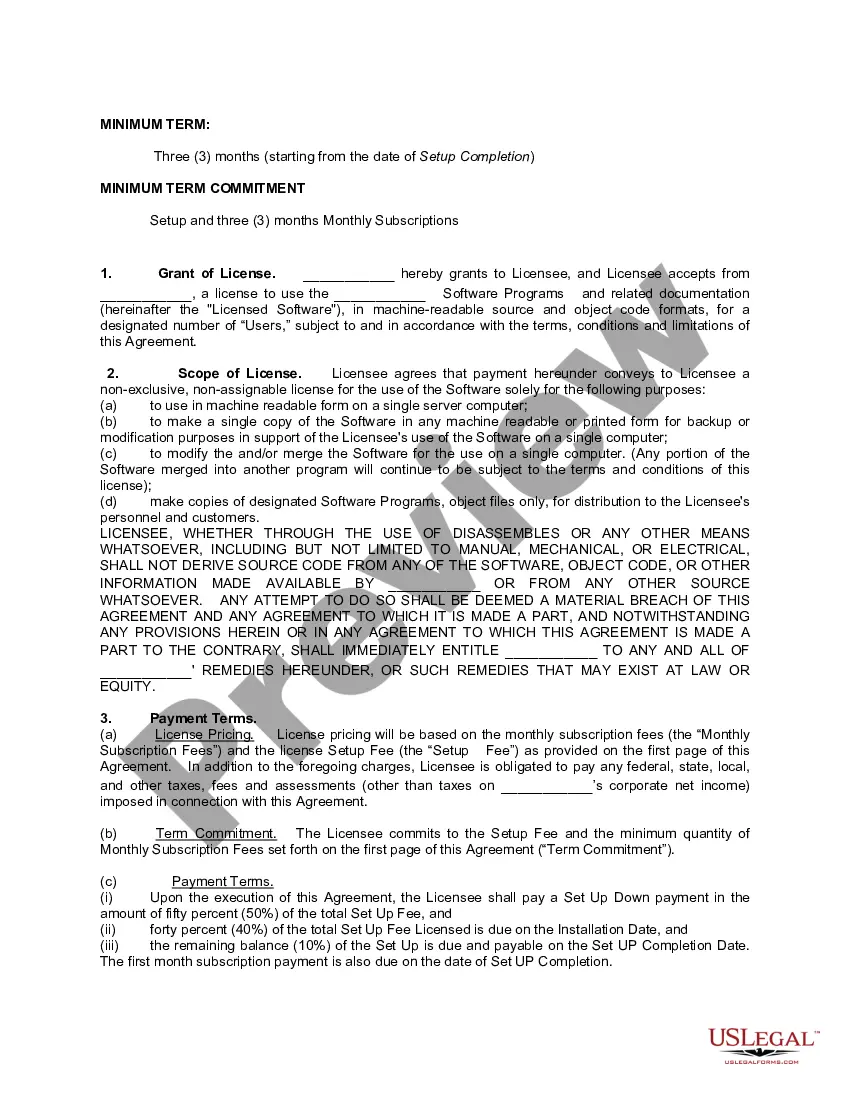
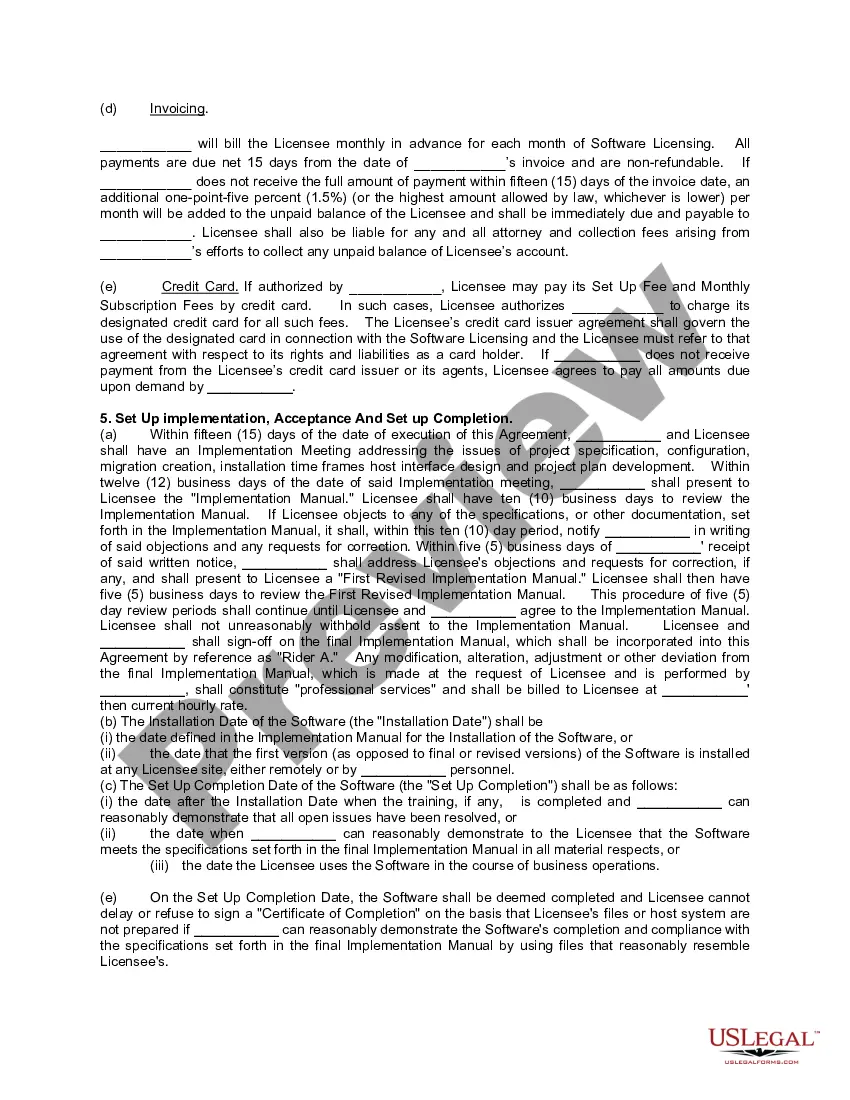
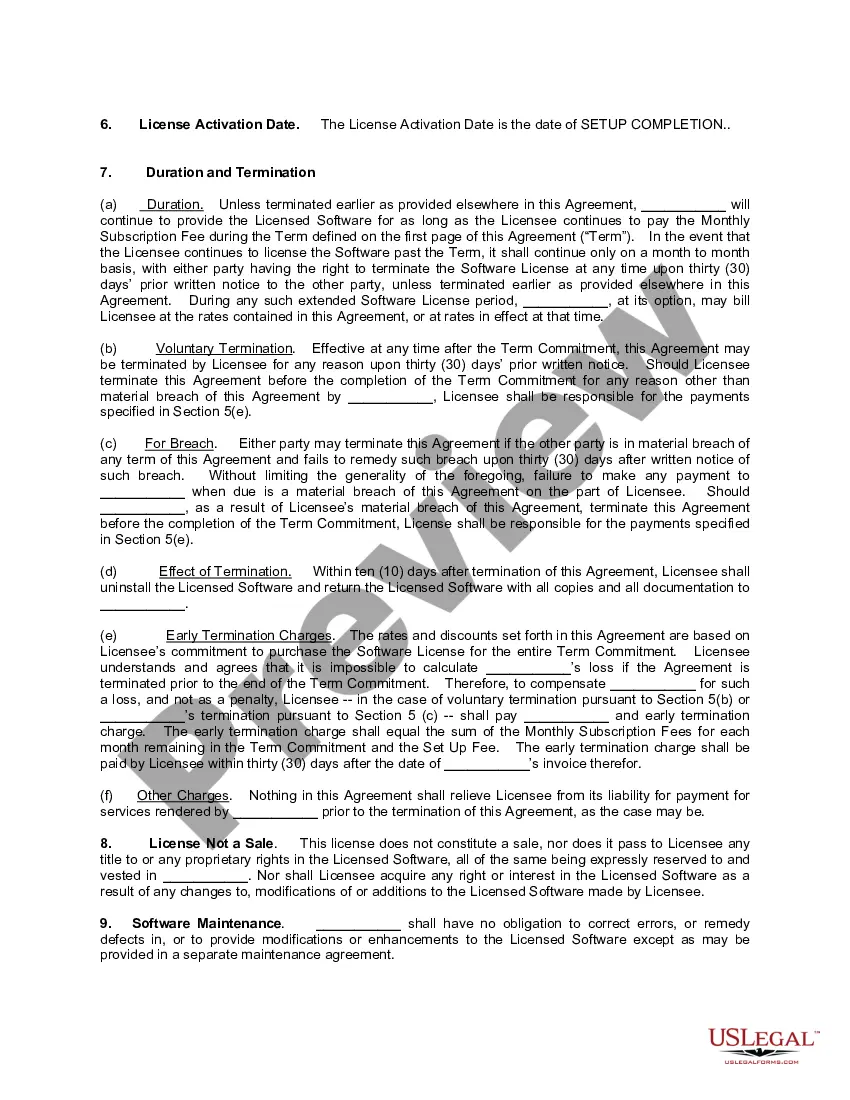
How to fill out License Subscription Agreement With Service Level Options?
Securing a reliable source for the latest and suitable legal templates is half the battle of navigating bureaucracy.
Selecting the correct legal documents requires precision and meticulousness, which is why it is vital to obtain samples of Agreement Level Document For Web Application solely from trusted providers, such as US Legal Forms. An inaccurate template will squander your time and delay the matter at hand. With US Legal Forms, you have minimal concerns.
Eliminate the stress associated with your legal paperwork. Explore the comprehensive US Legal Forms catalog where you can discover legal templates, verify their applicability to your situation, and download them instantly.
- Utilize the catalog navigation or search bar to locate your template.
- Examine the form’s details to verify if it aligns with the criteria of your state and region.
- Review the form preview, if available, to ensure it is indeed the form you need.
- Return to the search and find the suitable template if the Agreement Level Document For Web Application does not meet your needs.
- Once you are confident about the form’s applicability, download it.
- As an authorized user, click Log in to verify and access your chosen templates in My documents.
- If you do not have an account yet, click Buy now to acquire the form.
- Select the pricing option that meets your needs.
- Continue to the registration to complete your transaction.
- Conclude your purchase by selecting a payment method (credit card or PayPal).
- Choose the document format for downloading Agreement Level Document For Web Application.
- Once you have the form on your device, you can modify it using the editor or print it and fill it out by hand.
Form popularity
FAQ
Key components of an SLA Agreement overview. A list of stakeholders. The goals of all stakeholders. A description of services. Service levels. A list of services excluded from the agreement. Conditions of cancellation. A plan if goals aren't reached.
ITIL focuses on three types of options for structuring SLA: Service-based, Customer-based, and Multi-level or Hierarchical SLAs. Many different factors will need to be considered when deciding which SLA structure is most appropriate for an organization to use.
To write an SLA, you should: Define the scope of service. ... Specify the responsibilities of both parties. ... Set performance metrics. ... Define the reporting requirements. ... Establish the escalation process. ... Specify penalties and incentives. ... Put it all together.
What are the three types of SLAs? There are three basic types of SLAs: customer, internal and multilevel service-level agreements. A customer service-level agreement is between a service provider and its external customers. It is sometimes called an external service agreement.
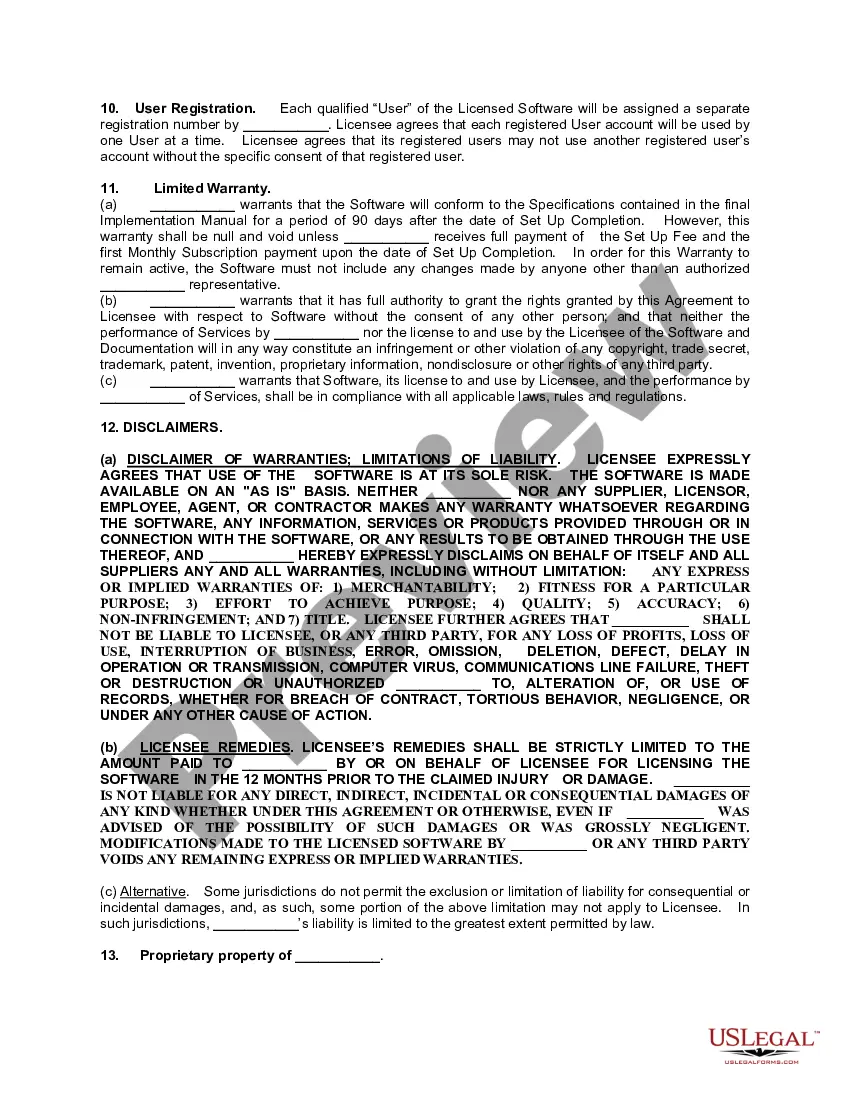
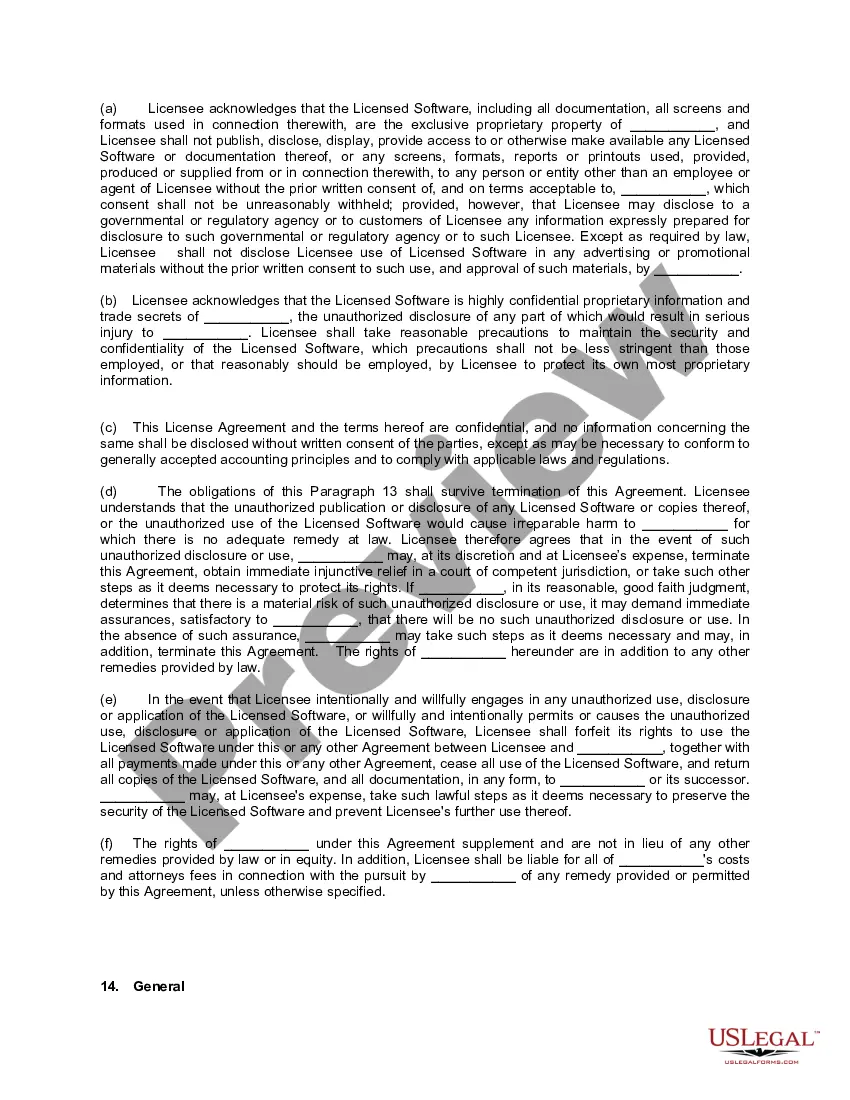
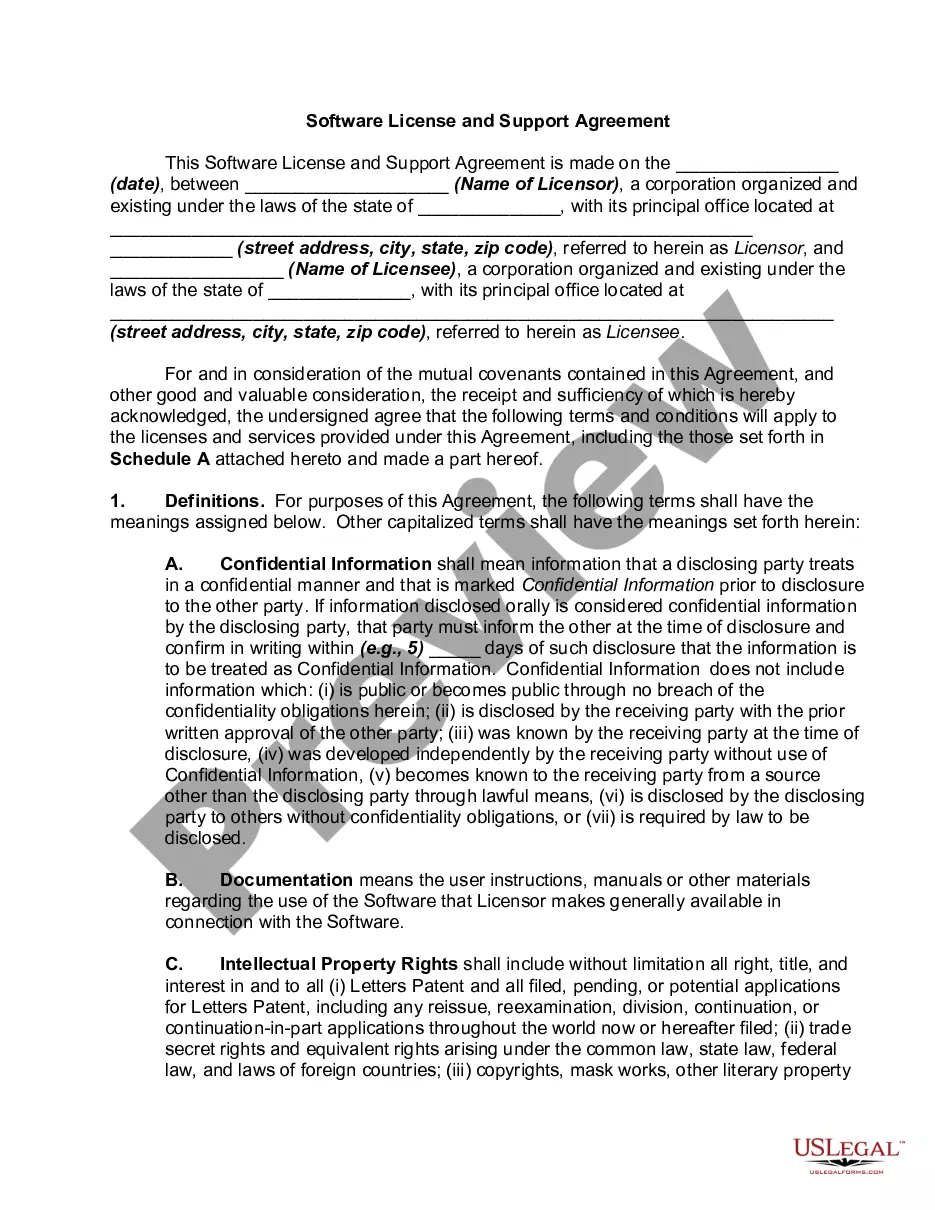
A computer or mobile application service level agreement allows you to create and manage your service level agreements with ease. Service level agreements, or SLAs, are documents that detail commitments between customers and service providers.