Information Confidential Whereas Form 11.1
Description
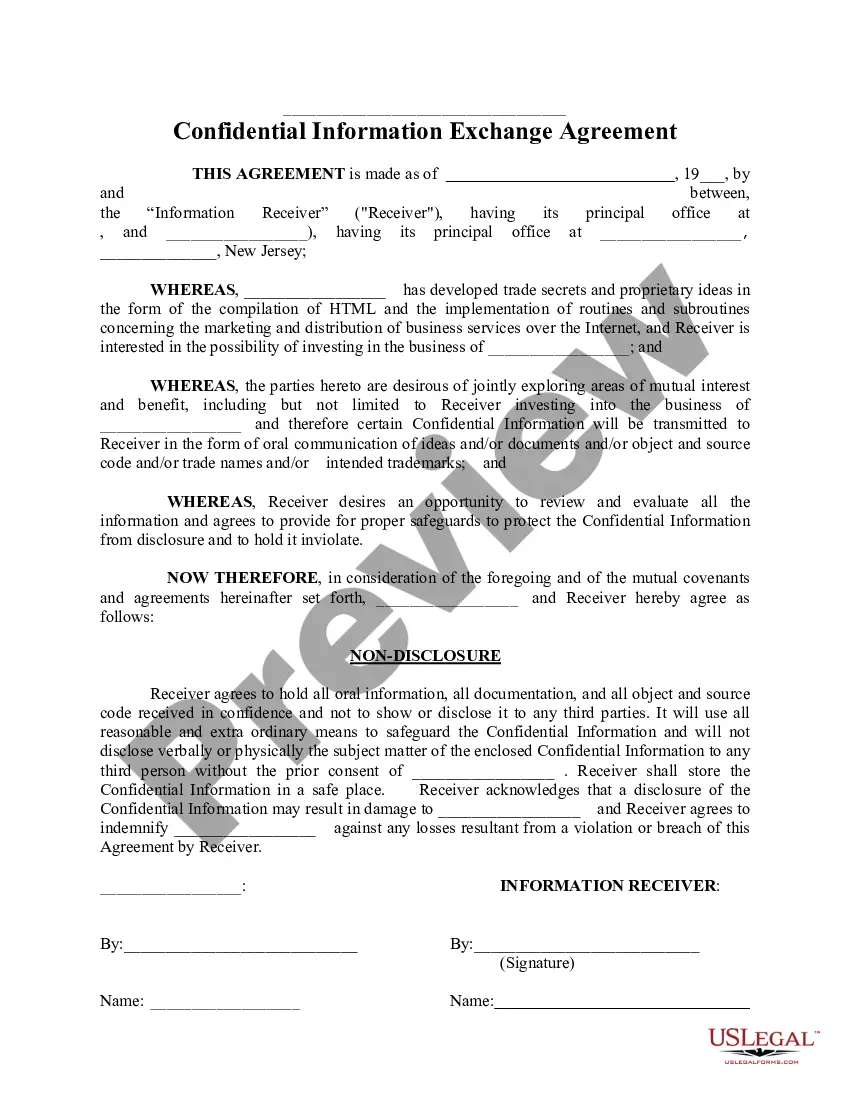

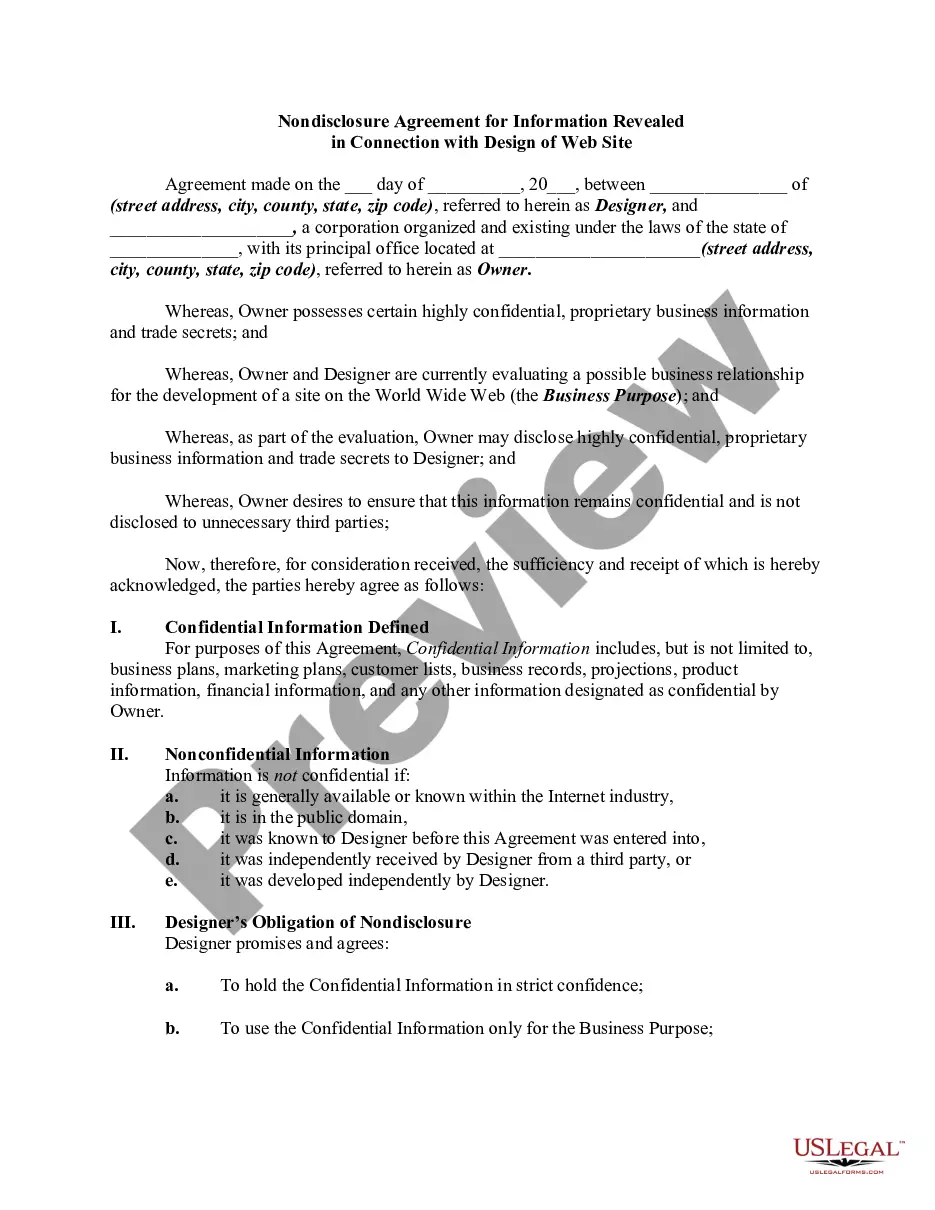
Get your form ready online
Our built-in tools help you complete, sign, share, and store your documents in one place.
Make edits, fill in missing information, and update formatting in US Legal Forms—just like you would in MS Word.
Download a copy, print it, send it by email, or mail it via USPS—whatever works best for your next step.
Sign and collect signatures with our SignNow integration. Send to multiple recipients, set reminders, and more. Go Premium to unlock E-Sign.
If this form requires notarization, complete it online through a secure video call—no need to meet a notary in person or wait for an appointment.
We protect your documents and personal data by following strict security and privacy standards.

Make edits, fill in missing information, and update formatting in US Legal Forms—just like you would in MS Word.

Download a copy, print it, send it by email, or mail it via USPS—whatever works best for your next step.

Sign and collect signatures with our SignNow integration. Send to multiple recipients, set reminders, and more. Go Premium to unlock E-Sign.

If this form requires notarization, complete it online through a secure video call—no need to meet a notary in person or wait for an appointment.

We protect your documents and personal data by following strict security and privacy standards.
Looking for another form?
How to fill out Confidential Information Exchange Agreement Between Website Service Provider And Receiver Of Trade Secrets?
The Information Confidential Whereas Form 11.1 you see on this page is a reusable formal template created by professional attorneys in accordance with federal and local laws.
For over 25 years, US Legal Forms has supplied individuals, organizations, and legal practitioners with more than 85,000 verified, state-specific documents for any business and personal events. It’s the quickest, most straightforward, and most dependable way to obtain the paperwork you require, as the service ensures the highest level of data protection and anti-malware security.
Select the format you desire for your Information Confidential Whereas Form 11.1 (PDF, Word, RTF) and download the document onto your device.
- Look for the document you require and examine it.
- Browse the sample you searched for and preview it or check the form description to ensure it meets your needs. If it doesn’t, utilize the search feature to locate the correct one. Click Buy Now once you’ve found the template you want.
- Register and Log In.
- Choose the subscription plan that works for you and create an account. Use PayPal or a credit card to make a quick payment. If you already possess an account, Log In and review your subscription to proceed.
- Acquire the editable template.
Form popularity
FAQ
Rule of practice 11.01 in Minnesota outlines the procedures for handling confidential information in legal documents. This rule mandates that parties must take necessary steps to protect sensitive information from unnecessary disclosure. It emphasizes the importance of maintaining confidentiality to promote fair legal proceedings. By utilizing the resources available on USlegalforms, you can ensure compliance with this rule and adequately protect confidential information.
Confidential information form 11.1 is a specific document used to identify and protect personal information during legal proceedings. This form helps ensure that sensitive data remains confidential, preventing unauthorized access. Filing form 11.1 is an essential step in safeguarding your rights and privacy in court. With platforms like USlegalforms, you can easily access the necessary templates and guidance related to this form.
Examples of confidential information often include medical records, employee files, and client communications. Additionally, trade secrets and proprietary business strategies also fall under this category. Organizations must carefully safeguard these details to ensure compliance with laws that protect privacy. Tools like USlegalforms provide templates to help manage and protect confidential information effectively.
Confidential information in court refers to any data or documents that contain sensitive details not meant for public disclosure. This can include personal identifiers like Social Security numbers, financial records, and protected health information. In legal proceedings, protecting this information is crucial, as its exposure could harm the parties involved. Utilizing resources such as USlegalforms can help you navigate the complexities of maintaining confidentiality.
Rule 11.04 in Minnesota pertains to the obligations of attorneys regarding the discovery of information. It mandates that lawyers must disclose all relevant information, including confidential data, unless protected by privilege. This rule emphasizes the importance of ethical practices in legal proceedings. Using resources such as US Legal Forms helps ensure that legal documents remain compliant while protecting information confidential whereas form 11.1.
Restricted identifiers in Minnesota include specific types of personal information that require extra protection, such as social security numbers, driver's license numbers, and bank account details. These identifiers are regulated to prevent identity theft and ensure the privacy of individuals. Understanding restricted identifiers is essential for anyone handling sensitive documents, especially when using forms like 11.1. Legal tools like US Legal Forms may assist in guiding you through these regulations.
Confidential personal information includes any data that can identify an individual, such as social security numbers, financial records, and medical history. This type of information must be handled with care to protect privacy rights. For instance, when filling out documents involving form 11.1, it is crucial to safeguard any confidential information to comply with legal requirements. Always ensure your sensitive data remains secure.
Rule 11 in Minnesota establishes the standard for the filing of documents with the court. It requires parties to ensure that the papers they submit are not frivolous and have a legitimate basis in law or fact. This rule also emphasizes the importance of keeping information confidential, particularly in sensitive cases. Knowing the nuances of Rule 11 can help you navigate the legal system effectively, especially when dealing with forms like 11.1.