Contractor Payment Schedule For Cpp
Description

Get your form ready online
Our built-in tools help you complete, sign, share, and store your documents in one place.
Make edits, fill in missing information, and update formatting in US Legal Forms—just like you would in MS Word.
Download a copy, print it, send it by email, or mail it via USPS—whatever works best for your next step.
Sign and collect signatures with our SignNow integration. Send to multiple recipients, set reminders, and more. Go Premium to unlock E-Sign.
If this form requires notarization, complete it online through a secure video call—no need to meet a notary in person or wait for an appointment.
We protect your documents and personal data by following strict security and privacy standards.

Make edits, fill in missing information, and update formatting in US Legal Forms—just like you would in MS Word.

Download a copy, print it, send it by email, or mail it via USPS—whatever works best for your next step.

Sign and collect signatures with our SignNow integration. Send to multiple recipients, set reminders, and more. Go Premium to unlock E-Sign.

If this form requires notarization, complete it online through a secure video call—no need to meet a notary in person or wait for an appointment.

We protect your documents and personal data by following strict security and privacy standards.
Looking for another form?
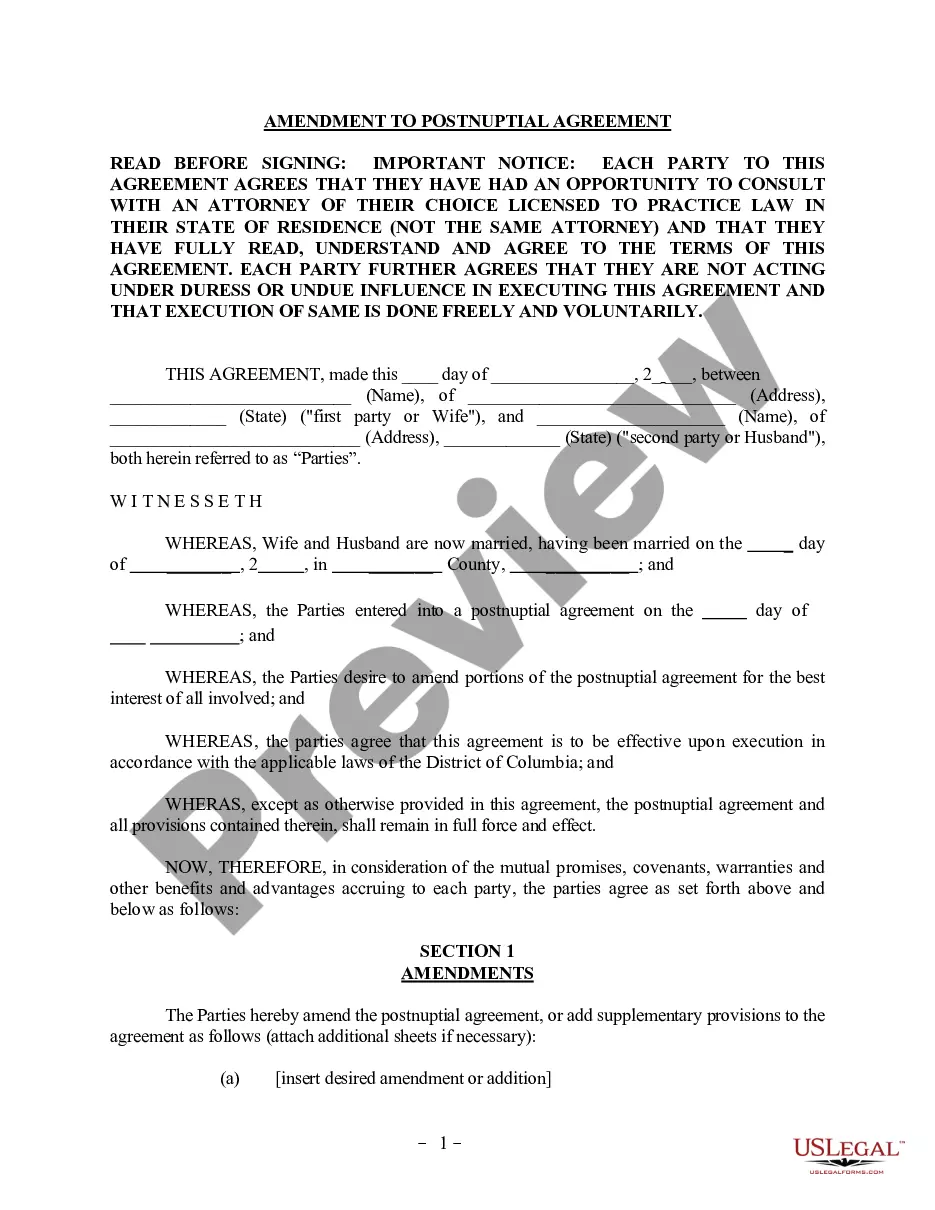

How to fill out Self-Employed Independent Contractor Payment Schedule?
Legal administration may be daunting, even for the most seasoned professionals.
When you are interested in a Contractor Payment Schedule For Cpp and lack the opportunity to spend time searching for the suitable and updated version, the process can be anxiety-inducing.
Access state- or county-specific legal and business documents.
US Legal Forms addresses any needs you may have, from personal to corporate paperwork, all in one location.
If it’s your initial experience with US Legal Forms, create an account and gain unlimited access to all the benefits of the platform. Here are the steps to follow after downloading the form you need: Validate this is the correct form by previewing it and reviewing its description. Ensure that the sample is sanctioned in your state or county. Select Buy Now once you are ready. Choose a subscription plan. Locate the format you need, and Download, fill out, eSign, print, and send your documents. Enjoy the US Legal Forms online repository, backed with 25 years of expertise and trustworthiness. Transform your daily document management into a straightforward and user-friendly experience today.
- Utilize advanced tools to create and manage your Contractor Payment Schedule For Cpp.
- Tap into a resource pool of articles, guides, and manuals relevant to your circumstances and needs.
- Save time and energy searching for the documents you require, and utilize US Legal Forms’ sophisticated search and Preview tool to locate Contractor Payment Schedule For Cpp and obtain it.
- If you have a monthly subscription, Log In to your US Legal Forms account, search for the form, and acquire it.
- Check the My documents tab to see the documents you previously saved and to organize your folders as you wish.
- A robust online form repository could be transformative for anyone aiming to manage these scenarios effectively.
- US Legal Forms stands as a frontrunner in the online legal form sector, with over 85,000 state-specific legal forms accessible to you at any moment.
- With US Legal Forms, you can.
Form popularity
FAQ
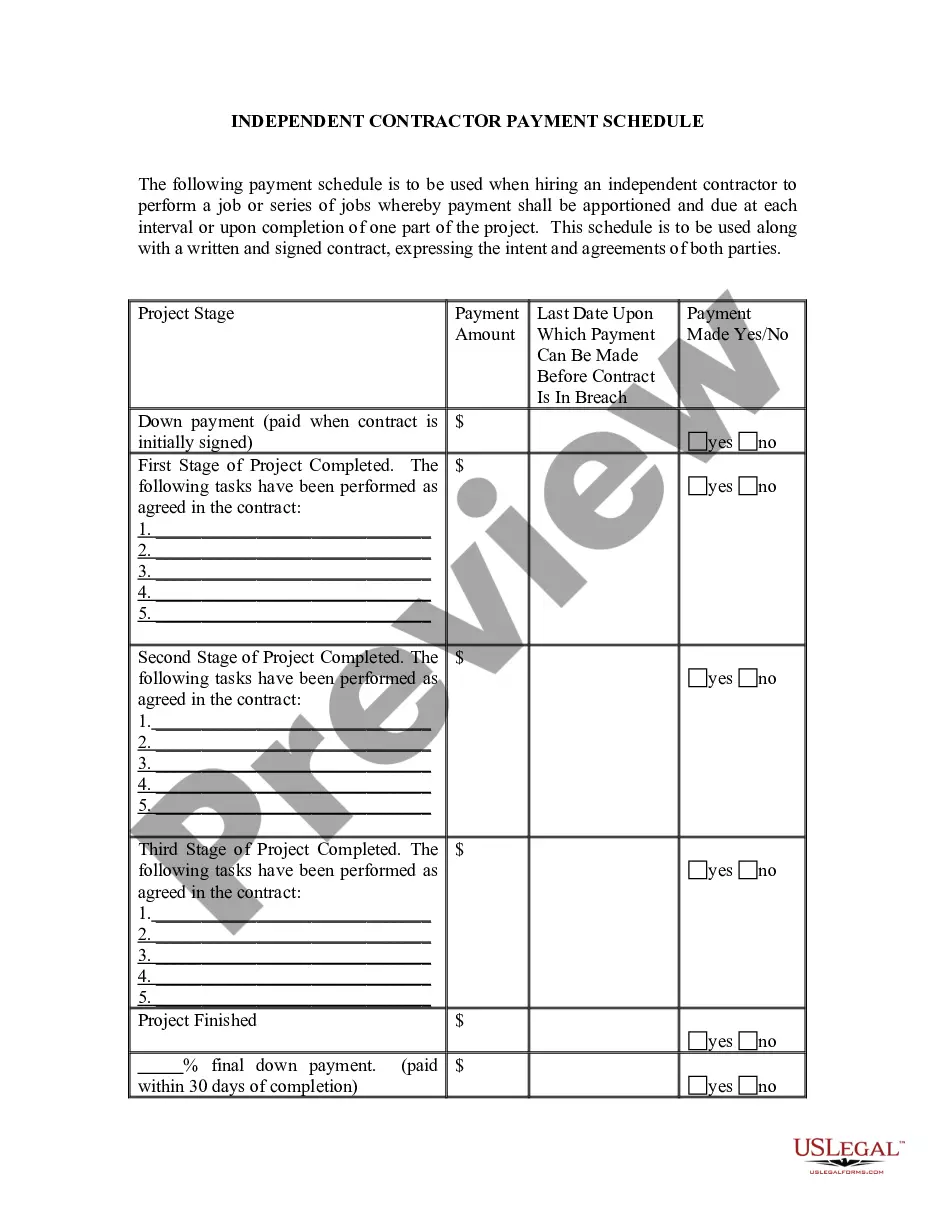
The most common type of construction payment is a net payment, meaning the invoice is due a set amount of days from the issue date. For longer projects, it's typical to pay an upfront deposit and then to pay the contractor monthly until the job is finished.
A payment schedule must[2]: Identify the payment claim to which it relates; Indicate the amount of the payment that the respondent proposes to make; and. State the respondent's reasons for withholding payment.
Net 10, 30, and 60. Net payment is the most common payment schedule for medium-sized construction companies. This payment term refers to the number of days ? 10, 30, or 60 days ? within which an owner should pay an invoice after it has been received.
The payment schedule outlines when payments are due from the client throughout the duration of the project. Generally speaking, these payments are made at pre-determined milestones such as after completion of certain phases or upon delivery of materials or other items necessary to complete the job.
In the gnarly world of contractors, it's standard to ask homeowners to pay a 50% down payment on a job. Then they might want 25% more when they are halfway through the project (a ?progress payment?), and the final 25% when the project is complete.