Executive Agreement And Treaty Difference
Description
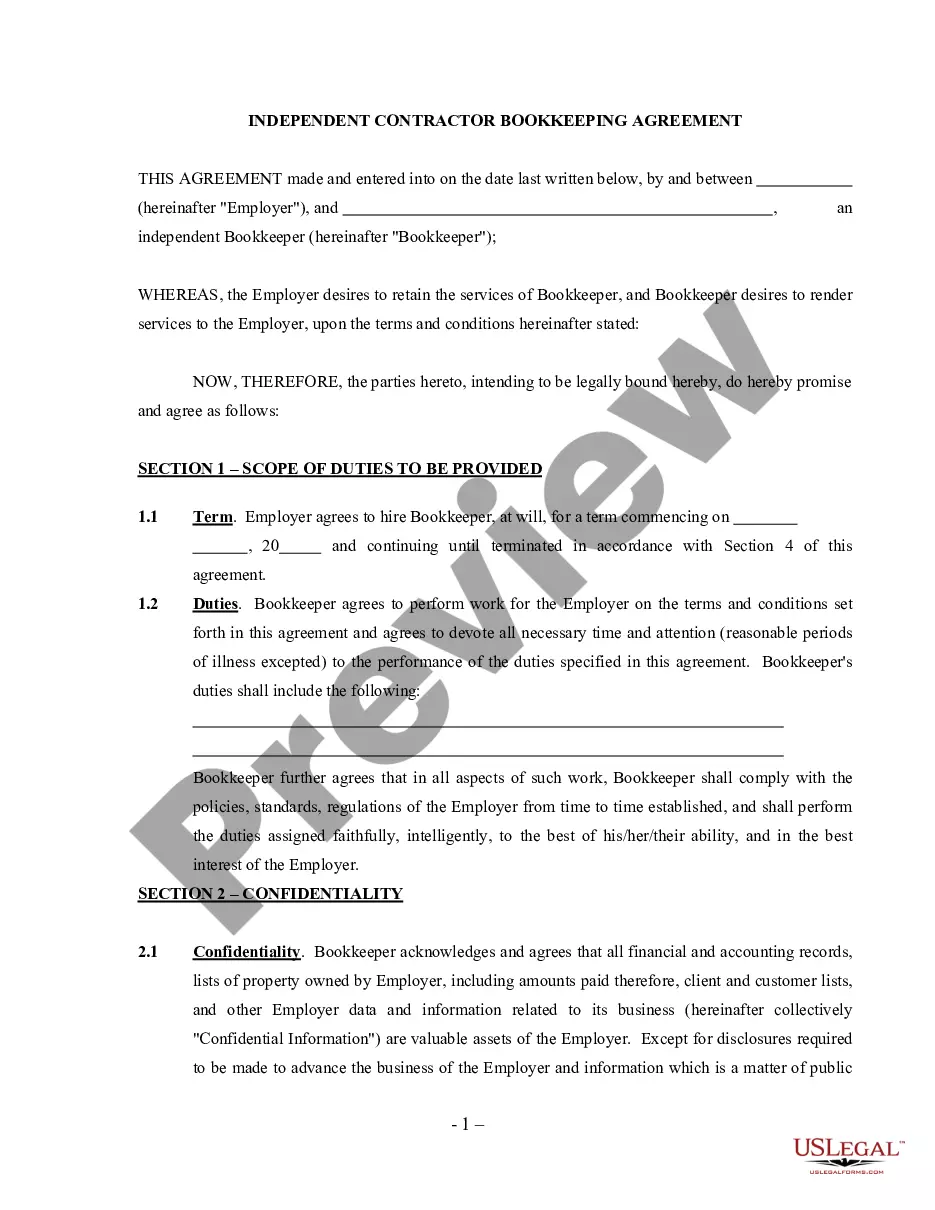
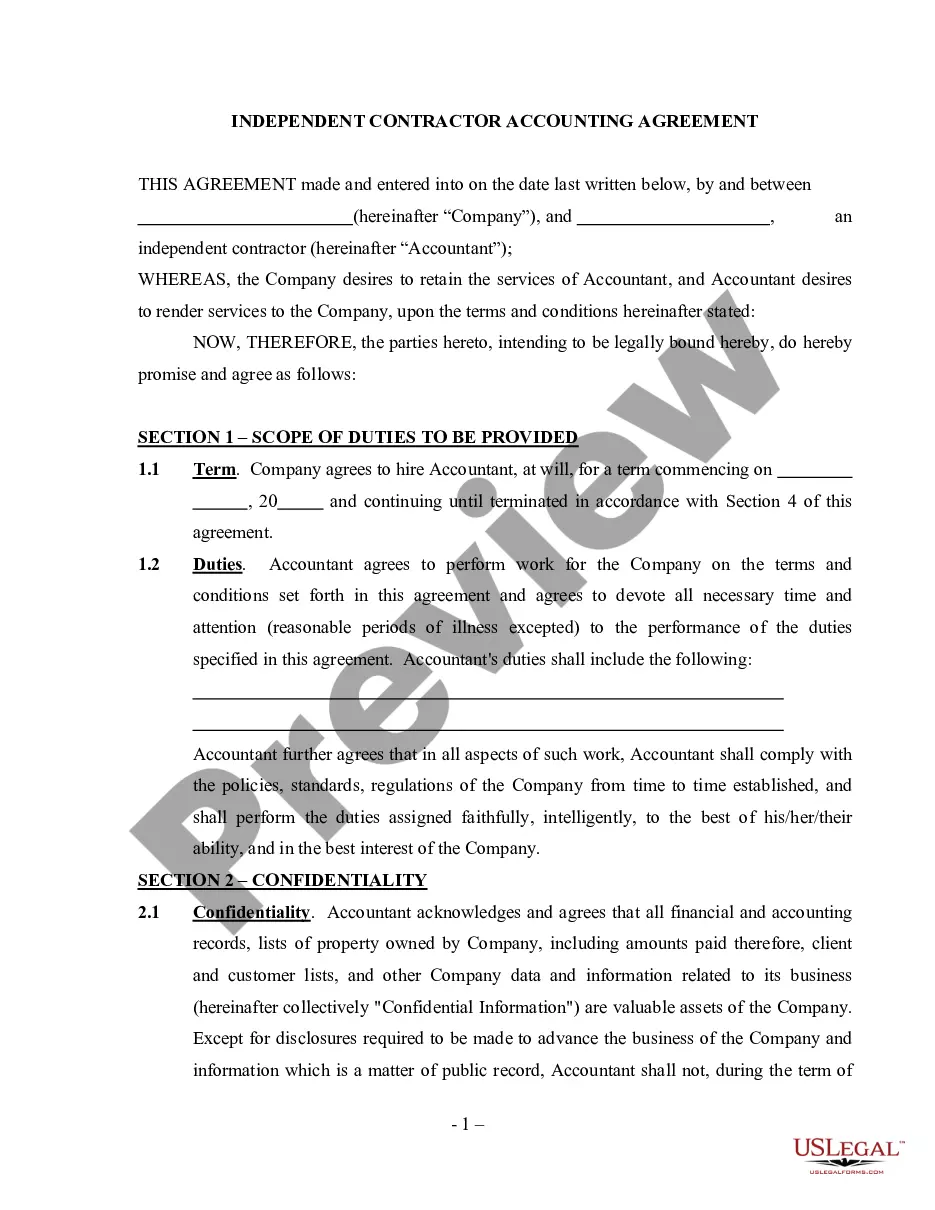
Get your form ready online
Our built-in tools help you complete, sign, share, and store your documents in one place.
Make edits, fill in missing information, and update formatting in US Legal Forms—just like you would in MS Word.
Download a copy, print it, send it by email, or mail it via USPS—whatever works best for your next step.
Sign and collect signatures with our SignNow integration. Send to multiple recipients, set reminders, and more. Go Premium to unlock E-Sign.
If this form requires notarization, complete it online through a secure video call—no need to meet a notary in person or wait for an appointment.
We protect your documents and personal data by following strict security and privacy standards.

Make edits, fill in missing information, and update formatting in US Legal Forms—just like you would in MS Word.

Download a copy, print it, send it by email, or mail it via USPS—whatever works best for your next step.

Sign and collect signatures with our SignNow integration. Send to multiple recipients, set reminders, and more. Go Premium to unlock E-Sign.

If this form requires notarization, complete it online through a secure video call—no need to meet a notary in person or wait for an appointment.

We protect your documents and personal data by following strict security and privacy standards.
Looking for another form?










How to fill out Account Executive Agreement - Self-Employed Independent Contractor?
There's no longer any need to spend extensive time searching for legal documents to comply with your local state laws.
US Legal Forms has gathered all necessary forms in a single location and made them more accessible.
Our website provides over 85,000 templates for various business and personal legal needs organized by state and purpose.
Utilize the search field at the top to find another template if the previous option doesn’t meet your requirements. Click Buy Now next to the template title once you identify the correct one. Select the most appropriate pricing plan and either create an account or Log In. Complete your subscription payment using a credit card or PayPal to advance. Choose the file format for your Executive Agreement And Treaty Difference and download it to your device. Print your form to fill it out by hand or upload the template if you wish to complete it in an online editor. Preparing official documents in compliance with federal and state laws is quick and straightforward with our platform. Try US Legal Forms today to keep your documentation organized!
- All forms are expertly drafted and verified for accuracy, ensuring you receive a current Executive Agreement And Treaty Difference.
- If you are already acquainted with our service and possess an account, make sure your subscription is active before accessing any templates.
- Log In to your account, select the document, and click Download.
- You can also revisit all previously acquired documents at any time by navigating to the My documents tab in your profile.
- If you are a first-time user of our service, the process will involve a few additional steps.
- Here's how new customers can access the Executive Agreement And Treaty Difference in our database.
- Carefully examine the page content to verify it contains the sample you need.
- To assist with this, utilize the form description and preview options if available.
Form popularity
FAQ
The main difference between treaty and executive agreement is that treaty is a formally concluded, ratified and binding agreement between sovereign states and/or international organizations while an executive agreement is an agreement between the government heads of two or more nations.
Treaty: An international agreement that receives the advice and consent of the Senate and is ratified by the President. Executive Agreement: An international agreement that is binding, but which the President enters into without receiving the advice and consent of the Senate.
An executive agreement is an agreement between the heads of government of two or more nations that has not been ratified by the legislature as treaties are ratified. Executive agreements are considered politically binding to distinguish them from treaties which are legally binding.
Distinguishing Treaties From Executive Agreements Under U.S. law, the term treaty is reserved for international agreements submitted by the executive branch to the U.S. Senate for its advice and consent. Only if the Senate ratifies a treaty by a two-thirds majority may the treaty enter into force.