Videographer Contract Sample With Price List
Description
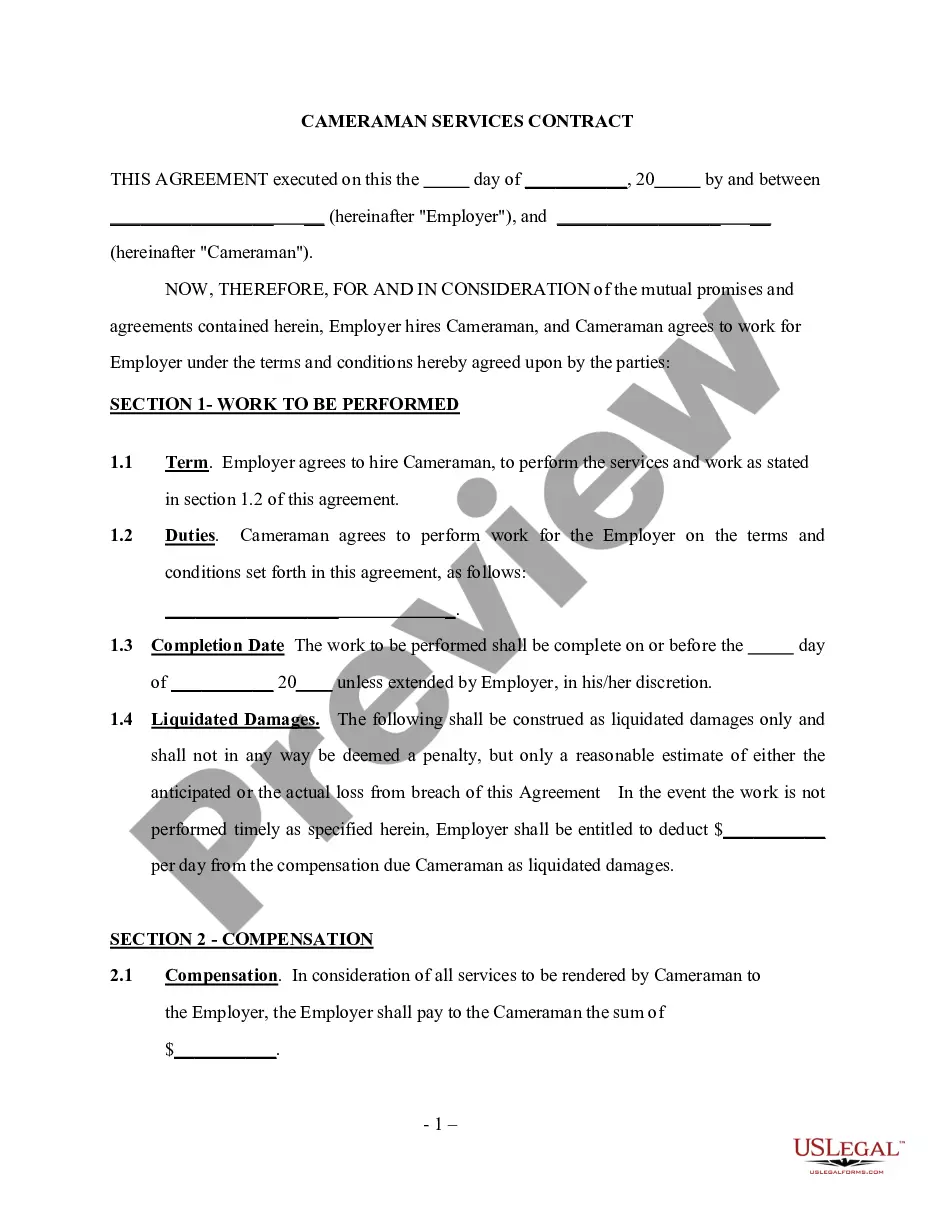
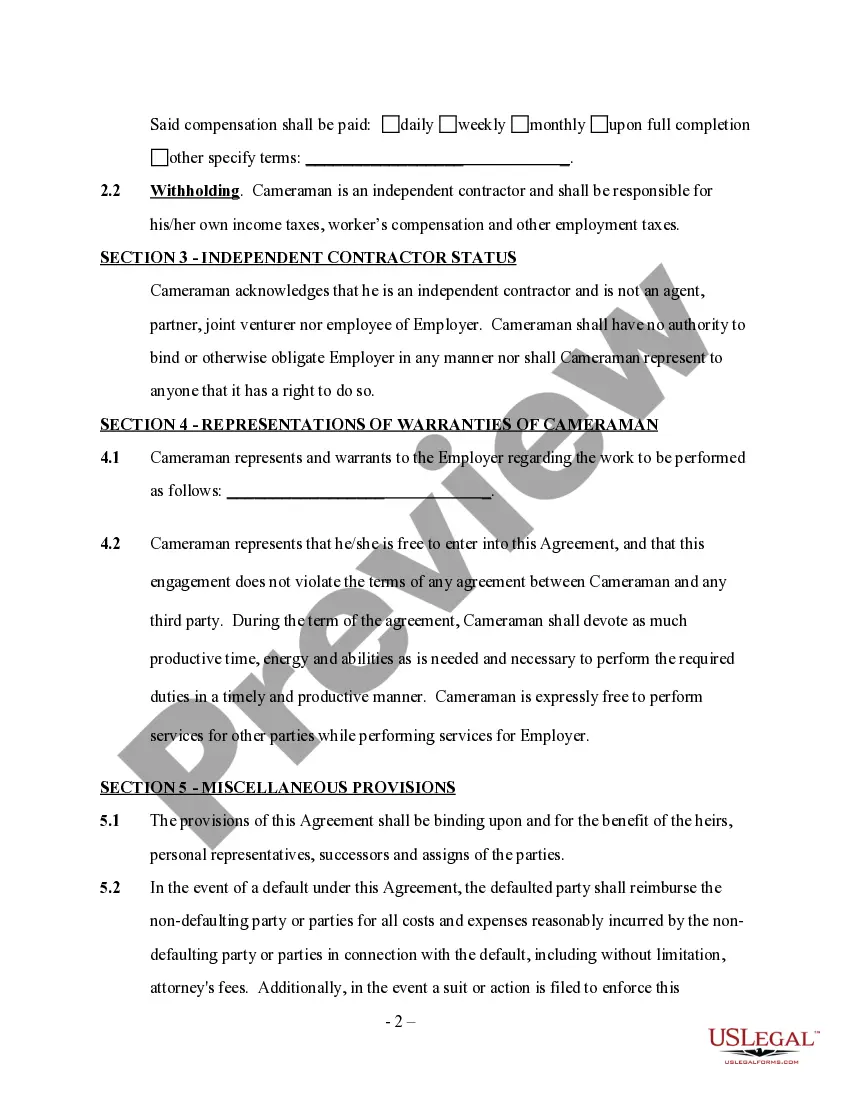
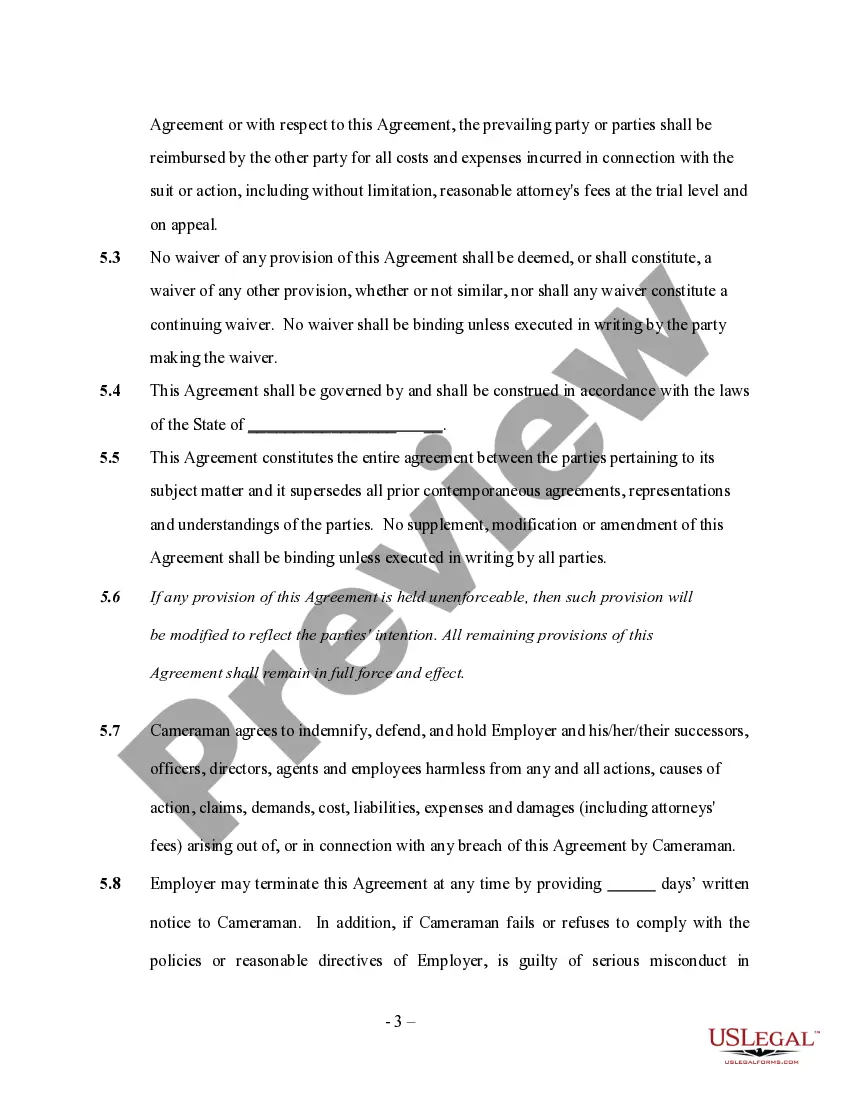
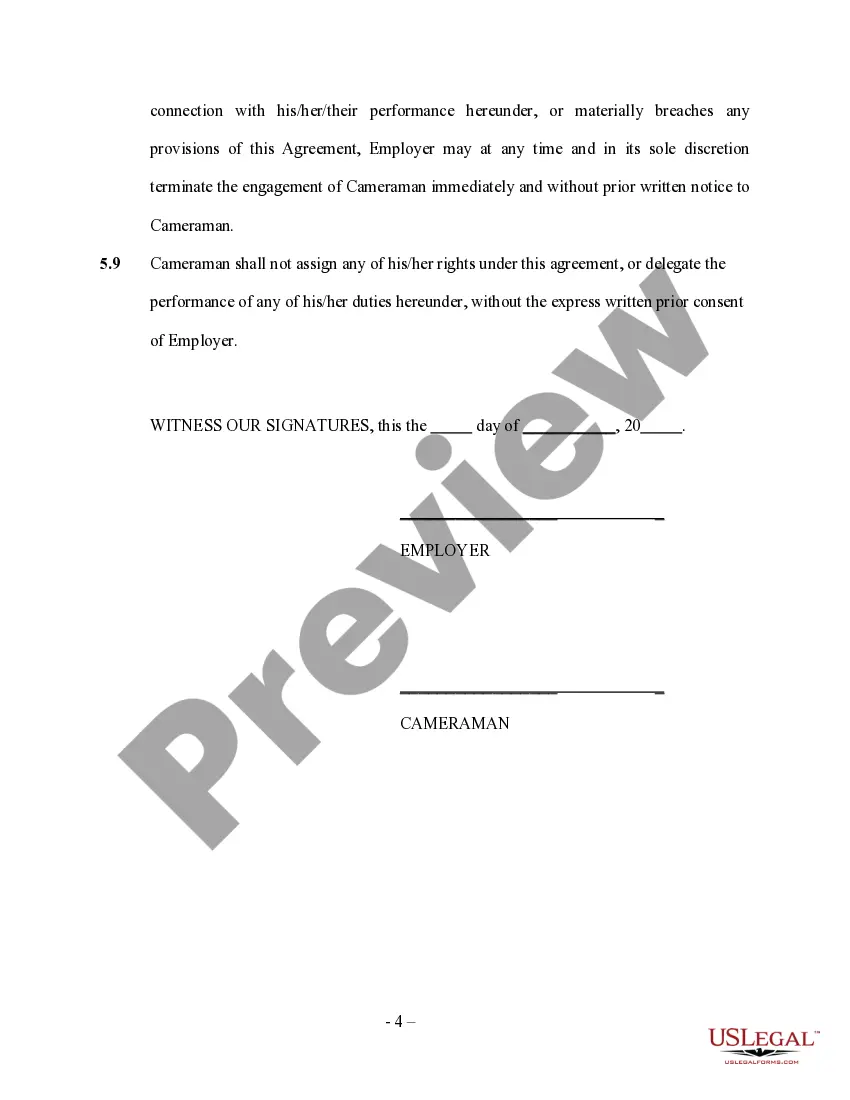
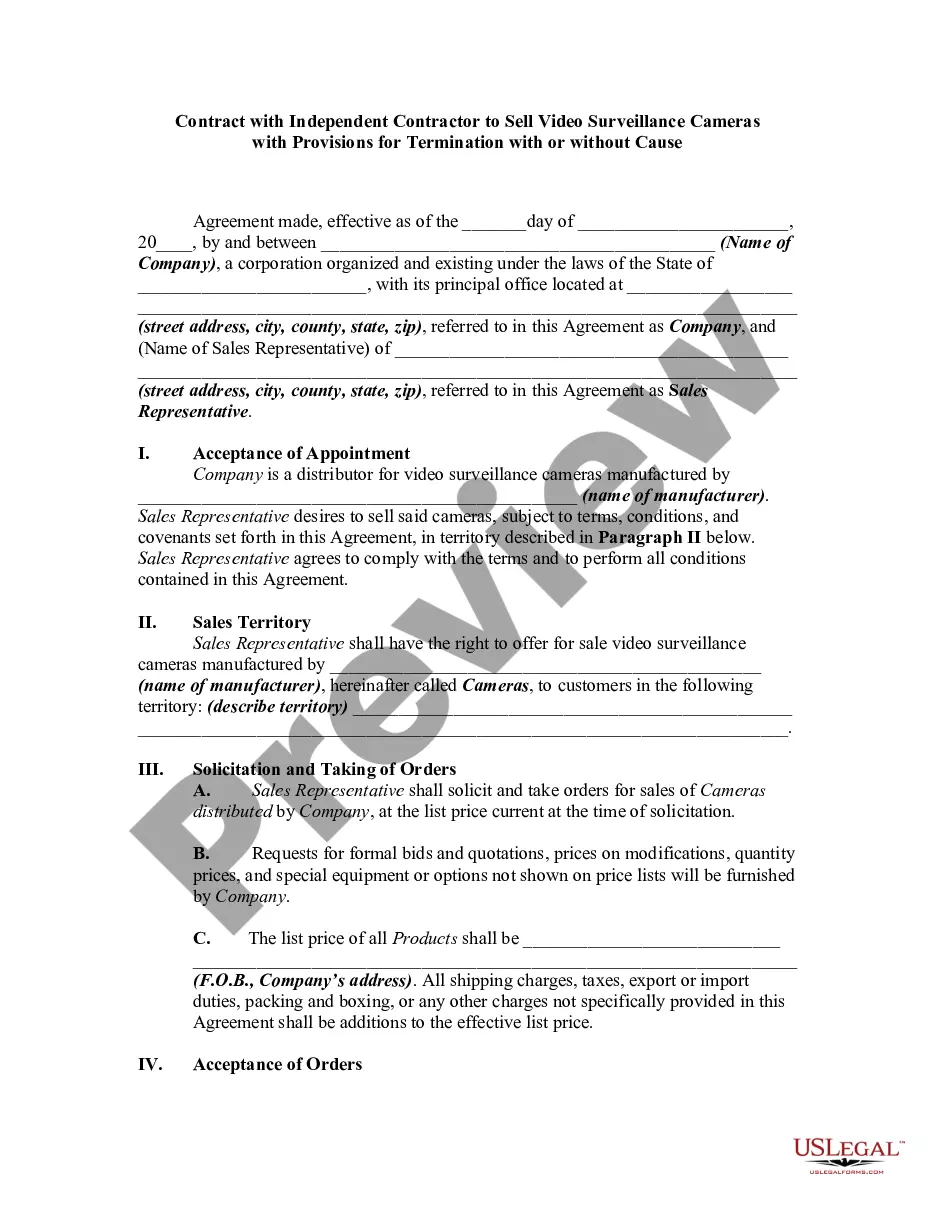
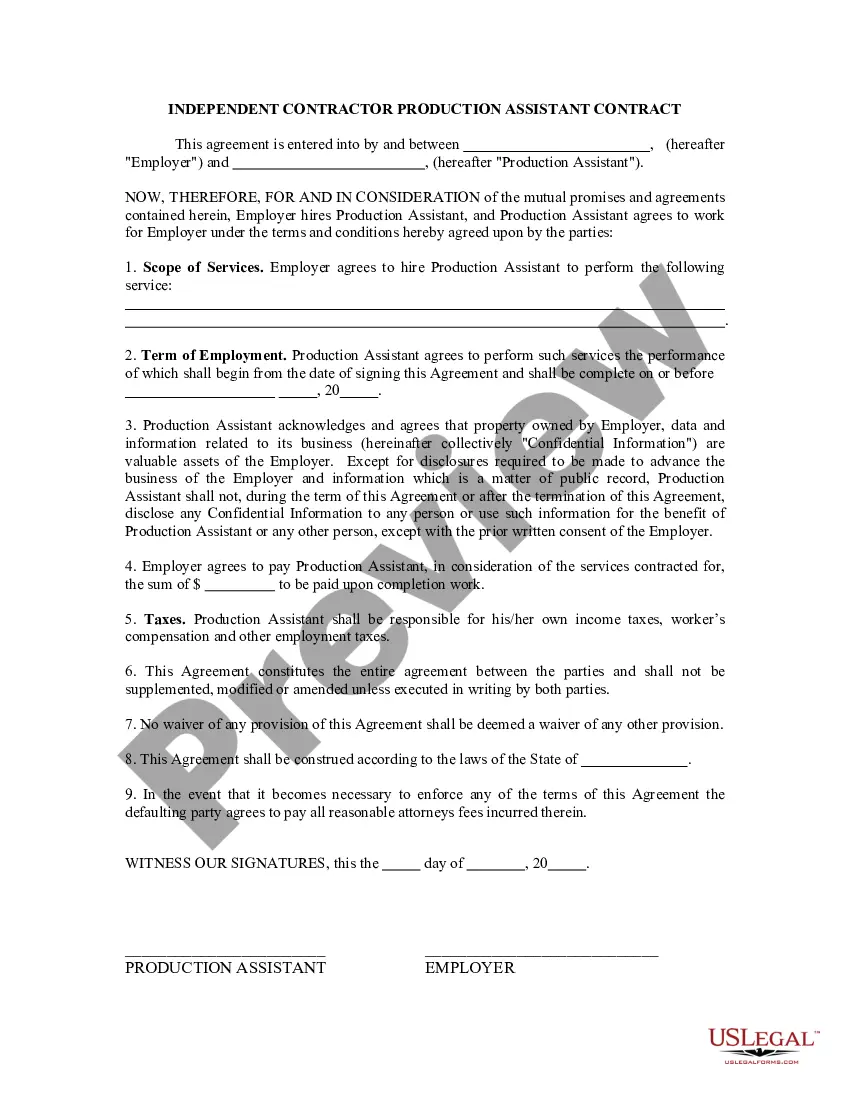
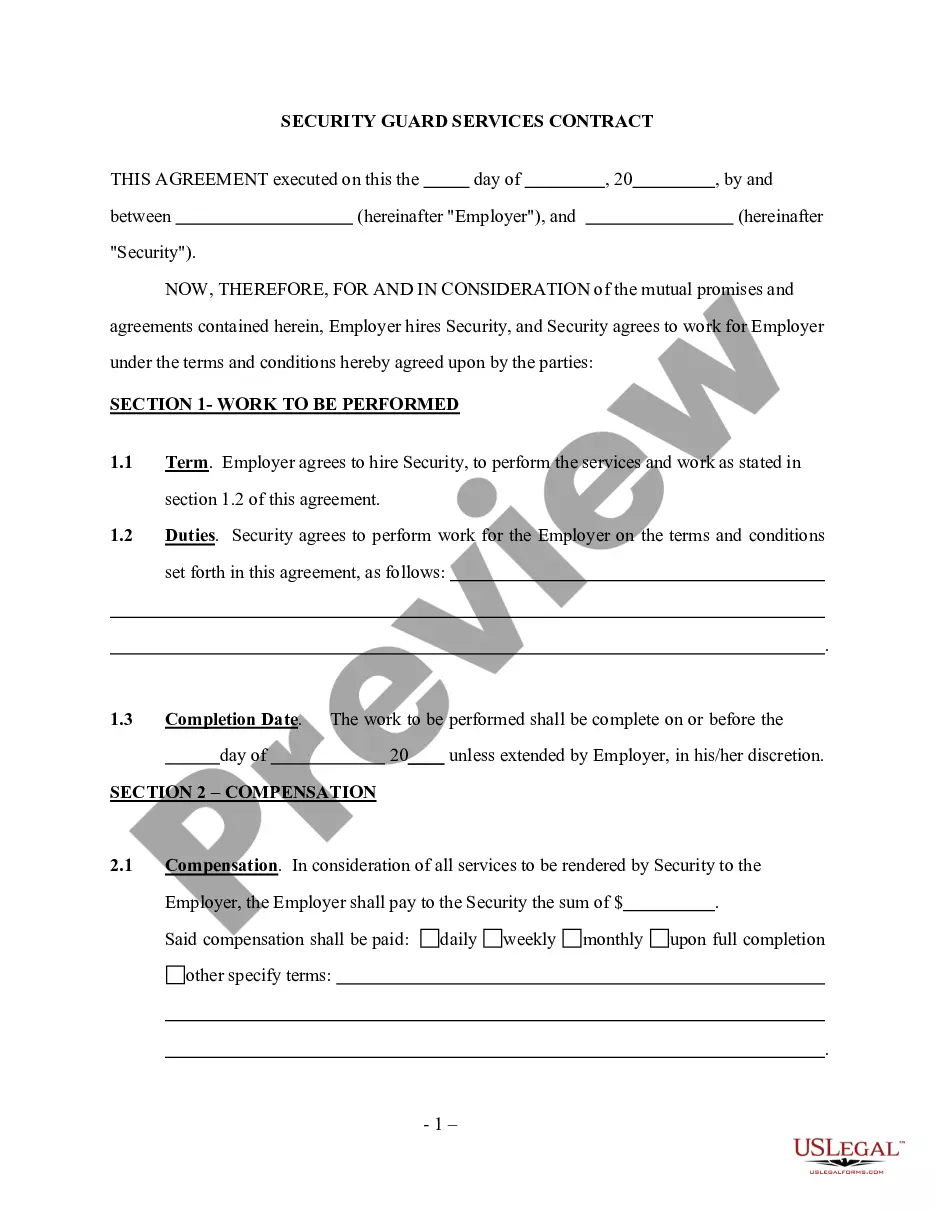
Get your form ready online
Our built-in tools help you complete, sign, share, and store your documents in one place.
Make edits, fill in missing information, and update formatting in US Legal Forms—just like you would in MS Word.
Download a copy, print it, send it by email, or mail it via USPS—whatever works best for your next step.
Sign and collect signatures with our SignNow integration. Send to multiple recipients, set reminders, and more. Go Premium to unlock E-Sign.
If this form requires notarization, complete it online through a secure video call—no need to meet a notary in person or wait for an appointment.
We protect your documents and personal data by following strict security and privacy standards.

Make edits, fill in missing information, and update formatting in US Legal Forms—just like you would in MS Word.

Download a copy, print it, send it by email, or mail it via USPS—whatever works best for your next step.

Sign and collect signatures with our SignNow integration. Send to multiple recipients, set reminders, and more. Go Premium to unlock E-Sign.

If this form requires notarization, complete it online through a secure video call—no need to meet a notary in person or wait for an appointment.

We protect your documents and personal data by following strict security and privacy standards.
Looking for another form?




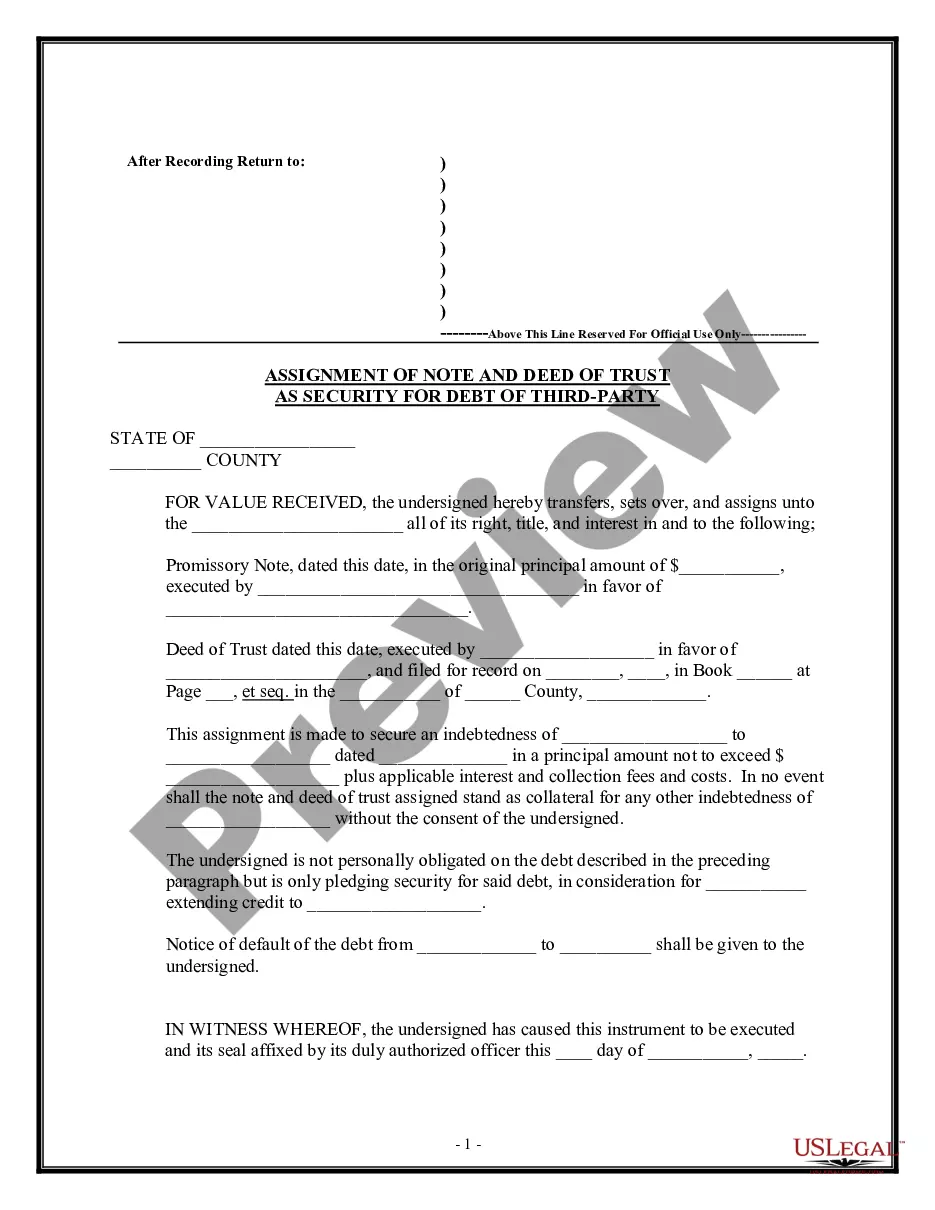


How to fill out Cameraman Services Contract - Self-Employed?
Whether for commercial intentions or for personal matters, everyone must handle legal issues at some stage in their lifetime.
Completing legal documents requires meticulous care, starting from selecting the appropriate template.
With an extensive US Legal Forms catalog available, you won’t have to waste time searching for the suitable template online. Make use of the library’s straightforward navigation to find the right form for any circumstance.
- Identify the template you require using the search bar or directory navigation.
- Review the form’s details to confirm it aligns with your circumstances, state, and locality.
- Click on the form’s preview to assess it.
- If it's the wrong form, return to the search function to find the Videographer Contract Sample With Price List template you need.
- Download the document if it satisfies your requirements.
- If you already have a US Legal Forms account, simply click Log in to retrieve previously stored templates in My documents.
- If you don’t have an account, you can acquire the form by clicking Buy now.
- Choose the correct pricing option.
- Fill out the profile registration form.
- Select your payment method: you have the option to use a credit card or PayPal account.
- Choose the document format you wish and download the Videographer Contract Sample With Price List.
- Once downloaded, you can complete the form using editing software or print it to fill it out manually.
Form popularity
FAQ
Court fee ($210 in Supreme and County Courts; $65.00 in New York City Civil Court) If you are unable to pay this fee, you may ask the court for a fee waiver. in Supreme Court you must also submit a Request for Judicial Intervention (RJI) to have a Judge assigned to the case. There is no fee to file this form.
This notice of appearance is a standard template that attorneys, including those admitted pro hac vice, can use to record their appearance in an action pending in New York Supreme Court. A notice of appearance notifies the court and other parties that you represent a party in the litigation.
Under CPLR 3215(a), a defendant can seek a default judgment for costs before the clerk when: The plaintiff fails to proceed in an action called for trial. The court orders a dismissal for a neglect to proceed.
Summary. This notice of appearance is a standard template that attorneys, including those admitted pro hac vice, can use to record their appearance in an action pending in New York Supreme Court. A notice of appearance notifies the court and other parties that you represent a party in the litigation.
Responding papers are due two days before the motion date. If the motion is served sixteen days in advance instead of eight, then answering papers or a cross motion must be served seven days before the motion date. Any reply is due two days before the return date.
Decisions. If the motion or OSC can't be settled, the Judge will make a decision. Sometimes, the Judge makes a decision right away. If not, the Judge has 60 days by law to decide the motion.
N.Y. Civil Practice Law and Rules (CPLR) 320(a) provides three ways in which a defendant may appear in an action: (1) serving an answer; (2) serving a notice of appearance; or (3) making a motion which has the effect of extending the time to answer.
In some jurisdictions, such as New York, an "order to show cause" is used routinely to initiate a motion when a traditional "notice of motion" would not be sufficient?for example, when the moving party wishes to vary the usual schedule for considering a motion, or when a temporary restraining order or other provisional ...