Moving Contract Agreement With Client
Description
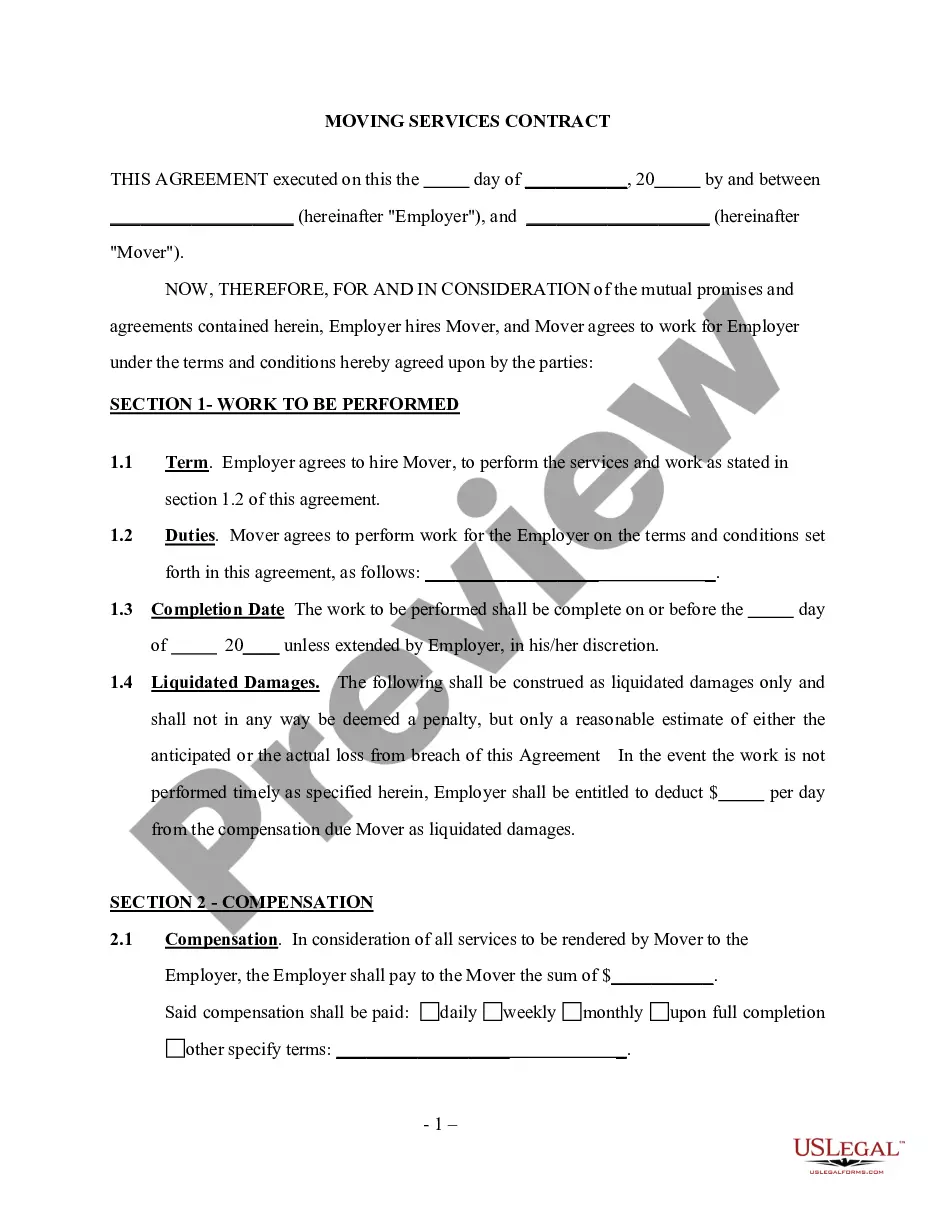
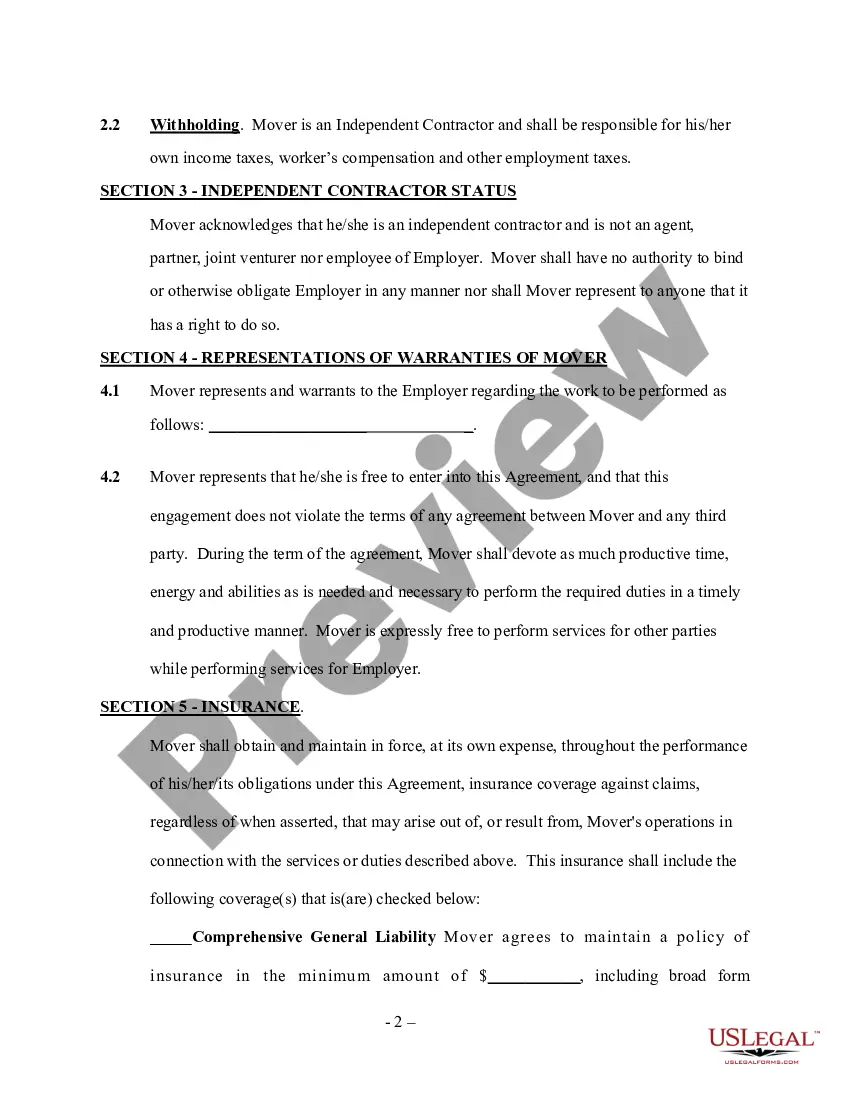
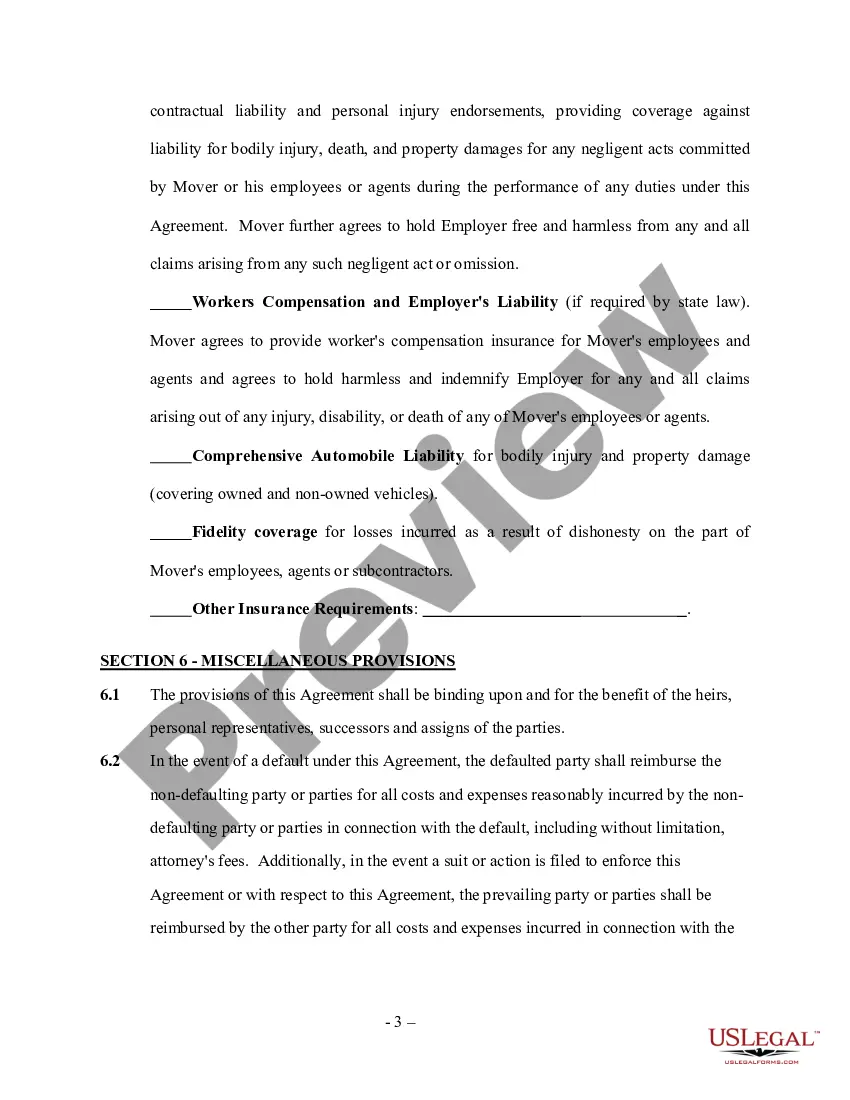
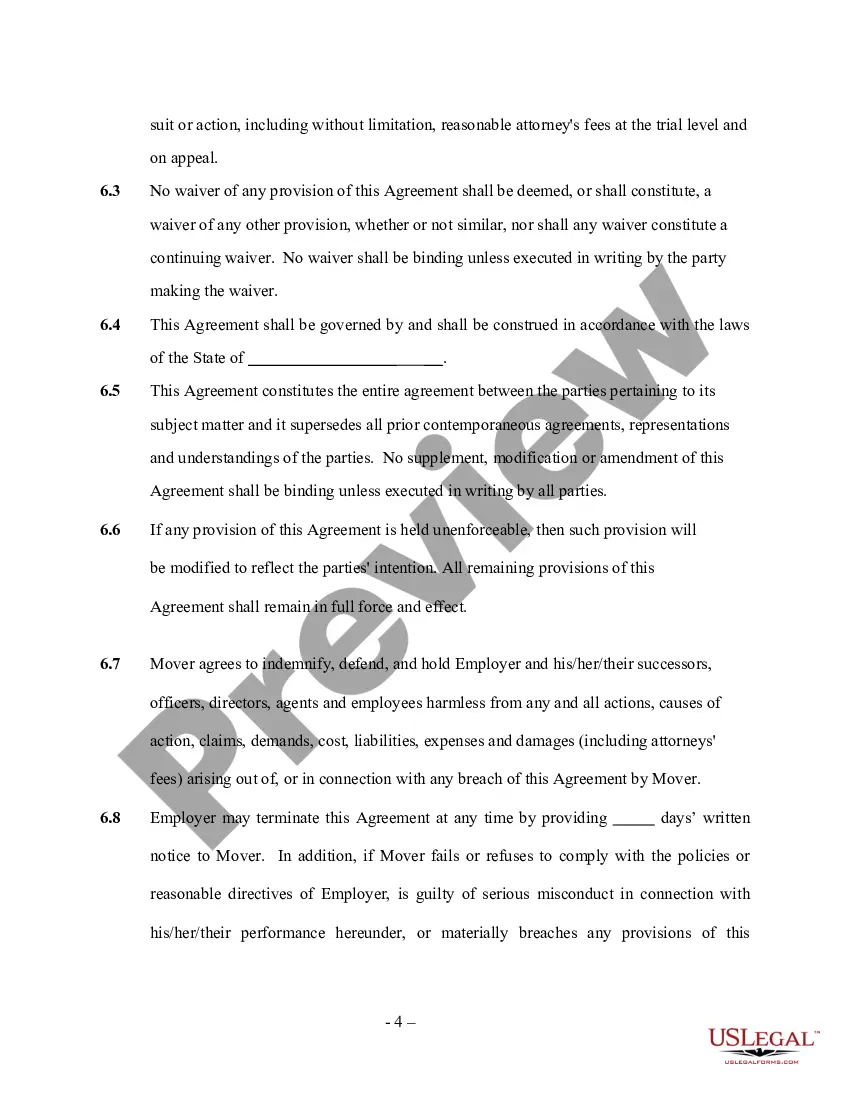
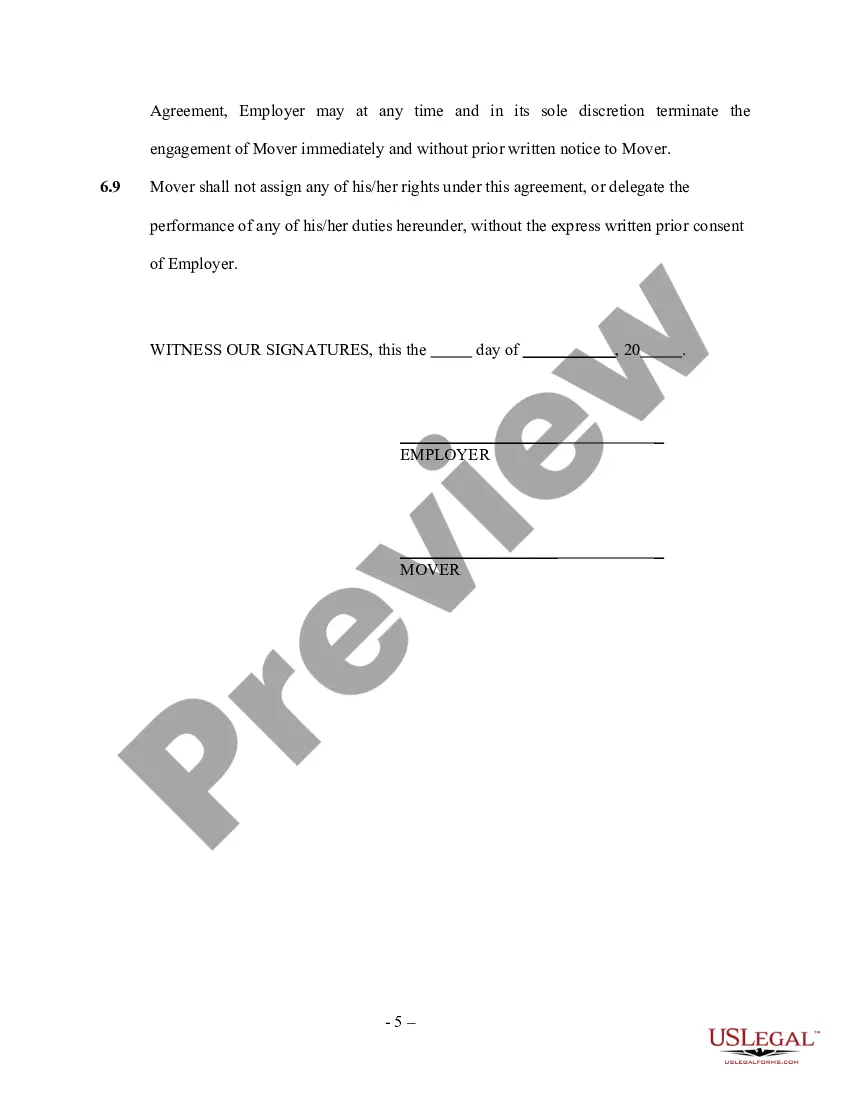
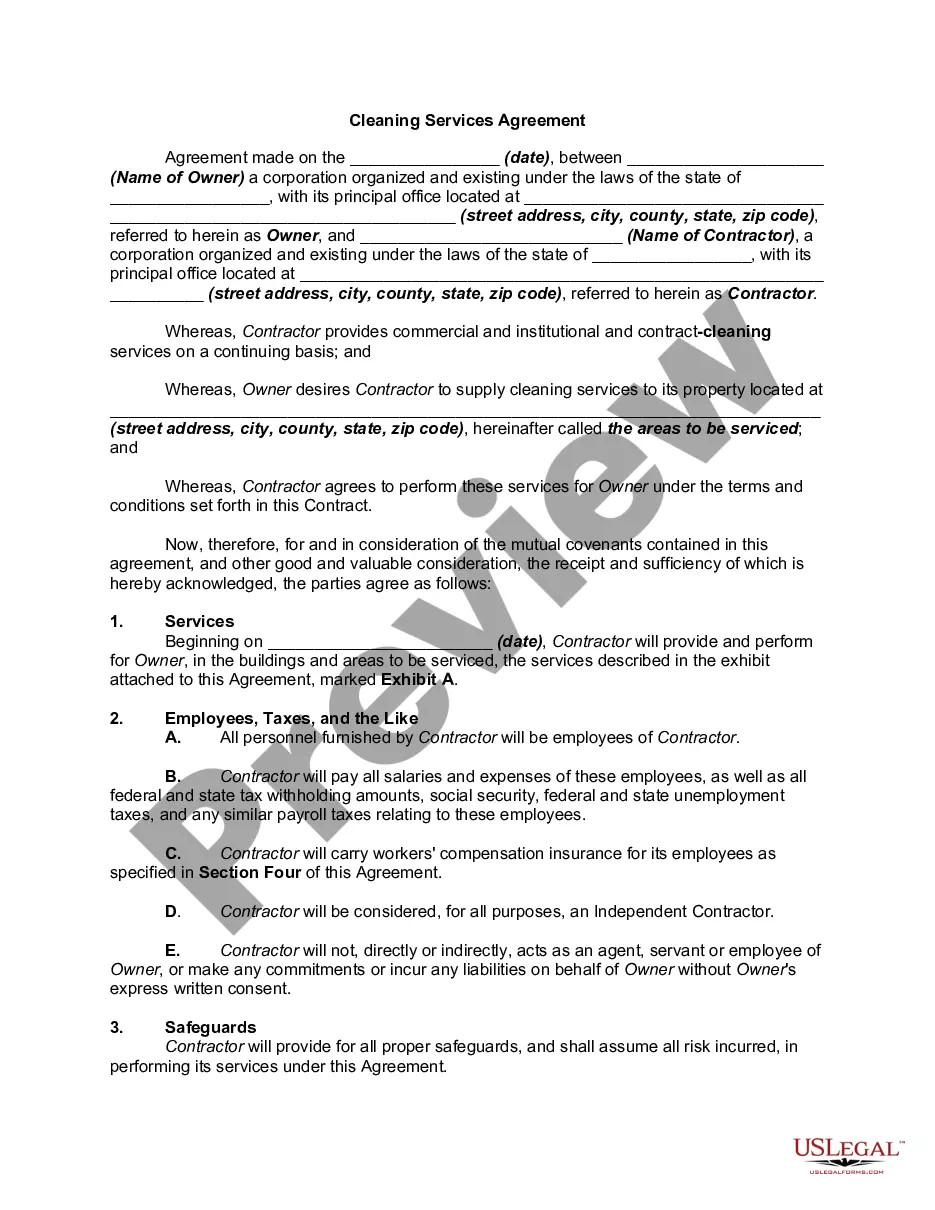
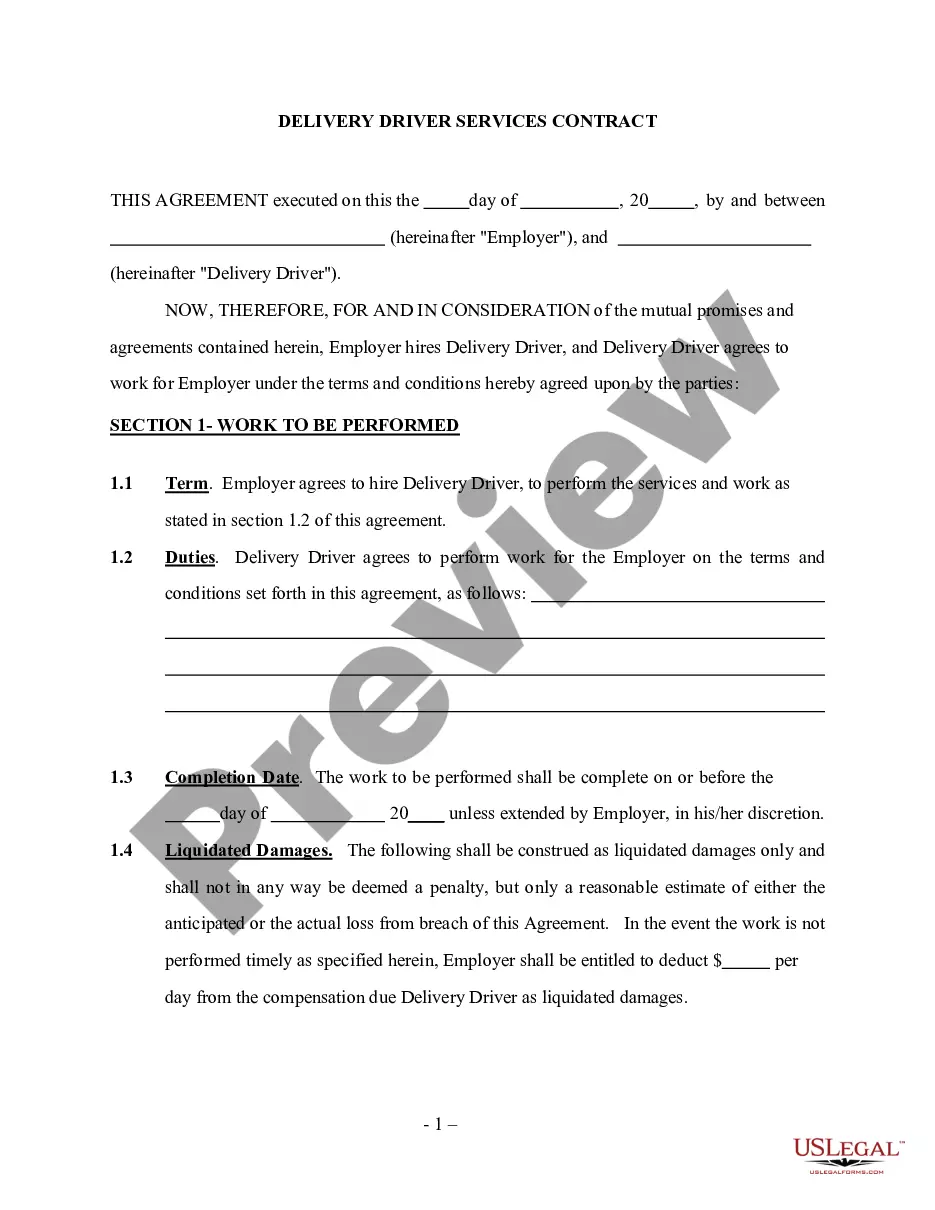
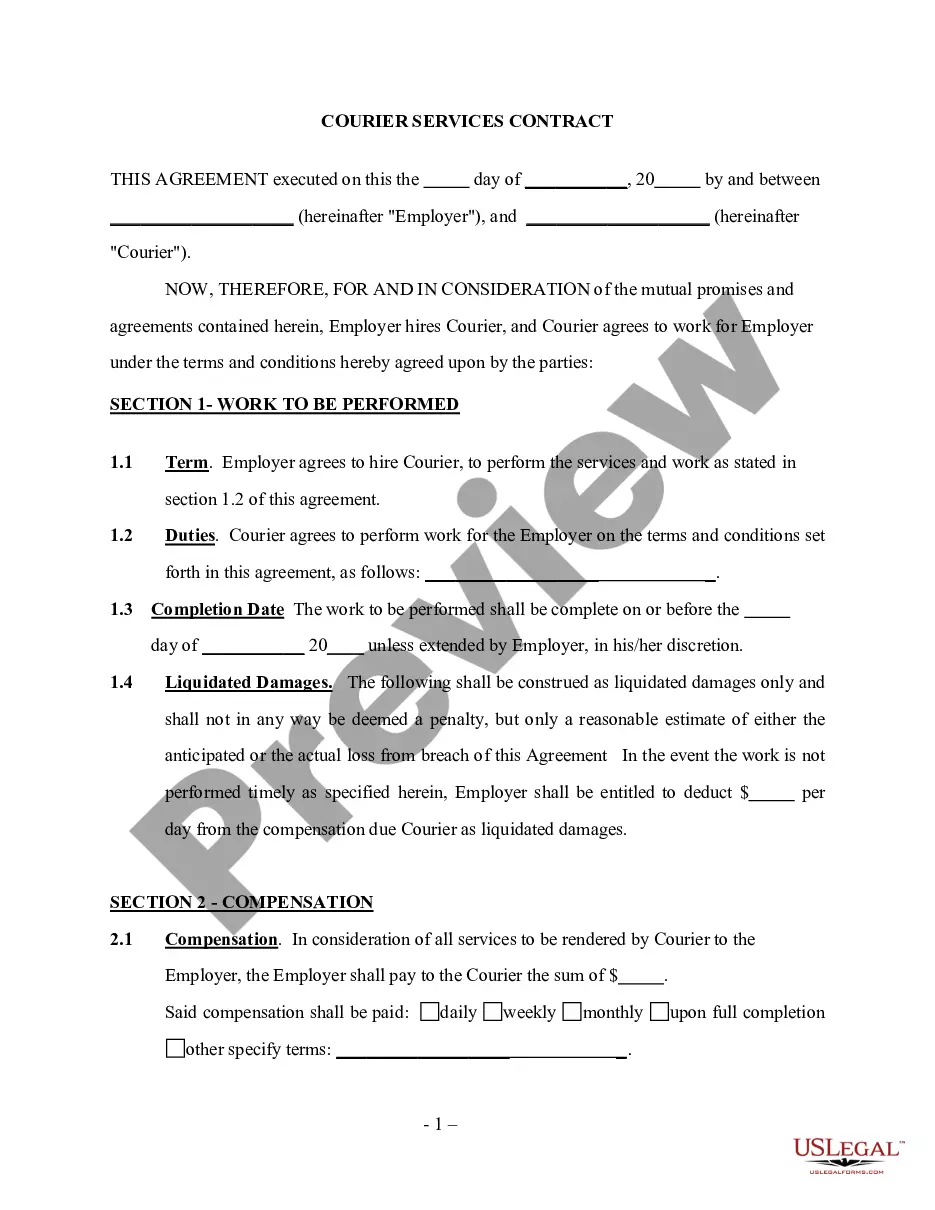
Get your form ready online
Our built-in tools help you complete, sign, share, and store your documents in one place.
Make edits, fill in missing information, and update formatting in US Legal Forms—just like you would in MS Word.
Download a copy, print it, send it by email, or mail it via USPS—whatever works best for your next step.
Sign and collect signatures with our SignNow integration. Send to multiple recipients, set reminders, and more. Go Premium to unlock E-Sign.
If this form requires notarization, complete it online through a secure video call—no need to meet a notary in person or wait for an appointment.
We protect your documents and personal data by following strict security and privacy standards.

Make edits, fill in missing information, and update formatting in US Legal Forms—just like you would in MS Word.

Download a copy, print it, send it by email, or mail it via USPS—whatever works best for your next step.

Sign and collect signatures with our SignNow integration. Send to multiple recipients, set reminders, and more. Go Premium to unlock E-Sign.

If this form requires notarization, complete it online through a secure video call—no need to meet a notary in person or wait for an appointment.

We protect your documents and personal data by following strict security and privacy standards.
Looking for another form?





How to fill out Moving Services Contract - Self-Employed?
The Relocation Agreement with Client provided on this page is a reusable legal template prepared by expert lawyers in accordance with federal and regional regulations.
For over 25 years, US Legal Forms has offered individuals, enterprises, and legal practitioners more than 85,000 confirmed, state-specific documents for various business and personal scenarios. It’s the fastest, simplest, and most trustworthy method to obtain the necessary paperwork, as the service ensures the highest standard of data security and anti-malware safeguards.
Subscribe to US Legal Forms to have authenticated legal templates for all of life's situations readily available.
- Search for the document you require and examine it. Browse through the example you sought and preview or assess the form details to confirm it meets your needs. If it doesn’t, use the search feature to find the appropriate one. Click Purchase Now once you have found the template you require.
- Register and Log Into your account. Choose the pricing plan that fits your needs and create an account. Use PayPal or a credit card to make an immediate payment. If you already possess an account, Log In and review your subscription to proceed.
- Obtain the editable template. Select the format you prefer for your Relocation Agreement with Client (PDF, DOCX, RTF) and save the document on your gadget.
- Fill out and sign the document. Print the template to complete it manually. Alternatively, utilize an online versatile PDF editor to quickly and accurately complete and sign your form with a legally-binding electronic signature.
- Redownload your documents when needed. Access the same document again as required. Open the My documents section in your profile to redownload any previously purchased documents.
Form popularity
FAQ
A written agreement protects your rights and gives you benefits such as, but not limited to the following: Clear expectations about the move. Set price points or estimates about the cost of moving services. Starting and ending addresses. Neither party will be surprised by how long it takes to move.
Write the contract in six steps Start with a contract template. ... Open with the basic information. ... Describe in detail what you have agreed to. ... Include a description of how the contract will be ended. ... Write into the contract which laws apply and how disputes will be resolved. ... Include space for signatures.
Key Clauses That Every Moving Services Contract Should Contain Define the services. The scope of services for a moving company may seem obvious, but this assumption is misguided. ... Where the move will take place. ... Make arrangements for compensation. ... Protect the client's confidentiality.
How to write a client contract Include contact information of both parties. ... Outline project terms and scope. ... Create payment terms. ... Set a schedule. ... Decide what to do if a contract is terminated. ... Determine who owns final copyrights. ... Clarify the working relationship. ... Choose your law and venue.
How to Read a Moving Contract A moving contract (also referred to as an order for service) outlines the terms and conditions of your move. ... Additional charges. ... Bill of lading. ... Binding estimate. ... Full-value replacement and released-value replacement. ... High-value inventory. ... Line haul charges. ... Non-binding estimate.