Payroll Memo Examples With Payroll
Description
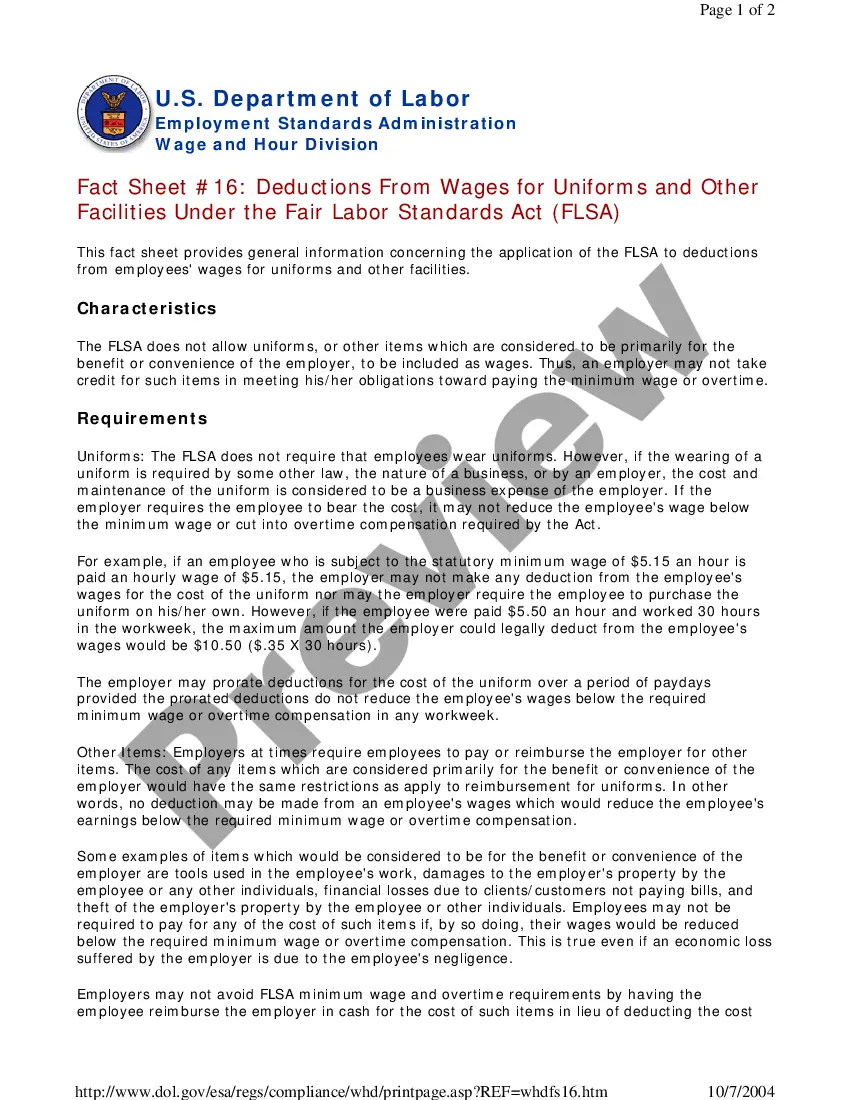
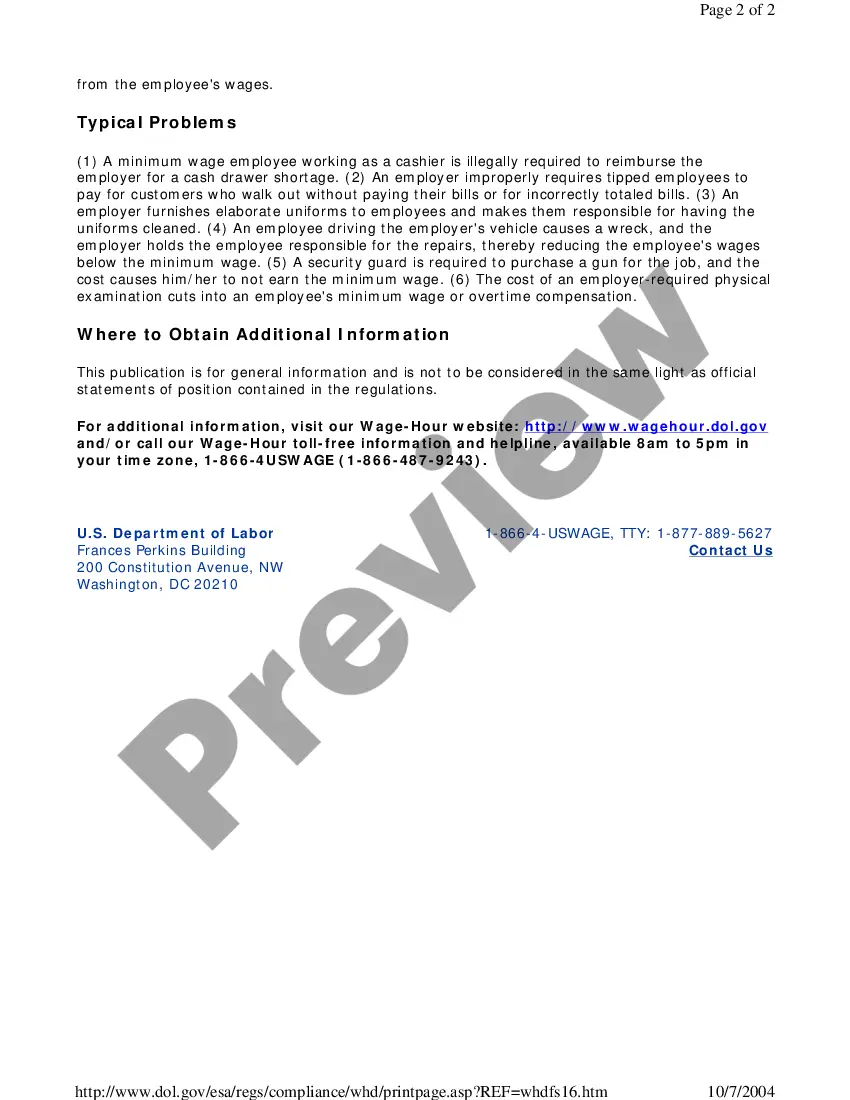
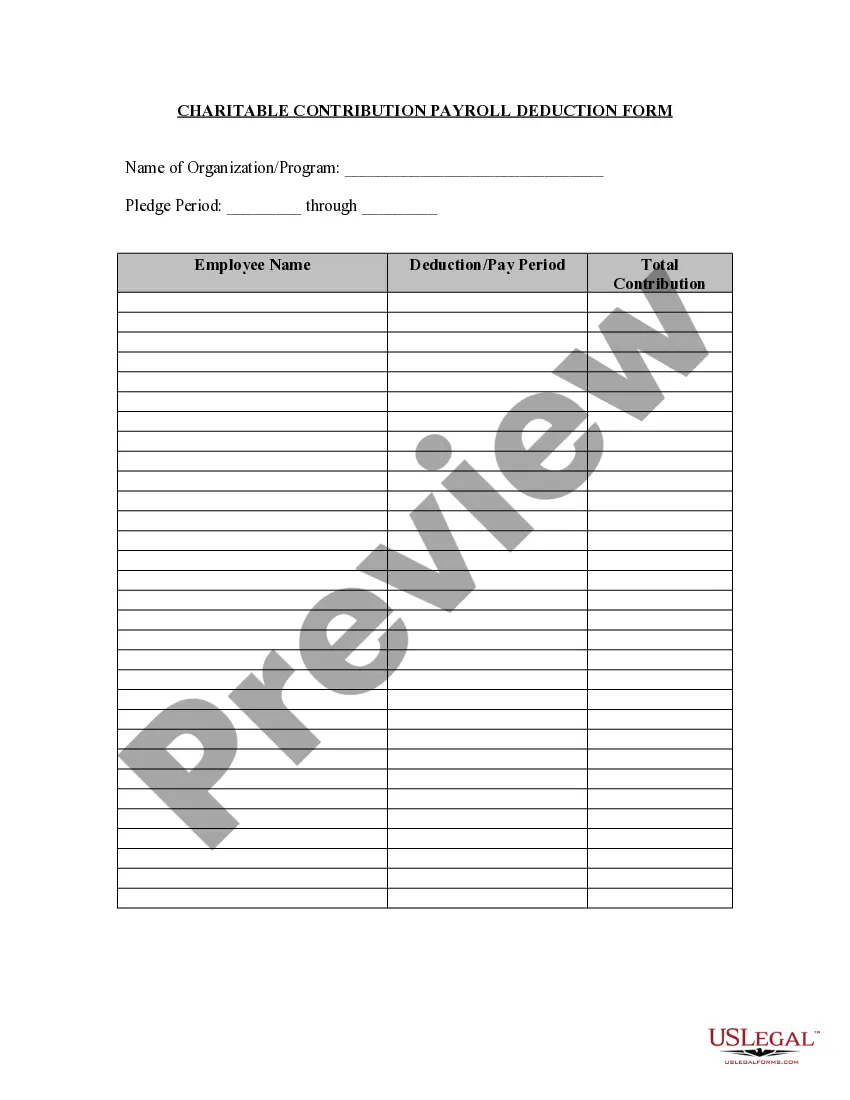
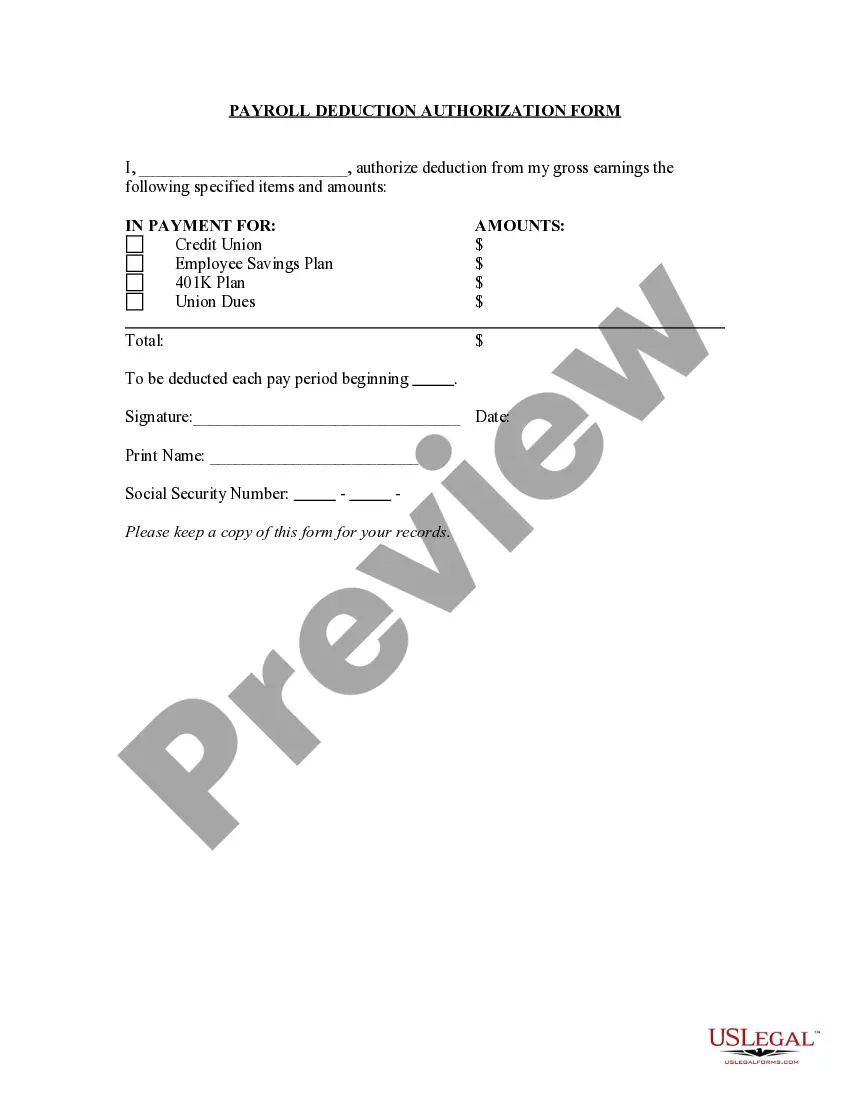








How to fill out Employer Training Memo - Payroll Deductions?
Getting a go-to place to access the most recent and appropriate legal templates is half the struggle of working with bureaucracy. Discovering the right legal papers calls for precision and attention to detail, which is the reason it is vital to take samples of Payroll Memo Examples With Payroll only from trustworthy sources, like US Legal Forms. A wrong template will waste your time and hold off the situation you are in. With US Legal Forms, you have very little to be concerned about. You can access and view all the details regarding the document’s use and relevance for the circumstances and in your state or county.
Take the following steps to complete your Payroll Memo Examples With Payroll:
- Use the library navigation or search field to locate your sample.
- View the form’s description to see if it suits the requirements of your state and county.
- View the form preview, if available, to make sure the form is the one you are interested in.
- Go back to the search and find the right template if the Payroll Memo Examples With Payroll does not suit your requirements.
- When you are positive about the form’s relevance, download it.
- When you are a registered customer, click Log in to authenticate and access your picked templates in My Forms.
- If you do not have a profile yet, click Buy now to get the template.
- Choose the pricing plan that suits your requirements.
- Go on to the registration to complete your purchase.
- Complete your purchase by choosing a payment method (credit card or PayPal).
- Choose the document format for downloading Payroll Memo Examples With Payroll.
- Once you have the form on your gadget, you may change it with the editor or print it and complete it manually.
Remove the headache that comes with your legal documentation. Check out the comprehensive US Legal Forms library to find legal templates, examine their relevance to your circumstances, and download them on the spot.
Form popularity
FAQ
For example, an employee has an annual salary of $84000 and is being paid semi-monthly. Calculate the pay per salary for that particular person. $84,000 / 24 = $3500.
Steps for writing an effective company memo Use the subject line to convey your main message. ... Include a header section. ... Include a greeting, but don't go overboard. ... Focus on the main point in the introduction. ... Go into detail in the body of the memo. ... Provide action items if needed. ... Sum up with a closing statement.
Generally, you will need to follow these eight steps to process payroll: Gather time card information. ... Compute gross pay. ... Calculate payroll taxes. ... Determine employee deductions. ... Calculate net pay. ... Approve payroll. ... Pay employees. ... Distribute pay stubs.
All memos should include the following: Write a heading. No matter what kind of memo you're writing, you'll need to include a heading. ... Write an introduction. ... Provide background on the issue. ... Outline action items and timeline (Optional). ... Include a closing statement. ... Review and proofread before sending.
Memo deductions/earnings are deductions/earnings that should not affect an employee's pay.