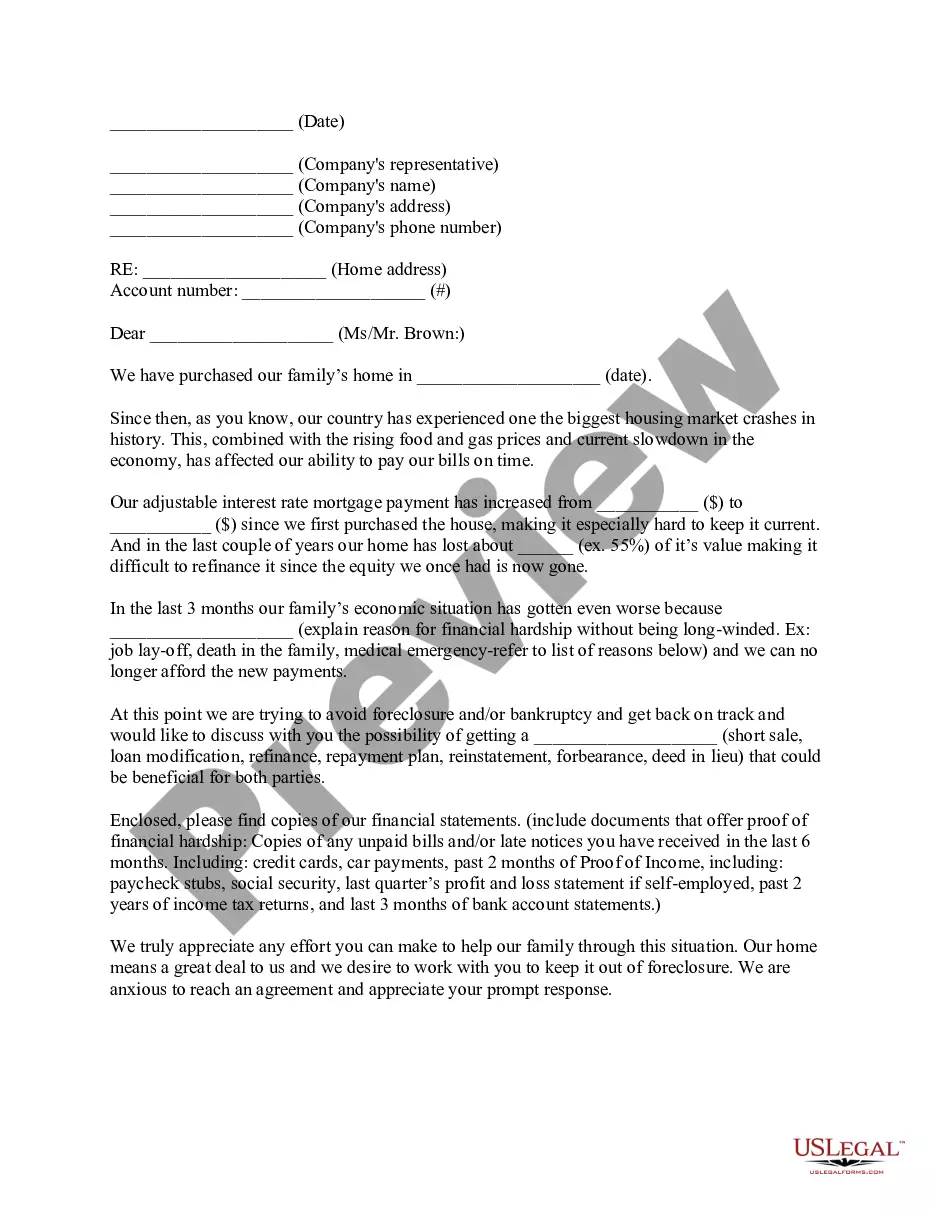
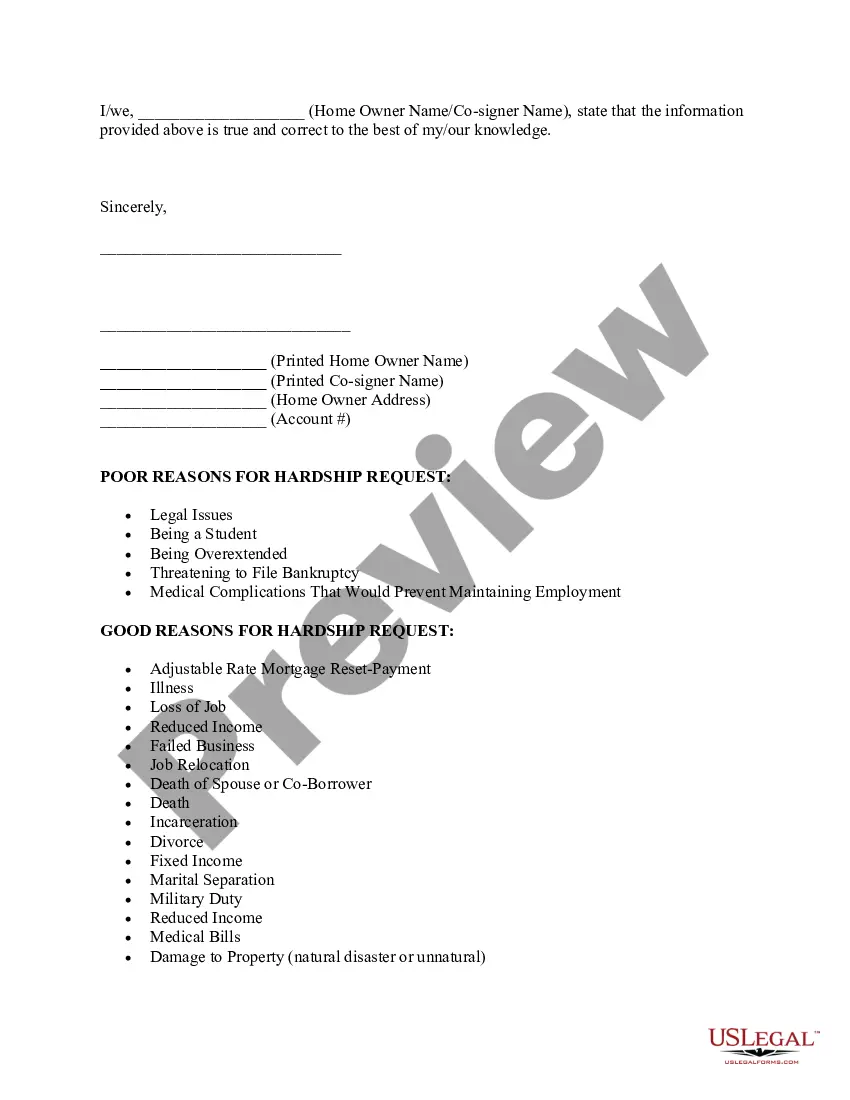
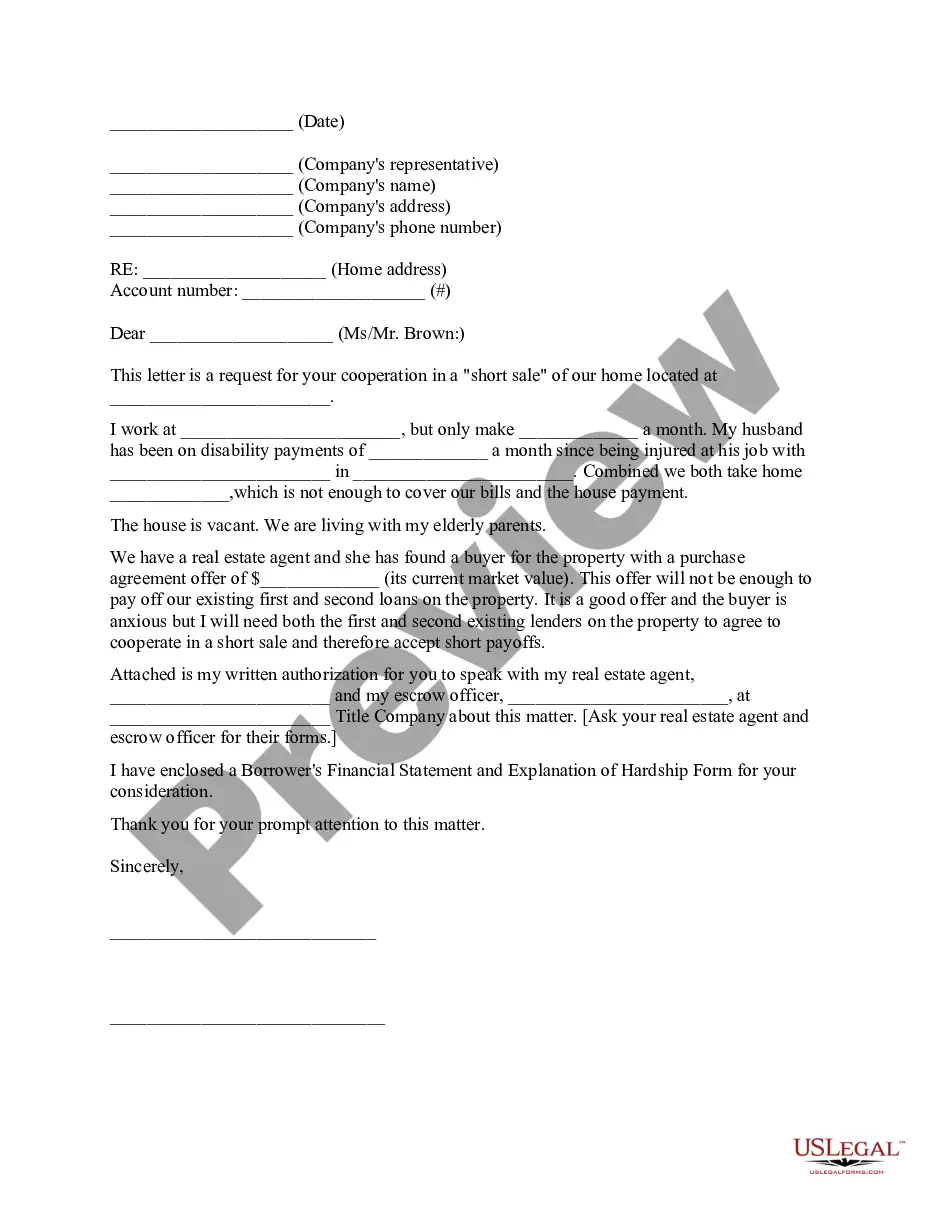
Financial Hardship Letter For Scholarship
Description
Get your form ready online
Our built-in tools help you complete, sign, share, and store your documents in one place.
Make edits, fill in missing information, and update formatting in US Legal Forms—just like you would in MS Word.
Download a copy, print it, send it by email, or mail it via USPS—whatever works best for your next step.
Sign and collect signatures with our SignNow integration. Send to multiple recipients, set reminders, and more. Go Premium to unlock E-Sign.
If this form requires notarization, complete it online through a secure video call—no need to meet a notary in person or wait for an appointment.
We protect your documents and personal data by following strict security and privacy standards.

Make edits, fill in missing information, and update formatting in US Legal Forms—just like you would in MS Word.

Download a copy, print it, send it by email, or mail it via USPS—whatever works best for your next step.

Sign and collect signatures with our SignNow integration. Send to multiple recipients, set reminders, and more. Go Premium to unlock E-Sign.

If this form requires notarization, complete it online through a secure video call—no need to meet a notary in person or wait for an appointment.

We protect your documents and personal data by following strict security and privacy standards.
Looking for another form?
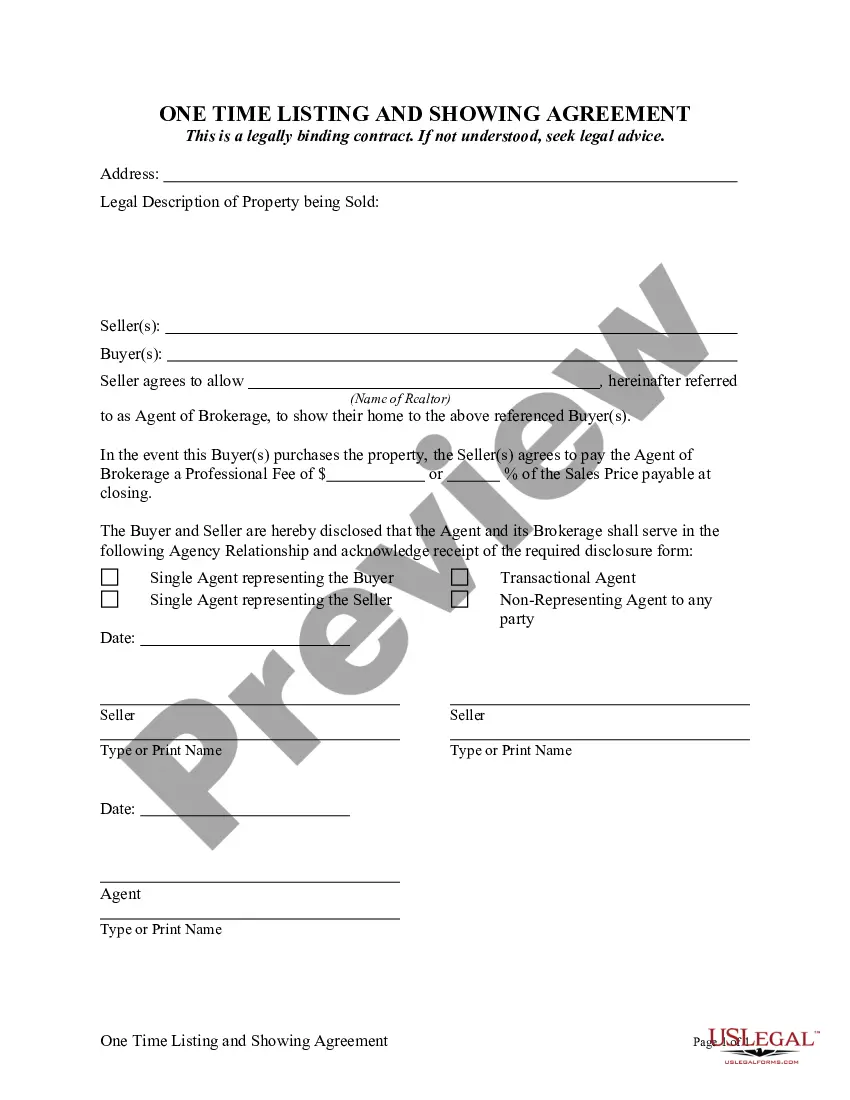
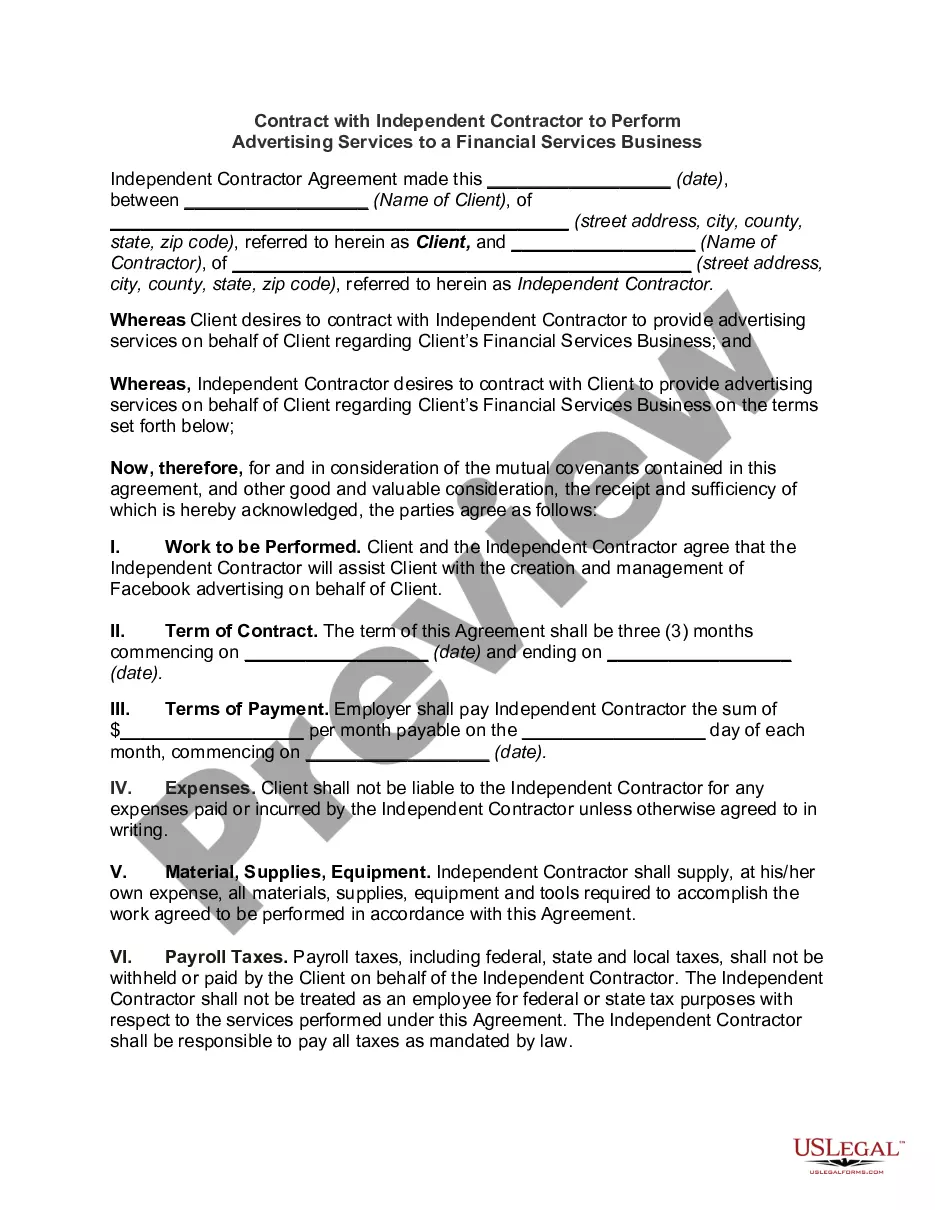
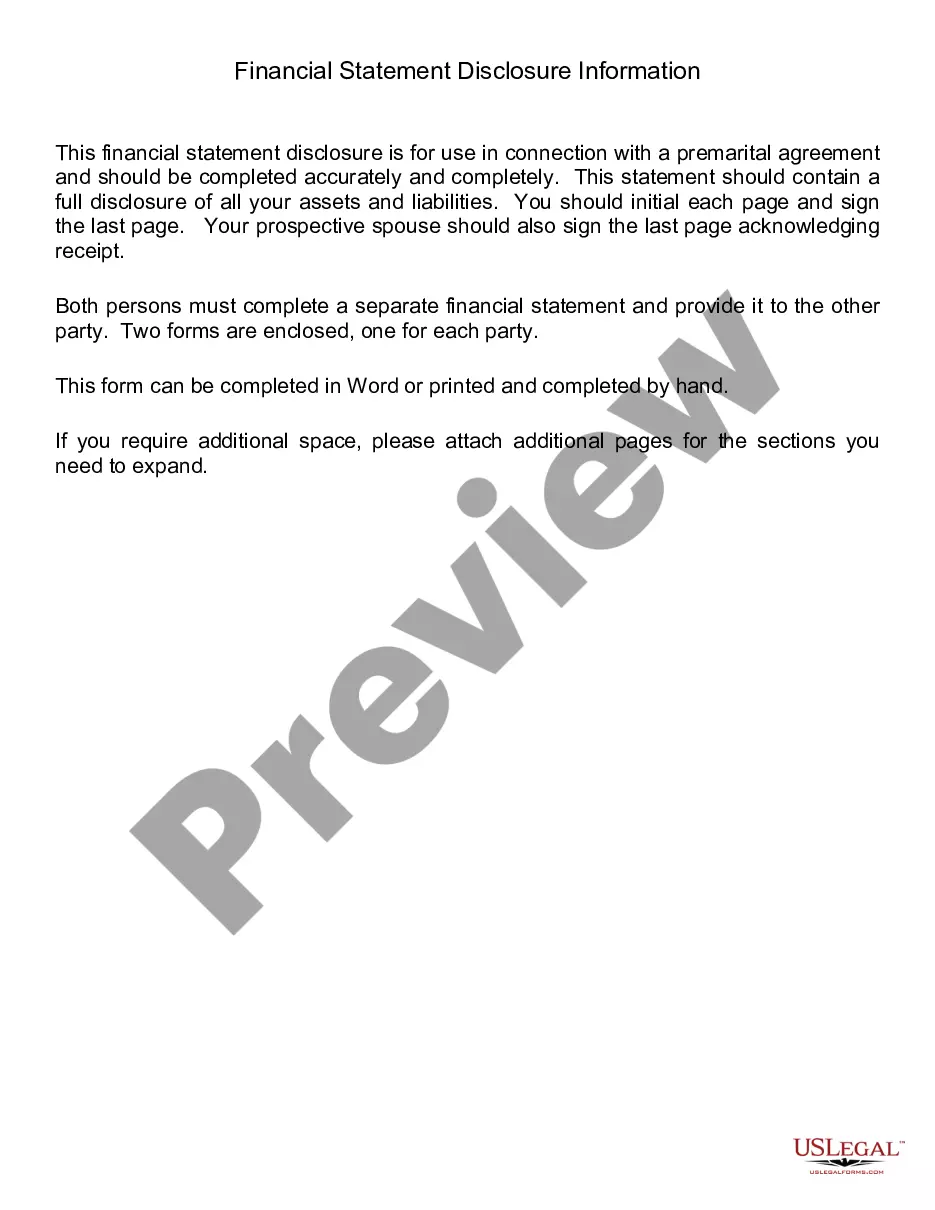
How to fill out Hardship Letter To Mortgagor Or Lender To Prevent Foreclosure?
Handling legal documents and processes can be a lengthy addition to the day.
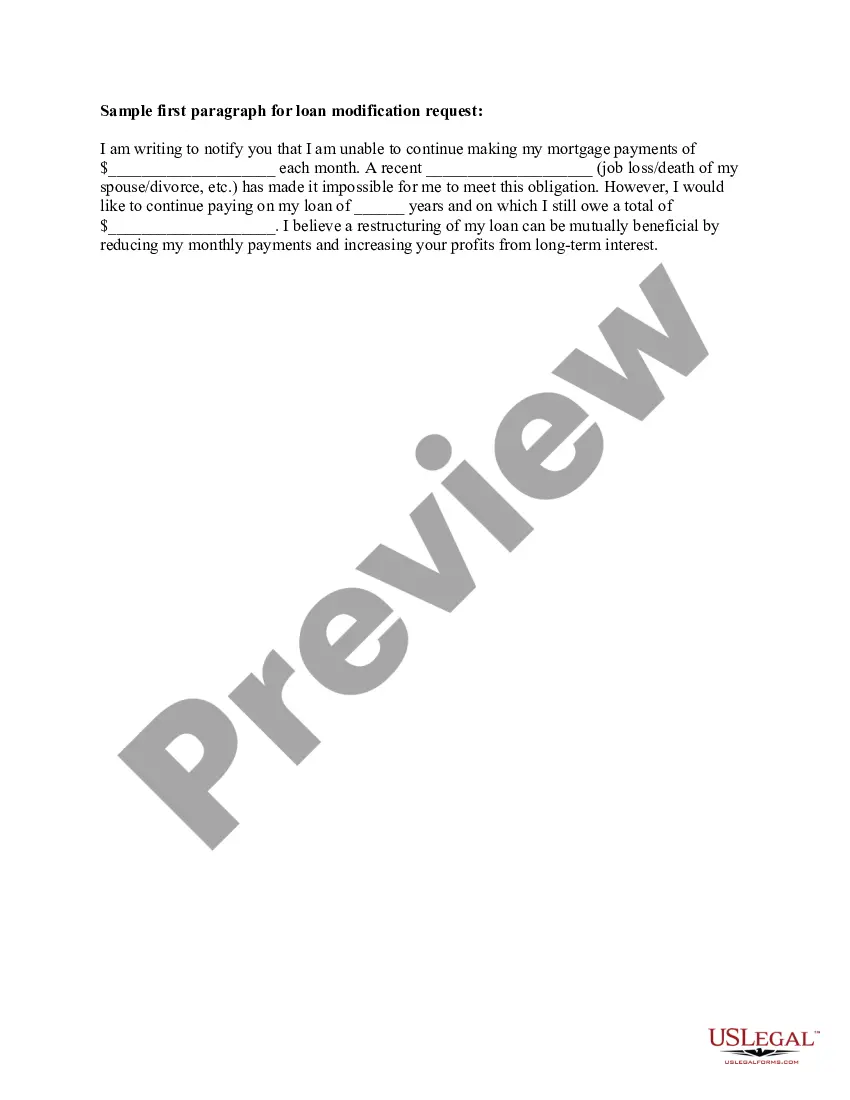
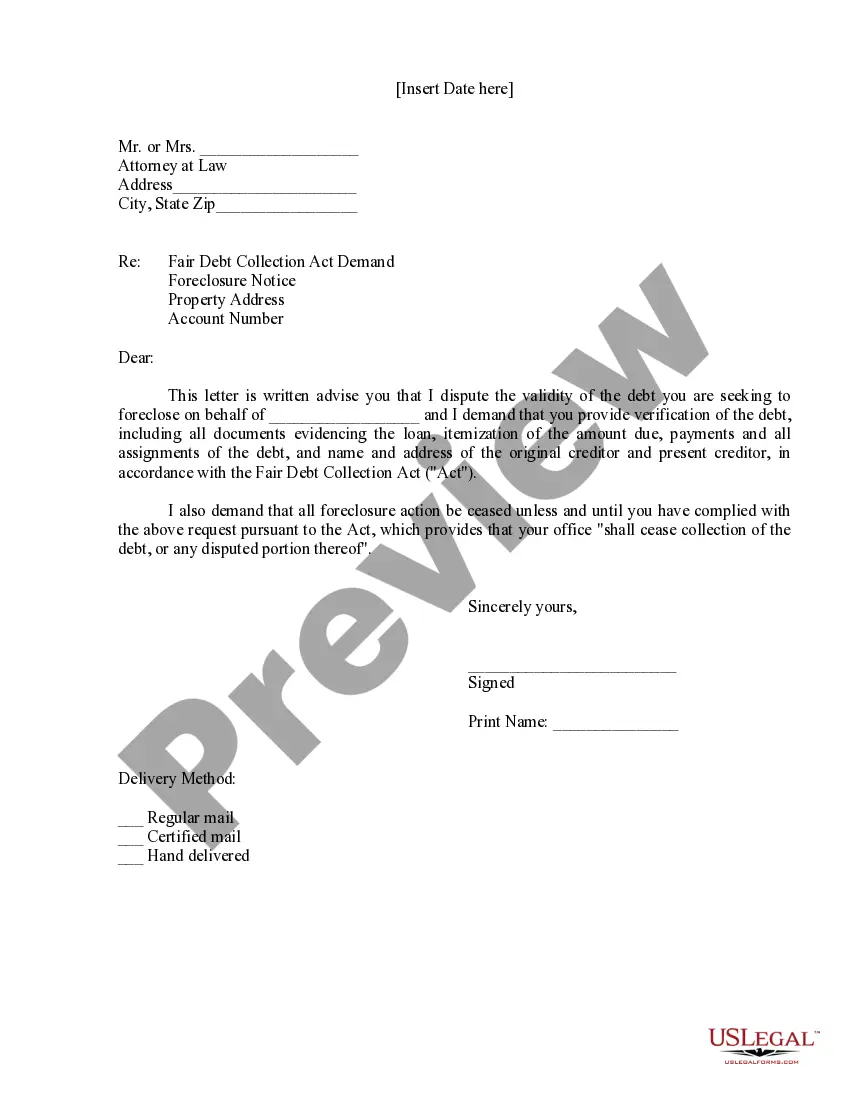
Financial Hardship Letter For Scholarship and similar forms frequently require you to locate them and find your way to fill them out correctly.
Consequently, if you are managing financial, legal, or personal issues, having a thorough and accessible online directory of forms available will significantly help.
US Legal Forms is the leading online platform for legal templates, offering over 85,000 state-specific forms and various tools to help you complete your documents effortlessly.
Simply Log In to your account, search for Financial Hardship Letter For Scholarship, and download it immediately from the My documents section. You can also view previously saved documents.
- Explore the collection of relevant documents available to you with just one click.
- US Legal Forms provides you with state- and county-specific forms accessible anytime for download.
- Protect your document management processes with a high-quality service that enables you to prepare any form in just a few minutes with no extra or hidden charges.
Form popularity
FAQ
To prove financial need for a scholarship, clearly articulate your financial challenges in your application and support your claims with relevant documents. Submit your financial statements, and if required, reference any hardships you face that affect your financial situation. This detailed approach can enhance your financial hardship letter for scholarship consideration.
How Do I File a Challenge to Garnishment? 1) Fill out the Challenge to Garnishment form. The landlord's name should be written on the line for the ?plaintiff.? Write your name on the ?defendant? line. List the property or money that you believe is exempt and should not be taken.
At a minimum, your written objection to the garnishment should include the following information: the case number and case caption (ex: "XYZ Bank vs. John Doe") the date of your objection. your name and current contact information. the reasons (or "grounds") for your objection, and. your signature.
Basically, all retirement income, social security, disiability income, etc. is exempt. Check out the complete list here. But if your income is not exempt, then to put a stop to a wage garnishment, you must contact the debt collector and/or attorney for the debt collector and arrange a STIPULATED AGREEMENT.
Wage Garnishment in Oregon? To garnish your wages in Oregon, the debt collector has to have a judgment. They can then send a writ of garnishment to your employer. Your payroll department has to fill out paperwork to tell them how often you get paid and the date of your next pay day.
Under Oregon Garnishment Laws, the amount they can take is usually limited to 25% of your net pay. We handle situations like this every day. They can't take your entire paycheck and they may have to give back some of the money they took from your account.
The garnishment amount is limited to 25% of your disposable earnings for that week (what's left after mandatory deductions) or the amount by which your disposable earnings for that week exceed 30 times the federal minimum hourly wage, whichever is less. (15 U.S.C. § 1673).
Wages. Wage garnishment, the most common type of garnishment, is the process of deducting money from an employee's monetary compensation (including salary), usually as a result of a court order.
The notice instructs the garnishee to withhold up to 25 percent of your take home wages. In addition, for garnishments on non-tax debt collected by OAA, a minimum wage exemption applies. This means that you must make over a certain amount before the garnishee can withhold and send payments to OAA.
This writ garnishes all of the following: ? Wages that you owe the Debtor at the time this writ is delivered to you, and all wages that the Debtor earns during the 90-day period following the date on which you receive this writ.