Good Expungement Attorneys With Payment Plans
Description

Get your form ready online
Our built-in tools help you complete, sign, share, and store your documents in one place.
Make edits, fill in missing information, and update formatting in US Legal Forms—just like you would in MS Word.
Download a copy, print it, send it by email, or mail it via USPS—whatever works best for your next step.
Sign and collect signatures with our SignNow integration. Send to multiple recipients, set reminders, and more. Go Premium to unlock E-Sign.
If this form requires notarization, complete it online through a secure video call—no need to meet a notary in person or wait for an appointment.
We protect your documents and personal data by following strict security and privacy standards.

Make edits, fill in missing information, and update formatting in US Legal Forms—just like you would in MS Word.

Download a copy, print it, send it by email, or mail it via USPS—whatever works best for your next step.

Sign and collect signatures with our SignNow integration. Send to multiple recipients, set reminders, and more. Go Premium to unlock E-Sign.

If this form requires notarization, complete it online through a secure video call—no need to meet a notary in person or wait for an appointment.

We protect your documents and personal data by following strict security and privacy standards.
Looking for another form?







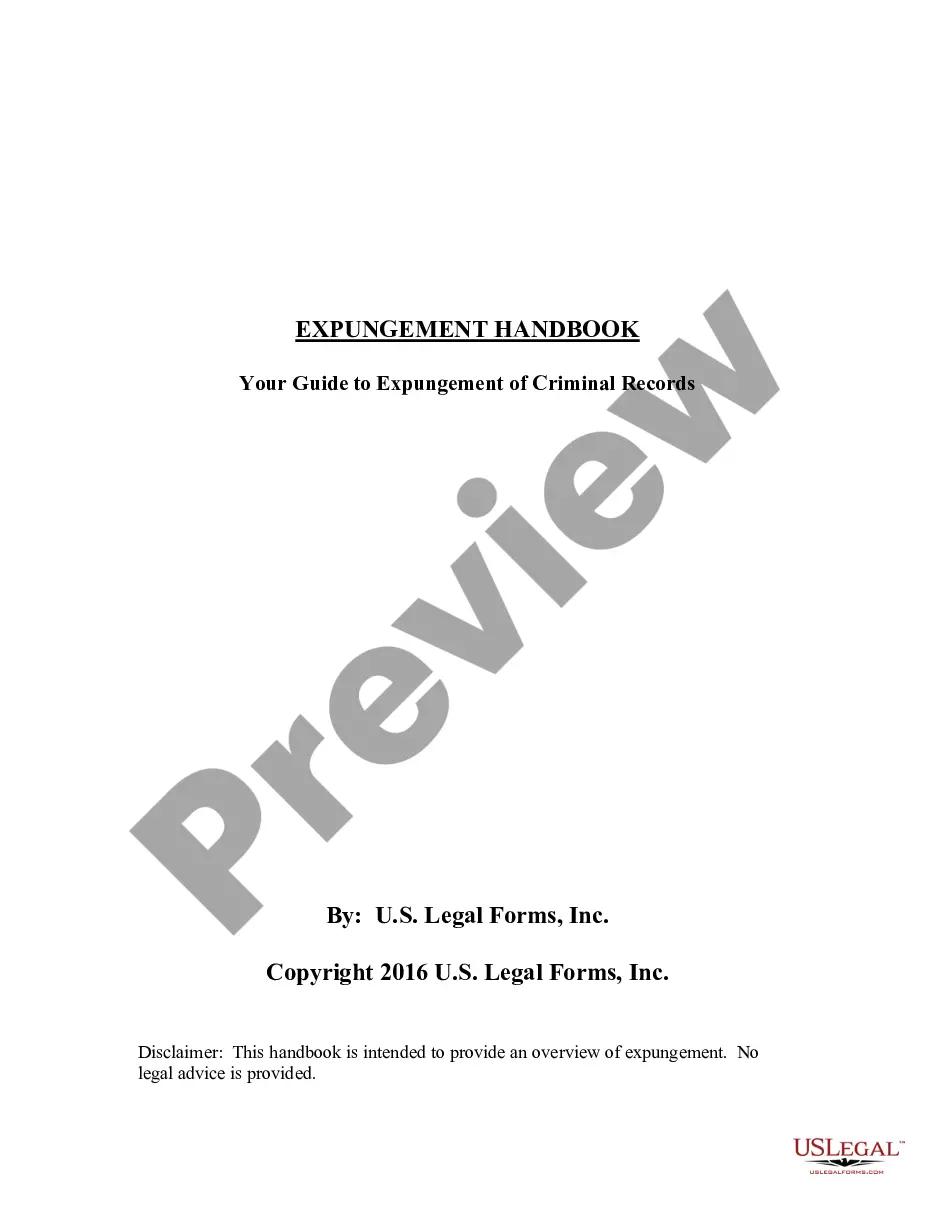
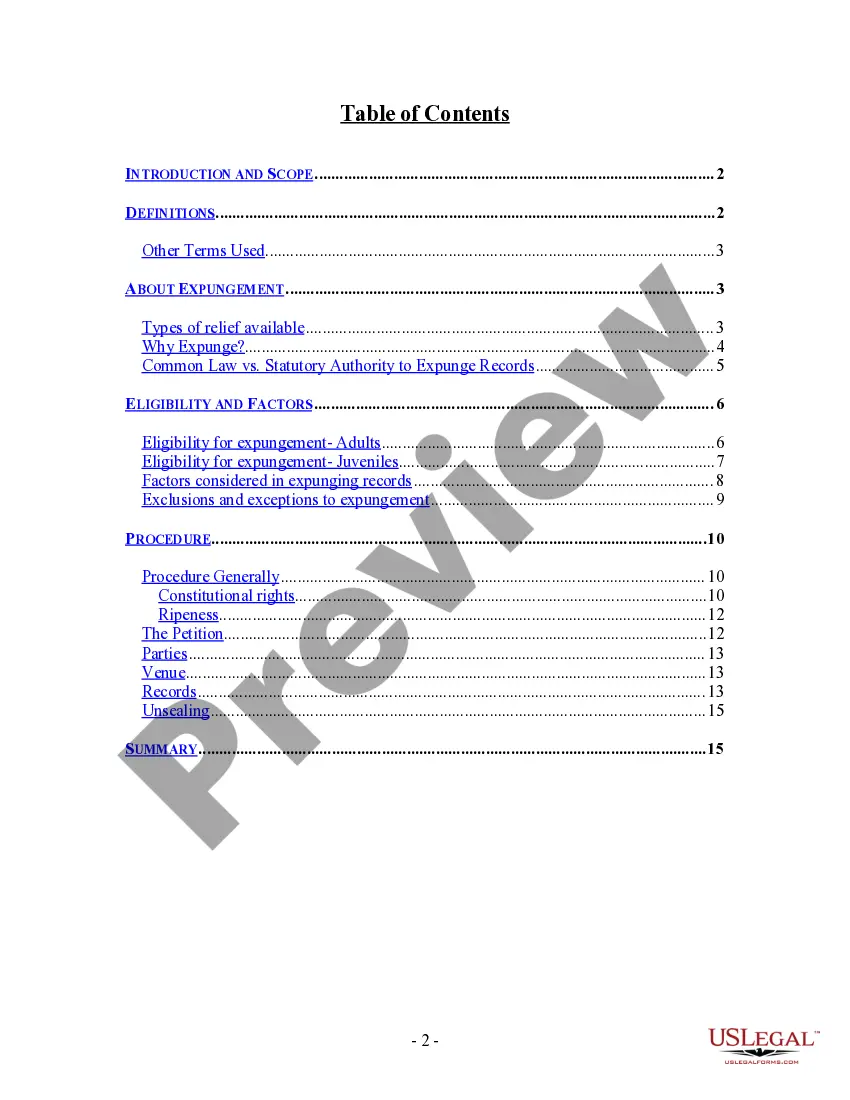
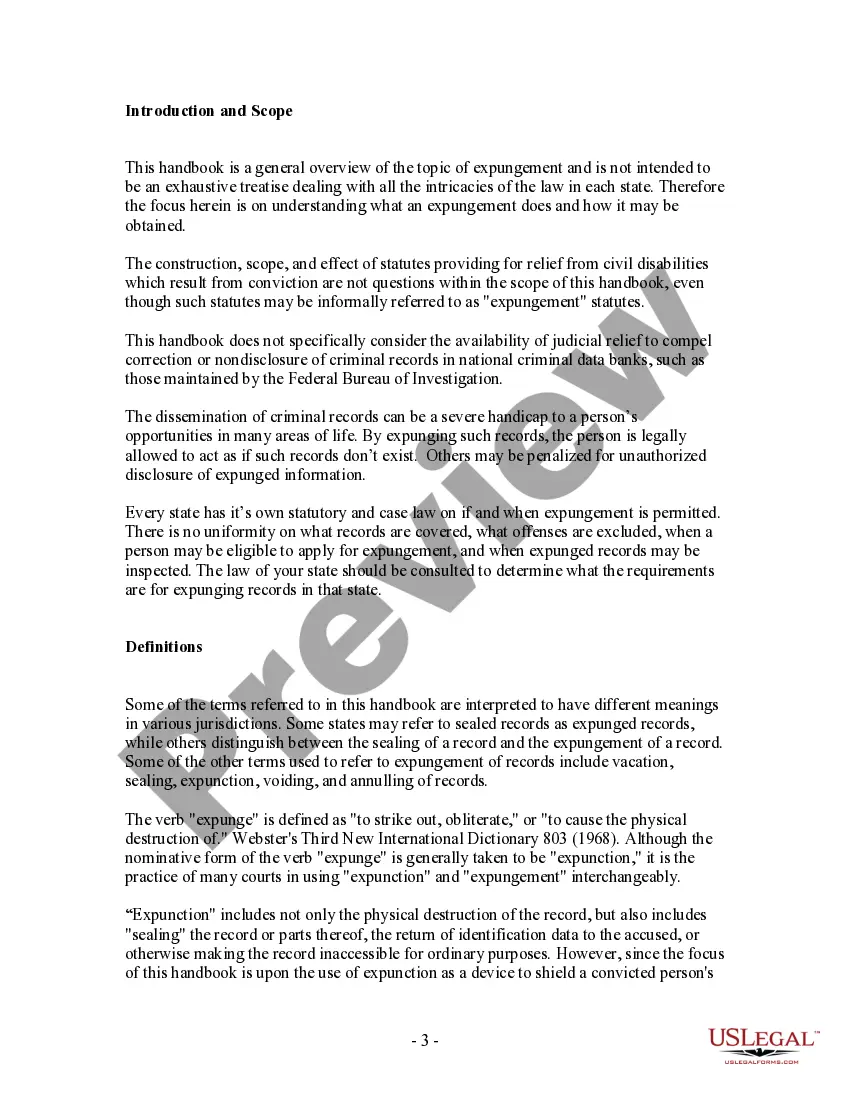
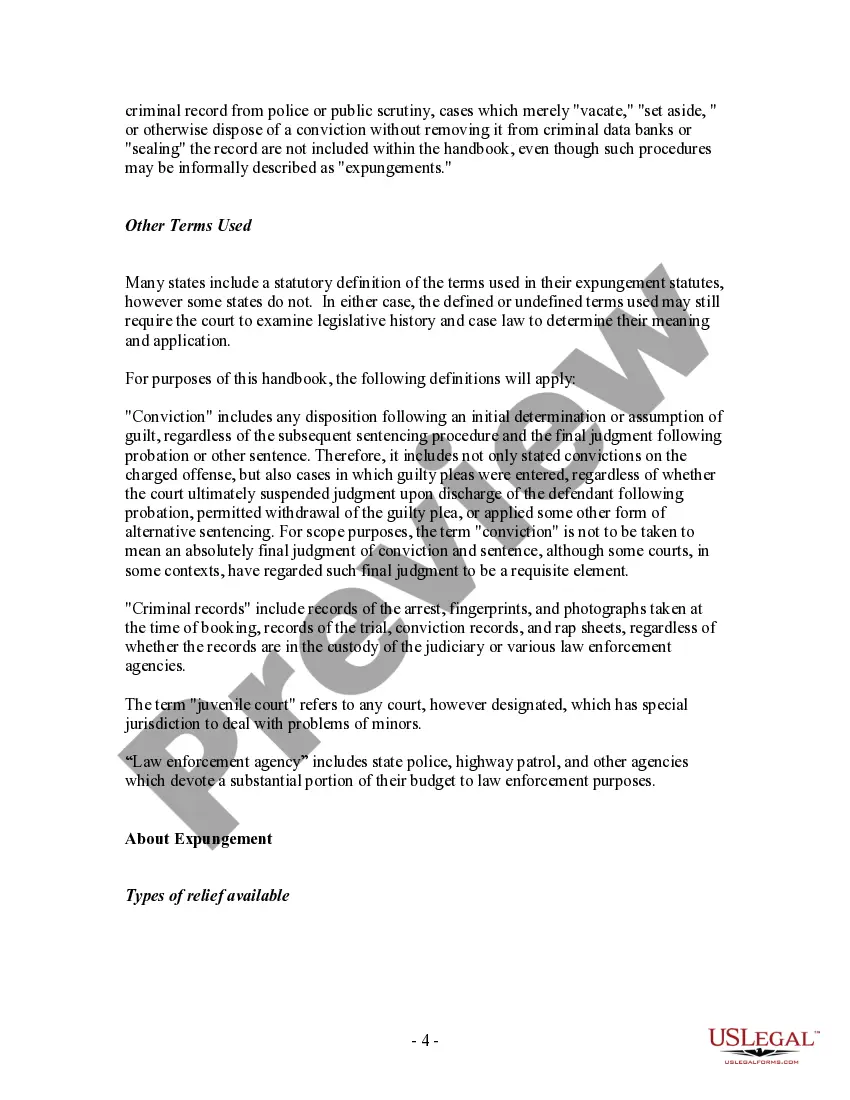
How to fill out Expungement Handbook - Procedures And Law?
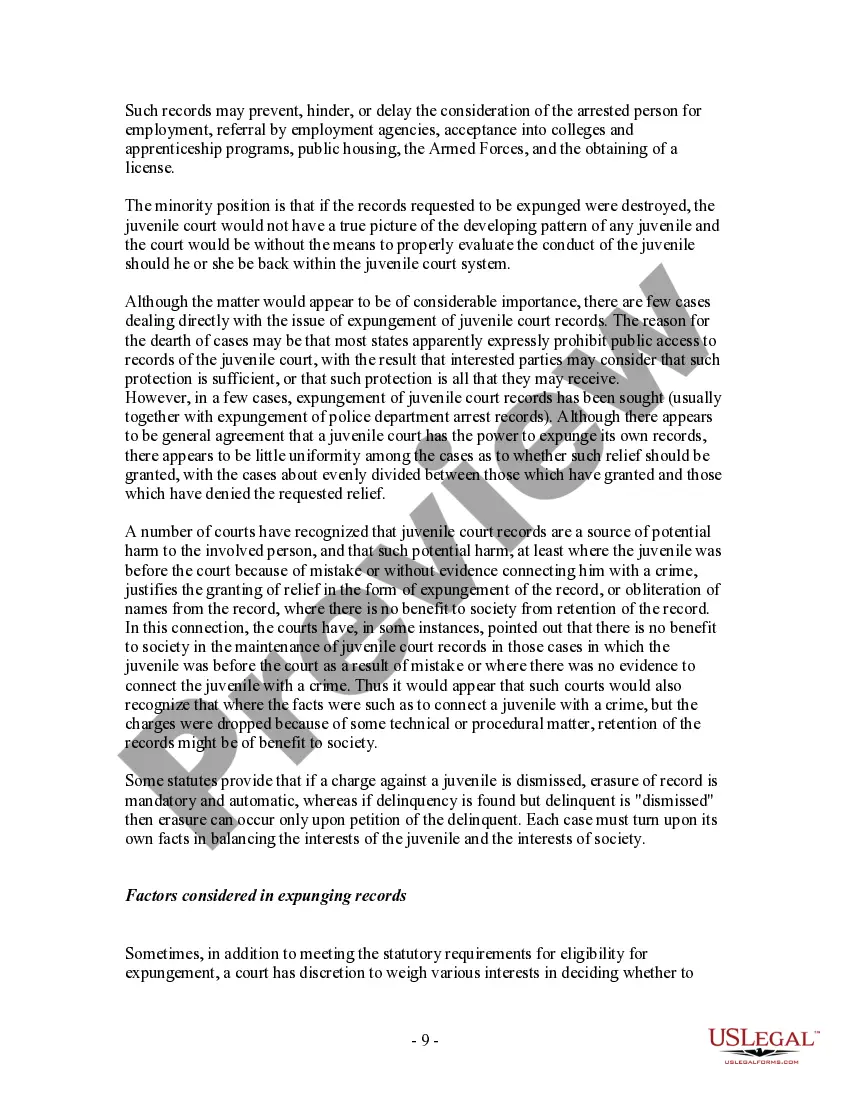
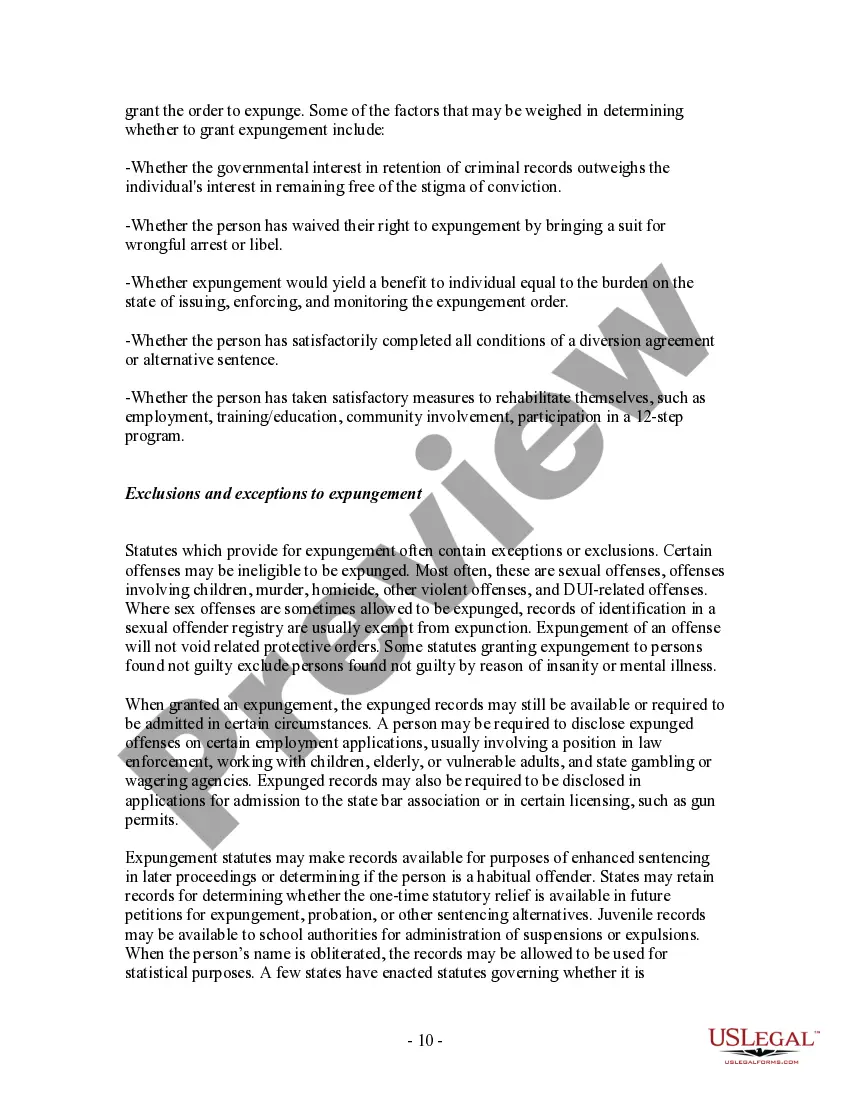
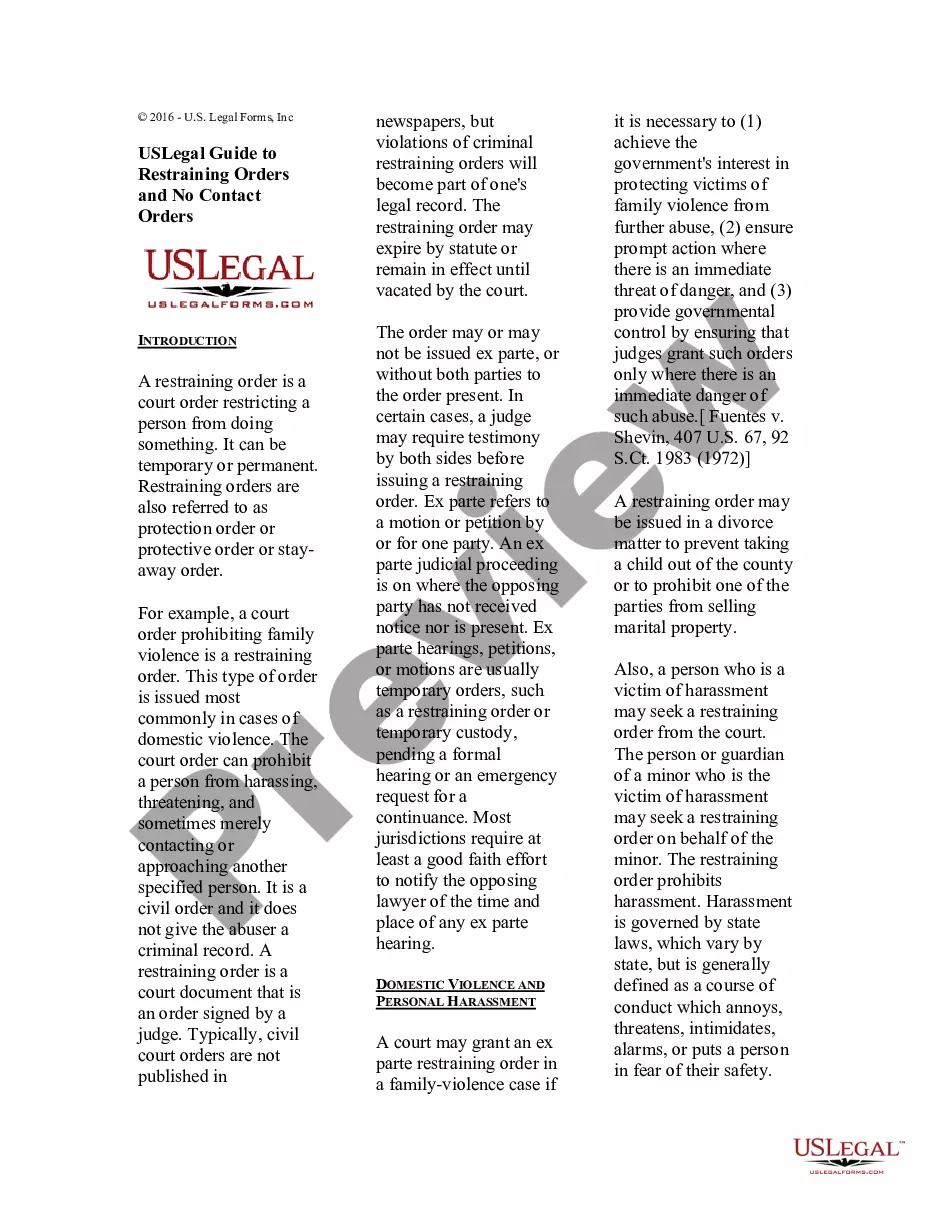
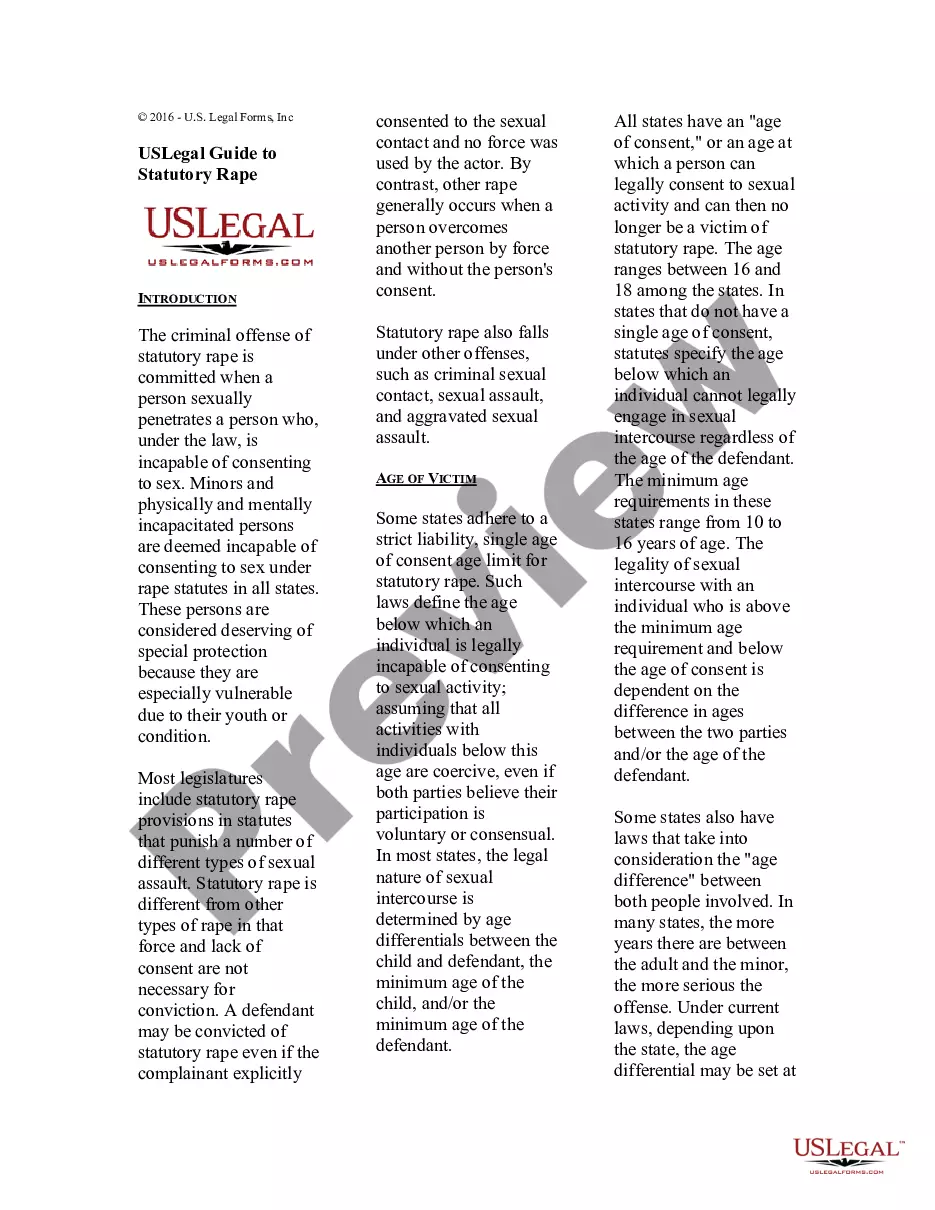
The Excellent Expungement Lawyers With Payment Options displayed on this page is a versatile formal template crafted by experienced attorneys according to federal and state regulations.
For over 25 years, US Legal Forms has supplied individuals, companies, and lawyers with more than 85,000 authenticated, state-specific documents for any business and personal circumstance. It’s the quickest, easiest, and most reliable method to acquire the paperwork you require, as the service ensures the utmost level of data protection and anti-virus security.
Choose the format you desire for your Excellent Expungement Lawyers With Payment Options (PDF, Word, RTF) and store the sample on your device. Complete and endorse the document. Print the template to fill it out manually. Alternatively, use an online multifunctional PDF editor to swiftly and precisely fill out and sign your form with an electronic signature. Re-download your documents when necessary. Access the My documents tab in your profile to retrieve any previously purchased forms. Subscribe to US Legal Forms to have authenticated legal templates for all of life’s scenarios readily available.
- Search for the document you require and examine it.
- Browse the file you looked for and view it or assess the form description to confirm it meets your needs. If it doesn't, use the search feature to find the appropriate one. Click Buy Now once you have found the template you want.
- Choose and Log Into your account.
- Pick the payment plan that fits you and set up an account. Use PayPal or a debit/credit card to make a swift payment. If you already have an account, Log In and verify your subscription to proceed.
- Acquire the editable template.
Form popularity
FAQ
After receiving a certified copy of the order, expungement of court records can take about one month after the OSBI receives the order, expungement of arrest records usually takes a similar amount of time after receipt of the order and the required fee.
Do you need a lawyer to expunge your record? Nope. Most people can file and successfully process their own Texas expungement without an attorney.
Does it cost to file for an expungement? Yes. In New Jersey, filing a petition for expungement carries a $75 filing fee.
How Long Does a Typical Expungement Take in New Jersey? In New Jersey, it usually takes three to four months to complete the expungement petition process. If the prosecutor objects to your expungement, then you will have to go to court with an attorney to contest the objection and defend your expungement petition.
The judge will expunge your records if you meet the legal requirements, and the judge finds that the harm to your privacy outweighs the public interest in keeping the records available to the public. If the judge agrees to expunge your records, they will make an order to remove your records from public view.