Management Agreement For An Llc
Description
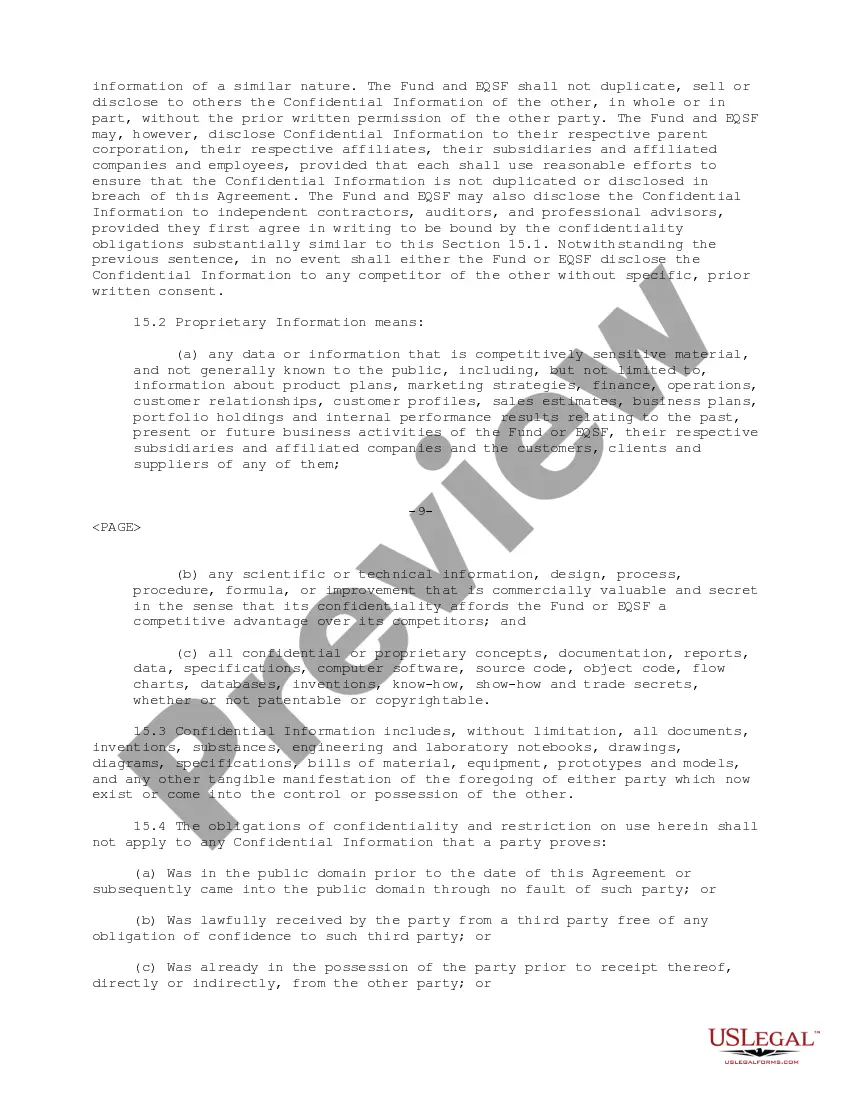
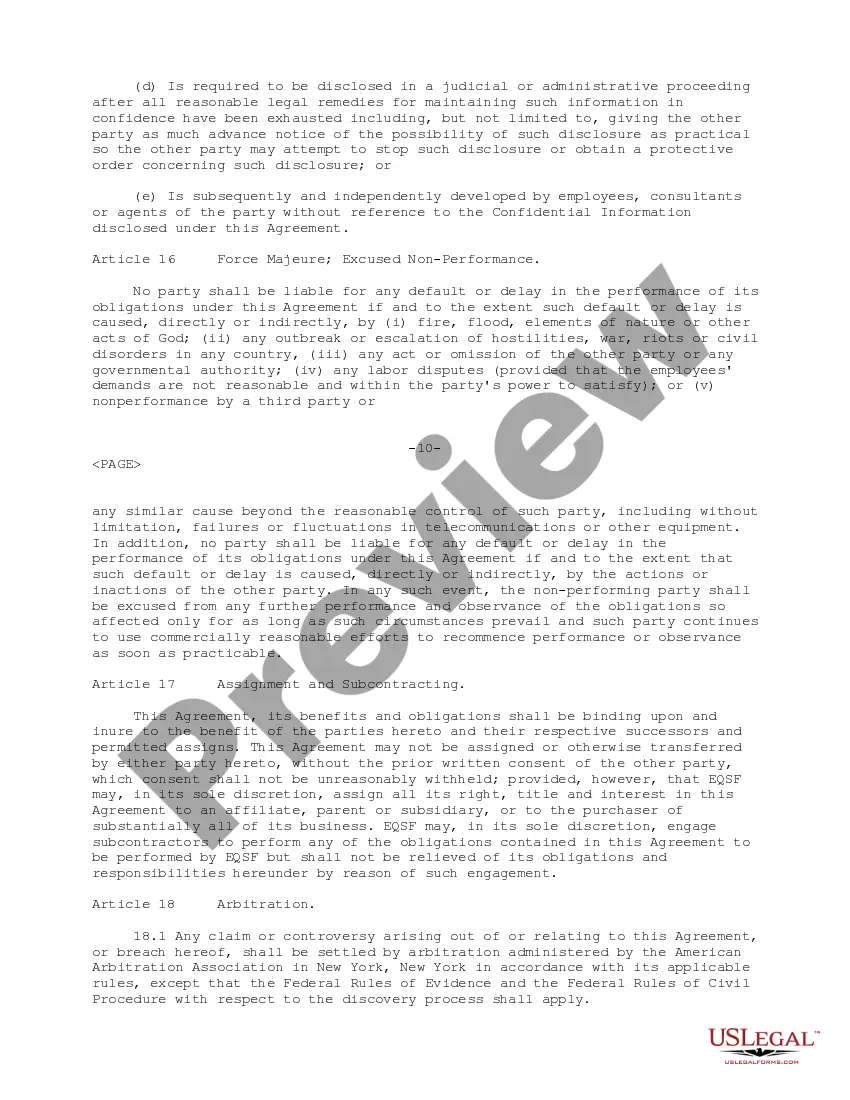

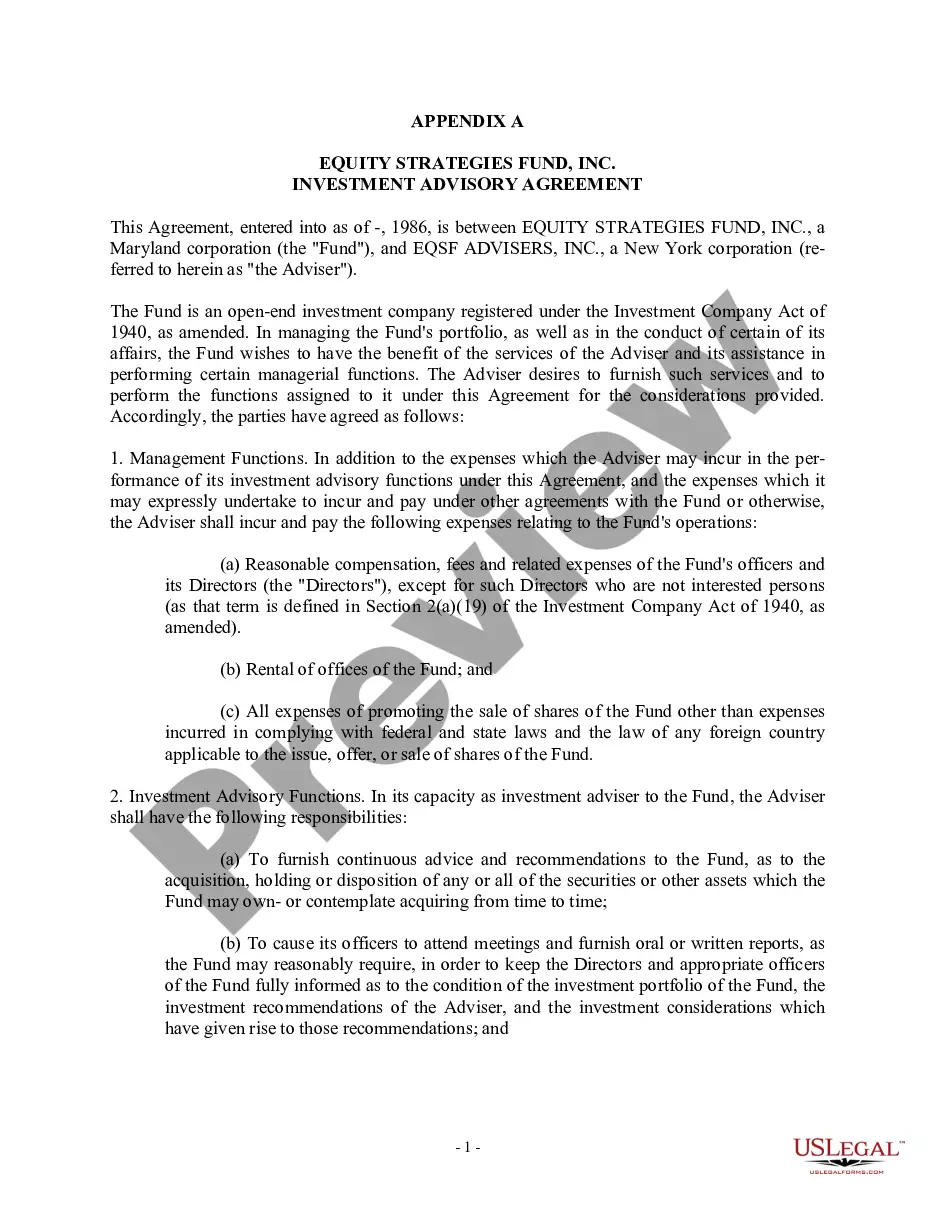
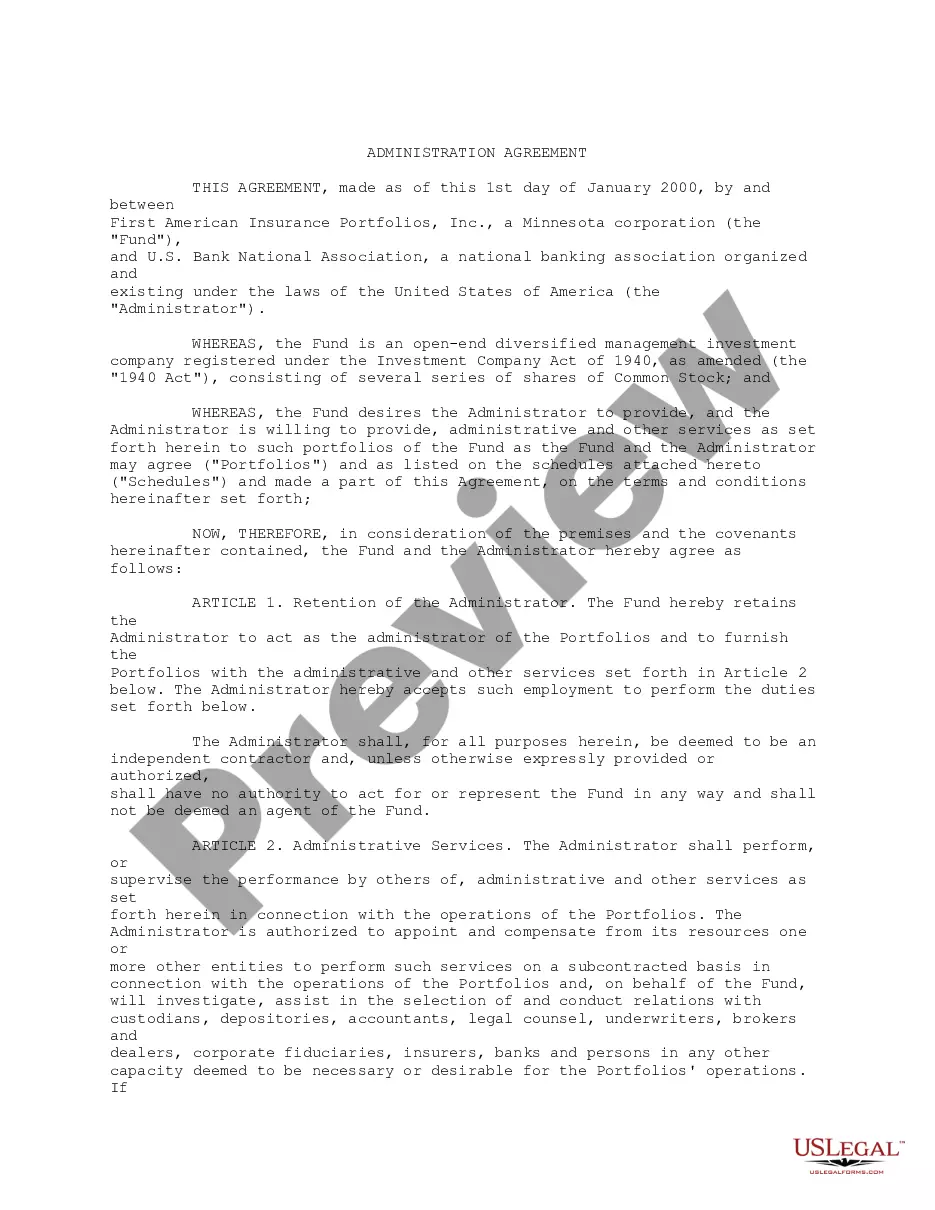
Get your form ready online
Our built-in tools help you complete, sign, share, and store your documents in one place.
Make edits, fill in missing information, and update formatting in US Legal Forms—just like you would in MS Word.
Download a copy, print it, send it by email, or mail it via USPS—whatever works best for your next step.
Sign and collect signatures with our SignNow integration. Send to multiple recipients, set reminders, and more. Go Premium to unlock E-Sign.
If this form requires notarization, complete it online through a secure video call—no need to meet a notary in person or wait for an appointment.
We protect your documents and personal data by following strict security and privacy standards.

Make edits, fill in missing information, and update formatting in US Legal Forms—just like you would in MS Word.

Download a copy, print it, send it by email, or mail it via USPS—whatever works best for your next step.

Sign and collect signatures with our SignNow integration. Send to multiple recipients, set reminders, and more. Go Premium to unlock E-Sign.

If this form requires notarization, complete it online through a secure video call—no need to meet a notary in person or wait for an appointment.

We protect your documents and personal data by following strict security and privacy standards.
Looking for another form?







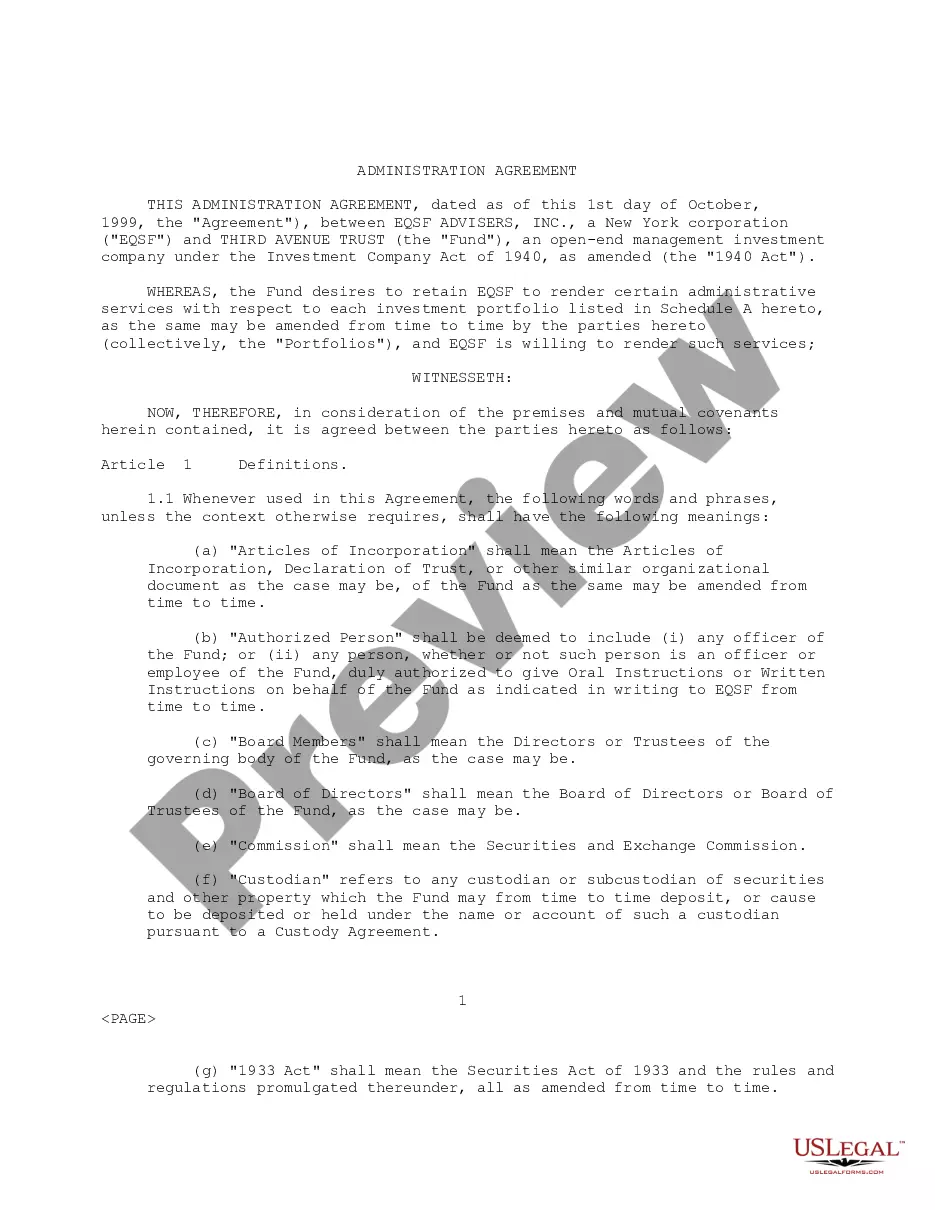
How to fill out Administration Agreement Between EQSF Advisors, Inc. And Third Avenue Trust Regarding Retaining EQSF To Render Administrative Services With Respect To Investment?
Managing legal documents and procedures can be a lengthy addition to your schedule.
Management Agreement For An Llc and similar forms typically necessitate that you search for them and comprehend how to fill them out efficiently.
Therefore, whether you are dealing with financial, legal, or personal issues, having a detailed and user-friendly online repository of forms readily available will be extremely beneficial.
US Legal Forms is the leading online source of legal templates, boasting over 85,000 state-specific forms and a range of resources to assist you in completing your documentation promptly.
Is this your first time using US Legal Forms? Register and create a free account in just a few minutes to gain access to the form collection and Management Agreement For An Llc. Then, follow the steps outlined below to finalize your form.
- Explore the collection of relevant documents accessible with a single click.
- US Legal Forms provides you with state- and county-specific documents available for download at any time.
- Protect your document management procedures by utilizing a reliable service that enables you to prepare any form within minutes, free from extra or hidden charges.
- Simply Log In to your account, locate Management Agreement For An Llc, and download it directly from the My documents section.
- You can also revisit previously downloaded forms.
Form popularity
FAQ
The most common management structure for LLC is the member-management option. With this structure, all members of the LLC play a pivotal role in managing the business and each member has authority within the company.
While it may not be a requirement to have an operating agreement, it's actually in the best interest of an LLC to draft one. And by drafting it, I'm referring to creating a written operating agreement. Some LLCs, depending on the number of members, may think an oral agreement is sufficient enough to run a business.
A manager-managed LLC can make sense for your business if certain LLC members don't intend to take part in decision making (typically family members or outside investors). If the members choose this option, the members will not have a say in ordinary business decisions designed to help achieve your business' goals.
The two forms are manager-managed and member-managed LLCs. Member-Managed LLC ? The member-managed LLC is more common, and many states default to this structure. ... Manager-Managed LLC ? If you choose a manager-managed structure, formally create a manager role, which is separate from the ownership of the LLC.
The operating agreement should include the following: Basic information about the business, such as official name, location, statement of purpose, and registered agent. Tax treatment preference. Member information. Management structure. Operating procedures. Liability statement. Additional provisions.