Employee Retirement System For Employees
Description
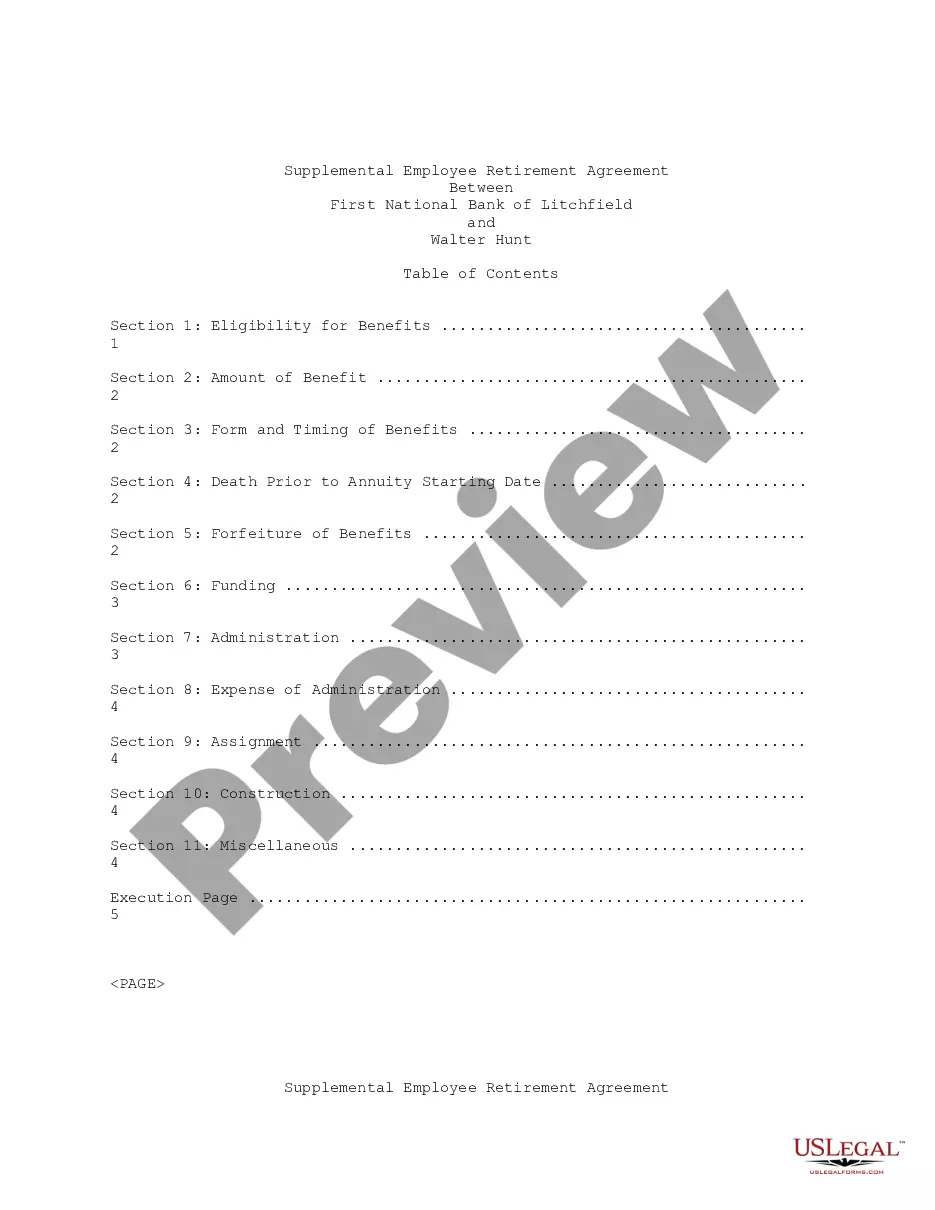
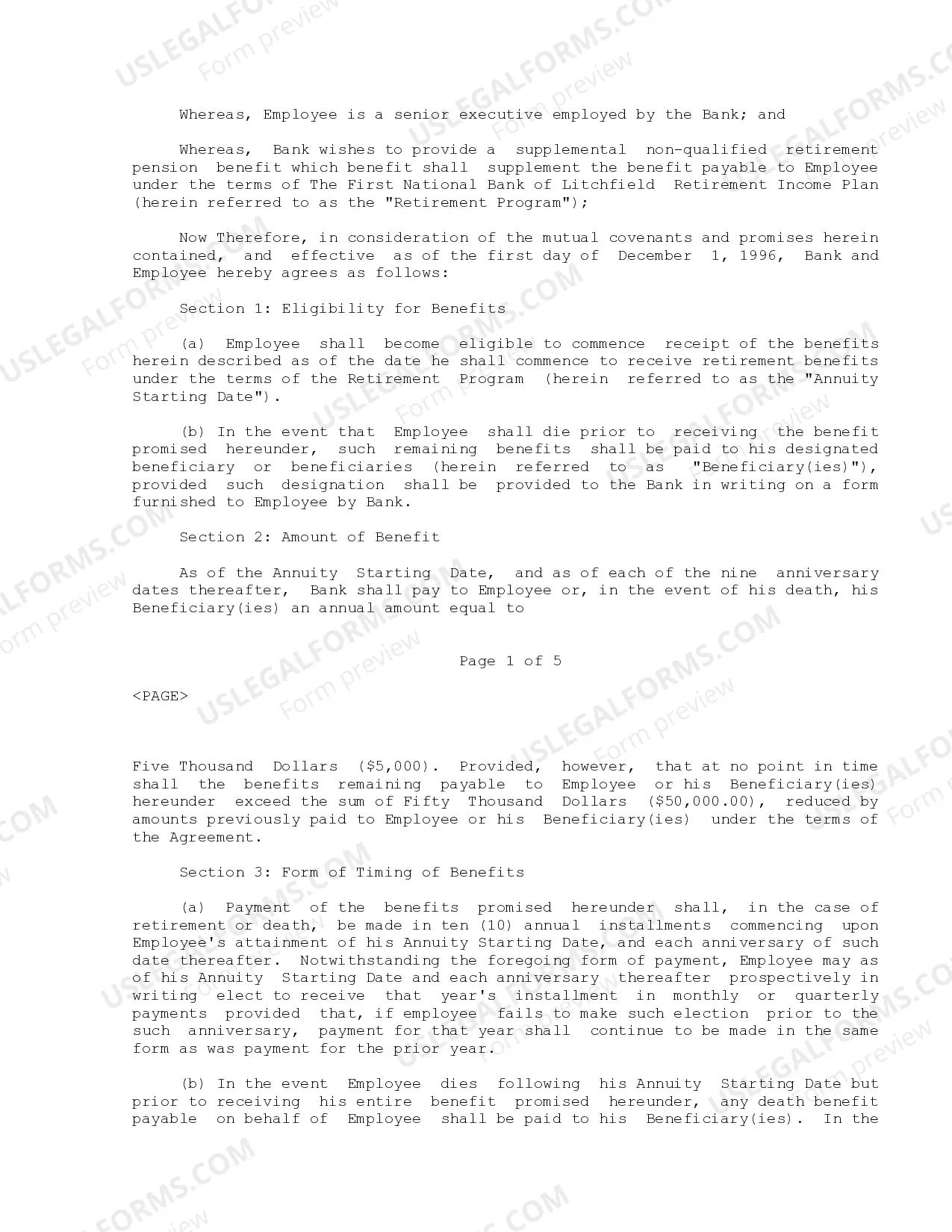
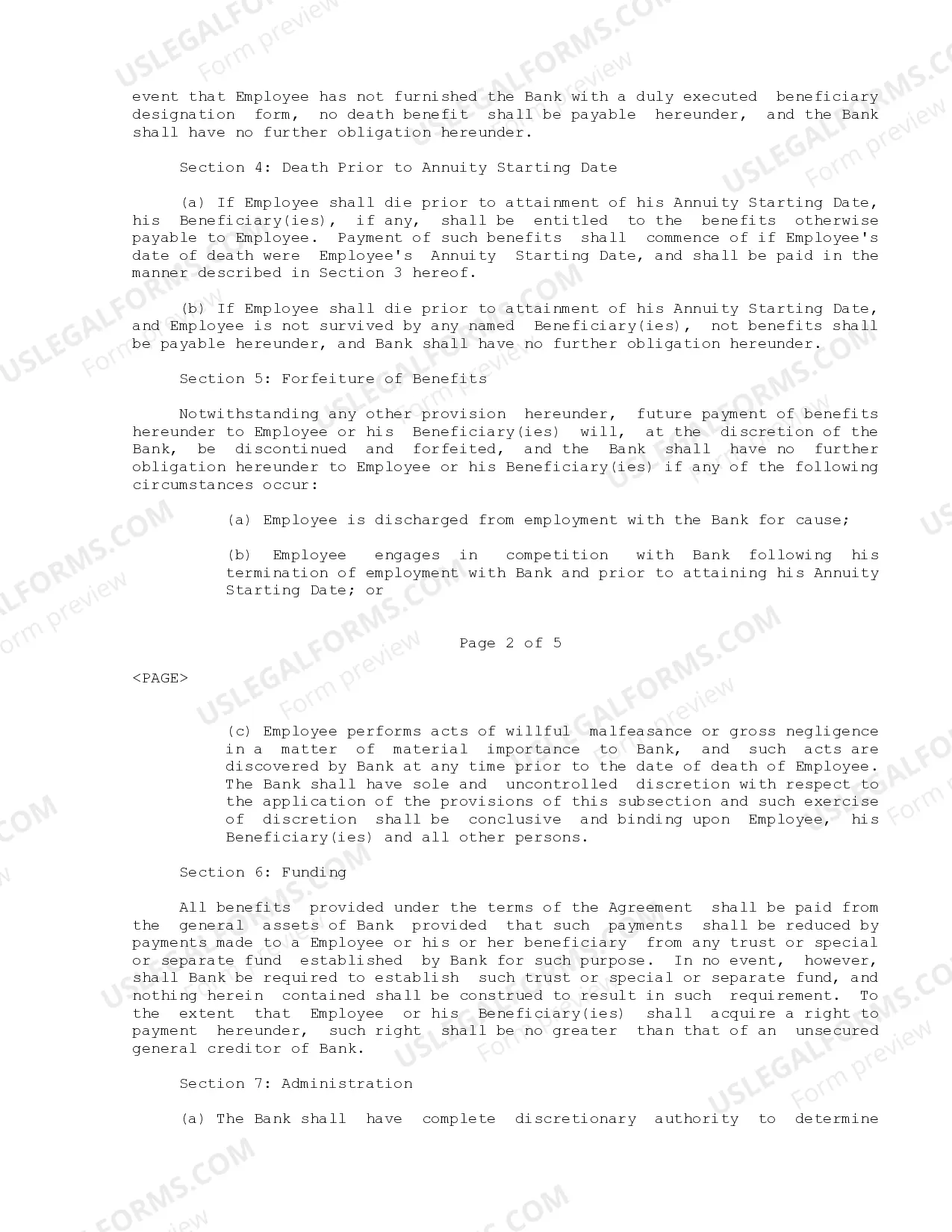
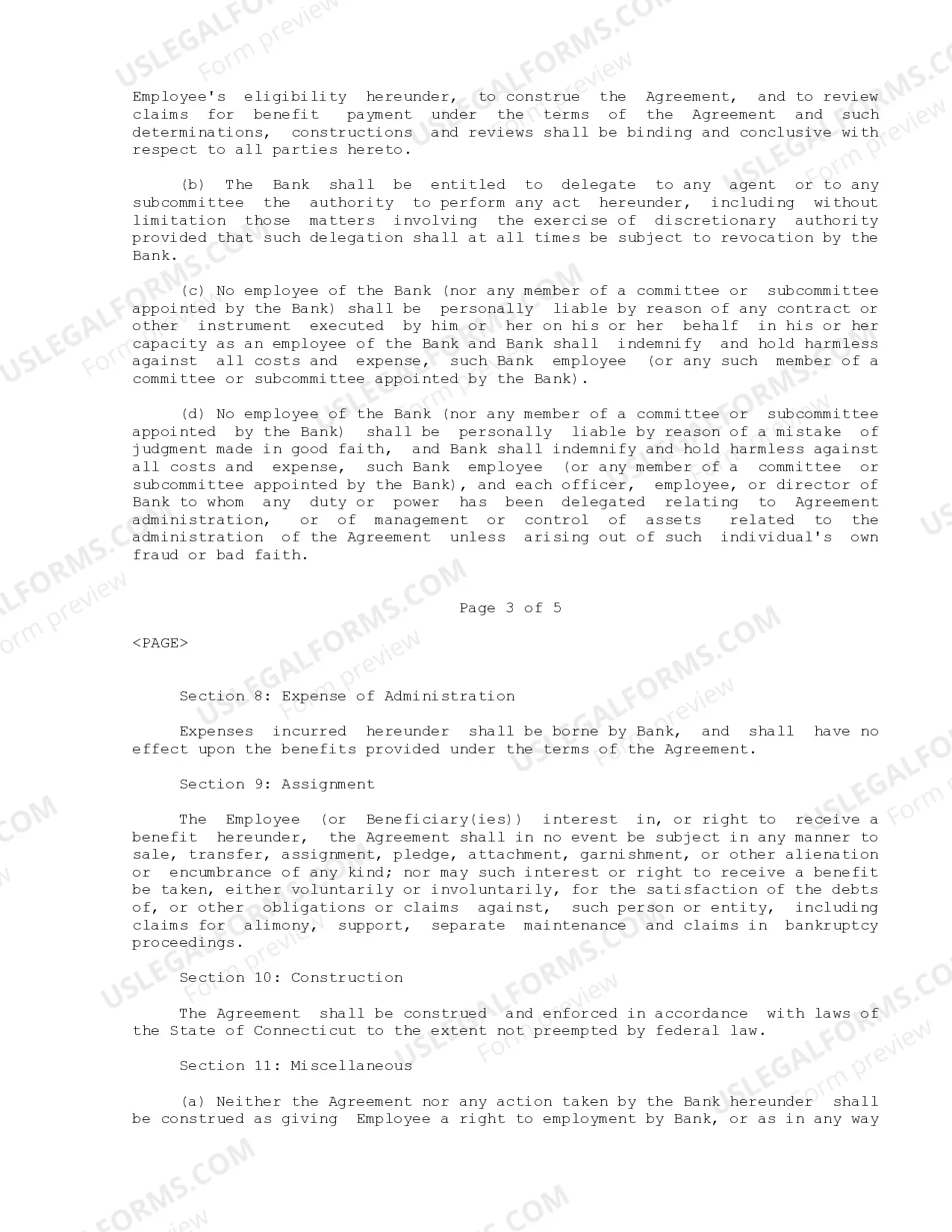

Get your form ready online
Our built-in tools help you complete, sign, share, and store your documents in one place.
Make edits, fill in missing information, and update formatting in US Legal Forms—just like you would in MS Word.
Download a copy, print it, send it by email, or mail it via USPS—whatever works best for your next step.
Sign and collect signatures with our SignNow integration. Send to multiple recipients, set reminders, and more. Go Premium to unlock E-Sign.
If this form requires notarization, complete it online through a secure video call—no need to meet a notary in person or wait for an appointment.
We protect your documents and personal data by following strict security and privacy standards.

Make edits, fill in missing information, and update formatting in US Legal Forms—just like you would in MS Word.

Download a copy, print it, send it by email, or mail it via USPS—whatever works best for your next step.

Sign and collect signatures with our SignNow integration. Send to multiple recipients, set reminders, and more. Go Premium to unlock E-Sign.

If this form requires notarization, complete it online through a secure video call—no need to meet a notary in person or wait for an appointment.

We protect your documents and personal data by following strict security and privacy standards.
Looking for another form?








How to fill out Employee Retirement Agreement?
- If you're already a user, simply log in to your account and download your desired form template by clicking on the Download button. Ensure your subscription is active; if not, renew it based on your payment plan.
- For first-time users, start by reviewing the Preview mode and form description. Make sure it meets your requirements and complies with your local jurisdiction.
- If you need a different template, utilize the Search tab above to locate the correct document that suits your needs.
- Once you find your form, click the Buy Now button and select your preferred subscription plan. Registration is necessary to access the library.
- Proceed to make your purchase by inputting your credit card details or using your PayPal account.
- Finally, download your form to your device, allowing you to complete it at your convenience and access it anytime from the My Forms section.
In conclusion, US Legal Forms streamlines the process of obtaining essential forms for employee retirement systems. With a diverse collection of legal templates and access to expert assistance, you can ensure your documents are accurate and compliant.
Start your journey today by creating an account and exploring our extensive library of forms!
Form popularity
FAQ
Both employees and the state contribute to the Employee Retirement System in Texas. Employees make regular contributions from their salaries, which are matched by the state to help fund retirement benefits. This shared responsibility fosters a secure retirement future for all participants. For those exploring retirement options, understanding who pays into ERS is essential for making informed decisions about your financial future.
The Employee Retirement System is utilized by employees in the public sector, including government workers, educators, and health care professionals. These individuals rely on the system for post-retirement income and benefits as part of their employment agreements. Recognizing who uses ERS can help foster community among those participating in the system while highlighting the importance of planning for the future. The more you know about your benefits, the better prepared you will be for retirement.
ERS in Texas is utilized by a diverse group of public service employees, including those in education, health care, and government positions. This system serves as a foundational pillar of financial security for workers committed to public service. By participating in the Employee Retirement System for employees, these individuals secure their future after years of dedicated service. Understanding who uses ERS can help new employees appreciate the benefits available to them.
The primary difference between TRS and ERS in Texas lies in their target audiences and benefit structures. TRS is focused on public education employees, whereas ERS serves state employees across various sectors. Each system has distinct contribution rates and benefits based on the employee's role and service duration. Evaluating these differences can help employees align their retirement plans with their career paths.
Deciding whether TRS or ERS is better depends on individual circumstances, including job type and career goals. The Teacher Retirement System (TRS) primarily serves educators, while the Employee Retirement System (ERS) is for state employees. Both systems offer valuable benefits, but the choice hinges on specific needs and contributions. Engaging with local resources, like UsLegalForms, can provide insights tailored to your needs, ensuring you make the right decision for your retirement.
Generally, a GS employee can retire after completing a minimum of five years of service. However, only after 20 years can employees receive immediate annuity benefits from the Employee Retirement System for employees. Eligibility increases with service length, allowing for greater retirement benefits. Each situation is unique, so it may be beneficial to consult resources or services that streamline the retirement planning process.
The ERS of Texas is open to a wide range of public sector employees, including those who work for state agencies and public schools. Participation often includes various professionals, from teachers to administrative staff, who contribute to the Employee Retirement System for employees. This diversity helps ensure that the benefits are tailored to meet the needs of different roles within the state workforce. Ultimately, participation promotes a united approach towards retirement security.
The retirement plan for employees is designed to provide financial security after they stop working. This system often includes a combination of pension benefits, savings accounts, and other retirement options. The Employee Retirement System for employees plays a crucial role in ensuring that individuals receive adequate support when they retire. By participating in this system, employees can secure a stable income during their retirement years.
Employers are not required by law to offer retirement plans, but many choose to do so to support their employees’ financial well-being. Providing a retirement option helps companies align with employee expectations and promotes loyalty. If you're interested in your retirement options, don’t hesitate to discuss with your employer or check available programs. The right resources, such as those provided by uslegalforms, can help you navigate your choices.
The $1000 a month rule often refers to the idea that individuals should aim to have $1000 in monthly retirement income to meet basic needs. This rule encourages planning to ensure that you will have enough funds to live comfortably after exiting the workforce. Establishing a solid employee retirement system for employees can help you achieve this goal over time. Evaluating your savings and investments is essential to reach this benchmark.