Employee Retention Credit
Description
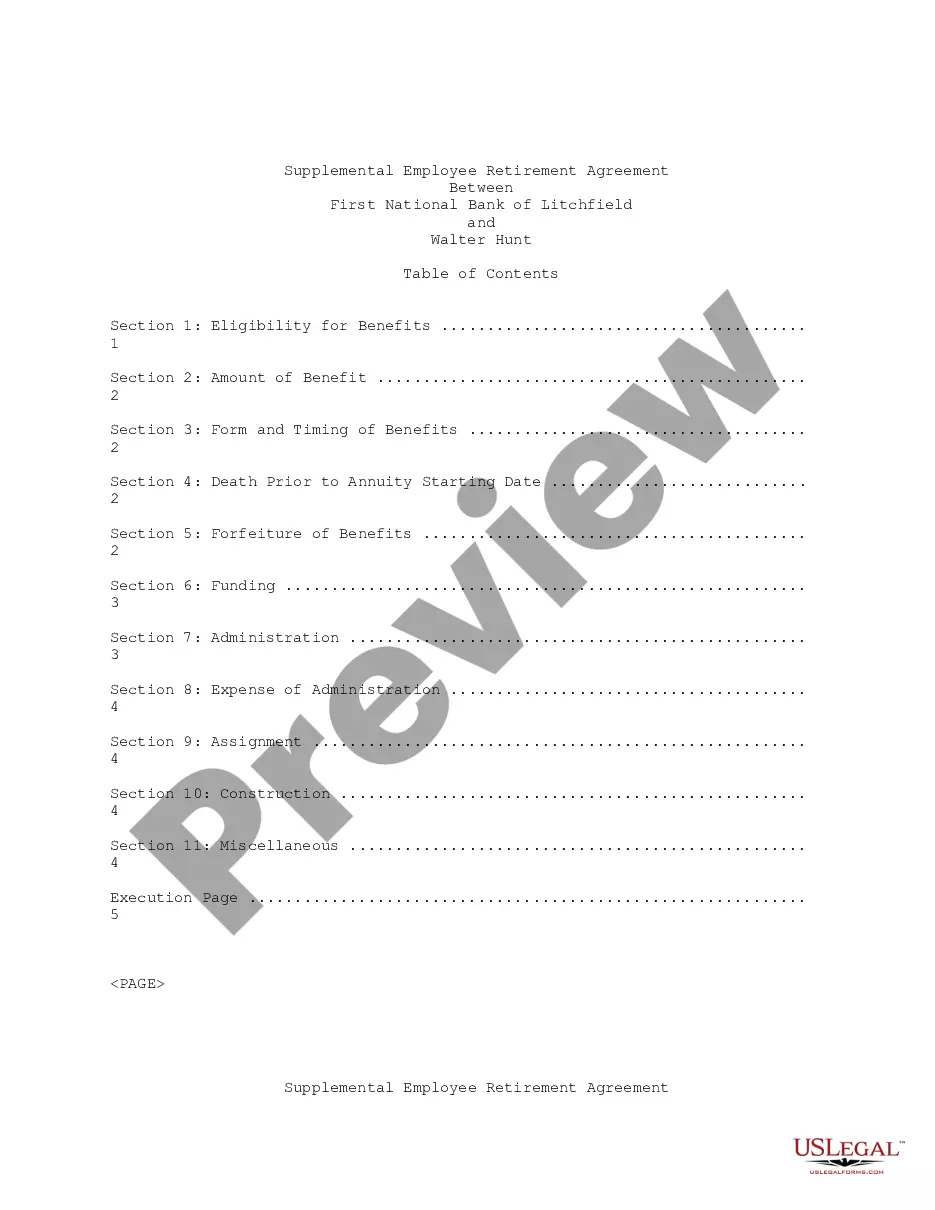
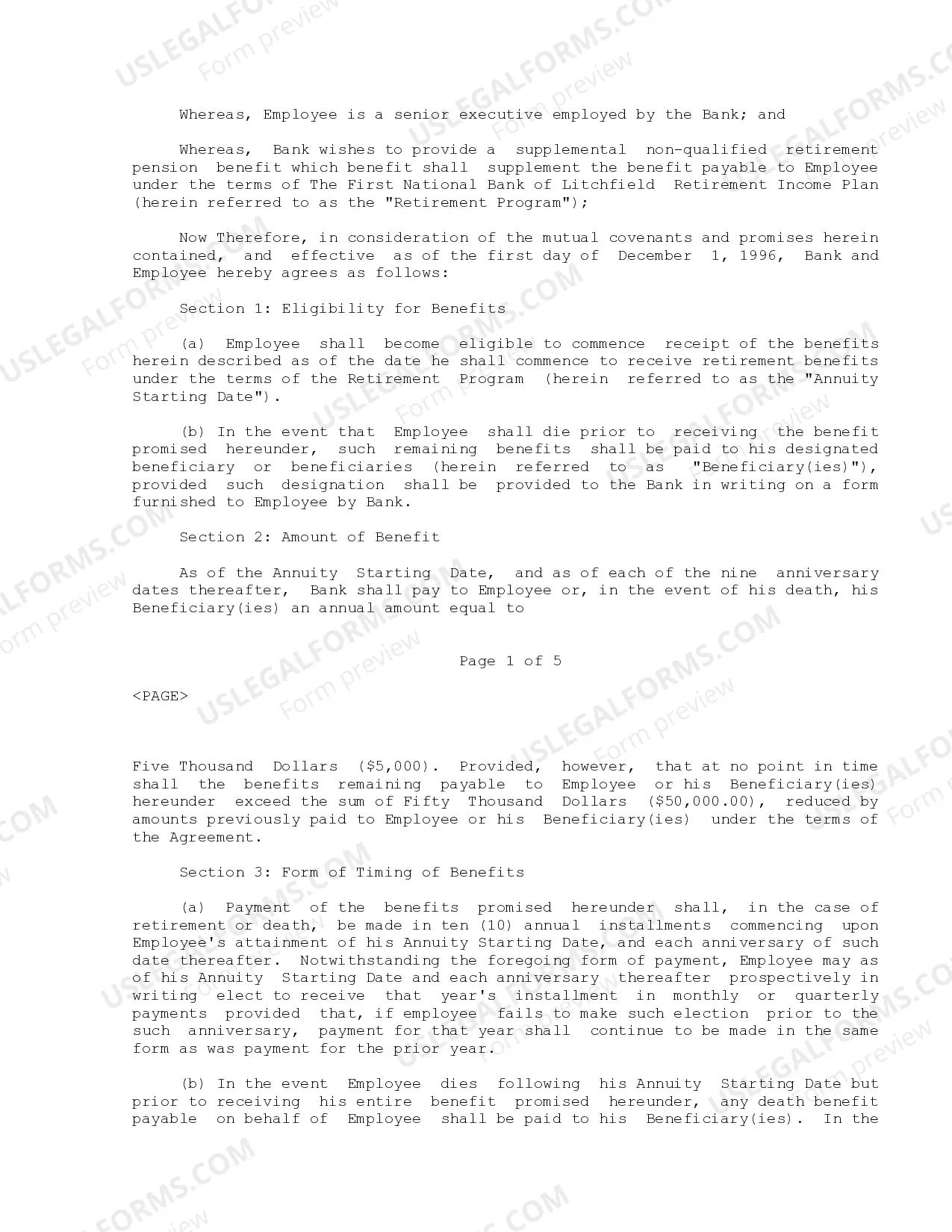
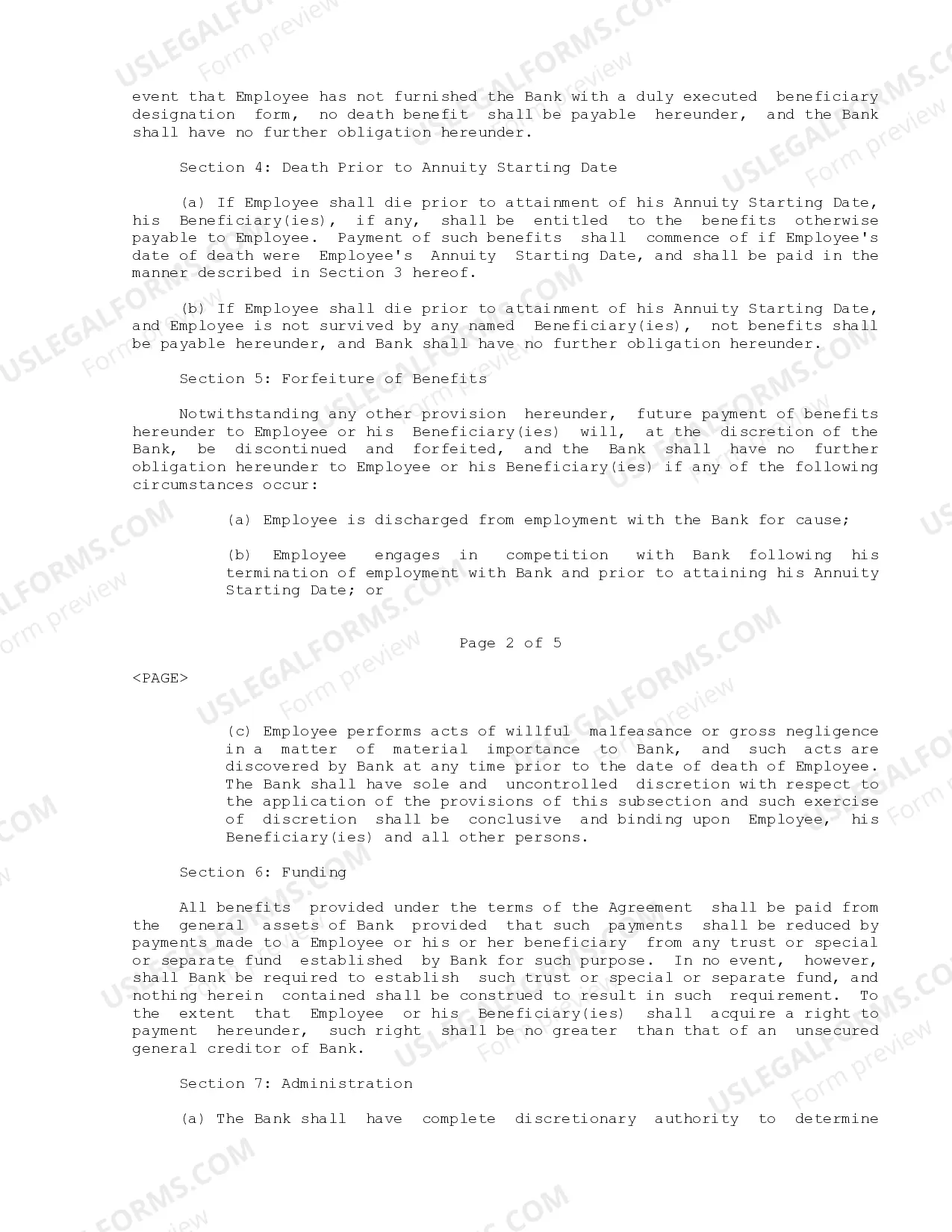
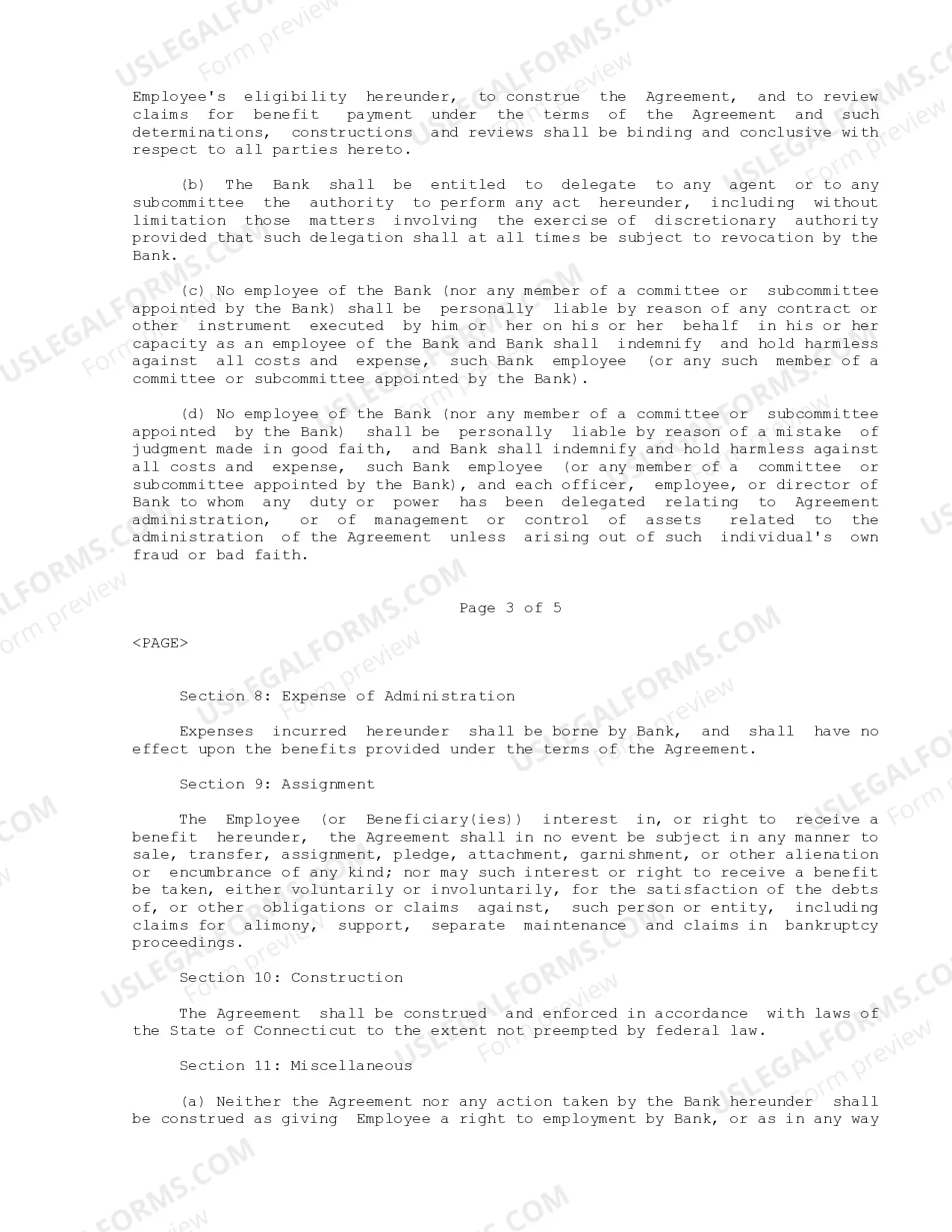

Get your form ready online
Our built-in tools help you complete, sign, share, and store your documents in one place.
Make edits, fill in missing information, and update formatting in US Legal Forms—just like you would in MS Word.
Download a copy, print it, send it by email, or mail it via USPS—whatever works best for your next step.
Sign and collect signatures with our SignNow integration. Send to multiple recipients, set reminders, and more. Go Premium to unlock E-Sign.
If this form requires notarization, complete it online through a secure video call—no need to meet a notary in person or wait for an appointment.
We protect your documents and personal data by following strict security and privacy standards.

Make edits, fill in missing information, and update formatting in US Legal Forms—just like you would in MS Word.

Download a copy, print it, send it by email, or mail it via USPS—whatever works best for your next step.

Sign and collect signatures with our SignNow integration. Send to multiple recipients, set reminders, and more. Go Premium to unlock E-Sign.

If this form requires notarization, complete it online through a secure video call—no need to meet a notary in person or wait for an appointment.

We protect your documents and personal data by following strict security and privacy standards.
Looking for another form?










How to fill out Employee Retirement Agreement?
- If you're an existing user, simply log in to your account and locate the required form template. Ensure your subscription is active or renew it if necessary.
- For first-time users, start by browsing our form library. Utilize the Preview mode and check the form description to confirm it meets your local jurisdiction needs.
- If you need a different template, use the Search bar to find the right document that aligns with your requirements.
- Once you’ve identified the correct document, click the Buy Now button. Choose your preferred subscription plan and create an account to unlock full access.
- Input your payment details via credit card or PayPal to finalize your purchase.
- Download your completed form and save it on your device. Access it anytime from the My Forms section in your profile.
Utilizing US Legal Forms not only streamlines your access to vital legal documents but also connects you with premium experts who can assist with form completion. This ensures your submissions are precise and legally sound.
Start your journey towards claiming your Employee Retention Credit by leveraging US Legal Forms today. Transform your legal documentation process with just a few clicks!
Form popularity
FAQ
The $26,000 employee retention credit refers to the maximum amount a business can claim for each eligible employee during the pandemic. This credit aims to incentivize companies to retain their workforce and stimulate economic recovery. By claiming this credit, businesses can reduce their tax liabilities and lower operational costs. Explore USLegalForms for support in maximizing your claim and understanding this credit further.
To qualify for the employee retention credit, you must have experienced a significant decline in business due to the pandemic. This is generally defined as a decrease in gross receipts compared to previous years. Additionally, you need to retain employees during this time, which helps your business recover. If you need guidance, USLegalForms can help you understand the requirements and navigate the application process.
You will receive your employee retention credit refund through the same method you use for your regular tax refunds. This typically involves a direct deposit to your bank account, which is both quick and secure. You can also opt for a paper check if you prefer that method. If you are unsure about the process, consider using platforms like USLegalForms for assistance with your application.
To record an Employee Retention Credit refund, you should create a detailed entry in your accounting system. Start by documenting the amount received and reflecting it in your income records properly. This will allow for accurate financial reporting and tax compliance. Using tools available on USLegalForms, you can find templates and guides to help you keep your records organized and clear.
Yes, there are worksheets available for calculating the Employee Retention Credit. These worksheets help you track employee wages, determine eligibility, and calculate the exact amount of credit you can claim. Utilizing these worksheets ensures that you maximize your credit while staying compliant with IRS regulations. For convenient access, USLegalForms includes helpful templates that can assist you throughout this calculation.
Filing for the Employee Retention Credit involves several straightforward steps. First, determine your eligibility based on the criteria set by the IRS. Then, calculate the credit amount and gather the required documentation. Finally, fill out and submit Form 941 or 943 as necessary, making sure to include your ERC claim. If you feel uncertain, our platform at USLegalForms provides detailed instructions and resources to simplify the process.
To show the Employee Retention Credit on your tax return, you typically report it using Form 941. This form is used to report payroll taxes and includes sections specific to the ERC. When completing your return, include the amount of the credit you qualify for, ensuring you attach any necessary documentation that supports your claim. If you need guidance, USLegalForms offers tools and templates to help you navigate this process.
The Employee Retention Credit (ERC) refund is not considered taxable income by the IRS. This means that while you may receive a refund from the credit, it won't increase your taxable income. It's important to keep proper records, as the IRS requires accurate reporting of your ERC credits on your tax return. To ensure compliance, you might want to consult a tax professional or use our resources on USLegalForms.
Eligibility for the Employee Retention Credit includes businesses that faced revenue declines or were impacted by pandemic-related restrictions. Both small and large businesses can qualify under certain conditions. If you’re unsure about your eligibility, consider using platforms like US Legal Forms to simplify the application process.
The Employee Retention Credit offers a significant benefit of up to $7,000 per eligible employee per quarter. This amount varies based on factors like the period of eligibility and the reduction in business revenue. Staying informed about the current limits can help you maximize this credit.