Limited Liabiluty
Description

Get your form ready online
Our built-in tools help you complete, sign, share, and store your documents in one place.
Make edits, fill in missing information, and update formatting in US Legal Forms—just like you would in MS Word.
Download a copy, print it, send it by email, or mail it via USPS—whatever works best for your next step.
Sign and collect signatures with our SignNow integration. Send to multiple recipients, set reminders, and more. Go Premium to unlock E-Sign.
If this form requires notarization, complete it online through a secure video call—no need to meet a notary in person or wait for an appointment.
We protect your documents and personal data by following strict security and privacy standards.

Make edits, fill in missing information, and update formatting in US Legal Forms—just like you would in MS Word.

Download a copy, print it, send it by email, or mail it via USPS—whatever works best for your next step.

Sign and collect signatures with our SignNow integration. Send to multiple recipients, set reminders, and more. Go Premium to unlock E-Sign.

If this form requires notarization, complete it online through a secure video call—no need to meet a notary in person or wait for an appointment.

We protect your documents and personal data by following strict security and privacy standards.
Looking for another form?
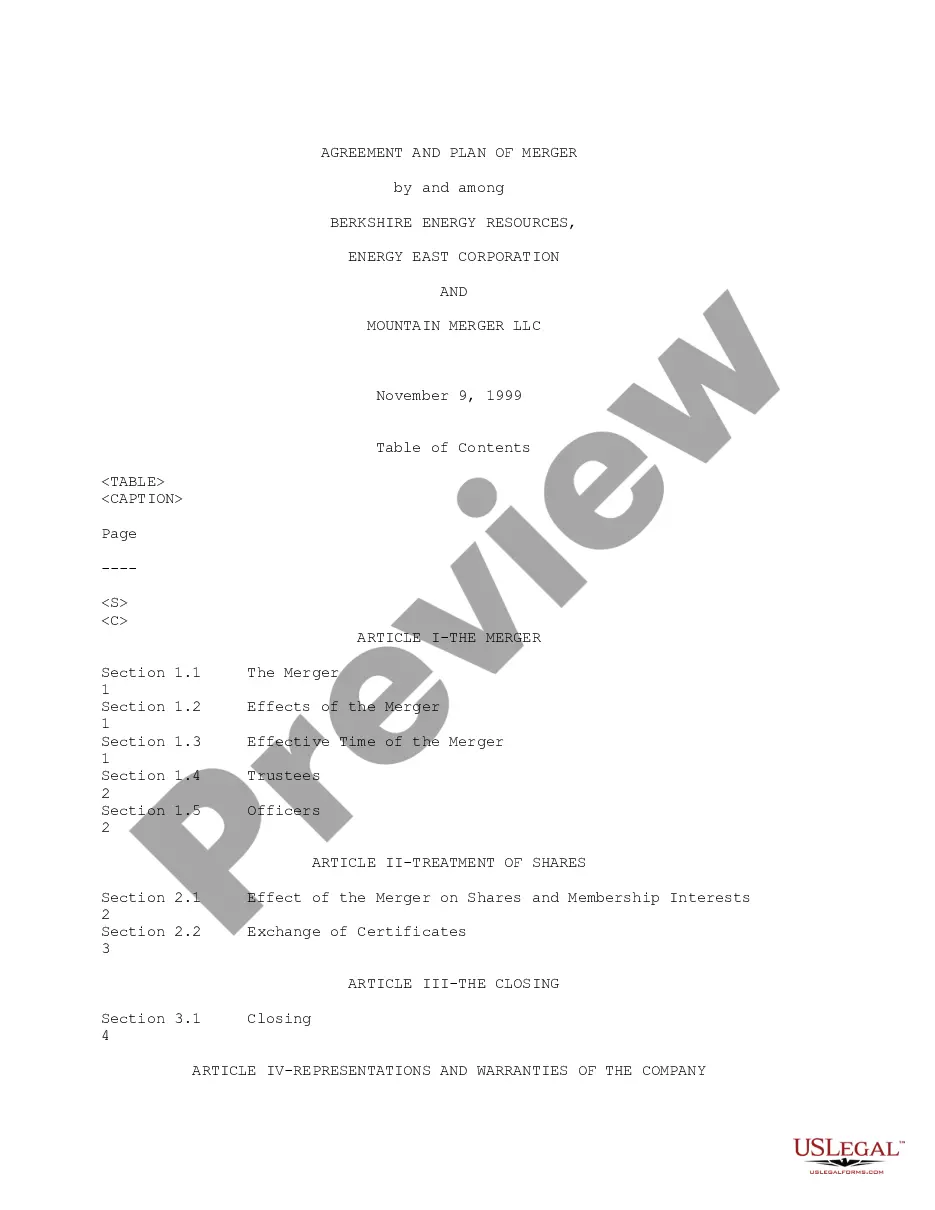
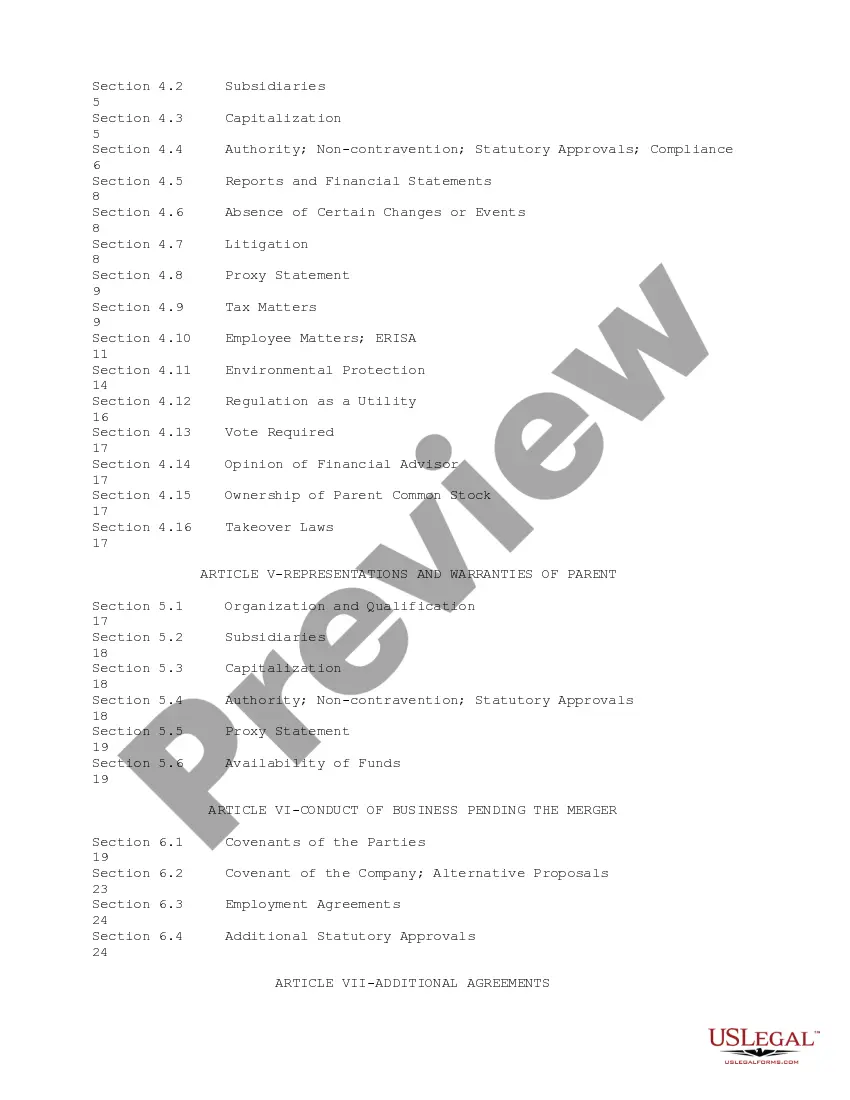
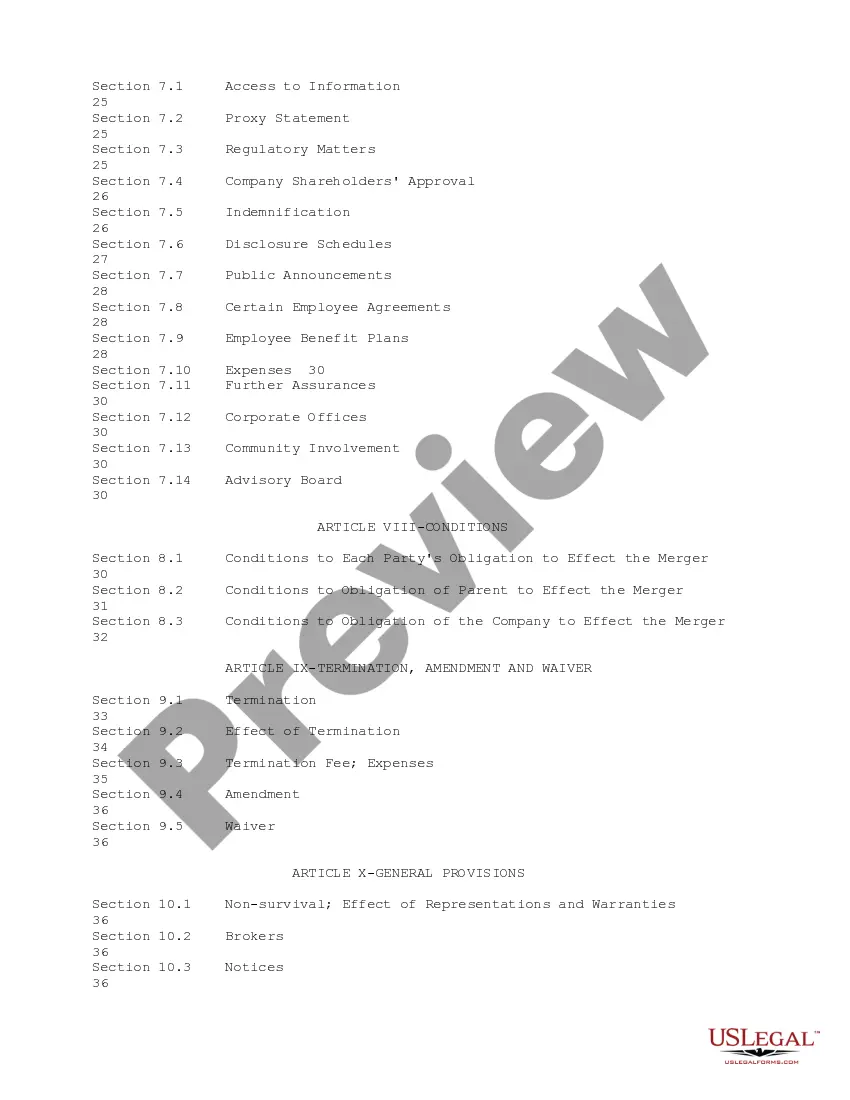
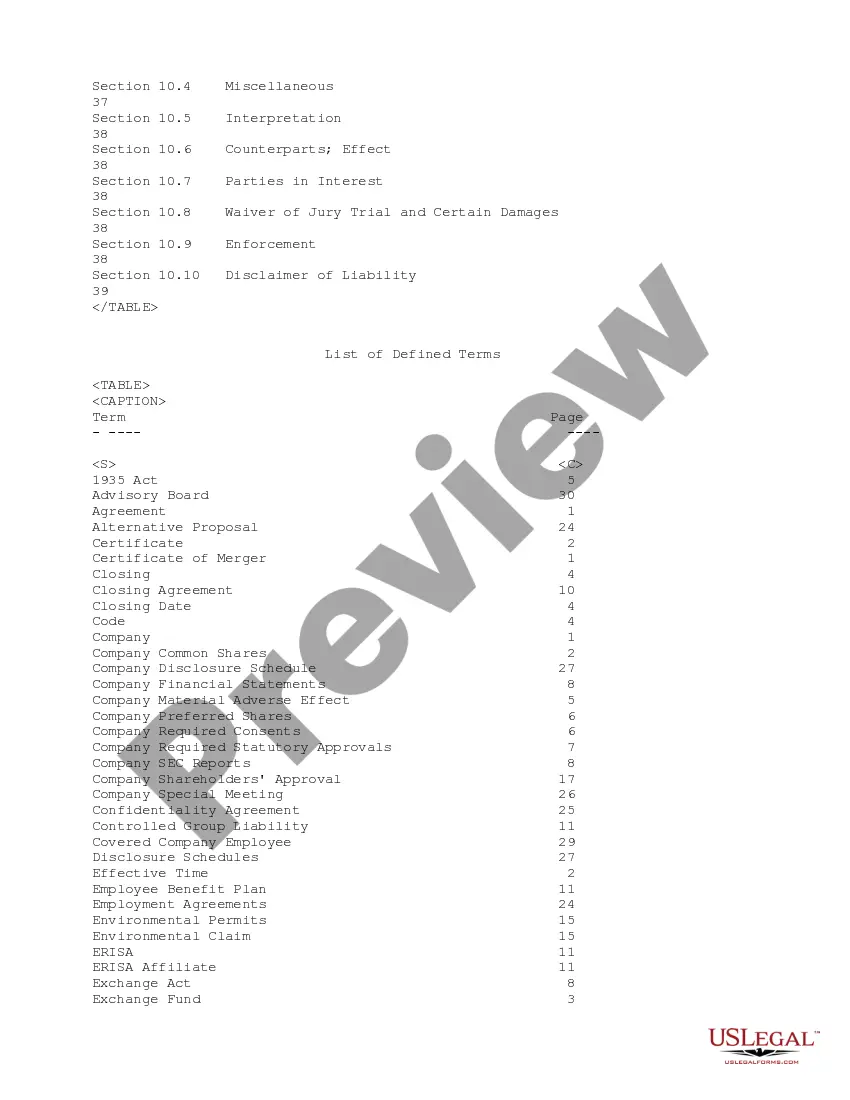
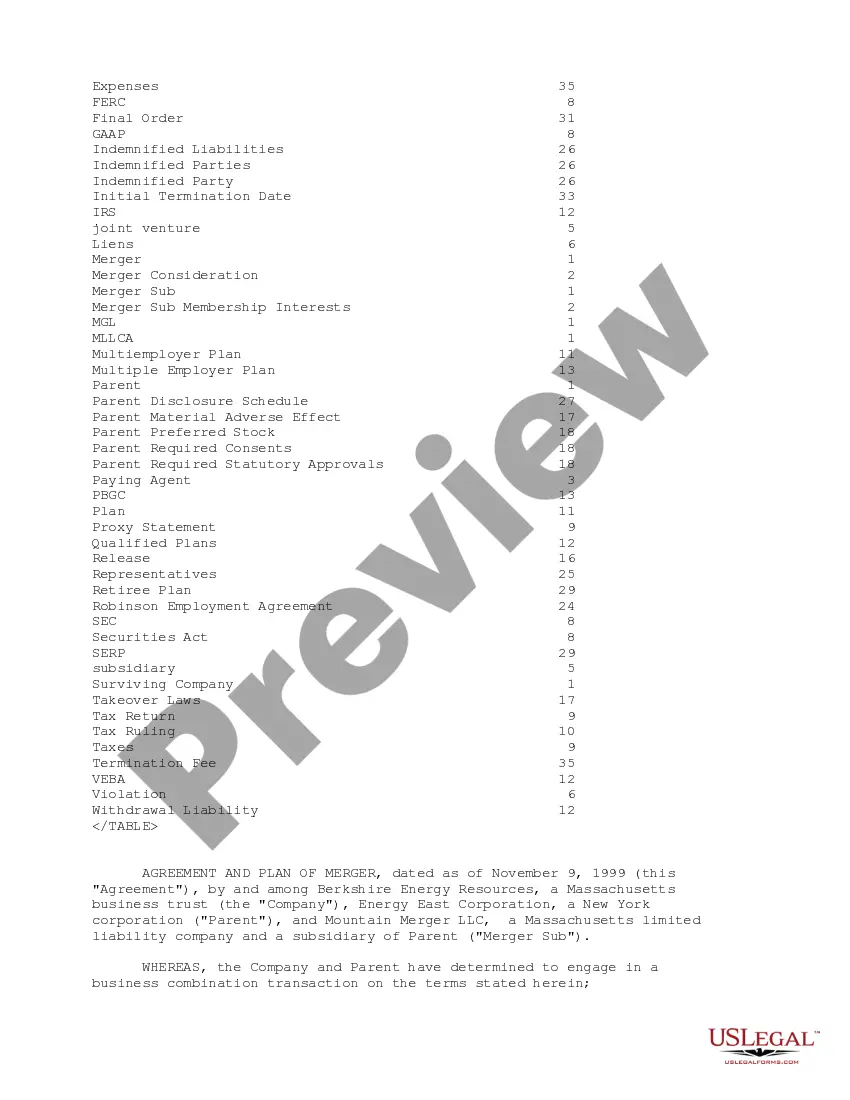
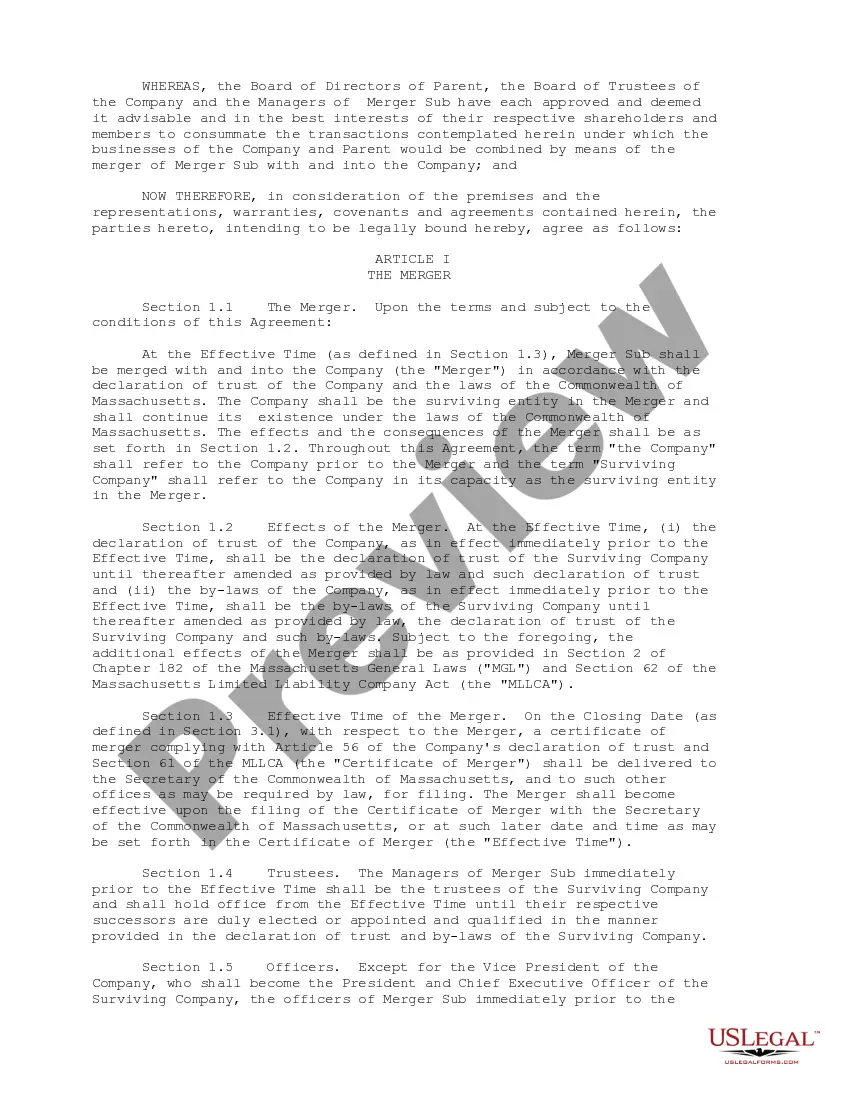
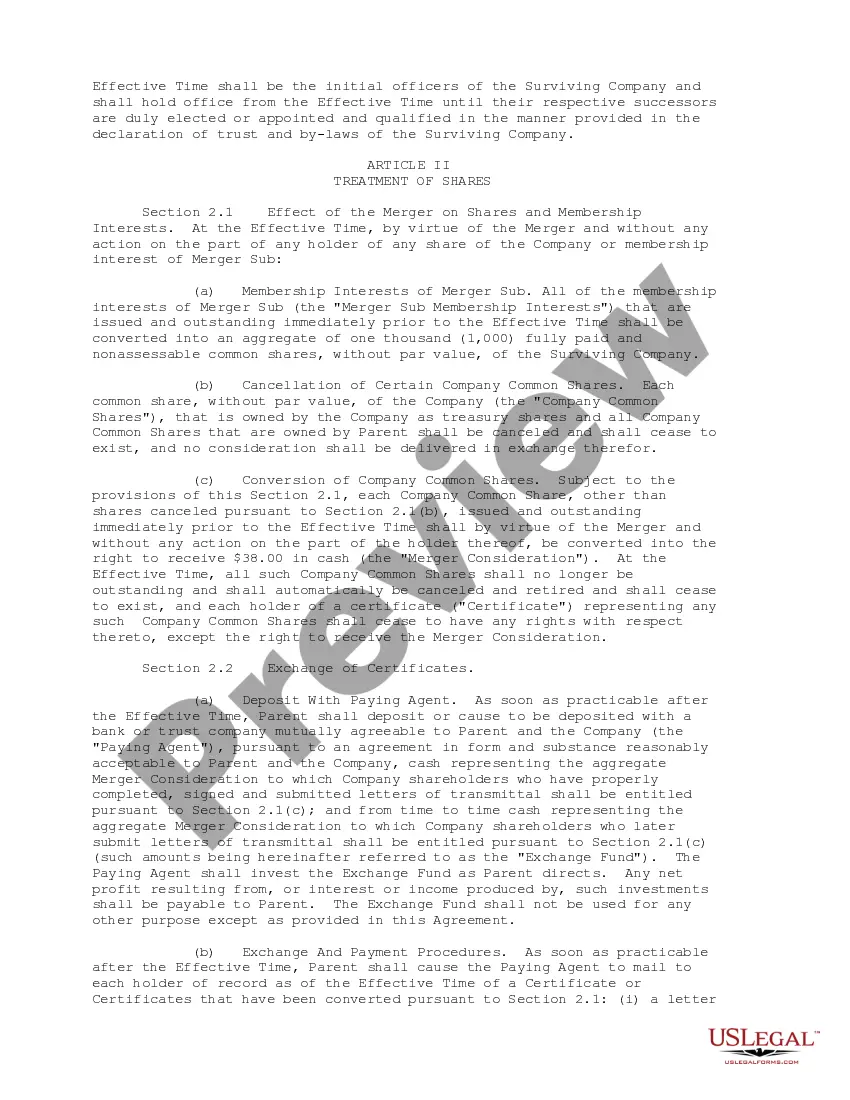
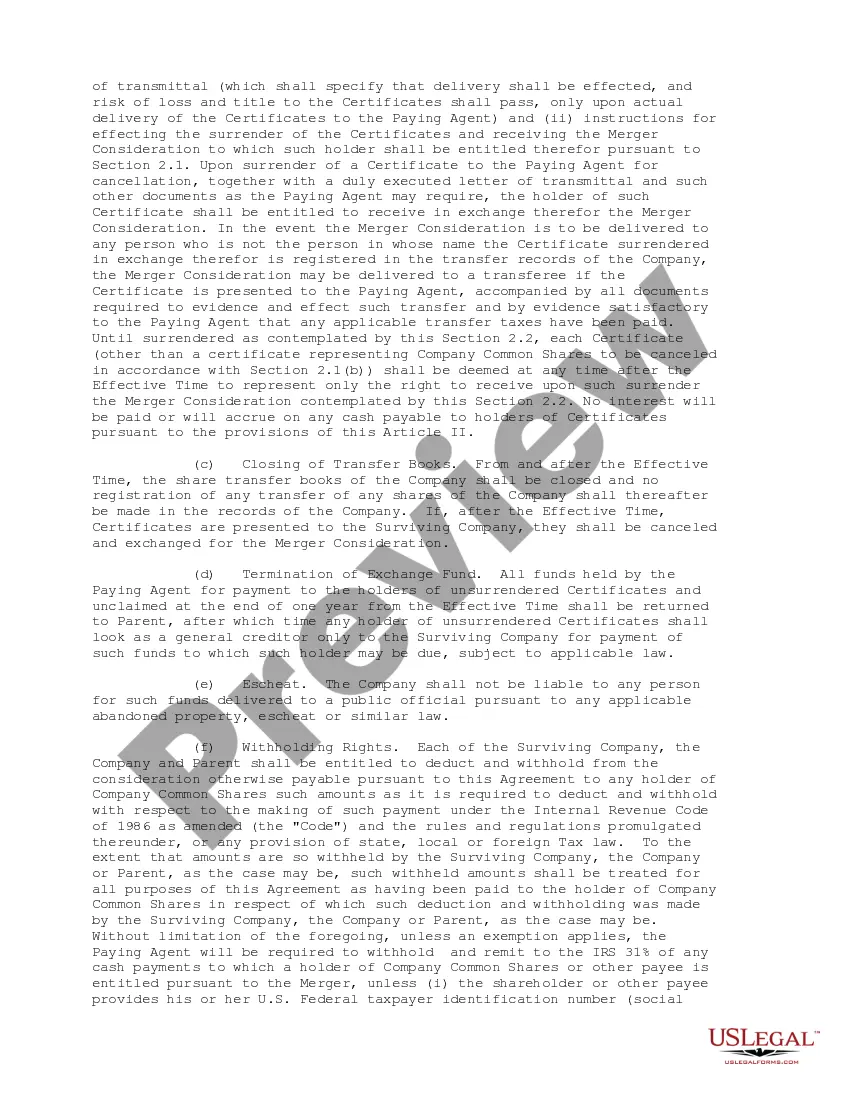
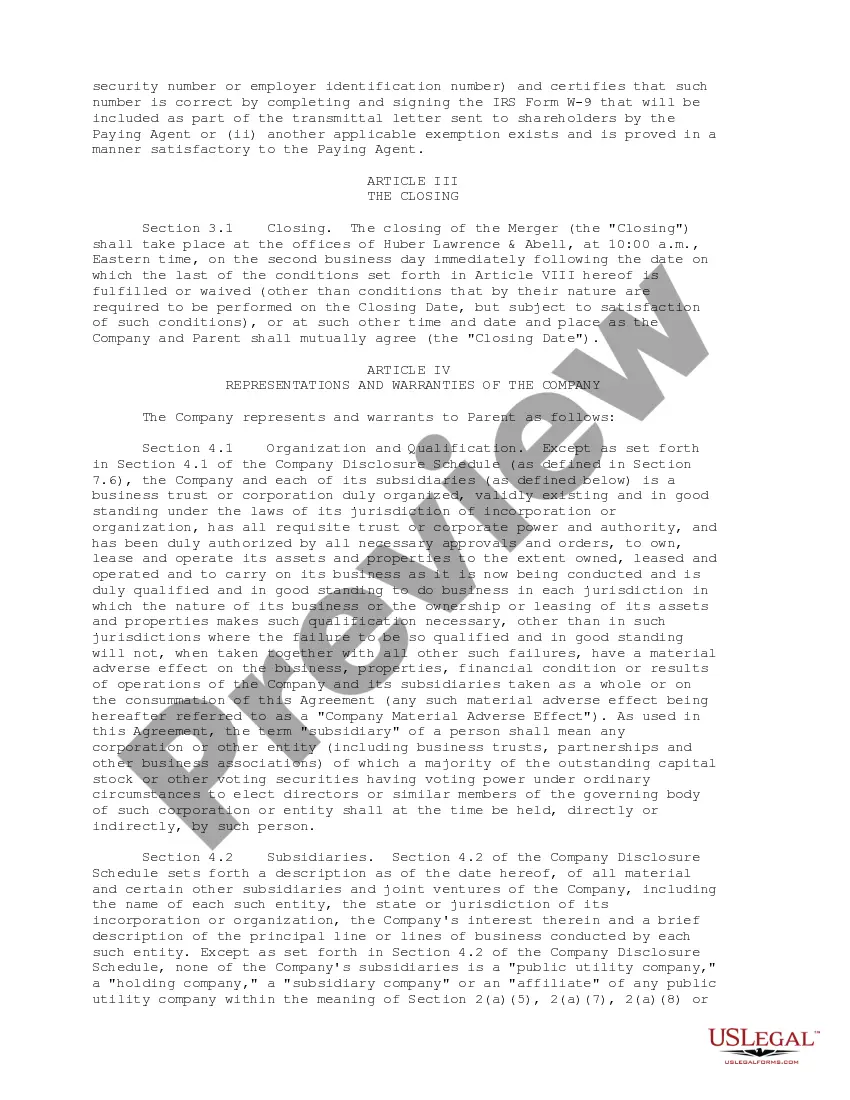
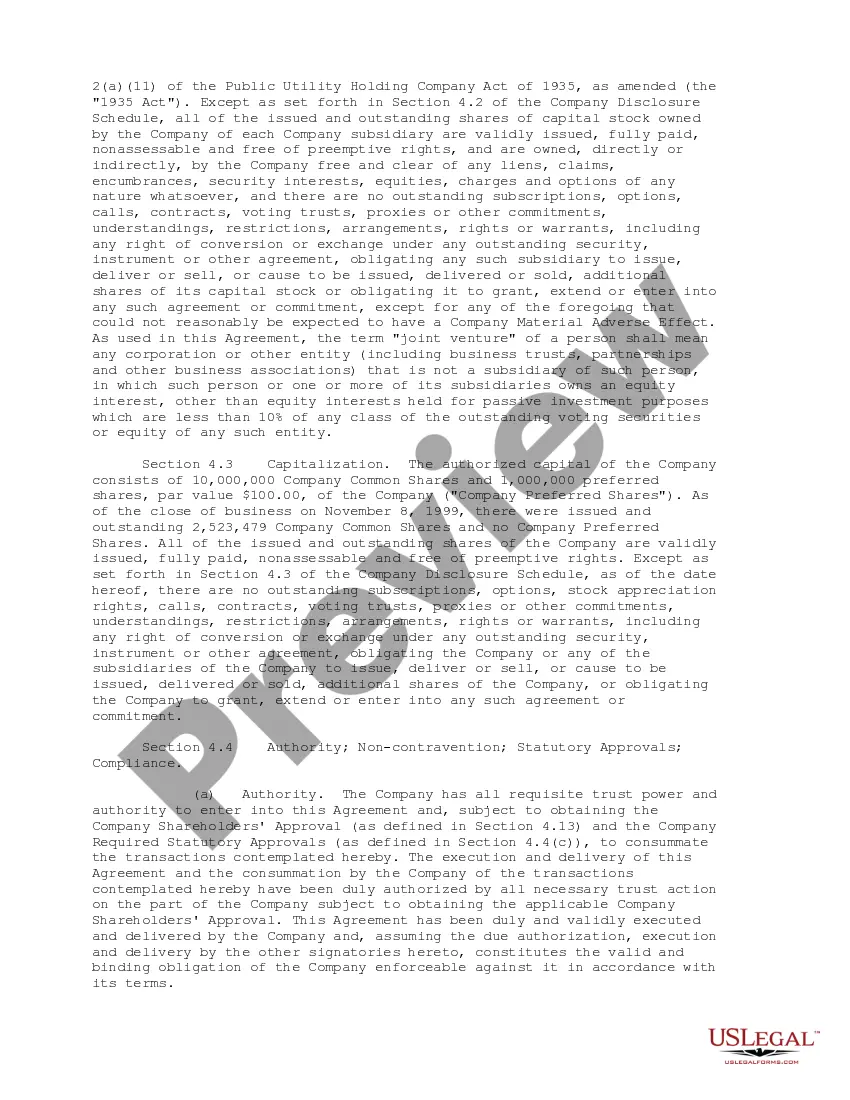
How to fill out Plan Of Merger Between Berkshire Energy Resources, Energy East Corporation And Mountain Merger, LLC?
- Log in to your US Legal Forms account. If you're a new user, register to create your account.
- Browse the extensive library. Utilize the search feature to find limited liability templates that meet your specific needs.
- Review the form description in Preview mode. Confirm that the selected document adheres to your local jurisdiction requirements.
- Select the appropriate template. If needed, look for alternative forms through the search tool provided.
- Purchase the document. Click on the Buy Now button and choose a subscription plan that aligns with your needs.
- Proceed to payment. Enter your payment details, whether by credit card or PayPal, to finalize your subscription.
- Download the document. Save it to your device and you can access it anytime via the My Forms menu in your profile.
By following these straightforward steps, you'll be equipped to protect your business with limited liability documents tailored to your needs. US Legal Forms empowers users with a vast selection of over 85,000 fillable legal templates along with expert assistance.
Don’t wait any longer—visit US Legal Forms today and secure your legal documents efficiently.
Form popularity
FAQ
Limited liability and unlimited liability represent two different frameworks for personal financial responsibility in a business context. Limited liability protects owners’ personal assets from business debts, while unlimited liability means that owners are personally responsible for all business debts, risking personal assets. Most entrepreneurs prefer limited liability structures for their financial protection. If you are considering a business venture, understanding these distinctions is key to making informed choices.
Yes, having limited liability is generally advantageous for business owners. It minimizes personal risk, allowing you to focus on growing your business without the fear of losing personal property. By limiting your liability, you can attract investors, as they feel more secure knowing their investments are protected. Overall, this structure supports a healthier business environment, fostering innovation and growth.
Limited liability insurance is designed to protect business owners from personal financial loss due to lawsuits or debts incurred by their business. This insurance ensures that the owner's personal assets are safeguarded against claims made against the business. By opting for limited liability insurance, you can reinforce your business’s resilience against unexpected legal challenges. This further enhances the benefits of limited liability, giving you added security.
Limited liability for all owners means that each owner is only responsible for the company's debts up to their investment amount. It protects all owners from personal loss beyond their initial investment, thus promoting a safer business environment. This structure is beneficial in partnerships and corporations where multiple individuals are involved. With limited liability, all owners can confidently participate in business decisions without jeopardizing personal assets.
Limited liability allows business owners to protect their personal assets from business debts. For example, if a corporation faces financial trouble, creditors cannot pursue the owner's personal property to satisfy business debts. This feature encourages entrepreneurship, as it reduces the financial risk for owners. By choosing limited liability structures, you can enjoy peace of mind while growing your business.
The limited liabilities of an LLC protect the owners' personal assets from business debts and claims. This means that in most cases, creditors cannot pursue your personal property to settle business liabilities. Additionally, LLCs often benefit from flexible tax options, which can lead to savings. To understand more about these protections and benefits, consider using resources from US Legal Forms.
An example of writing an LLC would be 'Green Thumb Gardening LLC' where 'Green Thumb Gardening' is the business name and 'LLC' indicates its limited liability status. This format communicates professionalism and legal structure. By clearly presenting your name and structure, you reinforce your business's credibility. US Legal Forms can provide examples and templates to simplify this process.
The correct way to write LLC is to ensure the abbreviation follows the full business name. For instance, if your business is called 'Tech Innovations,' it should appear as 'Tech Innovations LLC.' This format helps establish your limited liability status and protects your personal assets. You can find helpful resources on US Legal Forms to assist you in the proper formatting.
When writing a limited liability company, use the complete name of your business followed by "LLC" to signify its structure. Make sure to adhere to your state’s naming requirements, which may include specific words and formats. Always include the term 'limited liability' in your business documentation for clarity. Consider checking US Legal Forms for templates that meet legal standards.
Starting a Limited Liability Company involves various costs that may include state filing fees, publication fees, and legal assistance if needed. You should expect to spend around $100 to $1,000, depending on your state and your specific requirements. It is also wise to factor in costs for registering your business name, obtaining necessary permits, and any professional fees you choose to incur. Platforms such as US Legal Forms can guide you through these start-up costs, offering resources that make the process clearer.