Stock Options Explained
Description
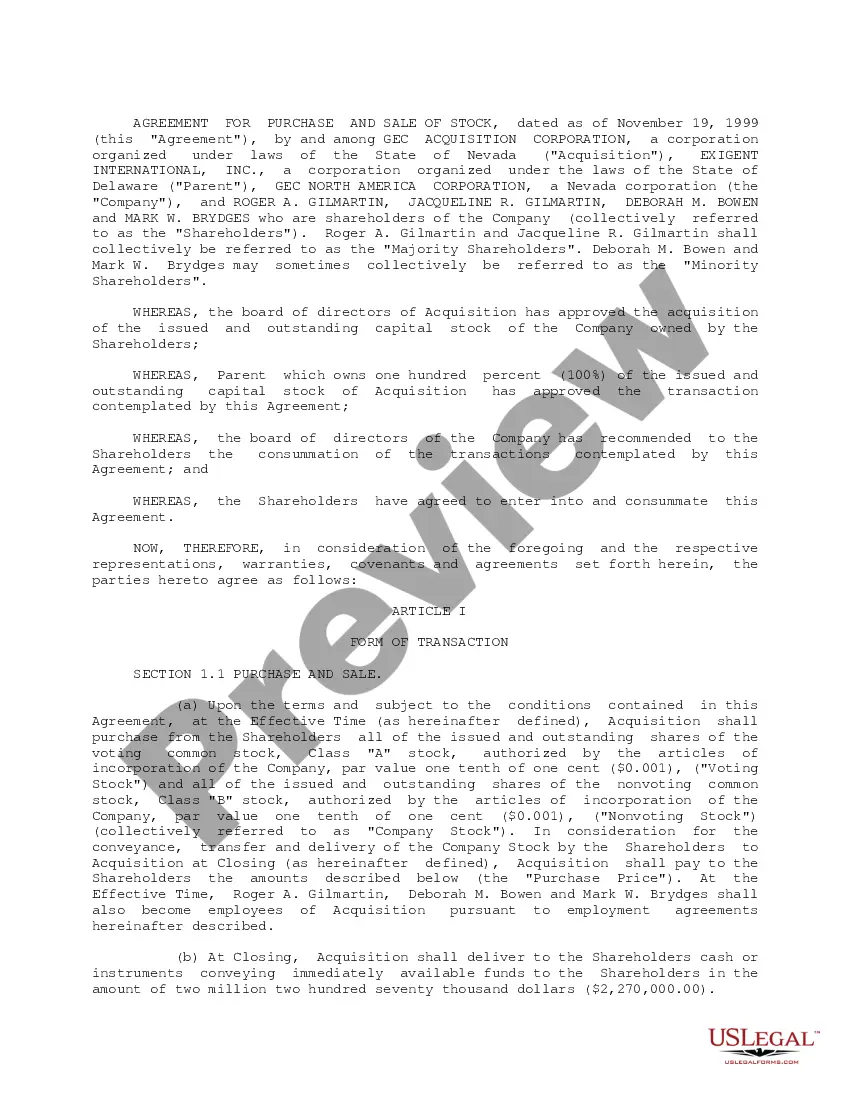
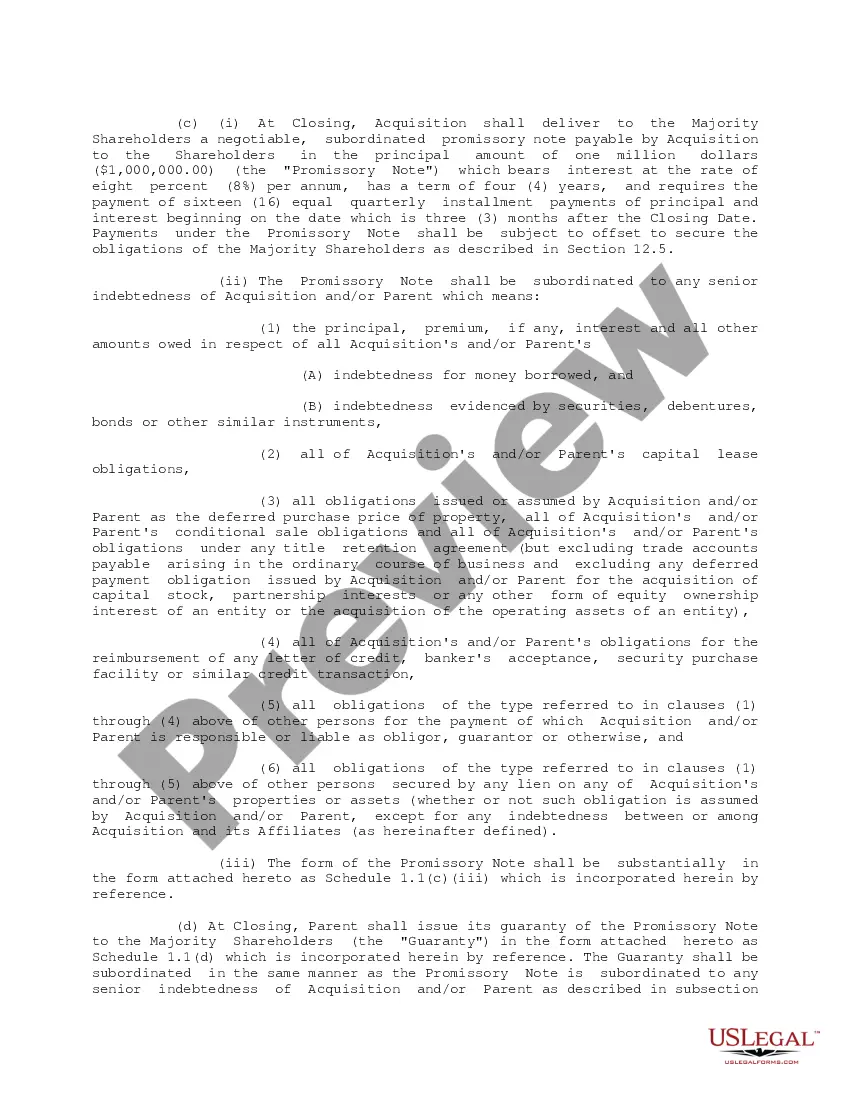
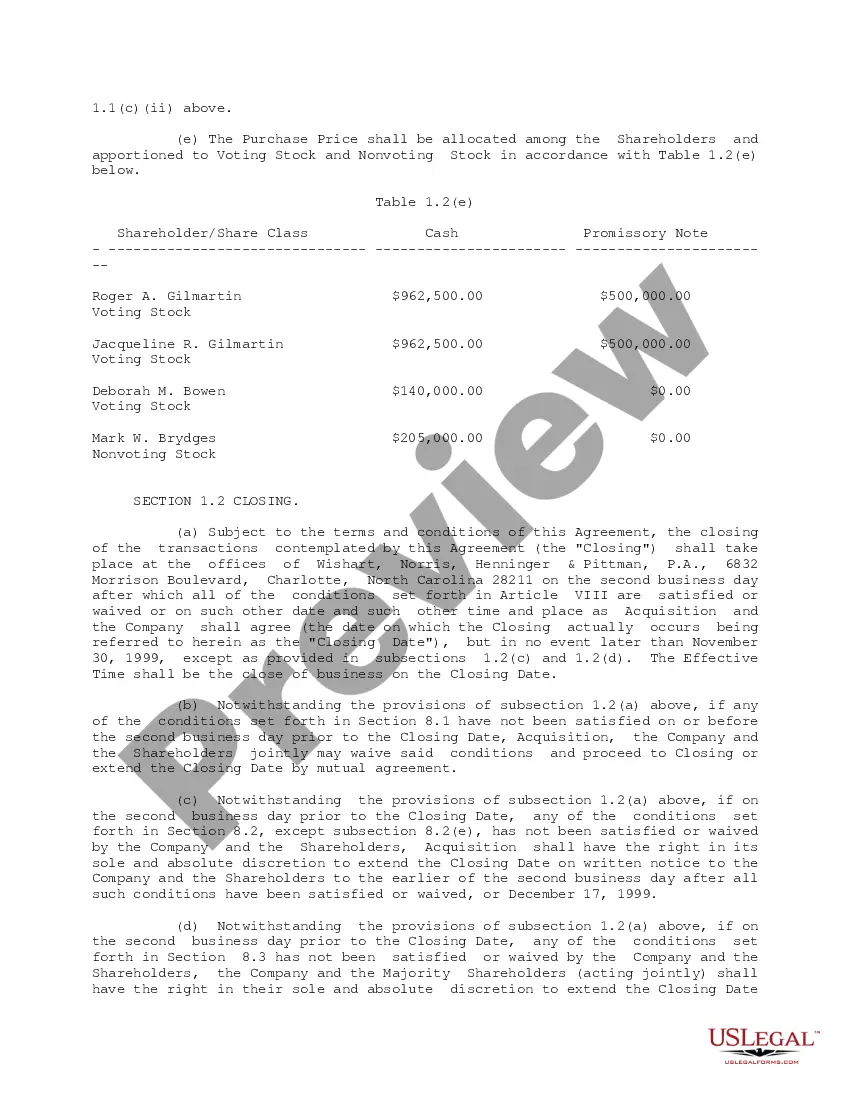
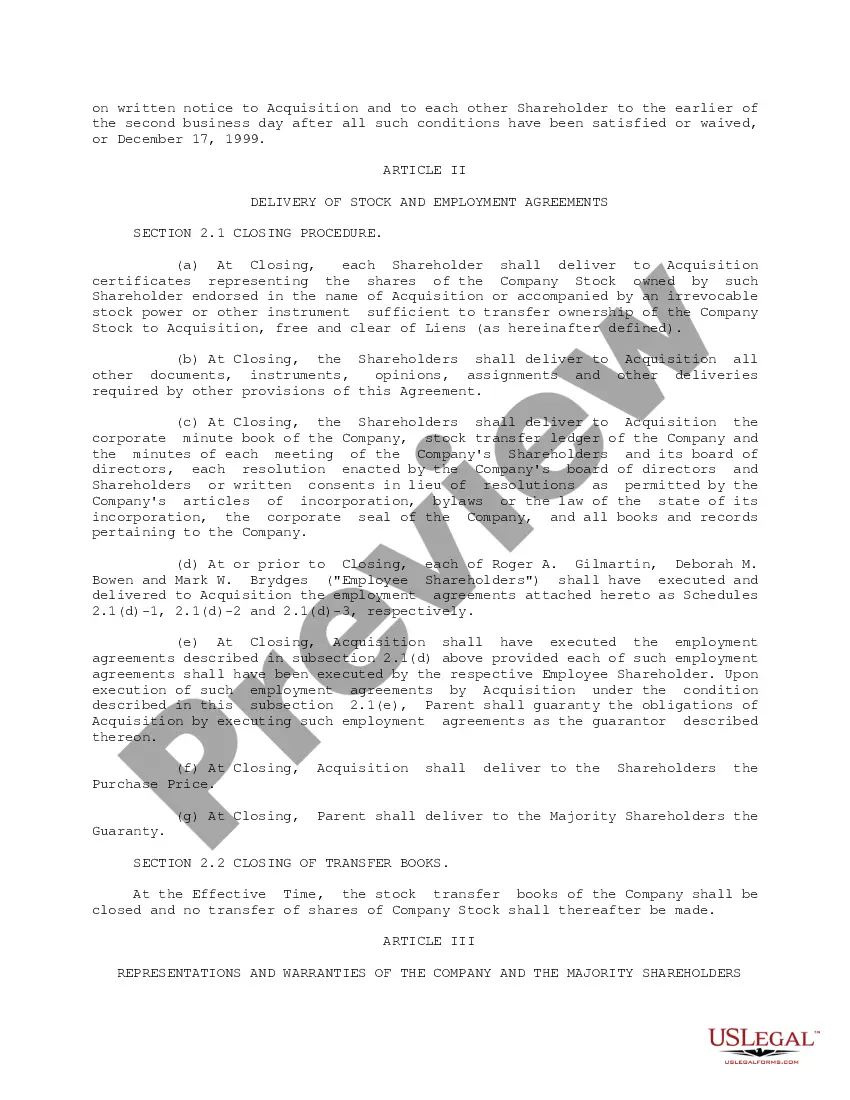
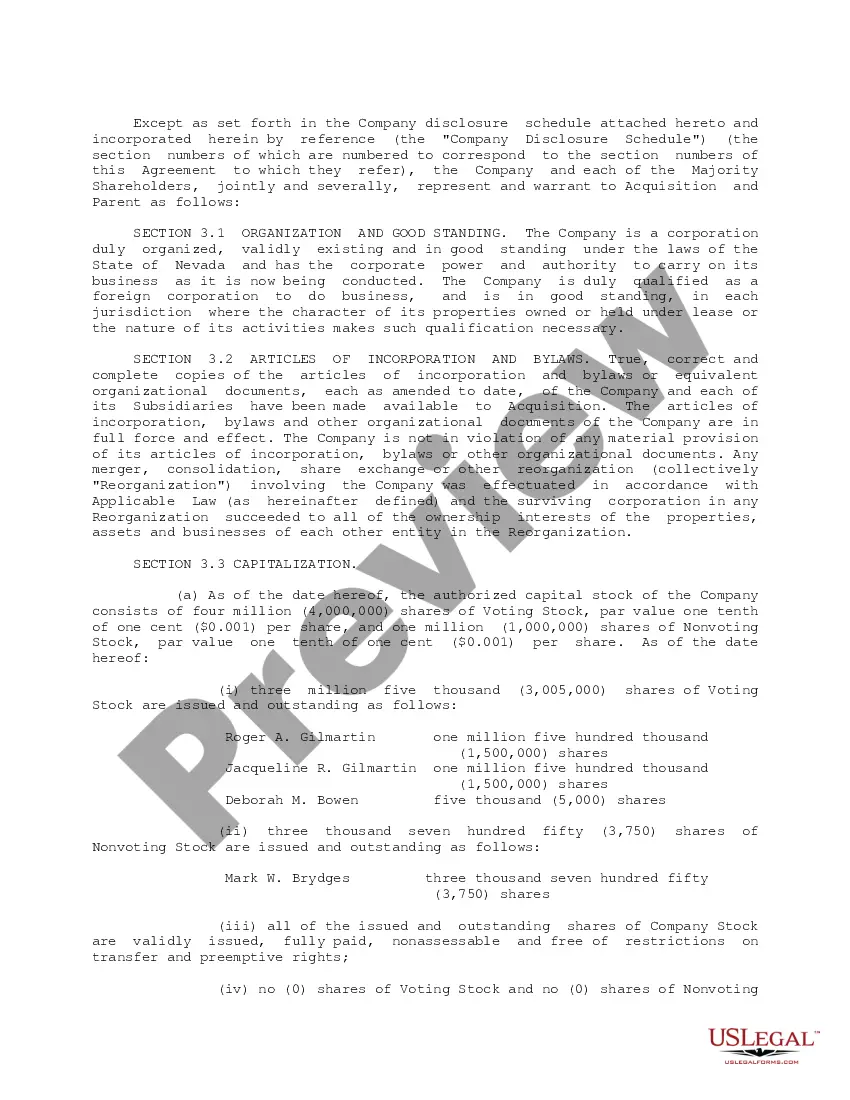
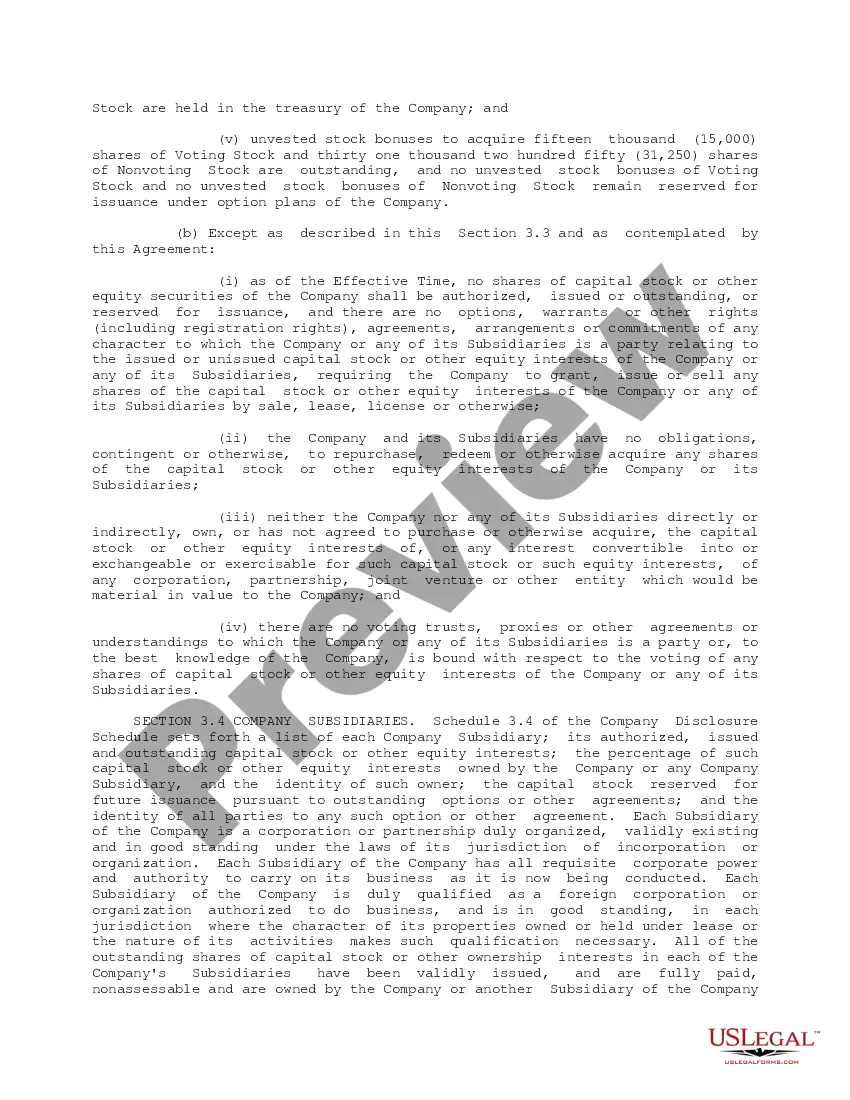

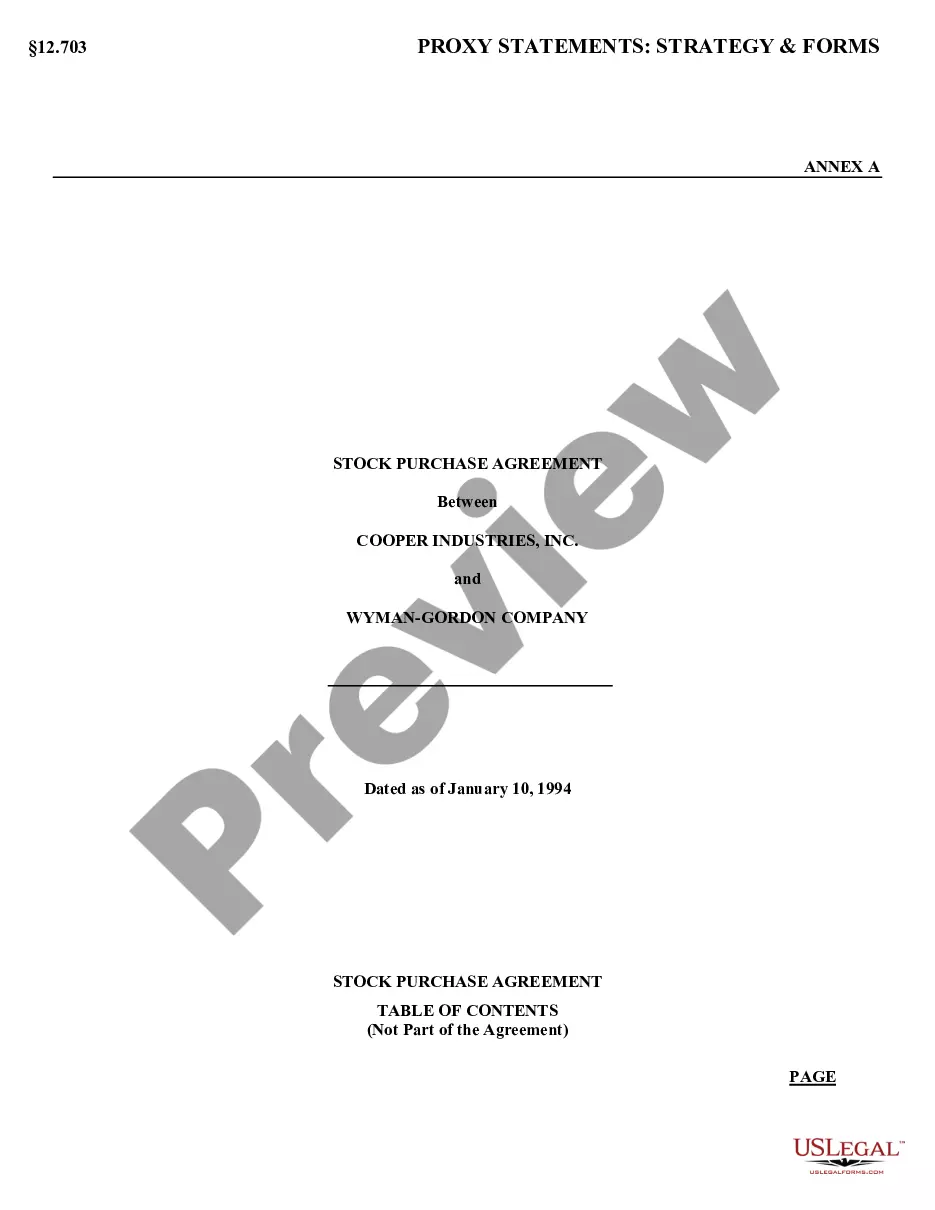
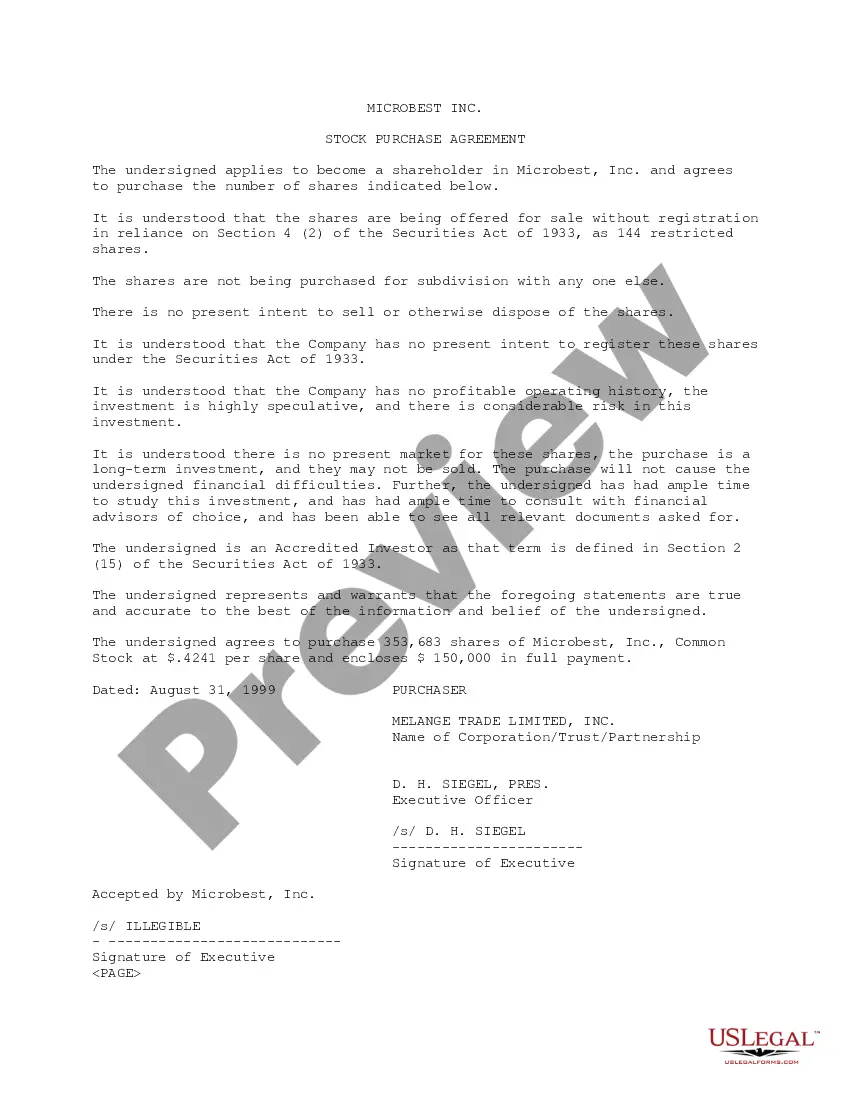

Get your form ready online
Our built-in tools help you complete, sign, share, and store your documents in one place.
Make edits, fill in missing information, and update formatting in US Legal Forms—just like you would in MS Word.
Download a copy, print it, send it by email, or mail it via USPS—whatever works best for your next step.
Sign and collect signatures with our SignNow integration. Send to multiple recipients, set reminders, and more. Go Premium to unlock E-Sign.
If this form requires notarization, complete it online through a secure video call—no need to meet a notary in person or wait for an appointment.
We protect your documents and personal data by following strict security and privacy standards.

Make edits, fill in missing information, and update formatting in US Legal Forms—just like you would in MS Word.

Download a copy, print it, send it by email, or mail it via USPS—whatever works best for your next step.

Sign and collect signatures with our SignNow integration. Send to multiple recipients, set reminders, and more. Go Premium to unlock E-Sign.

If this form requires notarization, complete it online through a secure video call—no need to meet a notary in person or wait for an appointment.

We protect your documents and personal data by following strict security and privacy standards.
Looking for another form?

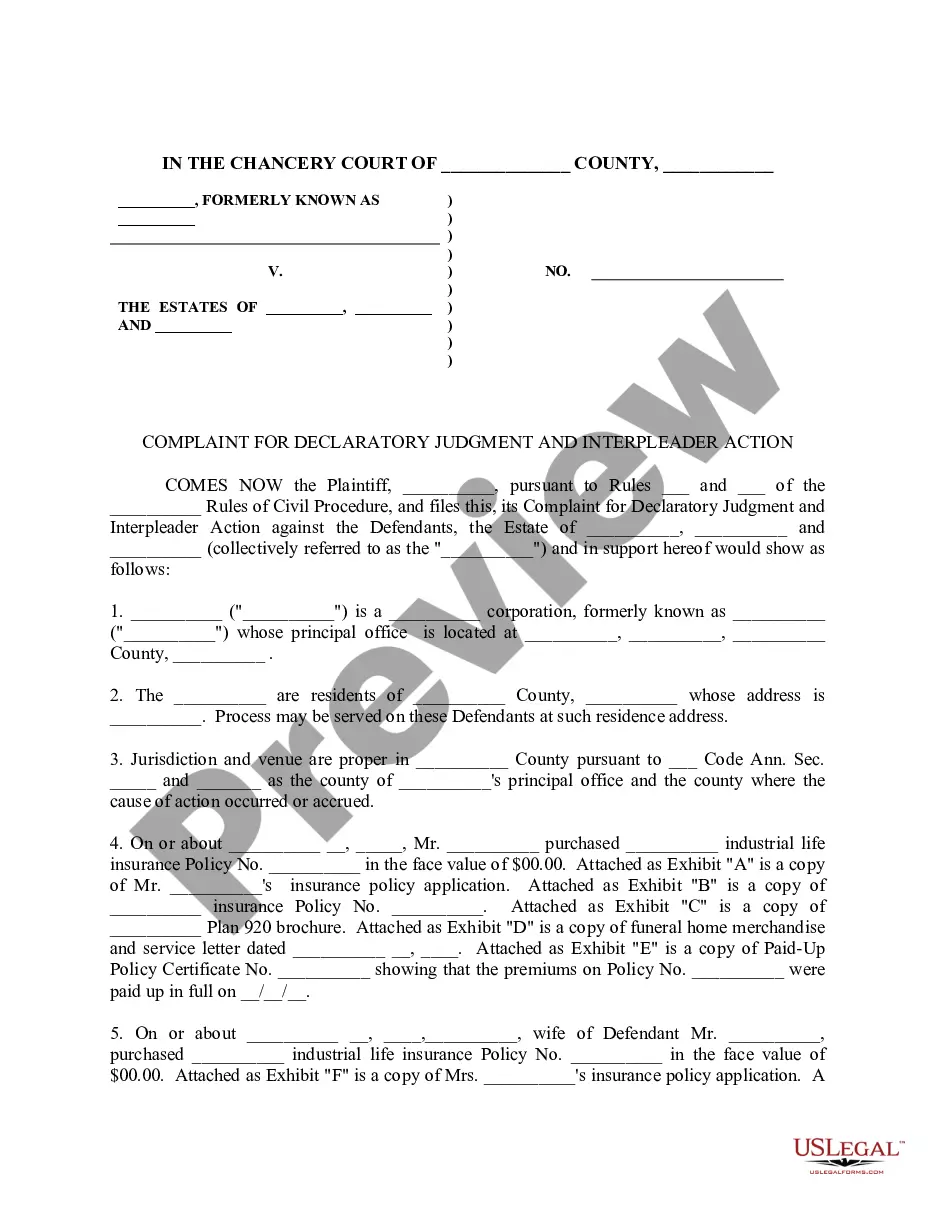



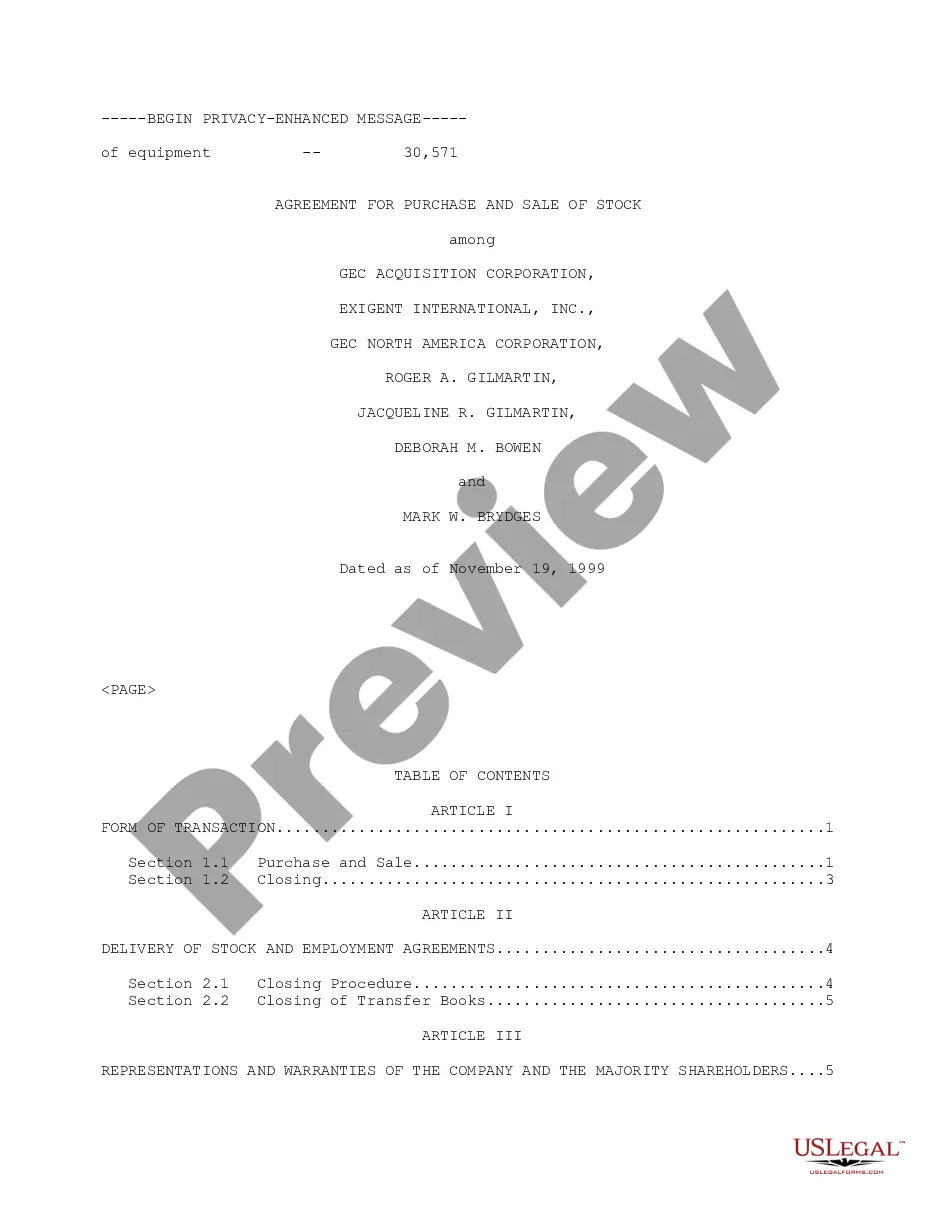
How to fill out Sample Purchase And Sale Agreement Purchase And Sale Of Stock Between GEC Acquisition Corp., Exigent International, Inc., GEC North America Corp.?
- Log into your account if you have previously used US Legal Forms. Ensure that your subscription is active; renew as necessary to avoid interruptions.
- Preview your selected form to confirm it meets your needs and complies with local jurisdiction requirements.
- If you don't find the right form, use the Search feature at the top to locate an alternative template that suits your requirements.
- Once you've identified the correct form, proceed to purchase it by clicking the Buy Now button and selecting a subscription plan.
- Complete your transaction by providing your payment details, either via credit card or PayPal.
- Download your form to your device for easy access. You can retrieve it anytime from the My Forms section in your profile.
By leveraging the resources available on US Legal Forms, you ensure that the documents you create are both precise and legally sound. The extensive library offers over 85,000 editable forms tailored to various legal needs.
Start your journey today by visiting US Legal Forms and gain access to the tools that can simplify your legal document needs.
Form popularity
FAQ
The 100,000 incentive stock option limit is a key element in stock options explained, particularly for those interested in tax benefits. Under IRS guidelines, this limit dictates the maximum fair market value of stock options granted that can qualify for favorable tax treatment when exercised in a single year. Recognizing this limit helps employees maximize their financial benefit while remaining compliant with tax regulations.
The rule of 100,000 is often discussed in the context of stock options explained, and it refers to the maximum limit of incentive stock options that can be granted to an employee. This means that only up to $100,000 worth of options can be exercised at a preferential tax rate within any given calendar year. Being aware of this rule is essential for both employees and employers in planning equity compensation.
The $100,000 rule of code 422 D is important in stock options explained, as it relates to specific federal tax regulations governing incentive stock options. Essentially, it limits the amount of stock options that can qualify for favorable tax treatment to $100,000 per employee in a single year. This rule helps ensure that employees do not receive excessive tax benefits from their stock options.
Whether it is a good idea to buy options depends on your knowledge of the market and your risk tolerance. Stock options explained can help you understand how they work and the factors that influence their value. Engaging with options can enhance your investment portfolio, but it requires careful research and planning. Using platforms like uslegalforms can provide the guidance needed to make informed choices.
Determining whether it is worth buying stock options often hinges on your investment strategy and market outlook. Stock options explained indicate that they can offer significant rewards, especially in volatile markets. However, they may not be suitable for every investor, as the potential for loss exists. We recommend consulting resources, like those available on uslegalforms, to assess your options effectively.
You do not count stock options as income until they are exercised and sold. When you exercise stock options, any resulting gains must be reported as income. Understanding how stock options interact with your income can be confusing. Relying on resources like stock options explained can clarify your obligations and help you make smart financial choices.
The $100,000 rule refers to the limit on the amount of stock options that can qualify for favorable tax treatment in a given year. When your options exceed this limit, they may not receive the same tax advantages. This aspect of stock options explained is vital for employees to understand, as it can affect their financial planning significantly. Staying informed allows you to better manage your stock options.
Owning stocks does not automatically count as income for tax purposes. However, when you sell stocks for a profit, that gain is considered taxable income. It is important to understand how profits from stock sales are reported on your tax return. Stock options explained can help you manage your investments wisely.