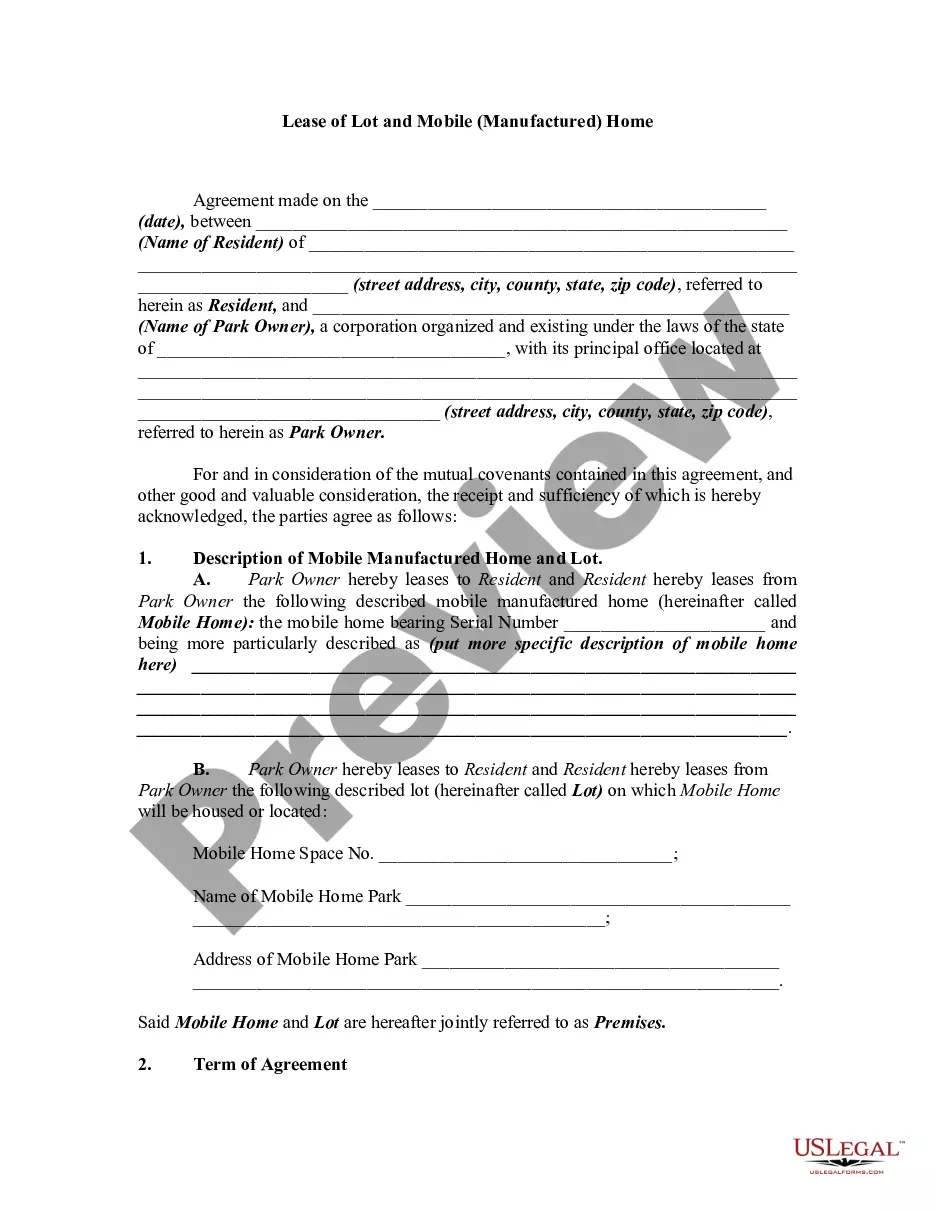
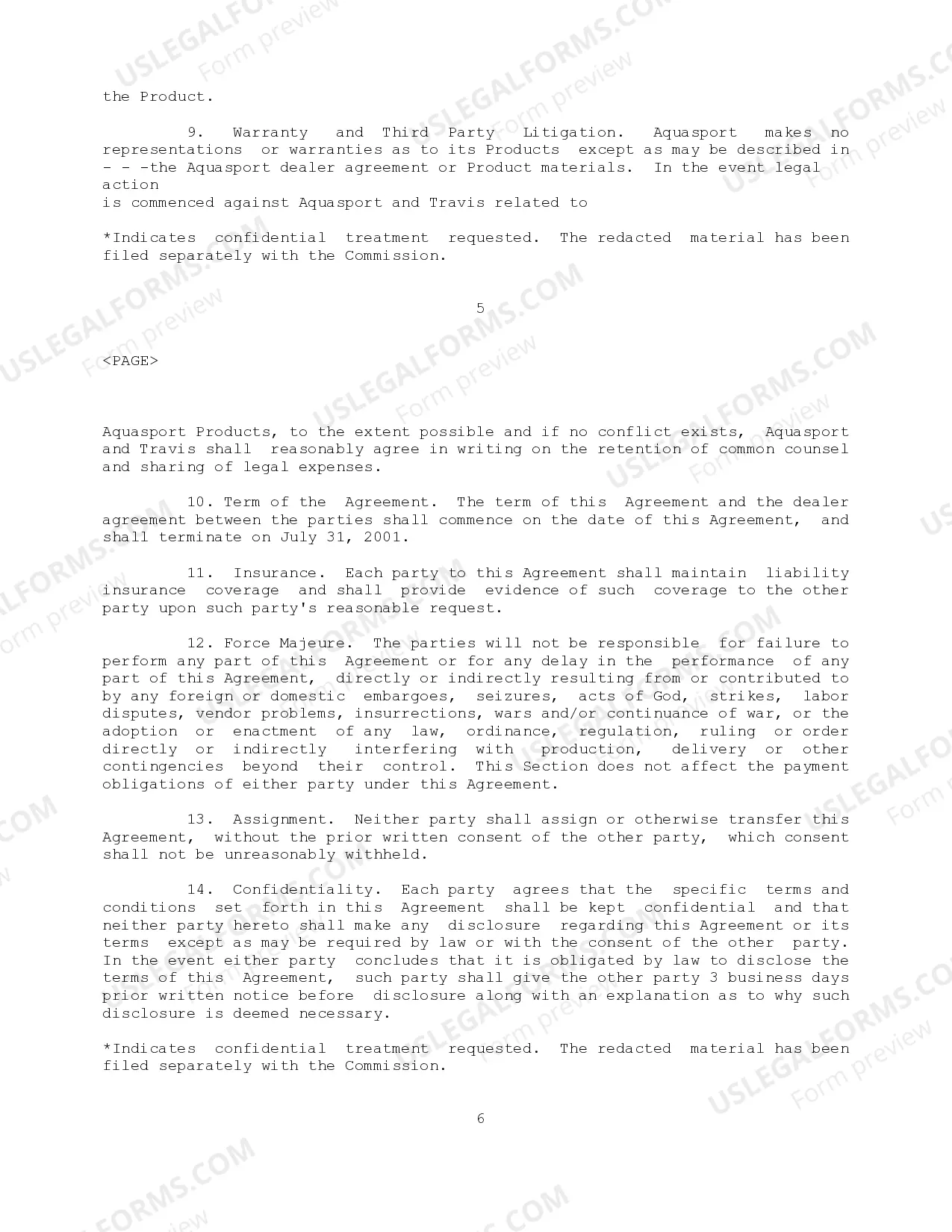
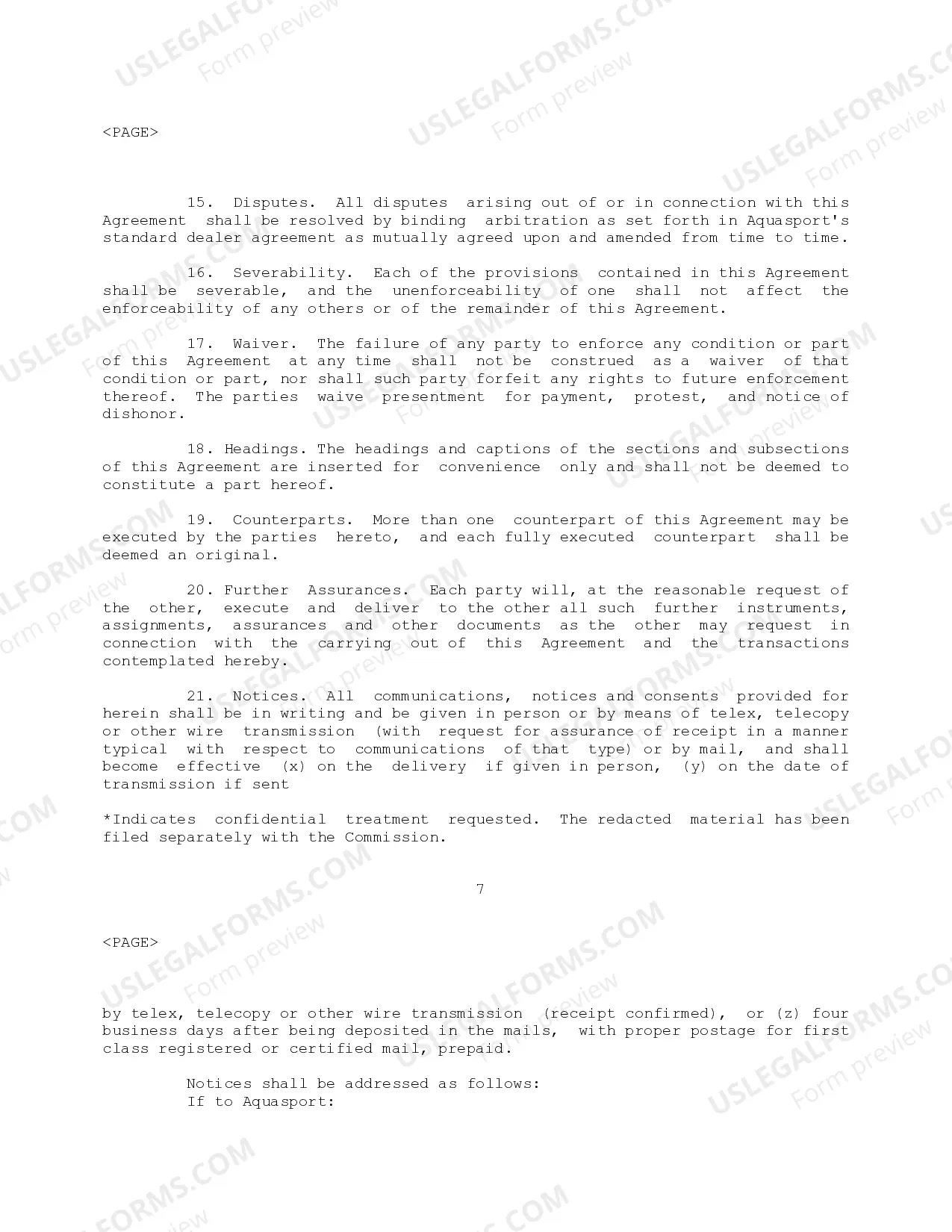
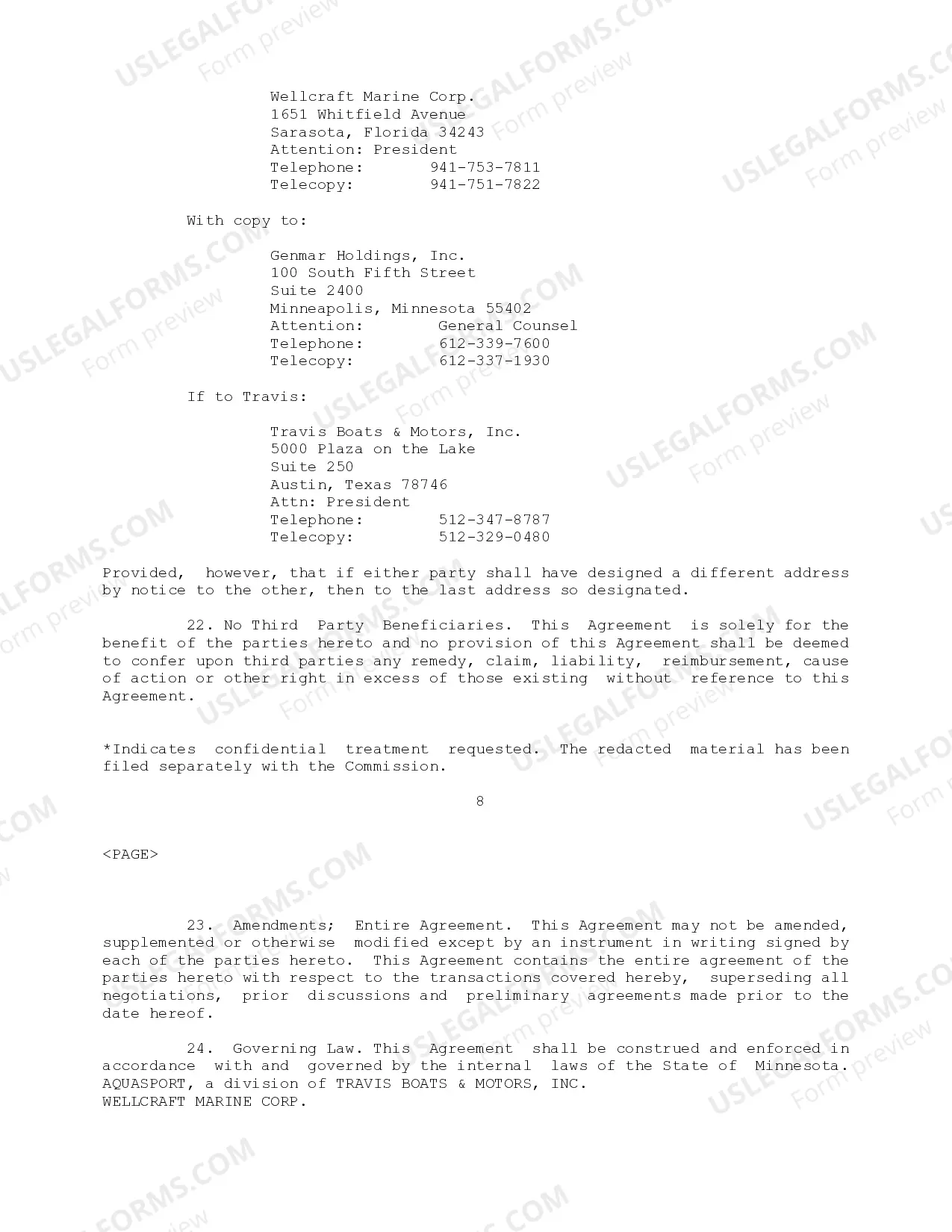
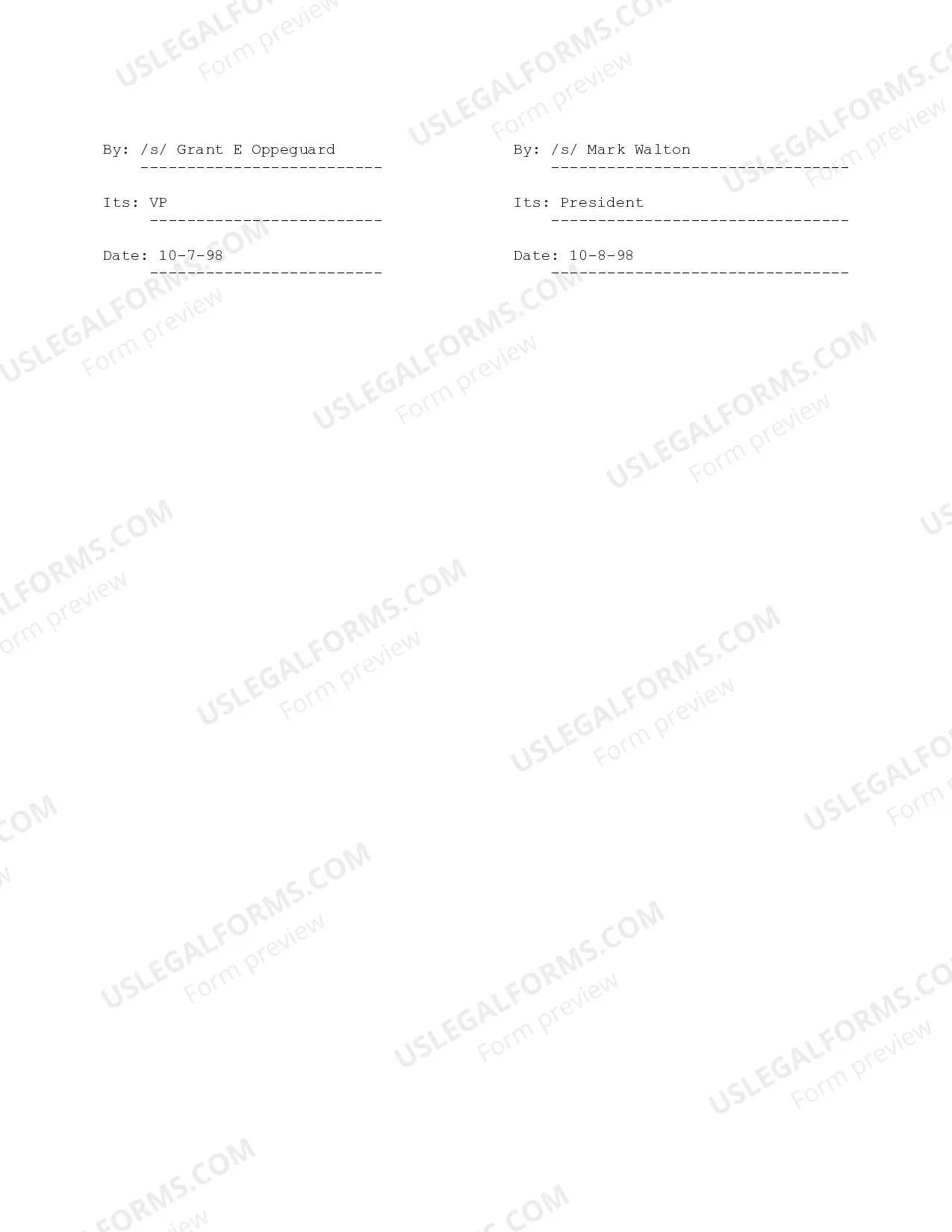
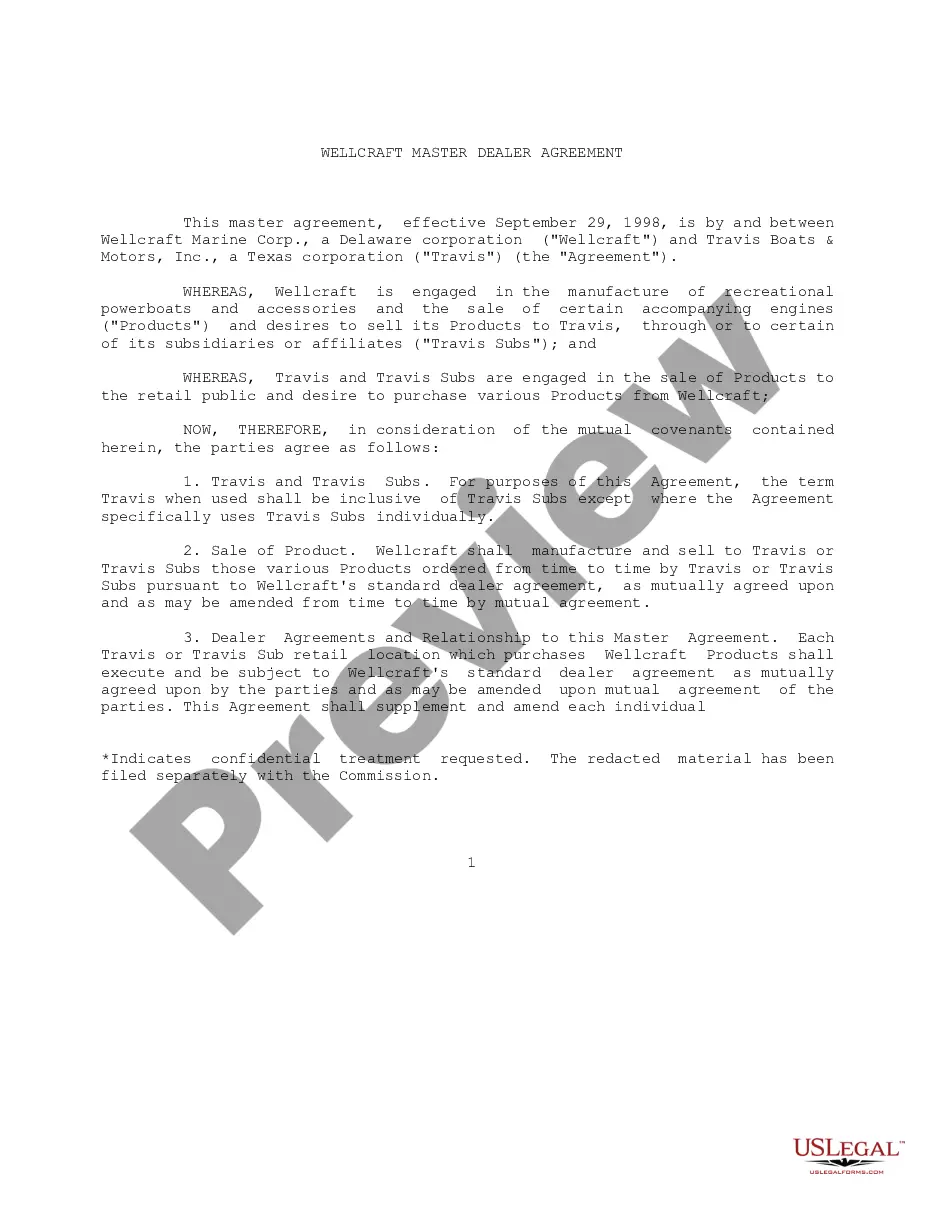
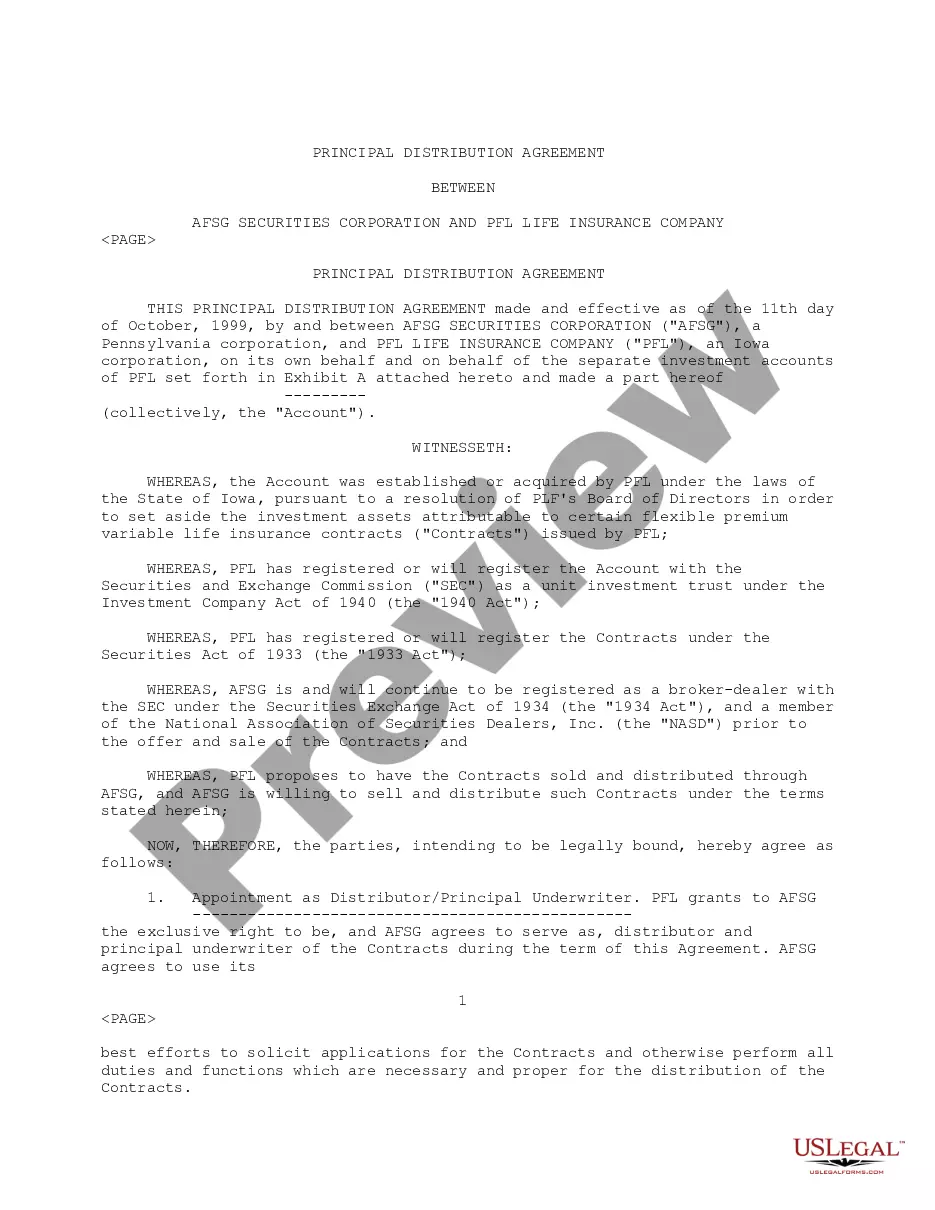
Dealer Agreement With Distributor
Description
Get your form ready online
Our built-in tools help you complete, sign, share, and store your documents in one place.
Make edits, fill in missing information, and update formatting in US Legal Forms—just like you would in MS Word.
Download a copy, print it, send it by email, or mail it via USPS—whatever works best for your next step.
Sign and collect signatures with our SignNow integration. Send to multiple recipients, set reminders, and more. Go Premium to unlock E-Sign.
If this form requires notarization, complete it online through a secure video call—no need to meet a notary in person or wait for an appointment.
We protect your documents and personal data by following strict security and privacy standards.

Make edits, fill in missing information, and update formatting in US Legal Forms—just like you would in MS Word.

Download a copy, print it, send it by email, or mail it via USPS—whatever works best for your next step.

Sign and collect signatures with our SignNow integration. Send to multiple recipients, set reminders, and more. Go Premium to unlock E-Sign.

If this form requires notarization, complete it online through a secure video call—no need to meet a notary in person or wait for an appointment.

We protect your documents and personal data by following strict security and privacy standards.
Looking for another form?










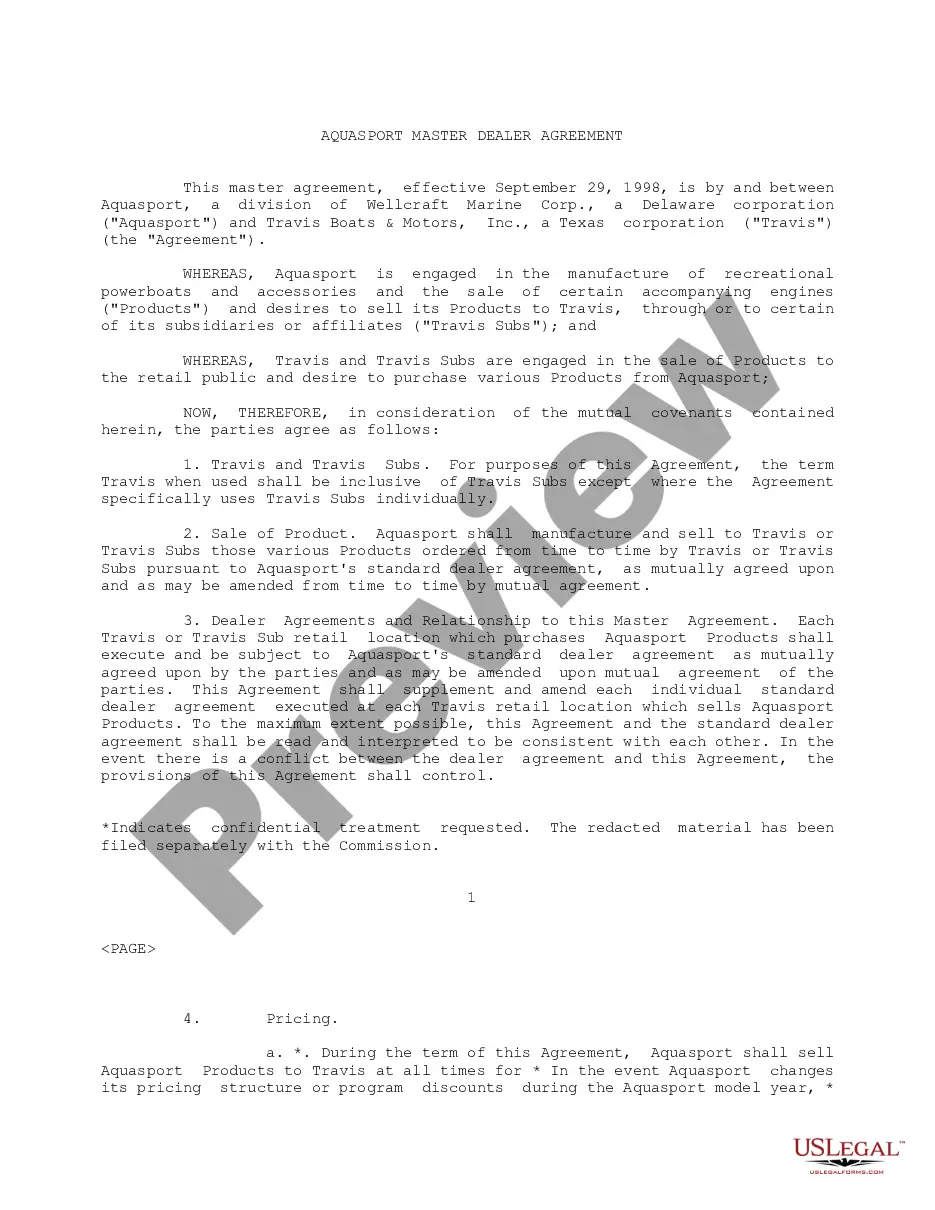
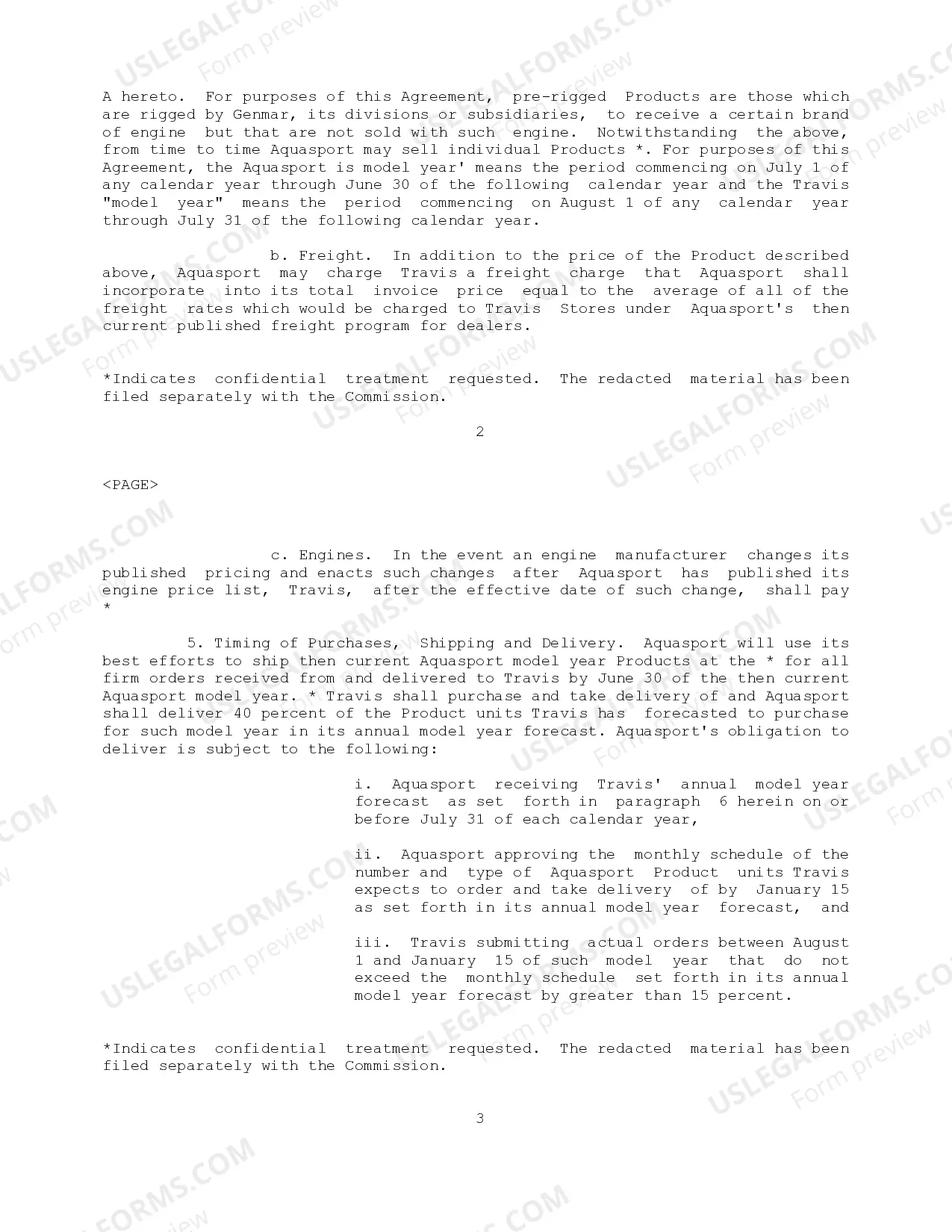
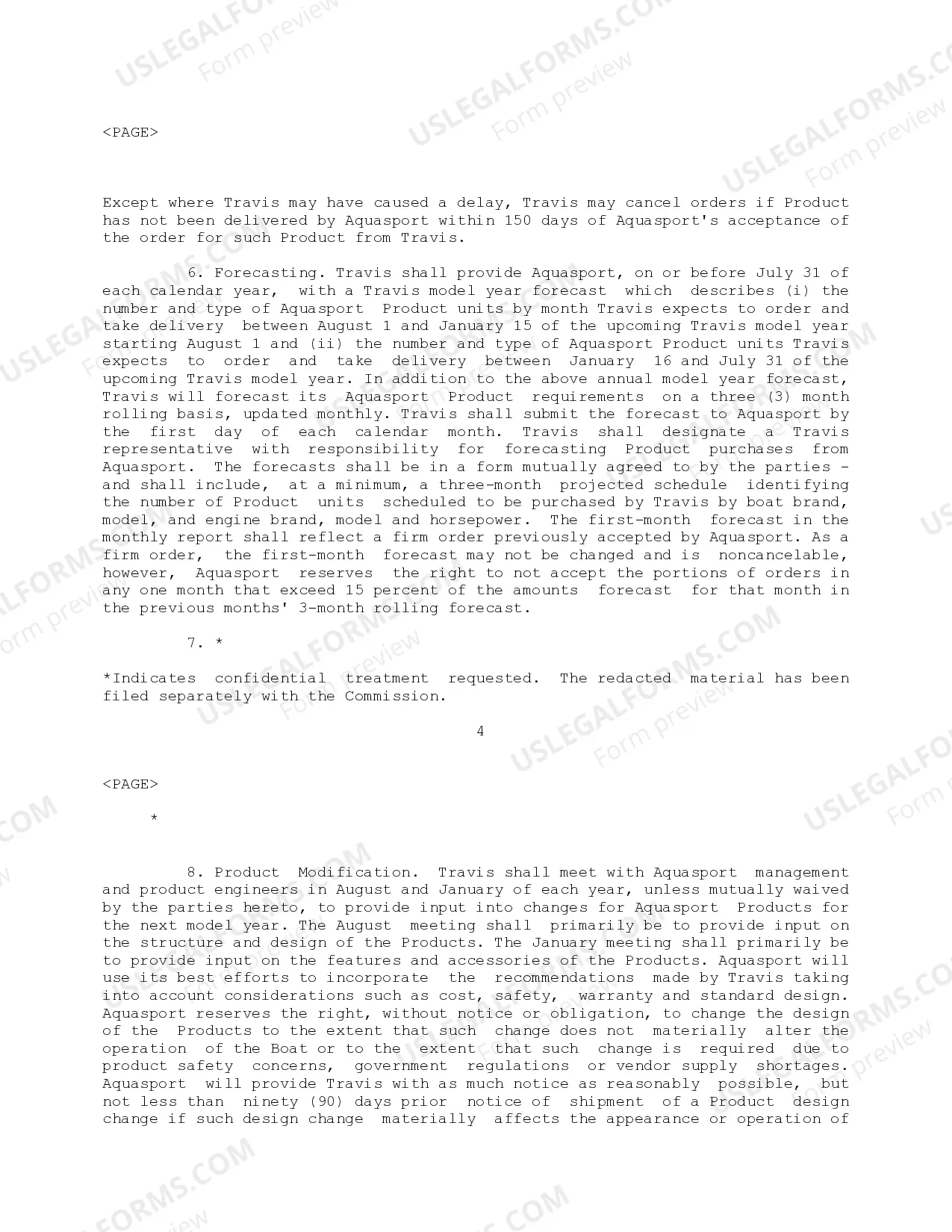
How to fill out Aquasport Master Dealer Agreement?
There’s no further justification to squander time searching for legal paperwork to fulfill your local state prerequisites.
US Legal Forms has gathered all of them in one place and simplified their accessibility.
Our website offers over 85k templates for any business and personal legal situations organized by state and application area.
Prepare your official documentation under federal and state regulations swiftly and effortlessly with our platform. Explore US Legal Forms today to keep your paperwork organized!
- All forms are expertly drafted and validated for authenticity, so you can be confident in obtaining an up-to-date Dealer Agreement With Distributor.
- If you are acquainted with our platform and already possess an account, ensure your subscription is active before acquiring any templates.
- Log In to your account, select the document, and click Download.
- You can also revisit all saved documents whenever necessary by accessing the My documents tab in your profile.
- If you’ve never interacted with our platform before, the procedure will involve a few additional steps to finalize.
- Here’s how new users can acquire the Dealer Agreement With Distributor from our collection.
- Review the page content thoroughly to ensure it features the sample you require.
- To do so, refer to the form description and preview options if available.
Form popularity
FAQ
A distribution agreement, also known as a distributor agreement, is a contract between a supplying company with products to sell and another company that markets and sells the products. The distributor agrees to buy products from the supplier company and sell them to clients within certain geographical areas.
Parts of a Distribution AgreementNames and addresses of both parties.Sale terms and conditions.Contract effective dates.Marketing and intellectual property rights.Defects and returns provisions.Severance terms.Returned goods credits and costs.Exclusivity from competing products.More items...
Six Rules for Negotiating a Better Distribution AgreementBalance. Balance in a distribution agreement ensures that neither party holds unfair power over the other.Due Diligence.Annual Termination and Semiautomatic Renewal.Comparison with Proven Industry Agreements.Four Eyes versus Two Eyes.Cause and Convenience.
How Distribution Agreements WorkSet an appointment with the manufacturer.Negotiate the distribution terms.Review specifics, such as promotional literature.Hire a business lawyer to help you draft the terms.Sign or renegotiate the contract.Begin executing the agreement as contained within provisions.
Territory: The agreement should specifically define the area in which the distributor is permitted to sell and promote the products. b. Products: The agreement should specify what products, product lines, or brands are included under the agreement.