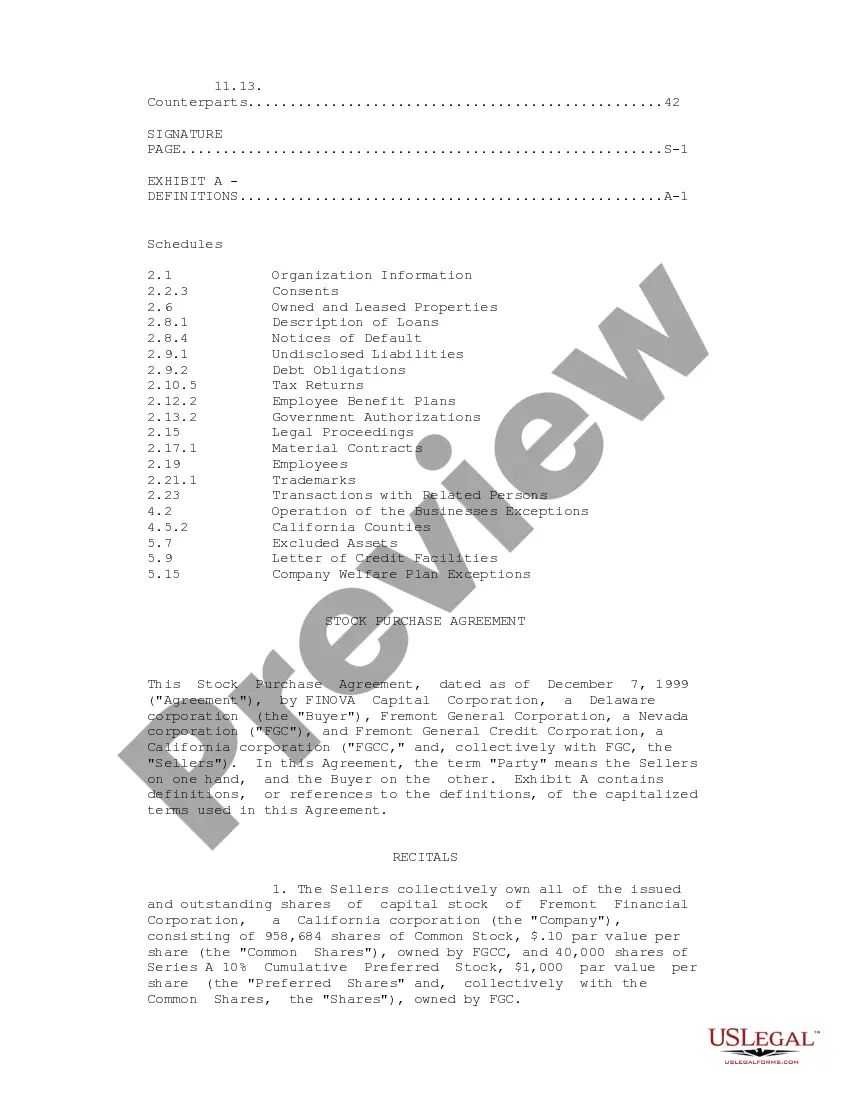
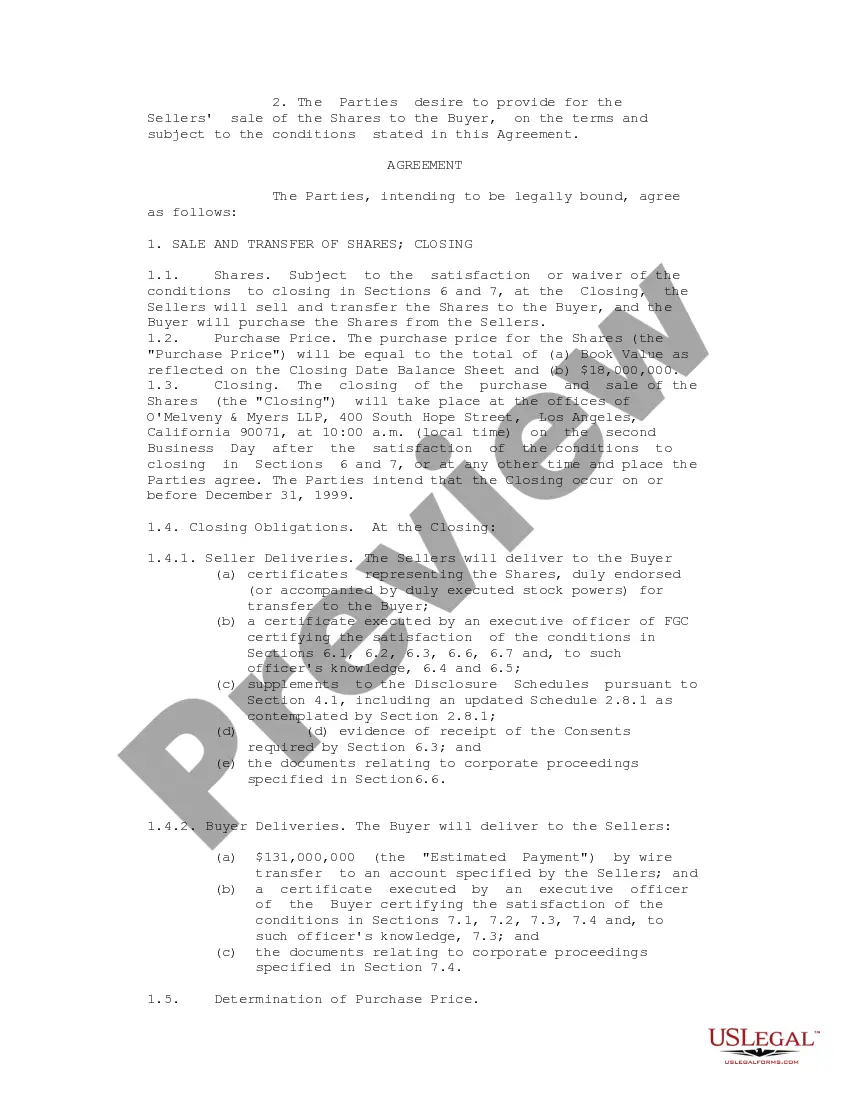
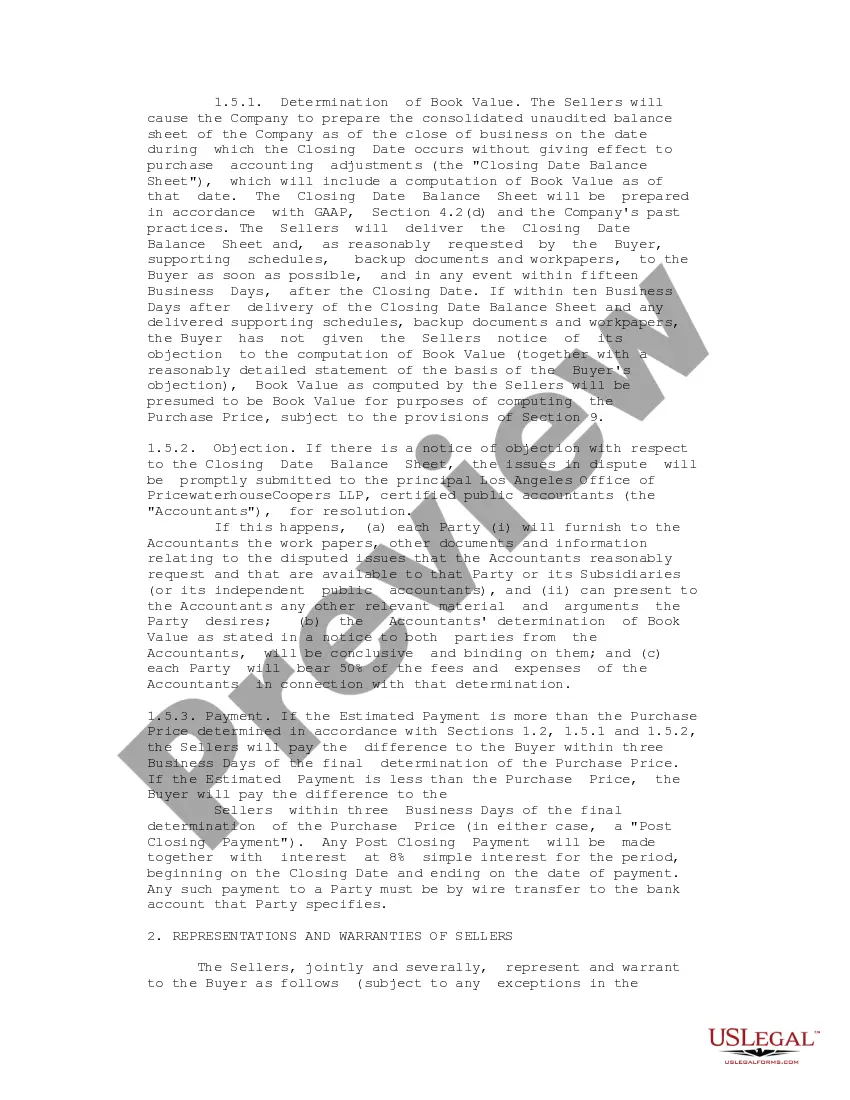
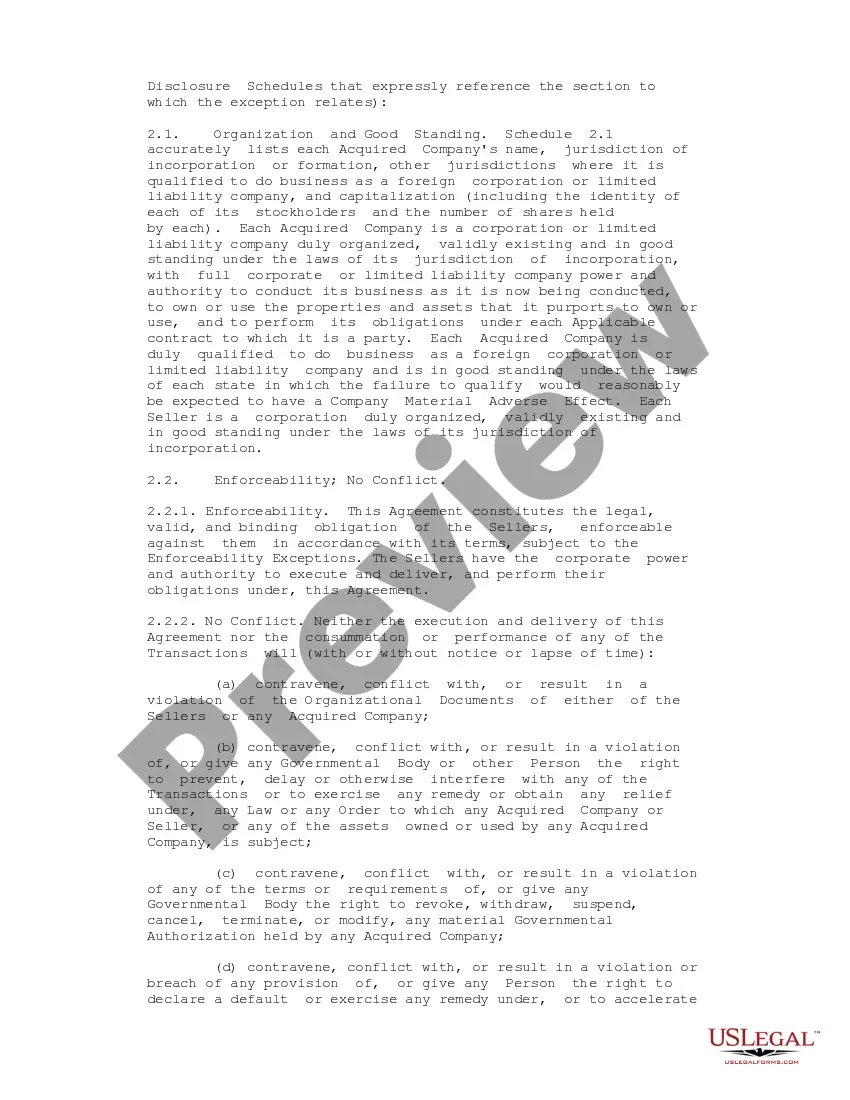
Stock For Stock Acquisition Example
Description
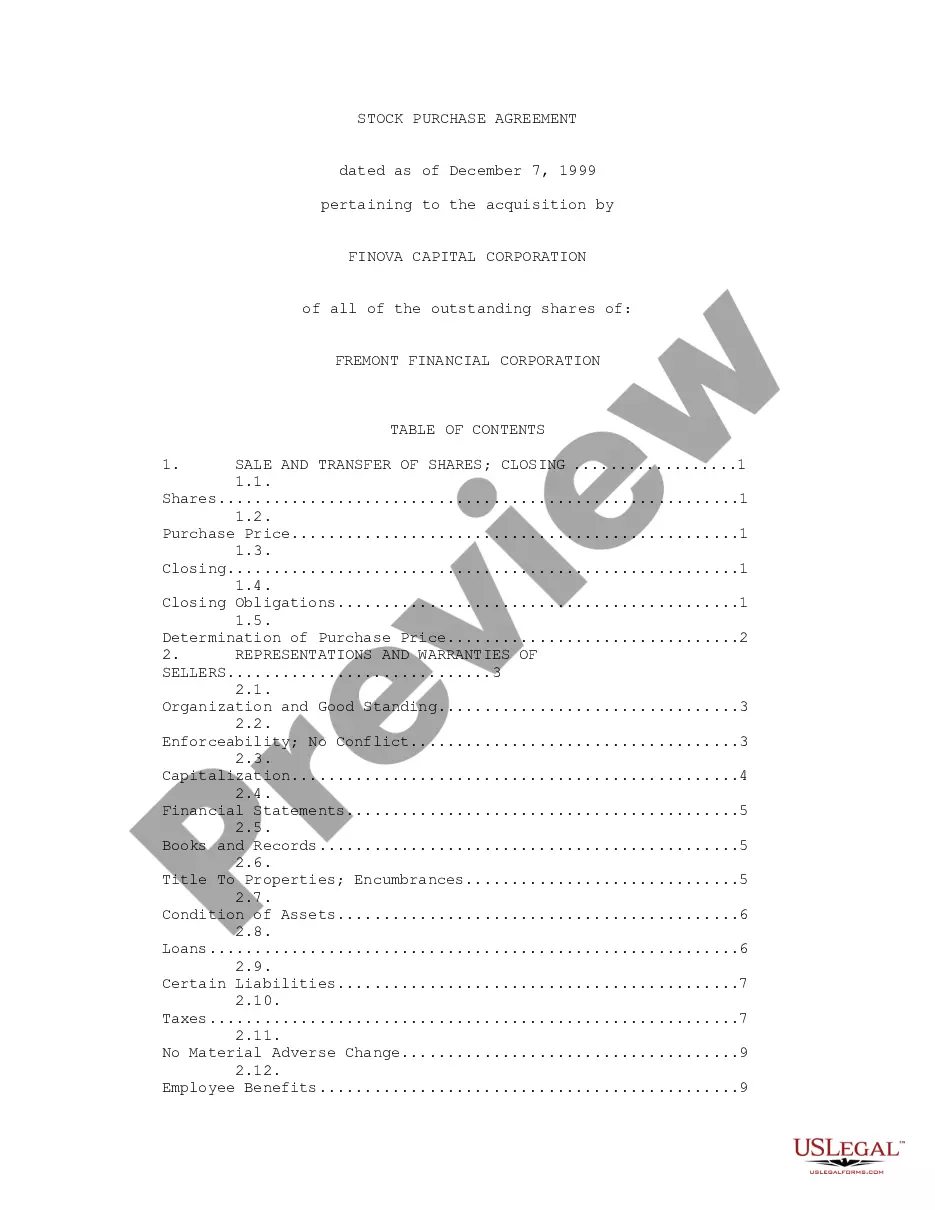
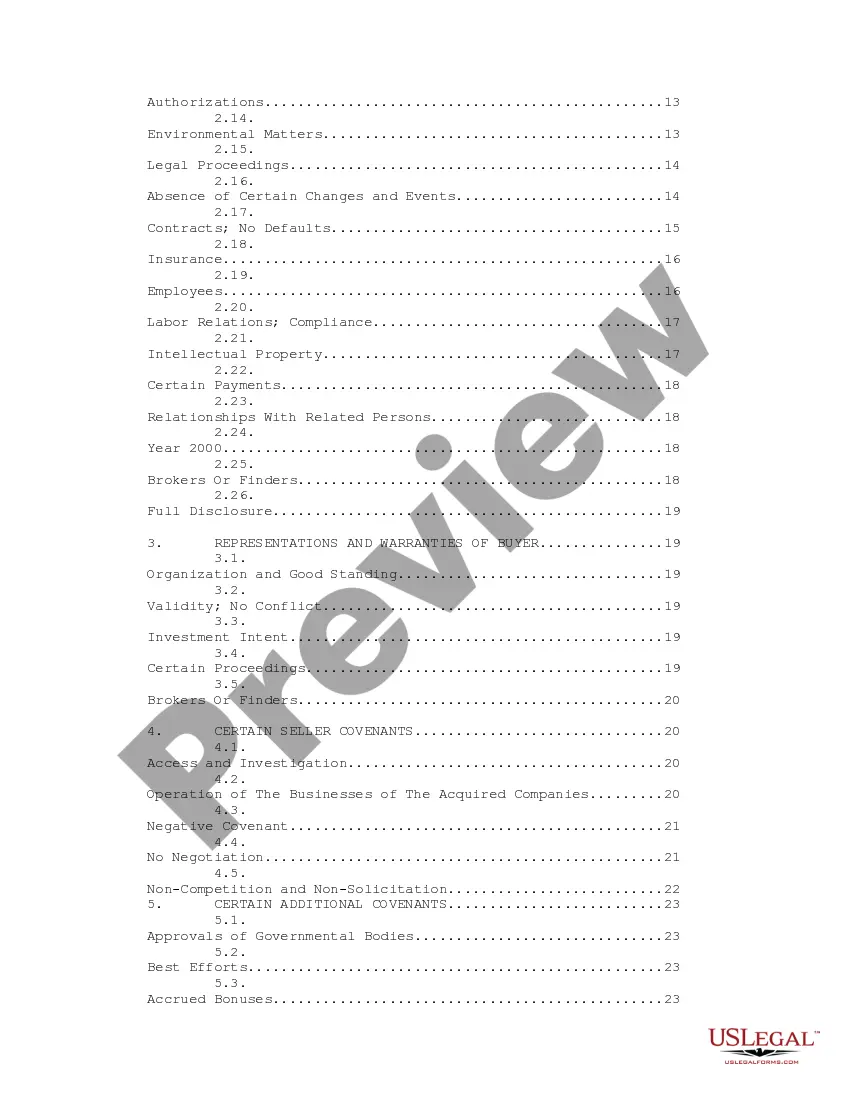
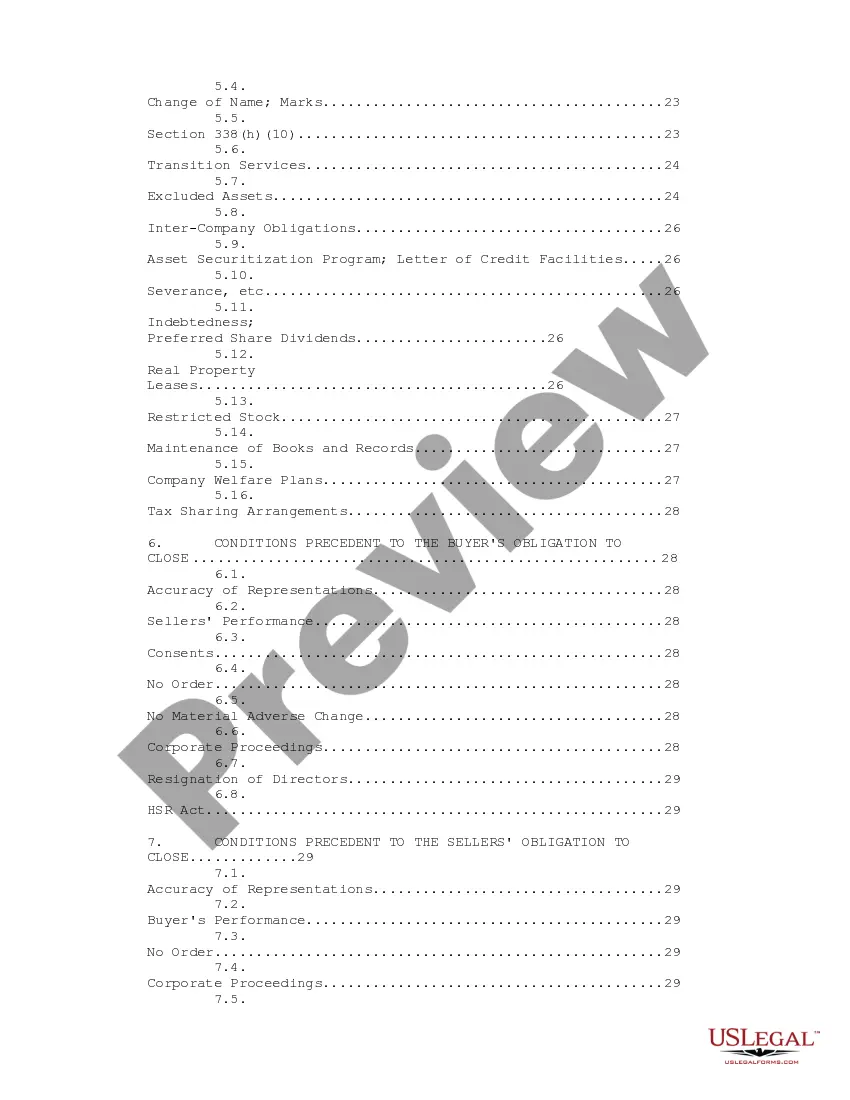
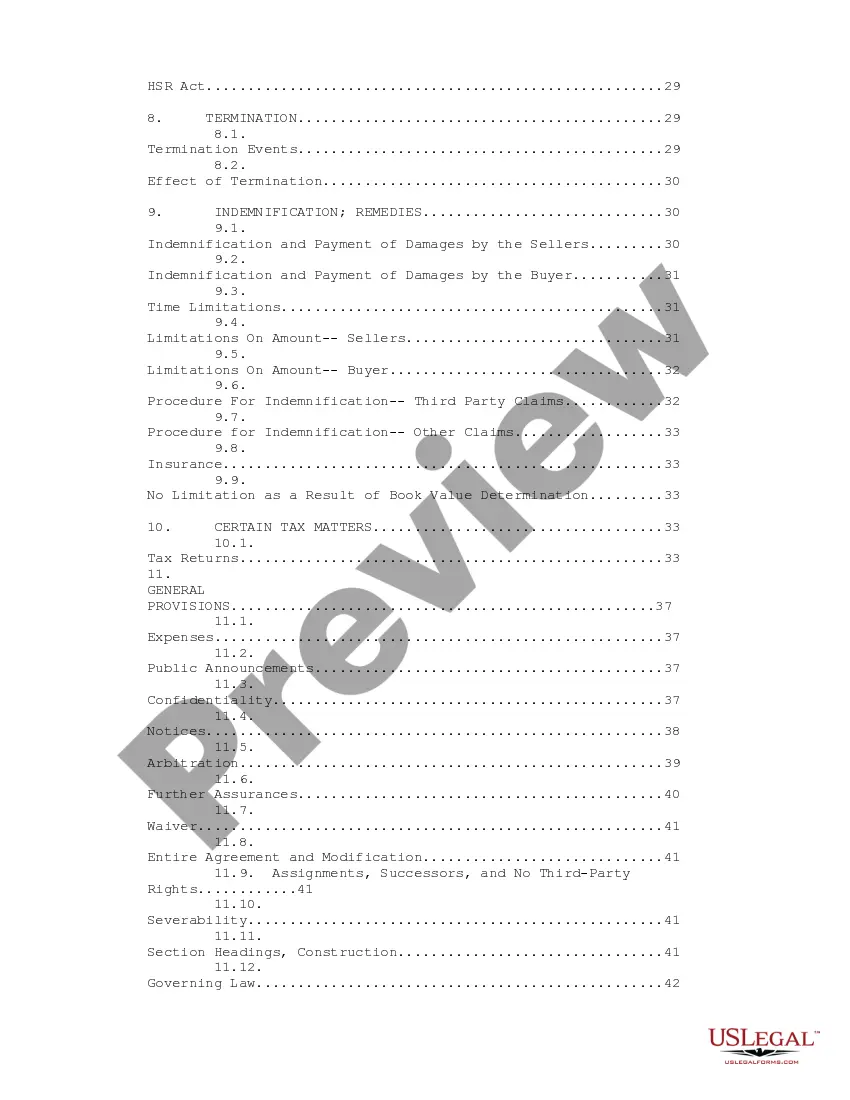


Get your form ready online
Our built-in tools help you complete, sign, share, and store your documents in one place.
Make edits, fill in missing information, and update formatting in US Legal Forms—just like you would in MS Word.
Download a copy, print it, send it by email, or mail it via USPS—whatever works best for your next step.
Sign and collect signatures with our SignNow integration. Send to multiple recipients, set reminders, and more. Go Premium to unlock E-Sign.
If this form requires notarization, complete it online through a secure video call—no need to meet a notary in person or wait for an appointment.
We protect your documents and personal data by following strict security and privacy standards.

Make edits, fill in missing information, and update formatting in US Legal Forms—just like you would in MS Word.

Download a copy, print it, send it by email, or mail it via USPS—whatever works best for your next step.

Sign and collect signatures with our SignNow integration. Send to multiple recipients, set reminders, and more. Go Premium to unlock E-Sign.

If this form requires notarization, complete it online through a secure video call—no need to meet a notary in person or wait for an appointment.

We protect your documents and personal data by following strict security and privacy standards.
Looking for another form?






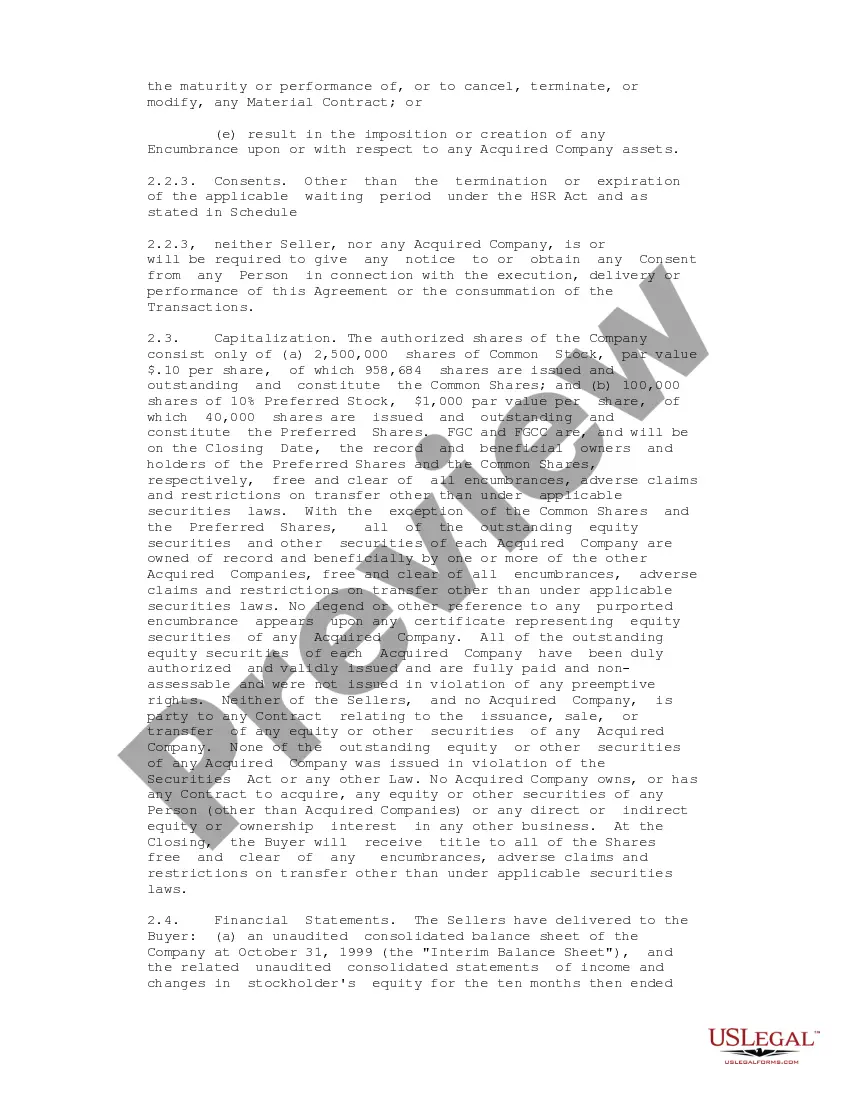
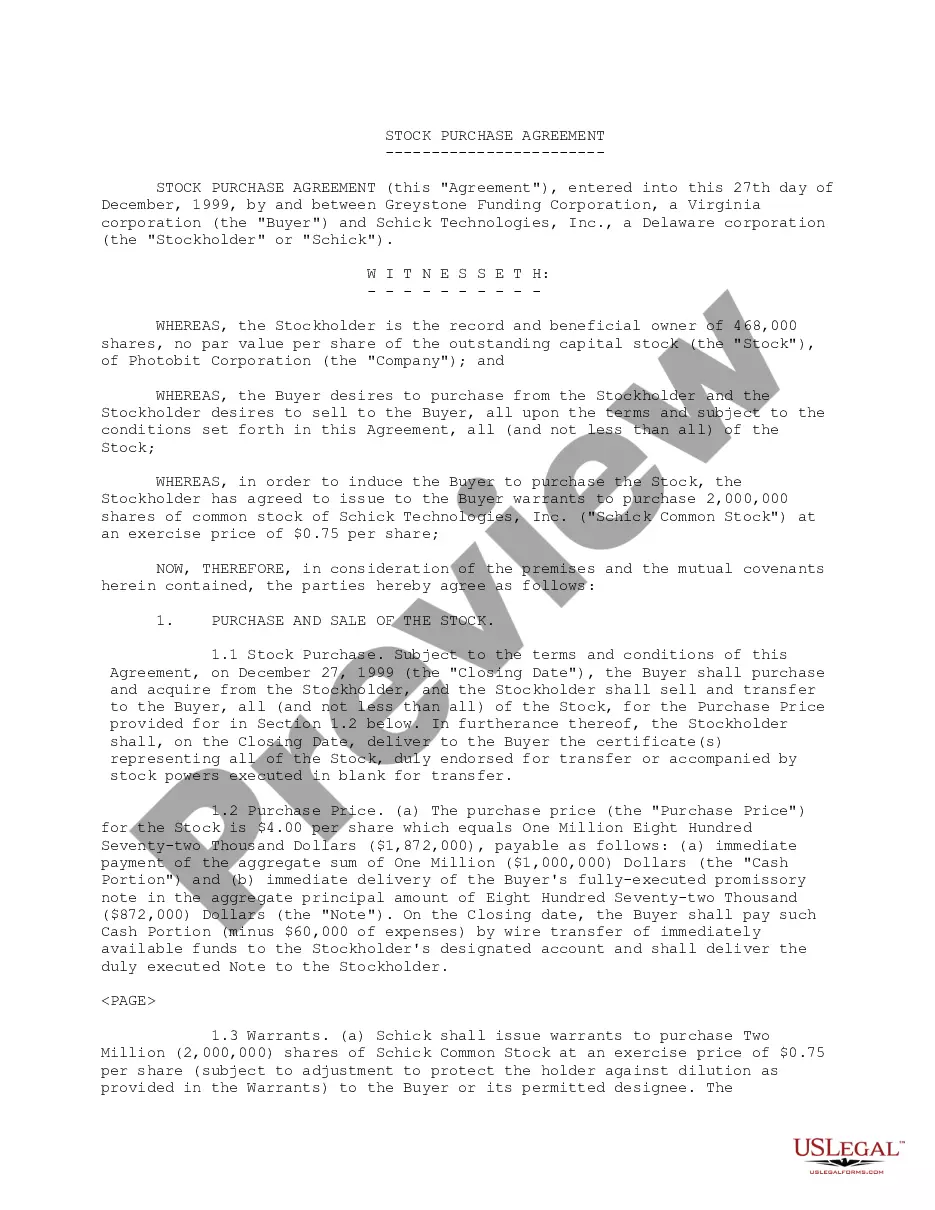
How to fill out Sample Stock Purchase Agreement Regarding Acquisition By Finova Capital Corp. Of All Outstanding Shares Of Fremont Financial Corp.?
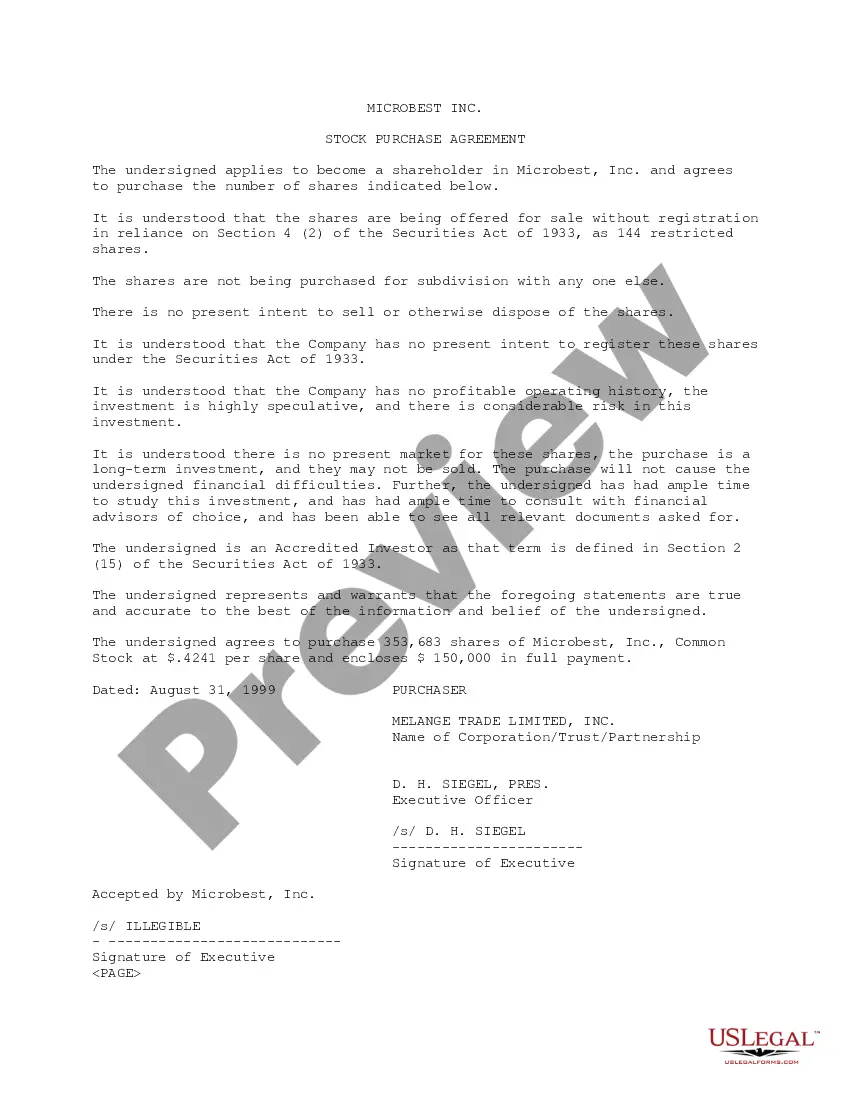
The Stock For Stock Acquisition Template you observe on this page is a versatile formal template created by expert attorneys in accordance with federal and local regulations.
For over 25 years, US Legal Forms has supplied individuals, businesses, and legal practitioners with over 85,000 validated, state-specific documents for any professional and personal circumstance. It is the fastest, simplest, and most reliable method to acquire the forms you require, as the service ensures the utmost level of data security and anti-malware safeguards.
Subscribe to US Legal Forms to have authenticated legal templates for all of life’s situations readily available.
- Search for the document you require and review it. Browse through the example you searched for and preview it or examine the form description to confirm it meets your requirements. If it doesn’t, use the search bar to find the correct one. Click Buy Now when you locate the template you need.
- Subscribe and Log In. Select the pricing option that fits you and create an account. Use PayPal or a credit card to make a swift payment. If you already possess an account, Log In and verify your subscription to proceed.
- Obtain the fillable template. Choose the format you desire for your Stock For Stock Acquisition Template (PDF, Word, RTF) and save the document on your device.
- Complete and sign the documents. Print the template to fill it out manually. Alternatively, use an online multifunctional PDF editor to swiftly and accurately fill out and sign your form with an eSignature.
- Redownload your documents as needed. Utilize the same document again whenever necessary. Access the My documents section in your profile to redownload any previously downloaded forms.
Form popularity
FAQ
A notable example of a stock-for-stock acquisition is the merger between Company A and Company B, where Company A offers its shares to Company B's shareholders. For instance, if Company A values Company B at $100 million, it might offer its shareholders shares equivalent to that value. This transaction allows Company B's shareholders to benefit from Company A's growth and resources. To explore more stock for stock acquisition examples, visit the US Legal Forms platform for comprehensive guides and templates.
In a stock-for-stock acquisition, one company purchases another by exchanging its own shares for shares of the target company. This process often involves determining a fair exchange ratio based on the valuation of both companies. Once the deal is agreed upon, shareholders of the target company receive shares of the acquiring company in exchange for their original shares. For more details and resources on stock for stock acquisition examples, check out the US Legal Forms platform.
Issuing stock allows Buyer to make an acquisition without using cash or borrowing money (or by using less cash and borrowing less money). The downside for Seller is that the stock obviously isn't the same as cash. Seller has to convert that stock into cash by finding a Buyer for it.
Microsoft acquired LinkedIn for $196 per share in a $26 billion deal and fought with its competitor Salesforce.com, Inc. The shares of LinkedIn rose 64% after the announcement. It was an all-cash deal and included all of LinkedIn's net cash.
In a stock acquisition, a buyer acquires a target company's stock directly from the selling shareholders. Under this structure, the buyer is assuming ownership of all of the target's assets and liabilities, including potential liabilities from past actions of the target.
In an acquisition, assets and liabilities can be marked up (or down) to reflect their fair market value (FMV). In an acquisition, the purchase price becomes the target co's new equity. The excess of the purchase price over the FMV of the equity (assets ? liabilities is captured as an asset called goodwill.