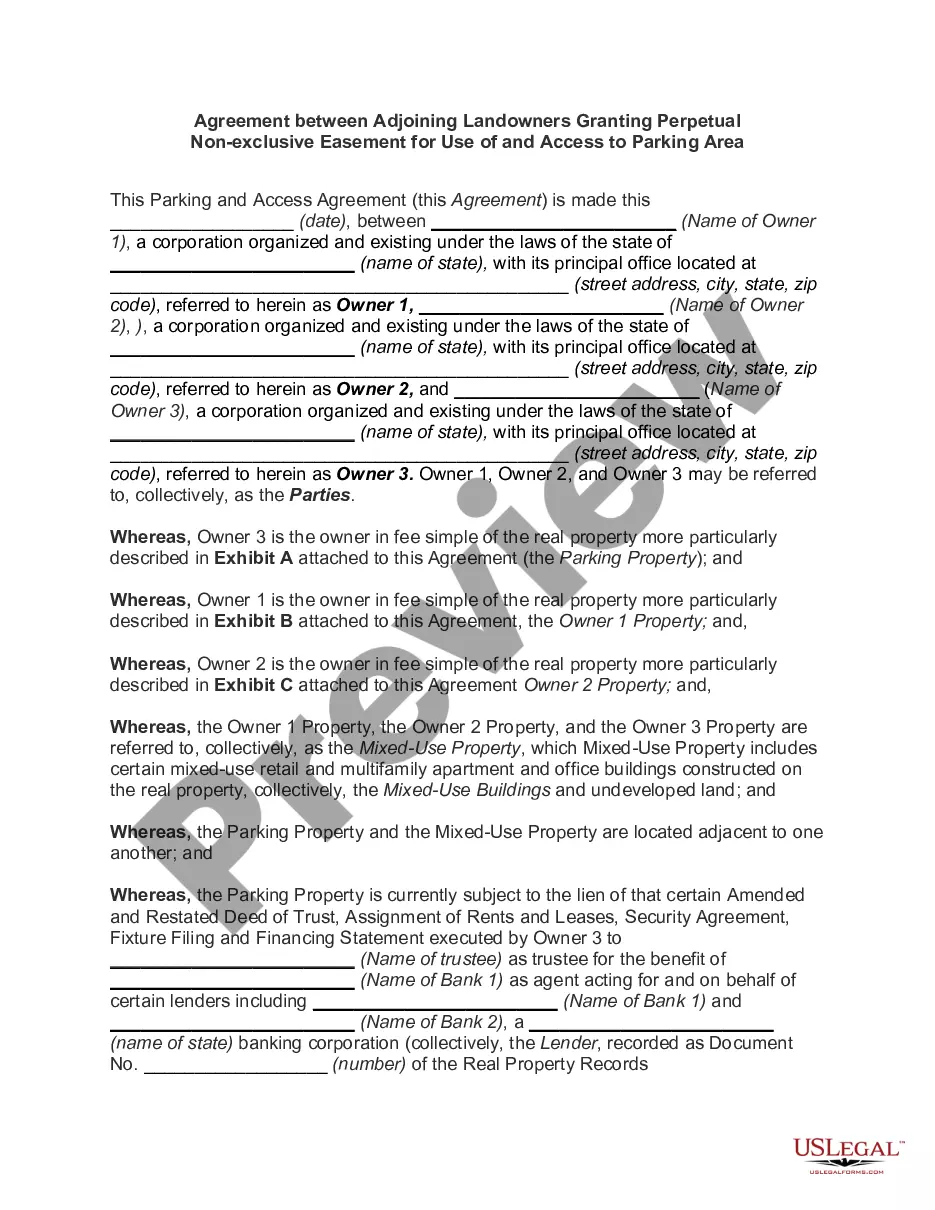
Easement Form For Utilities
Description
Get your form ready online
Our built-in tools help you complete, sign, share, and store your documents in one place.
Make edits, fill in missing information, and update formatting in US Legal Forms—just like you would in MS Word.
Download a copy, print it, send it by email, or mail it via USPS—whatever works best for your next step.
Sign and collect signatures with our SignNow integration. Send to multiple recipients, set reminders, and more. Go Premium to unlock E-Sign.
If this form requires notarization, complete it online through a secure video call—no need to meet a notary in person or wait for an appointment.
We protect your documents and personal data by following strict security and privacy standards.

Make edits, fill in missing information, and update formatting in US Legal Forms—just like you would in MS Word.

Download a copy, print it, send it by email, or mail it via USPS—whatever works best for your next step.

Sign and collect signatures with our SignNow integration. Send to multiple recipients, set reminders, and more. Go Premium to unlock E-Sign.

If this form requires notarization, complete it online through a secure video call—no need to meet a notary in person or wait for an appointment.

We protect your documents and personal data by following strict security and privacy standards.
Looking for another form?




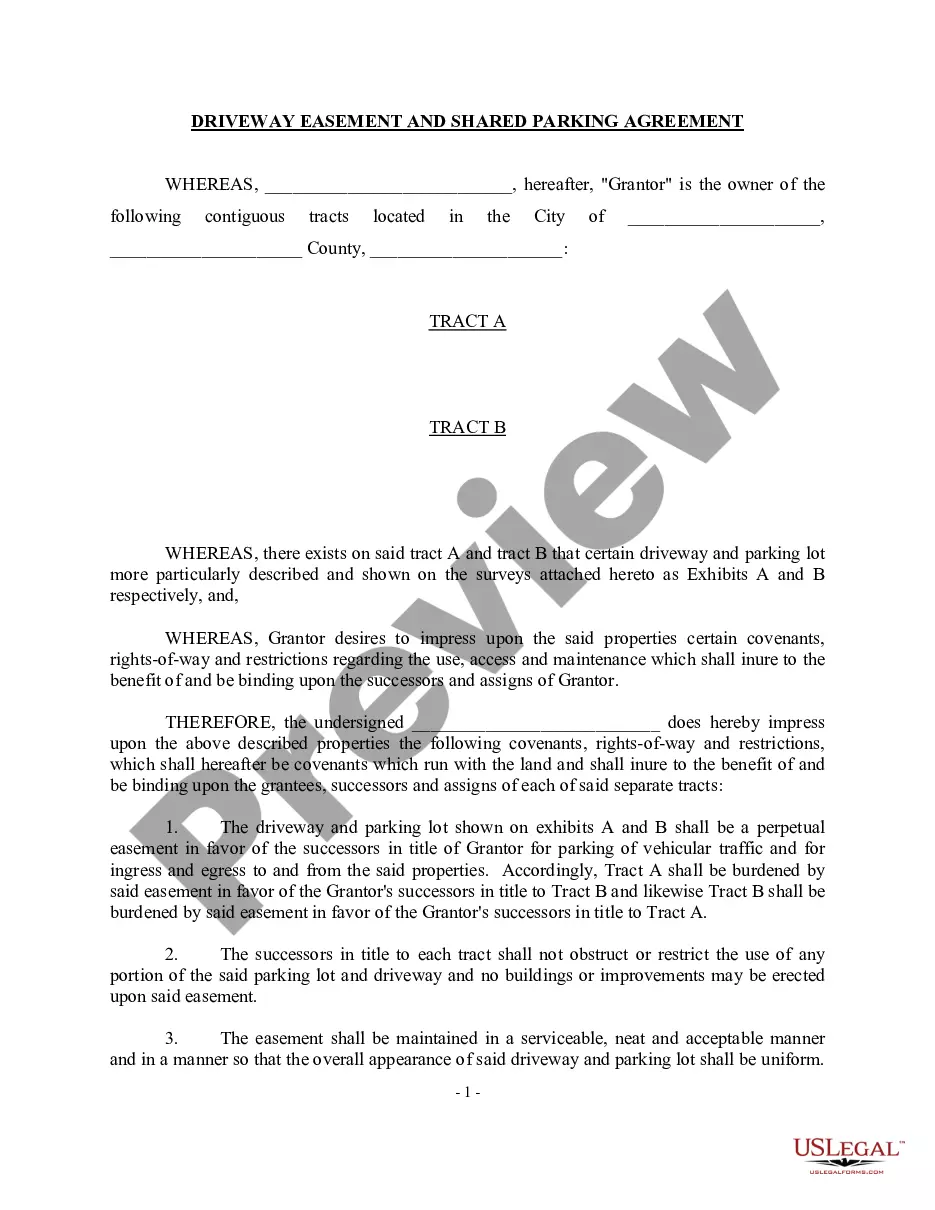
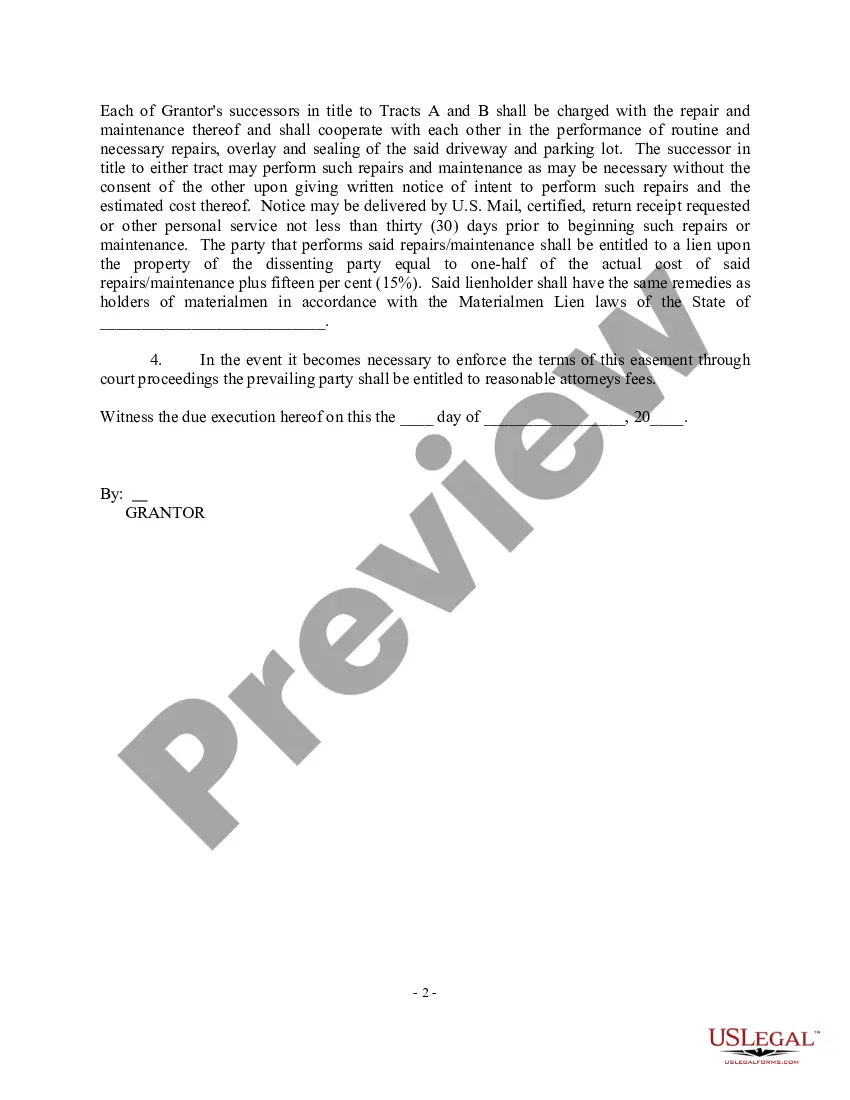
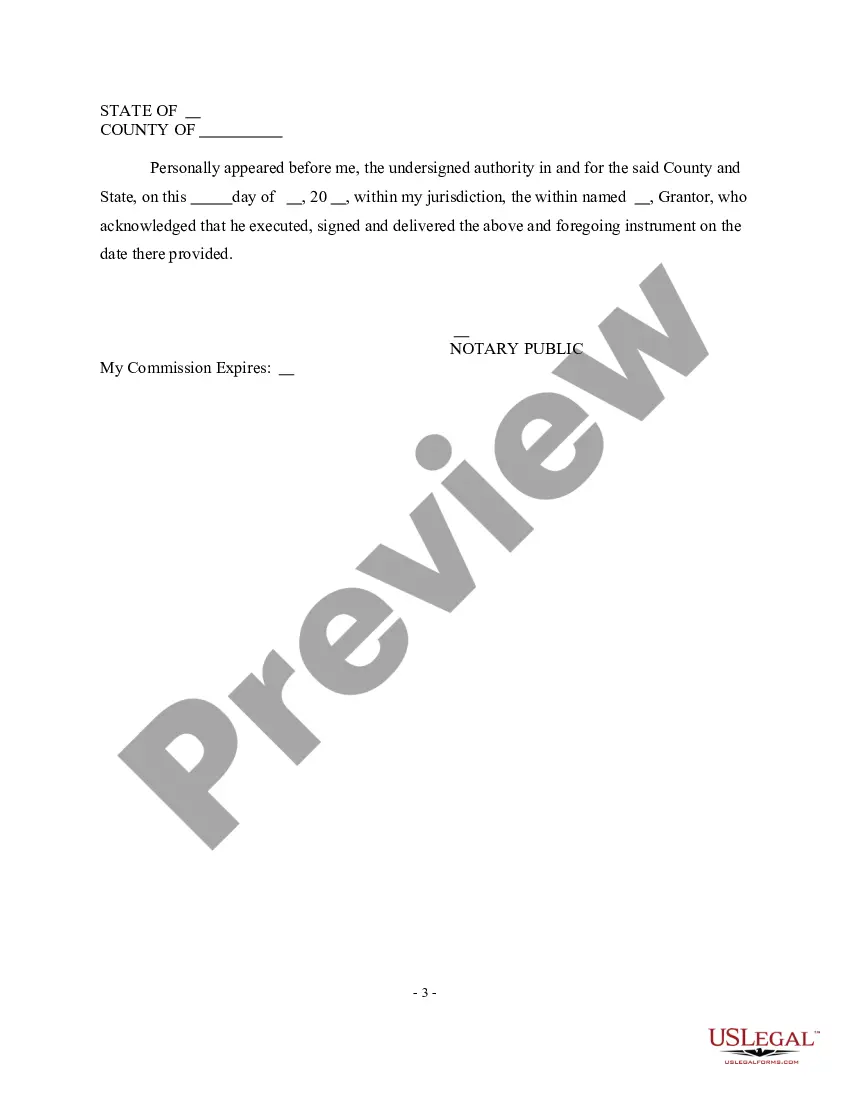
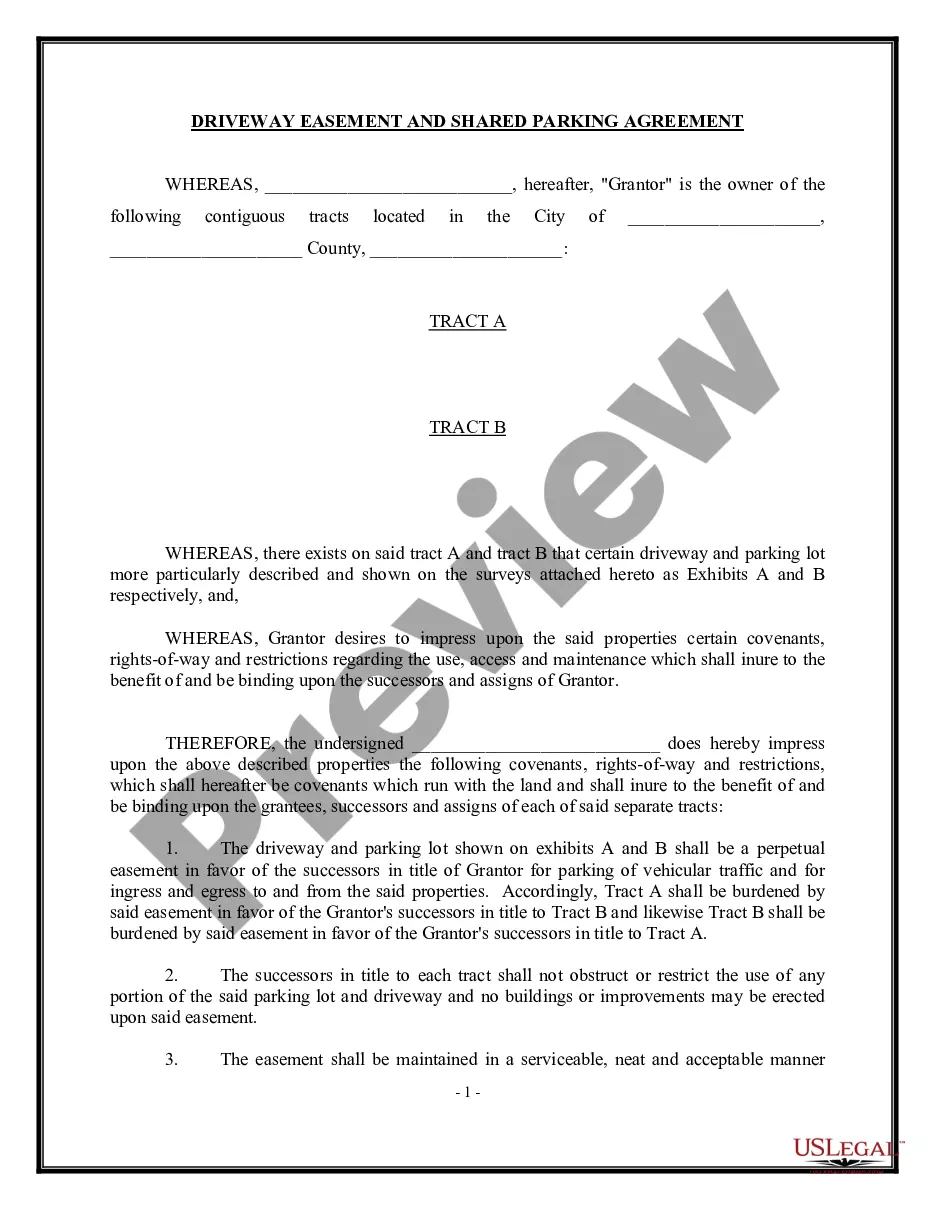
How to fill out Driveway Easement And Shared Parking Agreement?
- If you are an existing user, log in to your account to retrieve the easement form for utilities by clicking the Download button. Ensure your subscription is active; if it's expired, renew based on your payment plan.
- For first-time users, begin by previewing the document and reviewing its description. Confirm that this is the correct form that satisfies your local jurisdiction's requirements.
- If the initial form doesn't fit your needs, utilize the Search feature at the top of the page to find another template that matches your specifications.
- Once you have selected the appropriate document, click the Buy Now button and choose your preferred subscription plan - creating an account is essential to access the legal library.
- Complete your purchase by entering your credit card details or opting for PayPal to finalize your subscription.
- After payment, download the form and save it to your device. For future access, locate it in the My documents section of your profile.
In conclusion, US Legal Forms facilitates access to a vast collection of legal documents, including the easement form for utilities. Whether you're renewing or purchasing for the first time, the platform is designed to streamline your experience.
Don't hesitate! Visit US Legal Forms today to simplify your legal documentation process.
Form popularity
FAQ
Yes, an easement can be forced through legal action if the utility company can prove a valid necessity. This process often requires the company to establish the easement's importance for public utility services. However, property owners should be aware of their rights and consider using an easement form for utilities to negotiate favorable terms. Legal assistance might help you navigate this process and protect your property rights.
Yes, as a property owner, you have the right to deny a utility easement if it does not align with your needs or interests. However, utility companies may pursue legal avenues if they believe an easement is essential for public service. It's crucial to communicate openly with the utility provider and consider the implications of your decision. Using an easement form for utilities helps in documenting your position and any negotiations that may follow.
Creating a utility easement involves drafting a clear agreement that outlines the rights granted to the utility company. You will need to define the area being used, the purpose of the easement, and any conditions attached. Utilizing an easement form for utilities can streamline this process, ensuring that both parties understand their obligations. It's wise to consult a legal expert to finalize this form properly.
In certain situations, utility companies may seek to obtain an easement through legal means if property owners refuse consent. However, they must follow state regulations and demonstrate necessity for their request. It's essential to know your rights as a property owner, as you can negotiate terms or seek a proper easement form for utilities that protects your interests. Consulting with a legal expert might be beneficial in these cases.
Easement law in Texas permits property owners to grant specific rights to others for utility access. This means that utility companies can use portions of your property to maintain their services, typically outlined in an easement form for utilities. The terms of these easements must be clear to protect both property owners and utility providers. Understanding this law can help you navigate any utility-related issues effectively.
You can refuse a utility easement, but it's important to consider the implications. Refusing may limit the utility provider's ability to maintain essential services on your property. It is advisable to review your options and consult the easement form for utilities to ensure your decision is informed and beneficial for your situation.
Buying a property with a drainage easement can be a sound decision if you understand its implications. Drainage easements are designed to protect against flooding and water damage, which can be beneficial. Moreover, reviewing the easement form for utilities will help you know exactly what rights you and the utility companies have.
An example of a utility easement is an agreement that allows a local water company to lay pipes across your property. This easement enables the company to access and maintain its infrastructure. When filling out the easement form for utilities, it is crucial to specify the scope and limits of access to protect your property rights.
One disadvantage of an easement is that it can limit your use of your property, as utility companies may have access to certain areas. Additionally, depending on the terms, easements might affect property value since potential buyers may see them as a liability. Understanding the details outlined in the easement form for utilities can help you mitigate these downsides.
Yes, utility companies need easements to install and maintain their infrastructure on private property. These easements grant them the right to access specific areas for repairs or upgrades. Using an easement form for utilities can ensure that the terms are clearly defined and legally binding, which benefits both property owners and utility providers.