Letter Collection Using Fork
Description
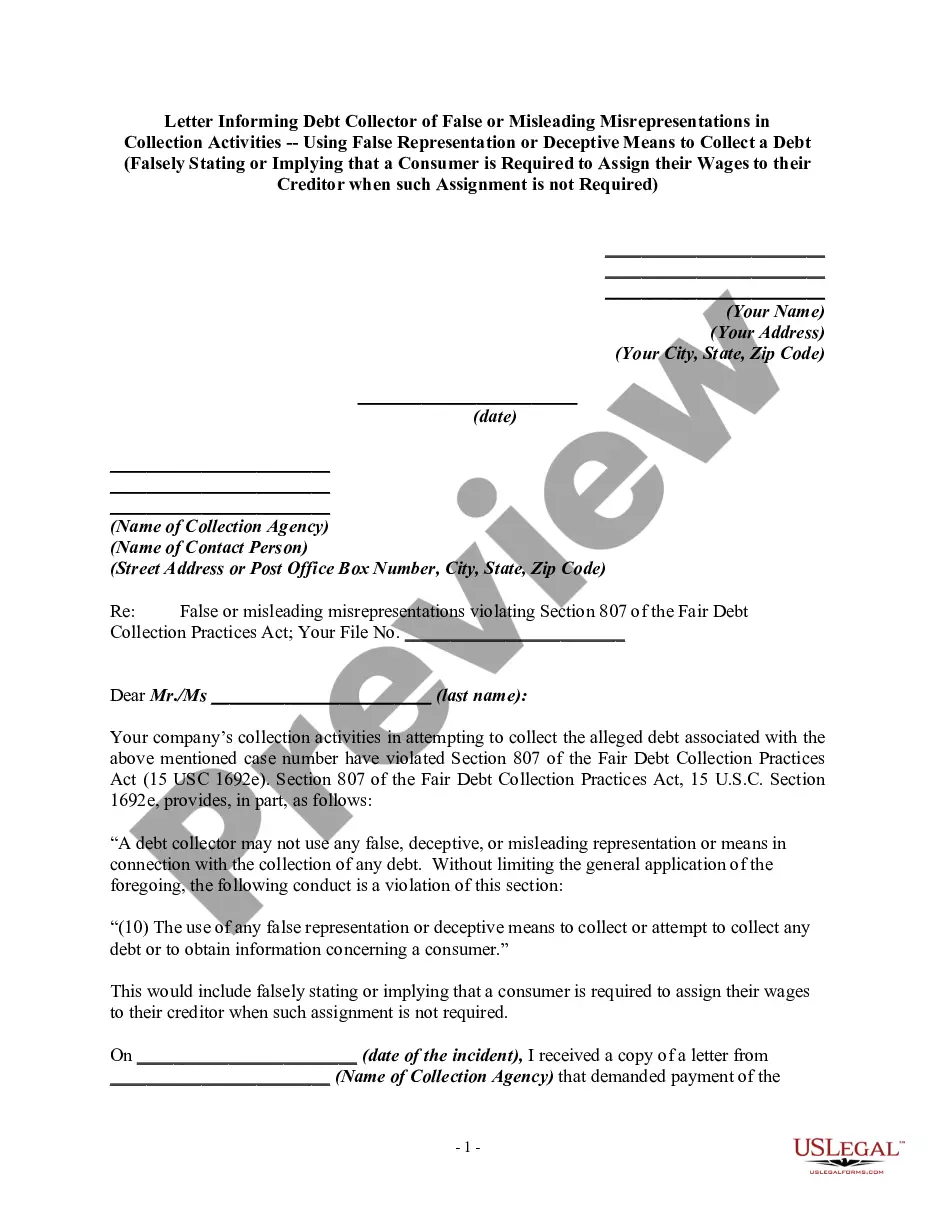
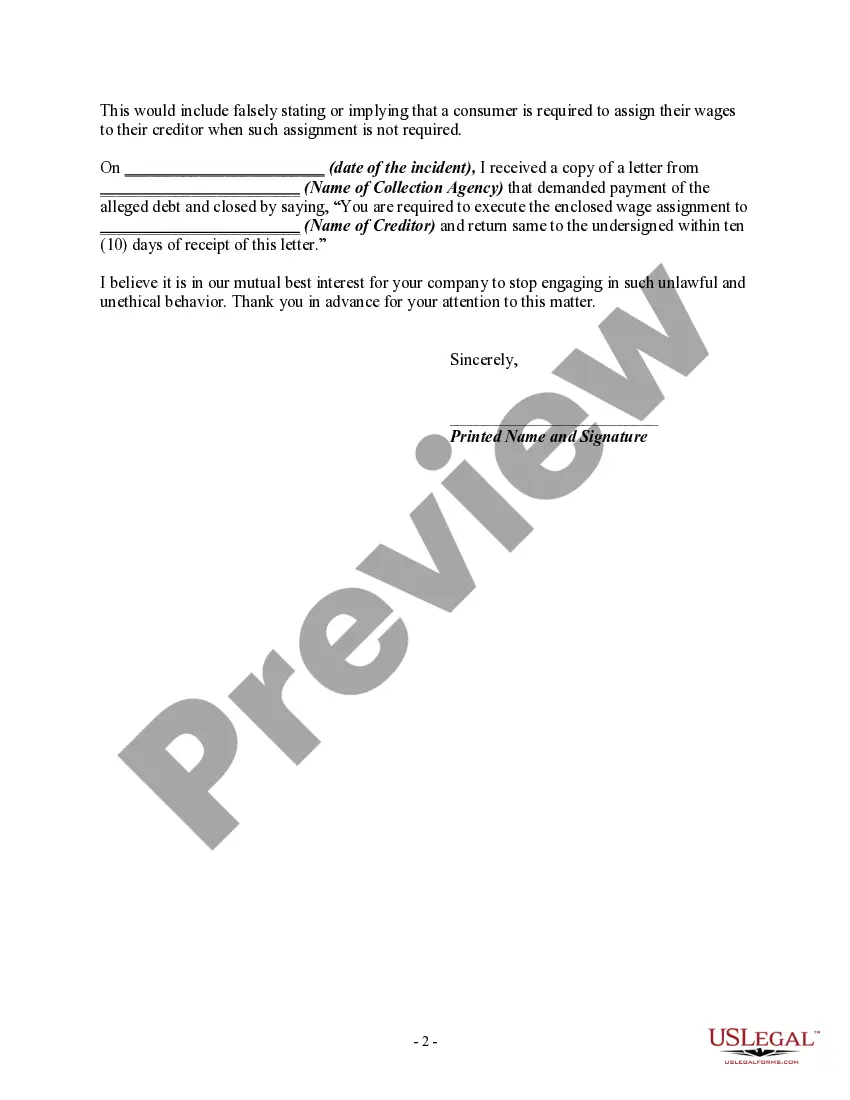
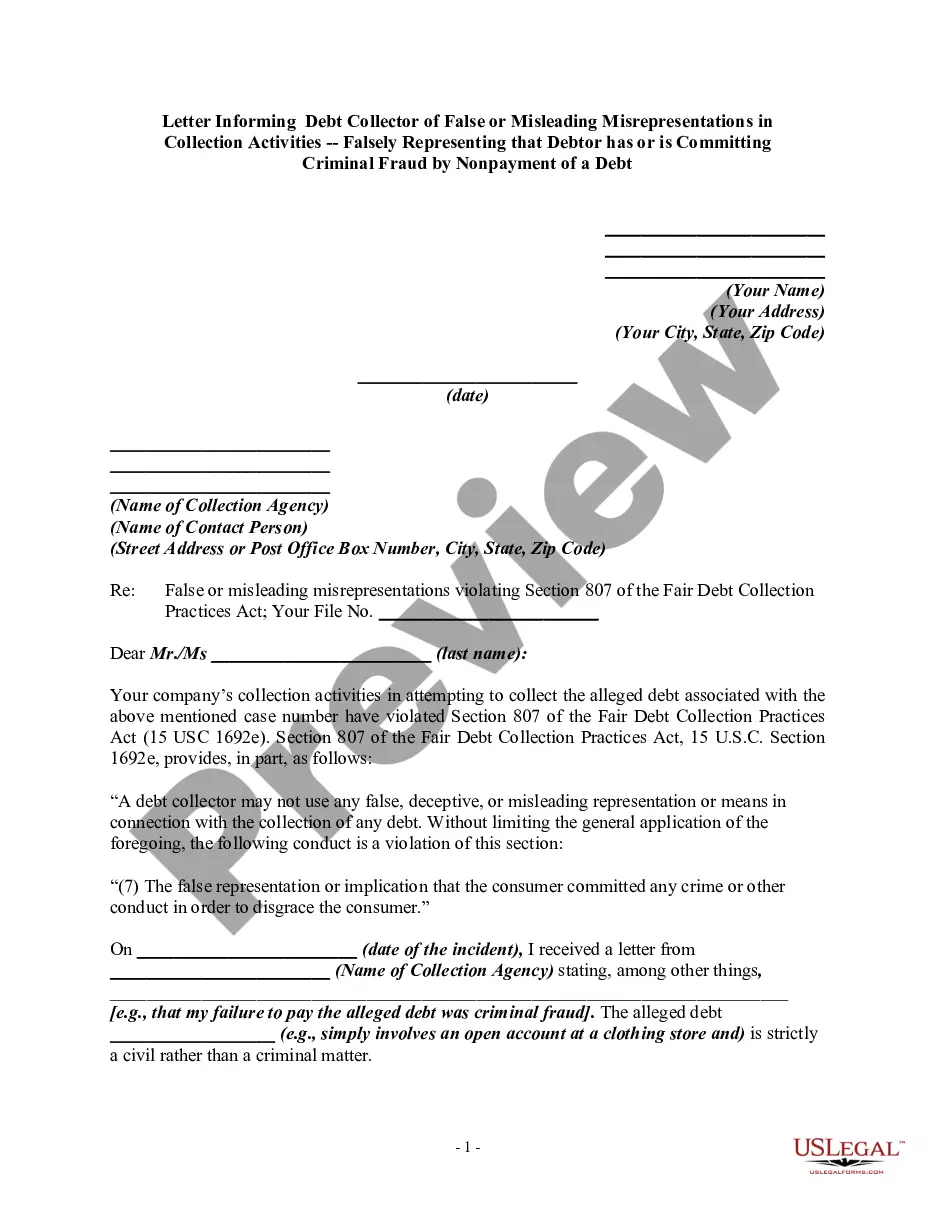
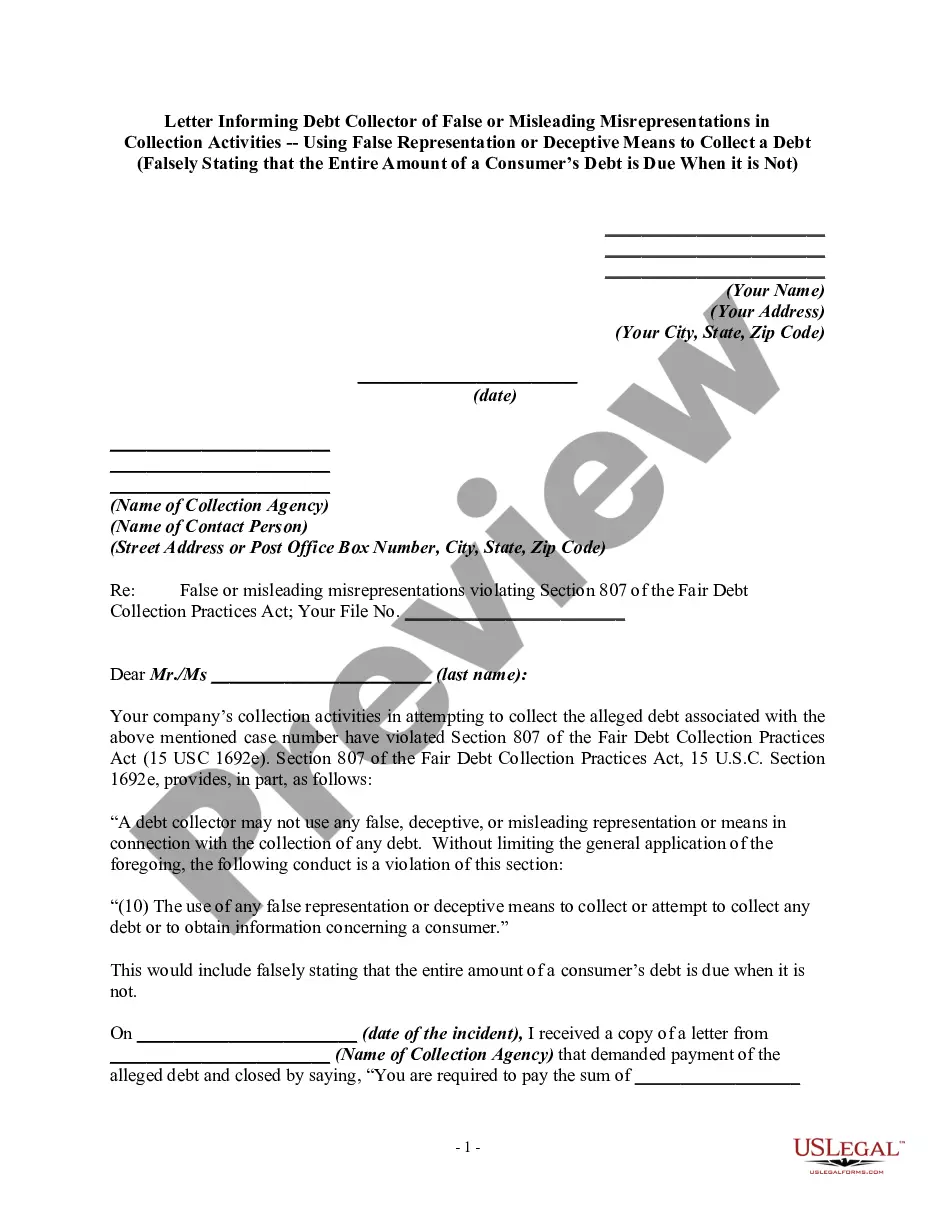
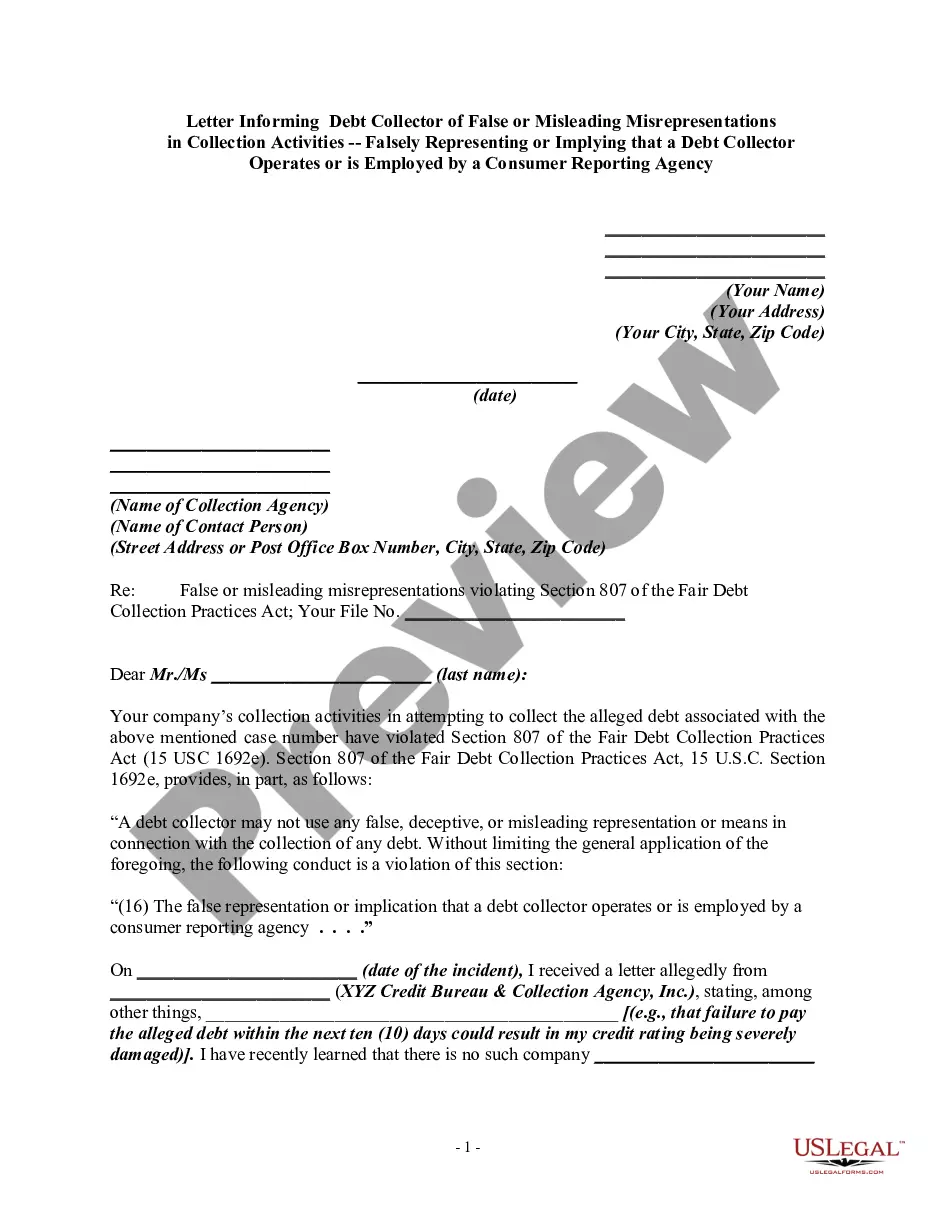


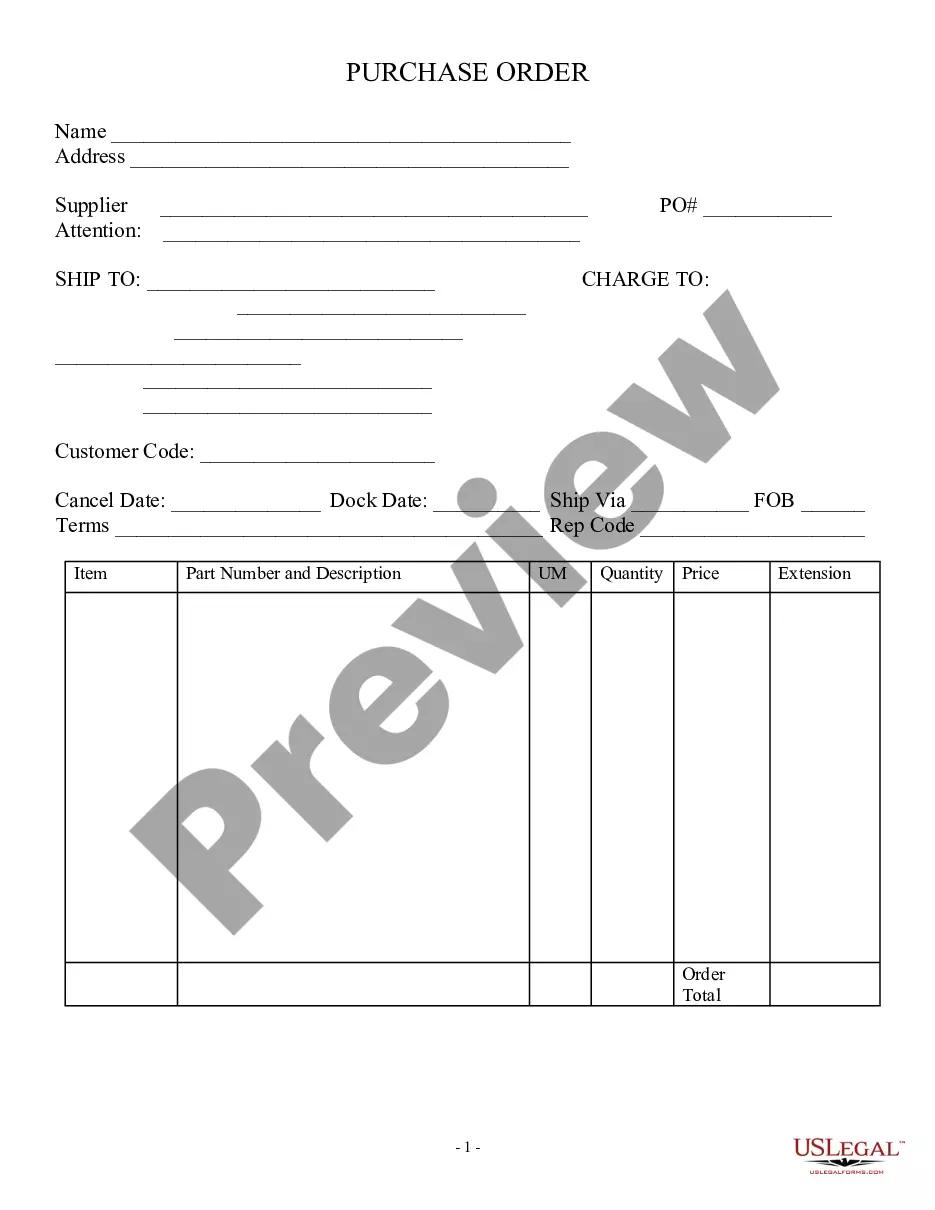
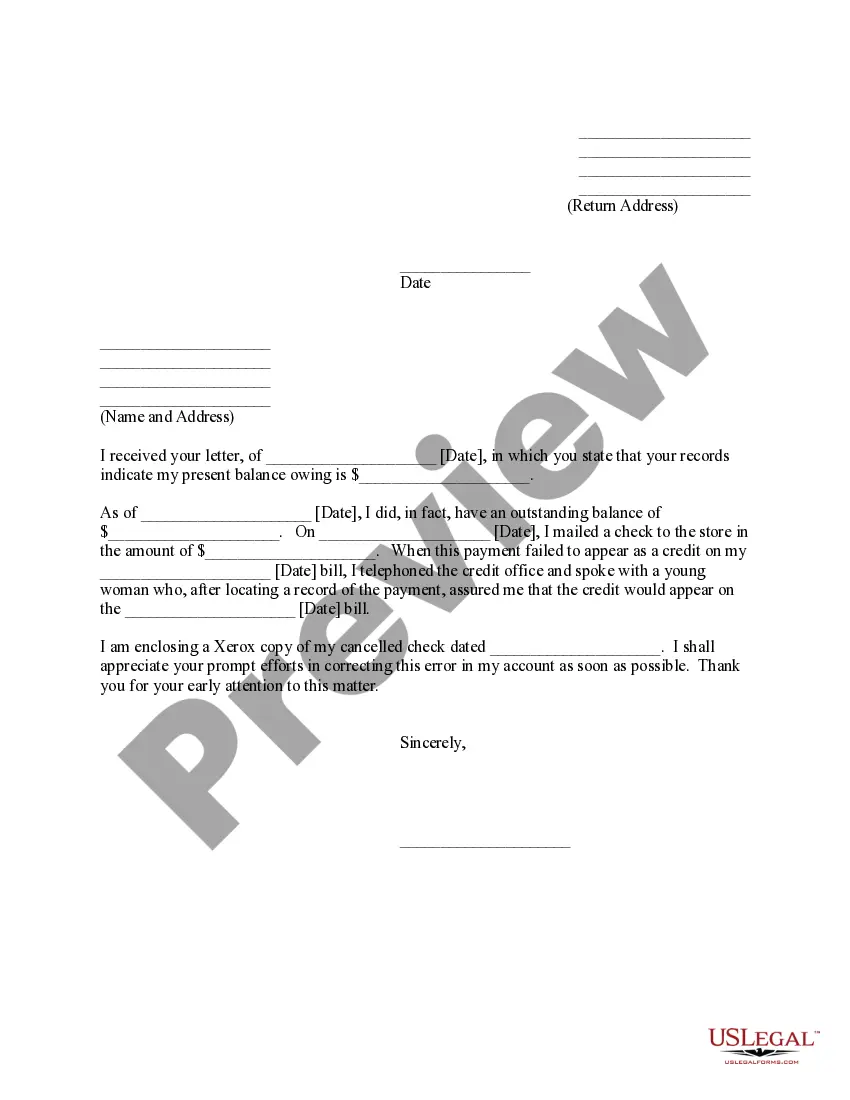
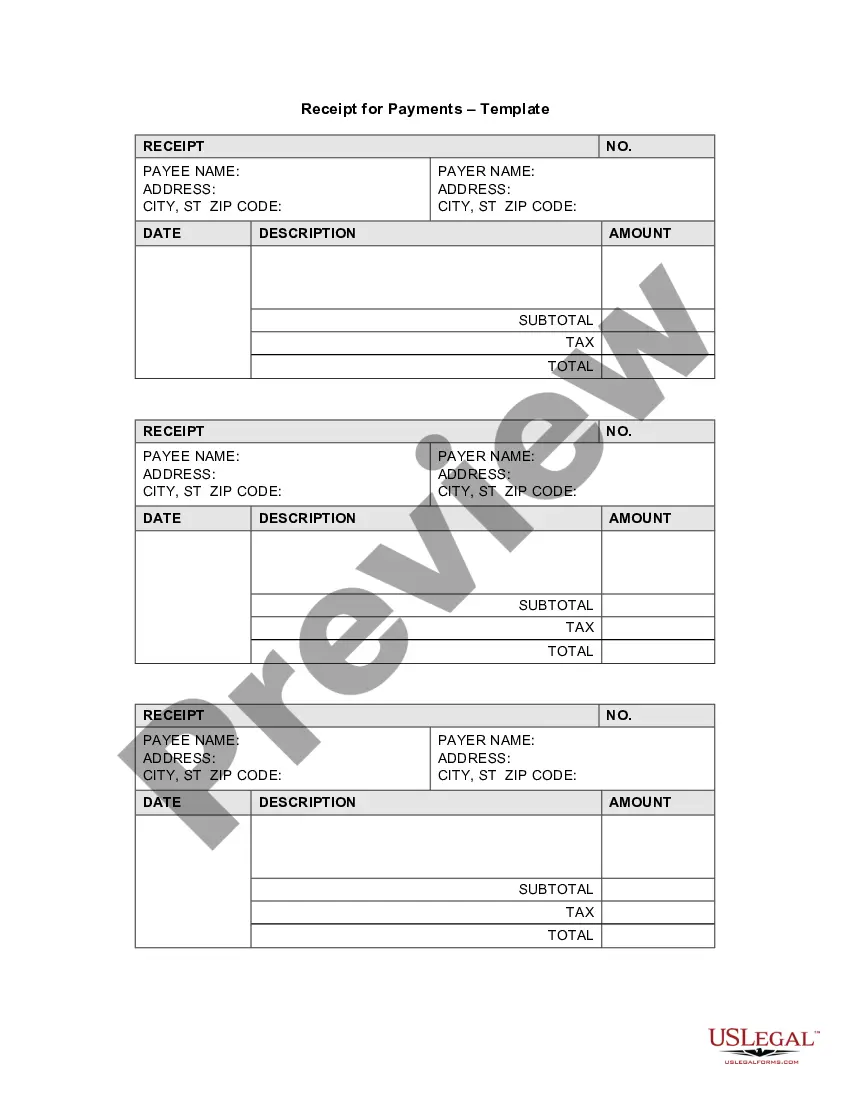

How to fill out Letter Informing Debt Collector Of False Or Misleading Misrepresentations In Collection Activities - Using False Representation Or Deceptive Means To Collect A Debt?
- If you are a returning user, simply log in to your account. Make sure your subscription is up to date and click the Download button to save your desired form template to your device.
- For first-time users, start by visiting the US Legal Forms website. Check the Preview mode and description of each form to ensure you select one that meets your requirements.
- If you need a different template, utilize the Search tab to find a document that fits your local jurisdiction and needs better.
- Once you've found the right document, click the Buy Now button. Choose a subscription plan that works for you and create an account to access all available resources.
- Proceed with your payment by entering your credit card details or logging in with your PayPal account.
- After the purchase is complete, download the form to your device. You can access it anytime through the My Forms section of your profile.
In conclusion, US Legal Forms allows individuals and attorneys to create accurate legal documents without hassle. Their robust library and expert support ensure you have everything you need for legal compliance.
Start exploring the possibilities today and streamline your legal document collection!
Form popularity
FAQ
The fork() function returns a value that helps identify the relationship between the parent and child processes. When successful, it returns a zero to the child process and the child's process ID to the parent. Understanding this return value is crucial when implementing functionalities like letter collection using fork, as it enables effective tracking and management of processes.
The fork method is a system call used primarily in process management to duplicate an existing process. It creates a child process that runs concurrently with the original process, allowing for multitasking. In scenarios such as letter collection using fork, this method facilitates efficient operations by enabling several actions to occur simultaneously.
The fork method is used to create new processes in a computing environment. It allows developers to perform tasks concurrently, improving performance and resource utilization. For instance, in letter collection using fork, this method streamlines the organization and management of multiple letters, ensuring timely processing.
The forking process refers to the operation where a process creates a copy of itself, resulting in a parent and a child process. This operation is fundamental in multitasking, as it allows multiple processes to run simultaneously. For applications like letter collection using fork, understanding the forking process enhances your ability to handle multiple entries quickly and efficiently.
The fork child process is the new process generated when a parent process calls the fork function. This child process is an exact copy of the parent, but it has its own unique process ID. In applications like letter collection using fork, the child process can manage distinct tasks while the parent process continues to operate independently, improving overall task efficiency.
The forks method is a programming technique used primarily in Unix-like operating systems. It allows a process to create a new child process, which runs concurrently with the parent process. By utilizing the forks method, you can efficiently handle tasks, such as letter collection using fork, enabling smooth operations and better resource management.
Fork is a system call in C that creates a new process. It works by duplicating the current process, allowing both the parent and the child to run different code. This concurrency is vital for operations such as letter collection using fork, where tasks can be distributed efficiently across processes. A clear grasp of fork's mechanics enables you to optimize your applications effectively.
Pid_t is a data type used in C to store process IDs. When you call fork(), it returns a pid_t value representing the child process ID in the parent process and zero in the child process. This helps you uniquely identify and manage processes, which is crucial for operations such as letter collection using fork. Understanding pid_t allows you to implement well-structured process management in your applications.
When fork() is called, the operating system creates a new process, duplicating the calling process and returning control to both. In the parent process, fork() returns the child process ID, allowing the parent to manage the child process further. In the child process, it returns zero. For tasks like letter collection using fork, this functionality enables complex workflows and enhances performance.
The fork method in C refers to the use of the fork() function to create a new process. It allows for multitasking, where one parent process can spawn multiple child processes, each capable of executing different tasks. This feature is vital for applications that require simultaneous operations, such as efficient letter collection using fork. Each forked process operates independently and enhances overall system performance.