Taxable Income For Trust
Description




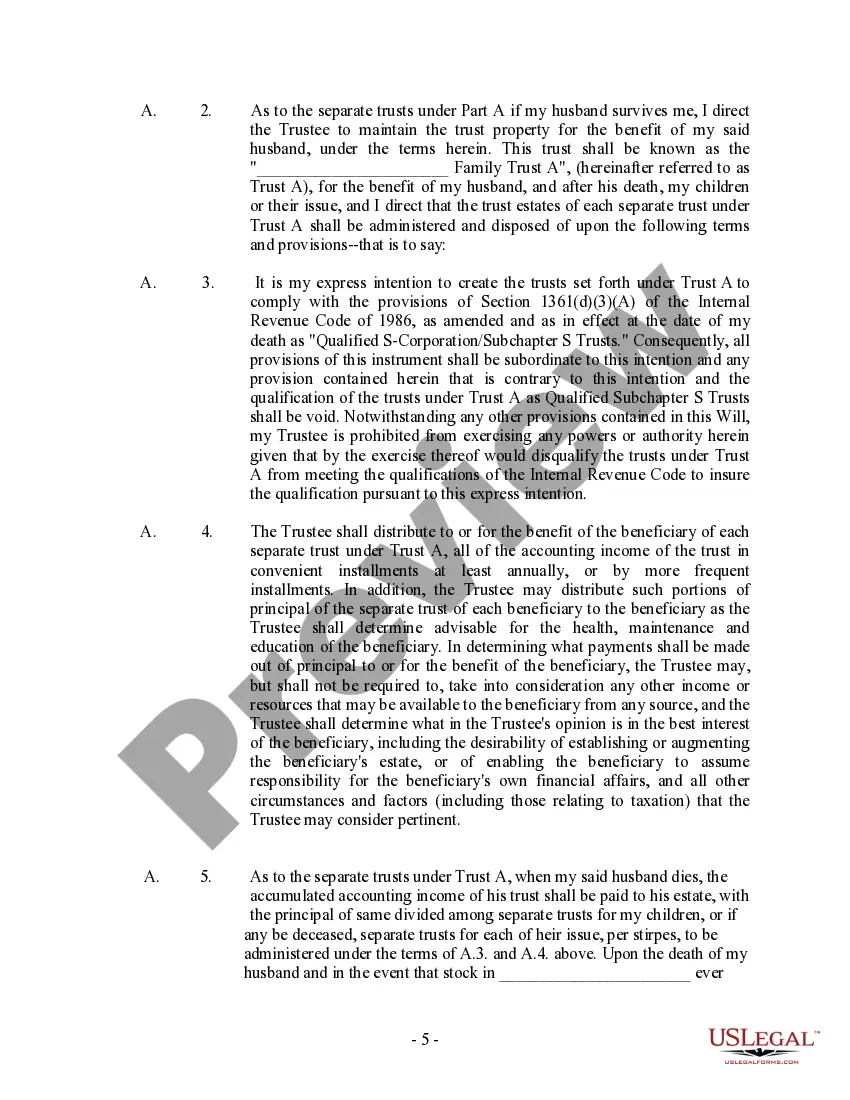

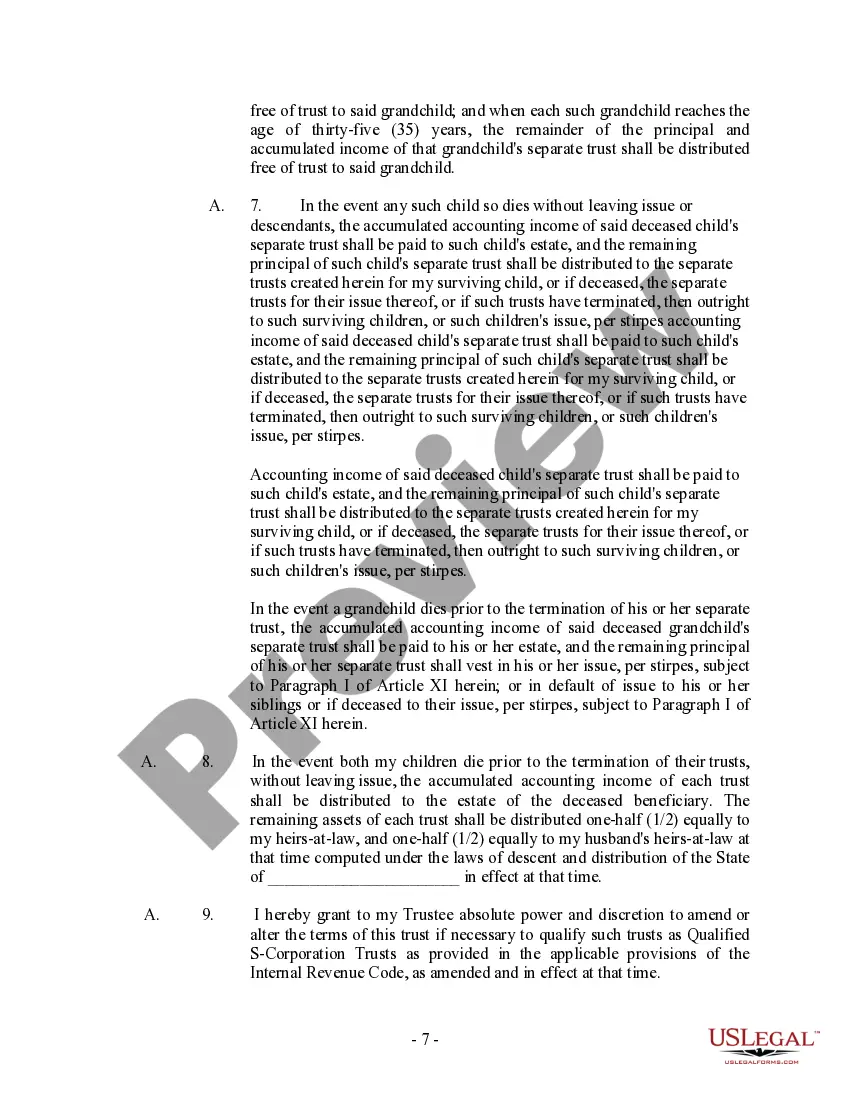
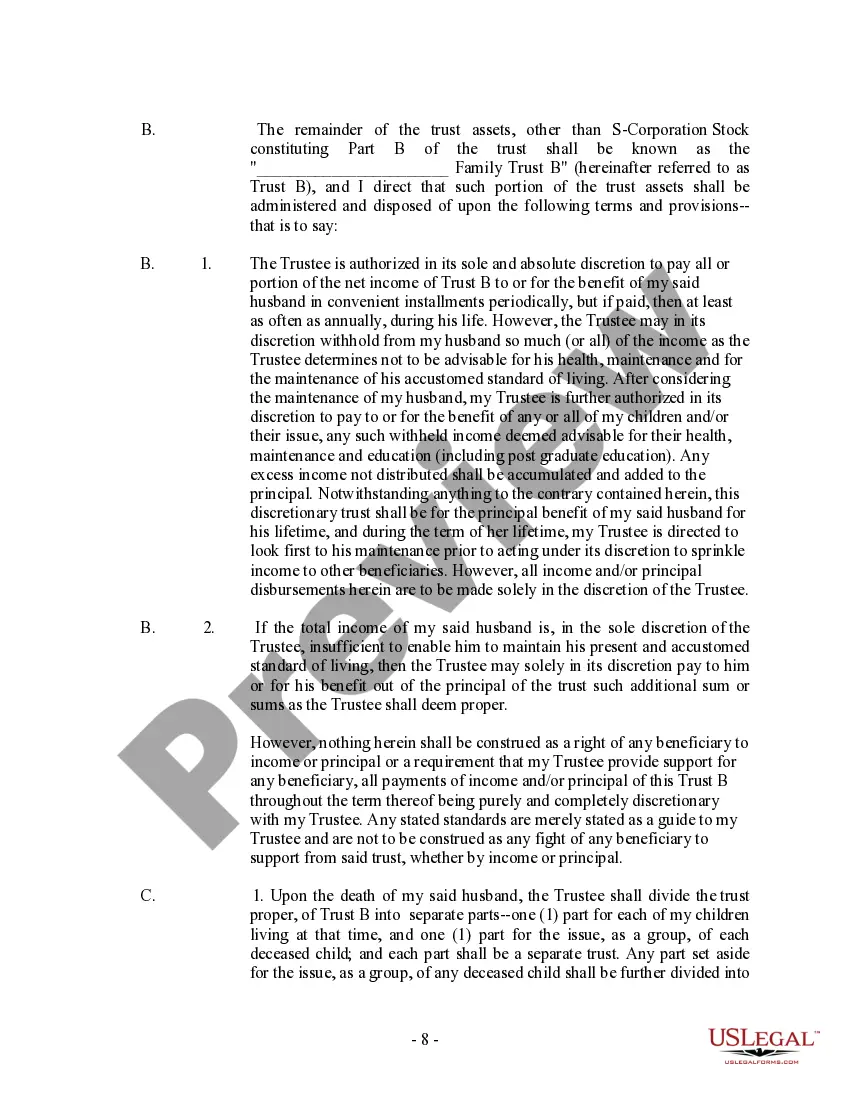
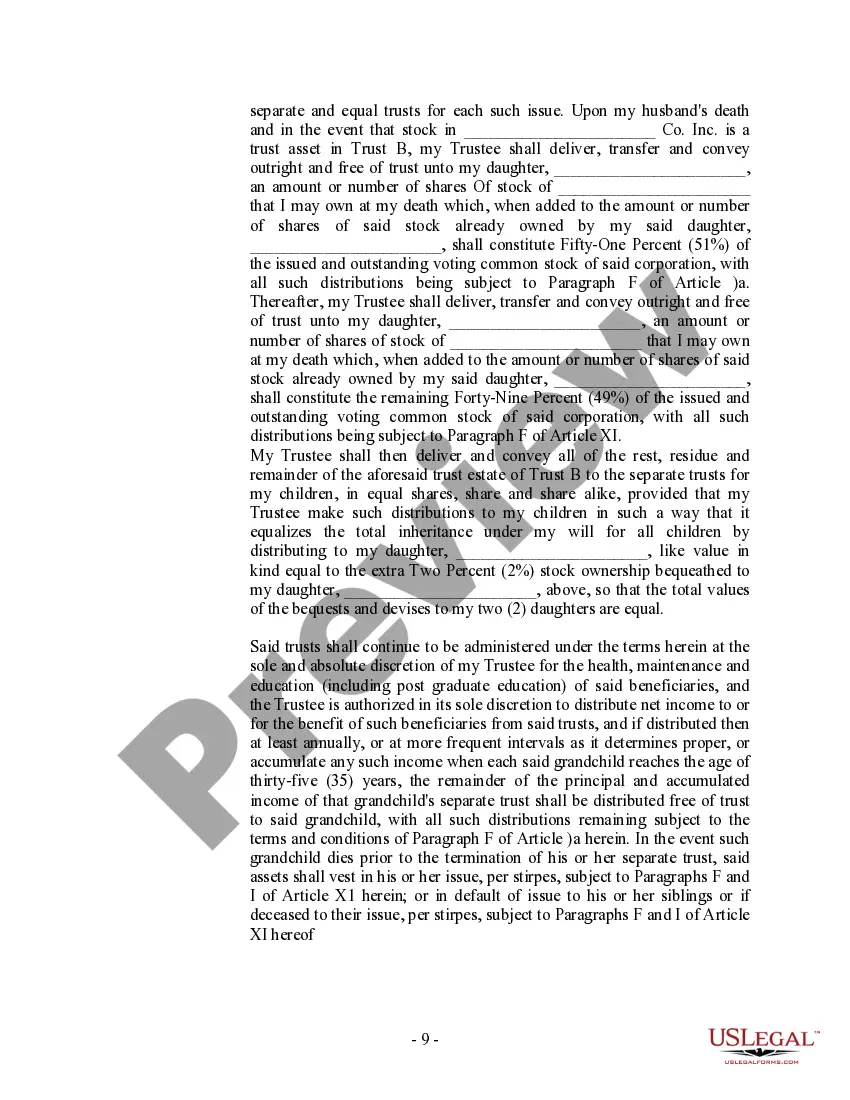




Get your form ready online
Our built-in tools help you complete, sign, share, and store your documents in one place.
Make edits, fill in missing information, and update formatting in US Legal Forms—just like you would in MS Word.
Download a copy, print it, send it by email, or mail it via USPS—whatever works best for your next step.
Sign and collect signatures with our SignNow integration. Send to multiple recipients, set reminders, and more. Go Premium to unlock E-Sign.
If this form requires notarization, complete it online through a secure video call—no need to meet a notary in person or wait for an appointment.
We protect your documents and personal data by following strict security and privacy standards.

Make edits, fill in missing information, and update formatting in US Legal Forms—just like you would in MS Word.

Download a copy, print it, send it by email, or mail it via USPS—whatever works best for your next step.

Sign and collect signatures with our SignNow integration. Send to multiple recipients, set reminders, and more. Go Premium to unlock E-Sign.

If this form requires notarization, complete it online through a secure video call—no need to meet a notary in person or wait for an appointment.

We protect your documents and personal data by following strict security and privacy standards.
Looking for another form?








How to fill out Complex Will - Income Trust For Spouse?
- If you have previously used US Legal Forms, log in to access your account. Download the required template by clicking the Download button, ensuring your subscription is current; if it’s not, renew it according to your payment plan.
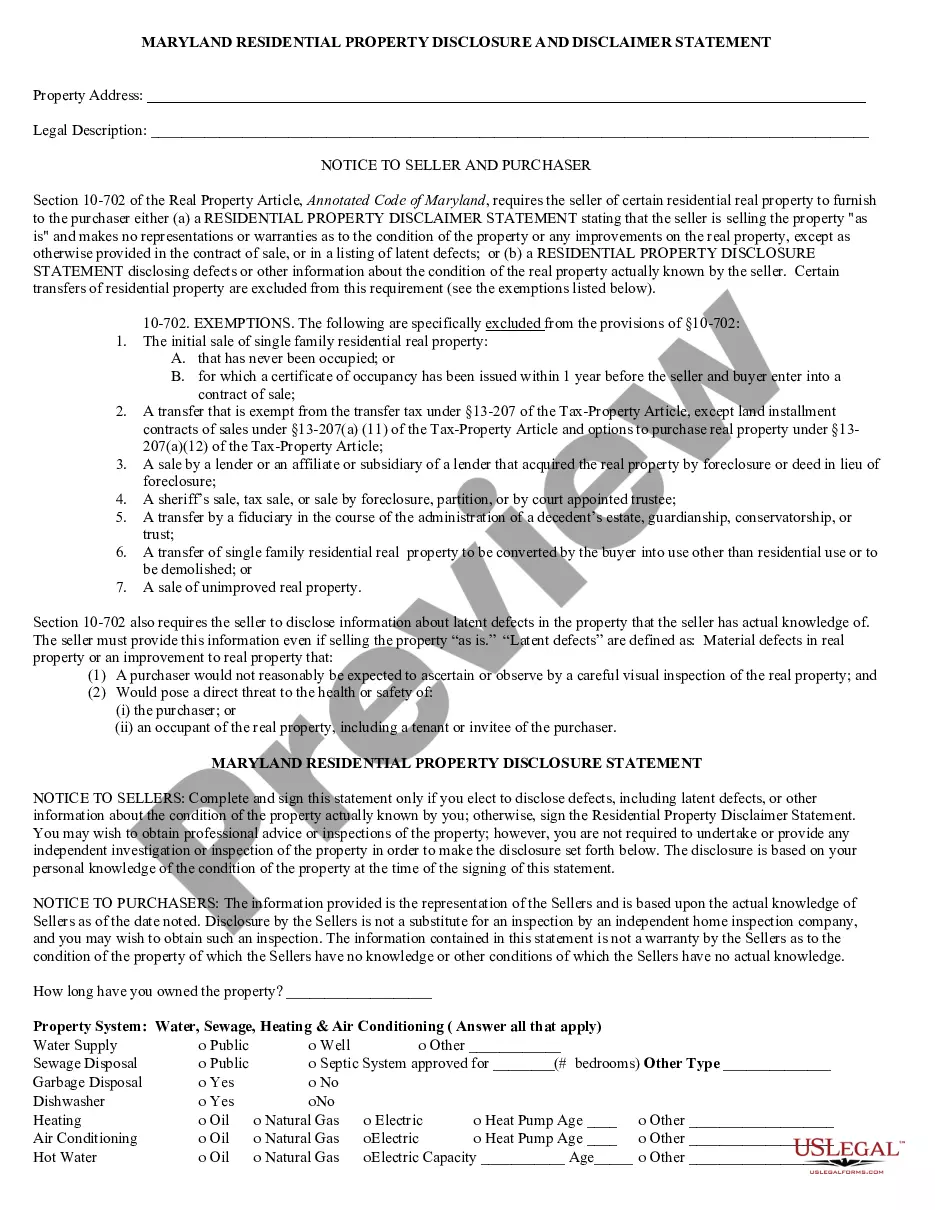
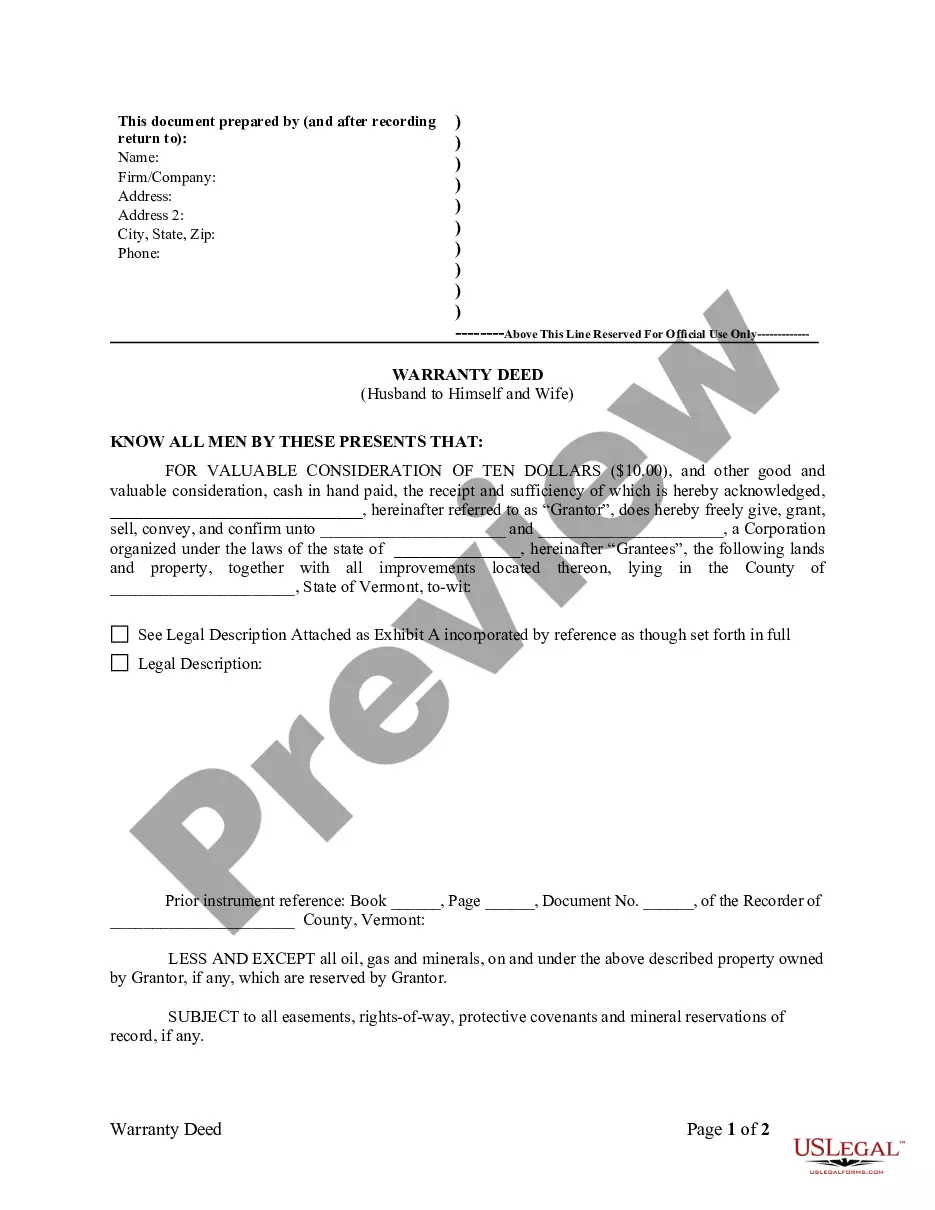
- For first-time users, begin by reviewing the Preview mode and form description. Make sure the chosen template aligns with your requirements and complies with local regulations.
- Search for additional templates if necessary. Use the Search tab to find the correct template if there are any discrepancies. Once you find the suitable one, proceed to the next step.
- Select the document you want to purchase. Click the Buy Now button and choose a subscription plan that best fits your needs. You will need to register for an account to access the comprehensive library.
- Complete your transaction. Fill in your payment details, either through a credit card or your PayPal account, to finalize your subscription.
- Download and save your form. Access and complete the template whenever needed from the My Forms section of your profile.
After you’ve acquired your legal document, promptly complete it to ensure compliance with tax regulations for the trust. US Legal Forms specializes in empowering individuals and attorneys to easily execute legal documents, making the process faster and more reliable.
Start your tax planning today by accessing US Legal Forms and ensuring your trust is managed correctly. Don’t wait—visit now to find the forms you need!
Form popularity
FAQ
The trust fund loophole allows trustees to allocate income to beneficiaries, potentially lowering the taxable income for trust. By distributing income wisely, trustees can minimize the overall tax burden. This strategy can help preserve more wealth for beneficiaries. Understanding this can lead to more effective trust management and tax planning.
Absolutely, any taxable income for trust must be reported on tax returns. Trusts are often required to file their own returns, but beneficiaries also need to report distributions. The IRS expects accurate reporting from both the trust and its beneficiaries. Regular consultation with tax advisors can ensure compliance with reporting requirements.
Yes, if a trust generates taxable income, beneficiaries may receive a 1099 form reporting that income. This form helps report the taxable income for trust on their individual tax returns. Trusts have specific rules regarding reporting, so it's essential to track all generated income accurately. Keeping detailed records can simplify tax time for everyone involved.
One of the biggest mistakes parents make is not properly understanding the taxable income for trust in relation to beneficiaries. Failing to allocate income properly can lead to unintended tax consequences. Parents should also consider the trust structure and the needs of beneficiaries. Consulting with a tax professional can help avoid these pitfalls.
The tax loophole for trusts often refers to the ability to distribute income to beneficiaries, which can minimize the taxable income for trust. By distributing income, it allows the trust to avoid paying higher tax rates. Beneficiaries may be taxed at their lower rates instead. Understanding this can help in effective trust planning.
A trust appears on an income tax return through Form 1041, where all income, deductions, and taxes owed are reported. If the trust distributes income to beneficiaries, these amounts are also reported on their personal returns through Schedule K-1. Understanding how a trust's taxable income for trust affects the return can help in effective tax planning. For comprehensive assistance, platforms like uslegalforms can guide you through the tax implications of trusts.
You report income from a trust using IRS Form 1041, which is specifically designed for estates and trusts. On this form, you will list the trust's income, deductions, and taxable income for trust. Additionally, if the trust distributes income to beneficiaries, you will issue Schedule K-1s to them, detailing their share of the income for tax reporting. This ensures transparency and accuracy in tax obligations.
To determine trust net income, start with the total income received by the trust and deduct the allowable expenses. This includes fees for administration and certain deductions specifically related to the trust's activities. The calculation is vital for understanding how much income will be taxable income for trust, and it assists in efficiently managing distributions to beneficiaries.
Calculating trust taxable income involves taking the trust's gross income and subtracting any deductions and exemptions allowed by the IRS. This includes allowable expenses related to managing the trust, as well as distributions made to beneficiaries. The resulting figure is the taxable income for trust, which the trustee must report on Form 1041. This process ensures that all income is appropriately accounted for.
To calculate distributable net income for a trust, you must first identify the trust's total income sources. Then, subtract any expenses and deductions that are not distributable to beneficiaries. The remaining income represents the distributable net income. Understanding this process is crucial in determining the taxable income for trust, as it impacts how income is reported to beneficiaries.