Warranty For Car Parts
Description
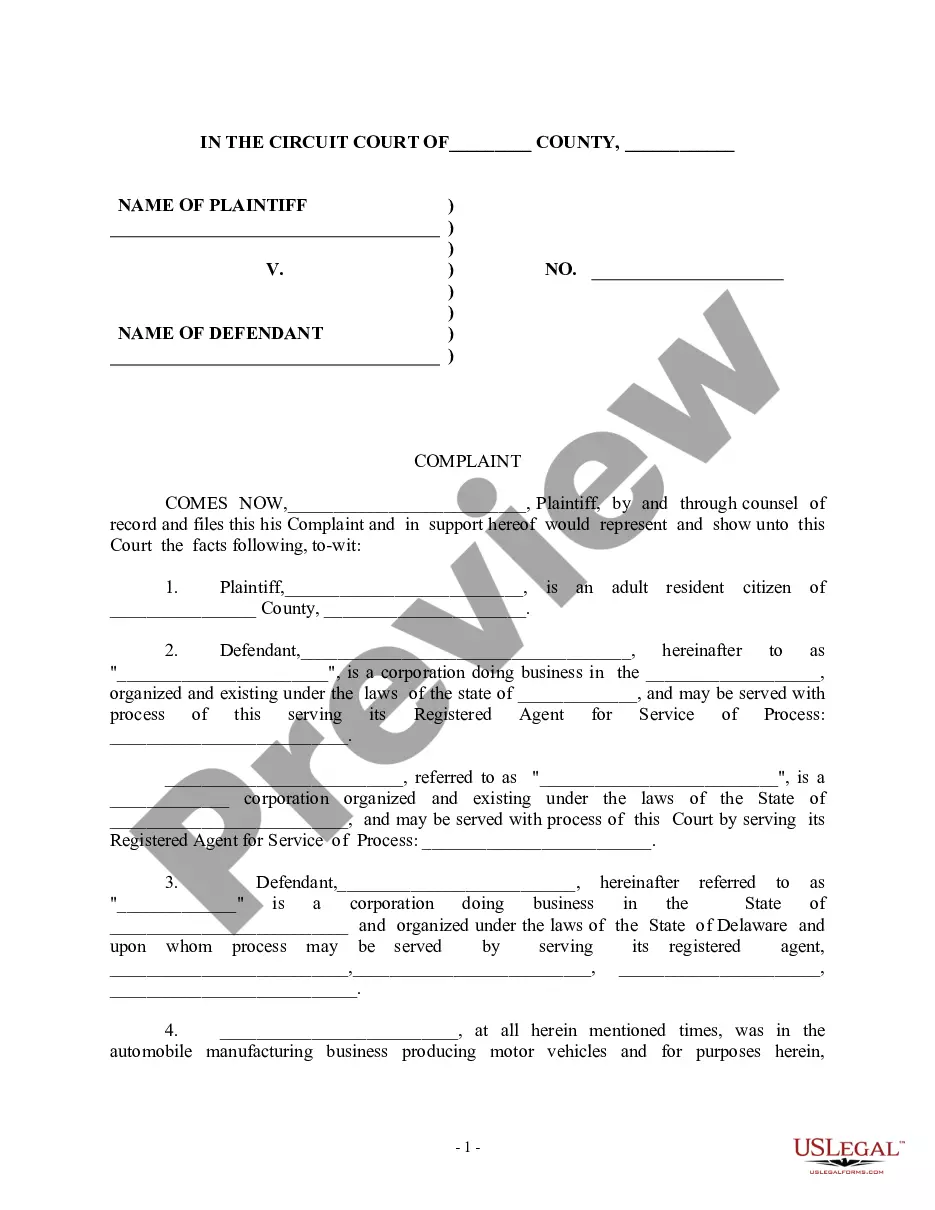
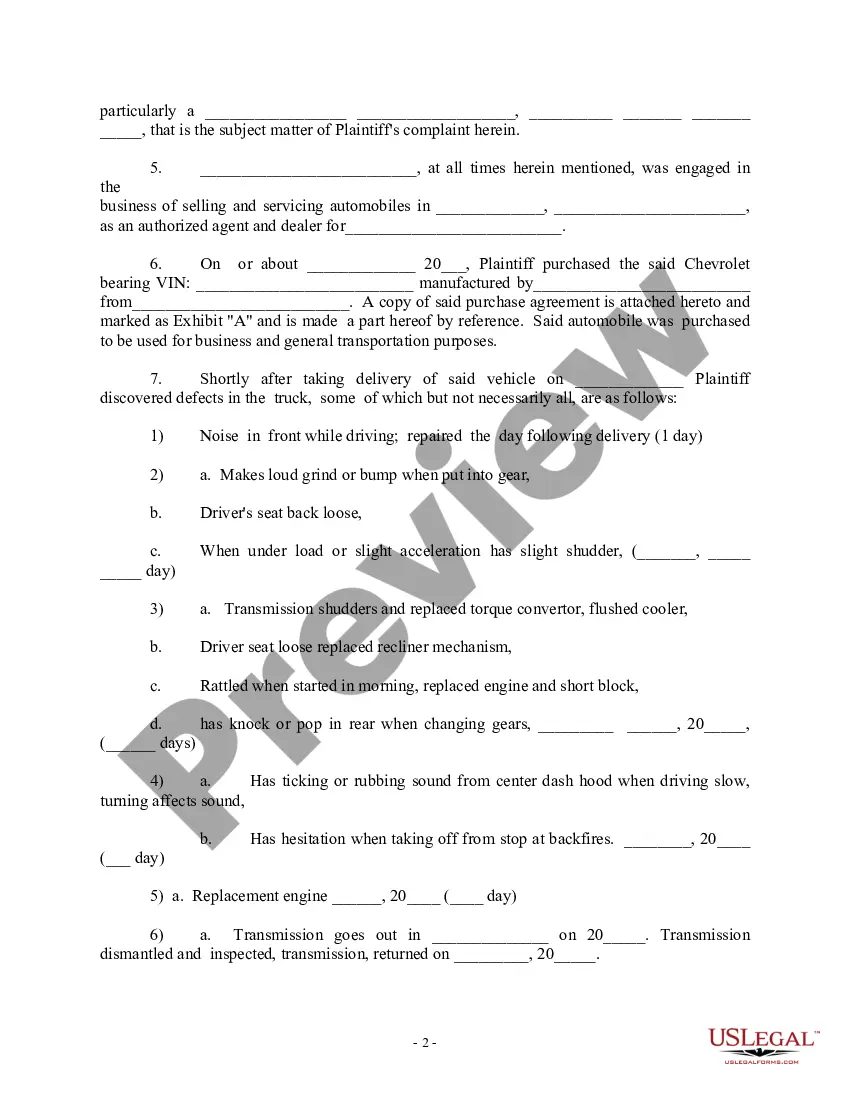
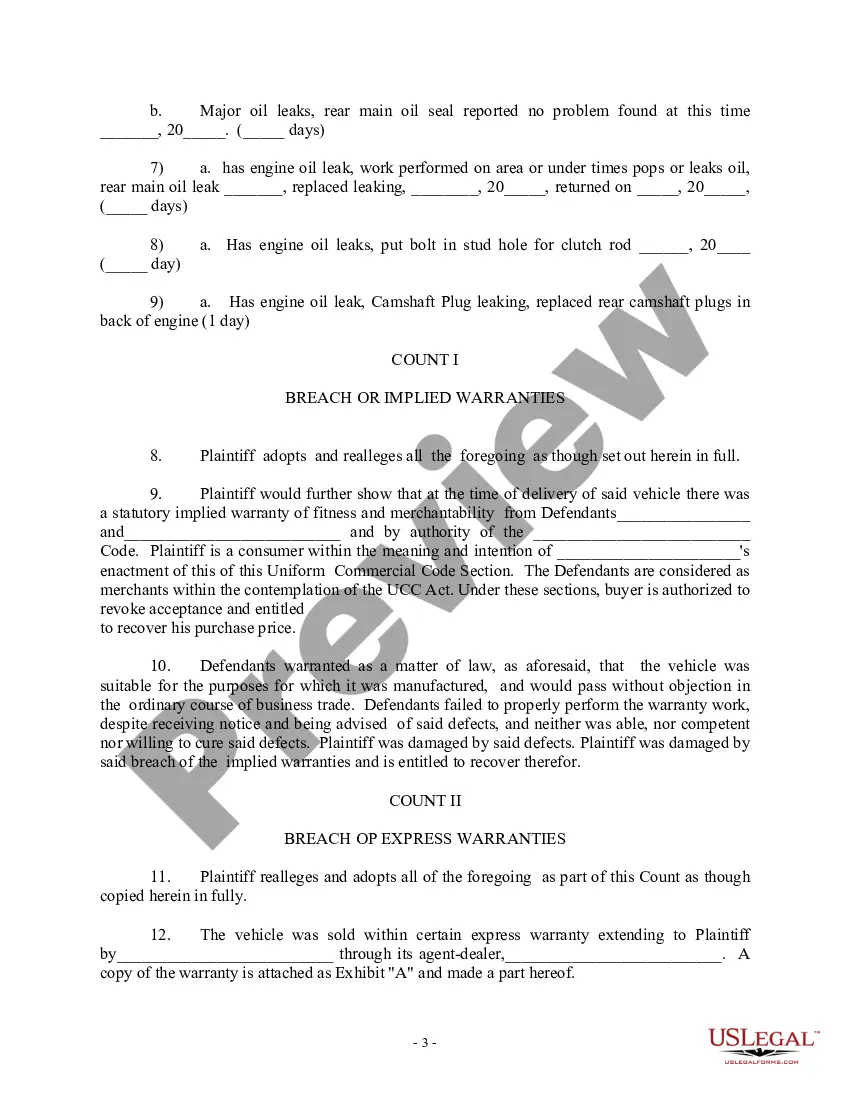
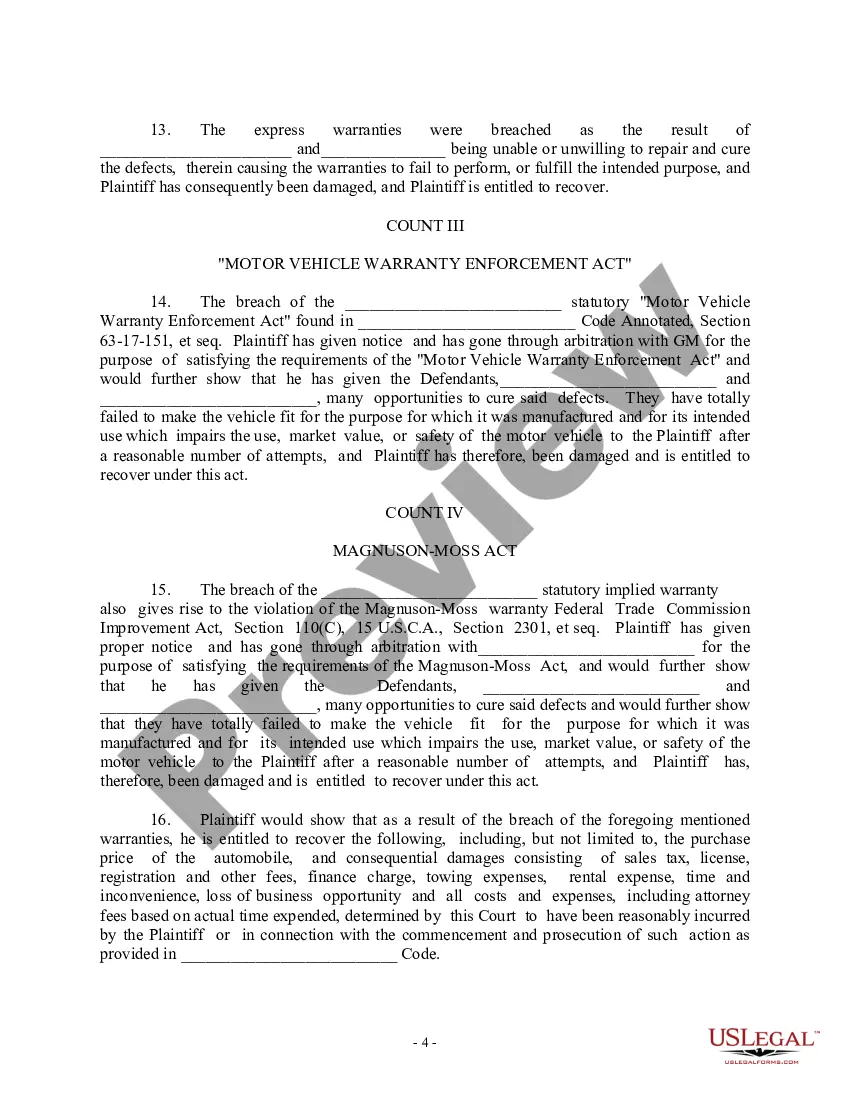
Get your form ready online
Our built-in tools help you complete, sign, share, and store your documents in one place.
Make edits, fill in missing information, and update formatting in US Legal Forms—just like you would in MS Word.
Download a copy, print it, send it by email, or mail it via USPS—whatever works best for your next step.
Sign and collect signatures with our SignNow integration. Send to multiple recipients, set reminders, and more. Go Premium to unlock E-Sign.
If this form requires notarization, complete it online through a secure video call—no need to meet a notary in person or wait for an appointment.
We protect your documents and personal data by following strict security and privacy standards.

Make edits, fill in missing information, and update formatting in US Legal Forms—just like you would in MS Word.

Download a copy, print it, send it by email, or mail it via USPS—whatever works best for your next step.

Sign and collect signatures with our SignNow integration. Send to multiple recipients, set reminders, and more. Go Premium to unlock E-Sign.

If this form requires notarization, complete it online through a secure video call—no need to meet a notary in person or wait for an appointment.

We protect your documents and personal data by following strict security and privacy standards.
Looking for another form?
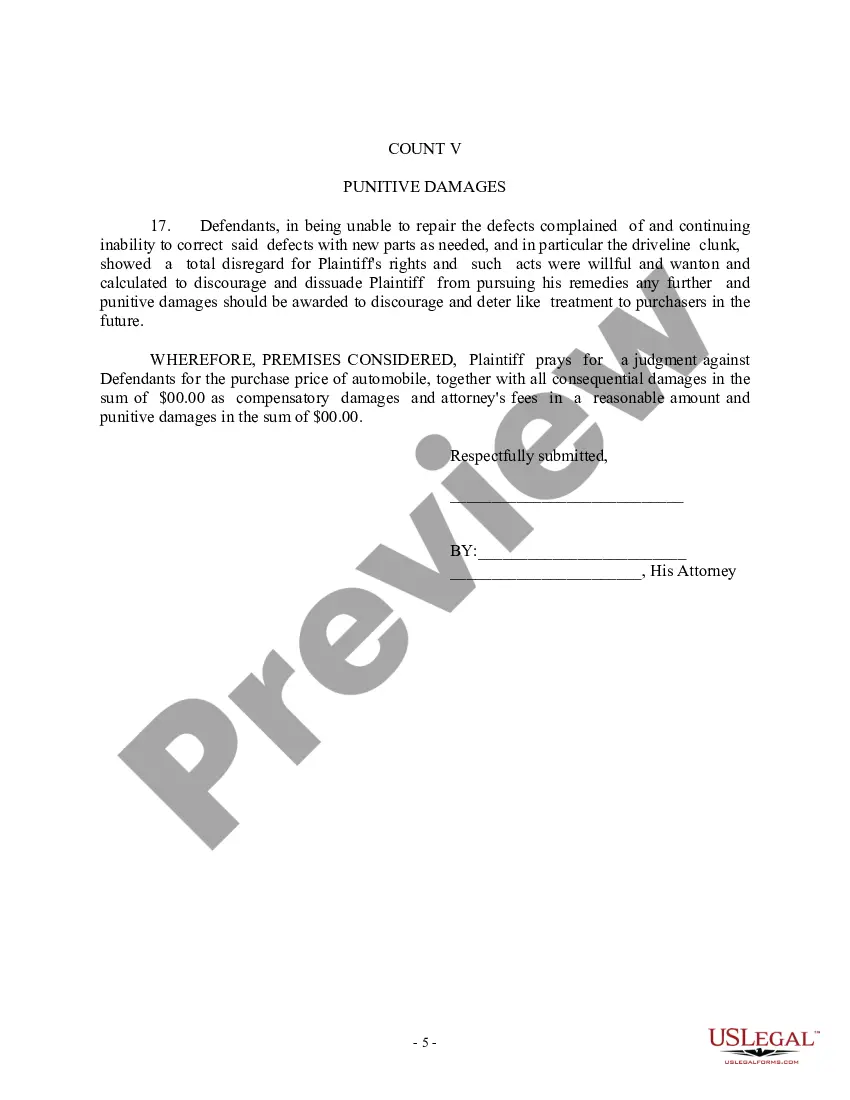
How to fill out Complaint Regarding Defective Auto, Breach Of Warranty, Motor Vehicle Warranty Act, And Magnuson Moss Act, Punitive Damages?
Locating a reliable source for the latest and pertinent legal documents is a significant part of navigating bureaucracy.
Identifying the correct legal paperwork requires precision and carefulness, which is why it is crucial to obtain samples of Warranty For Car Components solely from reputable providers, such as US Legal Forms.
Once you have the document saved on your device, you can either edit it using the editor or print it out to complete by hand. Eliminate the hassles associated with your legal documentation. Explore the vast US Legal Forms collection to discover legal templates, evaluate their relevance to your needs, and download them instantly.
- Utilize the catalog search or inquiry field to find your document.
- Review the form's specifications to verify its alignment with your state and locality requirements.
- Preview the document, if available, to ensure that it is indeed the template you are seeking.
- Return to the search to locate the suitable template if the Warranty For Car Components does not meet your needs.
- When you are confident about the document's applicability, download it.
- If you are a registered user, click Log in to validate your identity and access your selected documents in My Documents.
- If you do not have an account yet, click Buy now to acquire the document.
- Choose the payment plan that best fits your needs.
- Proceed with the registration to finalize your transaction.
- Complete your purchase by selecting a payment method (credit card or PayPal).
- Choose the format for downloading the Warranty For Car Components.
Form popularity
FAQ
To create a warranty for car parts, start by clearly defining the terms of the warranty. Include details such as the coverage period, what parts are covered, and any exclusions. Next, document these terms formally, either in writing or using a warranty creation platform. This documentation ensures clarity and protects both the buyer and seller.
If you need to file a complaint against a car warranty company, start by communicating your concerns directly with them. Document all conversations and transactions related to your issue. If the problem persists, escalate your complaint to your state's consumer protection agency or the Better Business Bureau. Clearly state the problem and provide any supporting evidence you have gathered.
A car warranty claim typically begins after identifying an issue covered by the warranty. You then submit the necessary documents to your warranty provider, outlining the problem. The provider reviews the claim and may send an inspector or require additional information. Once approved, they will cover repairs or replacement as outlined in your warranty agreement.
Filling out a warranty for car parts usually involves providing your personal details, the vehicle's information, and the specific items being covered. Ensure you read the entire form and provide accurate information. Double-check for any required signatures or additional documentation. Consider using platforms like US Legal Forms to access templates that guide you through the process.
To make a claim on your warranty for car parts, first read your warranty policy. Then, reach out to the warranty provider, providing them details about the issue. You may need to send photographs or other evidence of the problem. Keep copies of all communications for your records to ensure clarity and follow-up.
To file a car warranty claim, start by gathering all necessary documents, including your warranty agreement and any repair receipts. Contact the warranty provider, either through their customer service line or website, to report your claim. Be prepared to provide details about the issue and any supporting documentation. Once submitted, the provider will review your claim and notify you of the next steps.
Certain parts are generally not covered in warranties, including those affected by normal wear and tear, like rubber components and gaskets. Additionally, damages from improper use or installation often void coverage. Always familiarize yourself with the manufacturer’s warranty for car parts to guard against disappointment. This proactive approach can save you frustration in the future.
Yes, many car parts are covered by warranty, safeguarding you against manufacturing defects. However, the exact coverage varies by brand and type of part, so it is important to inquire about specific warranties before buying. Understanding the warranty for car parts forms a critical part of your purchasing decision, ensuring you choose reliable products. Always ask questions to get clear information on your coverage.
Warranty coverage generally excludes parts that wear out over time, such as belts and hoses, as well as damages incurred from accidents or neglect. Any modifications you make to your vehicle can also void the warranty. To protect your purchases, read the warranty details thoroughly. Being aware of what isn't covered by warranty can save you from unexpected repair costs.
Typically, warranties do not cover damages due to improper installation, excessive wear, or modifications to the vehicle. Environmental factors, such as corrosion and rust, often fall outside the warranty scope too. Always check with the manufacturer for specific exclusions, as these details are crucial for understanding warranty for car parts. This knowledge allows you to take care of your parts properly.