Emotional Distress In Small Claims Court
Description
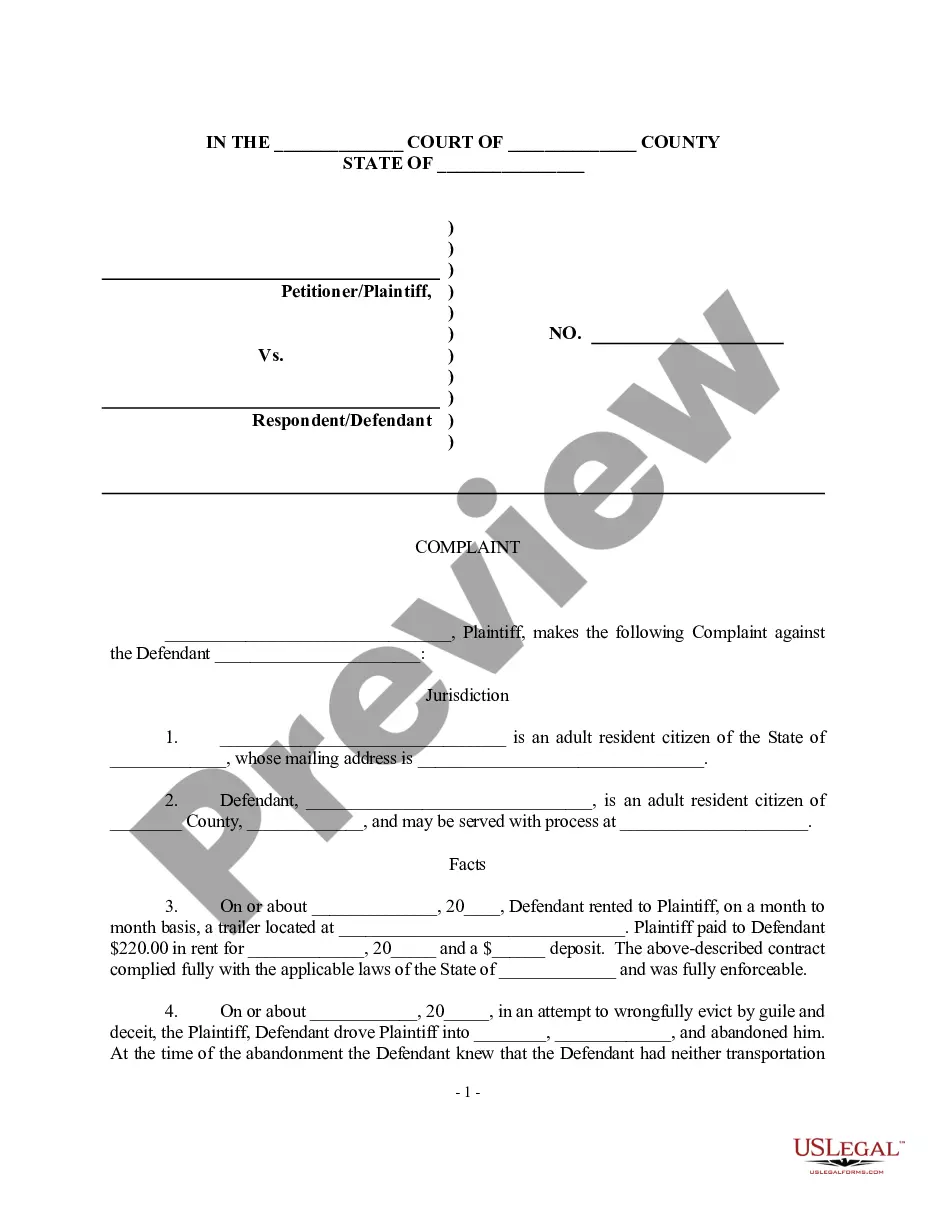
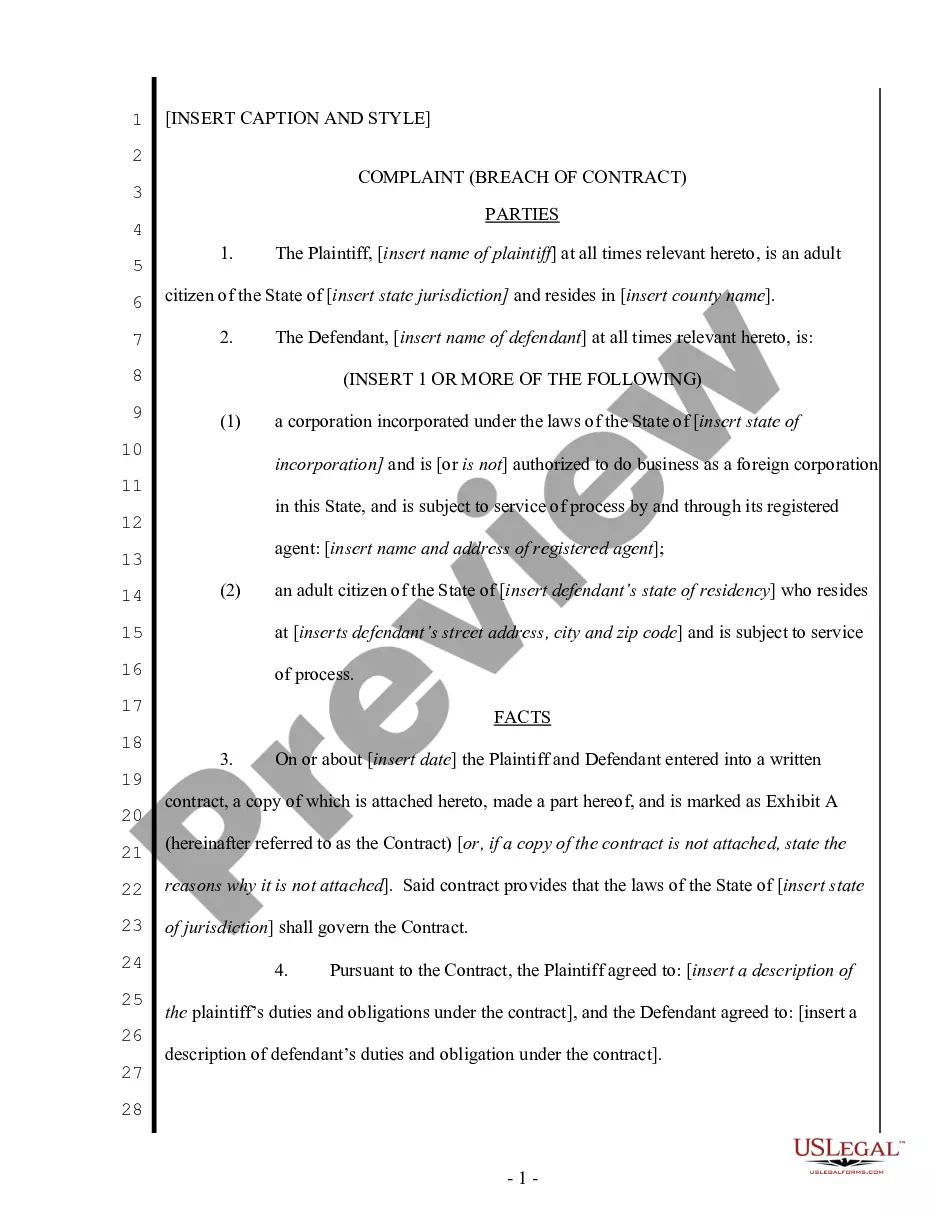
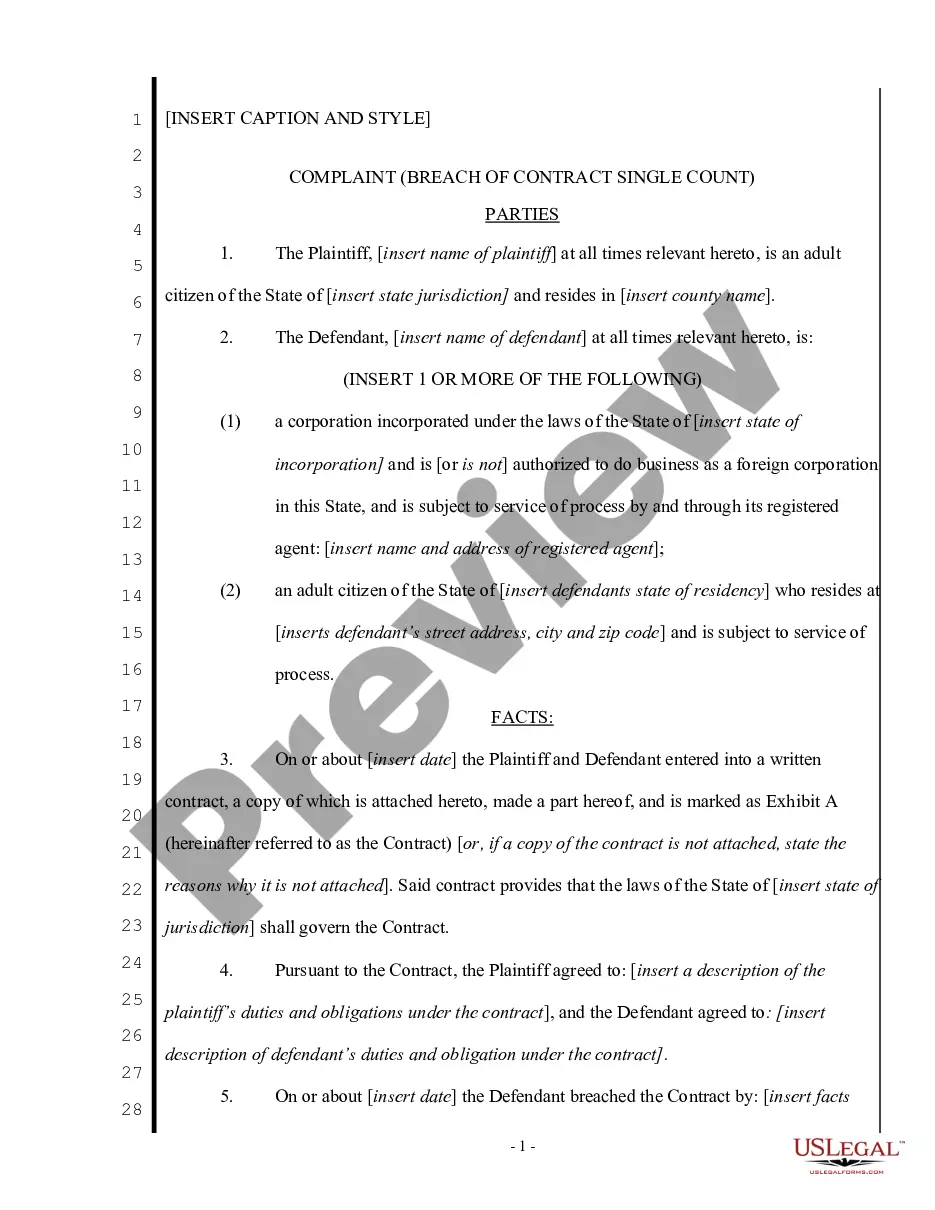
Get your form ready online
Our built-in tools help you complete, sign, share, and store your documents in one place.
Make edits, fill in missing information, and update formatting in US Legal Forms—just like you would in MS Word.
Download a copy, print it, send it by email, or mail it via USPS—whatever works best for your next step.
Sign and collect signatures with our SignNow integration. Send to multiple recipients, set reminders, and more. Go Premium to unlock E-Sign.
If this form requires notarization, complete it online through a secure video call—no need to meet a notary in person or wait for an appointment.
We protect your documents and personal data by following strict security and privacy standards.

Make edits, fill in missing information, and update formatting in US Legal Forms—just like you would in MS Word.

Download a copy, print it, send it by email, or mail it via USPS—whatever works best for your next step.

Sign and collect signatures with our SignNow integration. Send to multiple recipients, set reminders, and more. Go Premium to unlock E-Sign.

If this form requires notarization, complete it online through a secure video call—no need to meet a notary in person or wait for an appointment.

We protect your documents and personal data by following strict security and privacy standards.
Looking for another form?
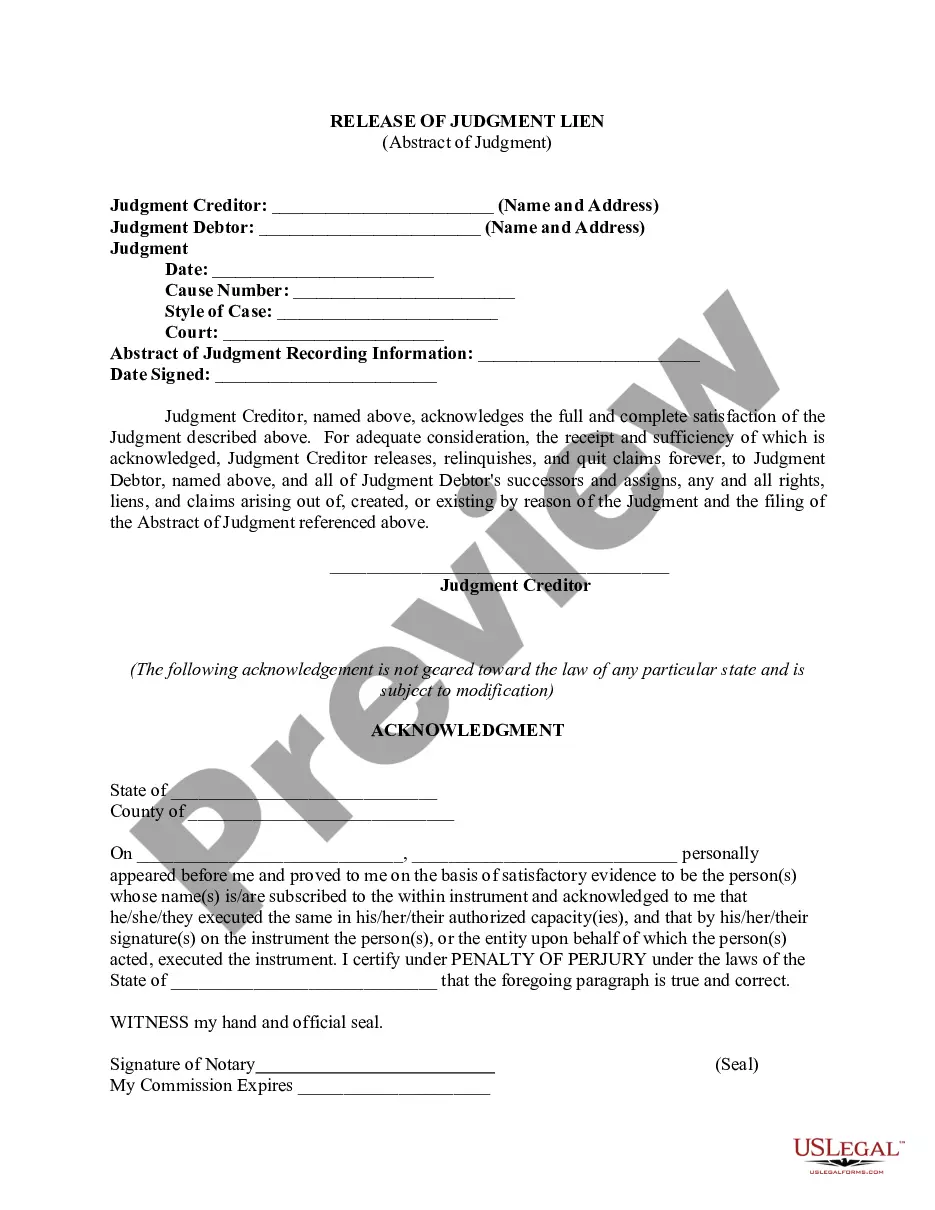
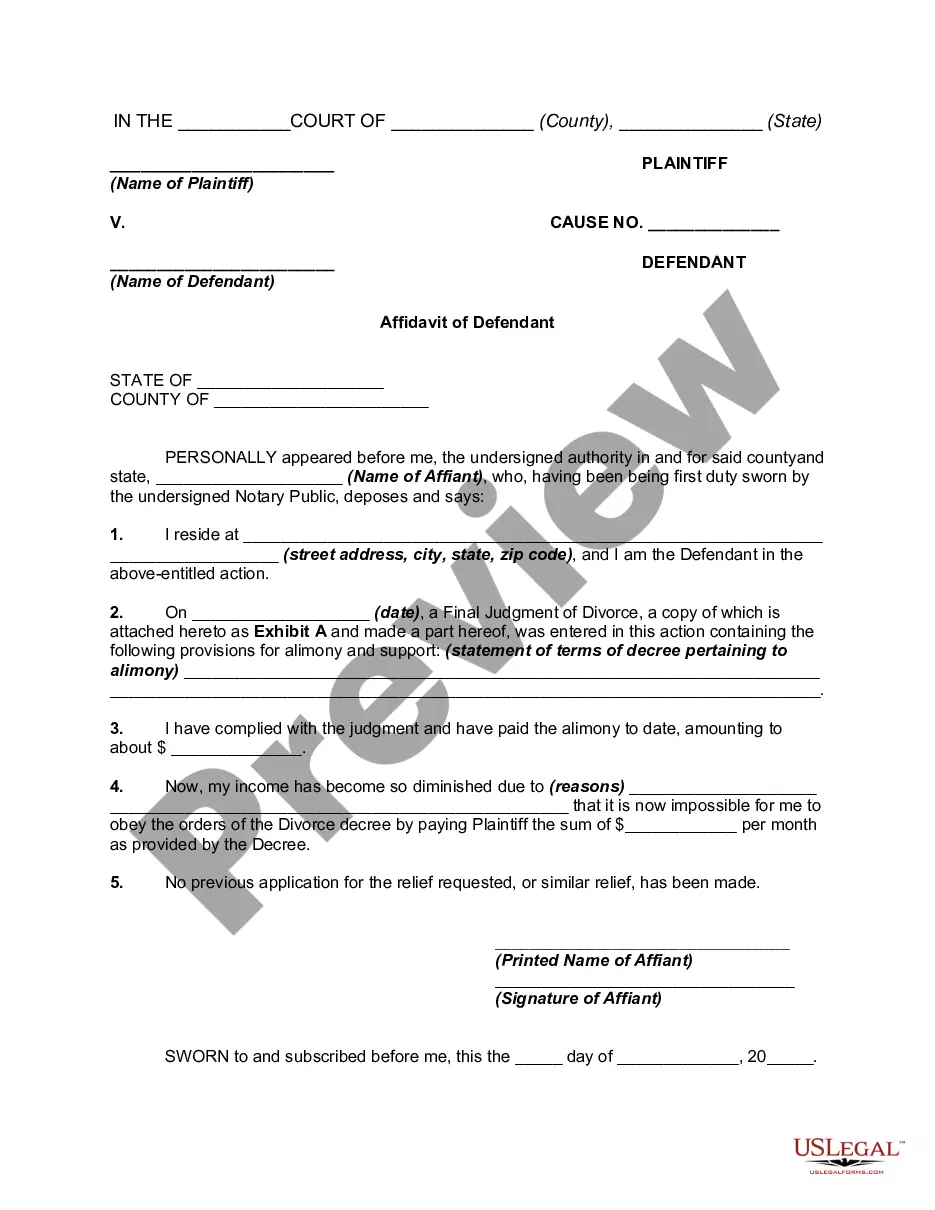
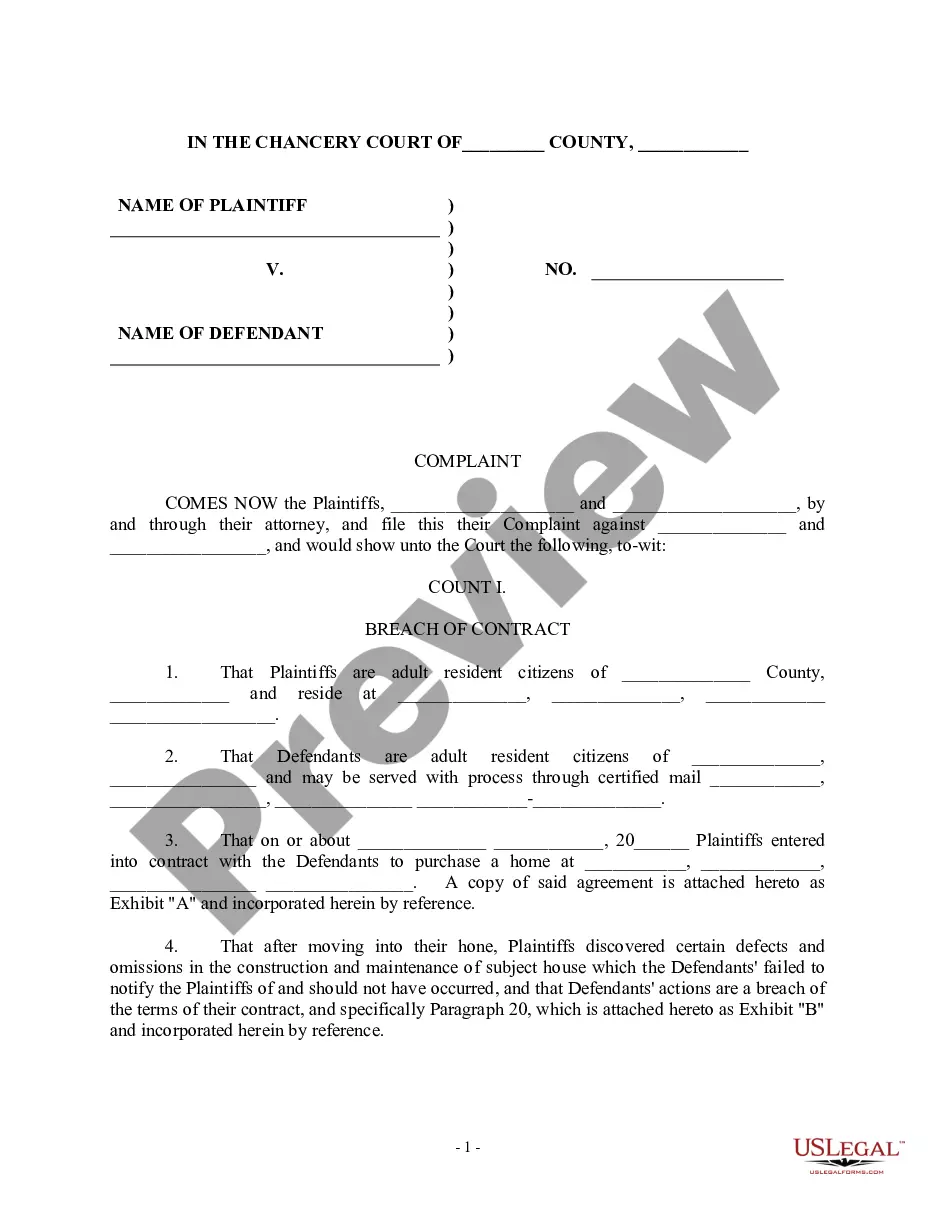
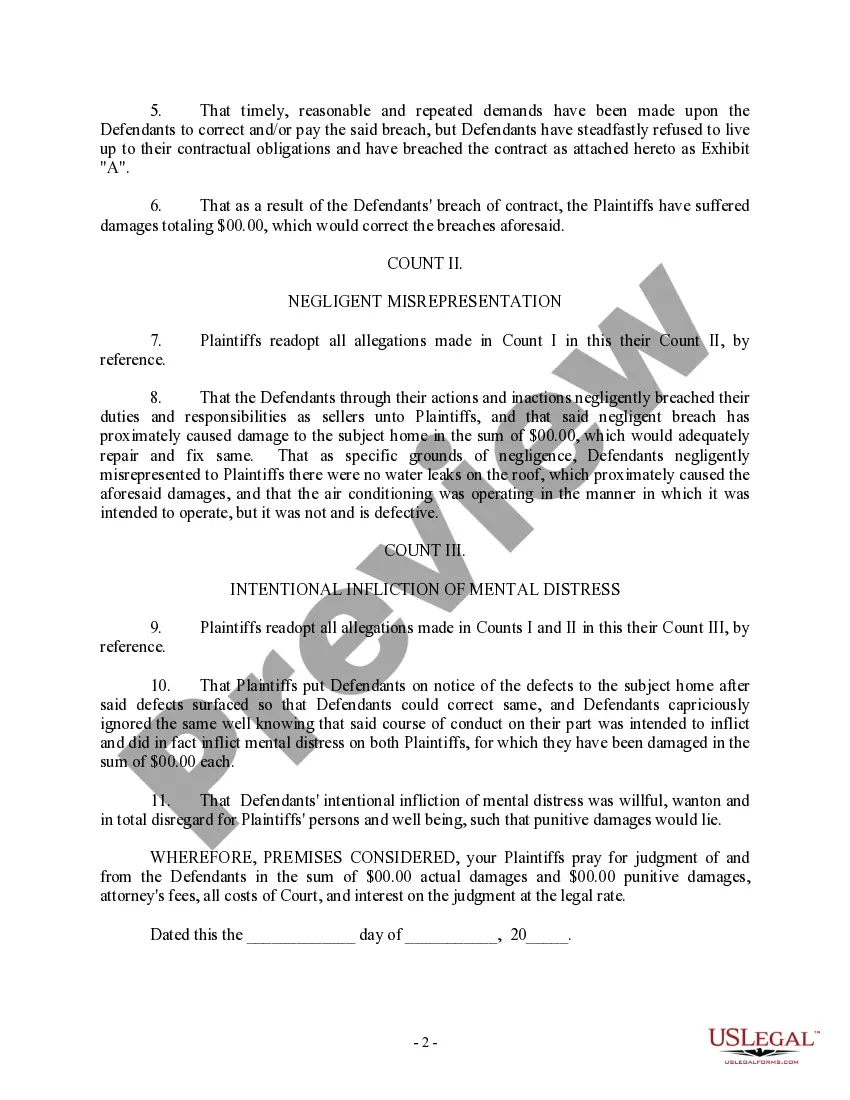
How to fill out Complaint For Breach Of Contract, Emotional Distress, Misrepresentation Of House Condition?
It’s widely recognized that one cannot transform into a legal expert instantly, nor can one comprehend how to swiftly assemble Emotional Distress In Small Claims Court papers without prior specialized training.
Drafting legal documents is an extensive endeavor necessitating specific education and expertise. So why not entrust the development of the Emotional Distress In Small Claims Court documents to the professionals.
With US Legal Forms, which boasts one of the largest legal document repositories, you can find everything from court forms to office communication templates. We understand the significance of compliance with federal and local laws and regulations.
Click Buy now. After completing the transaction, you can download the Emotional Distress In Small Claims Court form, fill it in, print it out, and deliver it to the appropriate individuals or organizations.
You can revisit your forms from the My documents section at any moment. If you’re already a client, you can just Log In, and find and download the template from the same section.
Regardless of the reason for your documents—be it financial, legal, or personal—our website has everything you need. Experience US Legal Forms today!
- Start by heading to our website to find the form you require in just a few minutes.
- Use the search bar at the top of the page to locate the document you need.
- If the preview option is available, examine it and read the accompanying description to ascertain if Emotional Distress In Small Claims Court is what you desire.
- If you require another template, simply restart your search.
- Create a free account and select a subscription plan to purchase the template.
Form popularity
FAQ
There isn't a one-size-fits-all formula for calculating emotional distress damages in small claims court, as each case is unique. Generally, courts consider factors such as lost wages, medical costs, and the impact on quality of life. Using a comprehensive approach, which includes all relevant details, can enhance your chances of achieving a favorable outcome.
Emotional distress is measured by examining the depth and duration of your suffering, alongside its impact on your daily functioning. Courts may consider testimonies from mental health professionals and your personal experiences to assess the emotional toll. By presenting this information effectively, you can help the court understand the severity of your situation.
Documenting emotional distress for small claims court requires an organized approach. Maintain a personal diary detailing your feelings, stress levels, and any significant life changes post-incident. Supplement your documentation with medical records and professional evaluations, as these records can provide essential support for your claims.
Quantifying emotional damages in small claims court involves compiling tangible evidence of your experiences. Consider using worksheets or templates to categorize your emotional distress, noting specific incidents and their impacts on your life. Effective quantification can lead to a more persuasive case and help you articulate your suffering more clearly to the court.
To prove emotional distress in small claims court, gather evidence such as medical records, therapy notes, or personal journals documenting your feelings. Affidavits from friends or family can also strengthen your case by highlighting how your emotional distress has affected your relationships. Compile all documents to present a clear and convincing narrative of your experience.
The amount you can receive for emotional distress in small claims court varies based on the specifics of your case. Generally, courts look at factors like the severity of your emotional suffering and any documented impacts on your life. While each situation is unique, being well-prepared with thorough evidence can increase your chances of receiving a fair settlement.
To calculate emotional distress damages in small claims court, gather evidence of the emotional harm you experienced. Consider any medical bills related to therapy or counseling you pursued due to the distress. Then, evaluate how this emotional pain affected your daily life and well-being, as these factors play a significant role in determining the compensation you may receive.
Yes, you can bring a claim for emotional distress in small claims court, provided it falls within the court's monetary limits. Small claims court offers a more straightforward process for individuals seeking compensation for emotional pain caused by another party's actions. While claims may be more commonly associated with larger lawsuits, small claims court allows you to assert your rights without needing extensive legal representation. Consider using US Legal Forms to understand your options and prepare your case effectively.
You may be able to sue your employer for emotional distress under certain conditions. This type of claim often arises from severe workplace harassment or discrimination that causes significant psychological harm. When pursuing a case for emotional distress in small claims court, it is vital to gather evidence that demonstrates the emotional toll on you. If your situation meets the legal criteria, using a resource like US Legal Forms can help you navigate the filing process effectively.
Proving pain and suffering in small claims court requires you to clearly document the emotional distress you've experienced. You can share personal accounts, obtain statements from friends or family, and present medical documentation if applicable. It's essential to connect your pain and suffering directly to the incident in question. Using US Legal Forms will streamline your claim process, ensuring you present a strong case for emotional distress.