Restraining Tradução
Description


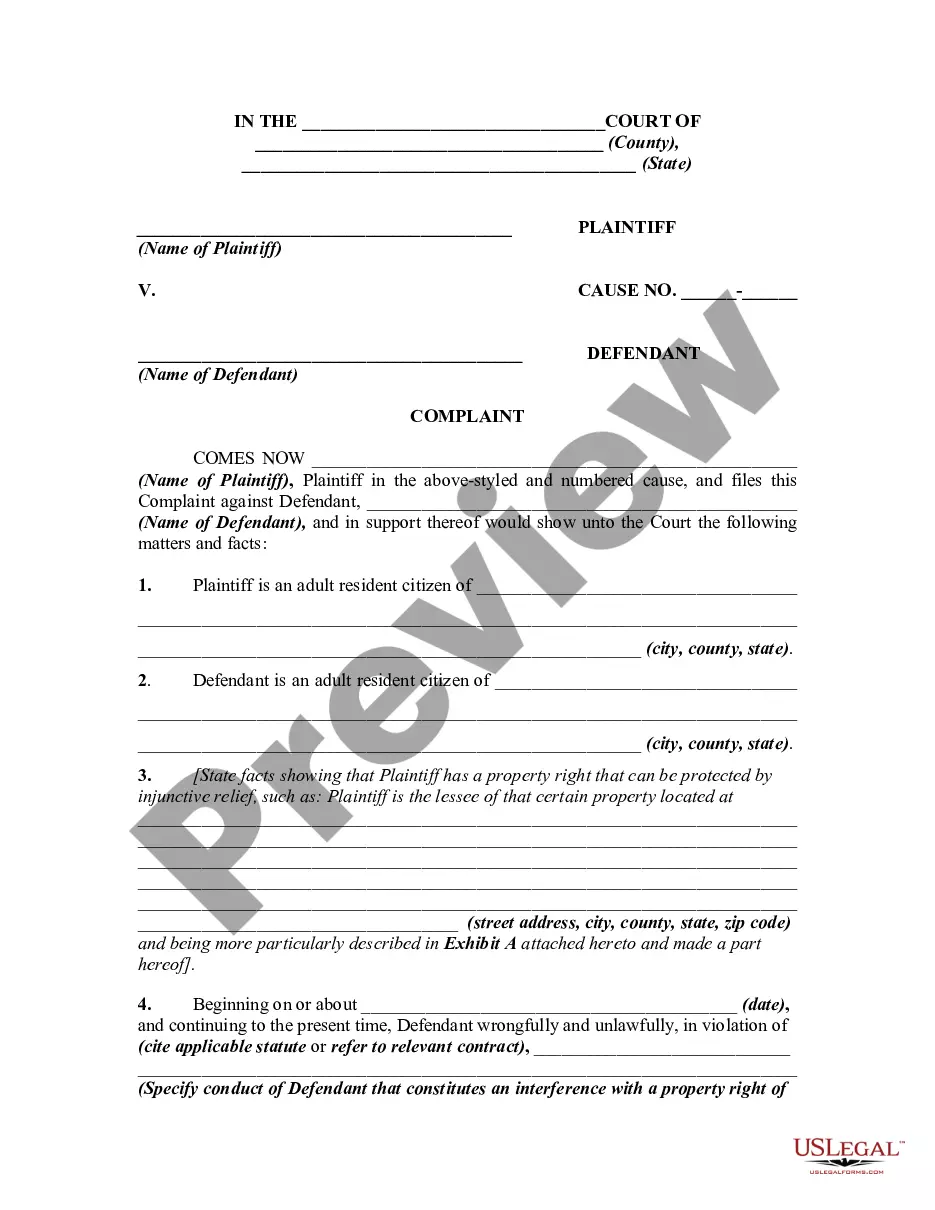
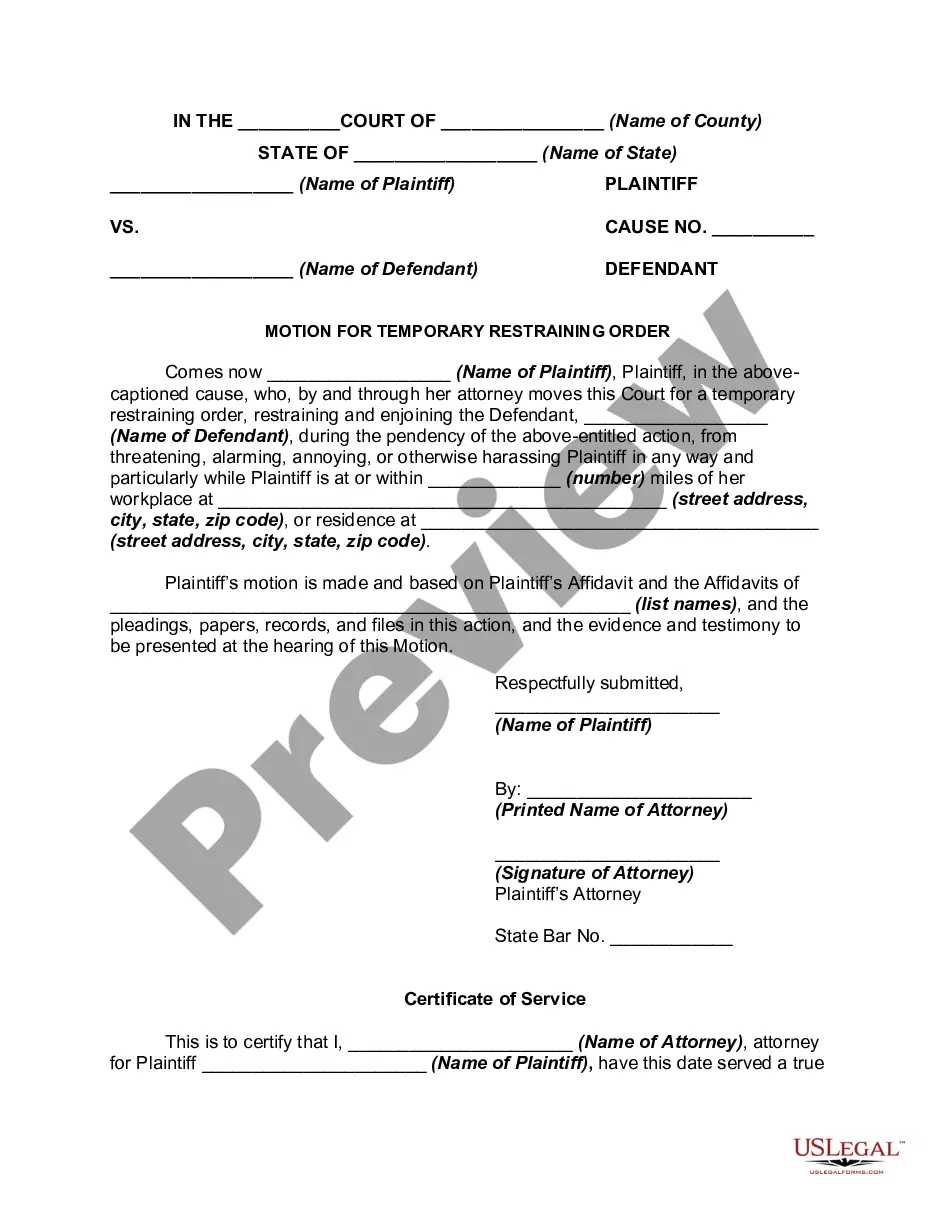

Get your form ready online
Our built-in tools help you complete, sign, share, and store your documents in one place.
Make edits, fill in missing information, and update formatting in US Legal Forms—just like you would in MS Word.
Download a copy, print it, send it by email, or mail it via USPS—whatever works best for your next step.
Sign and collect signatures with our SignNow integration. Send to multiple recipients, set reminders, and more. Go Premium to unlock E-Sign.
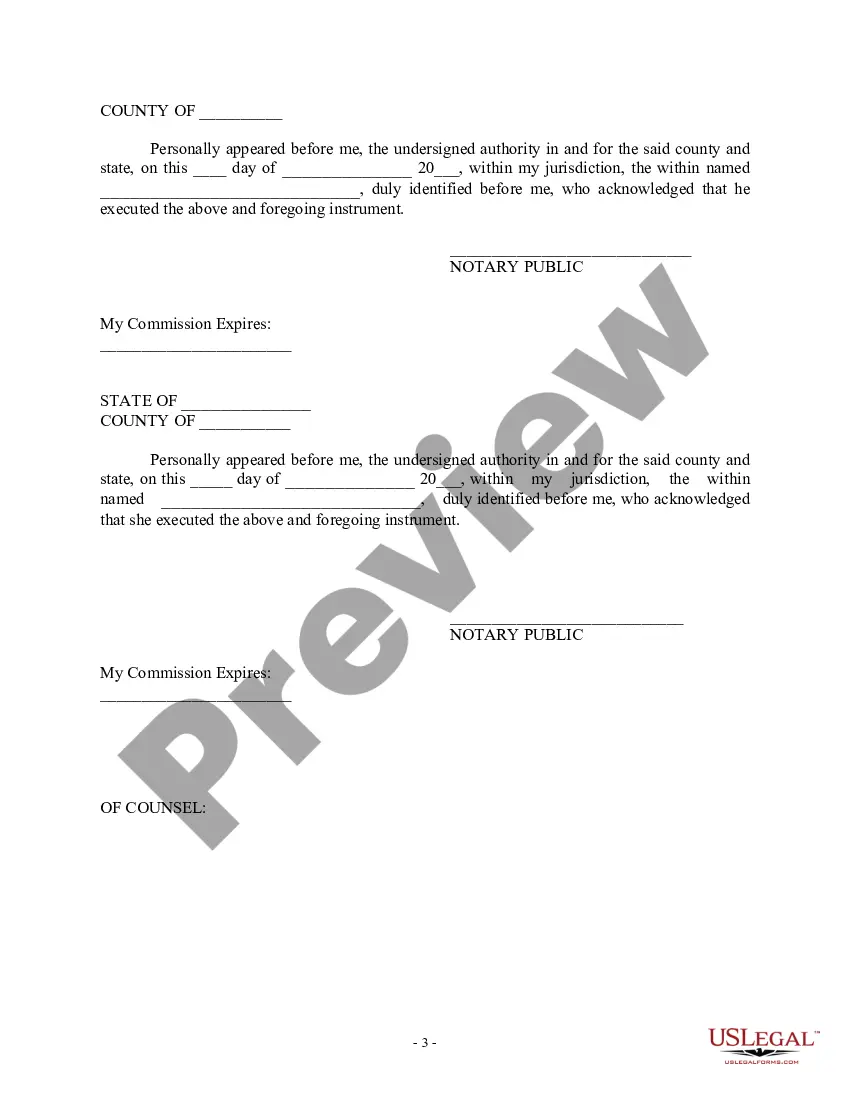
If this form requires notarization, complete it online through a secure video call—no need to meet a notary in person or wait for an appointment.
We protect your documents and personal data by following strict security and privacy standards.

Make edits, fill in missing information, and update formatting in US Legal Forms—just like you would in MS Word.

Download a copy, print it, send it by email, or mail it via USPS—whatever works best for your next step.

Sign and collect signatures with our SignNow integration. Send to multiple recipients, set reminders, and more. Go Premium to unlock E-Sign.

If this form requires notarization, complete it online through a secure video call—no need to meet a notary in person or wait for an appointment.

We protect your documents and personal data by following strict security and privacy standards.
Looking for another form?
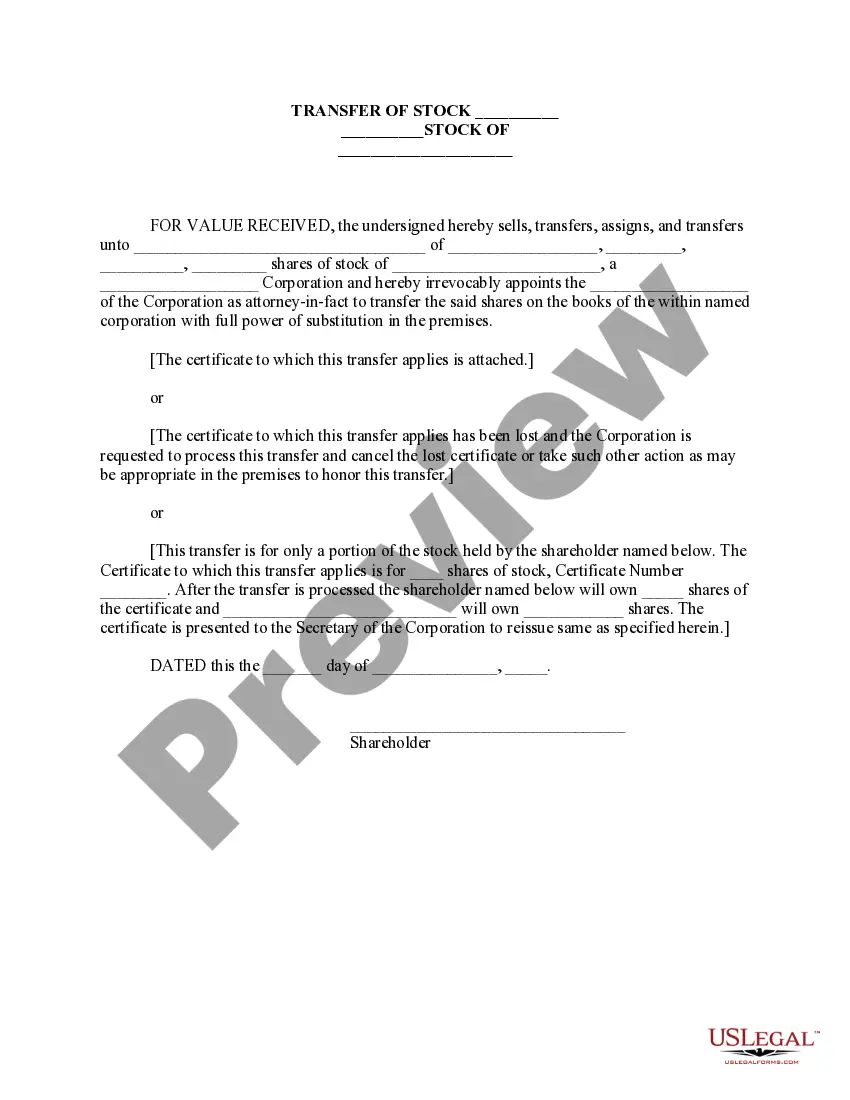
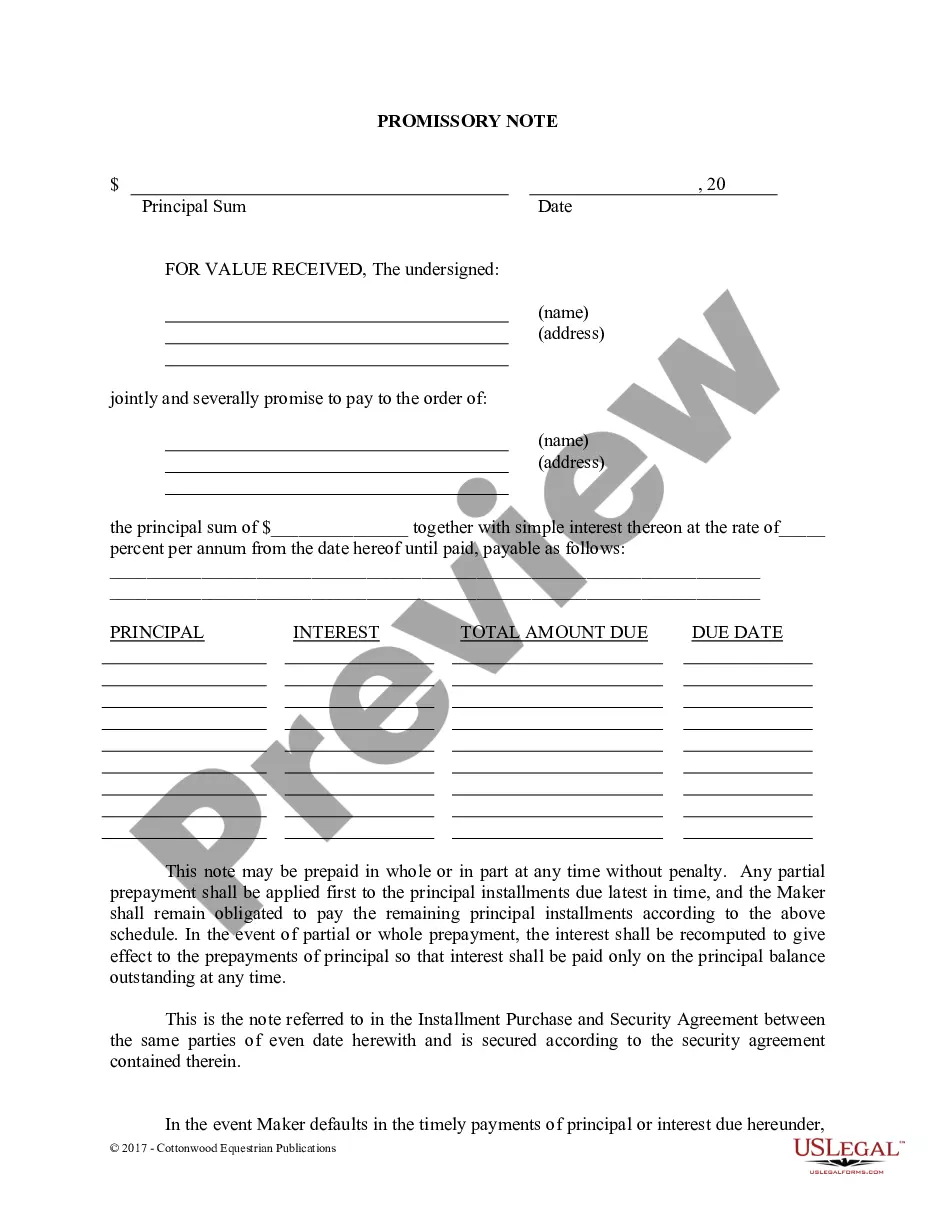
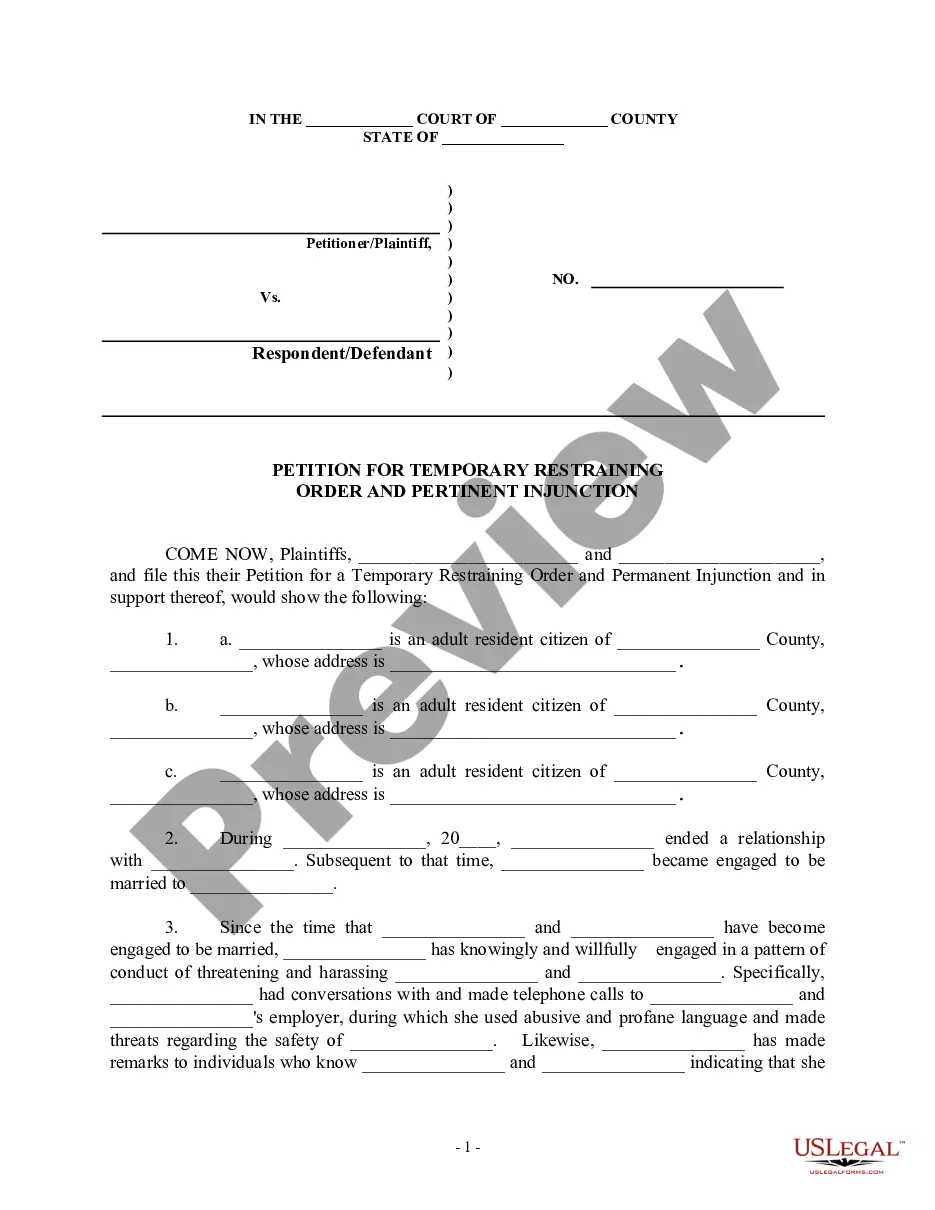
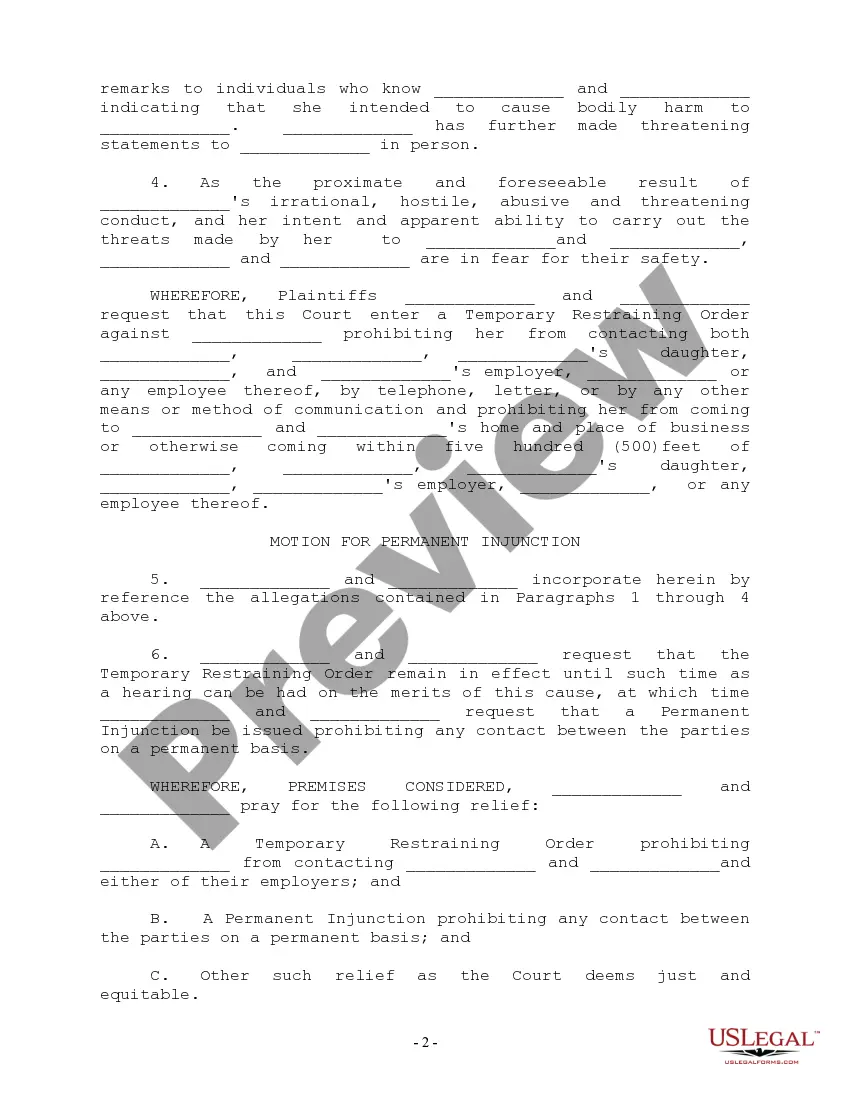
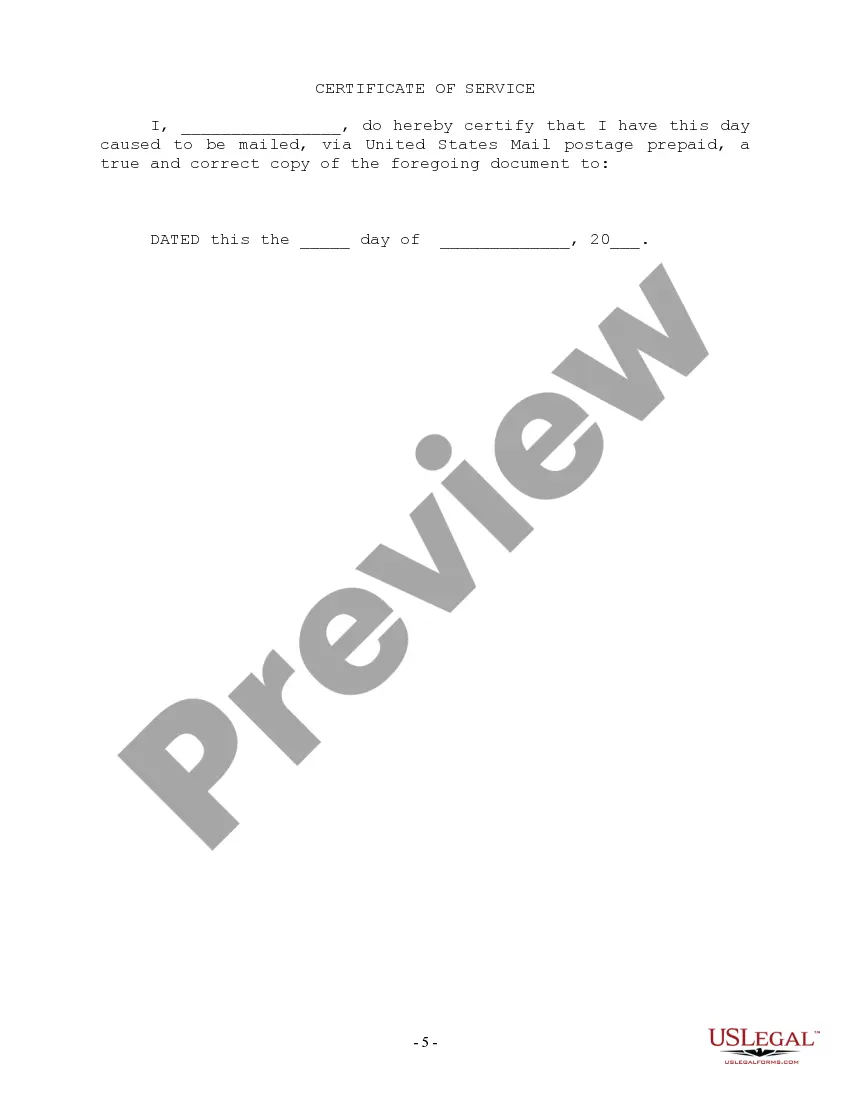
How to fill out Petition For Temporary Restraining Order And Permanent Injunction For Personal Harassment?
- If you're an existing user, log in to your account and navigate to the form you need. Make sure your subscription remains active; renew if necessary.
- For first-time users, start by checking the form preview and description to confirm it matches your requirements and local jurisdiction.
- If you need additional templates, utilize the Search tab to locate the necessary forms that fit your specific legal needs.
- Purchase the required document by clicking on the Buy Now button, and select your desired subscription plan. Account registration is necessary for full access.
- Complete the payment process using your credit card or PayPal, ensuring your subscription is active for continued access.
- Finally, download your form to your device for completion. You can revisit it anytime through the My Forms section in your profile.
In conclusion, US Legal Forms provides a robust and extensive library, empowering both individuals and attorneys to create legally sound documents quickly. Enjoy the numerous benefits offered, like expert assistance and comprehensive templates.
Start your journey with US Legal Forms today!
Form popularity
FAQ
Yes, you can file a restraining order without notifying the other party initially. In many situations, courts may grant a temporary restraining order, allowing you to seek protection without prior notice. However, a hearing will usually follow where the individual can present their side. It's essential to understand the process; using resources like USLegalForms can help ensure you complete the necessary paperwork correctly, especially if you are looking for guidance in terms of restraining tradução.
To get someone to stop harassing you in Texas, you may first consider documenting all incidents of harassment. If informal requests do not work, you can file a restraining order. This legal step can help protect you and alert the harasser to the seriousness of their actions. Utilizing platforms like US Legal Forms can simplify the process of filing the necessary forms and documents.
In Texas, a protective order typically addresses family violence and can offer additional protections to victims. A restraining order, however, often applies to preventing specific actions against an individual, like harassment. Both orders have legal implications, but the nuances in their applications can be important for your situation. For more details, it's wise to consult resources like US Legal Forms to understand your options.
Writing a court restraining order statement involves outlining the reason you seek the order. Begin by detailing specific incidents of harassment or threats. Use clear language to describe how these actions have impacted your well-being and safety. It helps to have a structured template, which you can find through US Legal Forms, ensuring your statement meets court requirements.
To write an affidavit for a restraining order, start by introducing yourself and stating your relationship to the individuals involved. Clearly describe the incidents that led you to seek the restraining order, including dates, locations, and actions taken. Make sure to express how these actions affected your safety. Finally, follow your local court's guidelines for format and submission, and consider using US Legal Forms for assistance.
Dissolving a protective order means that the court is granting a request to terminate the order, removing the legal restrictions previously imposed on the individual. This can occur if the requestor feels safe and no longer needs protection. However, it is essential to understand the implications of this decision, as it can leave you vulnerable if circumstances have not changed. To navigate this process, resources from U.S. Legal Forms can provide clear guidance on how to handle dissolving a protective order in the context of restraining tradução.
To keep someone away from you, you can obtain a restraining order or a protective order, depending on the situation. These legal orders can instruct the individual to maintain distance and refrain from any contact. It’s crucial to demonstrate a valid reason for requesting such an order, such as a history of threats or violence. U.S. Legal Forms simplifies the application process, ensuring that you are well-informed about restraining tradução.
Reasons to drop a restraining order might include reconciliation with the other party or a significant change in circumstances, such as proving that the allegations were unfounded. If the complainant feels safe and no longer perceives a threat, they might decide to dismiss the order. It's vital to weigh your options carefully and consider consulting legal advice before making this decision. U.S. Legal Forms can assist in this journey by offering resources on how to formally drop a restraining tradução.
A protective order may be dismissed for several reasons, including lack of sufficient evidence to support the claims made in the application. If the complainant fails to appear at the hearing or withdraws their request, this can also lead to dismissal. Additionally, the accused individual might present evidence that counters the need for the order. Utilizing U.S. Legal Forms can help clarify the criteria and processes surrounding protective orders and restraining tradução.
In New Hampshire, a restraining order typically lasts for one year from the date it is issued. However, the court can extend the duration based on circumstances such as ongoing threats or abuse. It's essential to file for an extension before the order expires if you feel continued protection is necessary, ensuring your safety. The process can be streamlined using resources like U.S. Legal Forms to understand your rights and options regarding restraining tradução.