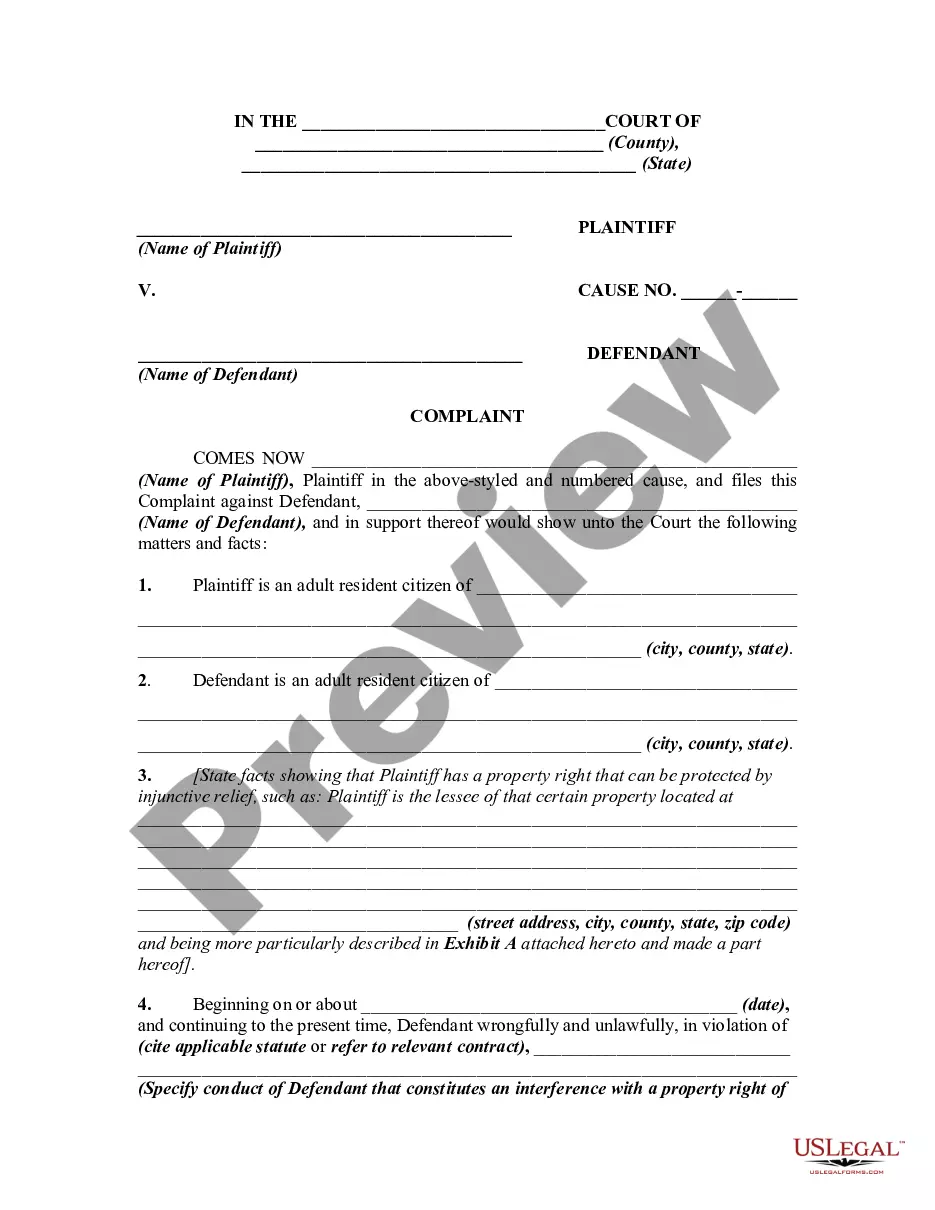
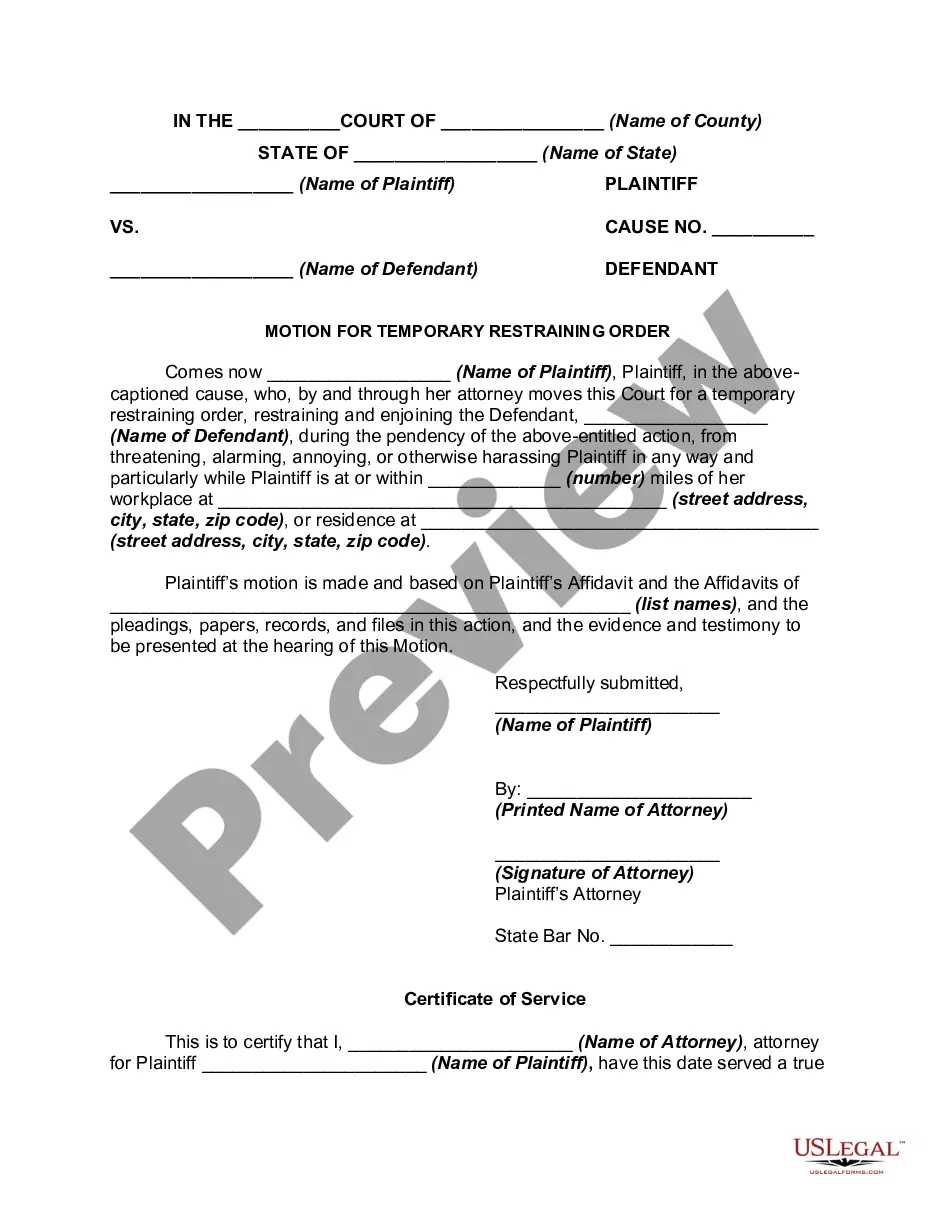
Restraining Order Houston Texas Without A Lawyer
Description
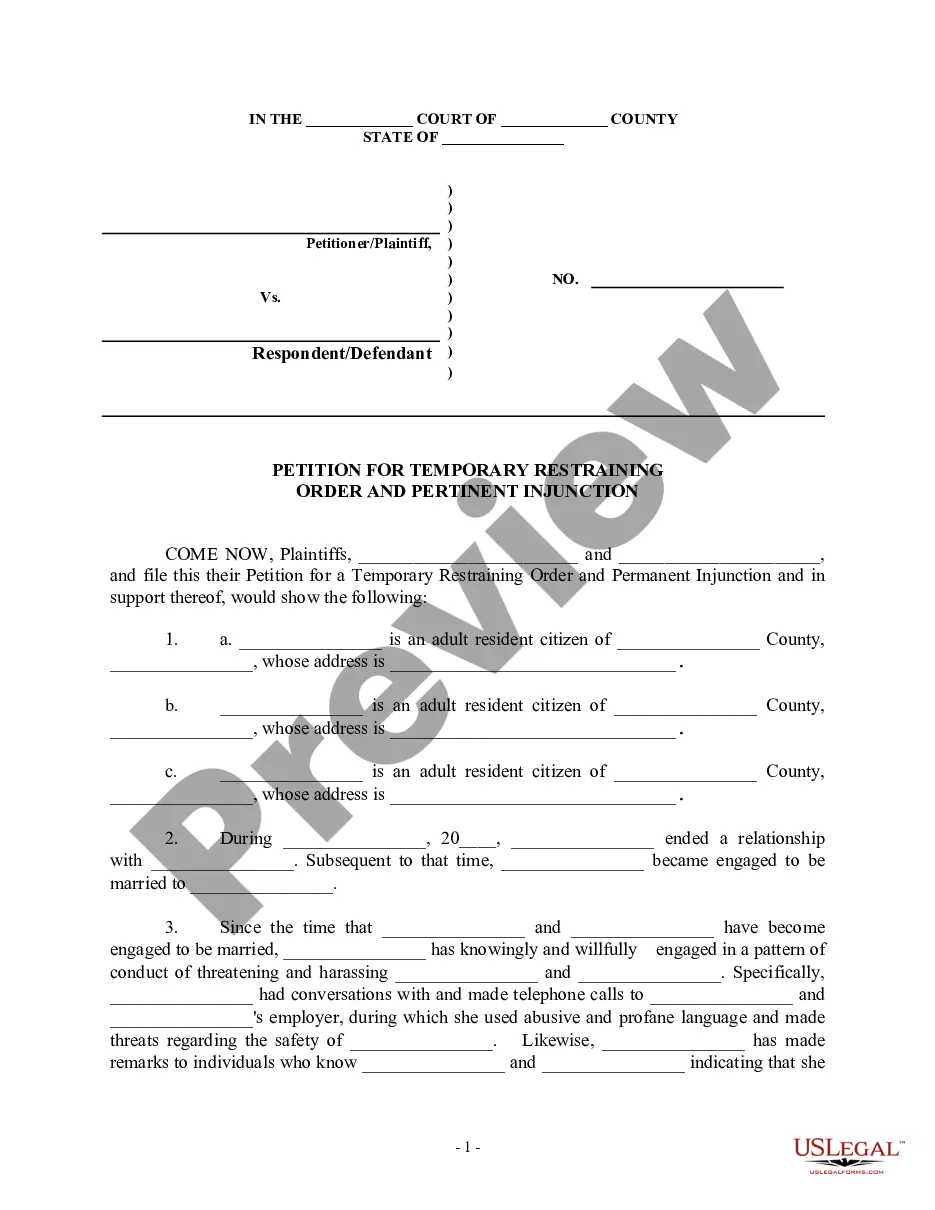
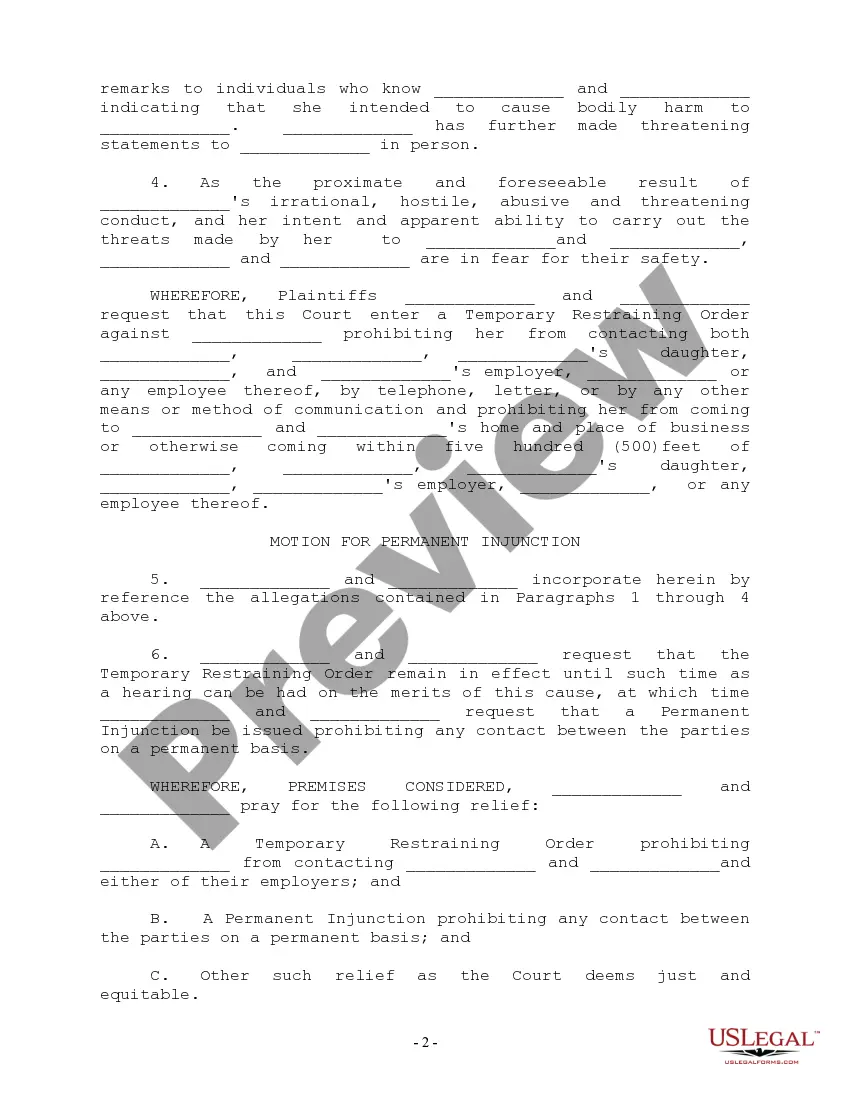
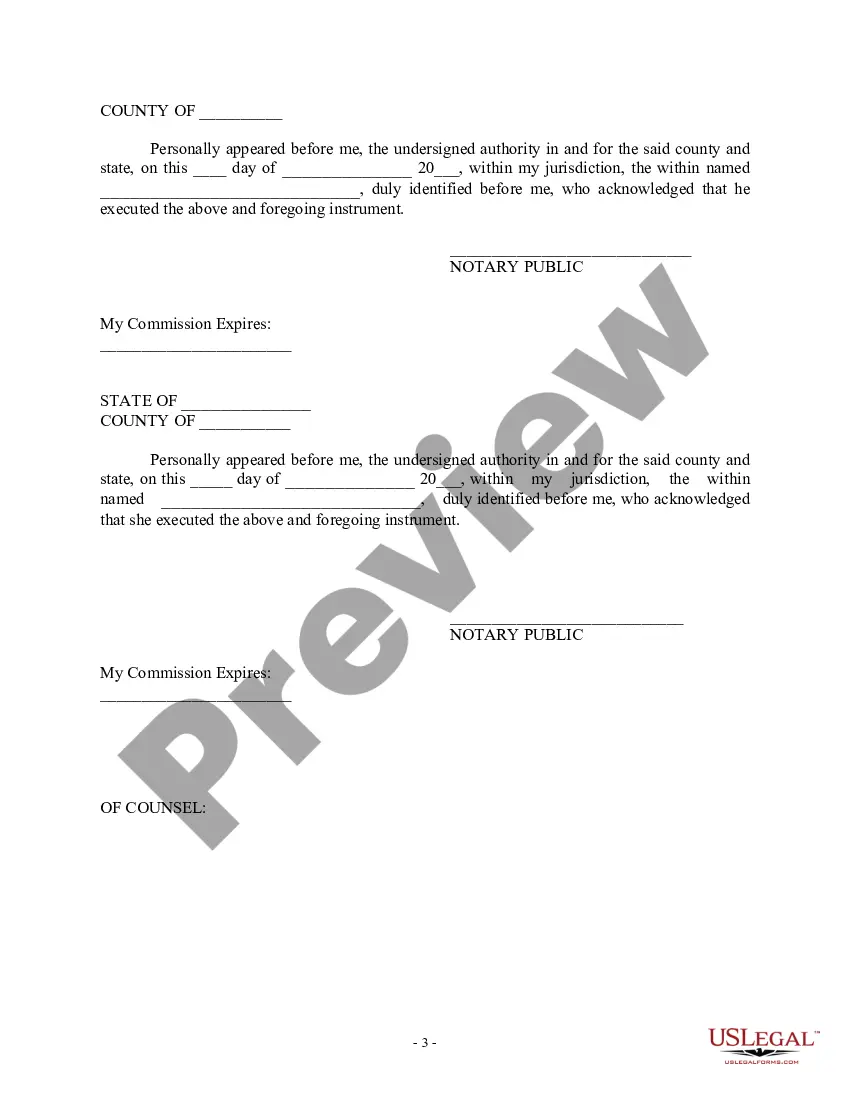



Get your form ready online
Our built-in tools help you complete, sign, share, and store your documents in one place.
Make edits, fill in missing information, and update formatting in US Legal Forms—just like you would in MS Word.
Download a copy, print it, send it by email, or mail it via USPS—whatever works best for your next step.
Sign and collect signatures with our SignNow integration. Send to multiple recipients, set reminders, and more. Go Premium to unlock E-Sign.
If this form requires notarization, complete it online through a secure video call—no need to meet a notary in person or wait for an appointment.
We protect your documents and personal data by following strict security and privacy standards.

Make edits, fill in missing information, and update formatting in US Legal Forms—just like you would in MS Word.

Download a copy, print it, send it by email, or mail it via USPS—whatever works best for your next step.

Sign and collect signatures with our SignNow integration. Send to multiple recipients, set reminders, and more. Go Premium to unlock E-Sign.

If this form requires notarization, complete it online through a secure video call—no need to meet a notary in person or wait for an appointment.

We protect your documents and personal data by following strict security and privacy standards.
Looking for another form?





How to fill out Petition For Temporary Restraining Order And Permanent Injunction For Personal Harassment?
It’s clear that becoming a legal authority doesn’t happen instantly, nor can you easily learn how to swiftly prepare a Restraining Order Houston Texas Without A Lawyer without prior legal knowledge.
Assembling legal documents is a labor-intensive process that demands specific training and expertise. So, why not entrust the drafting of the Restraining Order Houston Texas Without A Lawyer to professionals.
With US Legal Forms, one of the most extensive legal template collections, you can discover everything from court paperwork to templates for internal communication.
You can access your documents again from the My documents tab at any time. If you’re already a customer, you can easily Log In, and find and download the template from the same section.
Regardless of the aim of your documents—be they financial, legal, or personal—our platform has everything you need. Give US Legal Forms a try today!
- Find the form you require using the search bar located at the top of the page.
- Preview it (if this option is available) and review the accompanying description to see if Restraining Order Houston Texas Without A Lawyer is what you need.
- If you need a different template, initiate your search again.
- Sign up for a complimentary account and select a subscription plan to purchase the template.
- Select Buy now. Once the payment is finalized, you can obtain the Restraining Order Houston Texas Without A Lawyer, fill it out, print it, and send or mail it to the relevant parties or organizations.
Form popularity
FAQ
Both forms of legal action prohibit contact by one party to the other. One of the main differences is that restraining orders often last up to one year and are temporary. No-contact agreements are binding contracts that can be removed only by the district attorney or the judge who is working the case.
The court can also grant a permanent restraining order when an imminent danger exists. A permanent restraining order can last up to five years. The purpose of this order is to continuously protect the individuals seeking safety.
How do I get a protective order? Contact your local county or district attorney's office, Contact your local family violence shelter. Call 800-799-SAFE (7233) to find the nearest one, Contact your local legal aid office. Hire a private attorney, Complete the do-it-yourself PO Kit available from TexasLawHelp.org.
A restraining order will remain on your record for life and can prevent you from many things, such as buying homes, purchasing firearms, or getting specific jobs. If you find that someone in your life has served you a restraining order, seek out legal help immediately.
The family law protection order doesn't give you a criminal record. But you can be charged with a criminal offence and get a criminal record if you don't obey the conditions. A family law protection order lasts until the date noted on the order.