Petition For Removal Of Personal Representative
Description


Get your form ready online
Our built-in tools help you complete, sign, share, and store your documents in one place.
Make edits, fill in missing information, and update formatting in US Legal Forms—just like you would in MS Word.
Download a copy, print it, send it by email, or mail it via USPS—whatever works best for your next step.
Sign and collect signatures with our SignNow integration. Send to multiple recipients, set reminders, and more. Go Premium to unlock E-Sign.
If this form requires notarization, complete it online through a secure video call—no need to meet a notary in person or wait for an appointment.
We protect your documents and personal data by following strict security and privacy standards.
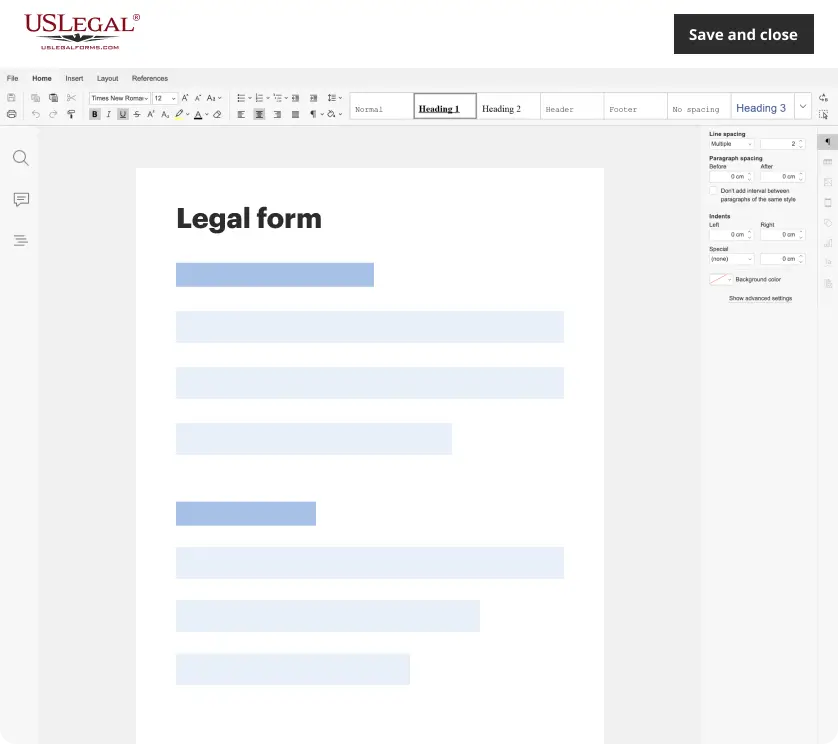
Make edits, fill in missing information, and update formatting in US Legal Forms—just like you would in MS Word.

Download a copy, print it, send it by email, or mail it via USPS—whatever works best for your next step.
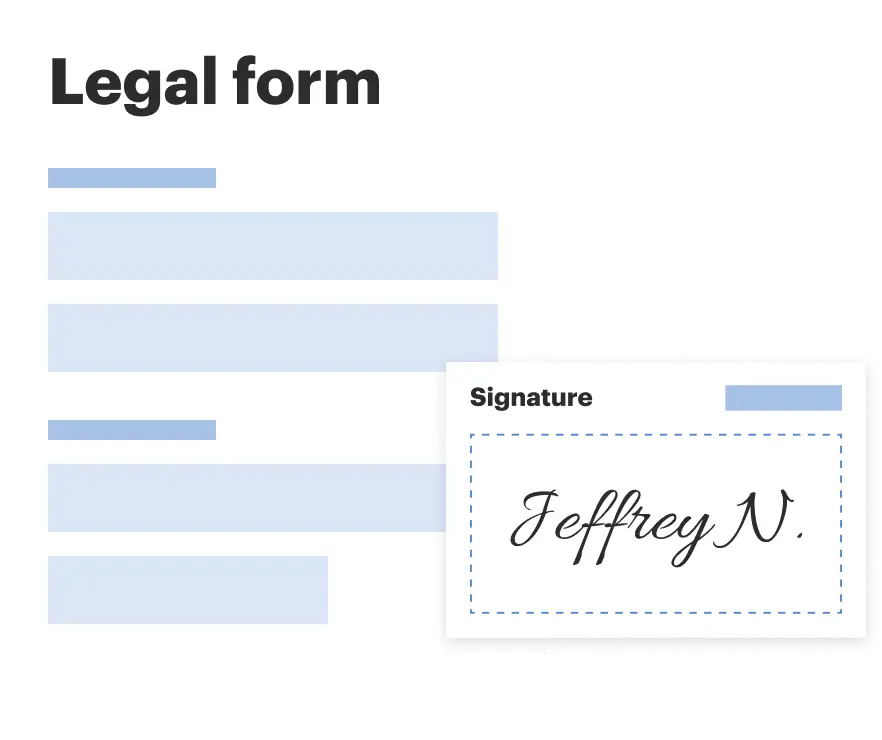
Sign and collect signatures with our SignNow integration. Send to multiple recipients, set reminders, and more. Go Premium to unlock E-Sign.

If this form requires notarization, complete it online through a secure video call—no need to meet a notary in person or wait for an appointment.

We protect your documents and personal data by following strict security and privacy standards.
Looking for another form?

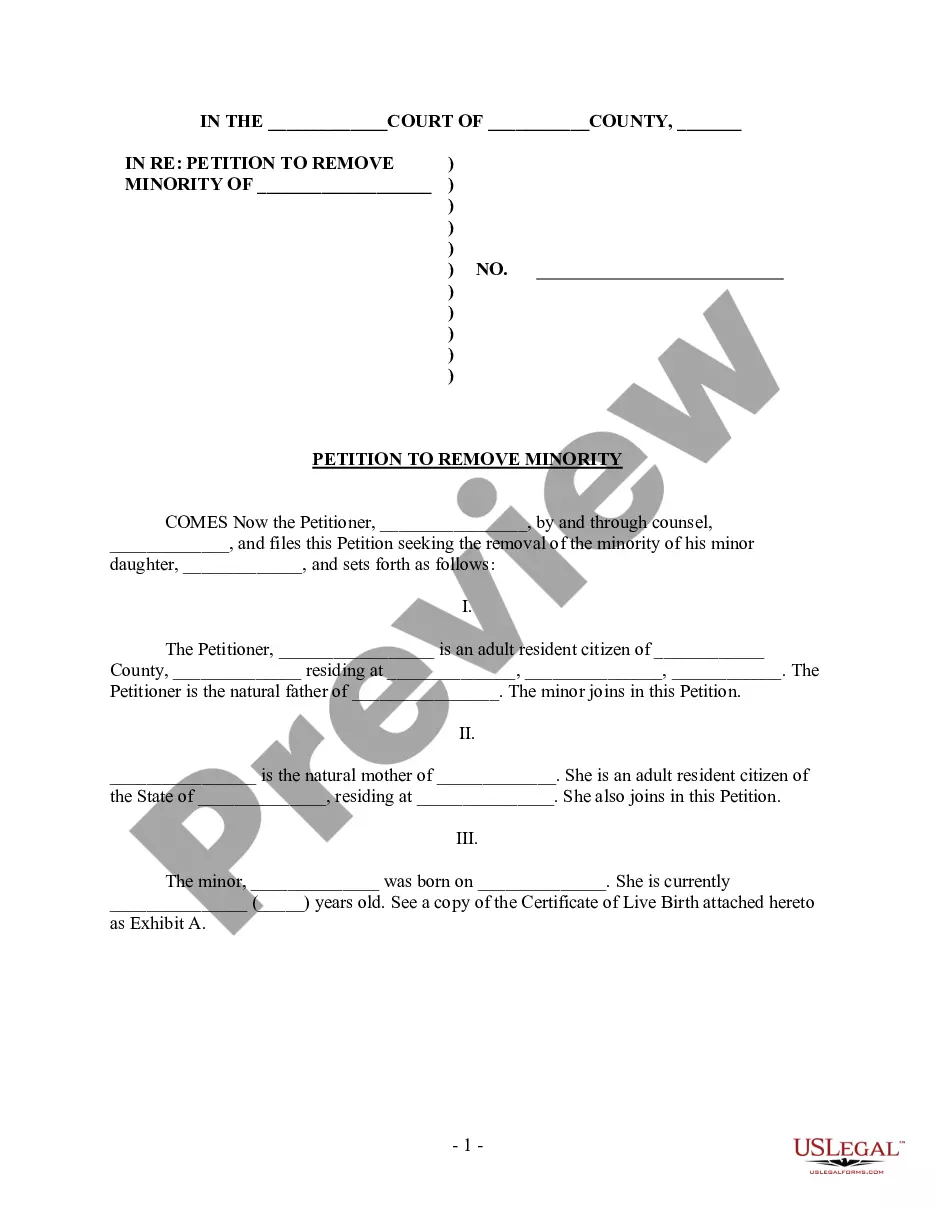
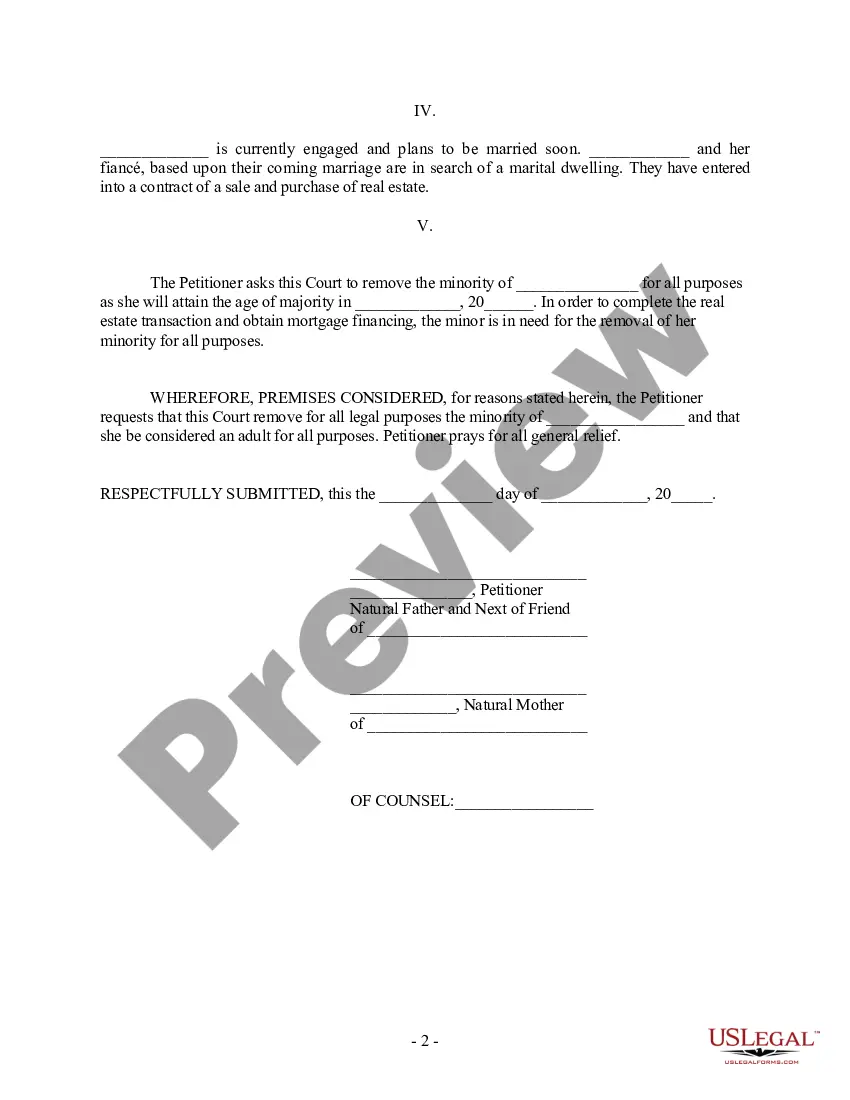
How to fill out Petition For Removal Of Minority - Emancipation?
Regardless of whether for commercial reasons or personal matters, everyone must confront legal issues at some stage in their lives.
Filling out legal documentation requires meticulous attention, starting from choosing the correct form template.
Choose your payment method: either use a bank card or PayPal account.
- For instance, if you select an incorrect version of the Petition For Removal Of Personal Representative, it will be rejected upon submission.
- Thus, it is crucial to acquire a trustworthy source for legal documents like US Legal Forms.
- If you need to obtain a Petition For Removal Of Personal Representative template, follow these straightforward steps.
- Locate the sample you require by utilizing the search bar or catalog navigation.
- Review the form’s details to verify that it applies to your case, state, and county.
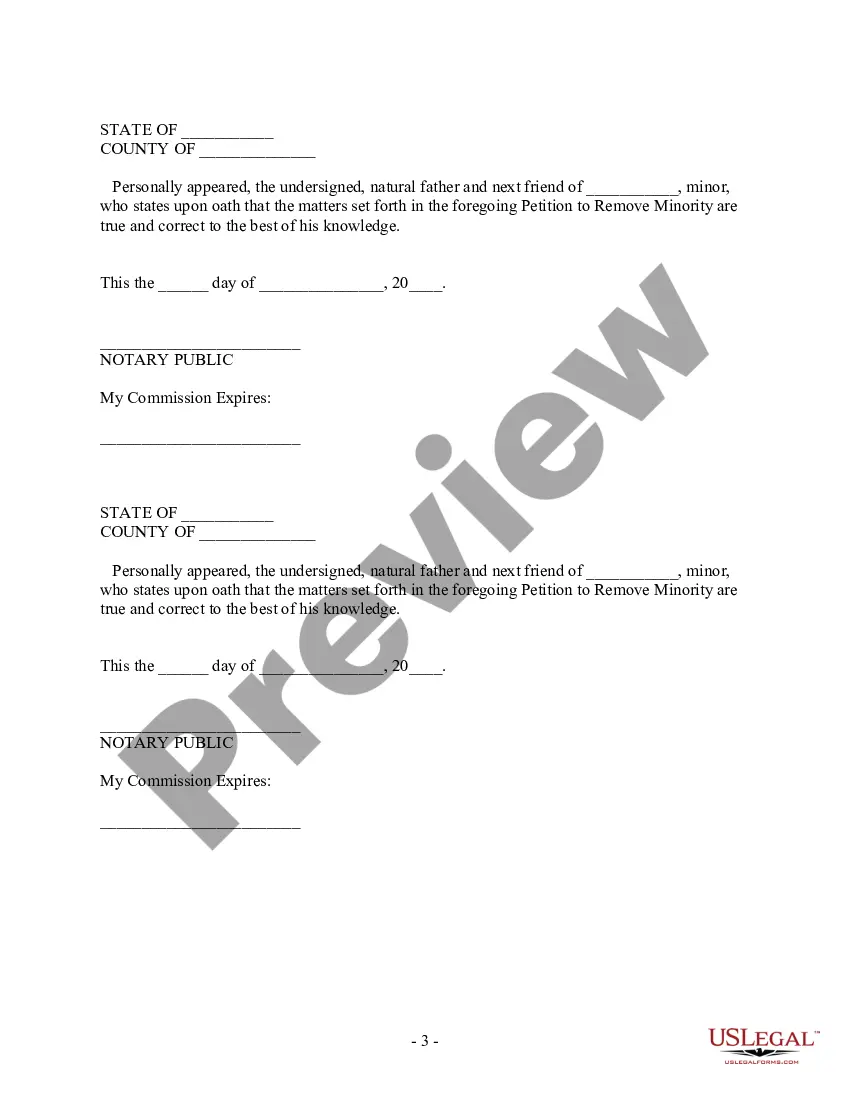
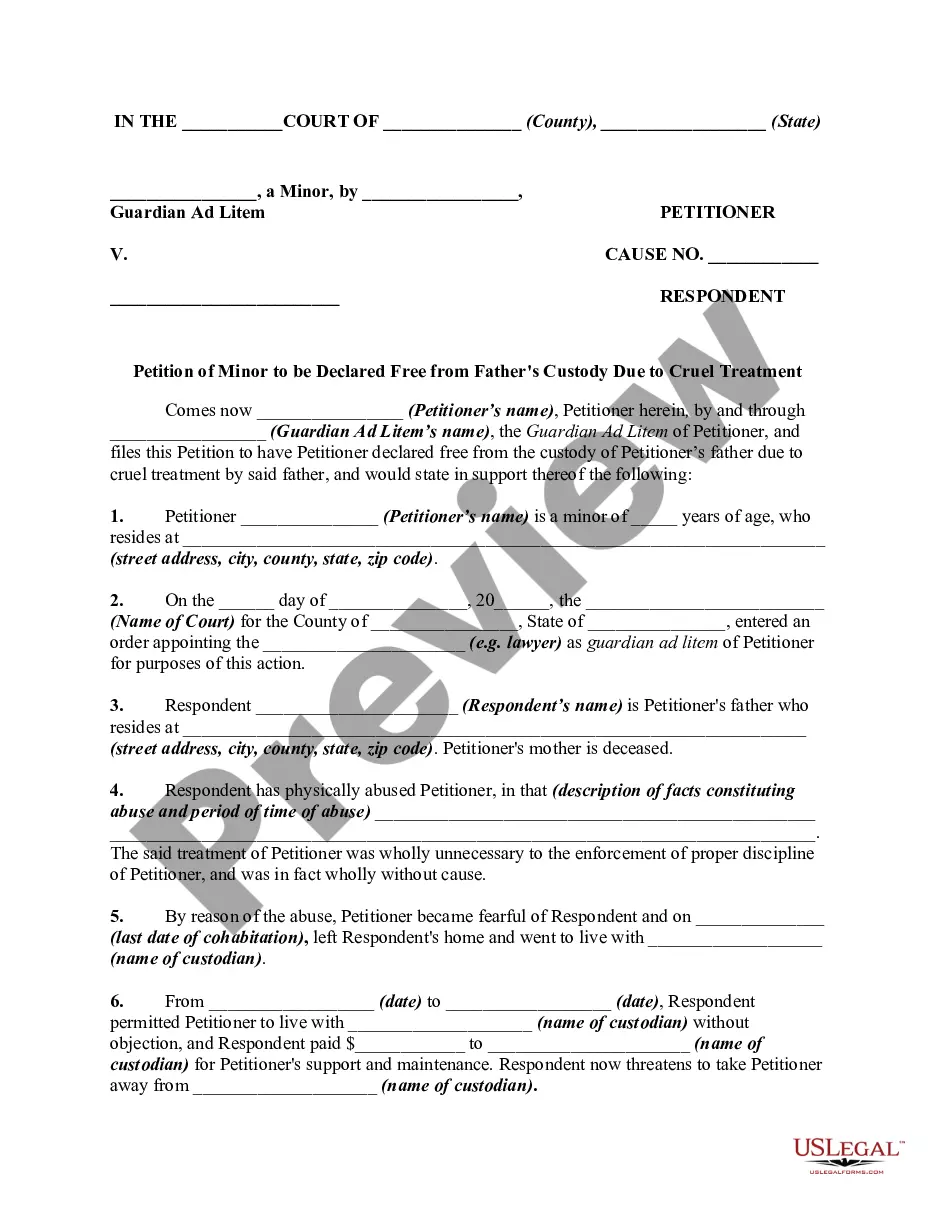
- Click on the form’s preview to review it.
- If it is the incorrect form, return to the search function to find the Petition For Removal Of Personal Representative sample you need.
- Download the template when it satisfies your requirements.
- If you already possess a US Legal Forms account, click Log in to access previously saved templates in My documents.
- In case you do not have an account yet, you can acquire the form by clicking Buy now.
- Choose the appropriate pricing option.
- Complete the profile registration form.
Form popularity
FAQ
A personal representative can be removed for several reasons, including misconduct, failure to perform their duties, or conflicts of interest. If you encounter such issues, filing a Petition for removal of personal representative is your next step. The court will review your petition, so it's essential to present a clear case for why removal is necessary.
The difficulty of changing the executor of a will varies depending on your circumstances and the laws in your state. Filing a Petition for removal of personal representative can be straightforward if you have valid reasons and follow the correct procedures. However, if the current executor contests the change, it may require additional legal efforts.
While you can file a Petition for removal of personal representative without an attorney, having legal assistance is highly beneficial. An attorney can help you navigate the complexities of the probate process, ensuring that all paperwork is completed correctly. It also strengthens your position during the hearing if contested.
Changing a personal representative involves filing a Petition for removal of personal representative with the probate court. This petition should state your reasons for the change and include any evidence, if necessary. After filing, ensure you follow the court's procedures, which may involve notifying the current personal representative.
To change the executor of an estate, you generally need to file a Petition for removal of personal representative in the probate court. This form formally initiates the process and outlines your reasons for seeking the change. Once submitted, the court will review the request, and a hearing may take place to consider your petition.
An executor does have substantial decision-making authority, but it is not absolute. They must act in the best interests of the estate and adhere to legal standards. If you believe an executor is overstepping their boundaries, you can file a Petition for Removal of Personal Representative. This helps maintain accountability and protects the estate's integrity.
An executor cannot deed property to himself without clear permission from the beneficiaries or the court. Any such action must align with the duties owed to the estate. If there are suspected misuses of authority, a Petition for Removal of Personal Representative may be necessary. Seeking legal counsel ensures compliance with estate laws.
A personal representative can transfer property to himself, but only under strict legal guidelines. He or she must act transparently and with the consent of the beneficiaries. If concerns arise about the propriety of such a transfer, you can pursue a Petition for Removal of Personal Representative. This protects the estate and upholds the rights of all parties involved.
Transferring property after death is best achieved through clear estate planning. Using a will or a trust can simplify this process for beneficiaries. However, if issues arise, such as disputes with the personal representative, you might consider a Petition for Removal of Personal Representative. This ensures the transfer is handled fairly and in accordance with the deceased's wishes.
A personal representative wields significant power, including managing estate assets and settling debts. However, this power is not absolute; they must act in accordance with the law and the interests of the beneficiaries. If they exceed their authority or act improperly, you can file a Petition for Removal of Personal Representative. Understanding their limits is crucial for protecting your interests.