Reorganize For Resilience
Description
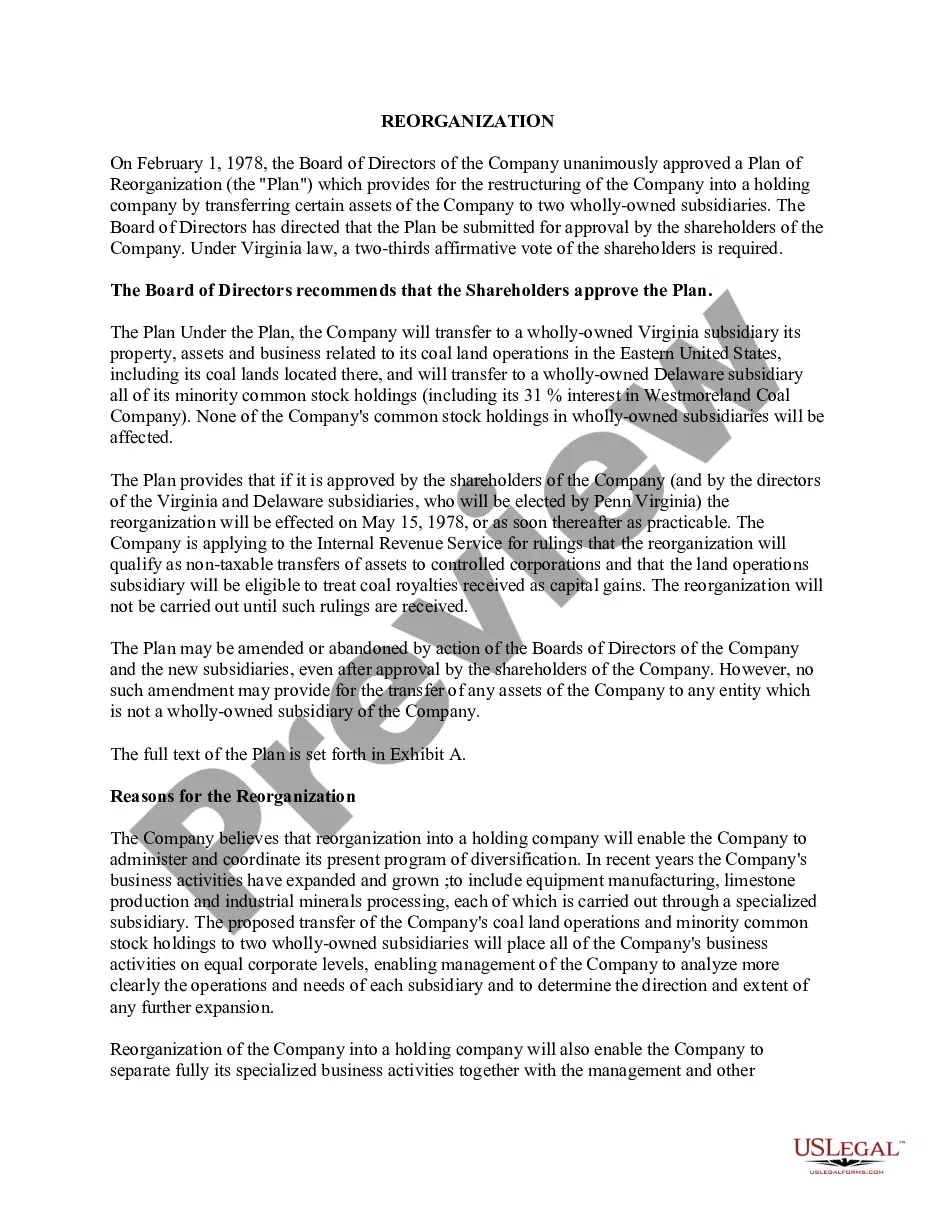
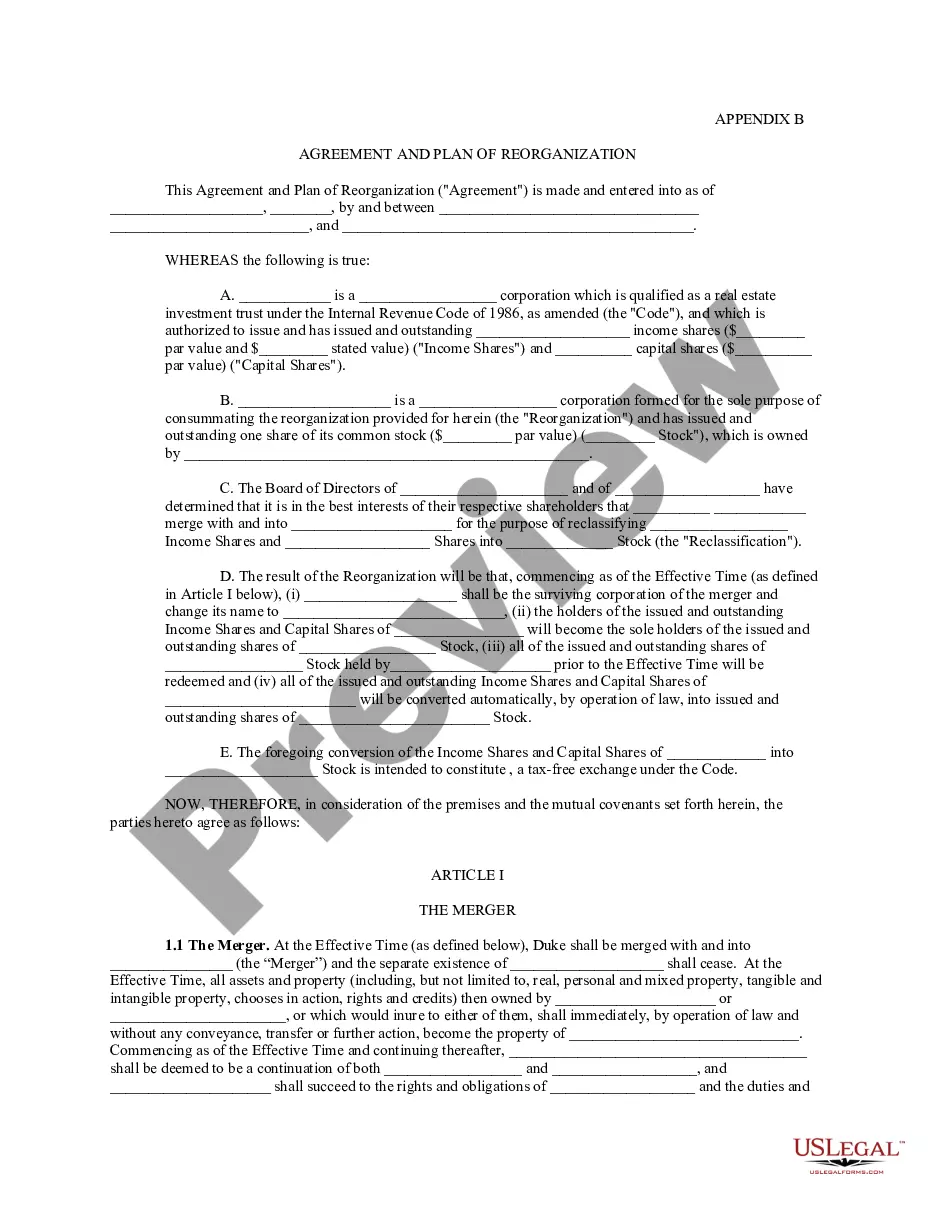
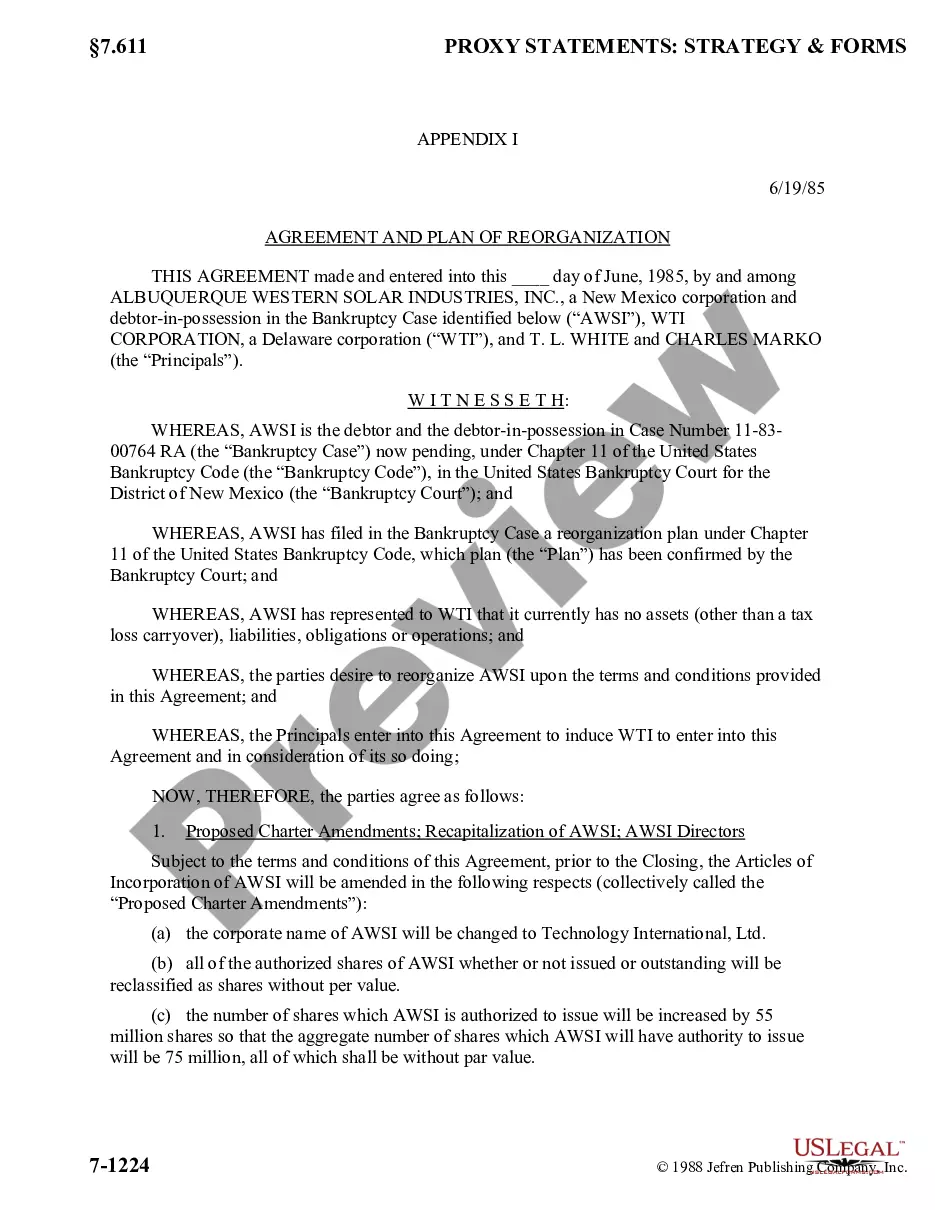
Get your form ready online
Our built-in tools help you complete, sign, share, and store your documents in one place.
Make edits, fill in missing information, and update formatting in US Legal Forms—just like you would in MS Word.
Download a copy, print it, send it by email, or mail it via USPS—whatever works best for your next step.
Sign and collect signatures with our SignNow integration. Send to multiple recipients, set reminders, and more. Go Premium to unlock E-Sign.
If this form requires notarization, complete it online through a secure video call—no need to meet a notary in person or wait for an appointment.
We protect your documents and personal data by following strict security and privacy standards.

Make edits, fill in missing information, and update formatting in US Legal Forms—just like you would in MS Word.

Download a copy, print it, send it by email, or mail it via USPS—whatever works best for your next step.

Sign and collect signatures with our SignNow integration. Send to multiple recipients, set reminders, and more. Go Premium to unlock E-Sign.

If this form requires notarization, complete it online through a secure video call—no need to meet a notary in person or wait for an appointment.

We protect your documents and personal data by following strict security and privacy standards.
Looking for another form?




How to fill out Plan Of Reorganization?
- If you're a returning user, log into your account and download the required template by clicking on the Download button. Ensure your subscription is active; if not, renew it according to your plan.
- For new users, start by previewing the form descriptions. Identify the document that meets your needs and aligns with your local jurisdiction.
- If the desired form isn't quite right, use the Search tab to find an appropriate template. Move forward once you've found the correct documentation.
- Purchase the form by clicking the Buy Now button and selecting your preferred subscription plan. Create an account to unlock access to the extensive library.
- Complete your payment using your credit card or PayPal account to finalize the subscription.
- Download your selected form. Save it to your device for completion, and access it anytime in the My Forms section of your profile.
By choosing US Legal Forms, you tap into a vast library of over 85,000 easily fillable legal documents. This service equips you with a comprehensive collection that outmatches competitors, ensuring you have the right tools at your disposal.
Streamline your legal document processes today, and empower yourself with the knowledge and resources you need. Visit US Legal Forms and experience the difference!
Form popularity
FAQ
The 4 sight model of organizational resilience focuses on four key elements: awareness, insight, foresight, and oversight. This framework helps organizations foresee potential disruptions and develop strategies to address them. By incorporating this model, you empower your team to anticipate change and reorganize for resilience. Adopting such comprehensive strategies enhances your organization’s ability to remain strong and adaptable.
To build organizational resilience, start by assessing your current systems and processes. Engage your team in identifying risks and developing mitigation strategies. Encourage a culture of adaptability and continuous improvement within your organization. By taking these steps, you can effectively reorganize for resilience and better navigate future challenges.
The 3 A's of resilience are Awareness, Action, and Adaptation. Awareness requires understanding your environment and potential risks. Taking action based on this knowledge, along with a readiness to adapt, empowers teams to reorganize for resilience in the face of uncertainty.
A resilient organization possesses agility, foresight, adaptability, unity, and learning. Agility allows quick responses to change, while foresight enhances strategic planning. By fostering adaptability and unity, your teams become more effective, enabling you to reorganize for resilience.
To achieve organizational resilience, start by assessing your vulnerabilities and strengths. Create a comprehensive plan that aligns with your goals, involving all stakeholders in the process. Implementing resources like US Legal Forms can streamline your documentation, helping you reorganize for resilience effectively.
The 3 C's of resilience refer to Capability, Commitment, and Communication. Capability represents your ability to adapt and respond, while commitment emphasizes dedication to resilience initiatives. Strong communication enhances collaboration, making it easier to reorganize for resilience when facing disruptions.
The 3 R's of resilience are Robustness, Redundancy, and Resourcefulness. Robustness ensures your systems can withstand shocks, while redundancy provides backup solutions. By fostering resourcefulness, teams can creatively solve problems as they arise, ultimately allowing you to reorganize for resilience.
The 3 P's of resilience stand for Purpose, People, and Process. These elements help organizations focus on their core mission, nurture team dynamics, and streamline operations. By identifying and strengthening these areas, you can reorganize for resilience to better navigate challenges.
The 5 points of resilience involve understanding and implementing strategies that foster strength in the face of adversity. These points focus on mindfulness, flexibility, support systems, optimism, and problem-solving. By embracing these principles, you can effectively reorganize for resilience, ensuring that you and your team are well-equipped to handle life's challenges.
The 5 core pillars of resilience encompass a balanced approach to overcoming adversity. They include connection, wellness, purpose, efficacy, and gratitude. By focusing on these pillars, individuals and organizations can effectively reorganize for resilience and promote a positive environment even in trying times.