Equity Incentive Plan Tax
Description
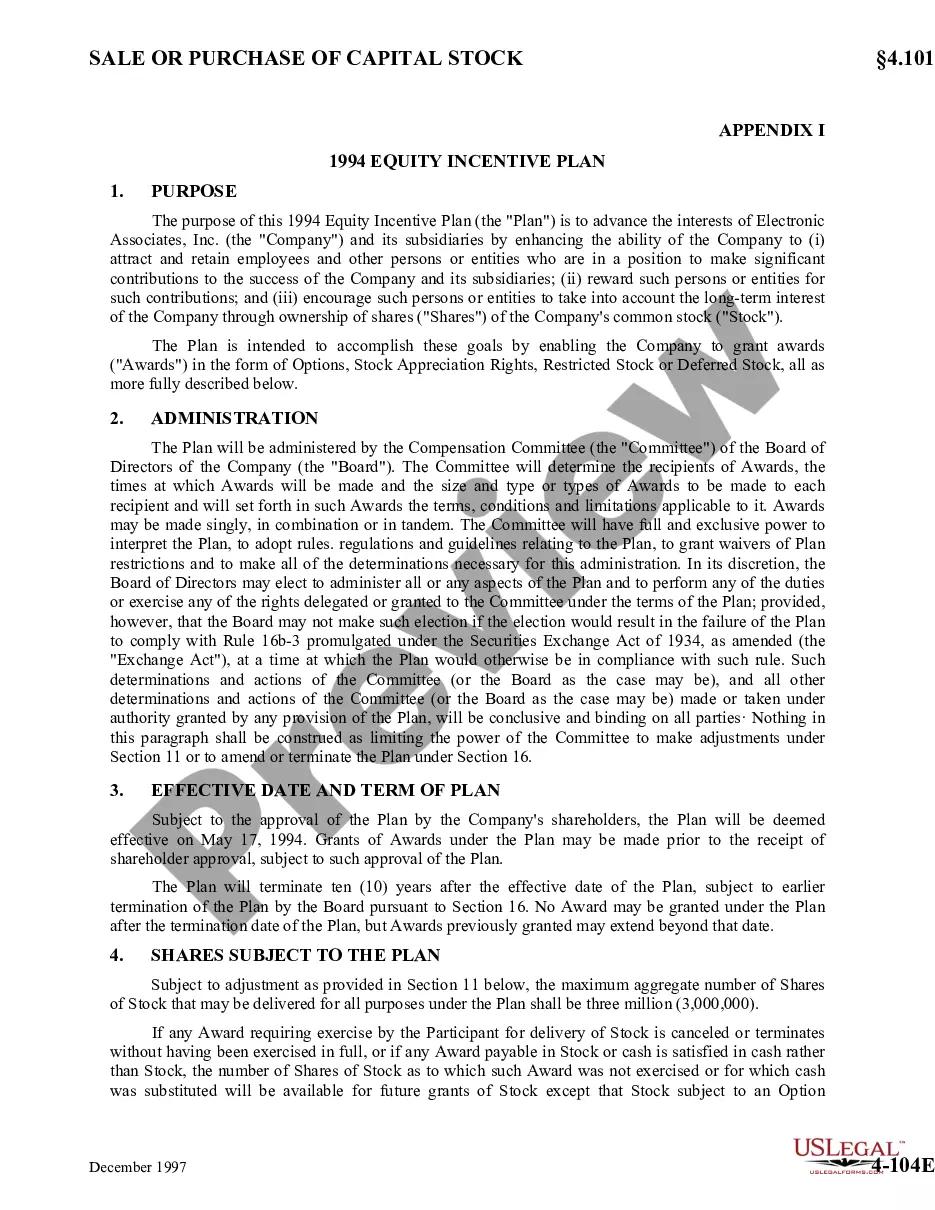
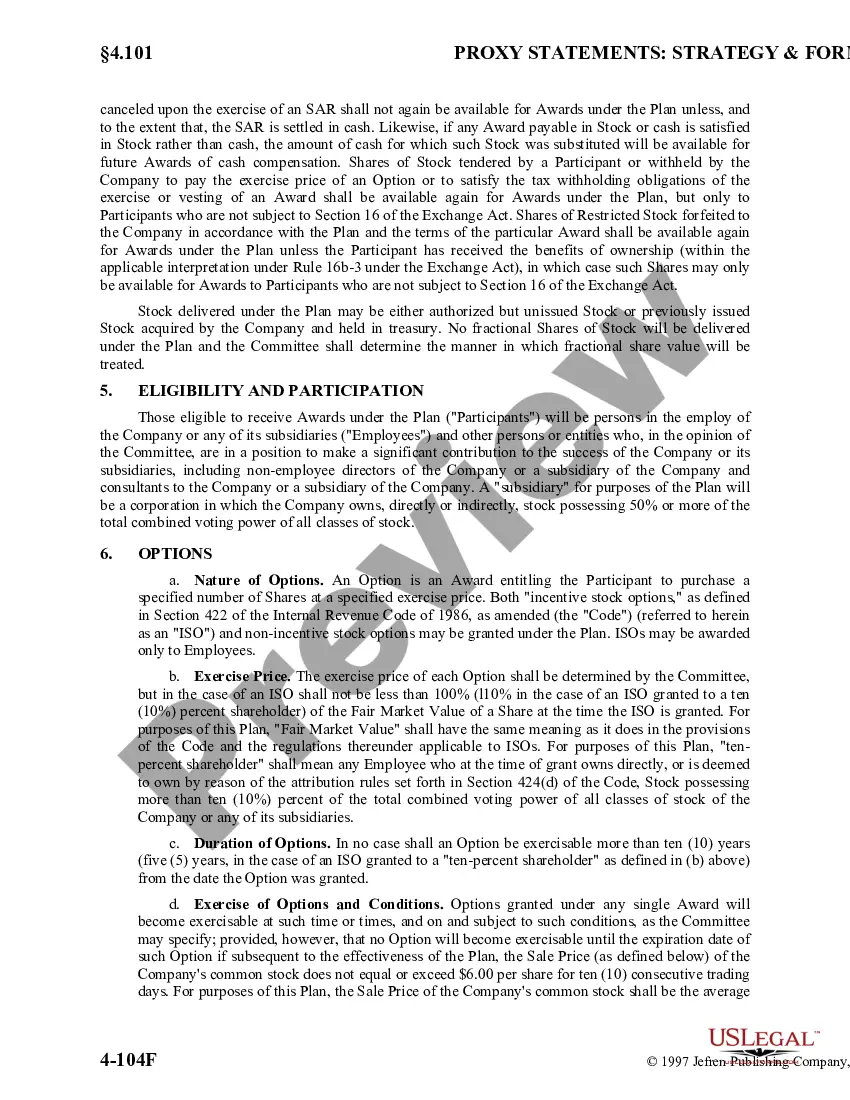
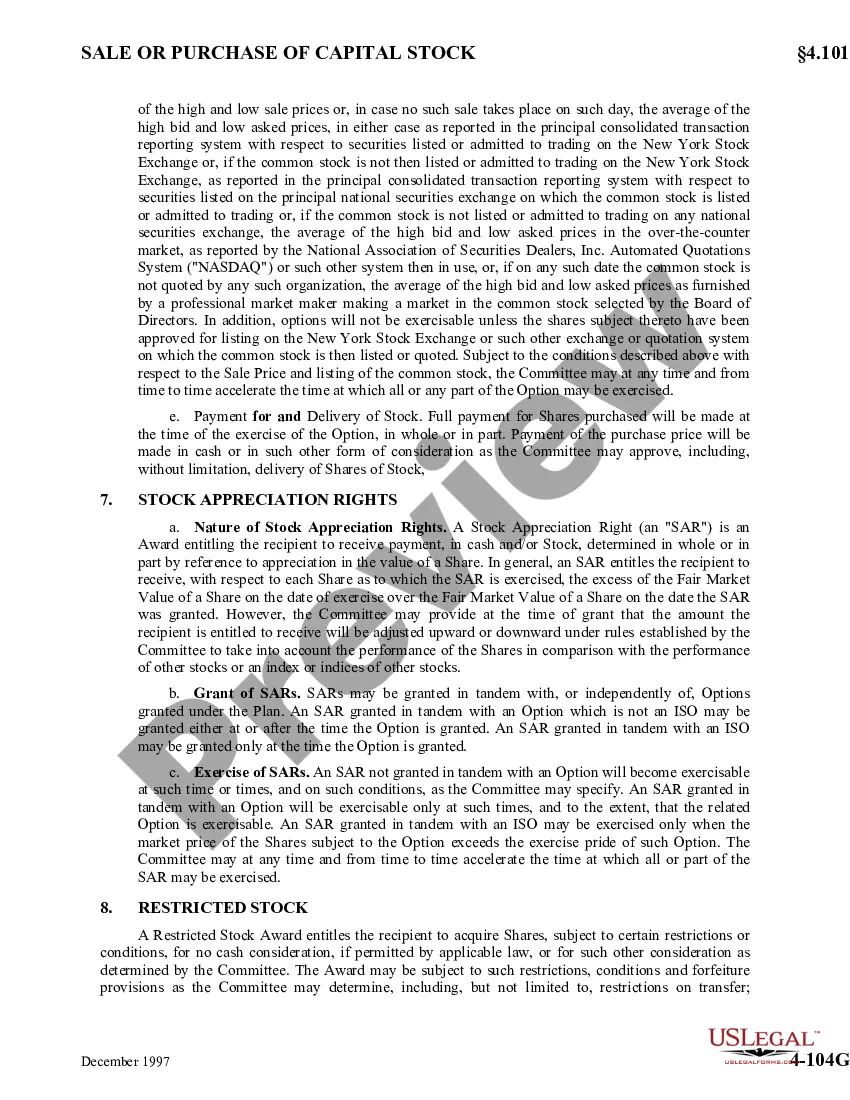
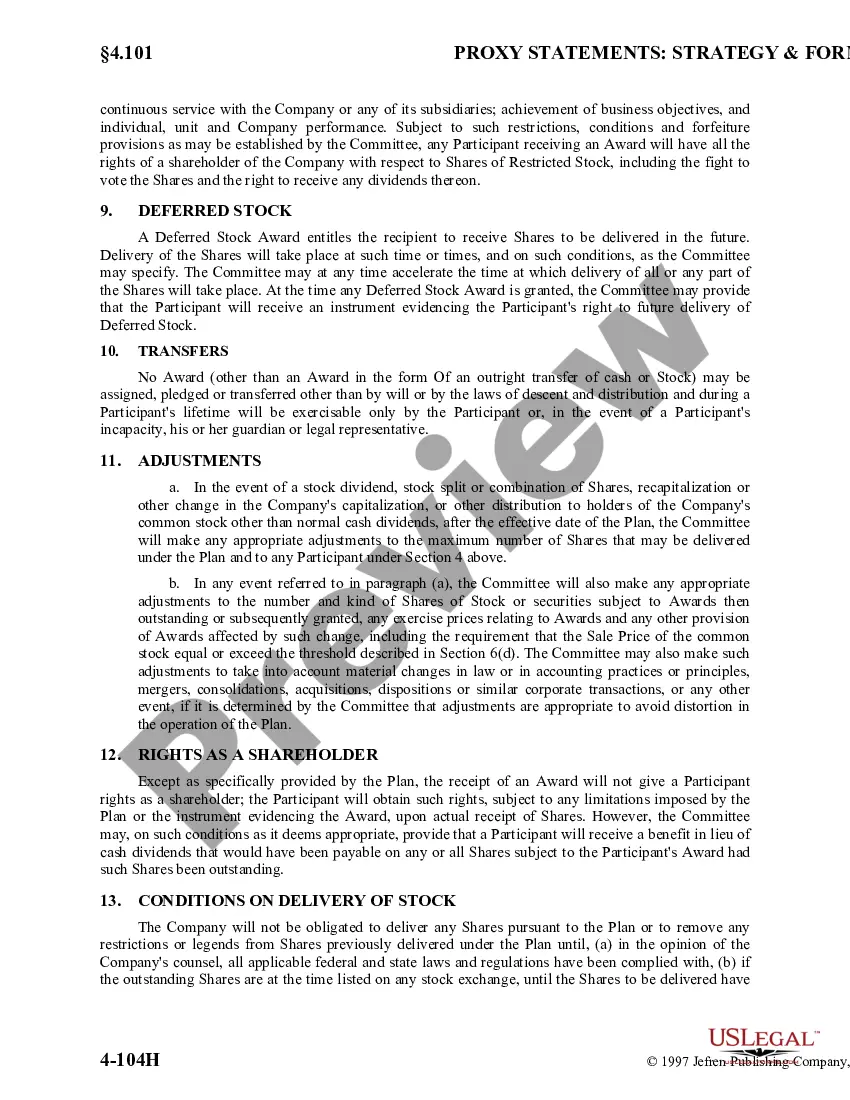
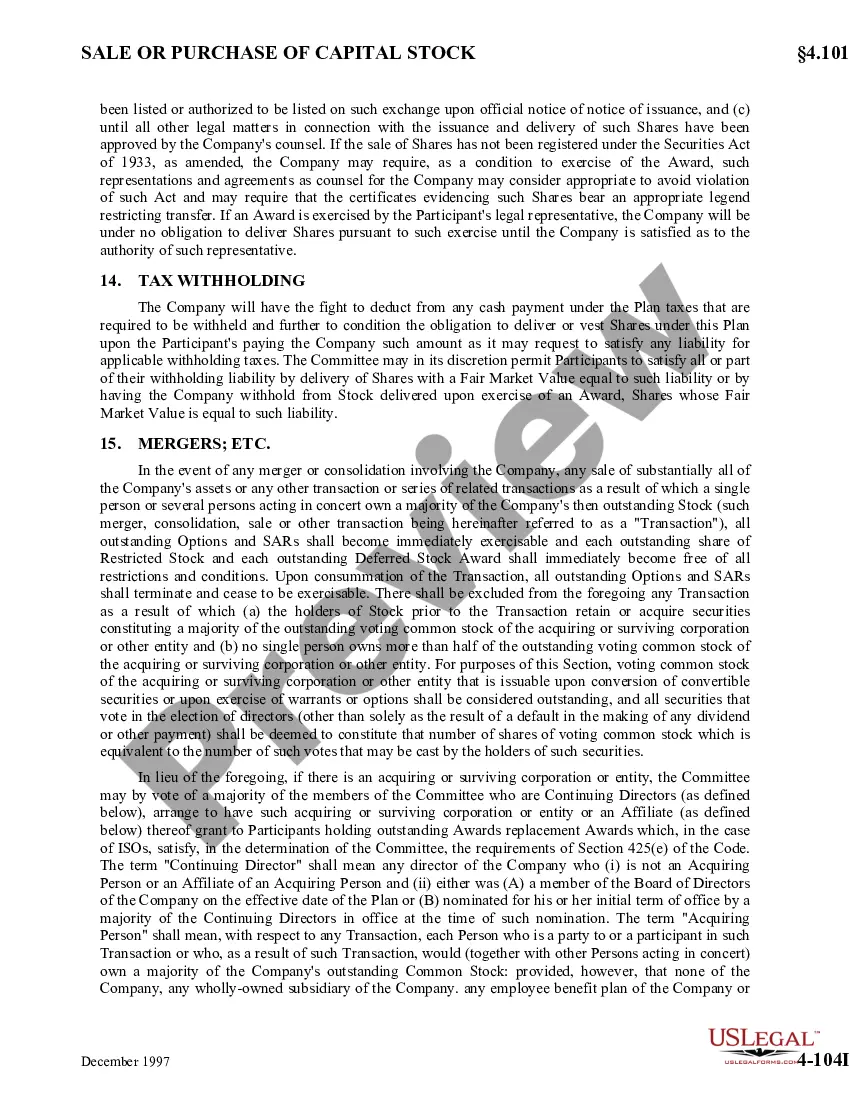
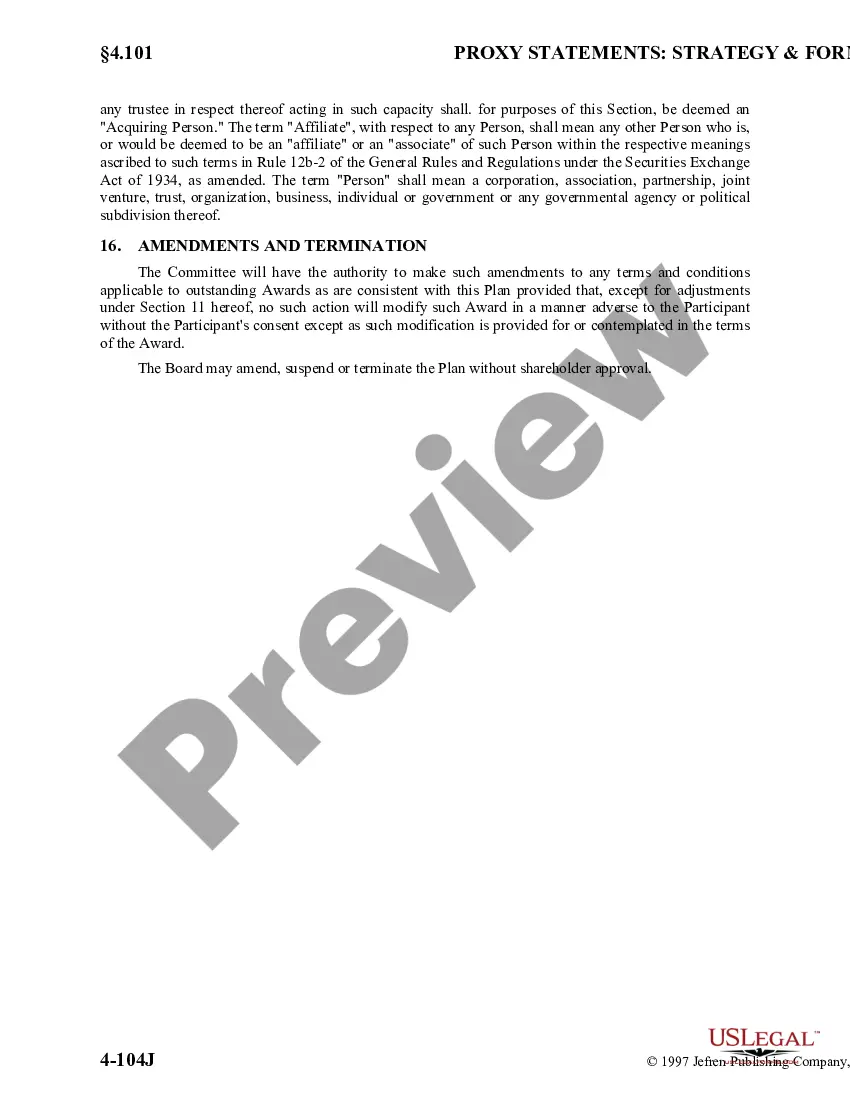

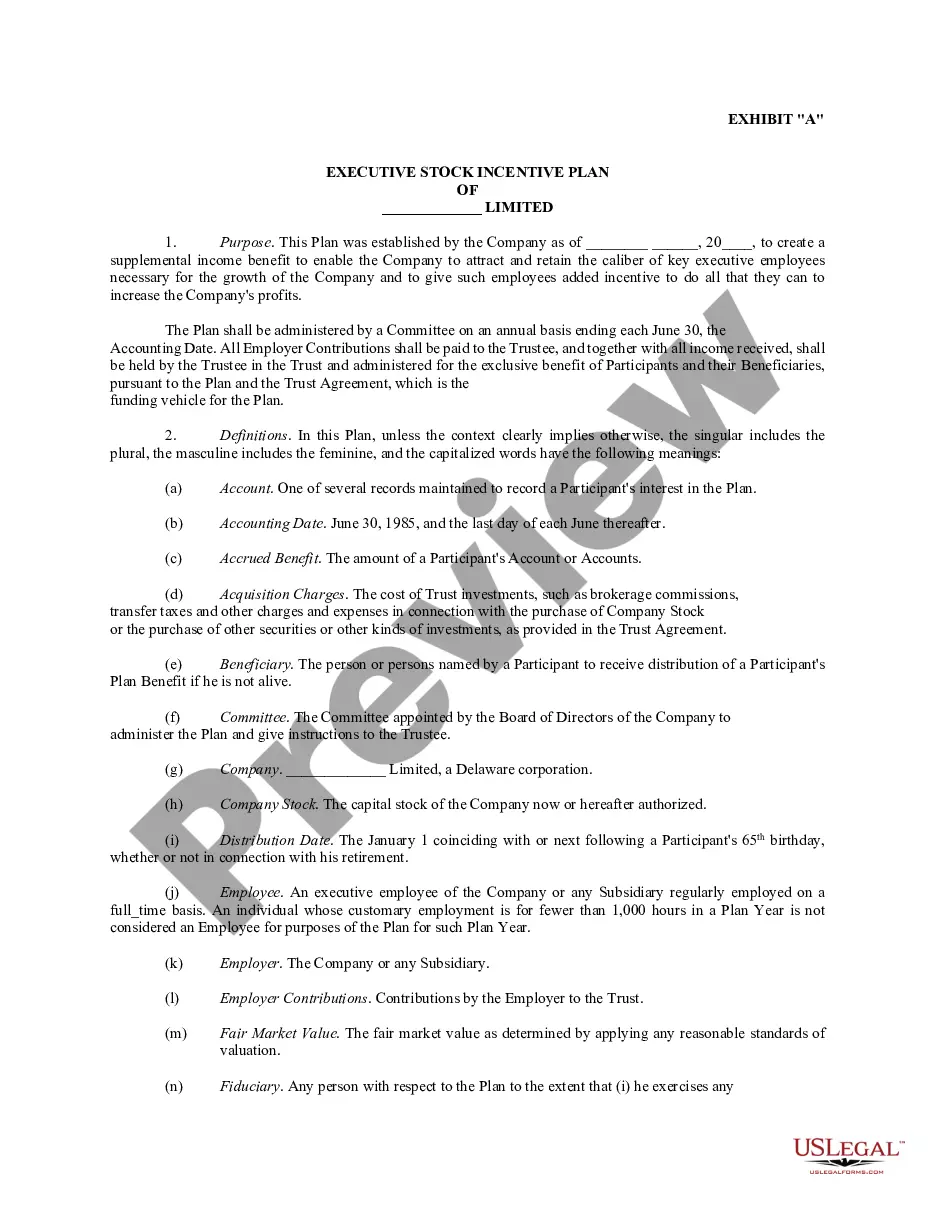
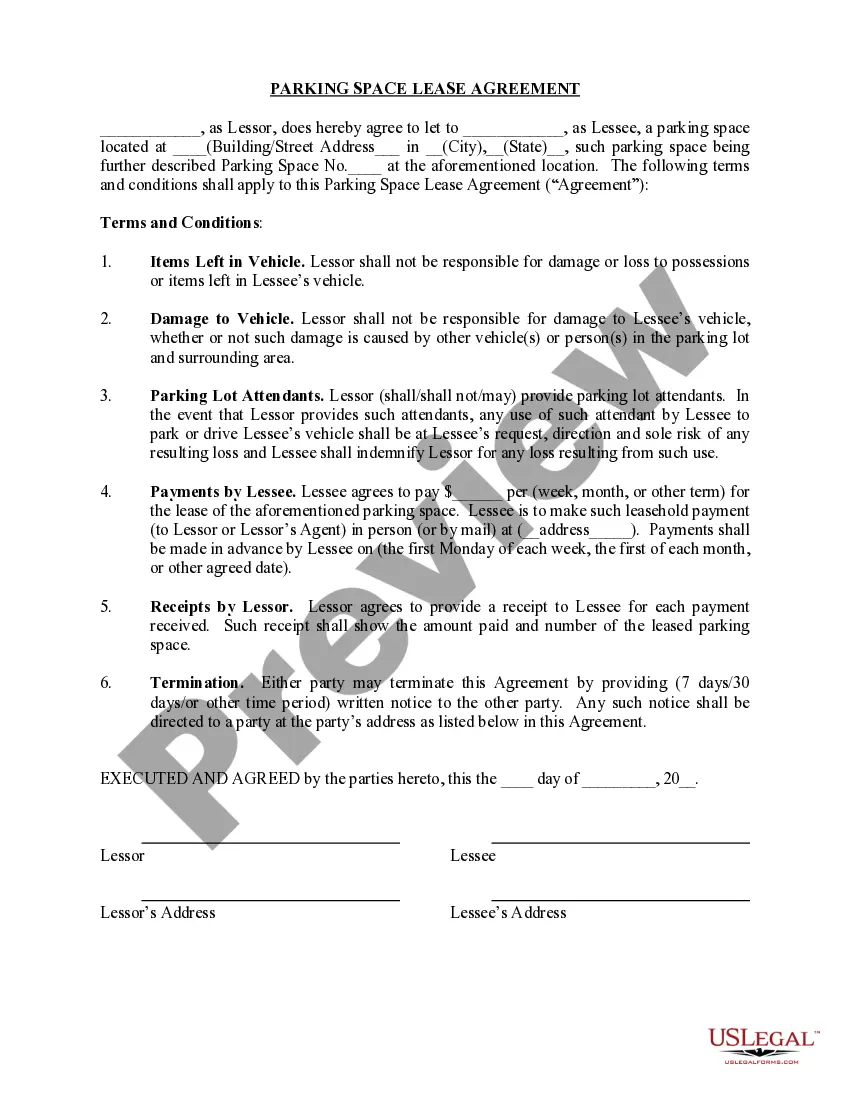
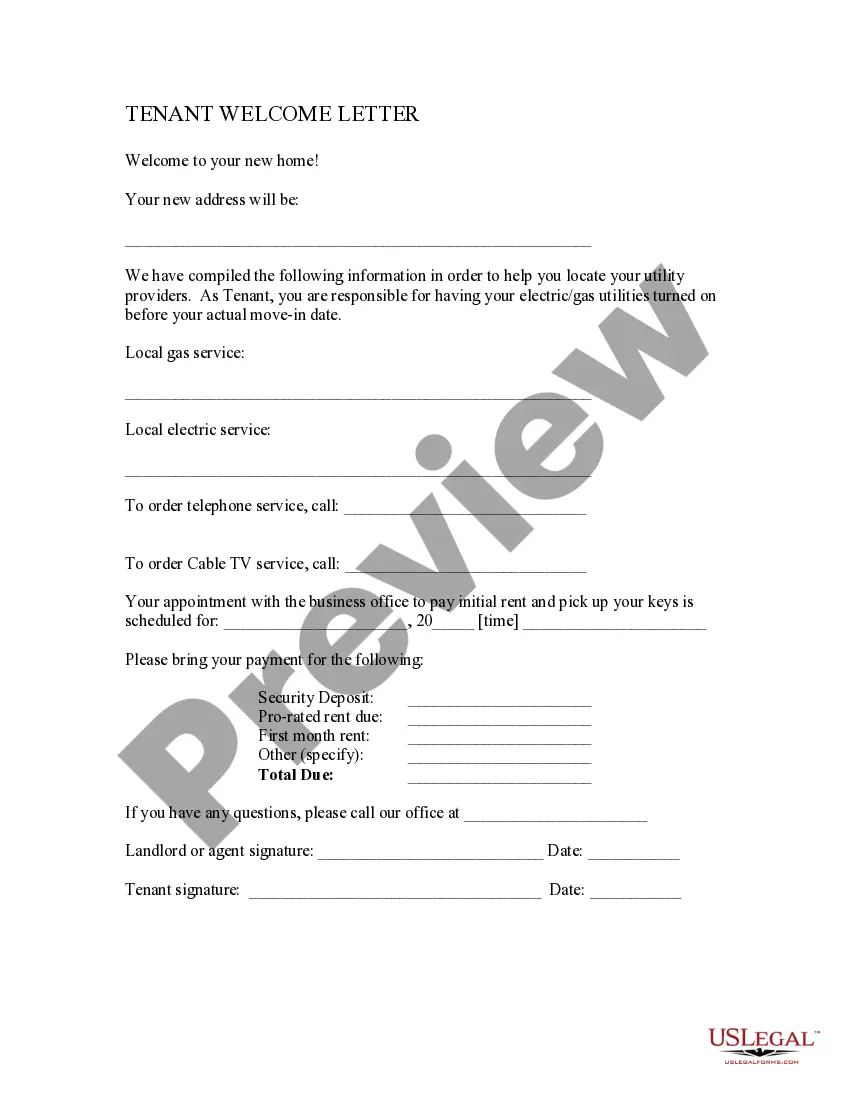

How to fill out Equity Incentive Plan?
Regardless of whether for corporate reasons or personal concerns, every individual must navigate legal issues at some phase in their existence.
Filling out legal documents requires meticulous consideration, beginning with choosing the correct template example.
Once saved, you can fill out the form using editing software or print it and complete it by hand. With an extensive library of US Legal Forms available, you do not need to waste time searching for the appropriate document online. Utilize the library's easy navigation to find the right template for any scenario.
- Acquire the template you need by using the search box or the catalog navigation.
- Review the description of the form to confirm it aligns with your case, state, and county.
- Select the preview of the form to examine it.
- If it is the incorrect document, return to the search feature to locate the Equity Incentive Plan Tax template you require.
- Download the template when it suits your requirements.
- If you already possess a US Legal Forms account, simply click Log in to access previously stored documents in My documents.
- If you do not yet have an account, you can download the form by clicking Buy now.
- Select the suitable pricing option.
- Complete the profile registration form.
- Choose your payment method: utilize a credit card or PayPal account.
- Select the file format you desire and download the Equity Incentive Plan Tax.
Form popularity
FAQ
A secured transaction is an agreement between two parties in which one of the parties gives property (other than real estate) as collateral, or security, for a loan. There are two types of secured transactions.
1 filing is good for five years. After five years, it is considered lapsed and no longer valid. Should your debtor remain in debt to you and encounter financial difficulty or file for bankruptcy, you have no secured interest if your UCC1 filing has lapsed.
By Agreement with the Debtor Security obtained through agreement comes in three major types: (1) personal property security (the most common form of security); (2) suretyship?the willingness of a third party to pay if the primarily obligated party does not; and (3) mortgage of real estate.
The security agreement must: Contain an express agreement between the debtor and the secured party. Be in writing. Be signed by both parties. Contain a description of the collateral that will attach. Contain express language granting the security interest. Give something of value from the secured party to the debtor.
Some common types of secured transactions include mortgage and car loans. When a debtor borrows money to purchase a car, the vehicle is the collateral for the loan. The creditor has a security interest in the vehicle and the creditor can repossess and sell the car if payments are not made.
The law of secured transactions consists of five principal components: (1) the nature of property that can be the subject of a security interest; (2) the methods of creating the security interest; (3) the perfection of the security interest against claims of others; (4) priorities among secured and unsecured creditors? ...
Default occurs when the debtor either fails to make a payment when due or violates his or her security agreement. After a debtor defaults, the secured party may obtain possession or control of the collateral by written consent of the debtor or by obtaining an order from the tribal court.
The Uniform Commercial Code (UCC) provides standardized forms that can be used in various commercial transactions. These forms are not mandatory but are widely recognized and accepted in many states.