Share Value List
Description
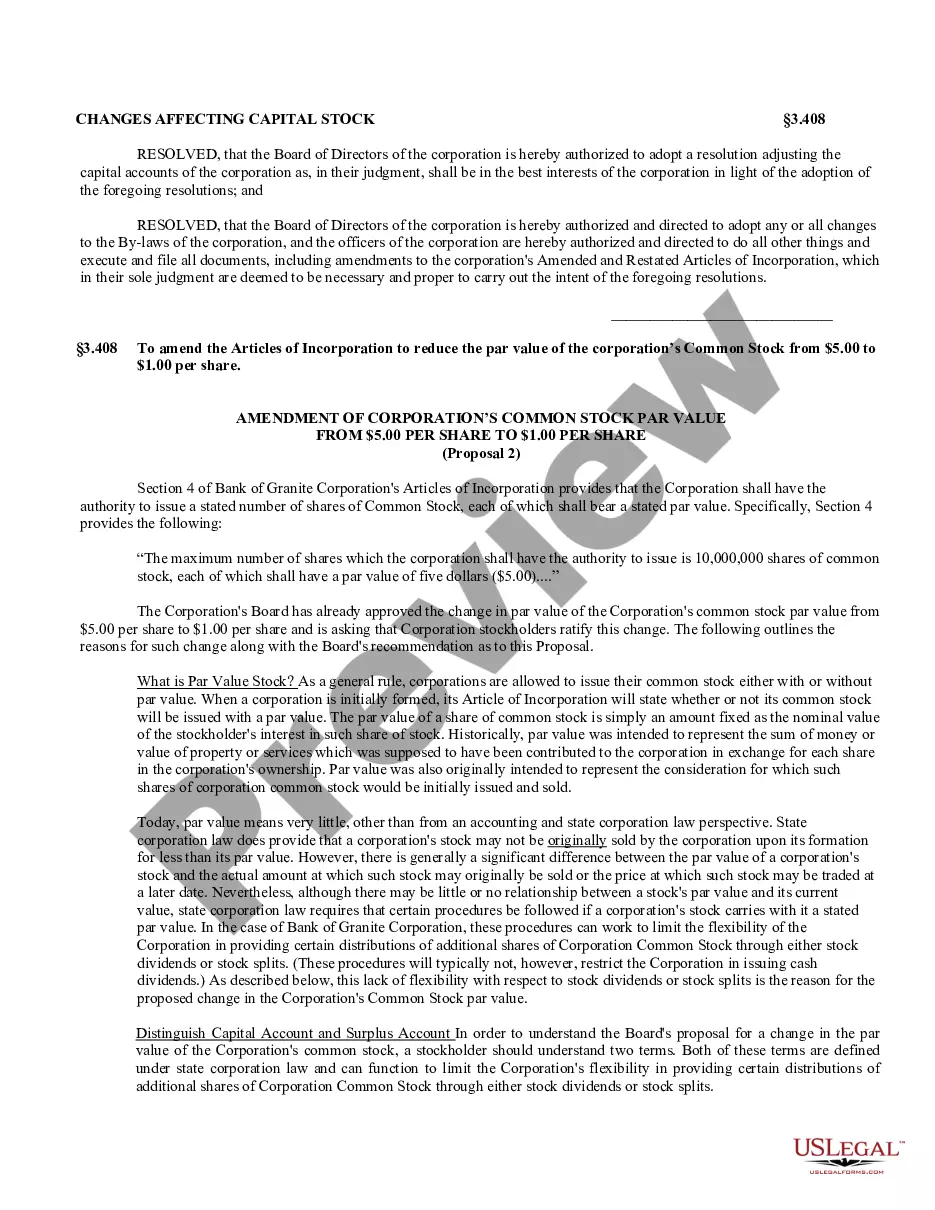
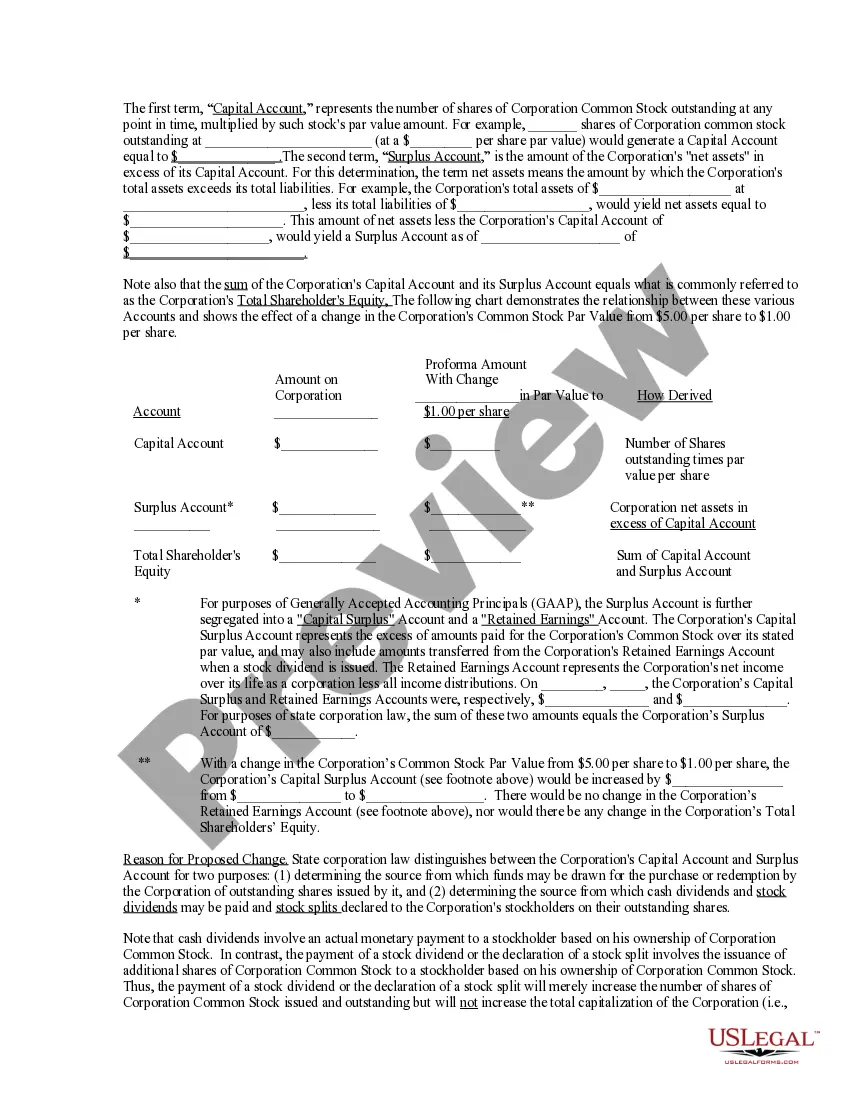
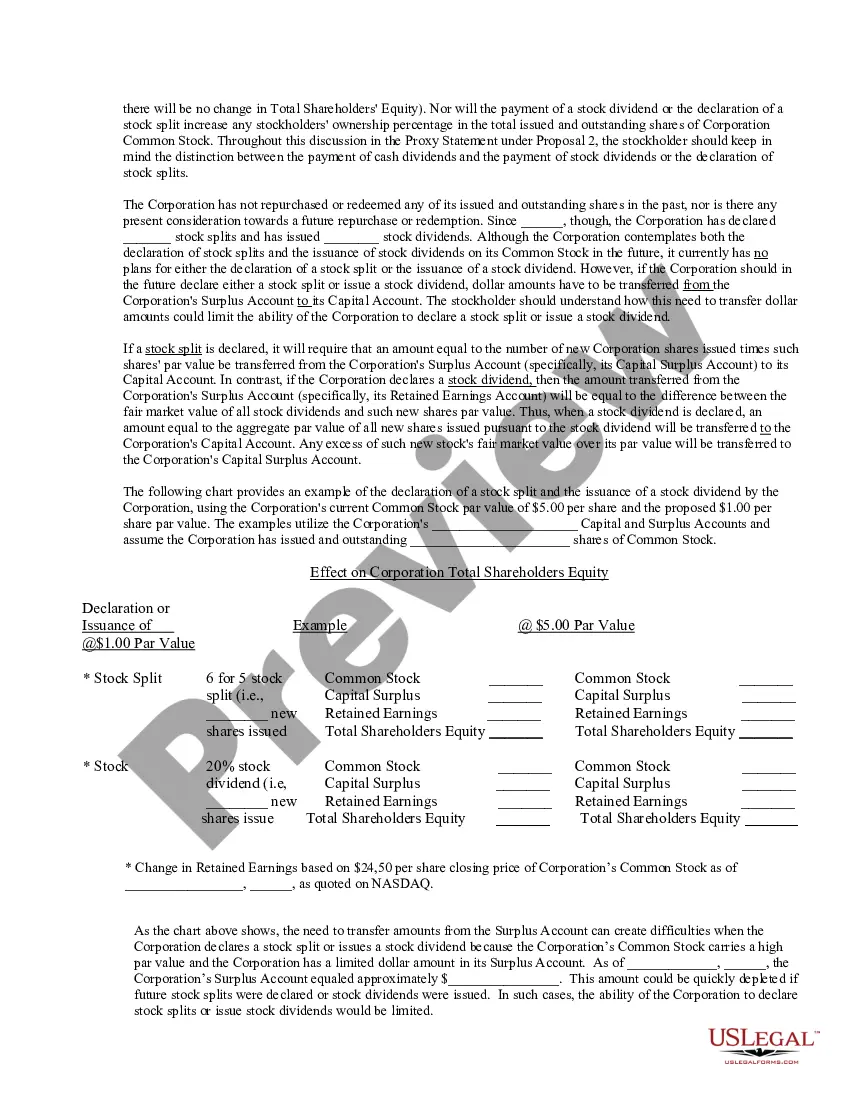
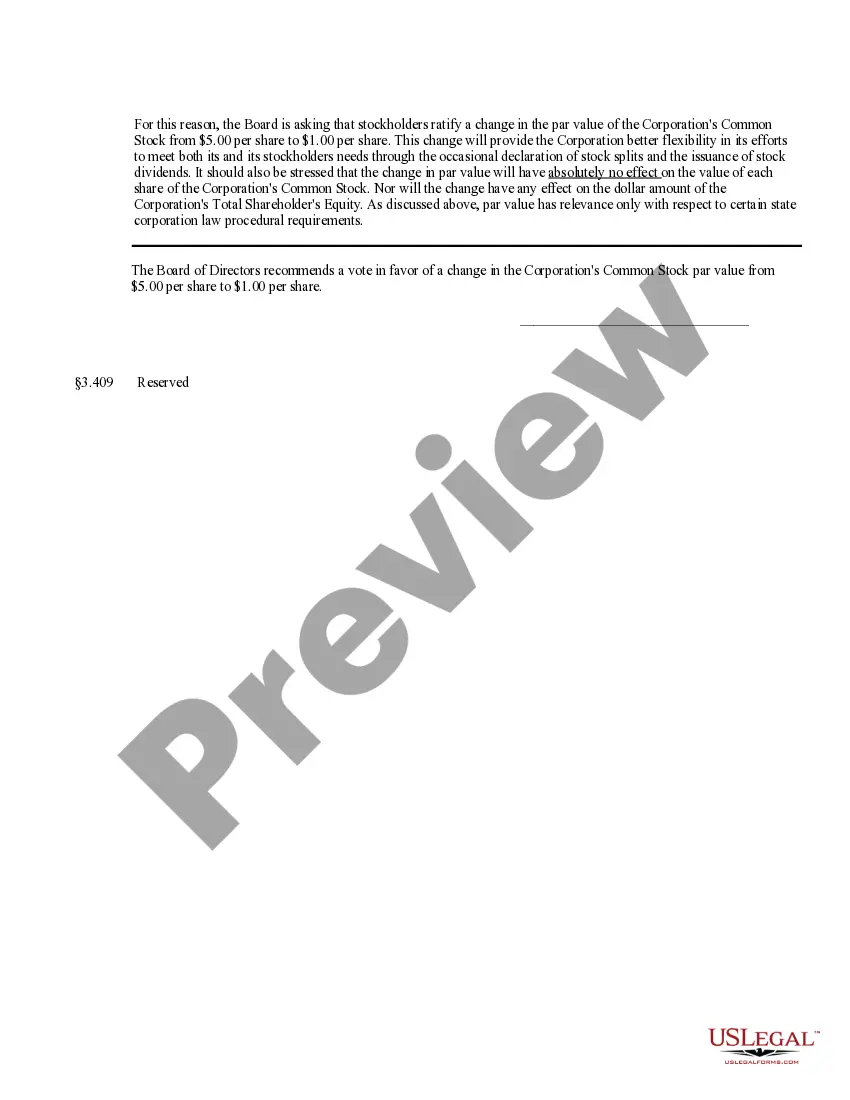
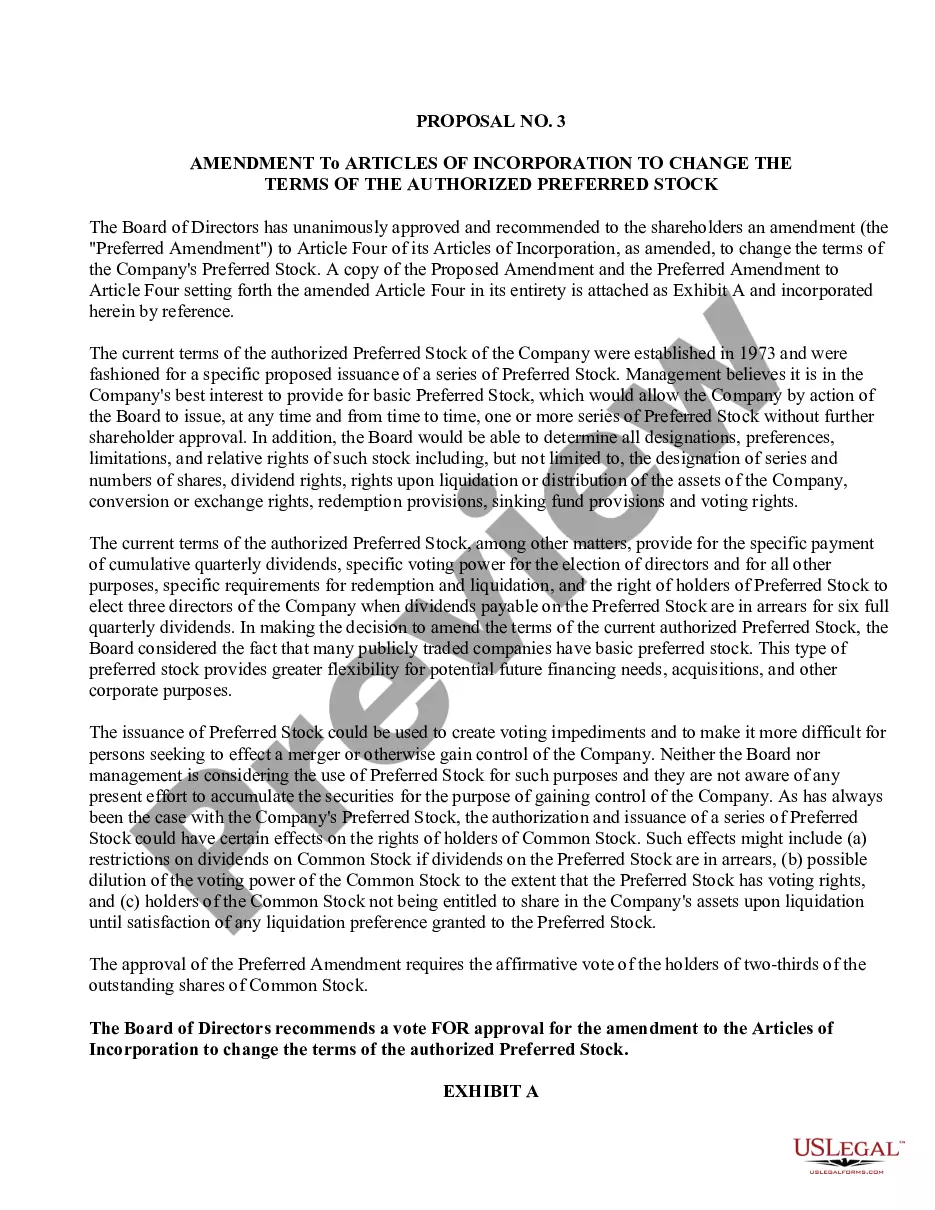
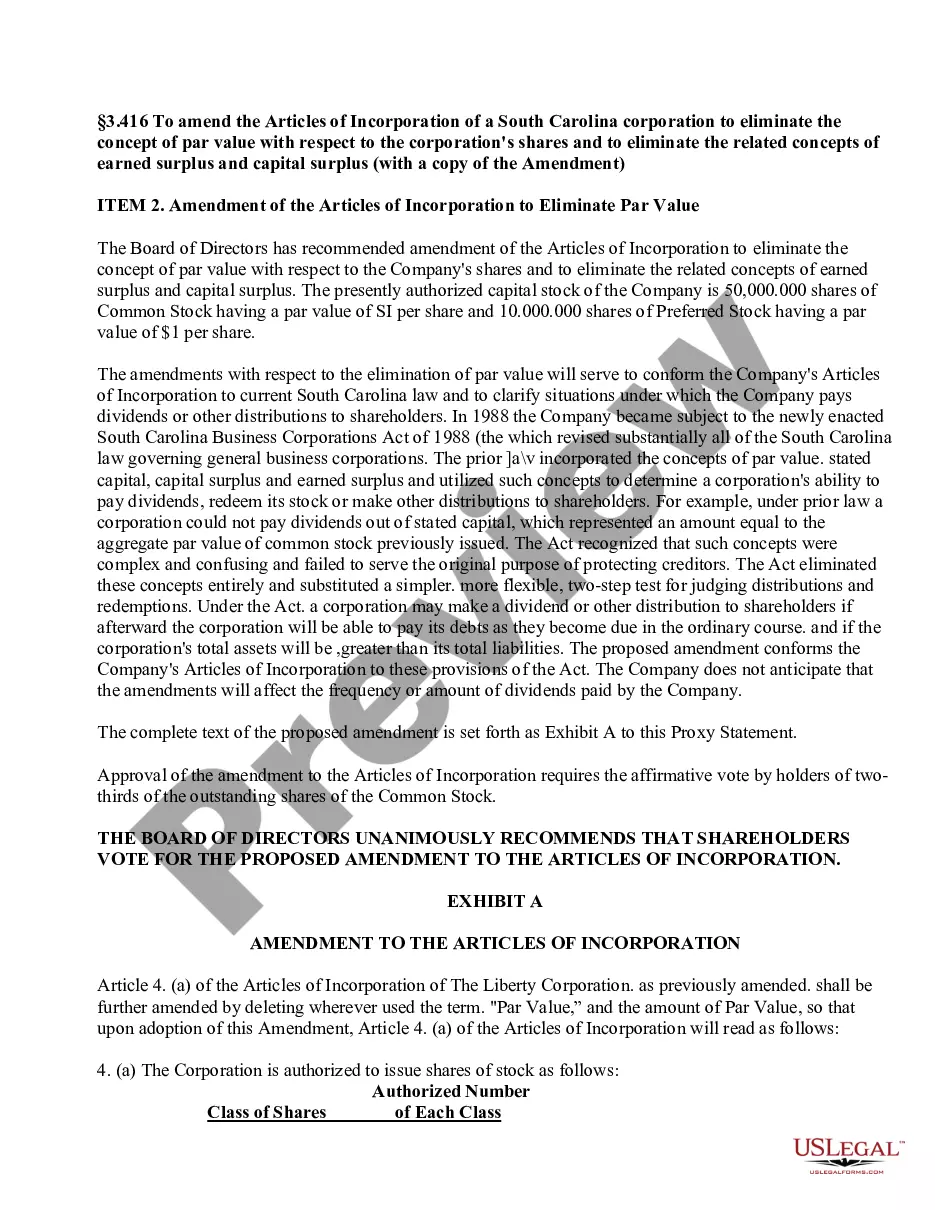
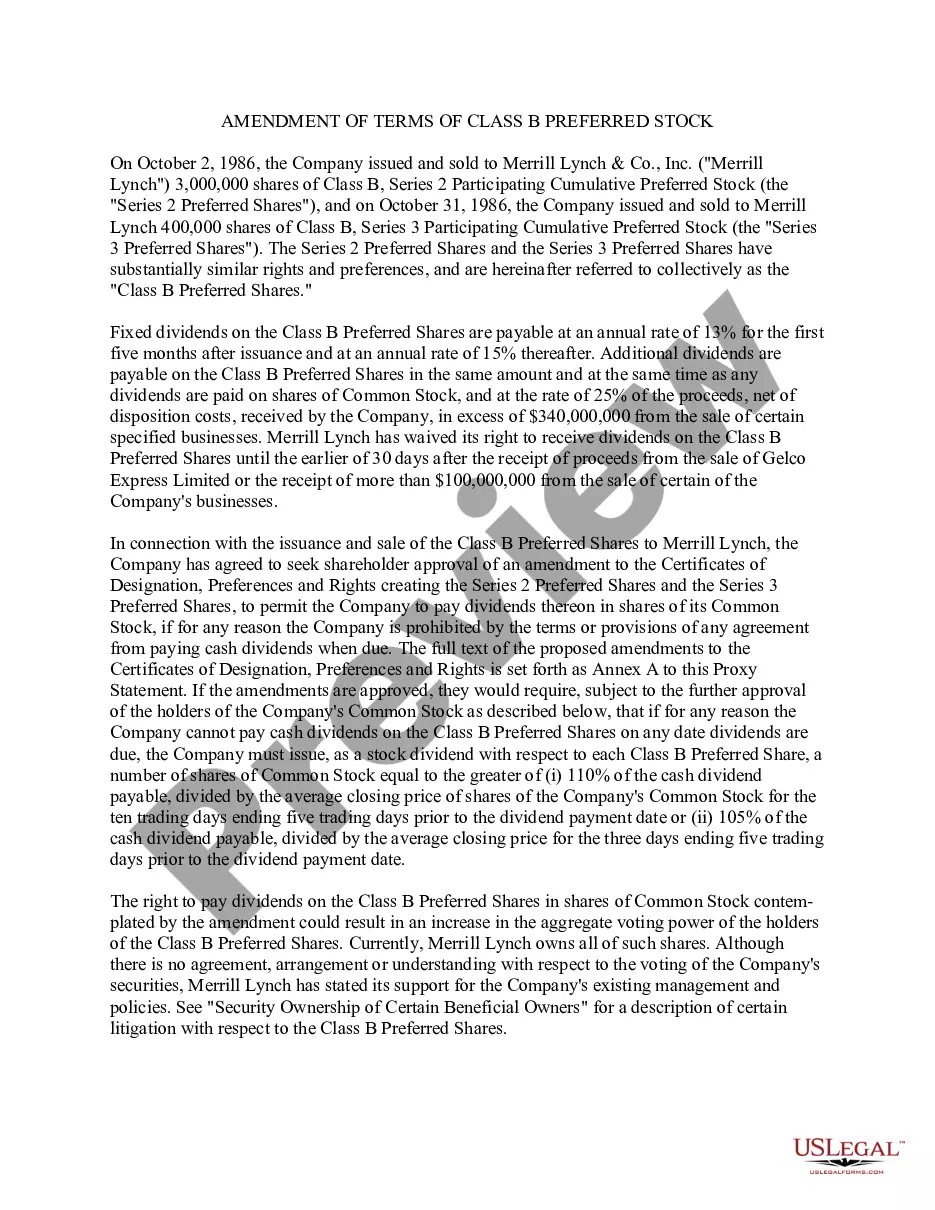
Get your form ready online
Our built-in tools help you complete, sign, share, and store your documents in one place.
Make edits, fill in missing information, and update formatting in US Legal Forms—just like you would in MS Word.
Download a copy, print it, send it by email, or mail it via USPS—whatever works best for your next step.
Sign and collect signatures with our SignNow integration. Send to multiple recipients, set reminders, and more. Go Premium to unlock E-Sign.
If this form requires notarization, complete it online through a secure video call—no need to meet a notary in person or wait for an appointment.
We protect your documents and personal data by following strict security and privacy standards.

Make edits, fill in missing information, and update formatting in US Legal Forms—just like you would in MS Word.

Download a copy, print it, send it by email, or mail it via USPS—whatever works best for your next step.

Sign and collect signatures with our SignNow integration. Send to multiple recipients, set reminders, and more. Go Premium to unlock E-Sign.

If this form requires notarization, complete it online through a secure video call—no need to meet a notary in person or wait for an appointment.

We protect your documents and personal data by following strict security and privacy standards.
Looking for another form?

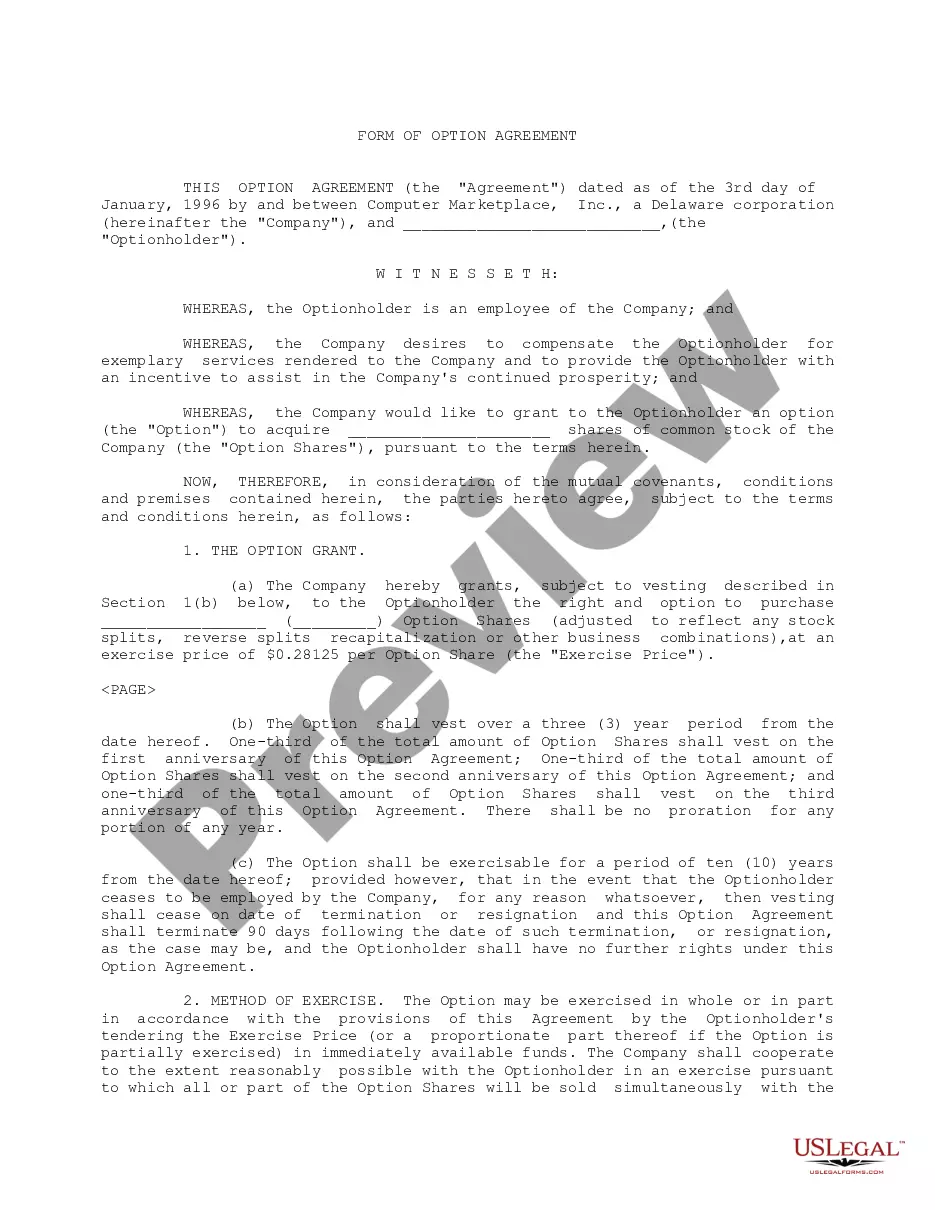





How to fill out Amendment Of Common Stock Par Value?
Managing legal paperwork and processes can be an arduous addition to your daily routine.
Documents like the Share Value List often necessitate that you look for them and comprehend how to fill them out correctly.
Thus, whether you are dealing with financial, legal, or personal issues, having a comprehensive and user-friendly online directory of forms at your disposal will be immensely beneficial.
US Legal Forms is the premier online resource for legal templates, featuring over 85,000 state-specific documents and a variety of tools to assist you in completing your paperwork seamlessly.
Is this your first experience with US Legal Forms? Sign up and create a free account in just a few minutes, gaining access to the form directory and Share Value List. Then, follow the steps outlined below to complete your form: Ensure you have located the correct form by utilizing the Preview feature and reviewing the form details. Select Buy Now when you are prepared, and choose the monthly subscription plan that suits you best. Click Download, then fill out, eSign, and print the form. US Legal Forms has twenty-five years of experience assisting users in managing their legal documents. Find the form you need today and simplify any process effortlessly.
- Explore the collection of relevant documents available to you with just a single click.
- US Legal Forms provides state- and county-specific forms accessible at any time for download.
- Safeguard your document management processes with a high-quality service that enables you to create any form in minutes without extra or concealed charges.
- Simply Log In to your account, find the Share Value List, and obtain it immediately within the My documents section.
- You can also access previously downloaded forms.
Form popularity
FAQ
Market Value per Share: It is calculated by considering the market value of a company divided by the total number of outstanding shares. Price-Earnings (P/E) Ratio: The P/E ratio is the current price of the stock divided by the earnings per share.
To calculate book value per share, simply divide a company's total common equity by the number of shares outstanding. For example, if a company has total common equity of $1,000,000 and 1,000,000 shares outstanding, then its book value per share would be $1.
Calculating the value of a shareholding To value a shareholding you will need to multiply the number of shares owned by the price per share.
The method provides an observable value for the business based on what other companies are worth. Example, if a company A trades at 10x P/E ratio and company B has earnings of Rs. 2 per share, the value of each stock of company B is worth at Rs 20 per share (assuming the companies are entirely comparable).