Par Value For Shares
Description
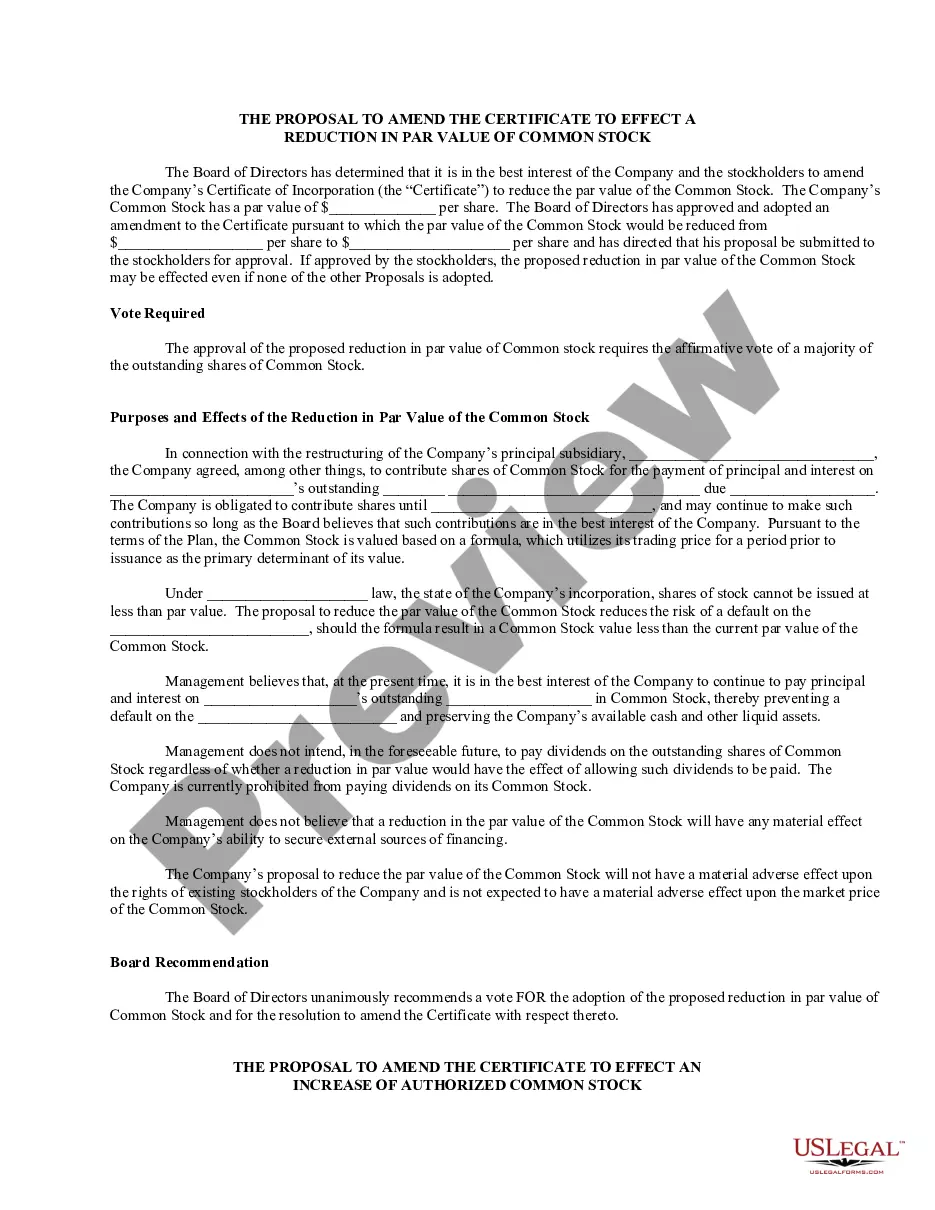
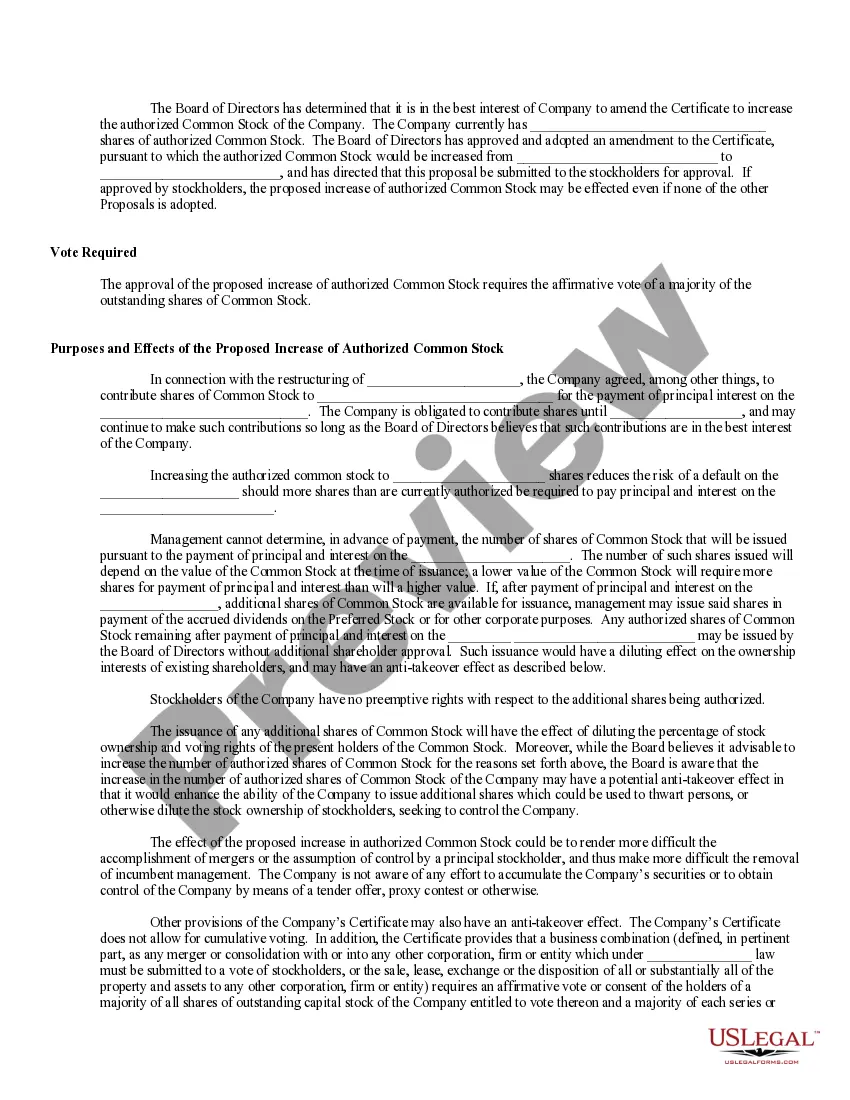
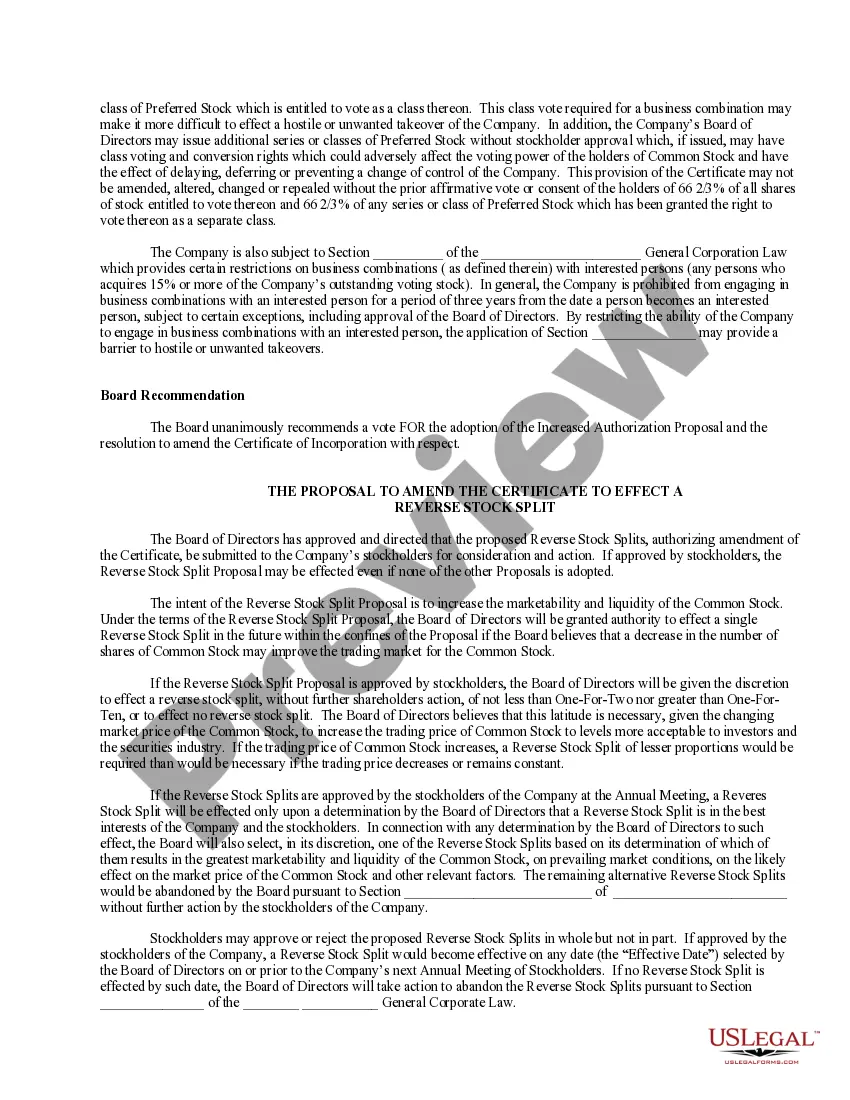
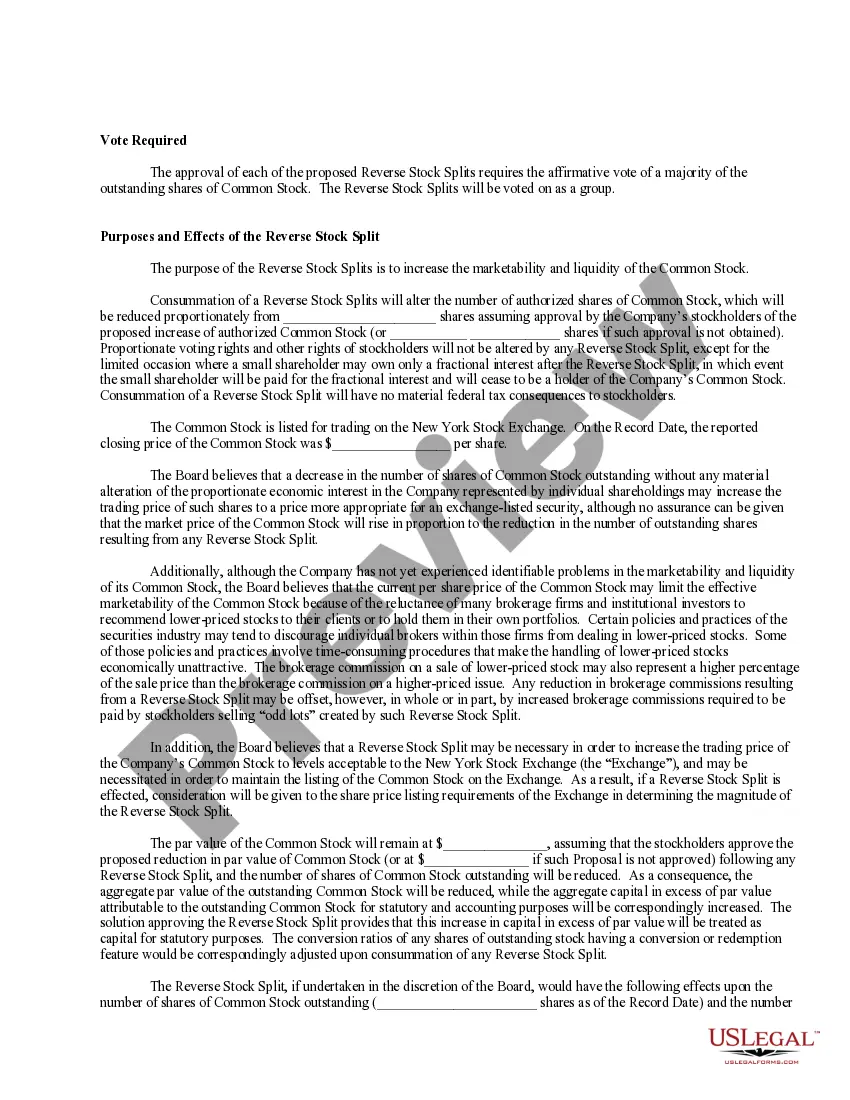
Get your form ready online
Our built-in tools help you complete, sign, share, and store your documents in one place.
Make edits, fill in missing information, and update formatting in US Legal Forms—just like you would in MS Word.
Download a copy, print it, send it by email, or mail it via USPS—whatever works best for your next step.
Sign and collect signatures with our SignNow integration. Send to multiple recipients, set reminders, and more. Go Premium to unlock E-Sign.
If this form requires notarization, complete it online through a secure video call—no need to meet a notary in person or wait for an appointment.
We protect your documents and personal data by following strict security and privacy standards.

Make edits, fill in missing information, and update formatting in US Legal Forms—just like you would in MS Word.

Download a copy, print it, send it by email, or mail it via USPS—whatever works best for your next step.

Sign and collect signatures with our SignNow integration. Send to multiple recipients, set reminders, and more. Go Premium to unlock E-Sign.

If this form requires notarization, complete it online through a secure video call—no need to meet a notary in person or wait for an appointment.

We protect your documents and personal data by following strict security and privacy standards.
Looking for another form?






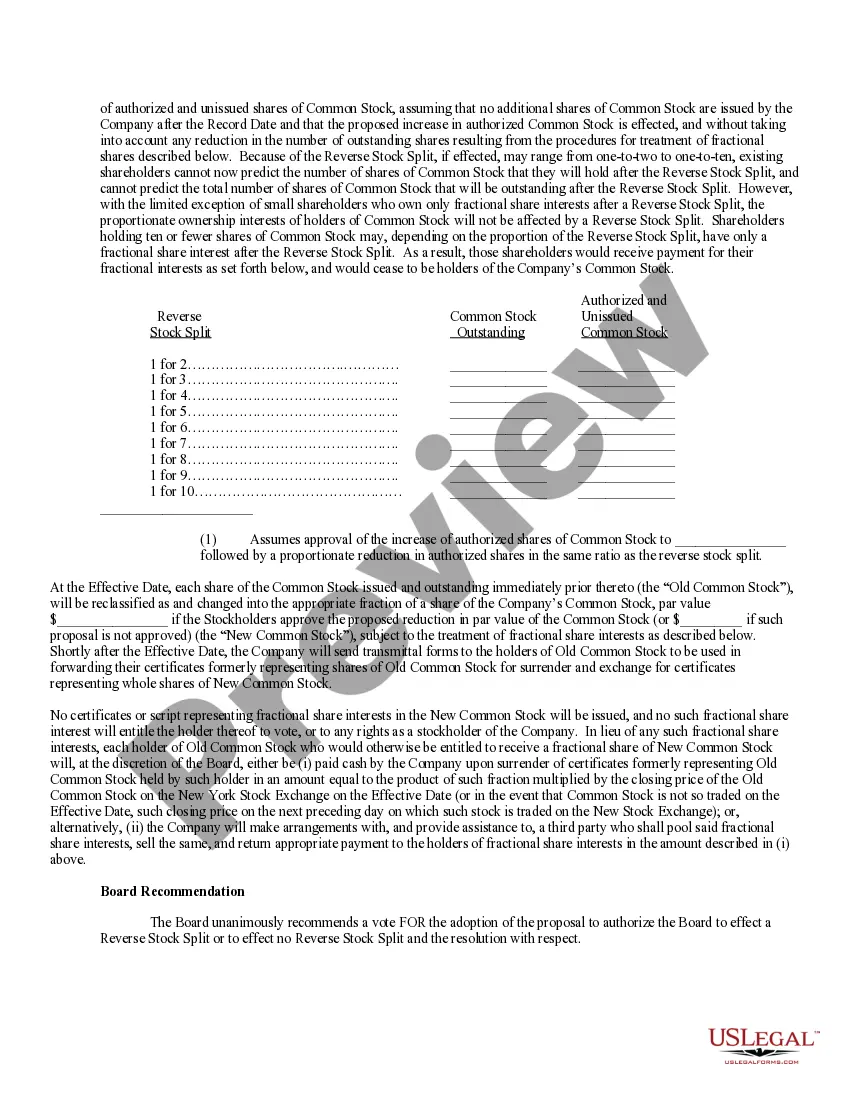
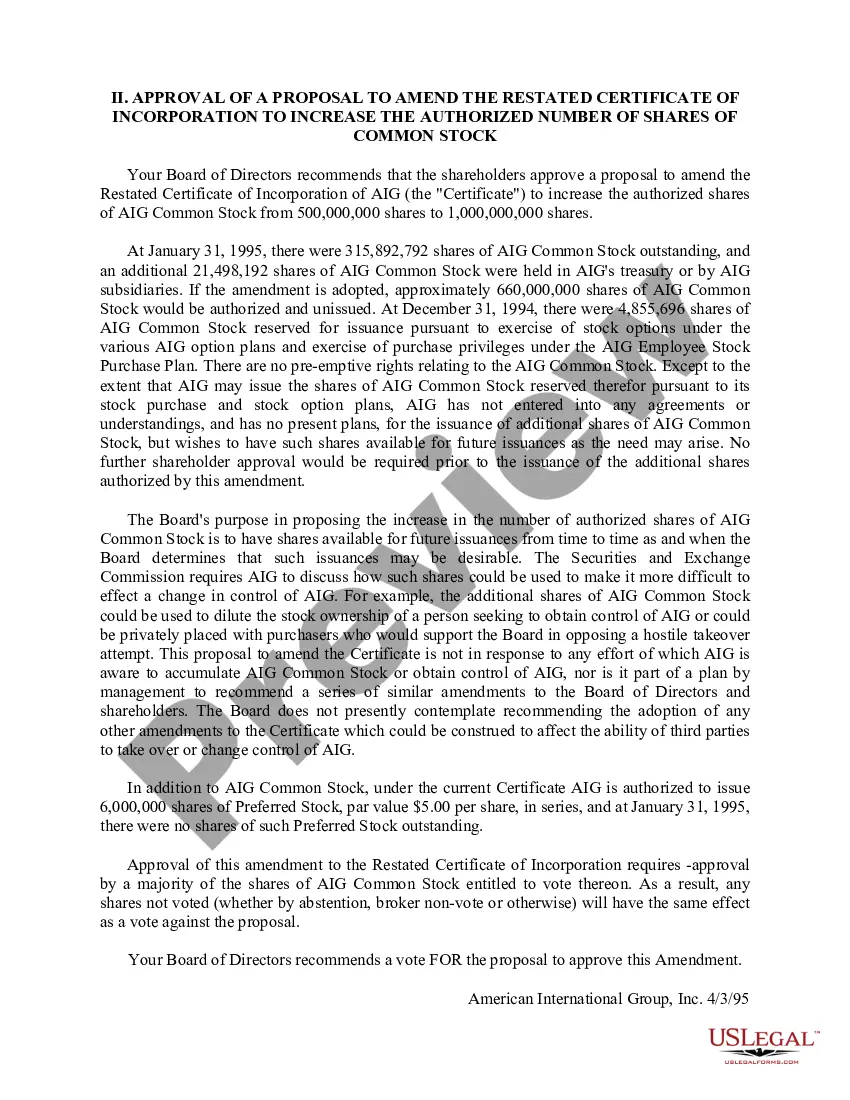
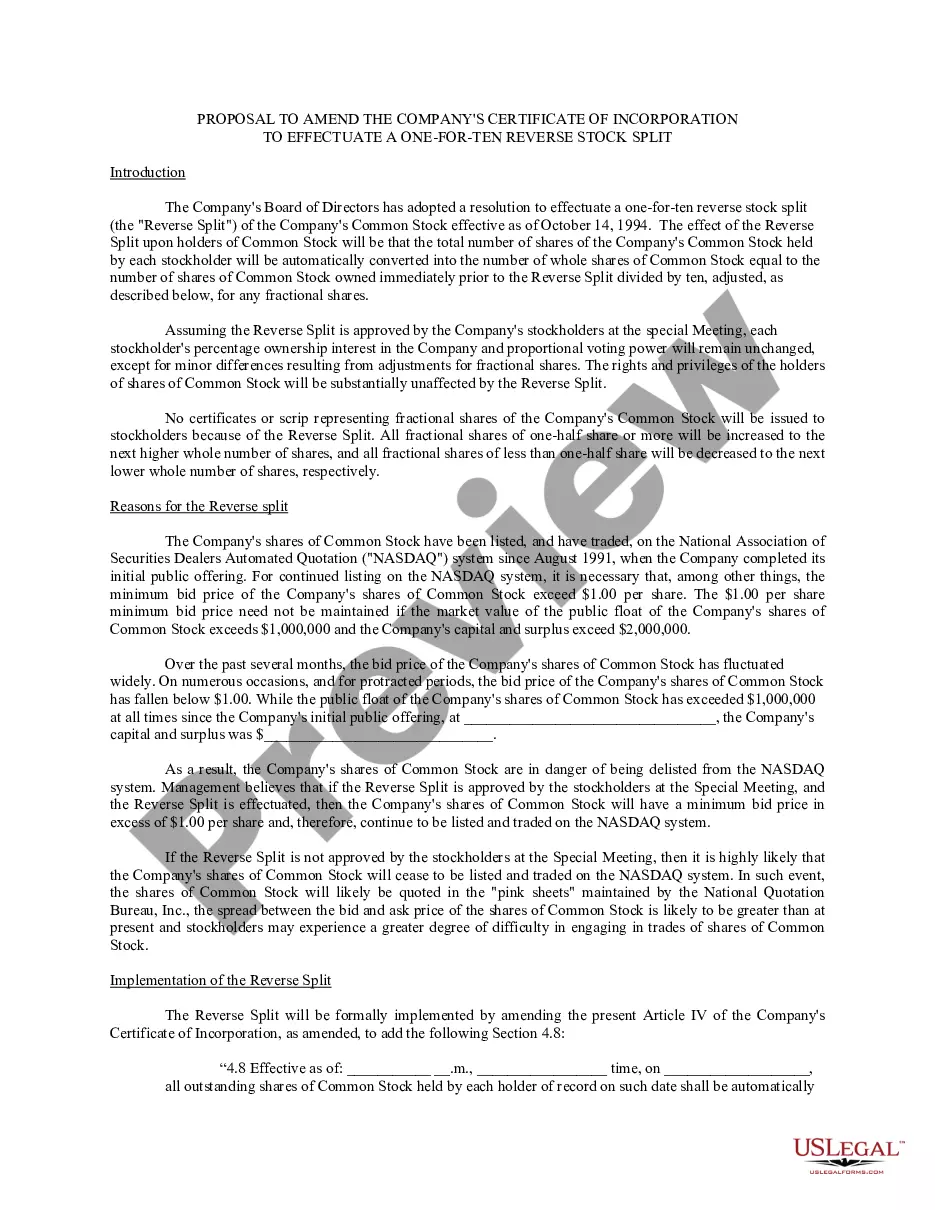
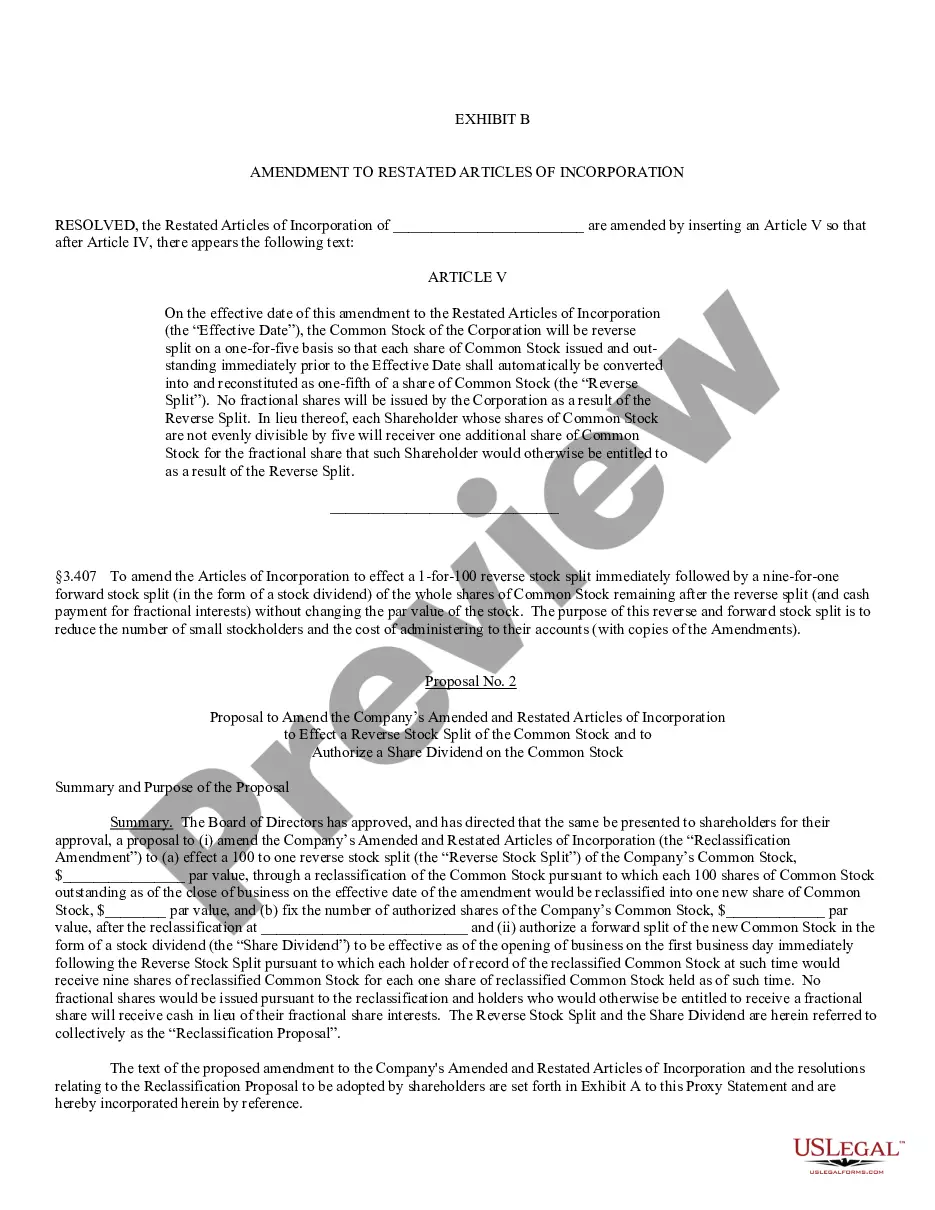
How to fill out Proposal To Amend Certificate To Reduce Par Value, Increase Authorized Common Stock And Reverse Stock Split With Exhibit?
Managing legal paperwork and protocols can be a lengthy addition to your entire schedule.
Par Value For Shares and similar forms typically necessitate that you search for them and figure out how to complete them accurately.
Consequently, whether you are dealing with financial, legal, or personal issues, having a comprehensive and efficient online collection of documents readily available will be very beneficial.
US Legal Forms is the premier online resource for legal templates, boasting over 85,000 state-specific documents and an array of tools to help you finalize your paperwork promptly.
Is this your first time using US Legal Forms? Sign up and create an account in just a few minutes, granting you access to the document library and Par Value For Shares. Then, follow the steps below to fill out your form: Ensure you have the correct form using the Preview feature and checking the form description. Select Buy Now when ready and choose the monthly subscription plan that suits your requirements. Click Download then fill out, eSign, and print the document. US Legal Forms has twenty-five years of experience assisting individuals manage their legal paperwork. Locate the document you require today and streamline any process effortlessly.
- Explore the collection of relevant documents accessible with just one click.
- US Legal Forms offers you state- and county-specific documents available for download at any time.
- Protect your document management processes with a high-quality service that enables you to prepare any document within minutes with no additional or concealed fees.
- Simply Log In to your account, locate Par Value For Shares and obtain it immediately through the My documents section.
- You can also access forms that you have downloaded previously.
Form popularity
FAQ
The formula for determining par stock usually involves assessing the total par value of all shares issued compared to the number of shares. Essentially, you can express it as Total Par Value = Number of Shares Issued x Par Value per Share. This figure helps in understanding the equity structure of a company and can play a role in investment decisions. If you want to properly document your findings, US Legal Forms provides templates that can assist you.
To get the par value per share, you should check the company’s financial statements where this information is often disclosed. The par value for shares may also be found in the corporate bylaws or stock issuance documents. If you're starting a company, you can set the par value during incorporation, usually at a minimal amount. For specific guidance, you can explore resources on US Legal Forms to navigate this process.
You can find the par value for shares in the company’s articles of incorporation or corporate charter. This document typically outlines the initial worth assigned to each share when the company was established. Additionally, many financial statements or official documents filed with the Securities and Exchange Commission (SEC) will provide this information. If you need a more detailed understanding, consider using our platform at US Legal Forms to access relevant legal documents.
An example of par value for shares is when a company issues 1,000 shares with a par value of $1 each. In this scenario, the company must record $1,000 in its equity account at the time of issuance. This concept helps clarify the company's capital on its balance sheet while providing essential information to investors. Utilizing platforms like US Legal Forms can assist in understanding and managing these financial principles effectively.
To determine the par value of a share, refer to the company's balance sheet or founding documents where this figure is specified. If no par value is defined, the shares may be considered as having no par value, allowing them more flexibility in issuance. Understanding the par value for shares is essential for making informed investment decisions and managing corporate finances effectively.
Calculating the par value for shares involves assessing the value assigned in the company's articles of incorporation. This value is usually set during the initial offering and can be represented as a fixed amount. Typically, you divide the total amount of capital stock by the number of shares issued. This straightforward method helps clarify the company's financial structure.
Determining the par value per share involves setting a deliberate figure that reflects the company's capital structure and financial strategies. Typically, this is based on a nominal amount chosen at incorporation or adjusted when needed. It's wise to consult experts or resources like uslegalforms to ensure you're making an informed decision.
Par value for shares is recorded in the company's articles of incorporation or charter documents. This important documentation is filed with the state upon incorporation and reflects the official value assigned to the shares. It can also be found in the company’s financial records, under the equity section.
Setting the par value for shares involves considering various factors like company structure, financial goals, and market trends. Generally, companies can choose a nominal value, often $0.01 or even no par value, depending on their intent. Consulting with a legal advisor or using platforms like uslegalforms can streamline the process and ensure compliance with state regulations.