Reorganization Plan Of 1950
Description
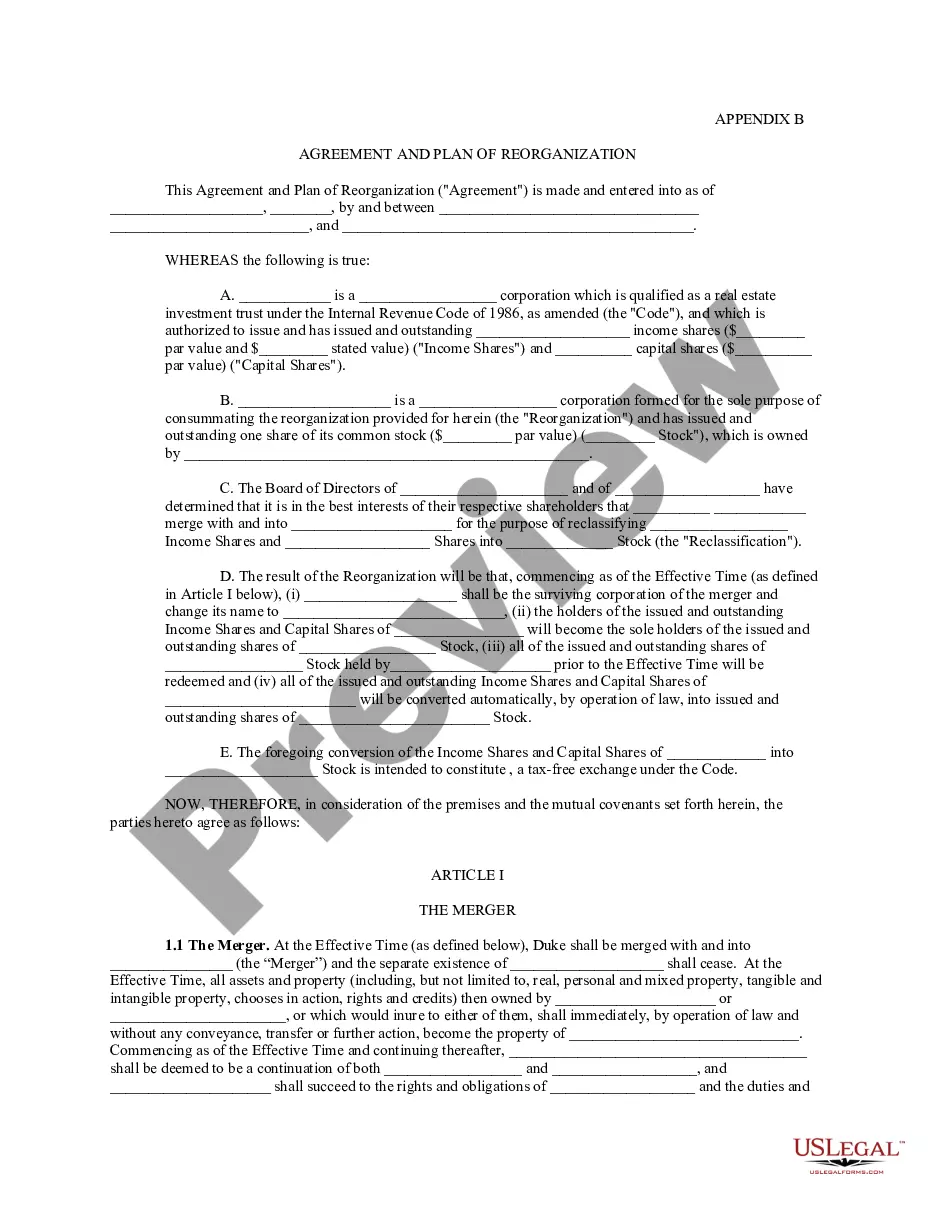
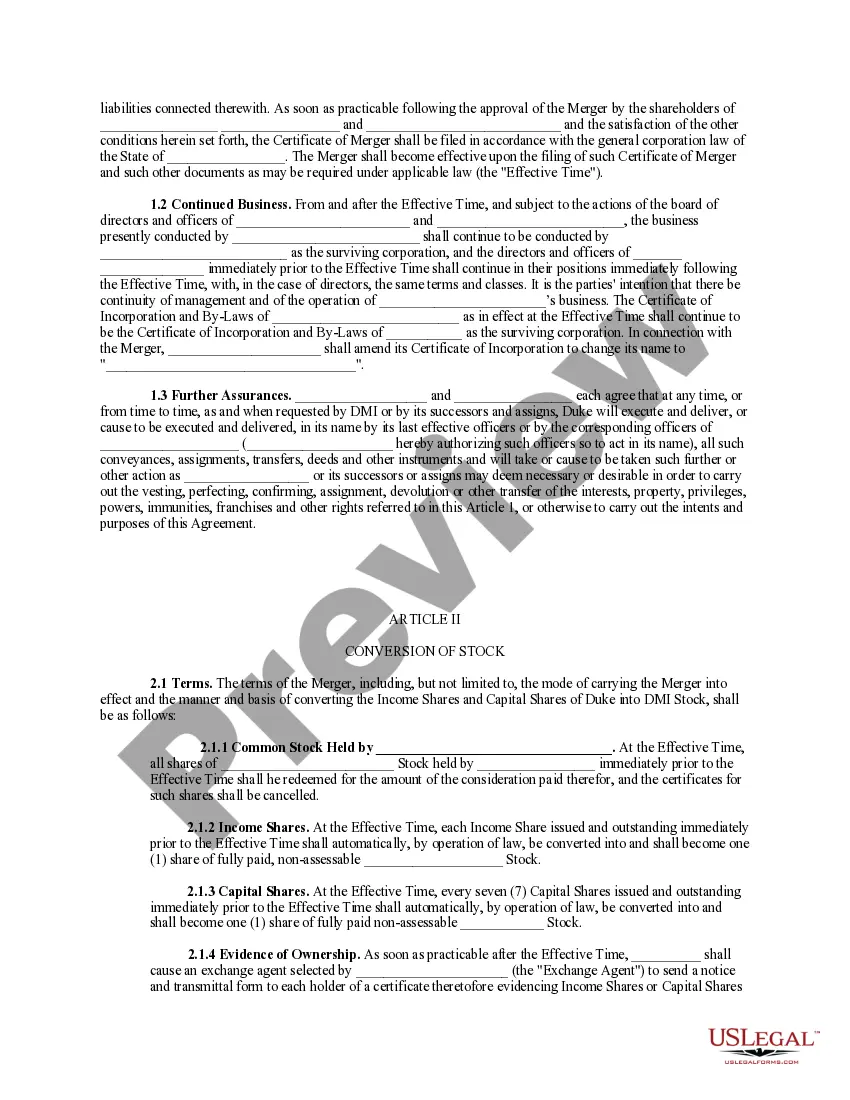
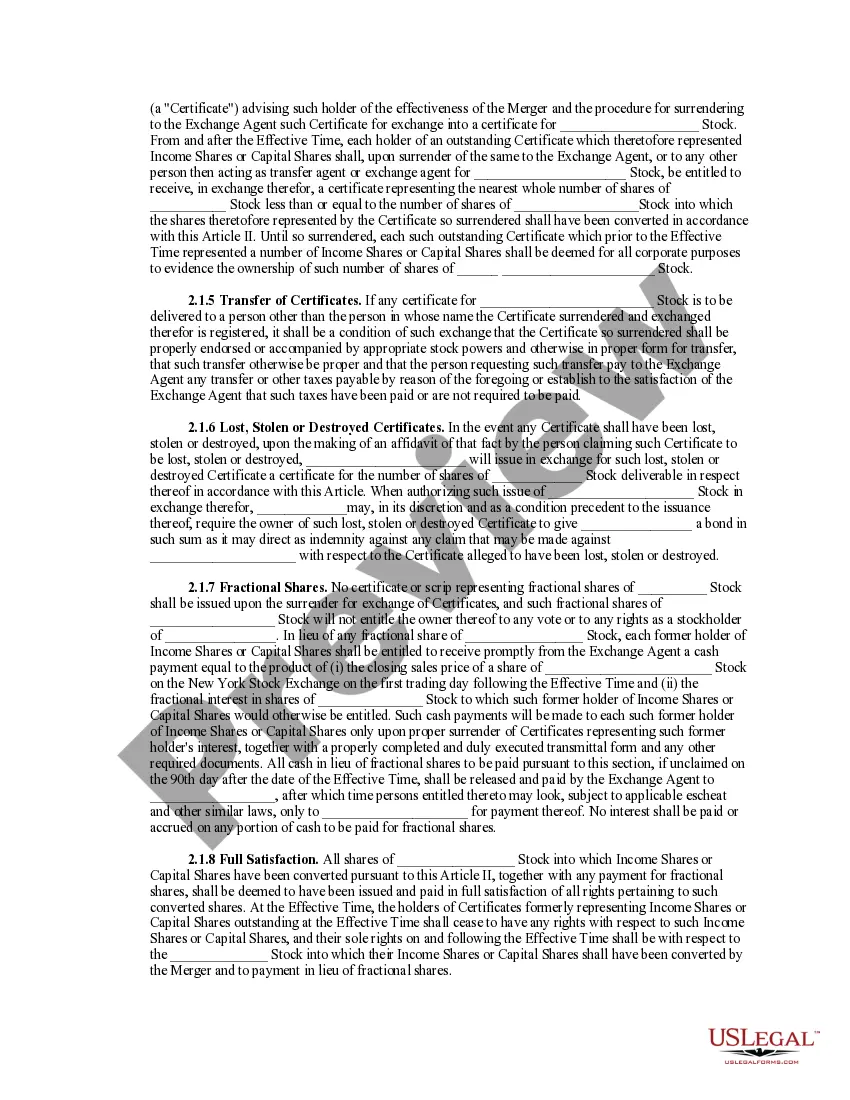
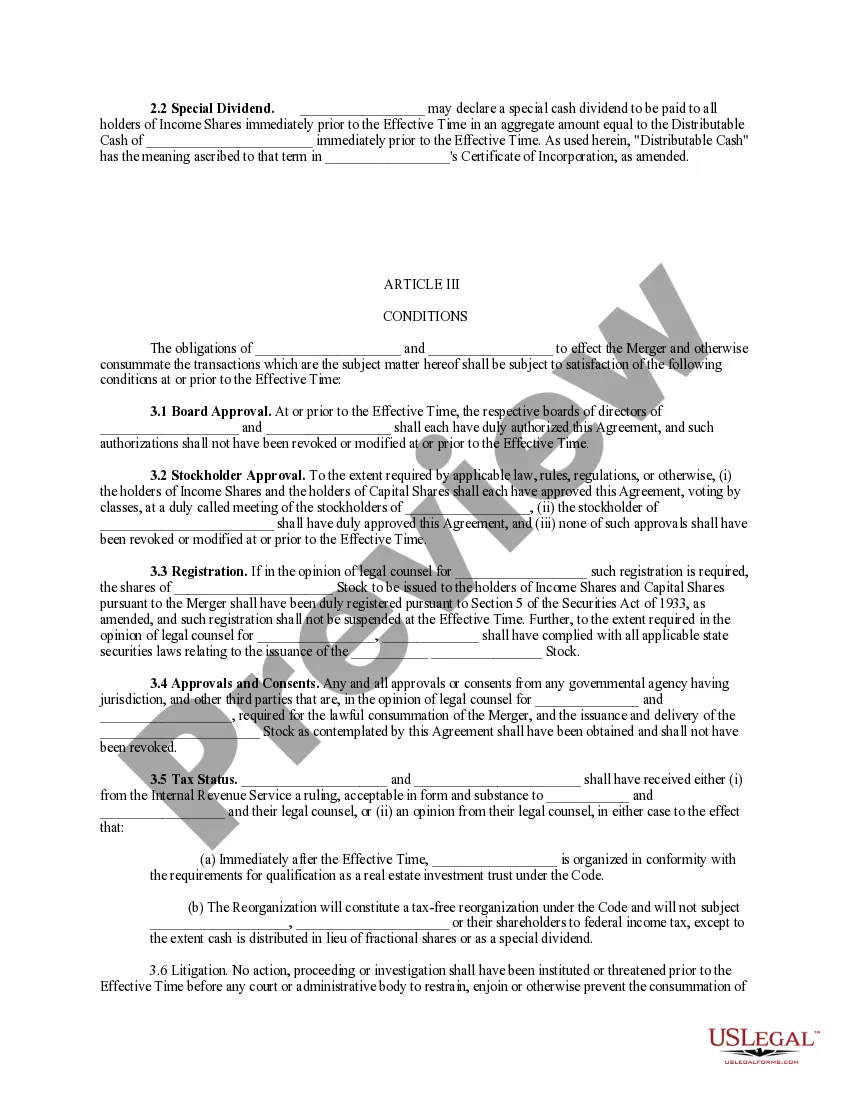
Get your form ready online
Our built-in tools help you complete, sign, share, and store your documents in one place.
Make edits, fill in missing information, and update formatting in US Legal Forms—just like you would in MS Word.
Download a copy, print it, send it by email, or mail it via USPS—whatever works best for your next step.
Sign and collect signatures with our SignNow integration. Send to multiple recipients, set reminders, and more. Go Premium to unlock E-Sign.
If this form requires notarization, complete it online through a secure video call—no need to meet a notary in person or wait for an appointment.
We protect your documents and personal data by following strict security and privacy standards.

Make edits, fill in missing information, and update formatting in US Legal Forms—just like you would in MS Word.

Download a copy, print it, send it by email, or mail it via USPS—whatever works best for your next step.

Sign and collect signatures with our SignNow integration. Send to multiple recipients, set reminders, and more. Go Premium to unlock E-Sign.

If this form requires notarization, complete it online through a secure video call—no need to meet a notary in person or wait for an appointment.

We protect your documents and personal data by following strict security and privacy standards.
Looking for another form?



How to fill out Agreement And Plan Of Reorganization?
Whether for commercial purposes or personal issues, everyone must confront legal circumstances at some point in their life. Filling out legal documents requires meticulous attention, starting with selecting the appropriate form template.
For example, if you choose an incorrect version of the Reorganization Plan Of 1950, it will be denied upon submission. Thus, it is crucial to obtain a reliable source of legal documents like US Legal Forms.
With an extensive US Legal Forms catalog available, you no longer need to waste time searching for the correct template across the web. Use the library’s straightforward navigation to locate the suitable form for any situation.
- Locate the template you require by utilizing the search bar or catalog browsing.
- Review the form’s description to confirm it aligns with your situation, state, and county.
- Click on the form’s preview to view it.
- If it is the incorrect form, return to the search feature to find the Reorganization Plan Of 1950 template you need.
- Acquire the template if it satisfies your requirements.
- If you possess a US Legal Forms account, simply click Log in to access previously saved documents in My documents.
- In case you do not have an account yet, you can obtain the form by clicking Buy now.
- Select the appropriate pricing option.
- Complete the account registration form.
- Choose your payment method: use a credit card or PayPal account.
- Select the document format you desire and download the Reorganization Plan Of 1950.
- After it is downloaded, you can fill out the form using editing software or print it and complete it manually.
Form popularity
FAQ
The year 1950 was marked by several significant events, including the outbreak of the Korean War, which had a profound impact on international relations. Domestically, the Reorganization Plan of 1950 was implemented, further shaping the structure of the federal government. Additionally, the year saw advancements in technology and culture that reflected the changing landscape of American society. These events collectively influenced the direction of the nation during a critical period.
The Reorganization Act of 1939 aimed to allow the President to reorganize executive branch agencies to enhance their effectiveness. It was designed to streamline government operations and improve coordination among various departments. This act laid the groundwork for future reorganizations, including the Reorganization Plan of 1950, which built on its principles to create a more efficient federal system.
The Reorganization Act sought to provide the President with the authority to reorganize federal agencies to better serve the public. Its objective was to eliminate inefficiencies and ensure that government functions aligned with the changing needs of society. The Reorganization Plan of 1950 is a notable example of such efforts, reflecting a commitment to an adaptable and responsive government.
The Reorganization Act of 1933 aimed to enhance the efficiency and effectiveness of the executive branch during a time of economic crisis. This act allowed the President to propose reorganizations of government agencies to streamline operations and improve service delivery. The Reorganization Plan of 1950 drew on lessons learned from this earlier act, focusing on the need for flexibility in government structure to address contemporary challenges.
The Reorganization Plan of 1950 was a significant legislative measure that reorganized several federal agencies. It aimed to improve the efficiency of the federal government by consolidating functions and reducing redundancy. This plan allowed the President to implement changes in the executive branch without the need for new legislation from Congress. It marked a crucial step in modernizing government operations.
Under the terms of Reorganization Plan No. 3, the Environmental Protection Agency would be created to absorb the following agencies: From the Department of the Interior, EPA would absorb the entire Federal Water Quality Administration, as well as pesticide study functions located elsewhere in the department.
Under the terms of Reorganization Plan No. 3, the Environmental Protection Agency would be created to absorb the following agencies: From the Department of the Interior, EPA would absorb the entire Federal Water Quality Administration, as well as pesticide study functions located elsewhere in the department.
Purpose. Presidential reorganization authority is designed to allow periodic refinement of the organizational efficiency of the government through significant and sweeping modifications to its architecture that might otherwise be too substantial to realistically implement through a parliamentary process.
The Reorganization Act of 1939 led to the creation of the Executive Office of the President, and this proved to be the act's longest-lasting and most important achievement. On April 25, 1939, President Roosevelt submitted Reorganization Plan No. 1, which created the Executive Office of the President (EOP).
Reorganization Plan No. 2 of 1953 provides the Secretary with two more Assistant Secretaries and an Administrative Assistant Secretary to aid him in supervising the Department. The Assistant Secretaries will be appointed by the President, by and with the advice and consent of the Senate.