Reorganization Plan In Finance
Description
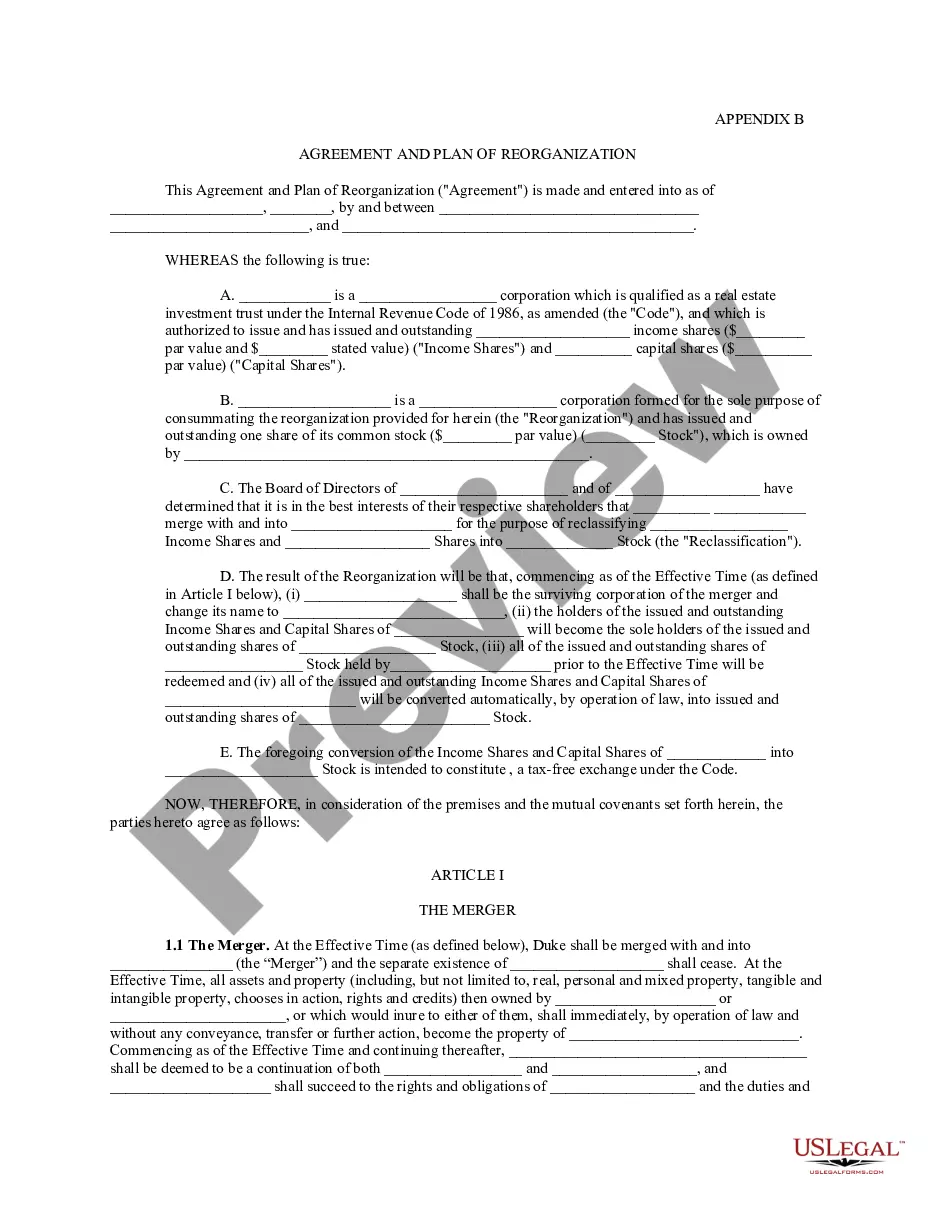
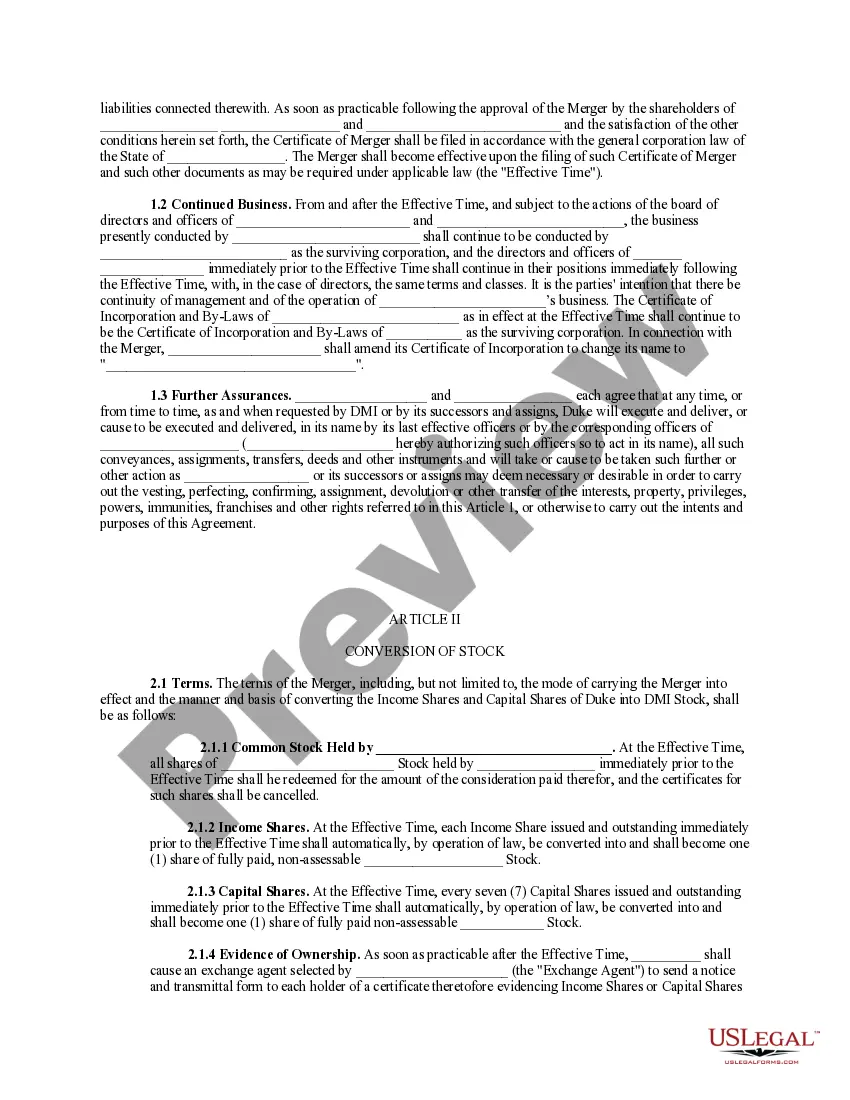
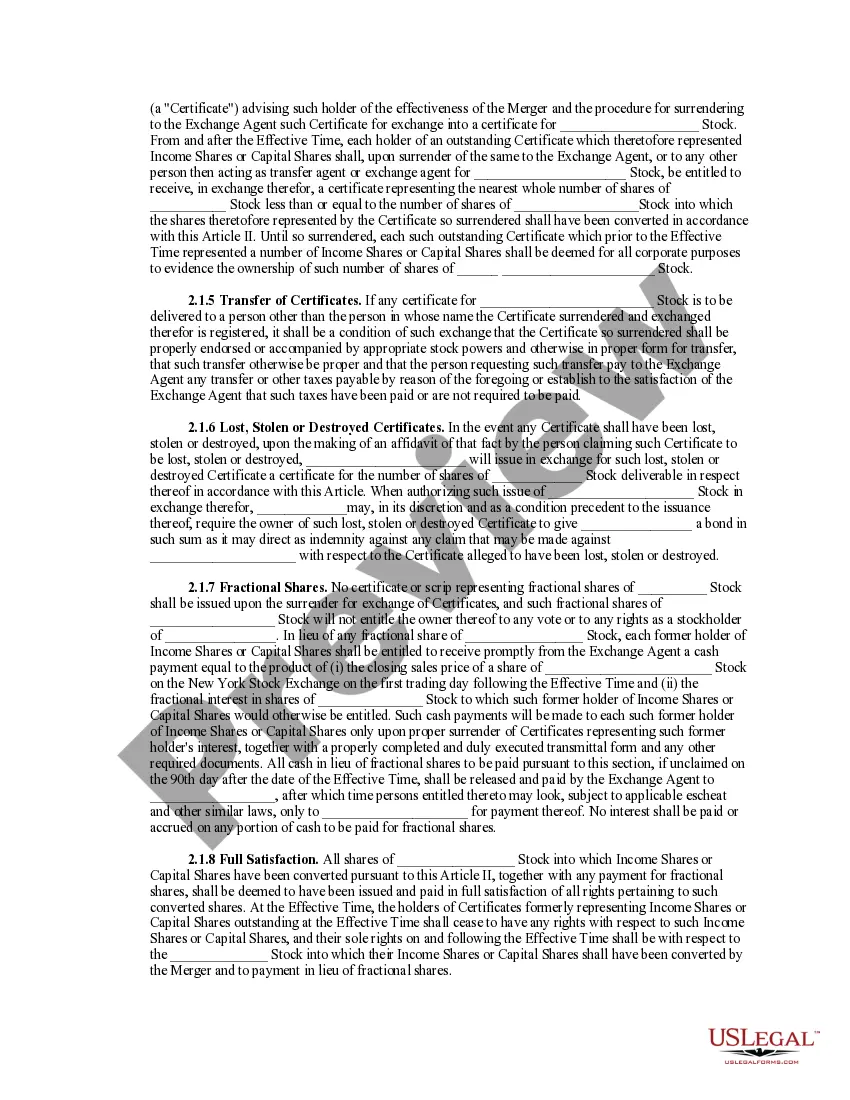
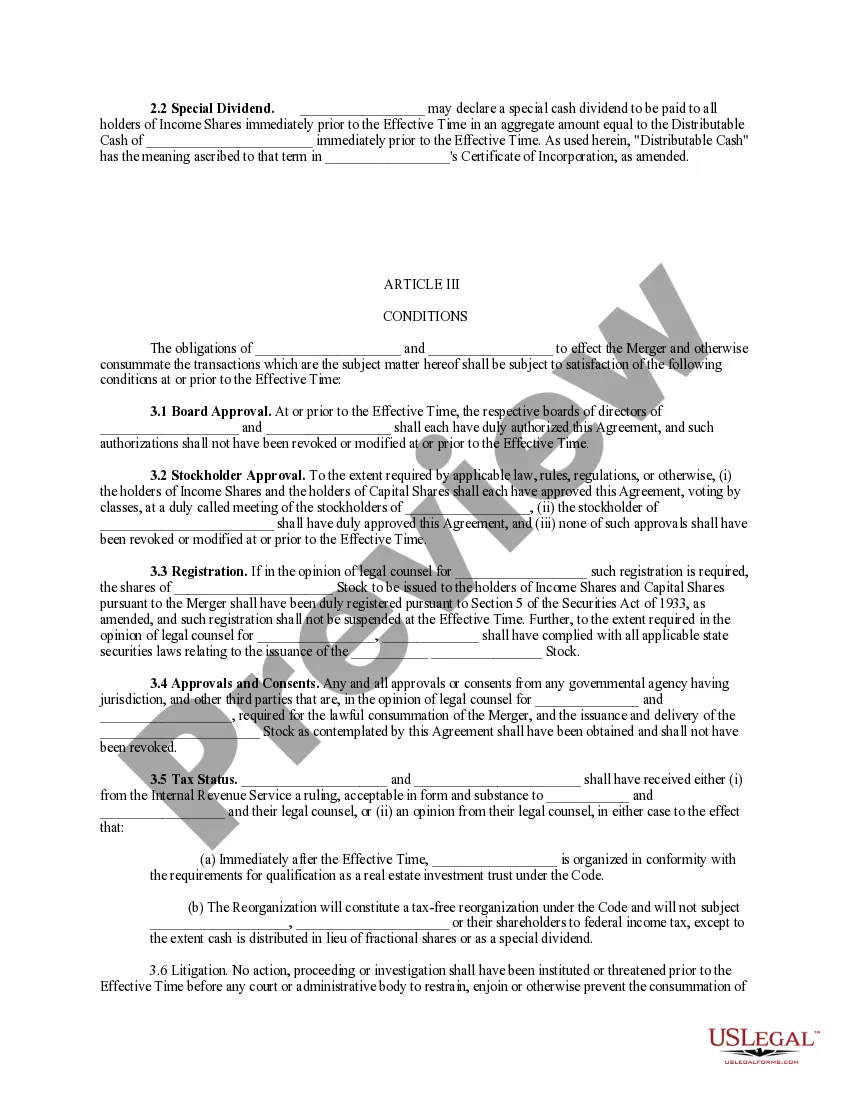
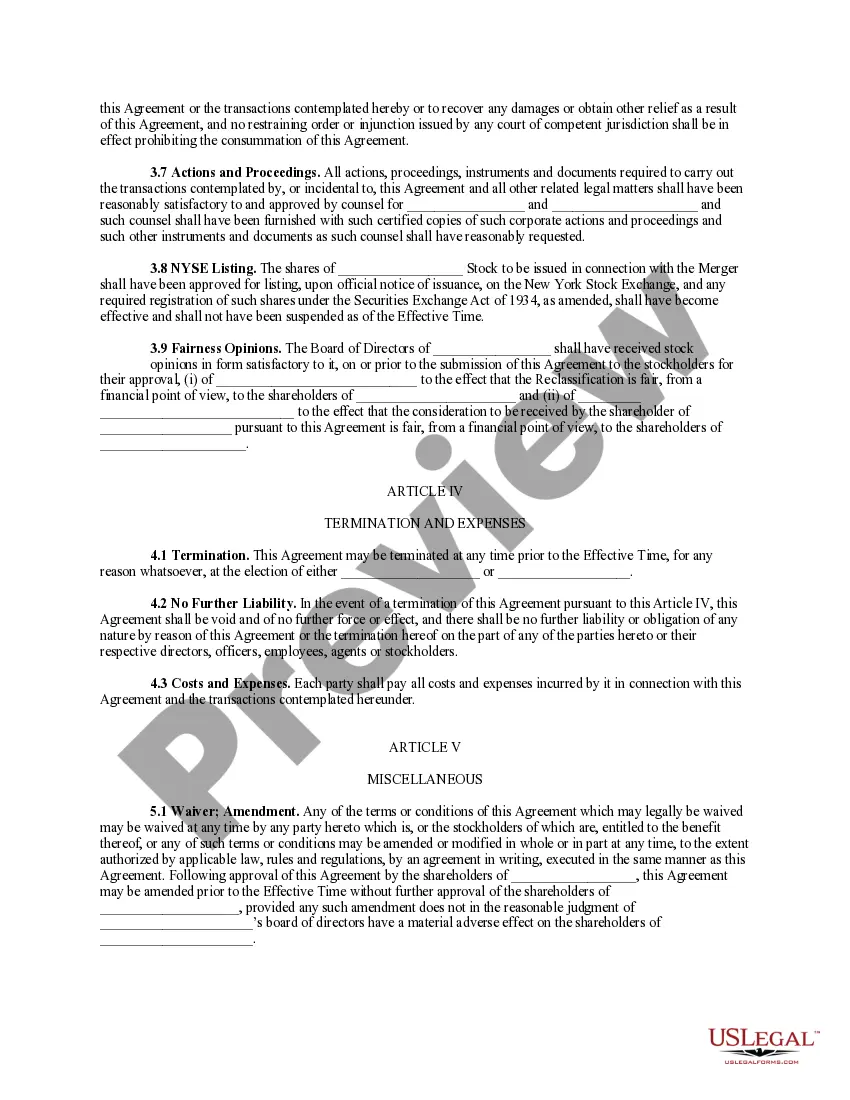
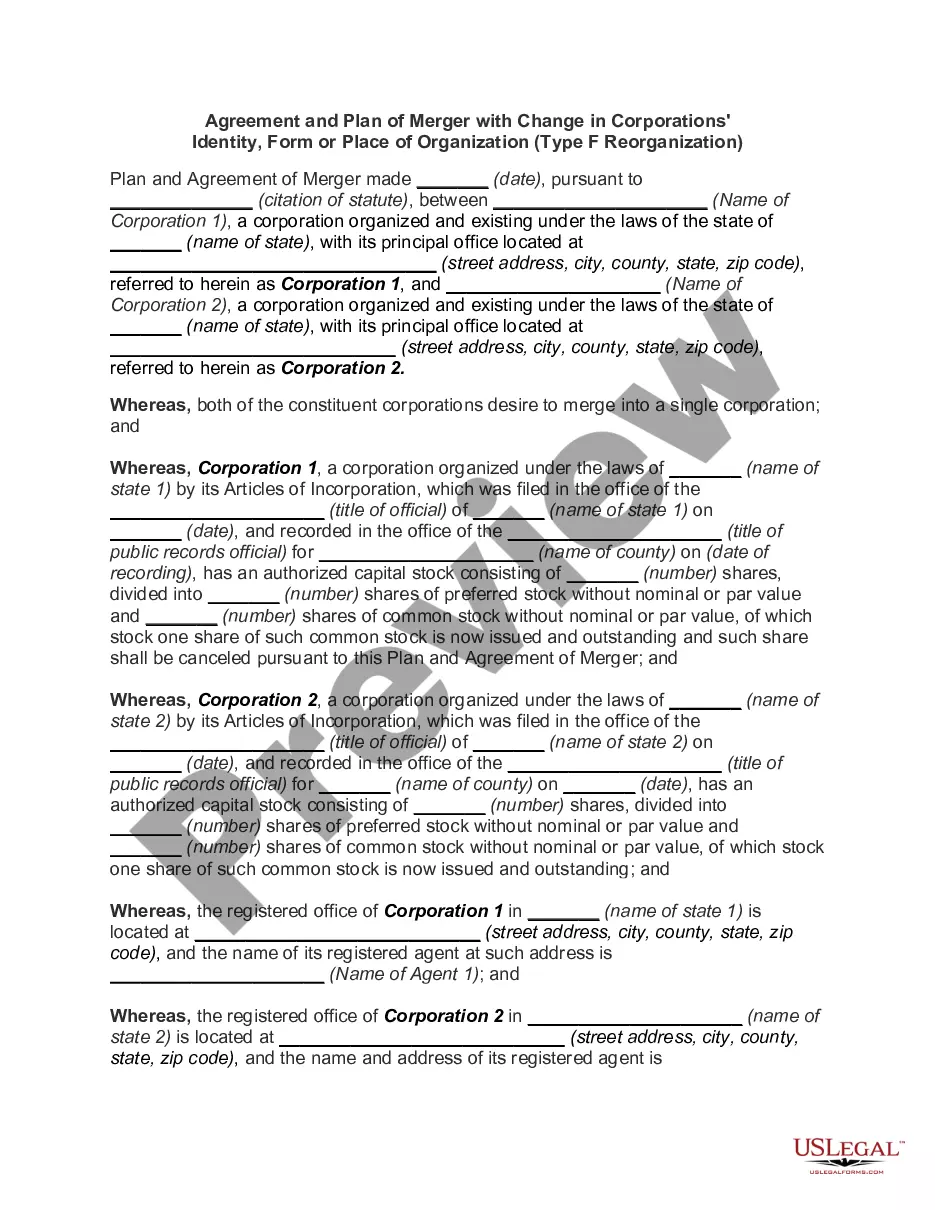
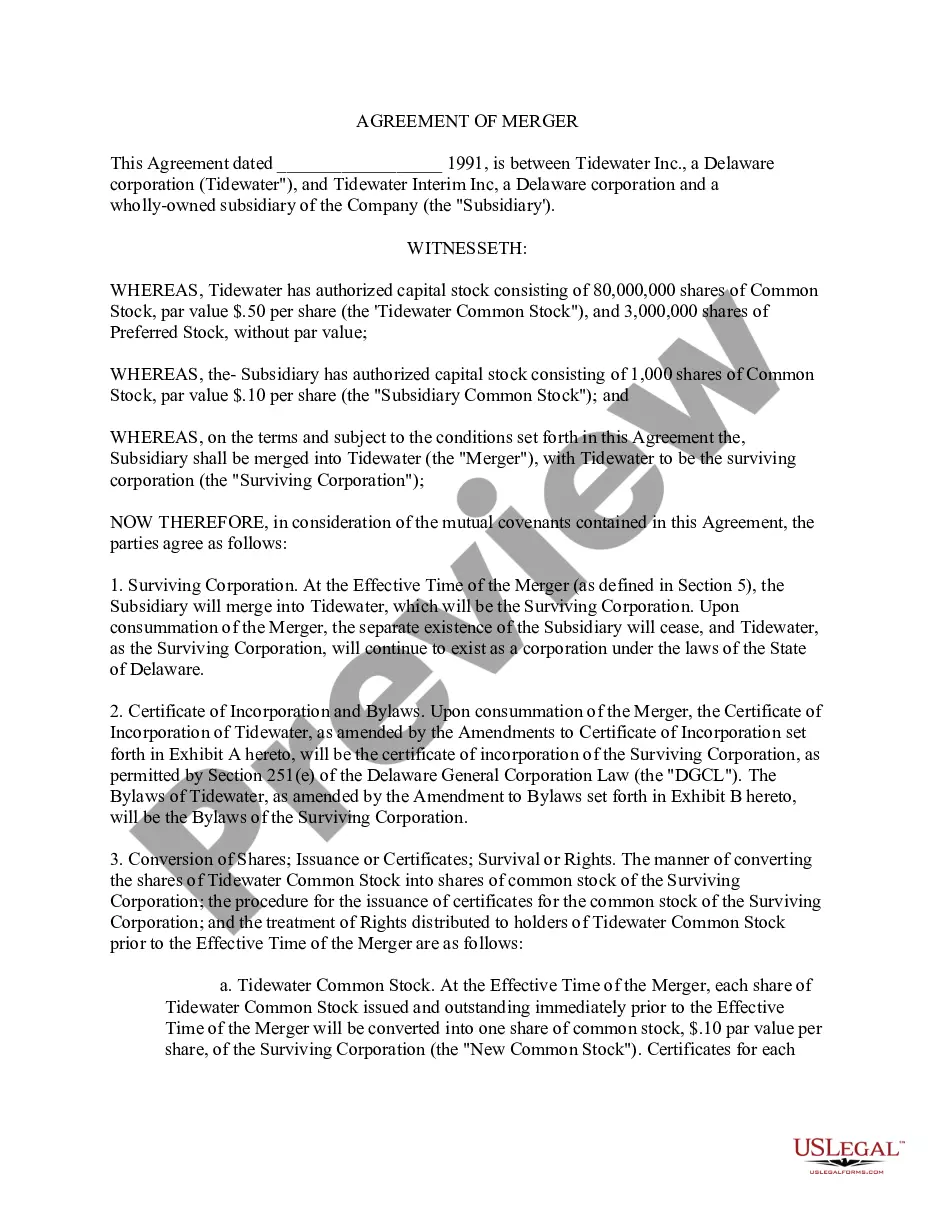
Get your form ready online
Our built-in tools help you complete, sign, share, and store your documents in one place.
Make edits, fill in missing information, and update formatting in US Legal Forms—just like you would in MS Word.
Download a copy, print it, send it by email, or mail it via USPS—whatever works best for your next step.
Sign and collect signatures with our SignNow integration. Send to multiple recipients, set reminders, and more. Go Premium to unlock E-Sign.
If this form requires notarization, complete it online through a secure video call—no need to meet a notary in person or wait for an appointment.
We protect your documents and personal data by following strict security and privacy standards.

Make edits, fill in missing information, and update formatting in US Legal Forms—just like you would in MS Word.

Download a copy, print it, send it by email, or mail it via USPS—whatever works best for your next step.

Sign and collect signatures with our SignNow integration. Send to multiple recipients, set reminders, and more. Go Premium to unlock E-Sign.

If this form requires notarization, complete it online through a secure video call—no need to meet a notary in person or wait for an appointment.

We protect your documents and personal data by following strict security and privacy standards.
Looking for another form?





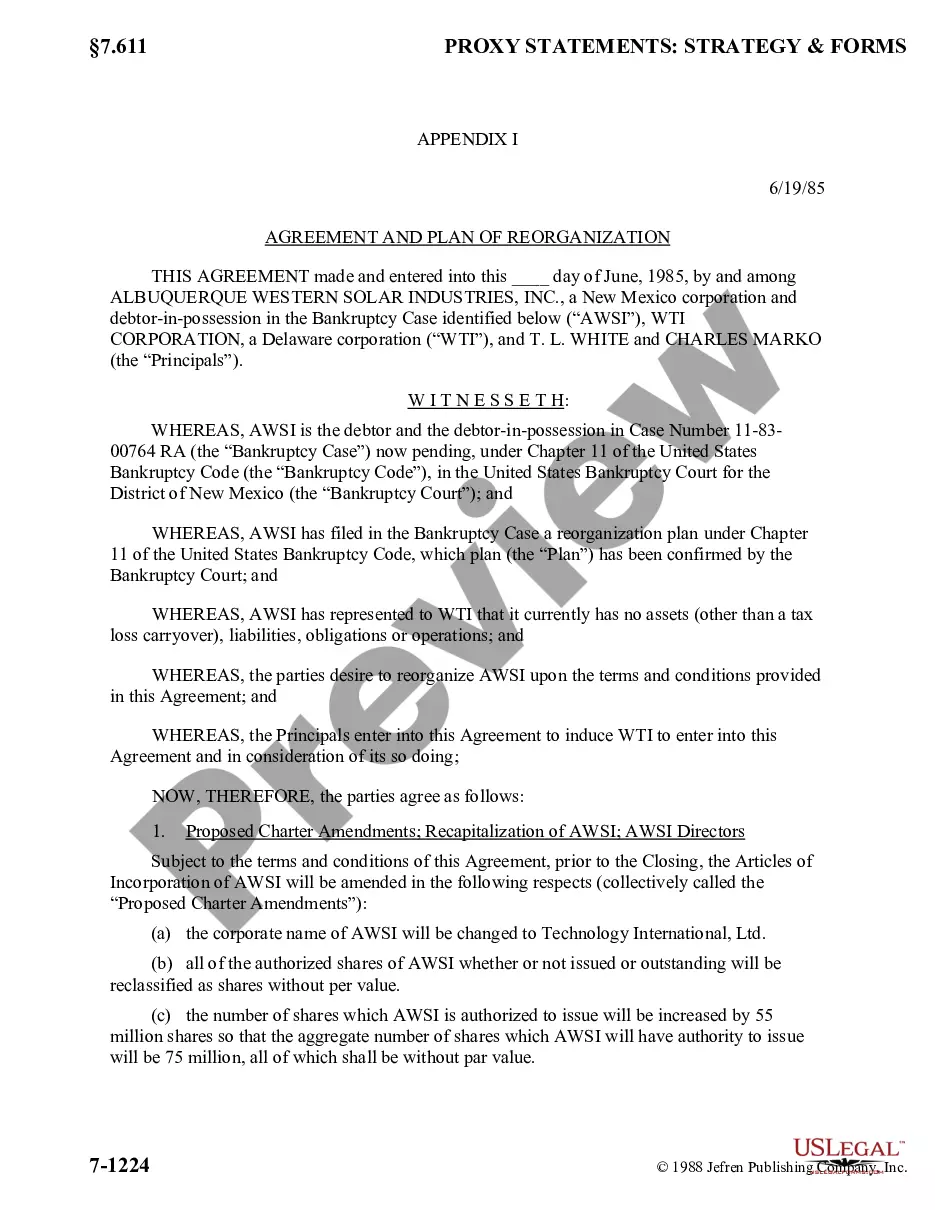
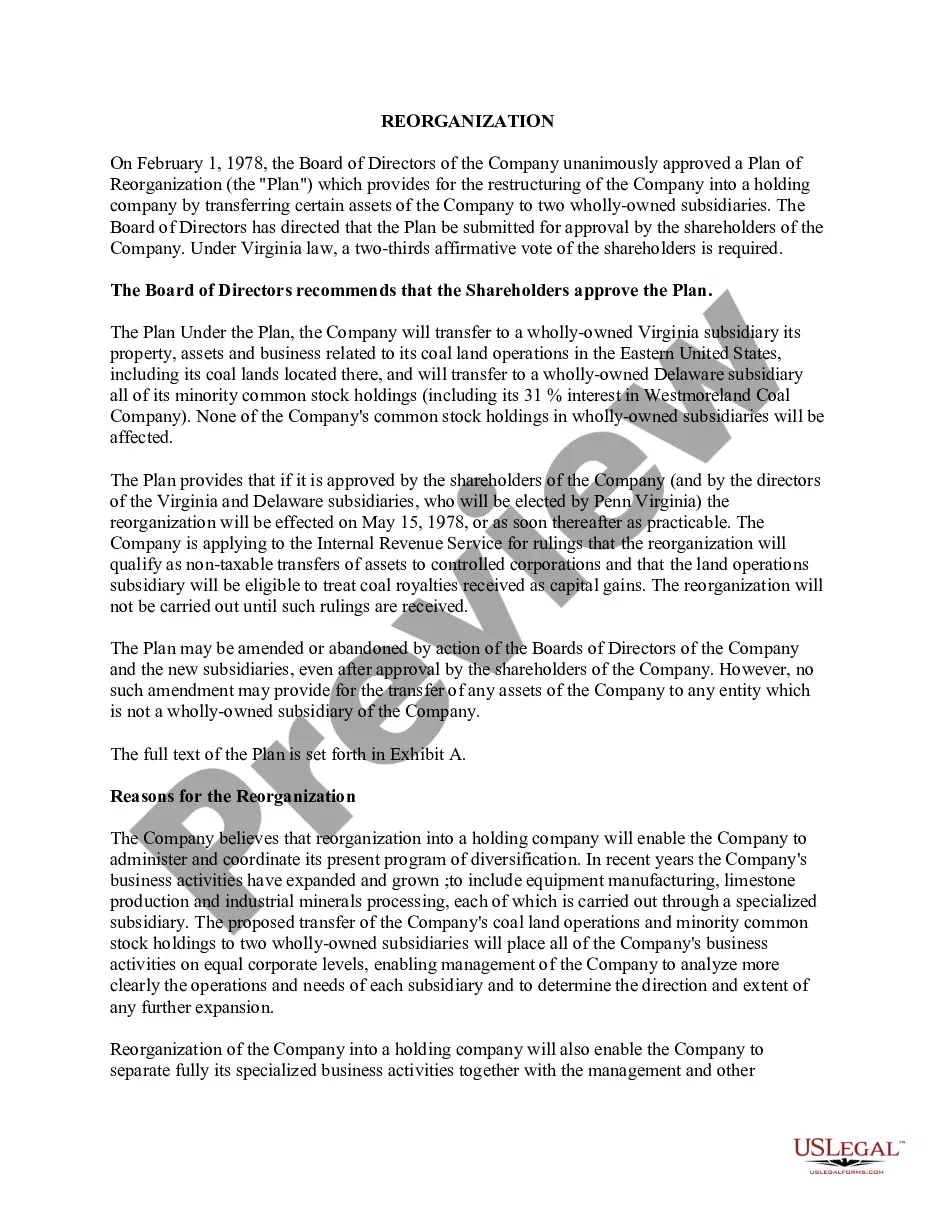
How to fill out Agreement And Plan Of Reorganization?
It’s well-known that you cannot instantly become a legal authority, nor can you quickly learn how to prepare a Reorganization Plan in Finance without possessing a specialized skill set.
Drafting legal documents is a lengthy endeavor that demands specific education and expertise. So why not entrust the creation of the Reorganization Plan in Finance to the professionals.
With US Legal Forms, which boasts one of the largest collections of legal templates, you can find everything from court filings to templates for internal business correspondence. We understand the importance of compliance with federal and state laws and regulations.
Click Buy now. Once the purchase is finalized, you can obtain the Reorganization Plan in Finance, fill it out, print it, and send or mail it to the appropriate individuals or organizations.
You can regain access to your forms anytime from the My documents tab. If you are an existing customer, simply Log In to find and download the template from the same section. Regardless of the purpose of your documents—whether financial, legal, or personal—our website has everything you need. Give US Legal Forms a try today!
- Here’s how to get started on our website and acquire the document you need in just minutes.
- Use the search bar located at the top of the page to find the document you require.
- Preview it (if this option is available) and review the accompanying description to determine if the Reorganization Plan in Finance is what you're looking for.
- If you need a different form, restart your search.
- Create a free account and select a subscription plan to purchase the form.
Form popularity
FAQ
A reorganization plan in finance often involves a company restructuring its operations to improve efficiency or address financial challenges. For instance, a business may consolidate departments or divest non-core assets to streamline its focus. This type of reorganization allows the company to manage its resources better and can lead to increased profitability. By using tools such as US Legal Forms, you can easily draft a comprehensive reorganization plan tailored to your specific needs.
A debt reorganization plan is a financial strategy designed to modify the terms of existing debts, making them more manageable for the borrower. This plan often involves negotiating with creditors to lower interest rates, extend payment terms, or reduce the total debt amount. By implementing a debt reorganization plan in finance, individuals or businesses can regain control over their financial situation and work towards a more sustainable future.
Filing Chapter 13 on your own can be challenging, as it requires a thorough understanding of legal requirements and financial documentation. The process involves creating a detailed repayment plan that meets the criteria set by the court. While some individuals succeed in filing independently, many find it beneficial to seek assistance from professionals or resources like USLegalForms to ensure compliance and increase the chances of a successful filing.
A reorganization plan is a structured proposal that outlines how a business or individual intends to restructure their debts and obligations. This plan aims to improve financial stability and allow for a more manageable repayment process. In finance, a well-crafted reorganization plan can facilitate the recovery of a distressed entity while protecting its assets. Understanding this process can help you navigate financial challenges more effectively.
Financial Restructuring Common methods include: Debt restructuring: A company consolidates its debt or negotiates lower interest payments. Debt for equity swaps: A company sells equity in exchange for debt reduction from its creditors. Equity financing: A company issues new equity to raise capital.
Develop a reorganization proposal, including: Timeframe. Reasons for reorganization. Before and after organization charts. Job descriptions for new, changed positions. Names, titles of employees to be affected by changed or eliminated jobs, new reporting lines, physical relocation, or reduction in time.
Examples include mergers, the sale of divisions or abandonment of product lines, or cost-cutting measures such as closing down unprofitable facilities.
When supervised by a court during bankruptcy proceedings, a reorganization focuses on restructuring a company's finances. The company is temporarily protected from claims by creditors for full repayment of outstanding debts.