Restatement Of Contract 63
Description

Get your form ready online
Our built-in tools help you complete, sign, share, and store your documents in one place.
Make edits, fill in missing information, and update formatting in US Legal Forms—just like you would in MS Word.
Download a copy, print it, send it by email, or mail it via USPS—whatever works best for your next step.
Sign and collect signatures with our SignNow integration. Send to multiple recipients, set reminders, and more. Go Premium to unlock E-Sign.
If this form requires notarization, complete it online through a secure video call—no need to meet a notary in person or wait for an appointment.
We protect your documents and personal data by following strict security and privacy standards.

Make edits, fill in missing information, and update formatting in US Legal Forms—just like you would in MS Word.

Download a copy, print it, send it by email, or mail it via USPS—whatever works best for your next step.

Sign and collect signatures with our SignNow integration. Send to multiple recipients, set reminders, and more. Go Premium to unlock E-Sign.

If this form requires notarization, complete it online through a secure video call—no need to meet a notary in person or wait for an appointment.

We protect your documents and personal data by following strict security and privacy standards.
Looking for another form?

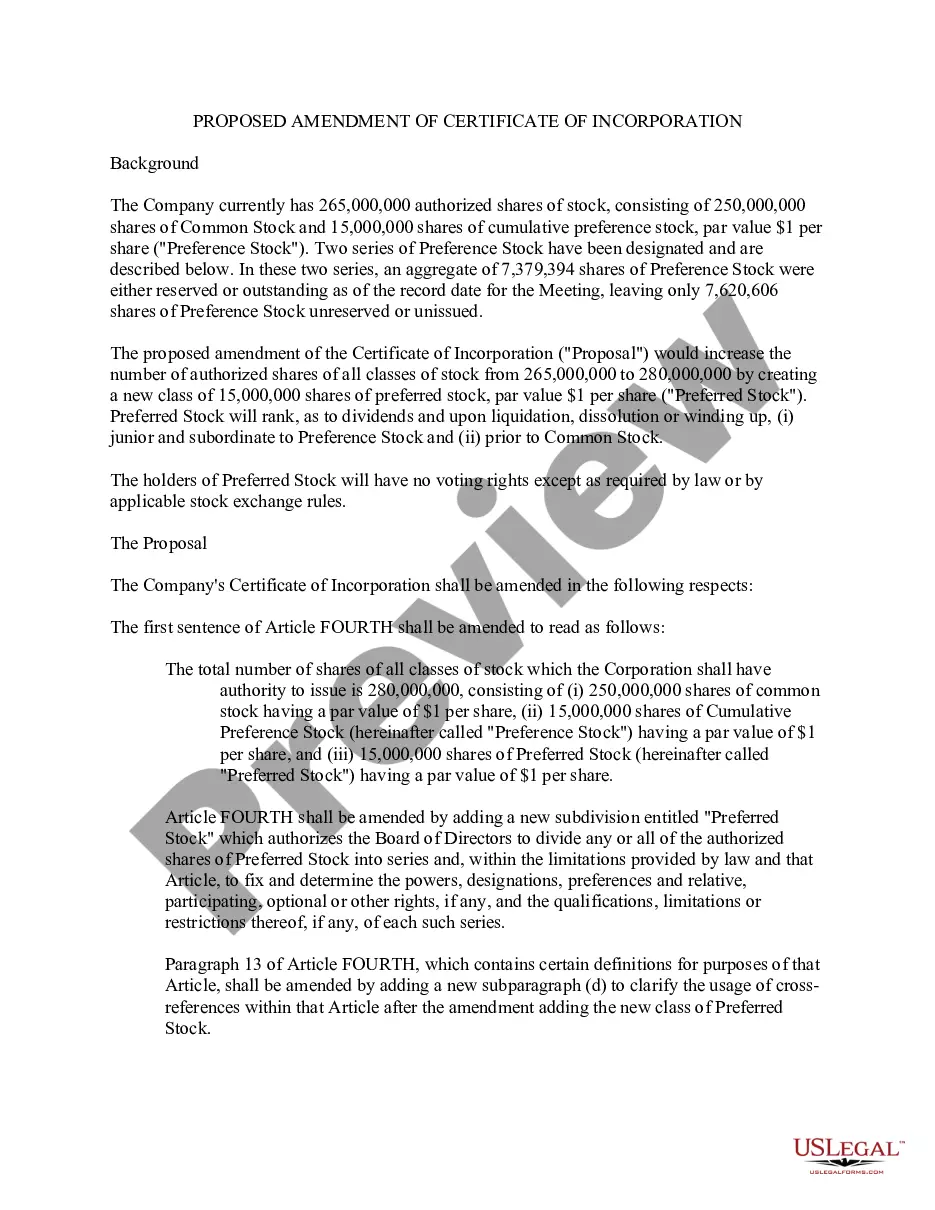
How to fill out Amendment And Restatement Of Certificate Of Incorporation With Exhibit?
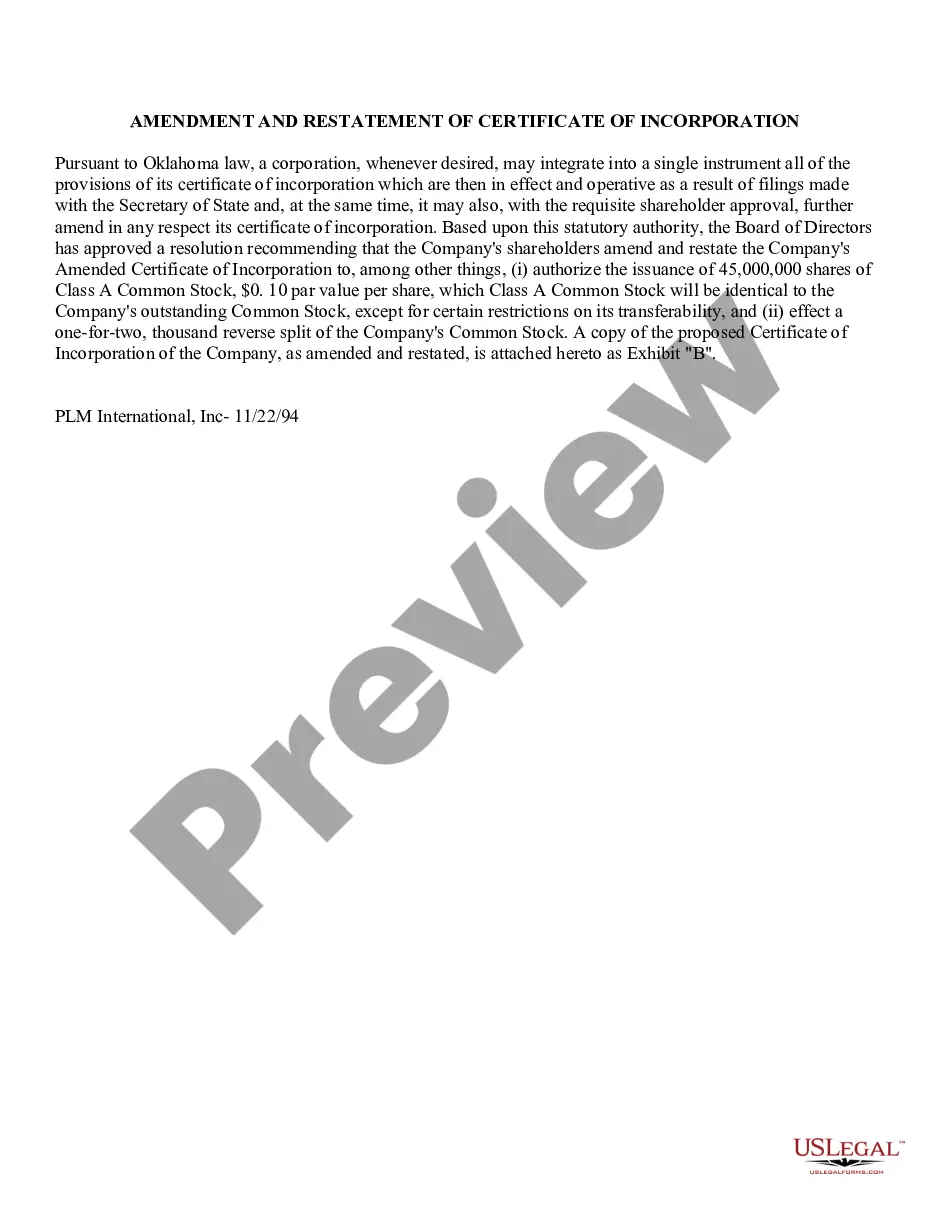
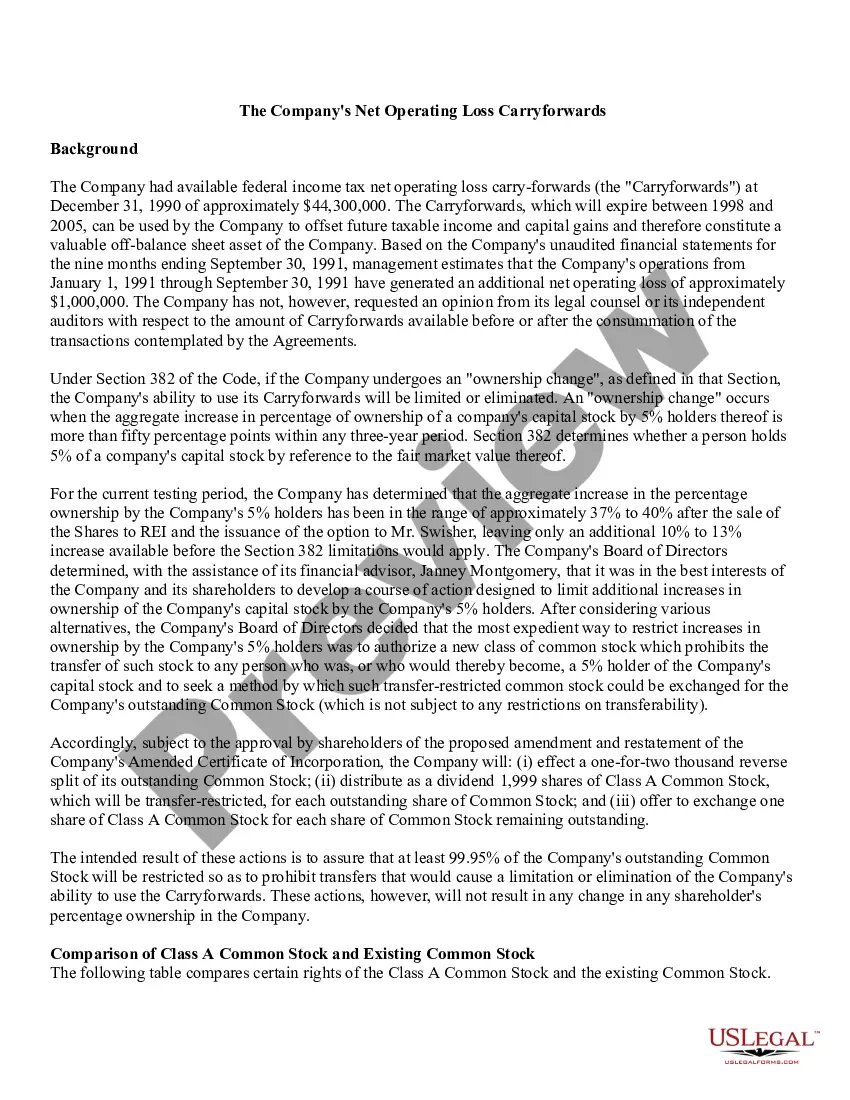
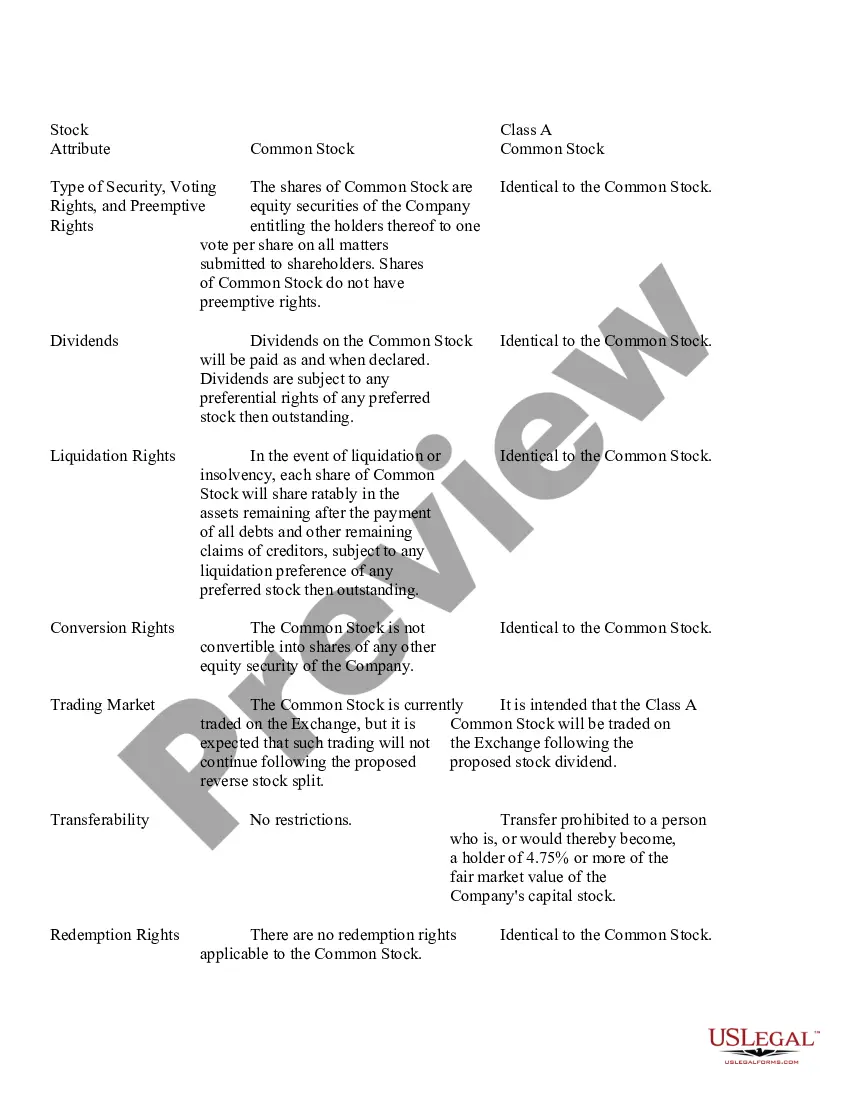
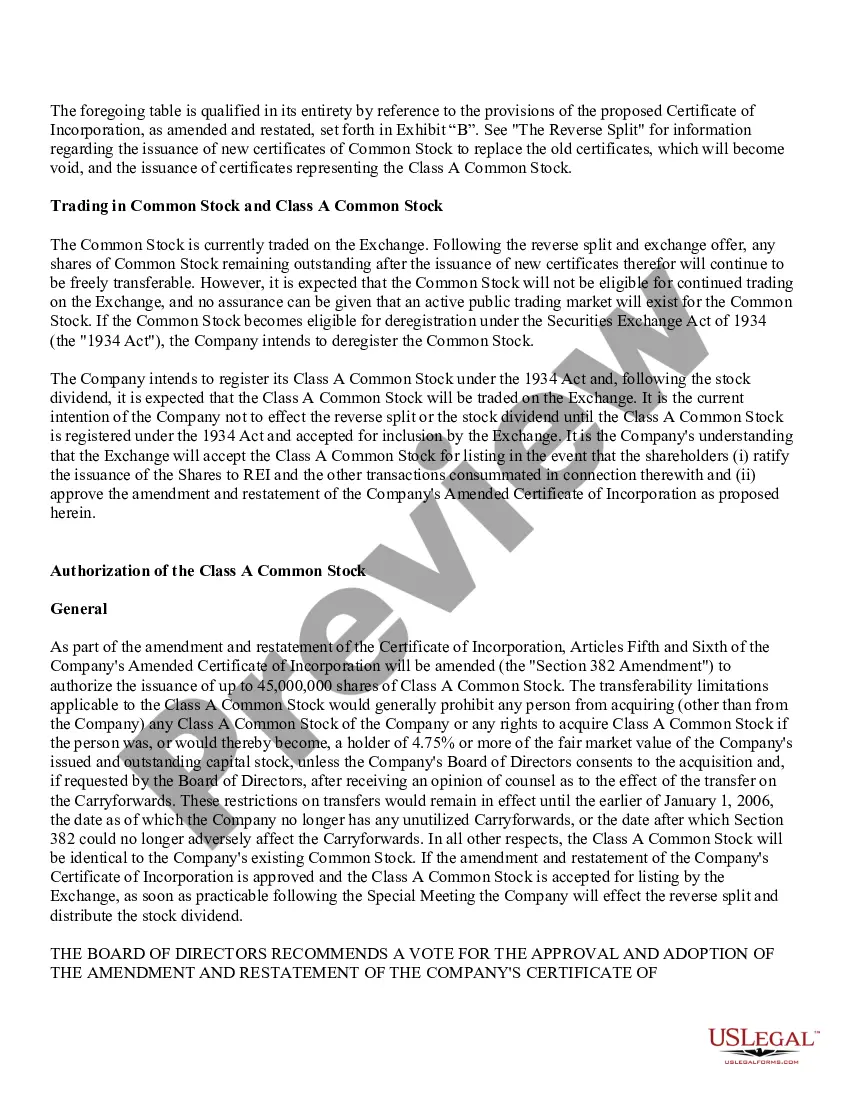
The Restatement Of Contract 63 presented here is a reusable formal outline created by expert attorneys in accordance with federal and local regulations.
For over 25 years, US Legal Forms has supplied individuals, businesses, and lawyers with more than 85,000 validated, state-specific documents for any business and personal situation. It represents the quickest, easiest, and most reliable method to obtain the forms you require, as the service ensures bank-level data protection and anti-malware safeguards.
Subscribe to US Legal Forms to have validated legal templates for all of life's situations readily available.
- Search for the document you require and review it.
- Browse through the file you searched and preview it or examine the form description to confirm it meets your needs. If it doesn't, utilize the search function to locate the appropriate one. Click Buy Now once you have located the template you need.
- Subscribe and Log In.
- Choose the pricing plan that best fits you and create an account. Use PayPal or a credit card for swift payment. If you already possess an account, Log In and check your subscription to proceed.
- Obtain the fillable template.
- Select the format you desire for your Restatement Of Contract 63 (PDF, DOCX, RTF) and save the document on your device.
- Complete and sign the forms.
- Print the template to fill it out manually. Alternatively, use an online multi-functional PDF editor to quickly and precisely fill out and sign your form with a legally-binding electronic signature.
- Download your documents again.
- Utilize the same document anytime necessary. Access the My documents tab in your profile to redownload any previously saved forms.
Form popularity
FAQ
The restatement of contract 63 provides an organized and clear presentation of contract law principles. It serves as a reliable guide for understanding how contracts operate and clarifies the obligations and rights involved in contractual agreements. By using the restatement, individuals can ensure they follow legal standards when entering or enforcing a contract. For more detailed information and resources, consider exploring the US Legal Forms platform, which offers helpful tools and documents related to contract law.
Reinstating an expired contract can be complex, as it often depends on the underlying legal principles governing the contract's terms. Generally, parties may choose to restate an expired contract to re-establish terms and intent. The process involves understanding the implications of the restatement of contract 63 and ensuring both parties consent to the revised agreement.
Section 63 of the Companies Act discusses the issuance of shares and the rights attached to them, and it ensures that shareholders understand their entitlements. In a corporate context, the restatement of contract 63 can provide a clearer picture of these rights, enhancing transparency and compliance within the organization.
Section 63 of the contract generally pertains to the obligations and rights that parties have regarding performance and breach of contract. This section highlights how a contract can be enforced or modified, ensuring that both parties adhere to agreed terms. Understanding the restatement of contract 63 aids in navigating these obligations more efficiently.
Section 63 of the Contract Act refers to the provisions regarding the completion and modification of contracts under specific circumstances. This section allows for certain alterations to existing contracts without creating a new one. Utilizing the restatement of contract 63 can ensure that these modifications align with legal standards and serve the parties' interests effectively.
When a contract is restated, it means the original agreement is rewritten to clarify its terms or update its provisions. This can help eliminate ambiguities and provide a fresh start to the legal agreement. The concept of the restatement of contract 63 plays a significant role in ensuring the legality and enforceability of such changes.
Section 63 of the Contracts Act 1950 allows for the rescission of a contract which is invalid or voidable. This creates an opportunity to restate the contract, ensuring clarity and legal standing. Examining this section can help in understanding the nuances of contract law and how to effectively implement a restatement of contract 63.
Section 63 of the Insurance Contracts Act addresses the specific obligations of insurers in relation to the policyholder's representations. This section emphasizes that if there is a breach of those obligations, it can significantly impact the validity of the contract. Understanding this can lead to a clearer interpretation and compliance, making the restatement of contract 63 an essential aspect to review.
Filling up a contract involves several steps to ensure all necessary information is included. Start by reading the restatement of contract 63 to understand its terms fully. Enter details such as the names of the parties, effective date, and specific obligations. After completing the contract, review it for accuracy before signatures are affixed, ensuring it meets the requirements for enforceability.
To amend and restate an agreement, you will need to review the original contract and identify the specific sections requiring changes. Then, draft a new document that clearly outlines these updated terms while referencing the original agreement for context. When you complete the restatement of contract 63, ensure all parties sign the new document to make it legally binding. This process can safeguard rights and prevent misunderstandings in the future.