Loan Promissory Note Template For Tuition Fee
Description
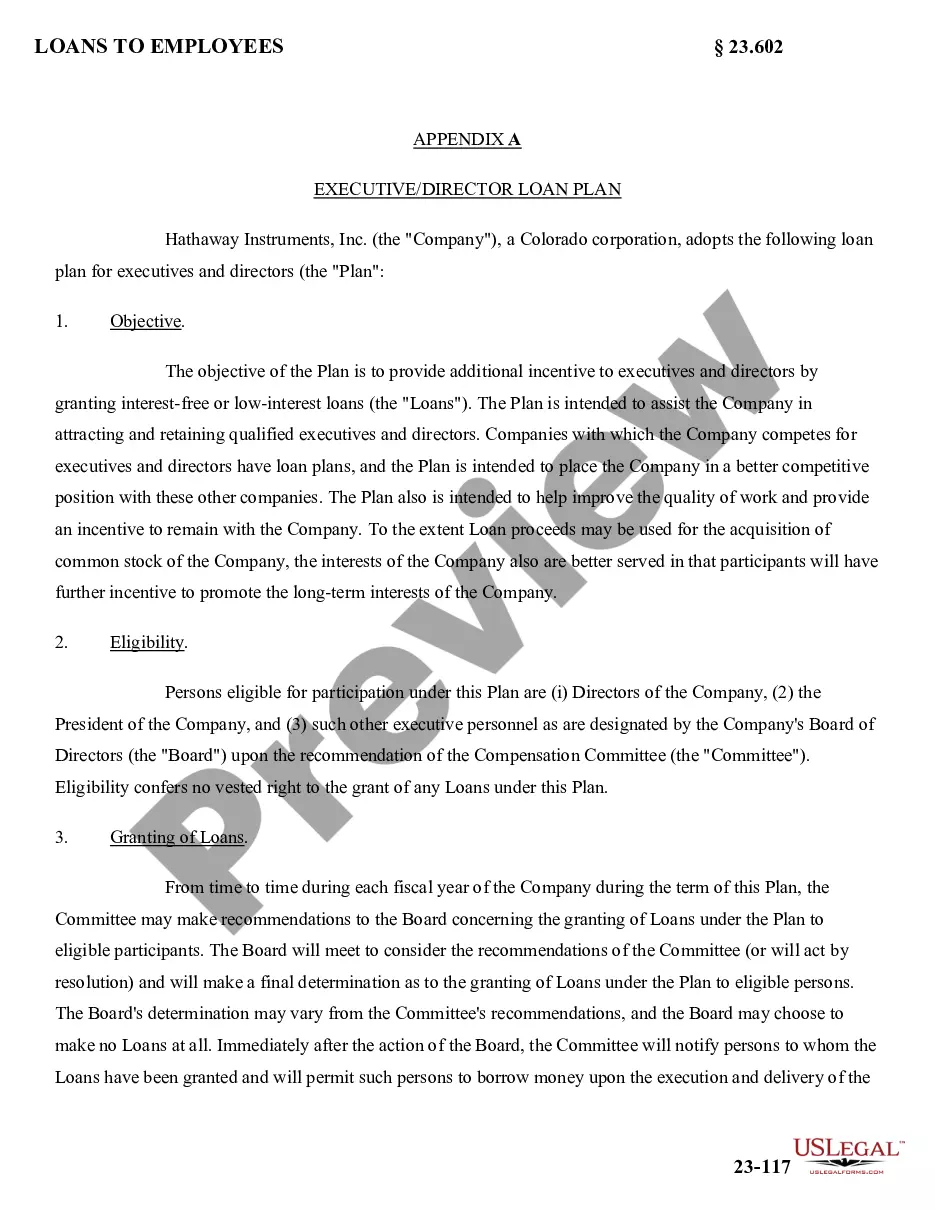
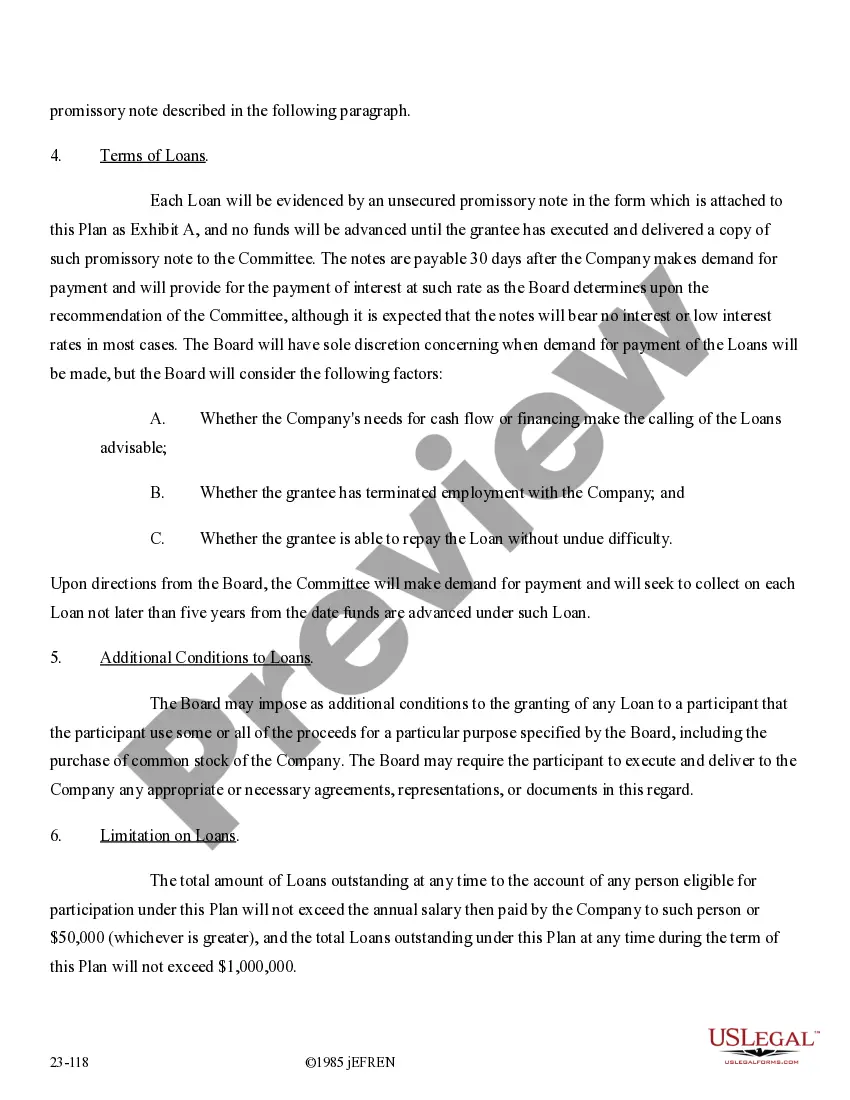
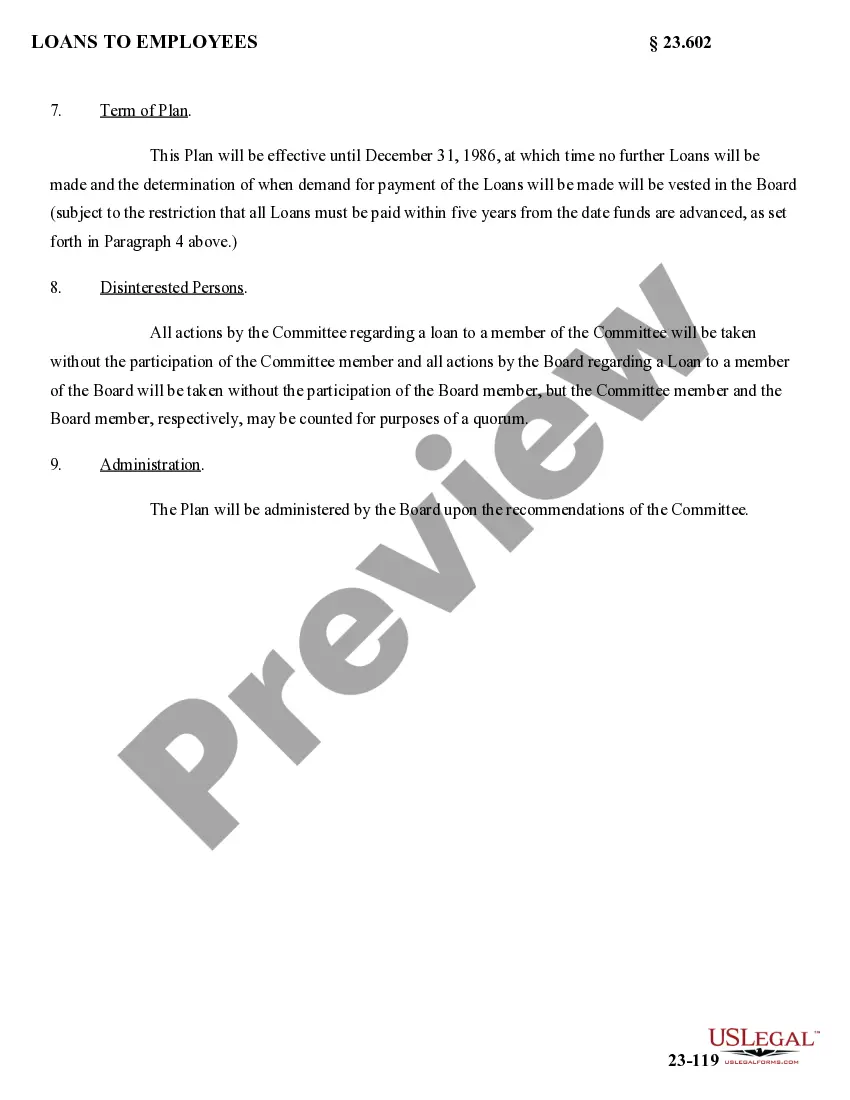
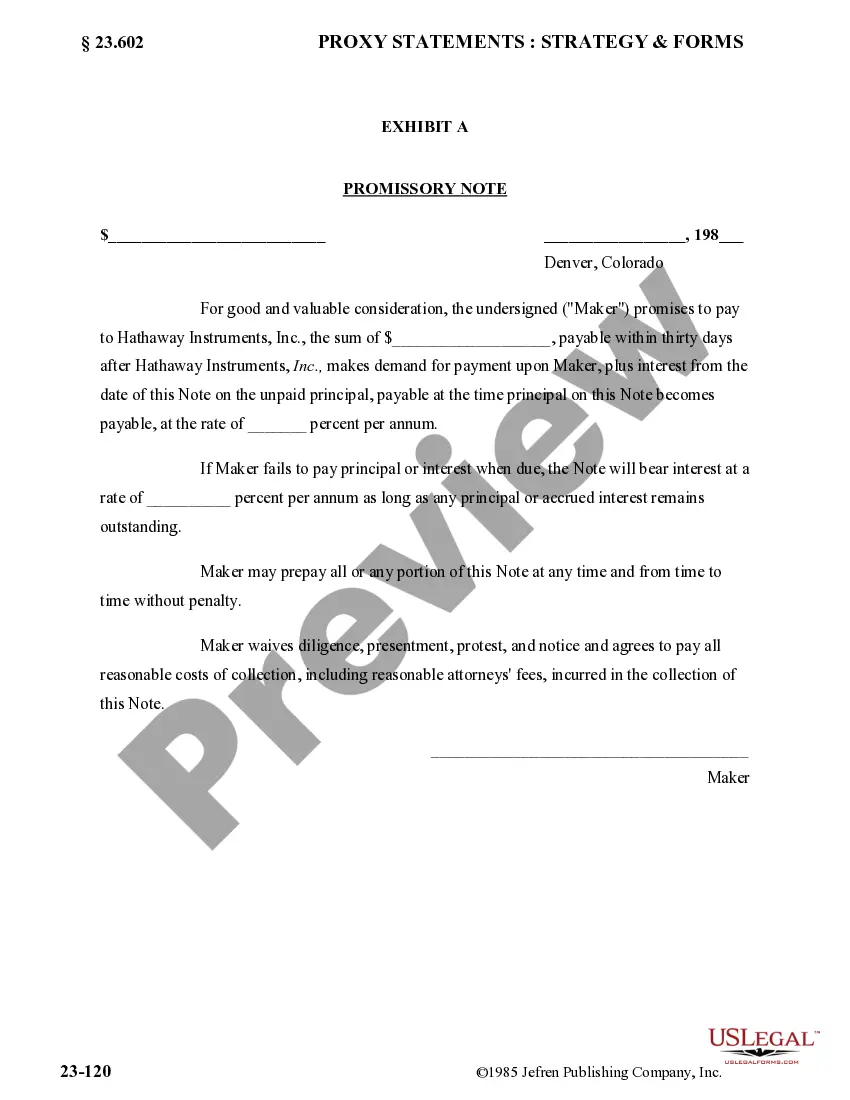
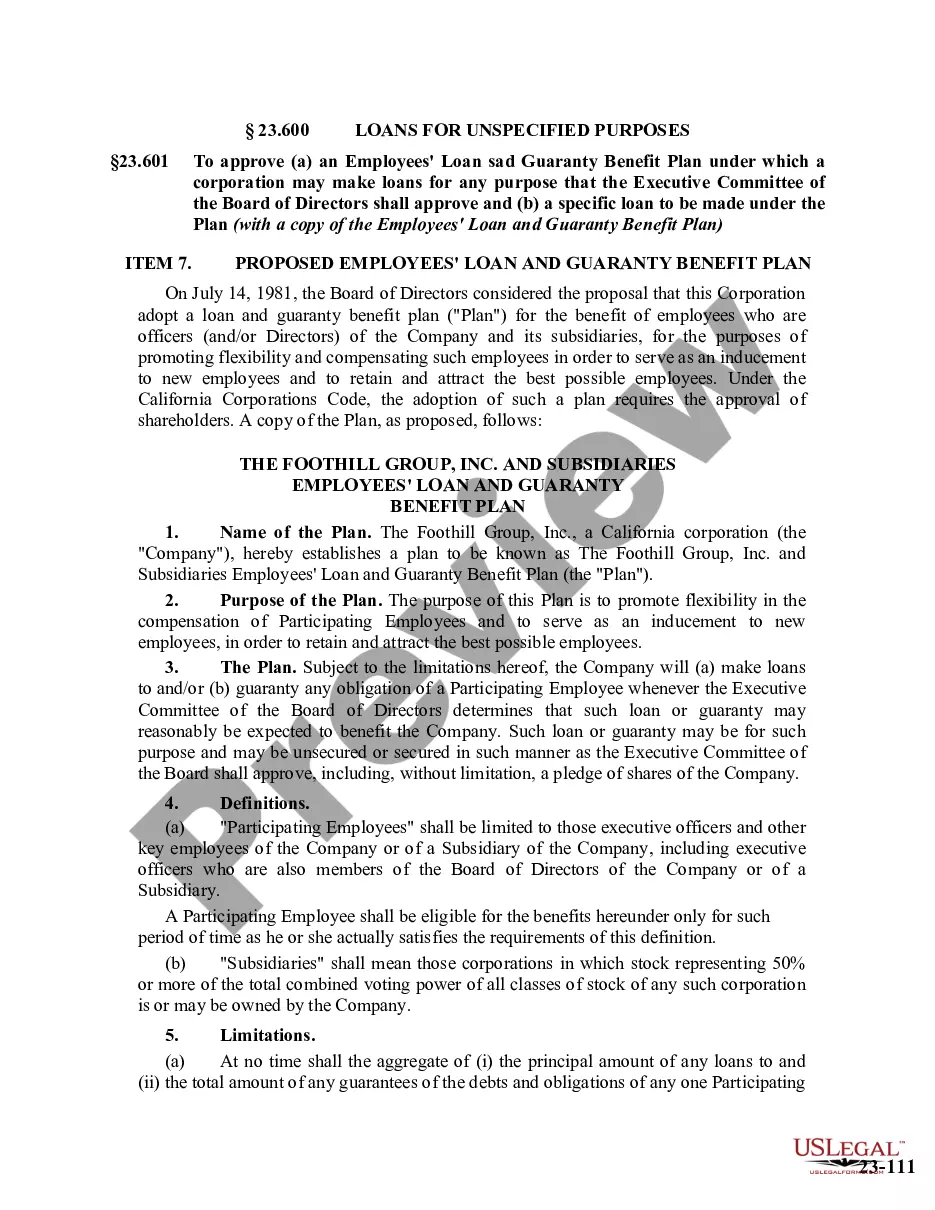


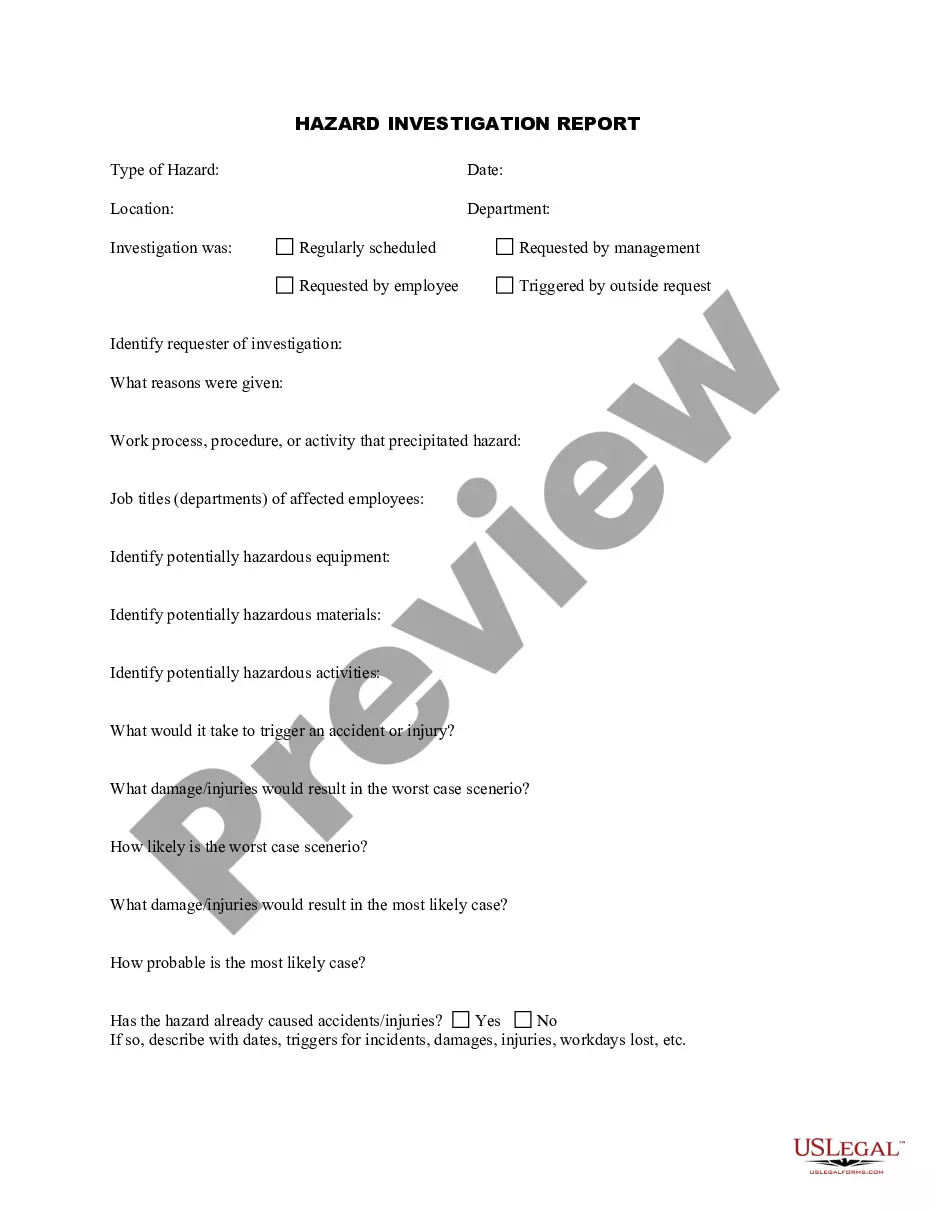
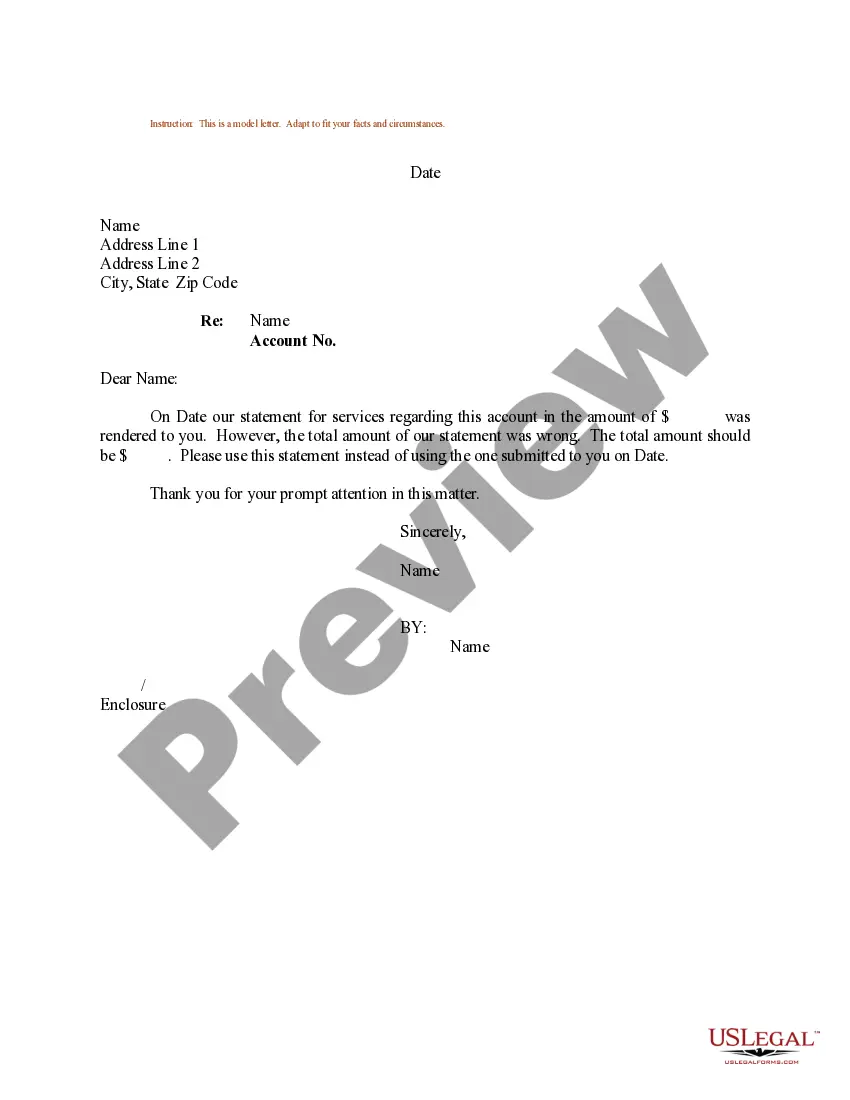

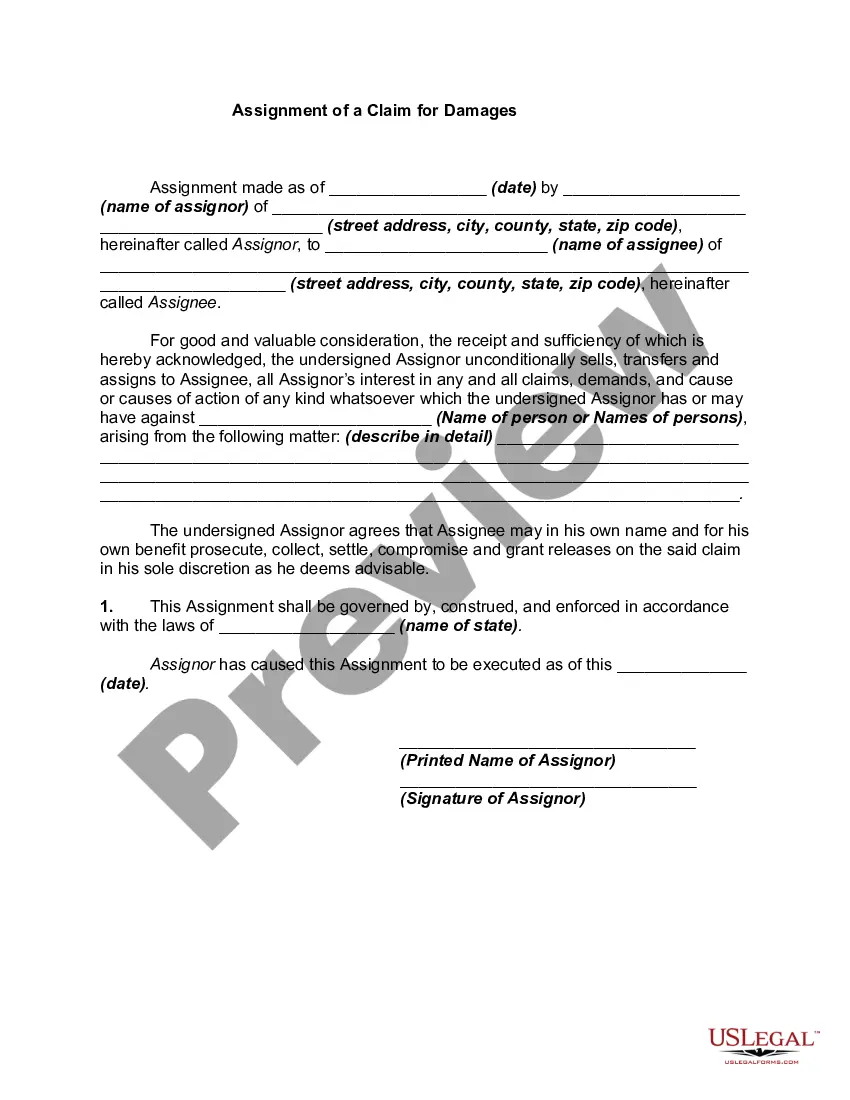
How to fill out Executive Director Loan Plan With Copy Of Promissory Note By Hathaway Instruments, Inc.?
Obtaining legal document samples that comply with federal and regional statutes is essential, and the web provides numerous options to choose from.
But what's the advantage of spending time searching for the rightly formulated Loan Promissory Note Template For Tuition Fee example online when the US Legal Forms digital library already compiles such templates in one location.
US Legal Forms is the largest virtual legal repository with over 85,000 editable templates created by lawyers for any professional and personal situation.
Review the template using the Preview feature or through the text outline to verify it fulfills your needs.
- They are straightforward to navigate with all documents organized by state and intended use.
- Our experts remain updated with legislative amendments, ensuring your documentation is always current and compliant when obtaining a Loan Promissory Note Template For Tuition Fee from our site.
- Acquiring a Loan Promissory Note Template For Tuition Fee is quick and easy for both existing and new users.
- If you already have an account with a valid subscription, Log In and download the form you need in your preferred format.
- If you are a newcomer to our site, follow the steps below.
Form popularity
FAQ
No, you do not need to notarize your will in Wisconsin to make it legal. You may, however, make your will "self-proving" in Wisconsin, but you'll need to go to a notary to do so. The court will consider a self-proving will without contacting the witnesses who signed it, which speeds up probate.
No. The state of Wisconsin does not recognize handwritten wills?also known as ?holographic? wills. Your will must be typed and signed by yourself and two witnesses. Nuncupative oral wills are also invalid.
Unfortunately, the remote online notarization law does not apply to estate planning documents, including wills. Under current law, the self-proving affidavit to your will must be notarized in person for it to be valid in Wisconsin.
Probate and Pour-Over Wills in Wisconsin One of the reasons so many people choose to use living trusts in their estate planning is because of their ability to avoid probate. However, all wills, including pour-over wills, must go through the probate process.
To be valid, your will must be in writing, and you must date and sign it. At least two witnesses also must sign the will. They can do this after they watch you sign it.
Type and print your will using a computer, or you can use a typewriter. To finalize your will in Wisconsin: you must sign or acknowledge your will in front of two witnesses, and. your witnesses must sign your will within a "reasonable time" after your signing or acknowledgment.
No, you do not need to notarize your will in Wisconsin to make it legal. You may, however, make your will "self-proving" in Wisconsin, but you'll need to go to a notary to do so. The court will consider a self-proving will without contacting the witnesses who signed it, which speeds up probate.