Employees Compensation Formula
Description
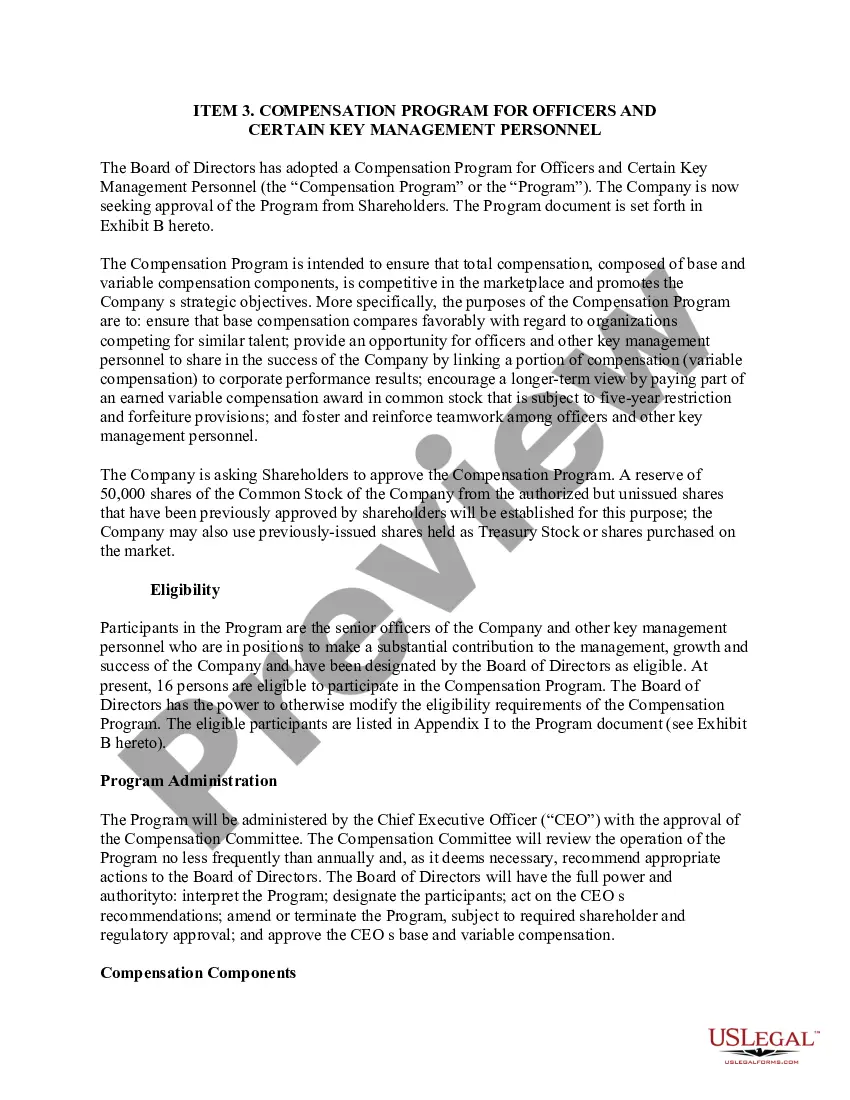
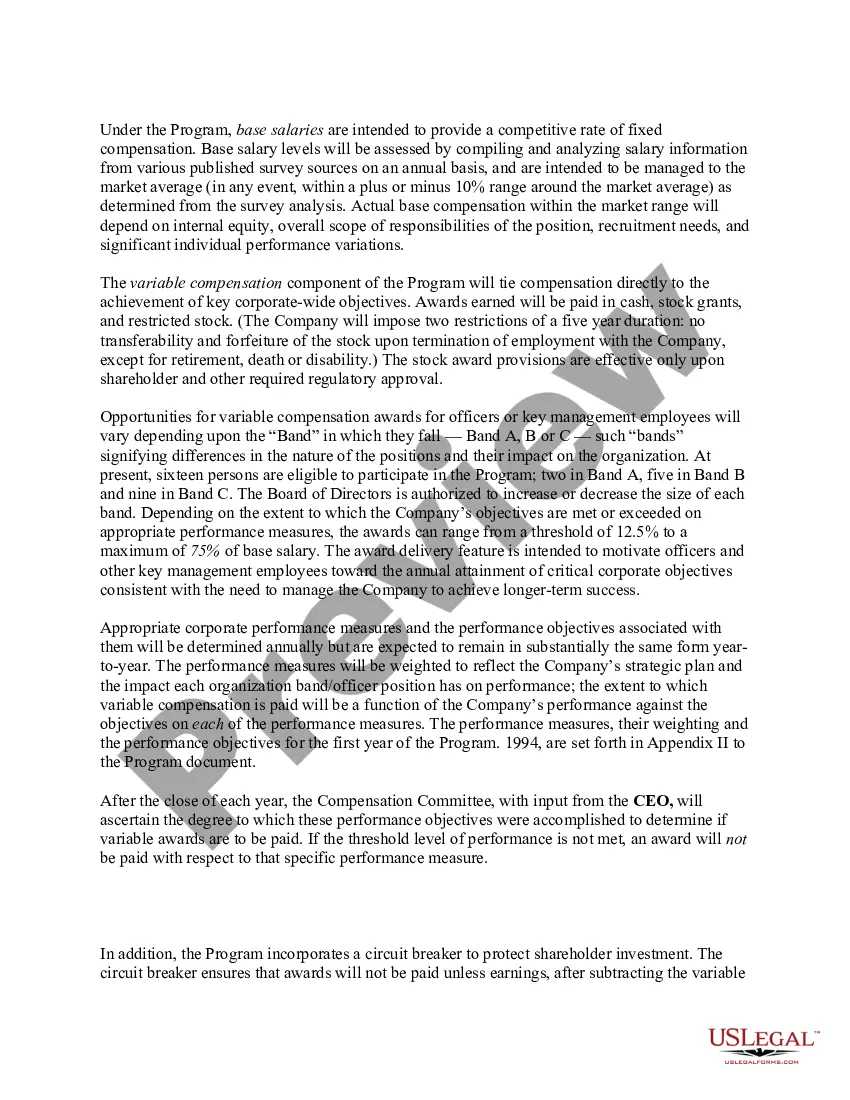
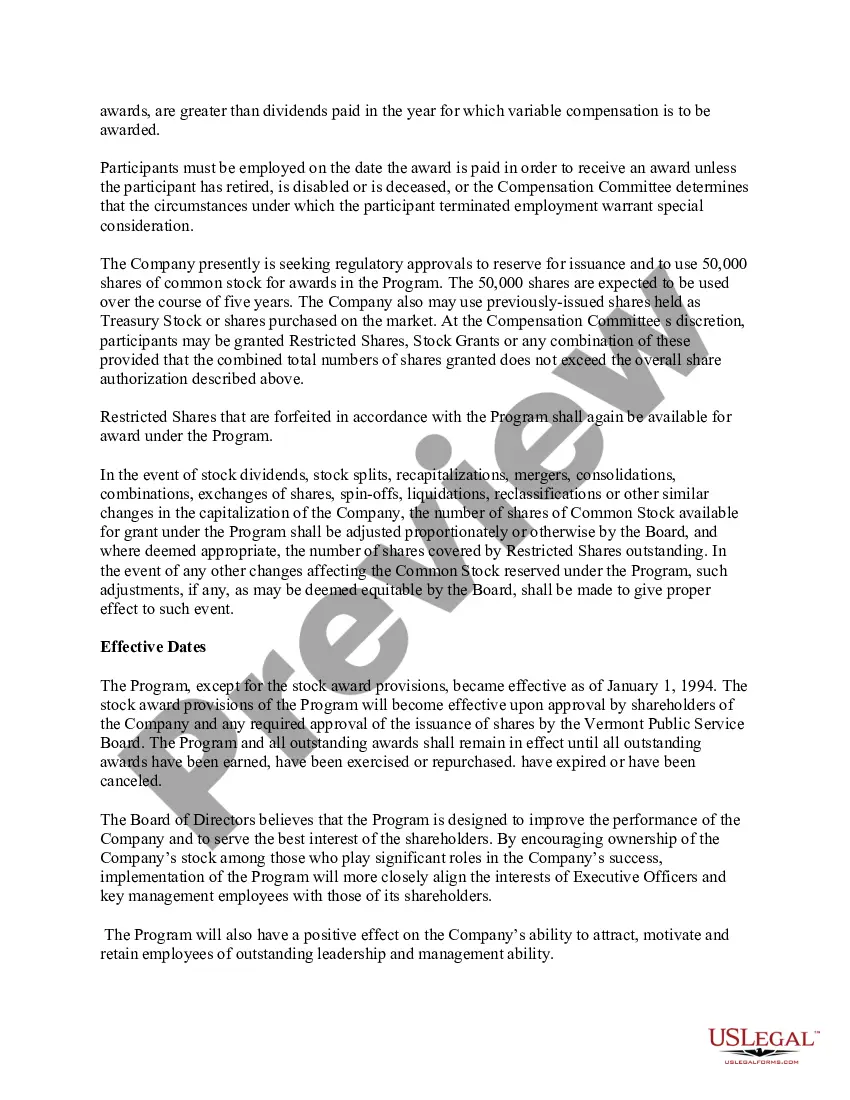

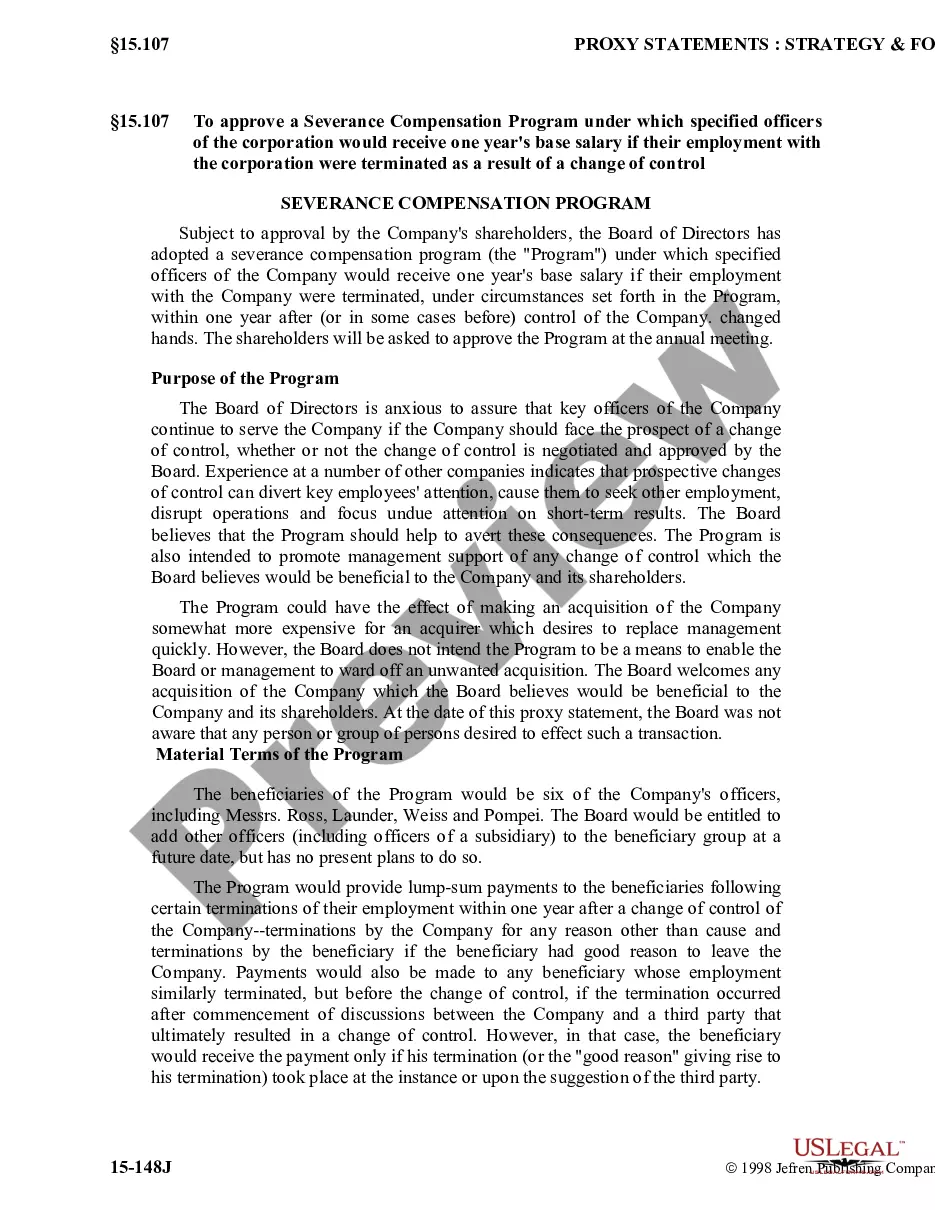
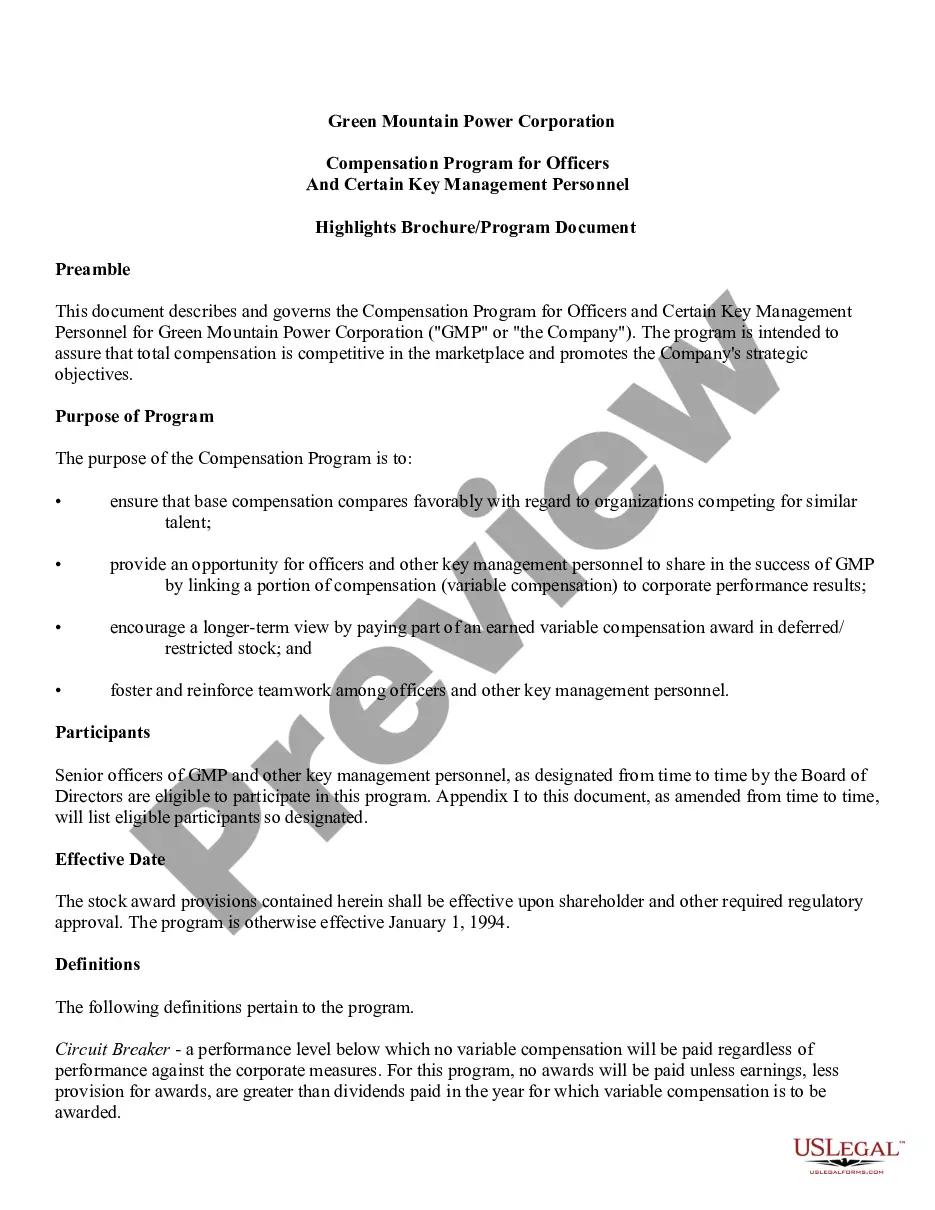



How to fill out Proposed Compensation Program For Officers And Certain Key Management Personnel?
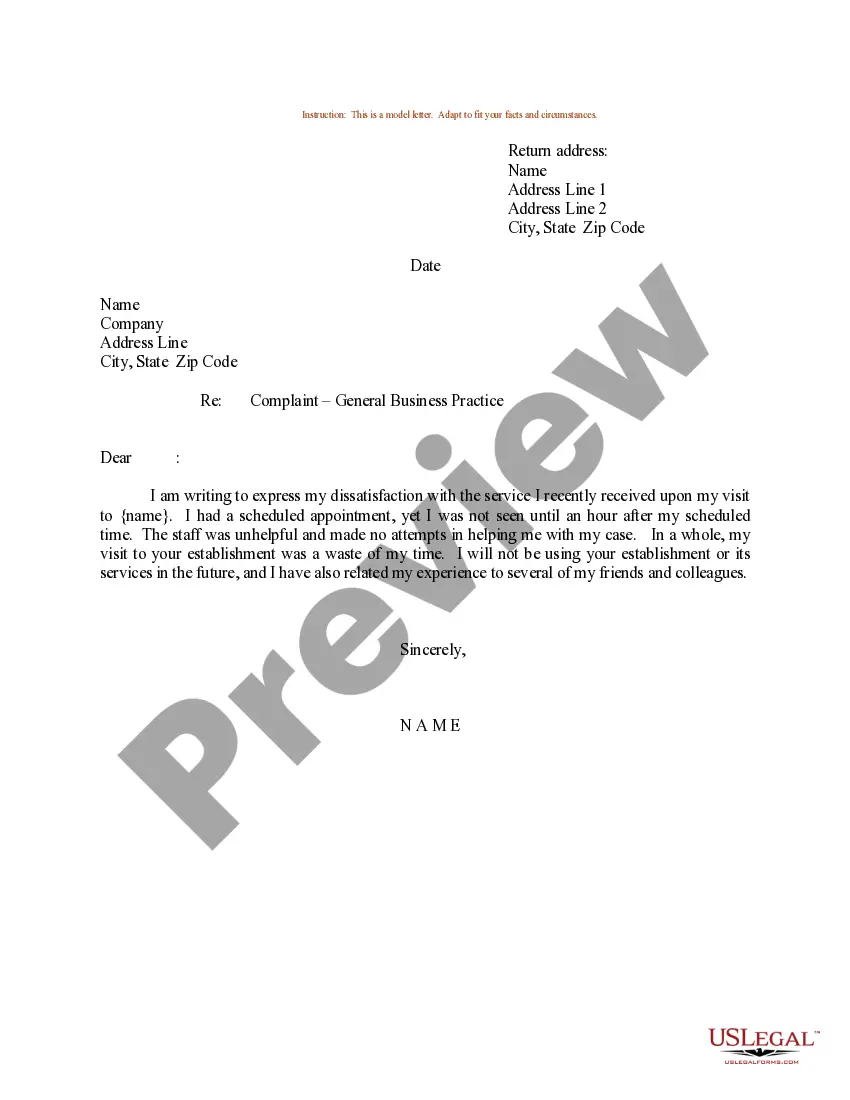
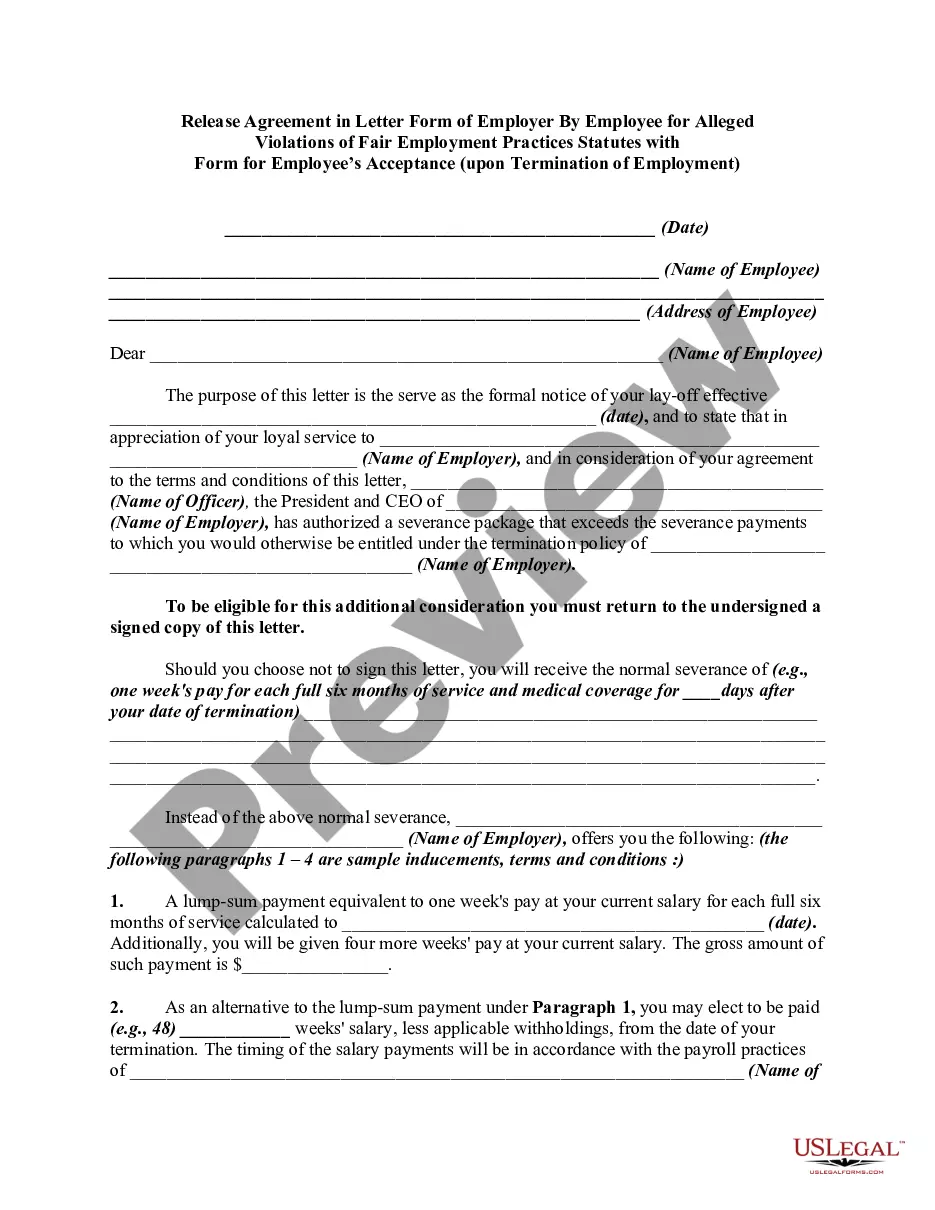
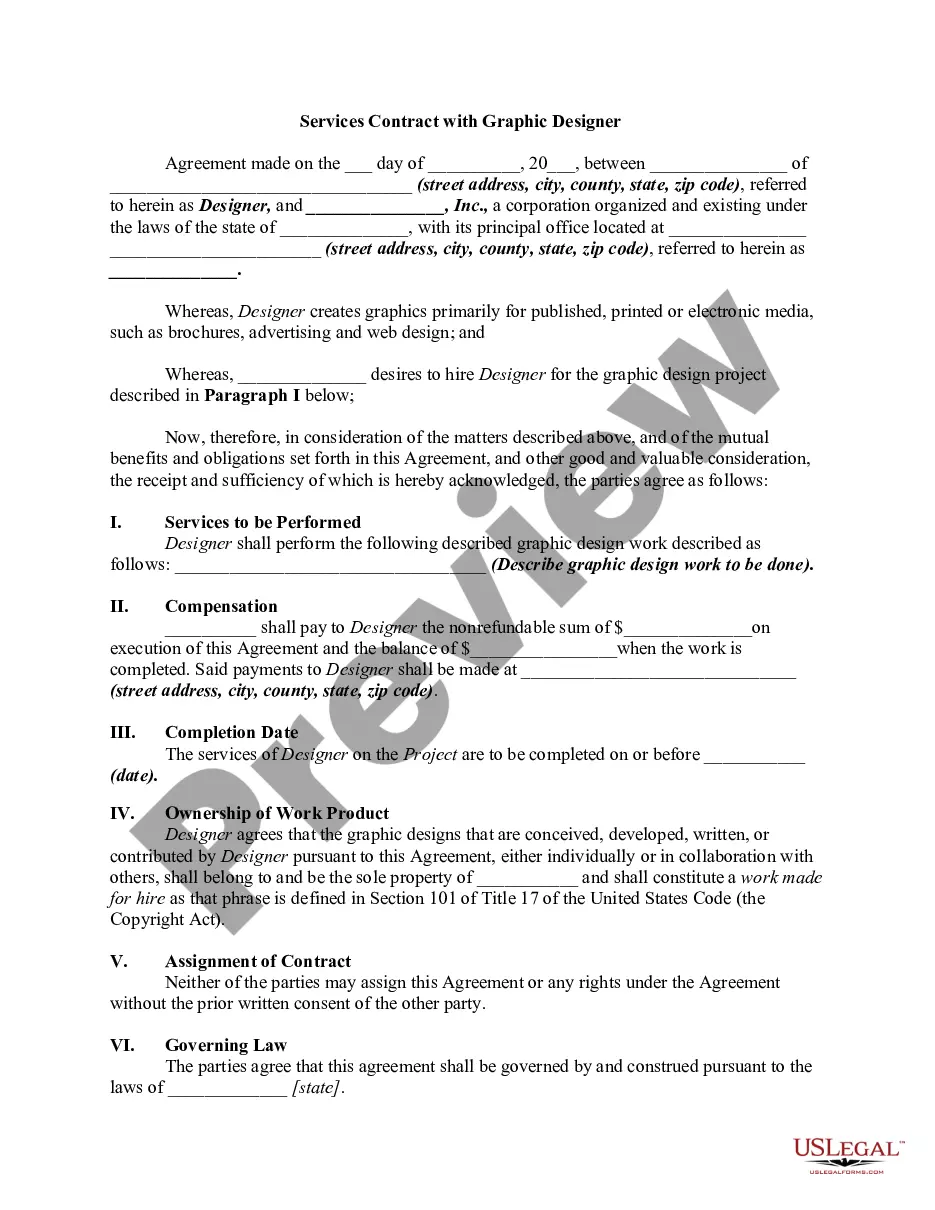
The Employees Compensation Formula you observe on this page is a versatile official template formulated by expert attorneys in accordance with federal and state regulations and statutes.
For over 25 years, US Legal Forms has supplied individuals, businesses, and lawyers with more than 85,000 confirmed, state-specific documents for every business and personal circumstance. It is the fastest, most uncomplicated, and most reliable method to acquire the necessary paperwork, as the service ensures the utmost level of data protection and anti-malware safety.
Subscribe to US Legal Forms for verified legal templates for every situation life throws at you.
- Explore the document you need and verify it.
- Examine the sample you searched for and look it over or go through the form description to confirm it matches your needs. If it does not, utilize the search feature to find the correct one. Click Buy Now when you have located the template you desire.
- Register and sign in.
- Choose the pricing plan that works best for you and create an account. Use PayPal or a credit card to make a quick transaction. If you already possess an account, Log In and review your subscription to continue.
- Obtain the fillable template.
- Select the format you prefer for your Employees Compensation Formula (PDF, Word, RTF) and save the sample on your device.
- Complete and endorse the document.
- Print the template to finish it manually. Alternatively, use an online multifunctional PDF editor to swiftly and accurately fill out and endorse your form with an electronic signature.
- Download your paperwork again.
- Use the same document multiple times as needed. Access the My documents tab in your profile to redownload any previously purchased forms.
Form popularity
FAQ
The best and simplest tactic for answering this question is to offer a salary range you'd be willing to accept rather than a set amount. A range is much more likely to fit into their budget for the role, and it lets the employer compare you better against other candidates.
The simplest method is to total the actual employer contributions to benefits and retirement and divide by the actual salary.
How to calculate compensation expense factor. There are two ways to calculate compensation expense factor: wage-based and overall expense. To calculate wage-based compensation expense factor, take the total compensation amount and divide it by your organization's total operating budget.
How to calculate annual income. To calculate an annual salary, multiply the gross pay (before tax deductions) by the number of pay periods per year. For example, if an employee earns $1,500 per week, the individual's annual income would be 1,500 x 52 = $78,000.
A compensation plan template is the basis for compensation worksheets. The compensation plan template is organized into three main sections or tabs - Salary, Bonus, and Stock.