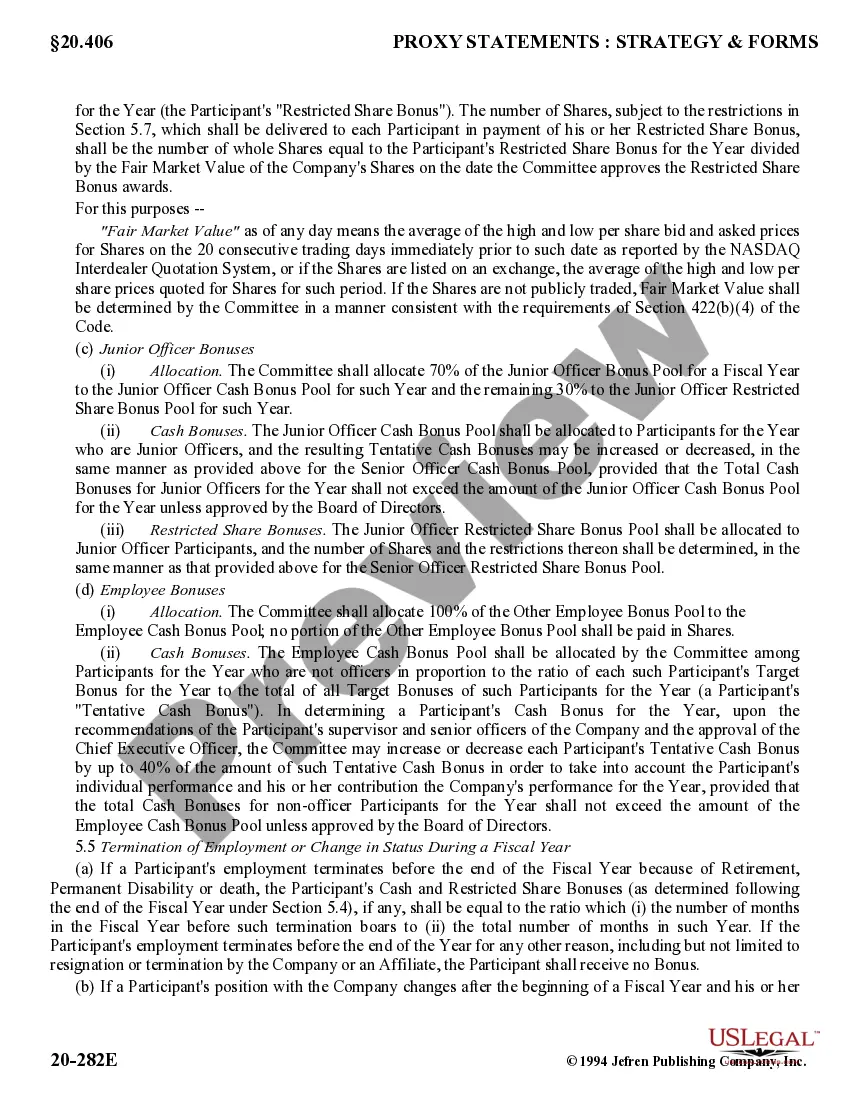
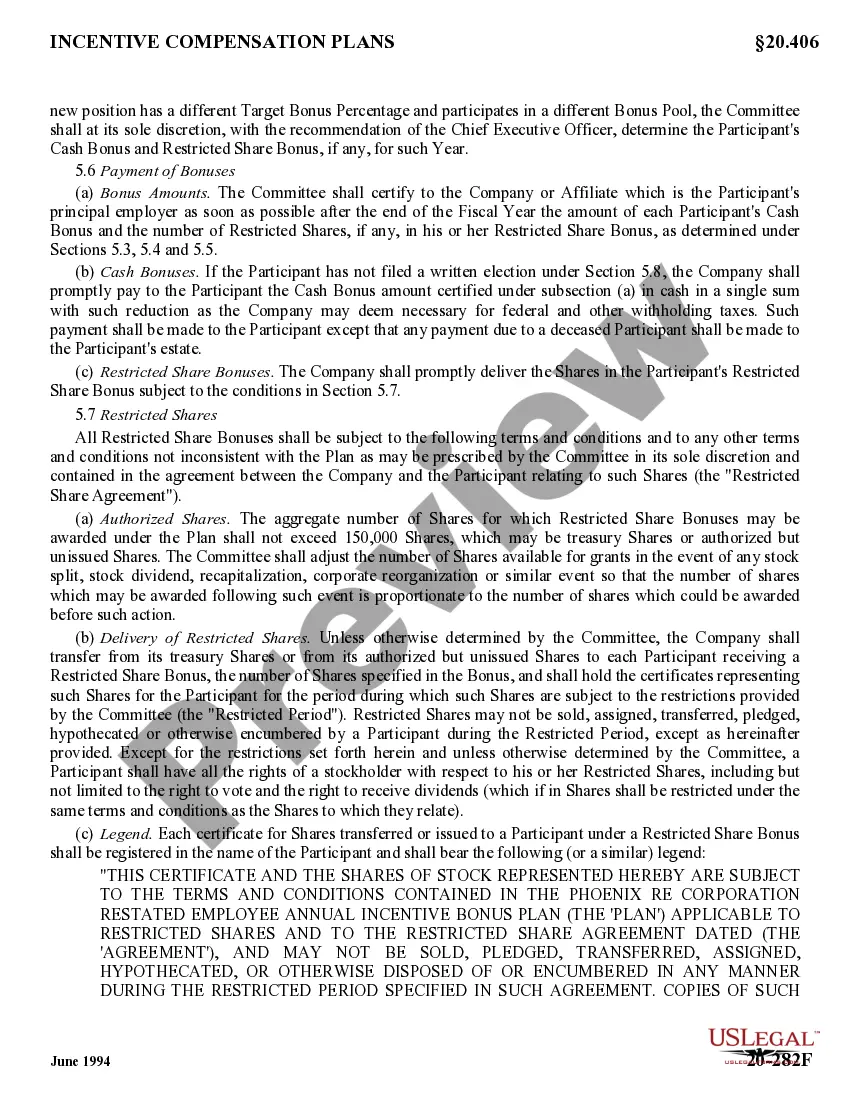
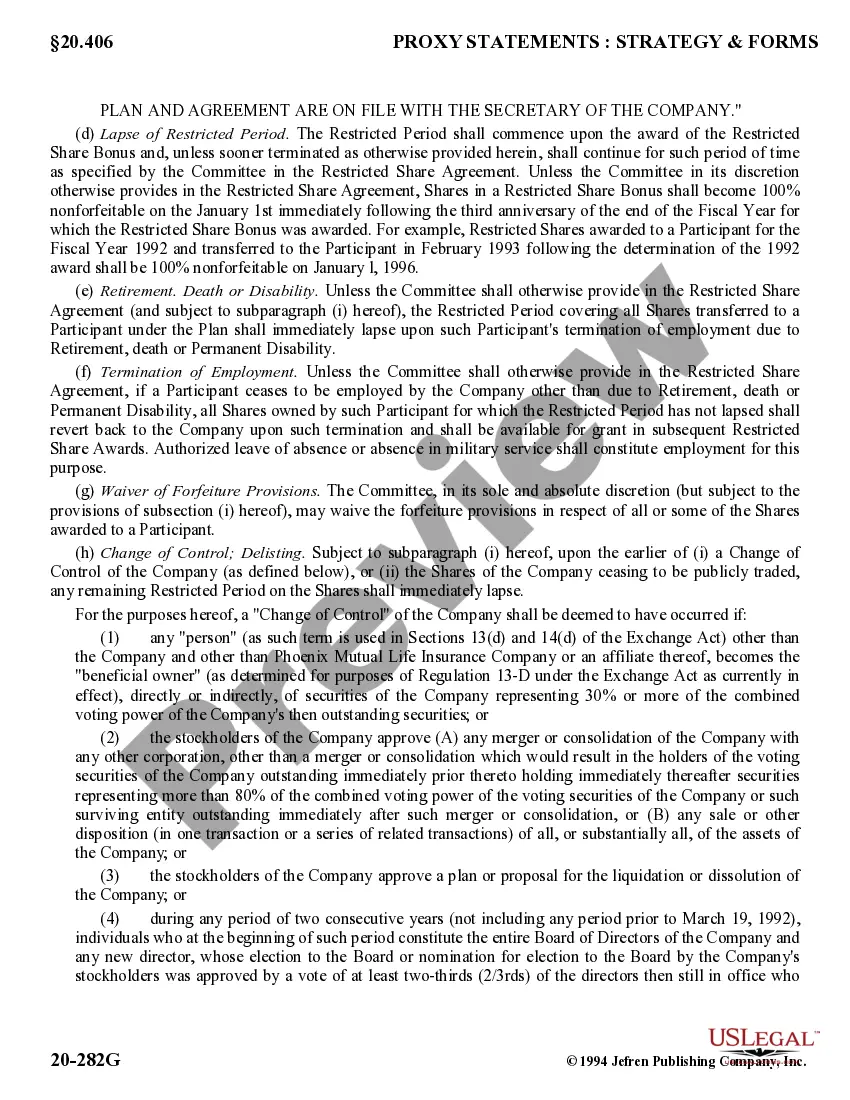
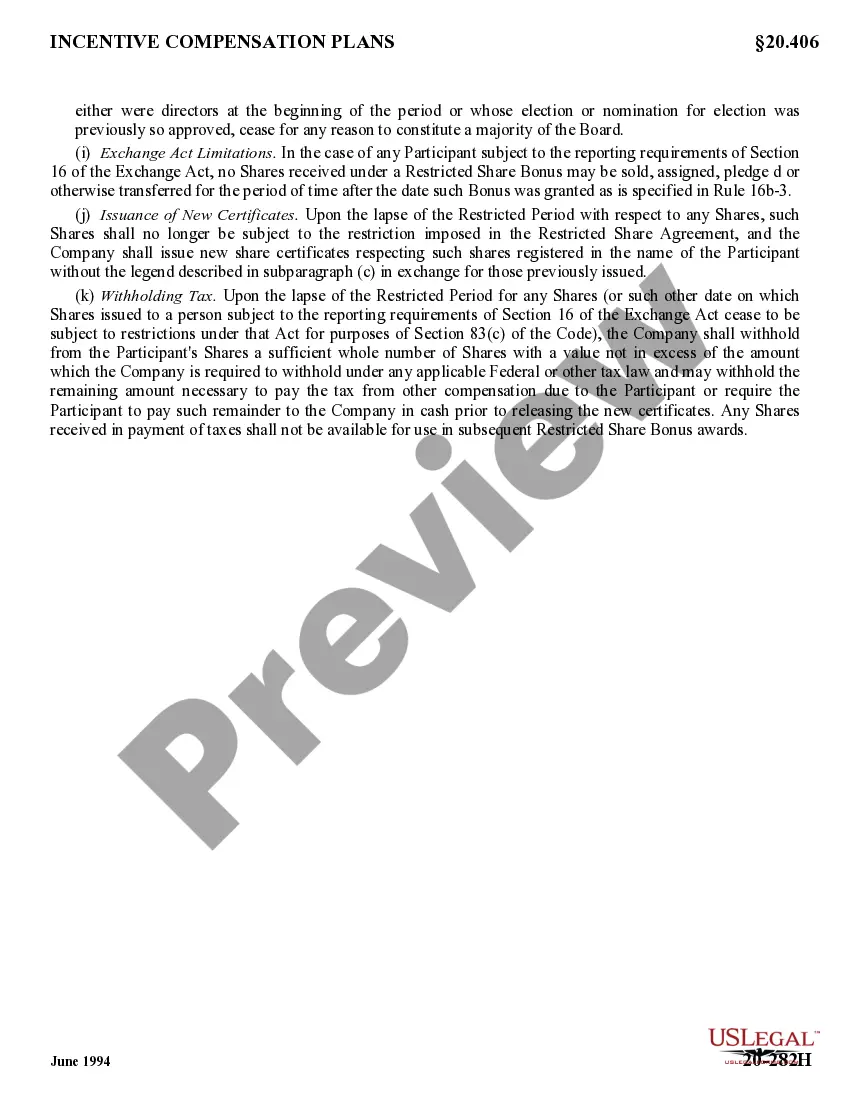
Bonus Year Per For Private Company
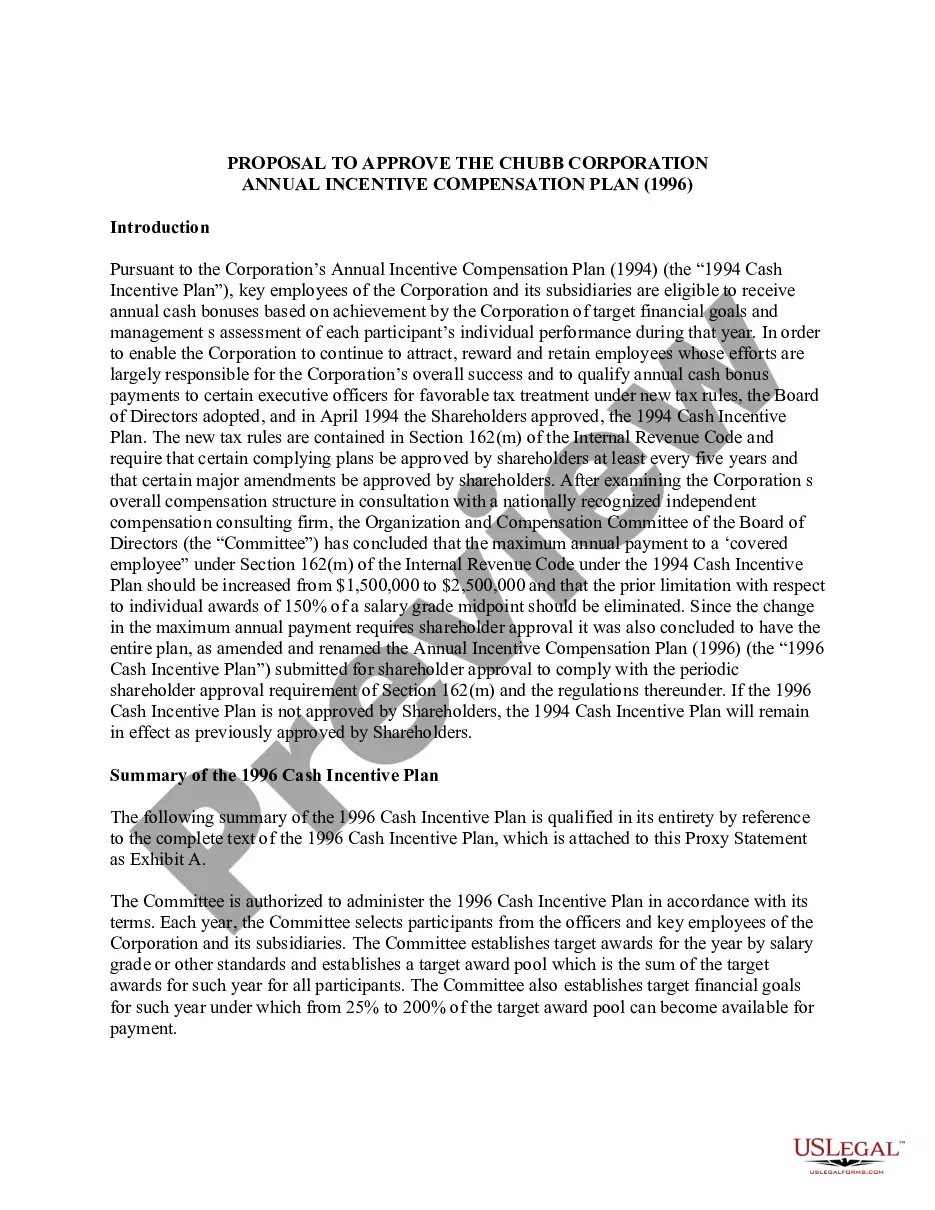
Description

Get your form ready online
Our built-in tools help you complete, sign, share, and store your documents in one place.
Make edits, fill in missing information, and update formatting in US Legal Forms—just like you would in MS Word.
Download a copy, print it, send it by email, or mail it via USPS—whatever works best for your next step.
Sign and collect signatures with our SignNow integration. Send to multiple recipients, set reminders, and more. Go Premium to unlock E-Sign.
If this form requires notarization, complete it online through a secure video call—no need to meet a notary in person or wait for an appointment.
We protect your documents and personal data by following strict security and privacy standards.

Make edits, fill in missing information, and update formatting in US Legal Forms—just like you would in MS Word.

Download a copy, print it, send it by email, or mail it via USPS—whatever works best for your next step.

Sign and collect signatures with our SignNow integration. Send to multiple recipients, set reminders, and more. Go Premium to unlock E-Sign.

If this form requires notarization, complete it online through a secure video call—no need to meet a notary in person or wait for an appointment.

We protect your documents and personal data by following strict security and privacy standards.
Looking for another form?







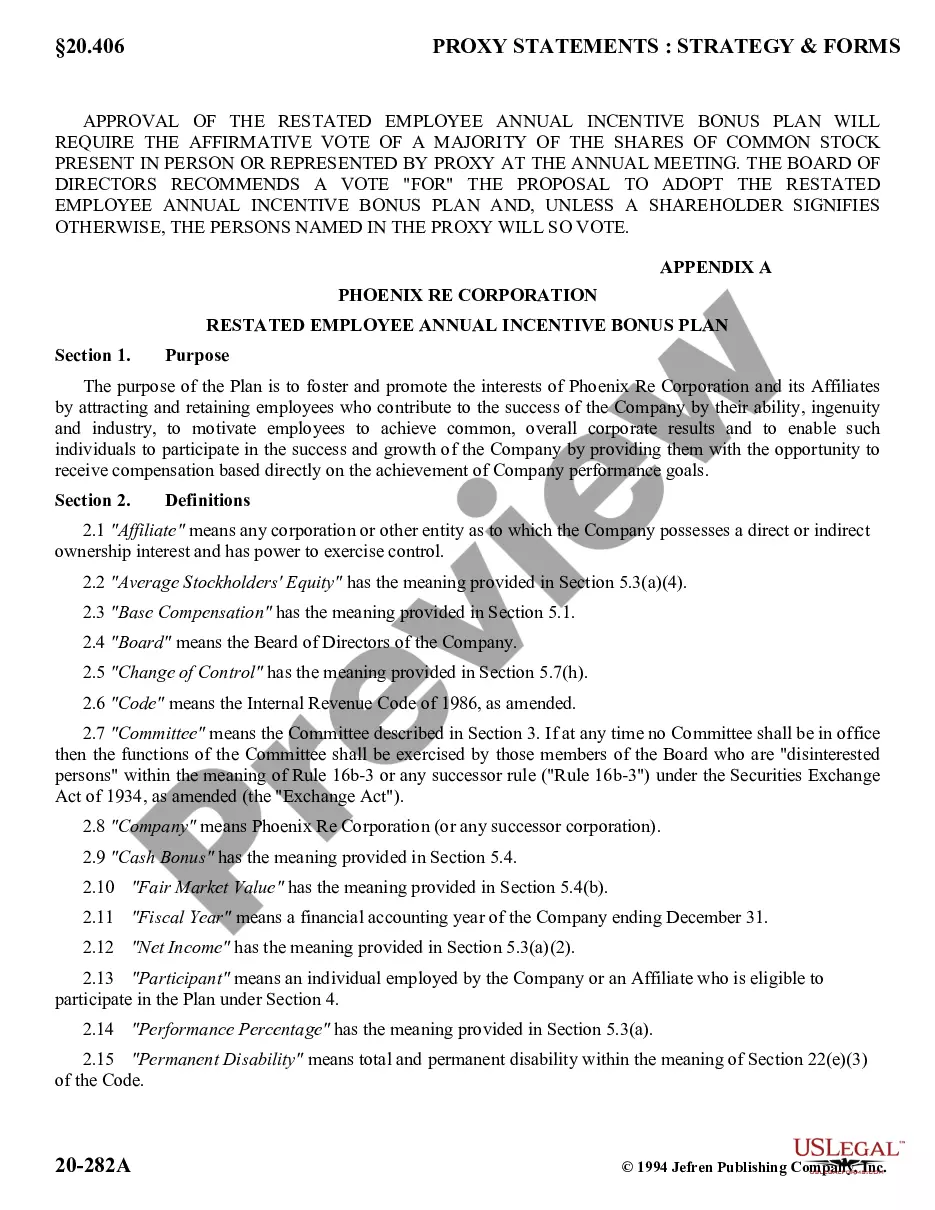
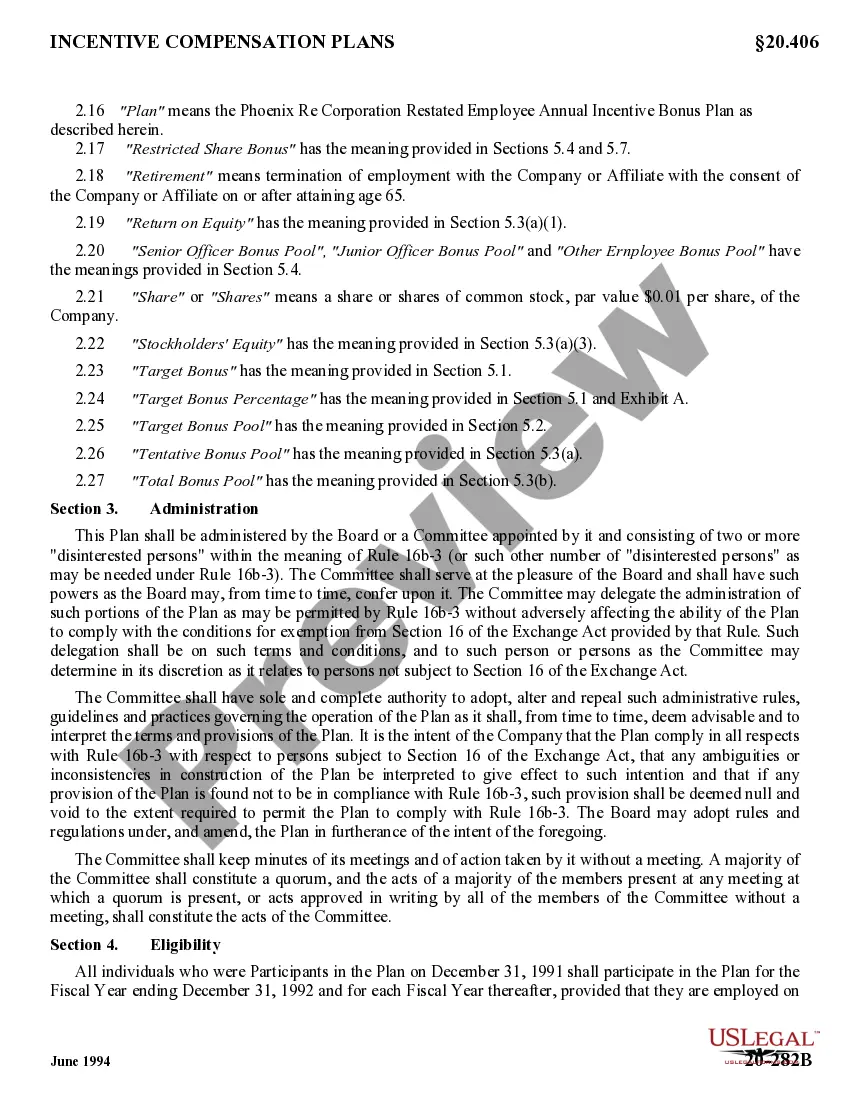
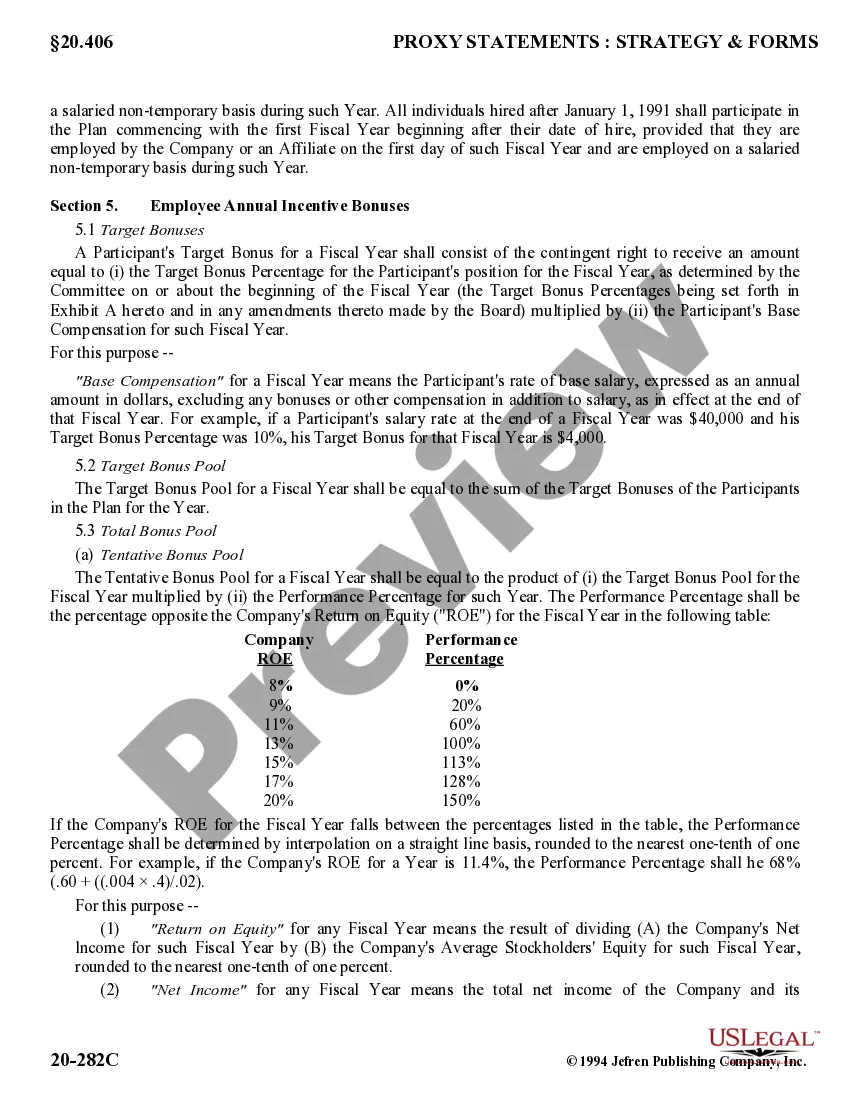
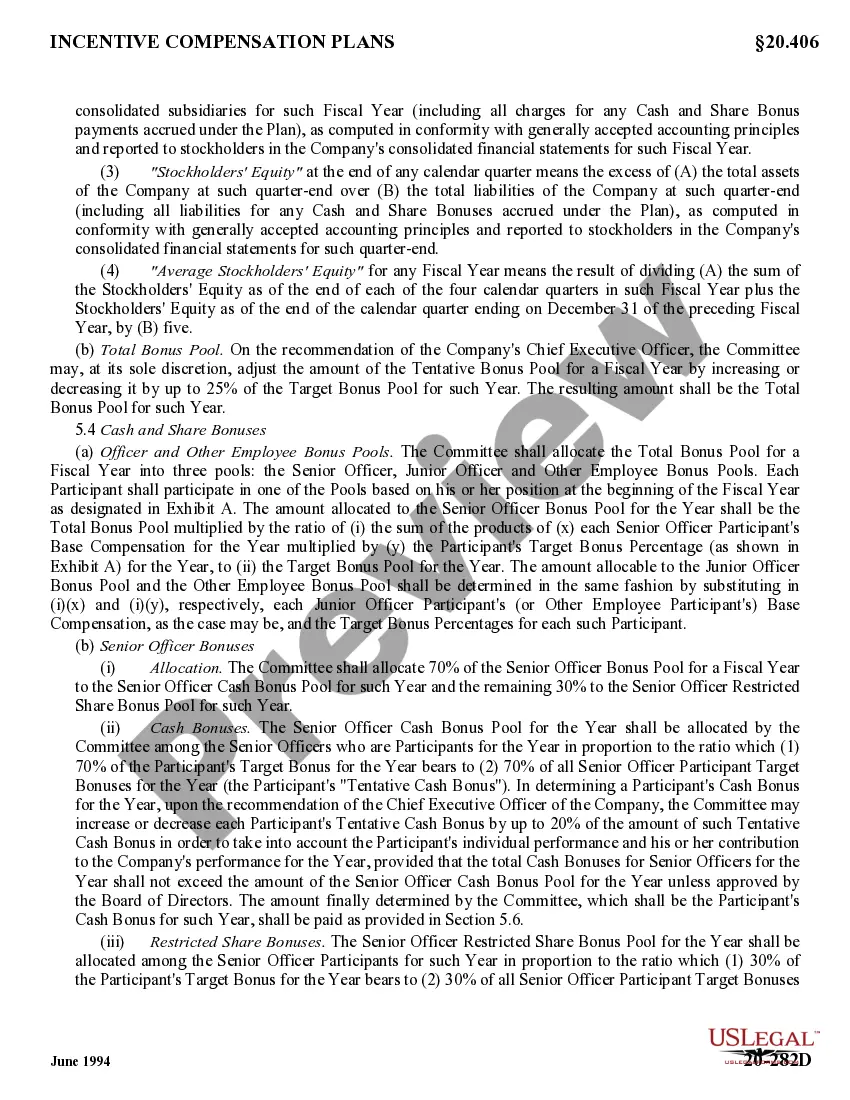
How to fill out Restated Employee Annual Incentive Bonus Plan With Attachments?
Legal documents management can be daunting, even for the most experienced professionals.
When you are looking for a Bonus Year Per For Private Company and lack the time to devote to finding the accurate and current version, the processes can be stressful.
US Legal Forms meets all your needs, from personal to business documents, all in one place.
Use advanced tools to complete and manage your Bonus Year Per For Private Company.
Here are the steps to follow after downloading the document you need: Verify it is the correct document by previewing it and reviewing its details. Ensure that the template is accepted in your state or county. Click Buy Now when you are ready. Choose a monthly subscription plan. Find the file format you need, and Download, complete, sign, print, and send your document. Enjoy the US Legal Forms online catalog, backed by 25 years of experience and reliability. Transform your everyday document management into a seamless and user-friendly process today.
- Access a resource pool of articles, guides, and manuals pertinent to your situation and needs.
- Save time and effort searching for the documents you require, and utilize US Legal Forms’ advanced search and Preview feature to locate Bonus Year Per For Private Company and download it.
- If you have a subscription, Log In to your US Legal Forms account, search for the document, and download it.
- Check your My documents tab to see the documents you previously saved and manage your folders as you wish.
- If this is your first experience with US Legal Forms, create a free account and gain unlimited access to all the advantages of the library.
- A robust online form repository can be a game-changer for anyone wanting to manage these situations effectively.
- US Legal Forms is a leading provider in online legal forms, offering over 85,000 state-specific legal forms available to you at any time.
- With US Legal Forms, you can access state- or county-specific legal and business documents.
Form popularity
FAQ
When filing taxes with a bonus, you need to report the bonus income just like regular wages. Ensure you have the correct W-2 forms that reflect both your regular income and any bonuses received. By organizing your tax documents carefully, you can simplify the filing process and avoid issues in the bonus year per for private company.
Bonuses are generally subject to federal income tax withholding, and the typical flat rate is 22%. However, if an employee's total income pushes them into a higher tax bracket, their effective tax rate may be higher. It's essential to consult with a tax advisor to understand the implications of bonuses during the bonus year per for private company.
In a private company, bonuses are typically calculated based on predetermined criteria such as performance reviews, sales targets, or profit-sharing agreements. Companies may also consider individual contributions and team achievements to determine the bonus amount. This calculation aligns with the goals set for the bonus year per for private company.
To calculate a bonus for a private company, you typically start with a base salary and then apply a specific percentage based on performance metrics or company profits. The formula can vary, but a common approach is: Bonus = Base Salary x Bonus Percentage. This ensures that employees are rewarded in accordance with their contributions during the bonus year per for private company.
To calculate a 10% annual bonus, first determine the employee's annual salary. Multiply the salary by 0.10 to find the bonus amount. This straightforward method allows you to reward employees fairly while maintaining a clear focus on your bonus year per for private company objectives.
Calculating bonus per year involves assessing both company performance and individual achievements. Begin by establishing a formula that considers the company's profits and the employee's role in achieving those results. This approach not only clarifies expectations but also aligns with your goal of maximizing the bonus year per for private company.
To calculate a year-end bonus for employees, you should start by determining the company's overall profitability and the individual's performance metrics. Often, private companies will use a percentage of the employee's salary or a fixed amount based on their contribution to the company's success. This practice fosters motivation and enhances your bonus year per for private company.
A yearly bonus is typically calculated based on performance metrics, company profits, and individual contributions. For a private company, this process often involves evaluating goals met, revenue targets achieved, and overall employee performance over the year. Understanding this calculation can help you better anticipate your financial outcomes and improve your bonus year per for private company.
Companies typically calculate your bonus based on a combination of performance metrics, overall company success, and market benchmarks. Many private companies have established criteria that take into account both individual contributions and the company's financial health. Understanding these calculations can empower you to align your efforts with the company’s goals. For further clarity on how bonuses work, consider using the US Legal Forms platform to access valuable resources about the bonus year per for private company.
The most tax efficient way to take a bonus often involves strategic planning. You might consider deferring the bonus to a later tax year if your income is expected to decrease, or investing in tax-advantaged accounts. Consulting with a tax professional can provide personalized advice based on your financial situation. Utilizing resources from US Legal Forms can also guide you in understanding your options related to the bonus year per for private company.