What Is A Phantom Stock Plan
Description
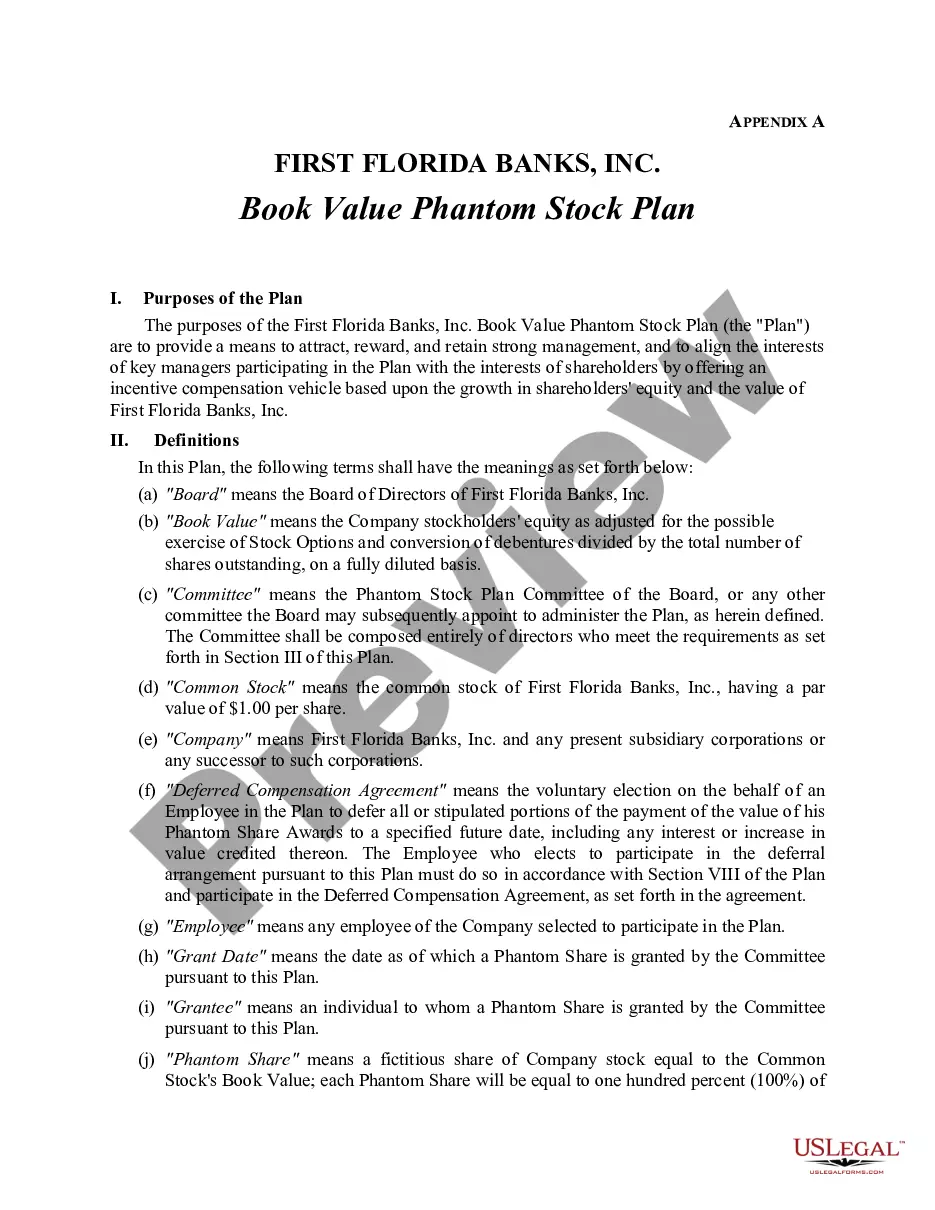
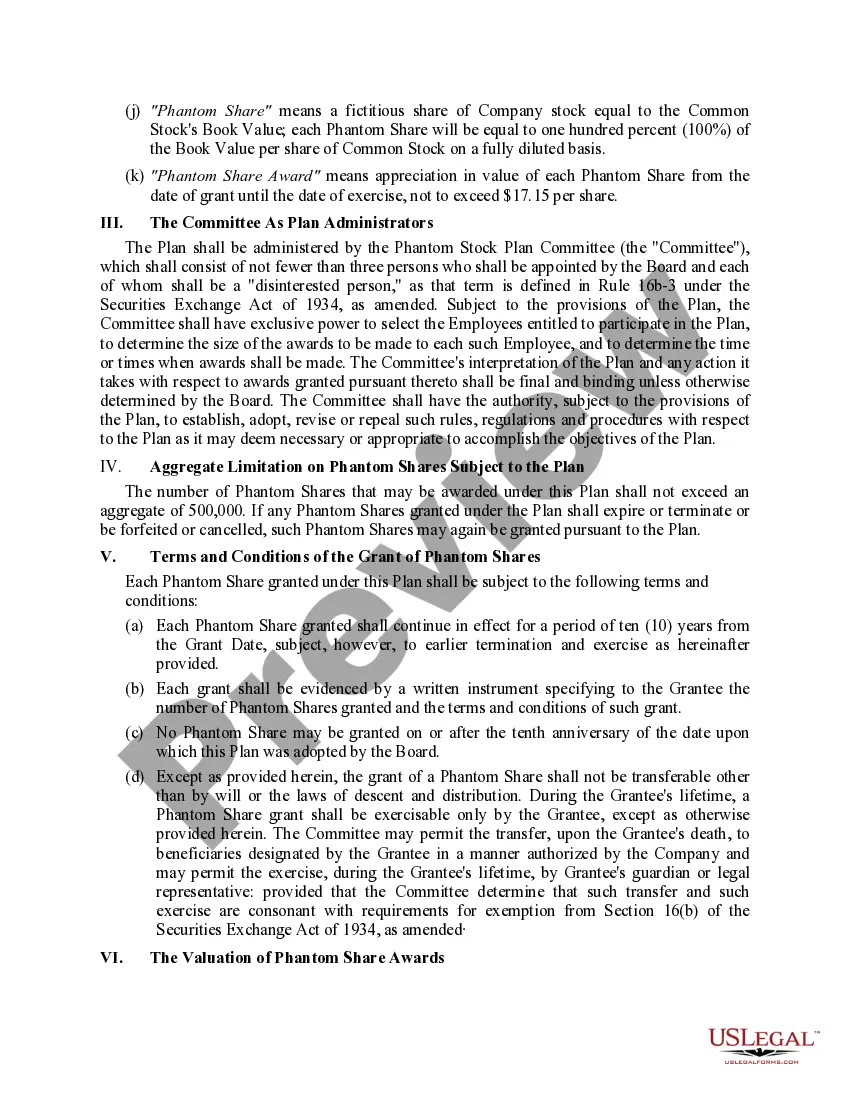
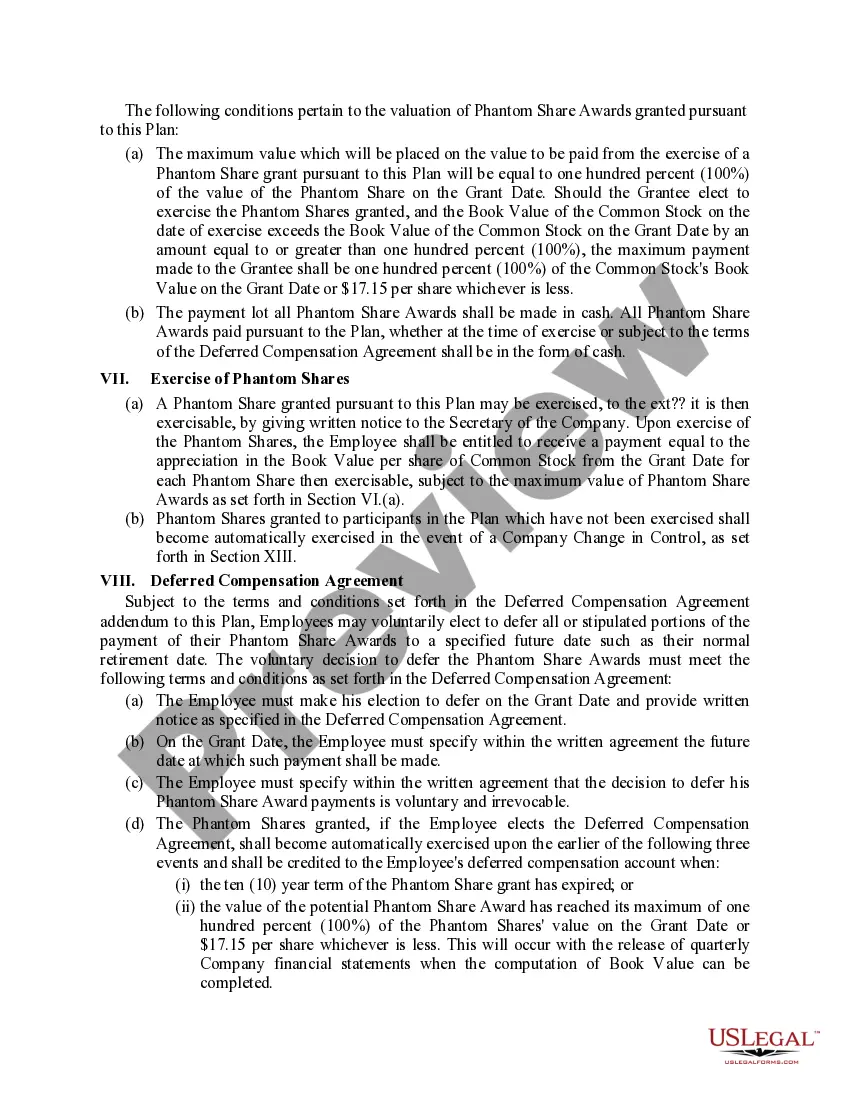
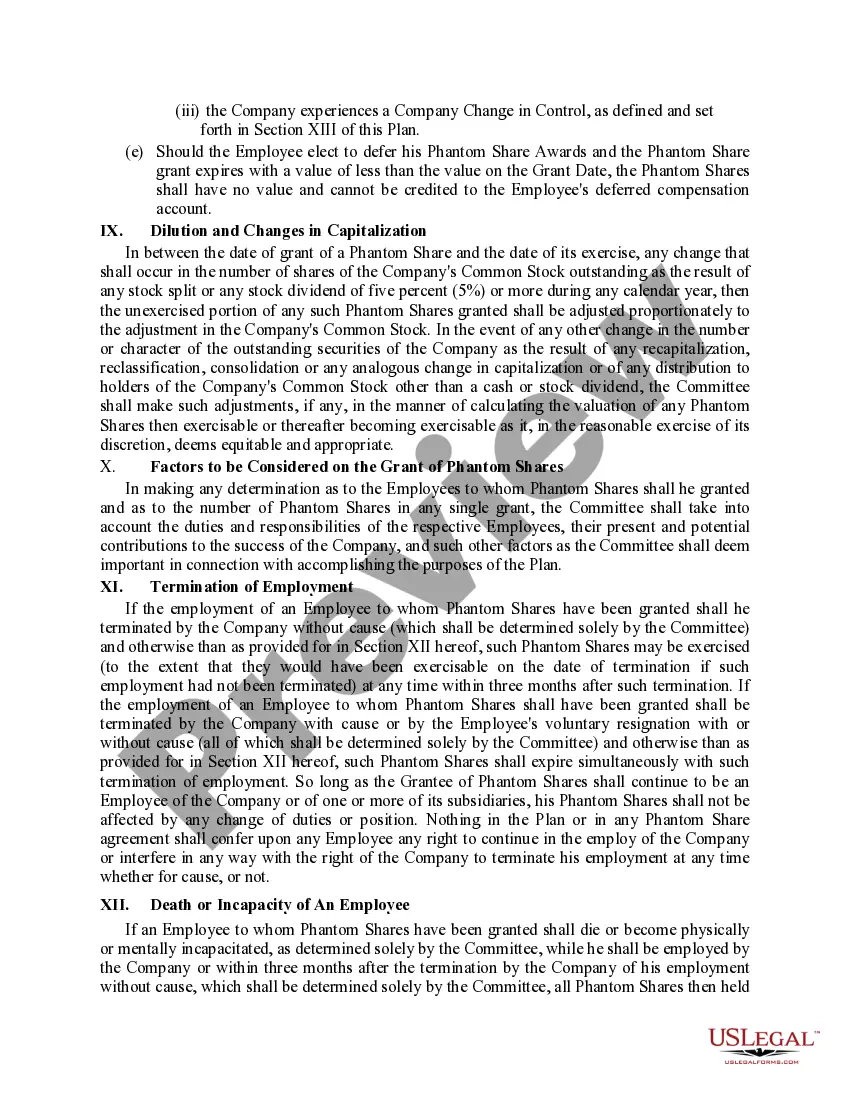
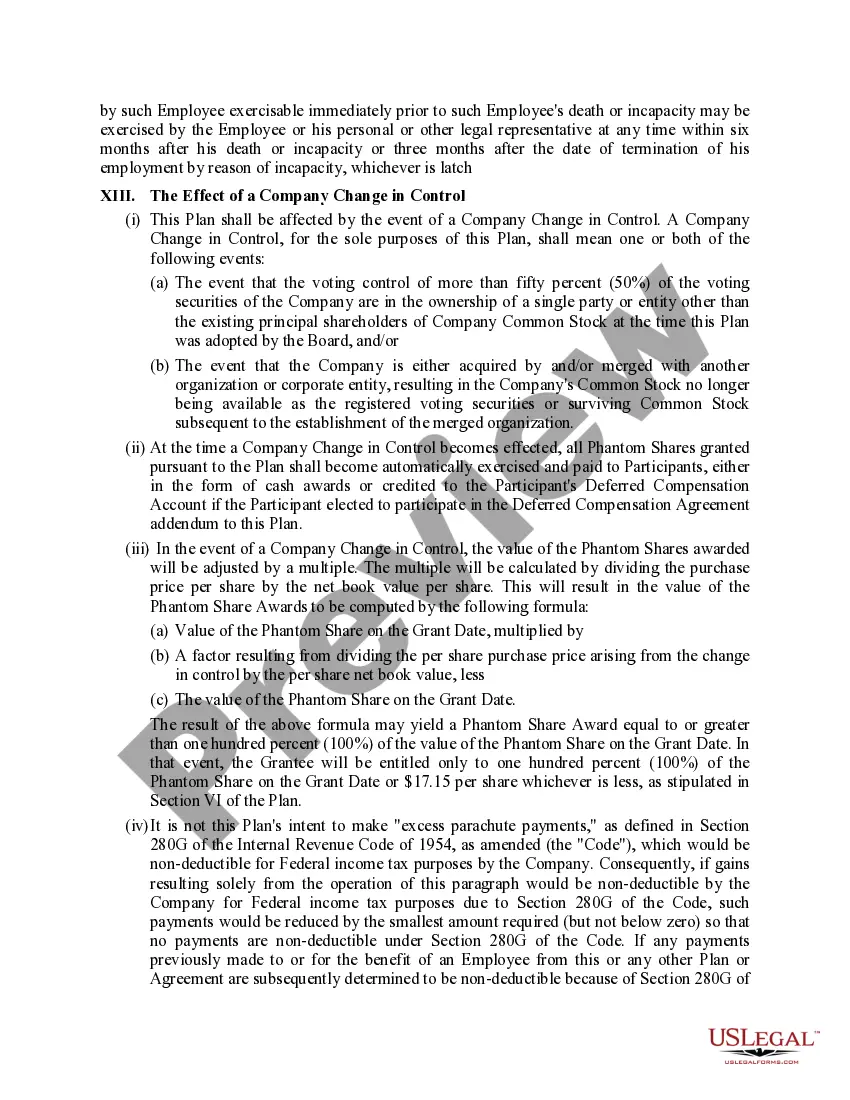
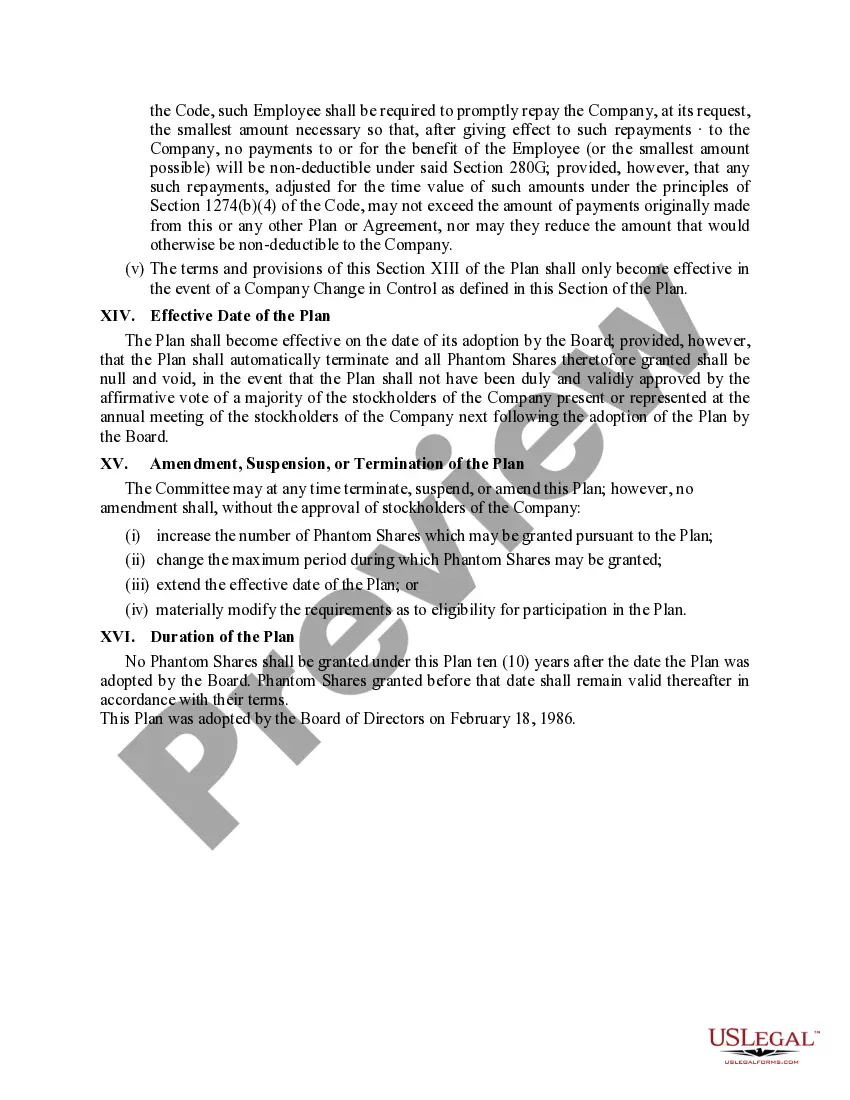
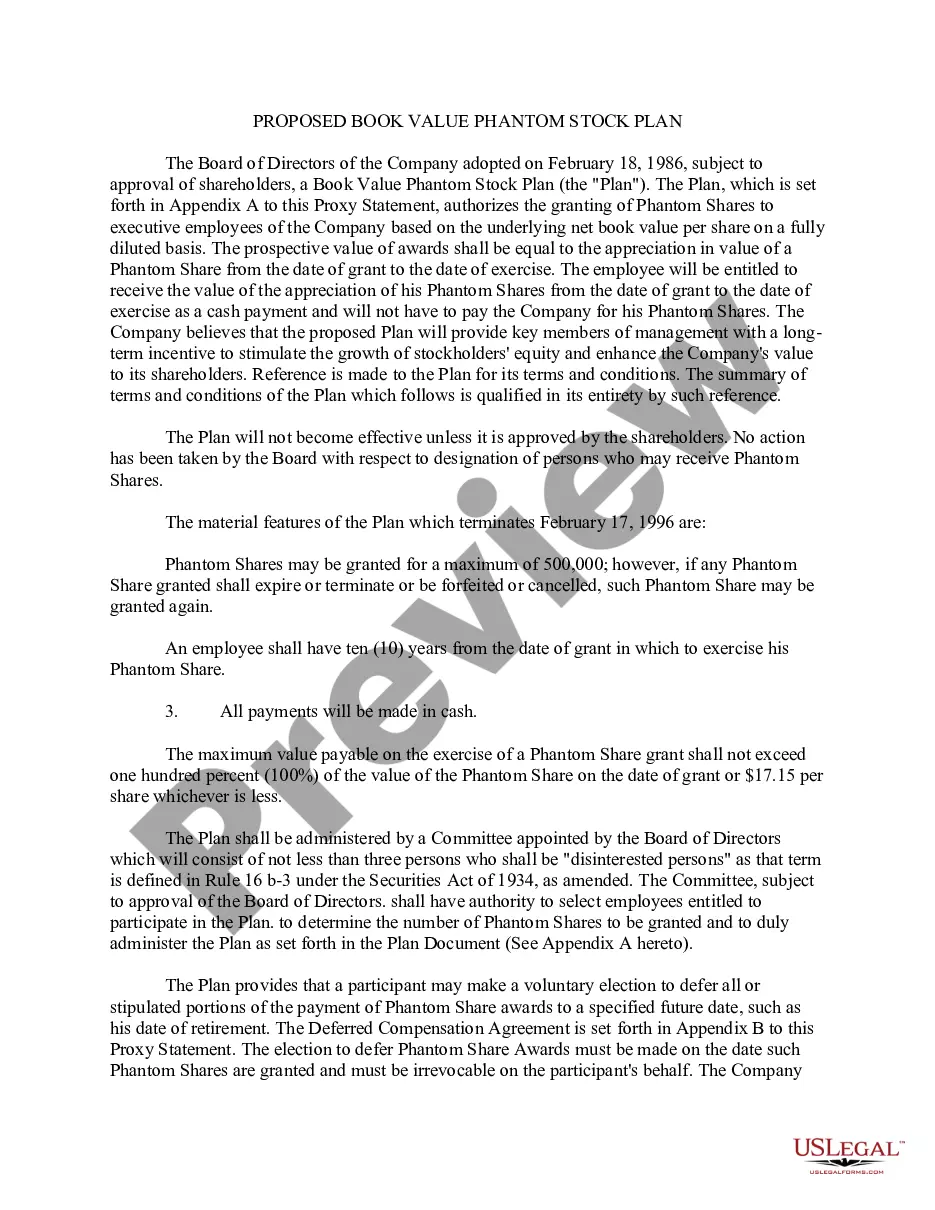
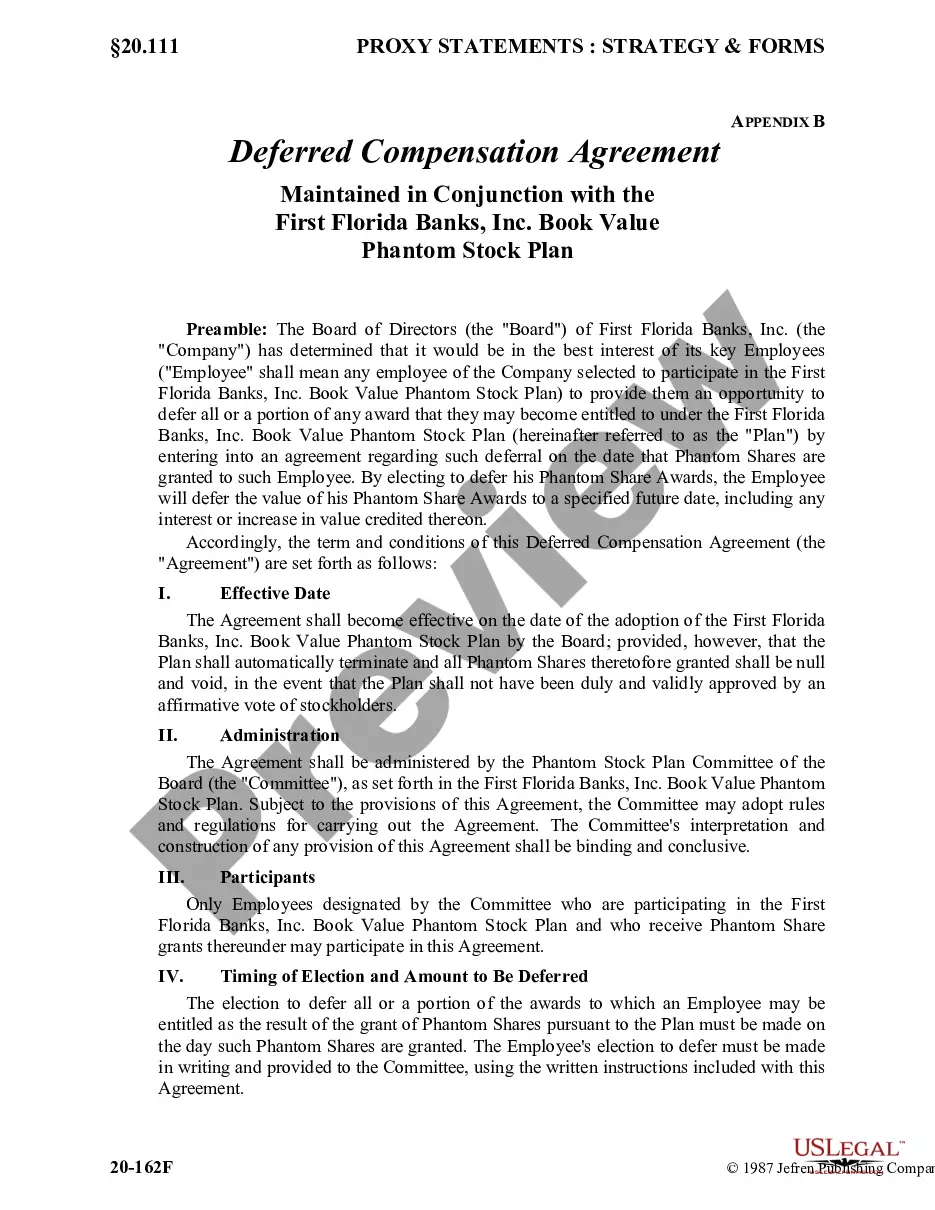
Get your form ready online
Our built-in tools help you complete, sign, share, and store your documents in one place.
Make edits, fill in missing information, and update formatting in US Legal Forms—just like you would in MS Word.
Download a copy, print it, send it by email, or mail it via USPS—whatever works best for your next step.
Sign and collect signatures with our SignNow integration. Send to multiple recipients, set reminders, and more. Go Premium to unlock E-Sign.
If this form requires notarization, complete it online through a secure video call—no need to meet a notary in person or wait for an appointment.
We protect your documents and personal data by following strict security and privacy standards.

Make edits, fill in missing information, and update formatting in US Legal Forms—just like you would in MS Word.

Download a copy, print it, send it by email, or mail it via USPS—whatever works best for your next step.

Sign and collect signatures with our SignNow integration. Send to multiple recipients, set reminders, and more. Go Premium to unlock E-Sign.

If this form requires notarization, complete it online through a secure video call—no need to meet a notary in person or wait for an appointment.

We protect your documents and personal data by following strict security and privacy standards.
Looking for another form?









How to fill out Book Value Phantom Stock Plan Of First Florida Banks, Inc.?
- If you are a returning user, simply log into your account and download your desired form template. Please verify that your subscription is active; renew if necessary.
- For first-time users, begin by examining the preview mode and form descriptions to ensure the document meets your needs and complies with local regulations.
- In case you need a different template, utilize the Search tab to find the appropriate document.
- Once you've identified the right form, click the Buy Now button to choose your subscription plan and create an account for library access.
- Complete your purchase using your credit card information or PayPal account.
- After payment, download your form to save it on your device, allowing future access through the My Forms section in your profile.
US Legal Forms empowers individuals and attorneys by providing a vast and user-friendly library of legal documents. With over 85,000 fillable forms, you can easily find the right document for your legal needs.
Leverage the expertise available for form completion, ensuring your documents are precise and legally compliant. Explore US Legal Forms today to make your legal tasks simpler!
Form popularity
FAQ
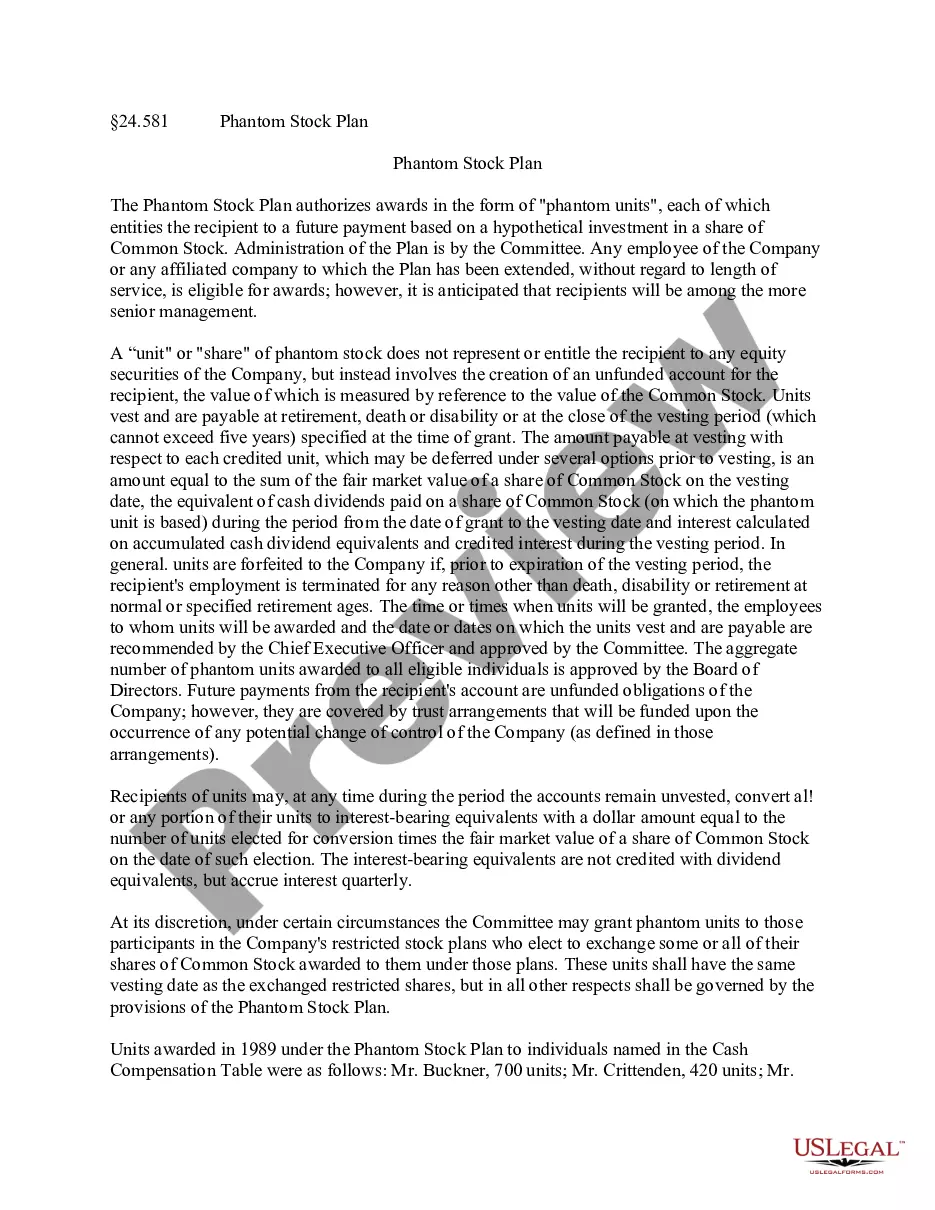
Setting up a phantom stock plan involves outlining the mechanics of the plan, including valuation, payout timelines, and tax implications. Start by documenting the objectives of the plan and identifying the employees who will participate. It's also essential to get input from legal experts and perhaps use a platform like US Legal Forms to simplify the documentation and ensure compliance.
The purpose of a phantom stock plan is to enhance employee engagement and retention by offering a non-equity reward tied to the company's performance. This plan allows employees to share in the company's growth and success, which can increase motivation and productivity. Furthermore, it helps companies compete for talent by providing a unique form of compensation.
In most cases, a phantom stock plan provides clear guidelines about the vesting and retention of the benefits it offers. If specific conditions are met, such as termination of employment, the accrued phantom stock benefits may indeed be forfeited. Understanding what a phantom stock plan entails helps you navigate these situations and secure your investments. For tailored advice, consider utilizing US Legal Forms to draft or review your phantom stock agreements.
Phantom stock can be a beneficial arrangement for companies looking to retain talent and motivate employees. It aligns employee interests with business success, promoting collective growth. However, it’s essential to evaluate individual circumstances and ensure the plan aligns with overall business goals before implementation.
One of the significant downsides of phantom stock is that it does not provide actual ownership in the company, which means you miss out on voting rights and dividends. Furthermore, employees might be reluctant if the payout timing aligns with market downturns, resulting in lower payments. Understanding what is a phantom stock plan helps in evaluating these risks before participation. Resources such as Uslegalforms can guide you through the complexities of phantom stock arrangements.
Phantom stock plans are taxed when the payout is made, generally at ordinary income tax rates. This means that the value of the phantom shares at the time of payout is subject to taxation just like salary or bonuses. It’s advisable to consult a tax professional to understand the implications fully. Therefore, learning what is a phantom stock plan is beneficial in planning for taxes effectively.
A phantom share plan typically grants employees a form of compensation that mirrors the value of a company’s stock without actual shares being issued. For instance, a business might promise its employees bonuses equivalent to the stock value at a given time. This allows employees to benefit from the company's growth without diluting the current share structure. Hence, understanding what is a phantom stock plan can be essential for both employers and employees.