Stock Appreciation Right With You
Description
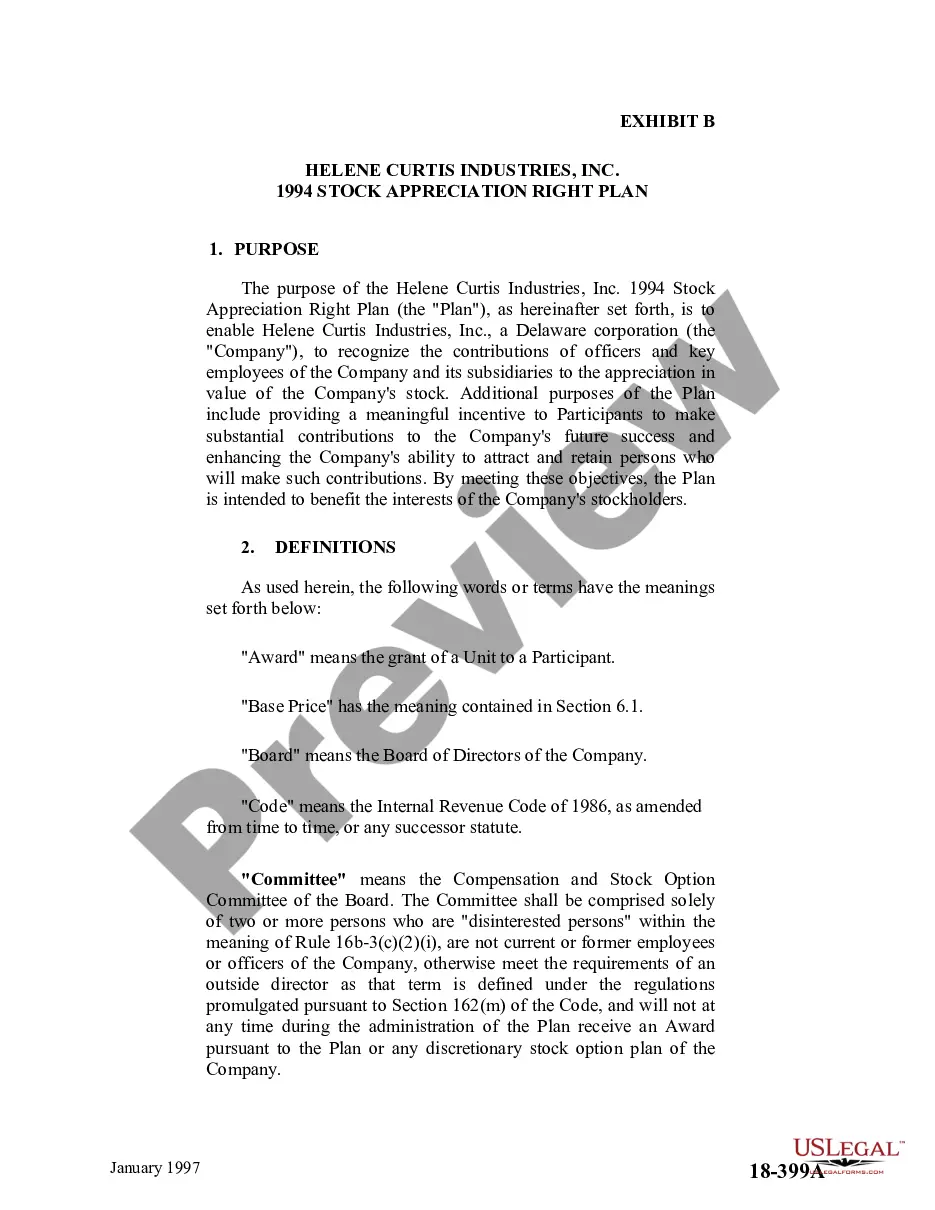
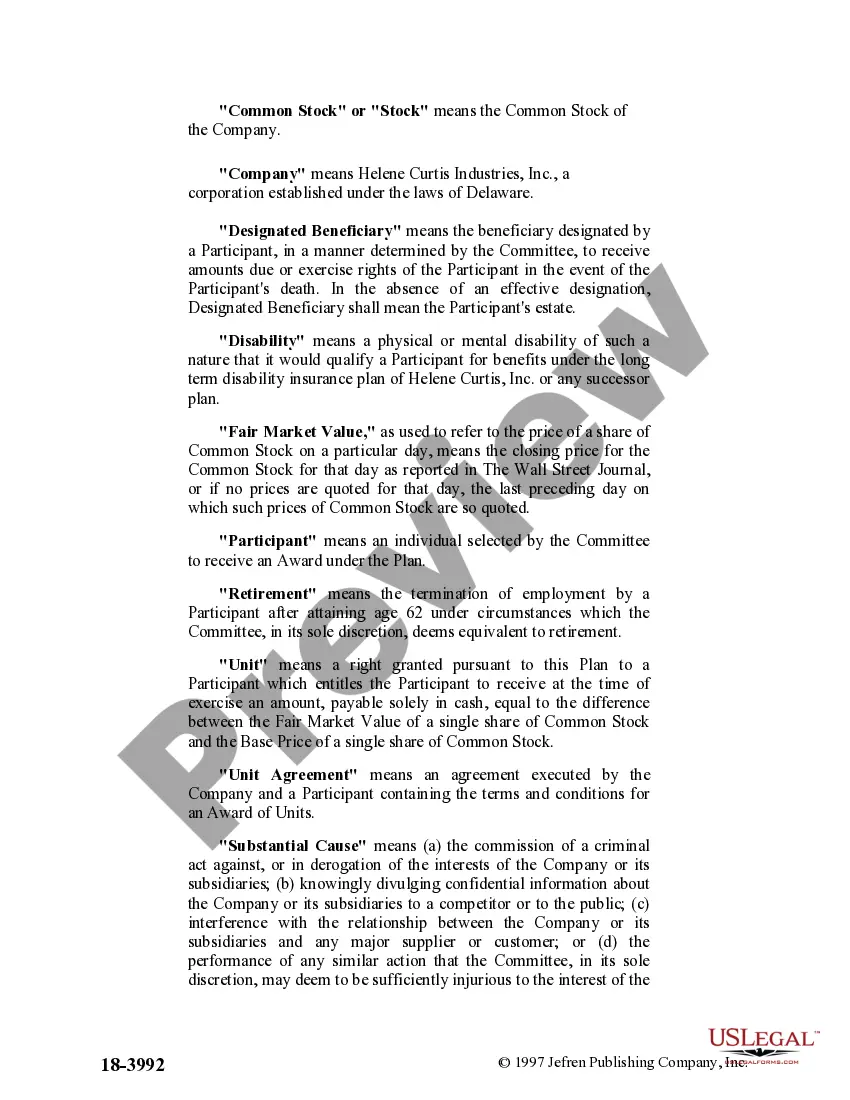
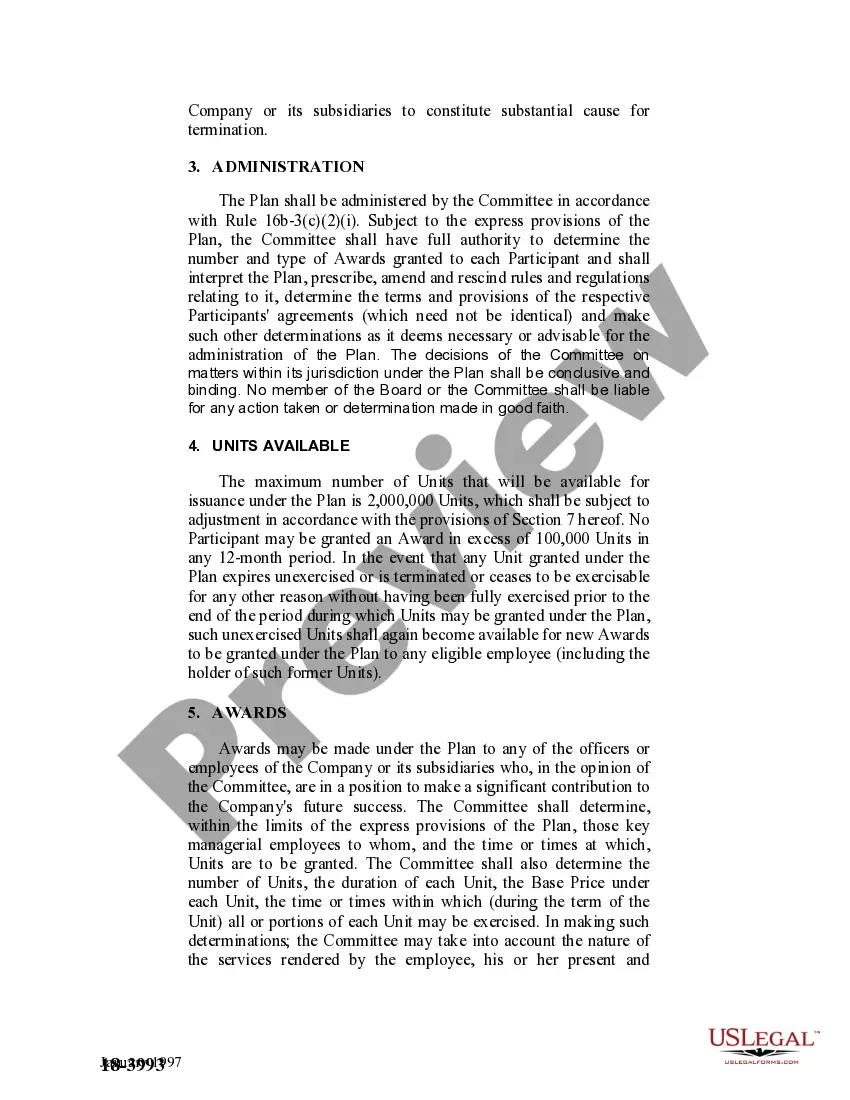
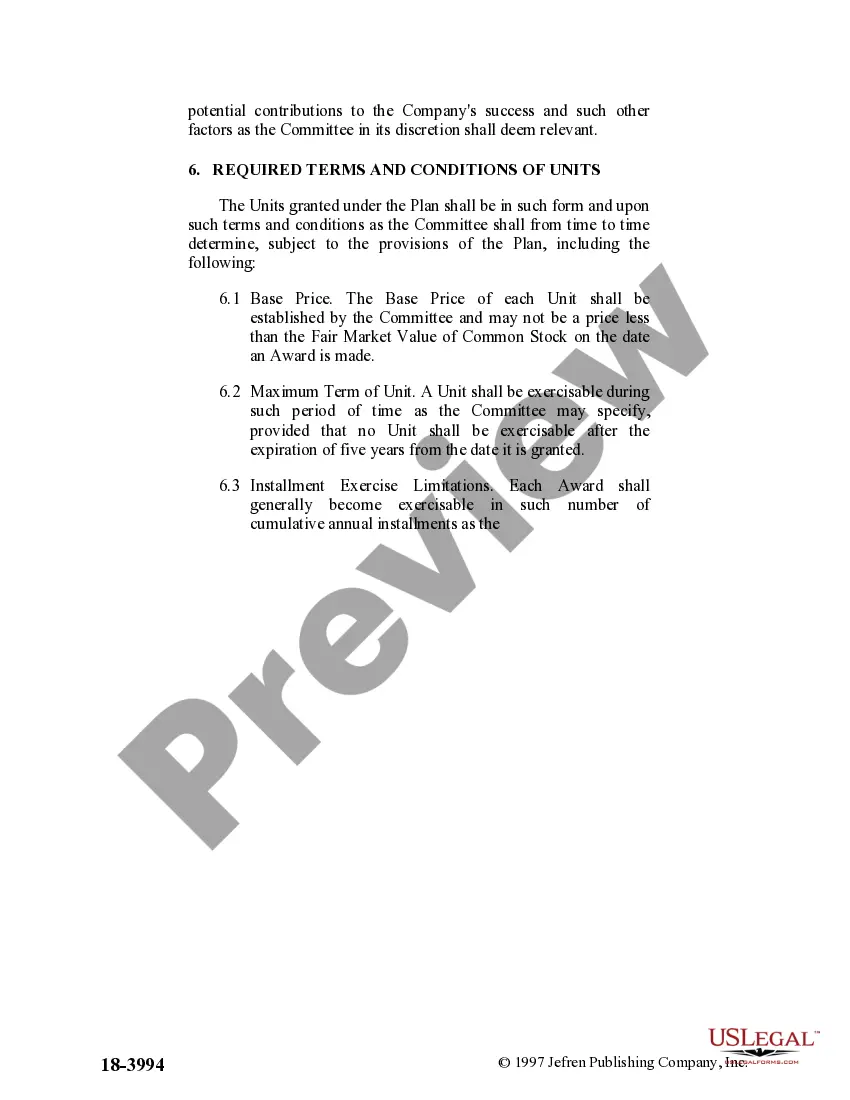







Get your form ready online
Our built-in tools help you complete, sign, share, and store your documents in one place.
Make edits, fill in missing information, and update formatting in US Legal Forms—just like you would in MS Word.
Download a copy, print it, send it by email, or mail it via USPS—whatever works best for your next step.
Sign and collect signatures with our SignNow integration. Send to multiple recipients, set reminders, and more. Go Premium to unlock E-Sign.
If this form requires notarization, complete it online through a secure video call—no need to meet a notary in person or wait for an appointment.
We protect your documents and personal data by following strict security and privacy standards.

Make edits, fill in missing information, and update formatting in US Legal Forms—just like you would in MS Word.

Download a copy, print it, send it by email, or mail it via USPS—whatever works best for your next step.

Sign and collect signatures with our SignNow integration. Send to multiple recipients, set reminders, and more. Go Premium to unlock E-Sign.

If this form requires notarization, complete it online through a secure video call—no need to meet a notary in person or wait for an appointment.

We protect your documents and personal data by following strict security and privacy standards.
Looking for another form?









How to fill out Stock Appreciation Right Plan Of Helene Curtis Industries, Inc.?
- For returning users, log into your account and access the desired form template. Ensure your subscription is active; if it's expired, renew it as per your plan.
- If you're new to the service, start by checking the Preview mode and the form description. Confirm you have selected the right legal document that aligns with your needs and local jurisdiction.
- If discrepancies arise, utilize the Search tab to find the correct form. This ensures you choose a template that fully meets your requirements.
- Purchase your document by clicking the Buy Now button. Select a subscription plan that suits you and create an account to access the full library.
- Complete the payment process by entering your credit card details or opting for PayPal to finalize your subscription.
- Download the form and save it on your device. You can find your purchased template any time under the My Forms section of your profile.
Concluding, US Legal Forms streamlines document preparation, empowering you with over 85,000 legal forms and access to expert assistance, ensuring your documents are legally sound. Start utilizing this powerful resource today and simplify your legal processes!
If you need more information, visit US Legal Forms now!
Form popularity
FAQ
An example of stock appreciation occurs when a company's shares increase in value due to positive financial performance, market conditions, or strategic growth initiatives. For instance, if you hold stock appreciation rights for a company whose shares rise from $40 to $70, this reflects a stock appreciation of $30 per share. This increase not only highlights the company's success but also allows you to potentially profit through your rights. Learning about how appreciation works can significantly benefit your investment strategies.
One disadvantage of stock appreciation rights is that they may have vesting periods, meaning you might need to stay with the company for a certain time before you can exercise them. Additionally, if the company's stock does not increase in value, these rights may end up being worthless. It's also essential to consider the tax implications at the time of exercise, as they could affect your finances. Gathering information about these factors can help in making informed decisions.
IRS stock appreciation rights refer to the tax implications and regulations surrounding these financial rights. The Internal Revenue Service treats stock appreciation rights as a form of compensation, which means they may be subject to income tax when exercised. It's crucial to keep track of your rights' value and consult a tax advisor to understand how these rights can impact your taxes and financial strategy. Platforms like US Legal Forms can provide valuable resources to navigate these regulations.
To obtain stock appreciation rights, you typically need to be an employee of a company that offers this compensation package. Companies often include stock appreciation rights as part of their incentive programs to attract and retain talent. You may need to express your interest in these options during your employment negotiations. If you're interested in options, consider exploring available agreements with platforms like US Legal Forms to guide you.
Yes, gifting appreciated stock can have tax implications. The recipient generally does not incur tax at the time of the gift; however, they will take on the donor's basis, which can lead to taxable income when they sell the stock. This concept underscores the importance of strategic gift planning when dealing with appreciated assets. By navigating these considerations, you can effectively manage stock appreciation rights with you.
Yes, stock appreciation rights are typically subject to taxation when you exercise them. When you realize gains through stock appreciation rights, the profits are considered income. This means the amount you receive will be taxed as ordinary income. It's crucial to plan for these tax implications, especially when managing stock appreciation rights with you.
To obtain stock appreciation rights, you typically enter into an agreement with your employer or company. This agreement outlines the terms and conditions for receiving these rights, including the valuation of company stock. You may need to meet certain performance goals or tenure requirements before acquiring them. At uslegalforms, we provide resources that can guide you through the process of negotiating stock appreciation rights with your employer.
The $100,000 rule of code 422 D refers to Internal Revenue Code provisions governing incentive stock options. Under this code, only the first $100,000 in stock options that vest in a calendar year receives favorable tax treatment. Knowing this rule empowers you to navigate stock appreciation rights with you successfully.
The $100,000 rule for stock options ensures that only the first $100,000 worth of options granted to you are eligible for special tax advantages. Options exceeding this amount will be taxed differently, which could impact your income and benefits. Familiarizing yourself with this rule can enhance your use of stock appreciation rights with you.
The rule of 100,000 pertains to the limit set for incentive stock options concerning tax benefits. When an employee receives over $100,000 worth of options that become exercisable in a calendar year, the amount over this cap is subject to different tax treatment. Understanding this rule helps you utilize stock appreciation rights with you effectively.