Non Qualified Stock Options Vs Rsu
Description
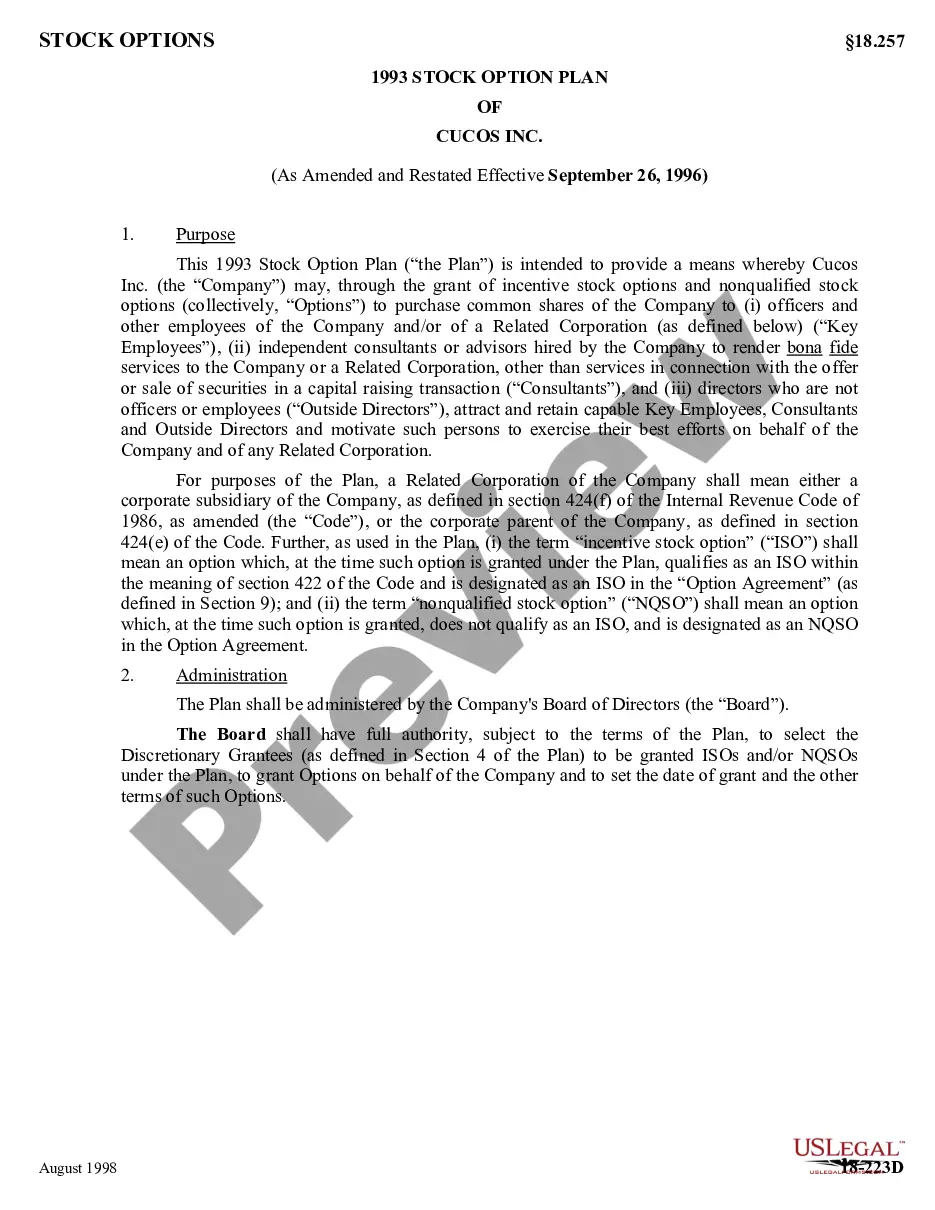
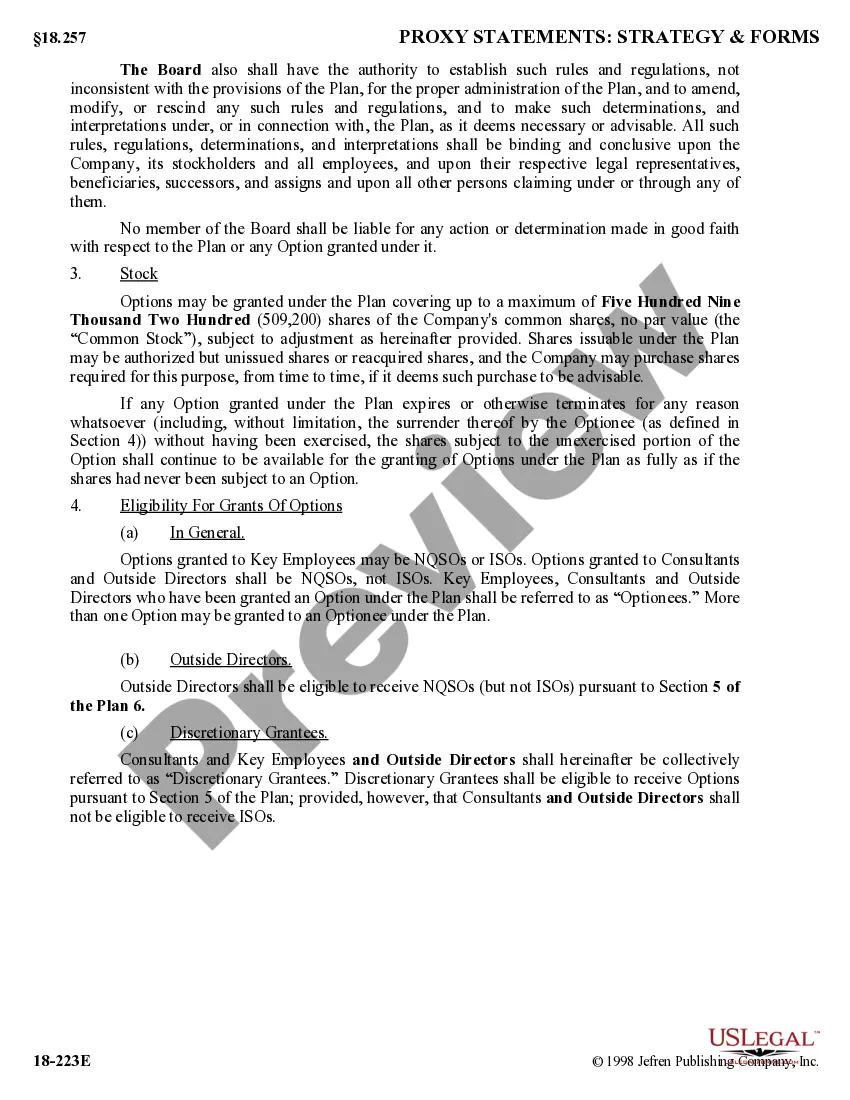
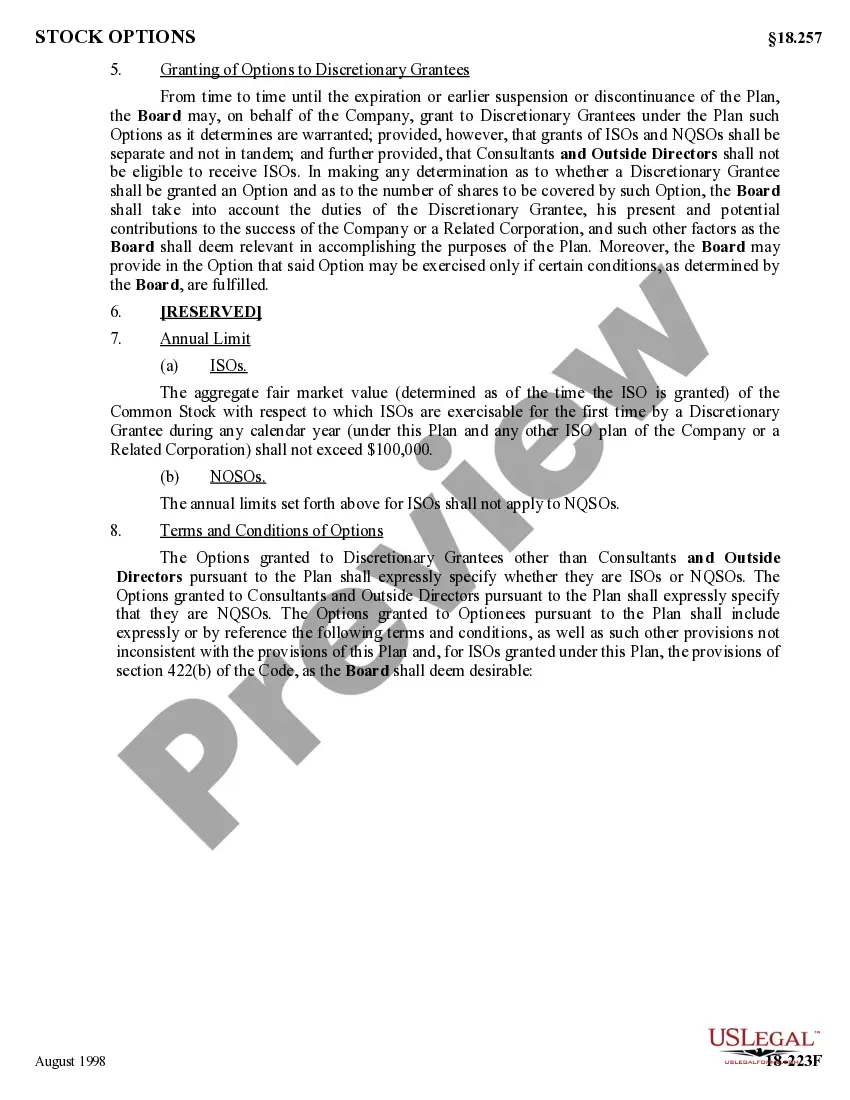

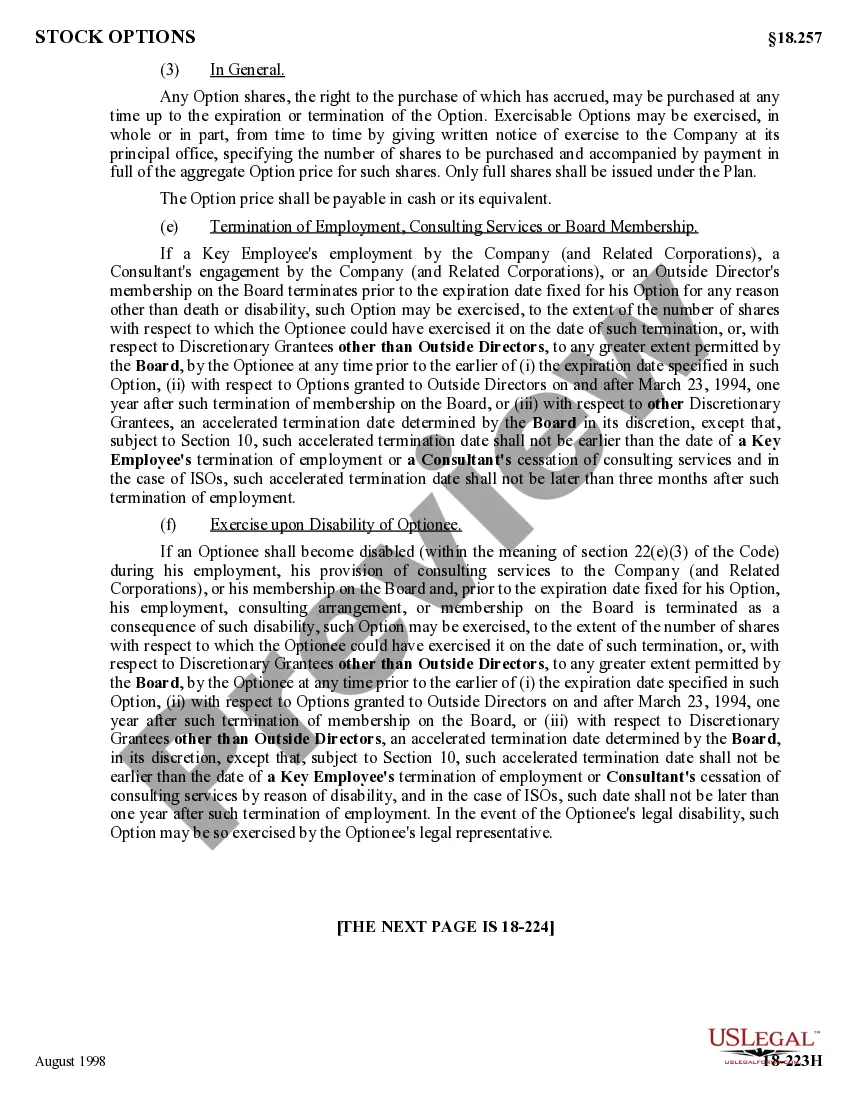

Get your form ready online
Our built-in tools help you complete, sign, share, and store your documents in one place.
Make edits, fill in missing information, and update formatting in US Legal Forms—just like you would in MS Word.
Download a copy, print it, send it by email, or mail it via USPS—whatever works best for your next step.
Sign and collect signatures with our SignNow integration. Send to multiple recipients, set reminders, and more. Go Premium to unlock E-Sign.
If this form requires notarization, complete it online through a secure video call—no need to meet a notary in person or wait for an appointment.
We protect your documents and personal data by following strict security and privacy standards.

Make edits, fill in missing information, and update formatting in US Legal Forms—just like you would in MS Word.

Download a copy, print it, send it by email, or mail it via USPS—whatever works best for your next step.

Sign and collect signatures with our SignNow integration. Send to multiple recipients, set reminders, and more. Go Premium to unlock E-Sign.

If this form requires notarization, complete it online through a secure video call—no need to meet a notary in person or wait for an appointment.

We protect your documents and personal data by following strict security and privacy standards.
Looking for another form?









How to fill out Nonemployee Directors Nonqualified Stock Option Plan Of Cucos, Inc.?
It’s clear that you cannot instantly become a legal authority, nor can you swiftly master the preparation of Non Qualified Stock Options Vs Rsu without possessing a unique skill set.
Drafting legal documents is an arduous task that demands a specific education and expertise.
So why not entrust the preparation of Non Qualified Stock Options Vs Rsu to the experts.
You can access your documents again from the My documents section at any time.
If you are a current customer, you can simply Log In and locate and download the template from the same section.
- Find the document you require by utilizing the search bar at the top of the webpage.
- Examine it (if this option is available) and read the accompanying description to ascertain whether Non Qualified Stock Options Vs Rsu fits your needs.
- Restart your search if you need a different template.
- Create a complimentary account and choose a subscription plan to purchase the template.
- Click Buy now. Once the payment is completed, you can download the Non Qualified Stock Options Vs Rsu, fill it out, print it, and deliver or send it to the designated individuals or organizations.
Form popularity
FAQ
When reporting vested RSUs on your tax forms, you generally need to use the code 'RSU' in box 14 of your W-2. This indicates the income you received from the vested units. The amount reported should reflect the fair market value of the shares at the time they vested. Understanding how to properly categorize your income helps clarify your tax obligations, especially when comparing non-qualified stock options vs RSUs on your financial documents.
Choosing between stock options and RSUs depends on your financial situation and investment goals. Stock options may offer more potential for growth if the company performs well, while RSUs provide a guaranteed value upon vesting. Evaluating the benefits and risks of non-qualified stock options vs RSU is essential for making the best choice for your future. If you need assistance navigating these options, consider using platforms like US Legal Forms to access tailored resources and support.
To avoid double taxation on RSUs, it’s essential to understand how they are taxed upon vesting and selling. When your RSUs vest, the value is treated as ordinary income, which is taxed. To minimize this, you can consider selling a portion of your shares to cover the tax liability, or utilize tax-deferred accounts for further investments. Understanding the nuances between non-qualified stock options vs RSU can help you make informed decisions.
However, RSUs are generally designed to meet the short-term deferral exemption under section 409A. This means payment occurs within the same year of vesting or within two and a half months of the end of the year in which vesting occurred. In such cases, the RSUs are not considered nonqualified deferred compensation.
The income related to the option exercise should be included in the Form W-2 you receive from your employer or 1099-NEC from the company if you are a non-employee. Any capital gain or loss amount may also be reportable on your US Individual Income Tax Return (Form 1040), Schedule D and Form 8949 in the year of sale.
Stock options may be more suitable for employees and employers at startups or early-stage companies that are not yet profitable and have significant growth potential. Whereas RSUs can benefit both at larger, more established companies that are financially stable and have a predictable stock performance.
NSOs vs. RSUs NSOs give you the option to buy stock, but you might decide to never exercise them if the company's valuation falls below your strike price. In comparison, restricted stock units (RSUs) are actual shares that you acquire as they vest. You don't have to pay to exercise RSUs; you simply receive the shares.
The merits of Stock Options vs RSUs primarily depends on the stage of the company. Stock Options are usually better for both employee and employer at an early stage company. For a later stage company, RSUs are usually better for both.