Film Directors Documentary
Description
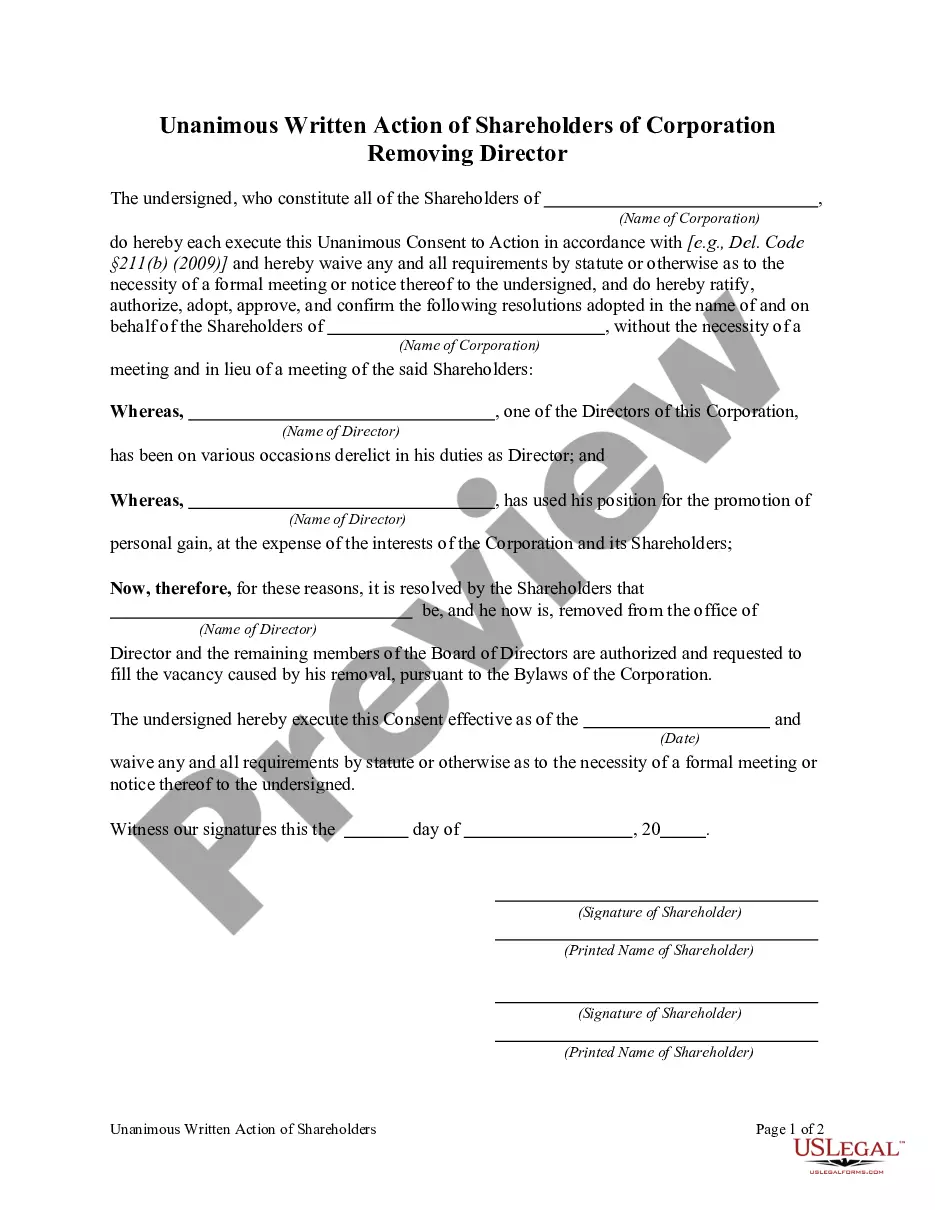
Get your form ready online
Our built-in tools help you complete, sign, share, and store your documents in one place.
Make edits, fill in missing information, and update formatting in US Legal Forms—just like you would in MS Word.
Download a copy, print it, send it by email, or mail it via USPS—whatever works best for your next step.
Sign and collect signatures with our SignNow integration. Send to multiple recipients, set reminders, and more. Go Premium to unlock E-Sign.
If this form requires notarization, complete it online through a secure video call—no need to meet a notary in person or wait for an appointment.
We protect your documents and personal data by following strict security and privacy standards.

Make edits, fill in missing information, and update formatting in US Legal Forms—just like you would in MS Word.

Download a copy, print it, send it by email, or mail it via USPS—whatever works best for your next step.

Sign and collect signatures with our SignNow integration. Send to multiple recipients, set reminders, and more. Go Premium to unlock E-Sign.

If this form requires notarization, complete it online through a secure video call—no need to meet a notary in person or wait for an appointment.

We protect your documents and personal data by following strict security and privacy standards.
Looking for another form?







How to fill out Removal Of Two Directors?
- Log in to your US Legal Forms account if you're a returning user. Ensure your subscription is active for seamless access.
- Check the Preview mode and read the form description carefully to select the right document that fits your project and jurisdiction.
- If necessary, utilize the Search tab to find alternate templates that may better suit your needs.
- Purchase the selected document by clicking the Buy Now button and choose a subscription plan that aligns with your requirements.
- Complete your payment conveniently using a credit card or PayPal, ensuring that you have full access to the required resources.
- Download your chosen form directly to your device for easy editing and completion, and manage it later in the My Forms section of your account.
US Legal Forms empowers both individuals and attorneys with a vast array of legal documents, making the process efficient and straightforward.
Don't hesitate to take advantage of the extensive resources available and ease your legal documentation process today!
Form popularity
FAQ
Launching a career in documentary filmmaking often requires persistence and creativity. Begin by honing your craft through education, self-study, or networking with experienced film directors. Create projects to showcase your abilities and style, and be sure to share your work online for visibility. With hard work and dedication, you can build a successful career in this compelling field.
Starting your journey in documentary filmmaking begins with identifying a subject or story that inspires you. Research thoroughly to understand the topic and its context. Next, plan your approach, including the necessary equipment and filming style. Utilizing legal resources from platforms like UsLegalForms can help you navigate any legal considerations as you embark on your documentary project.
To find documentary filmmakers, start by attending film festivals and networking events that focus on this genre. Online platforms, such as social media and dedicated filmmaker websites, can also be useful. Engaging in discussion forums or local filmmaking groups will allow you to meet talented film directors involved in documentaries. Building relationships within these communities can lead to valuable collaboration opportunities.
Getting into documentary filmmaking often starts with education and experience. Many aspiring film directors begin by studying film or communications, while others may attend workshops specific to documentary work. It's important to network with industry professionals and work on projects, even as a volunteer. Building a portfolio showcasing your unique perspective can help you stand out in this competitive field.
Pursuing a career in documentary filmmaking can be rewarding. Film directors in this genre have the opportunity to tell compelling stories, engage with diverse subjects, and spark social change. Additionally, the demand for thoughtful and informative content is steadily growing, which can lead to numerous career opportunities. Overall, if you are passionate about storytelling and social issues, this career path might be ideal for you.
A documentary filmmaker's income can range widely, with earnings influenced by factors such as experience, project scale, and funding sources. Emerging filmmakers may earn lower wages, around $30,000 to $50,000, while established ones can make significantly more, depending on their reputation. Film directors documentary working on large, well-supported projects often see higher financial returns. Overall, your earning potential can grow as you build your portfolio.
To copyright a documentary film, you should file an application with the U.S. Copyright Office once you complete your project. This process protects your creative work from unauthorized use by others. File your documentary properly to safeguard your rights as a creator. If you need assistance, US Legal Forms can help you navigate the copyright application process smoothly.
The salary of a documentary film director can vary significantly based on experience, project budget, and industry demand. On average, directors can expect to earn anywhere from $40,000 to $100,000 per year. High-profile film directors documentary working on well-funded projects can earn considerably more. This variation reflects the diverse nature of the documentary filmmaking industry.
Yes, you typically need permission to film a documentary, especially if your project involves private property or individuals. Obtaining releases and permits ensures compliance with legal guidelines and protects you from potential lawsuits. Film directors documentary must navigate these aspects carefully to avoid complications during production. Consider using platforms like US Legal Forms to access necessary legal documents conveniently.
To create a documentary file, you should start with a compelling story and research your topic thoroughly. Structure your documentary with a clear beginning, middle, and end. Film directors documentary often use interviews, archival footage, and commentary to support their narrative. By planning your shots and editing them effectively, you can produce a polished final product.