Sale Home Form For Students
Description
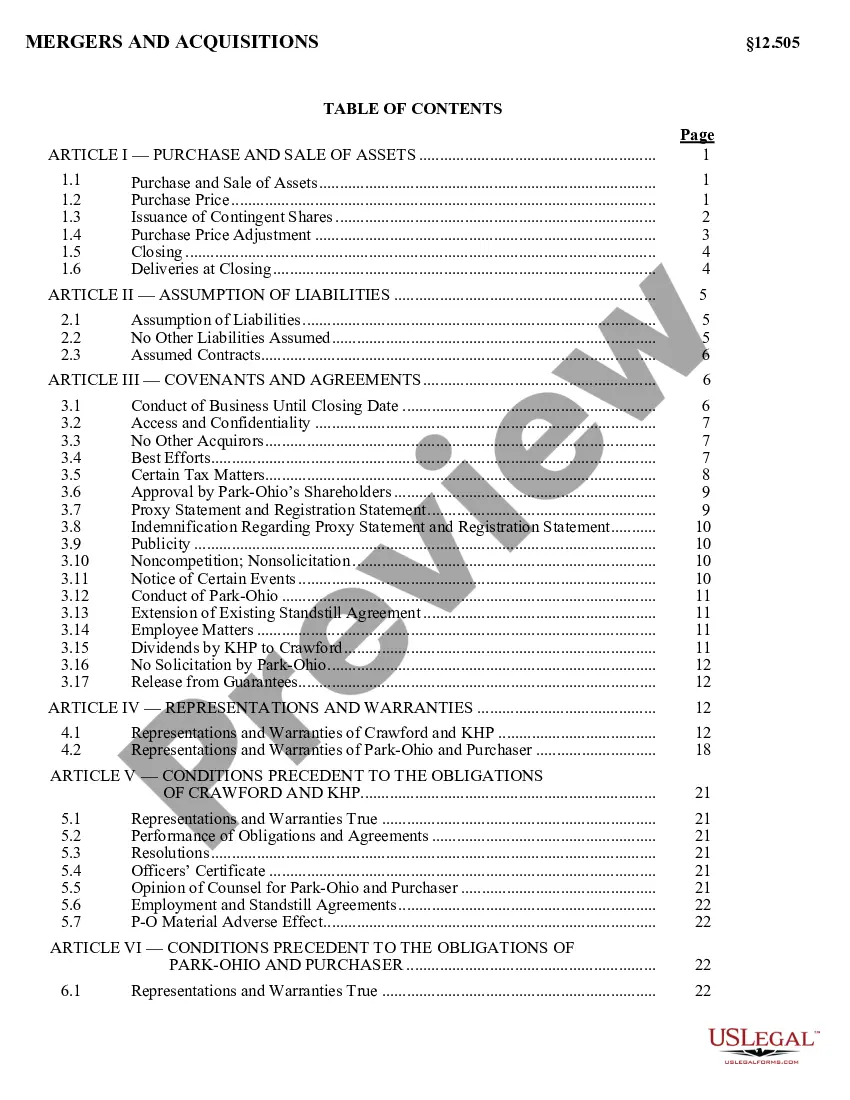
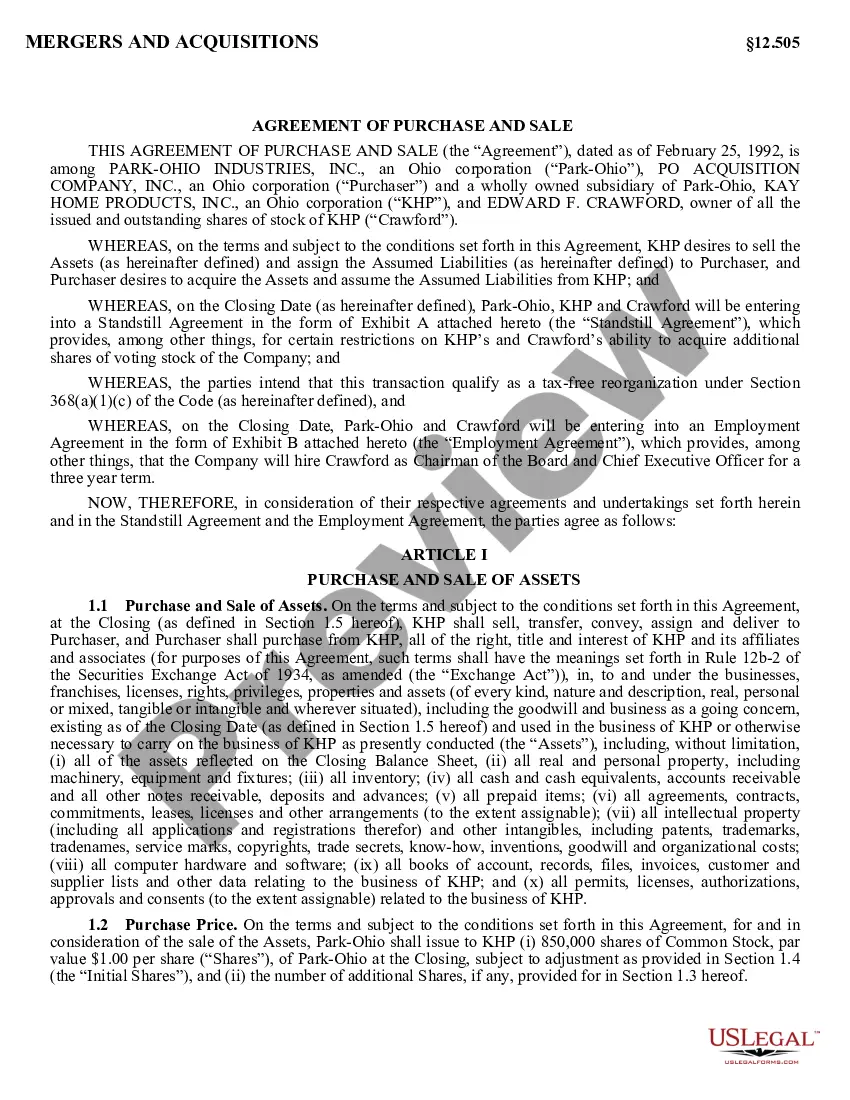
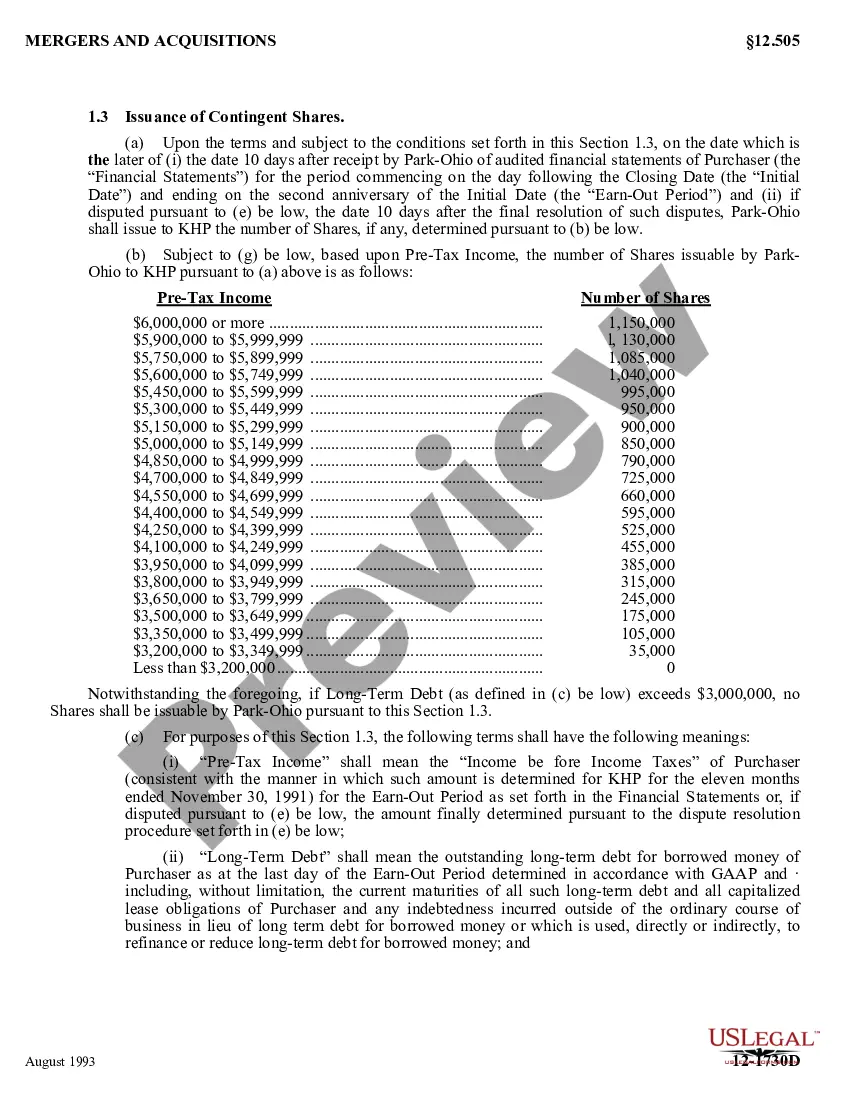
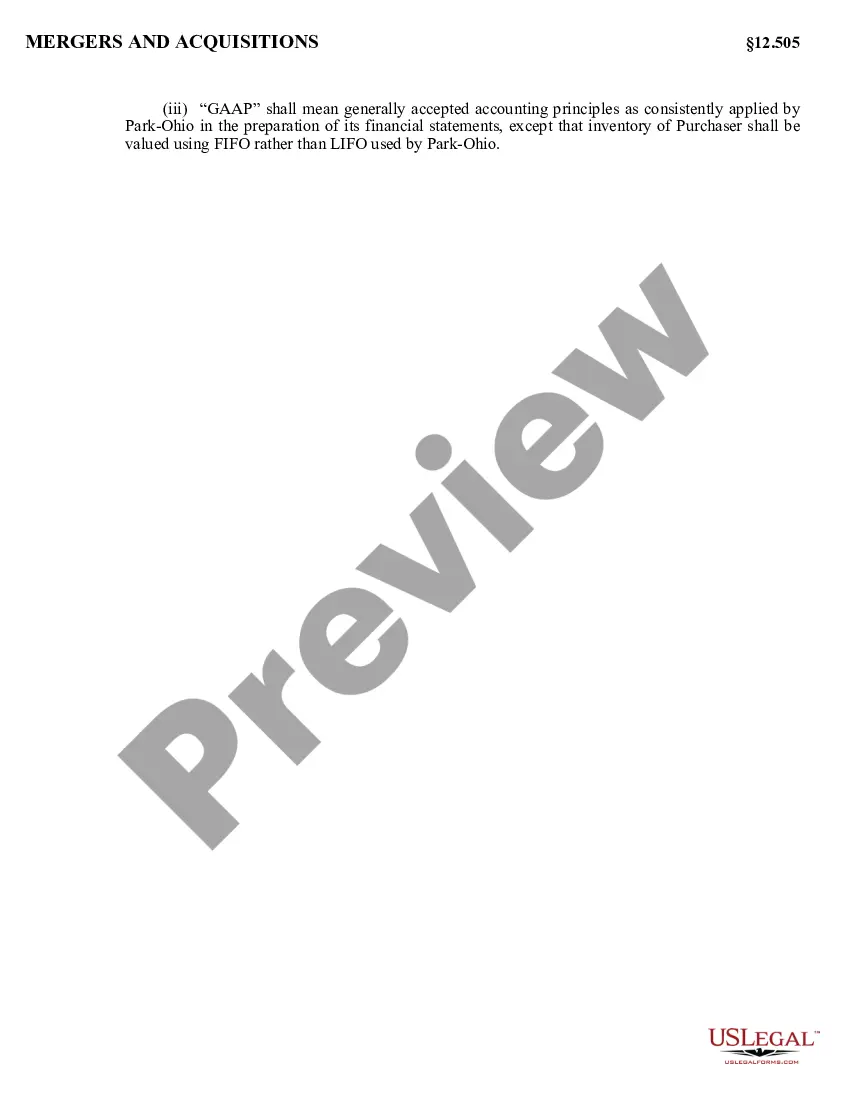
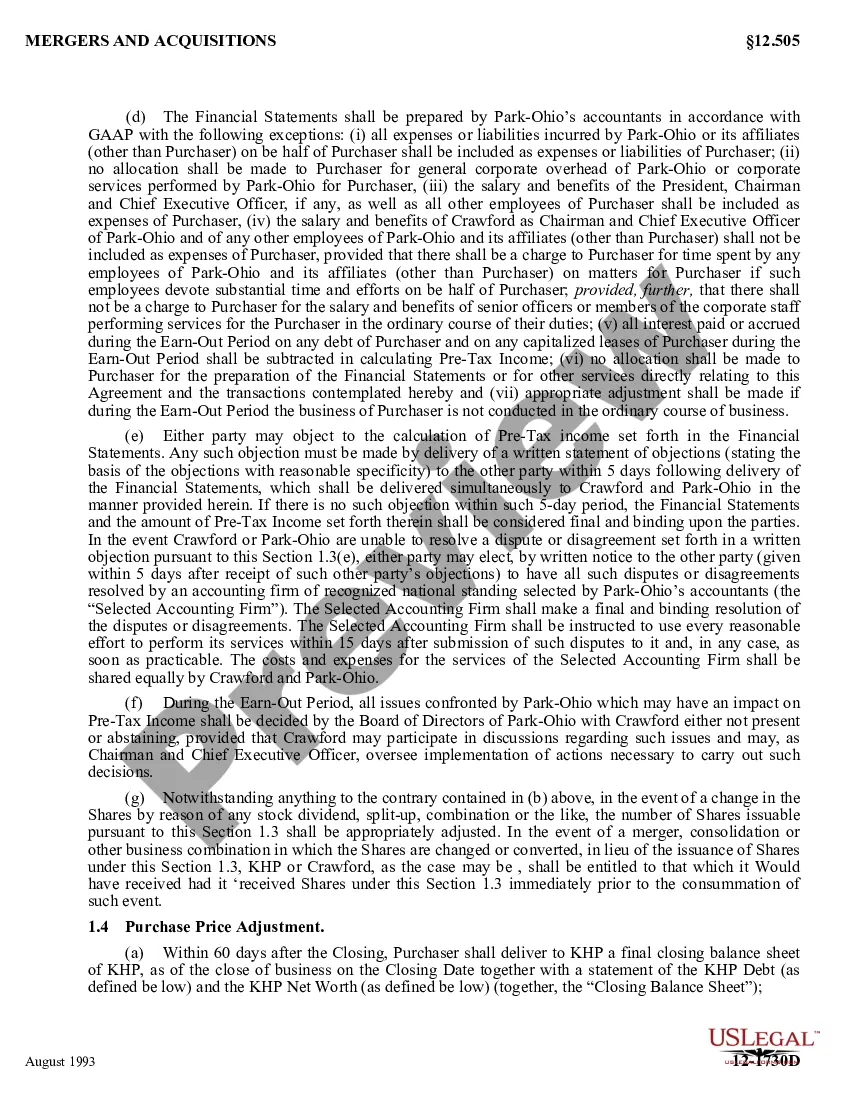
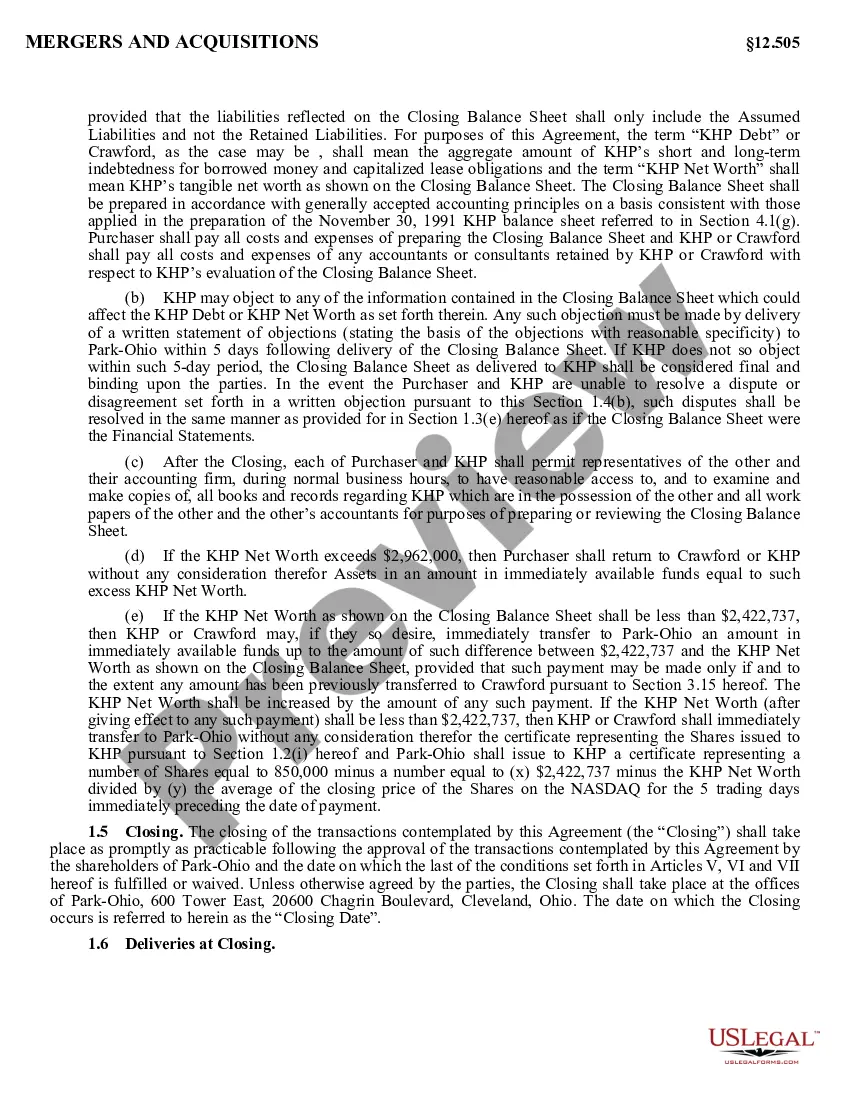

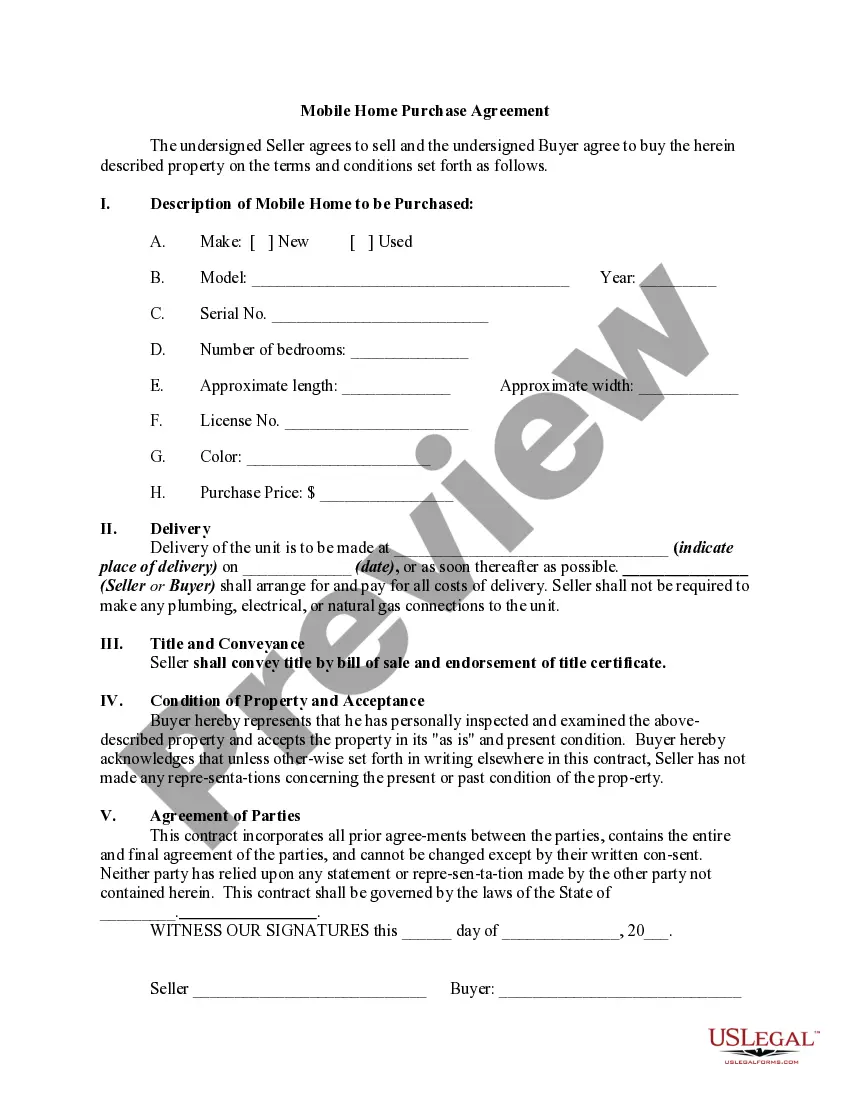
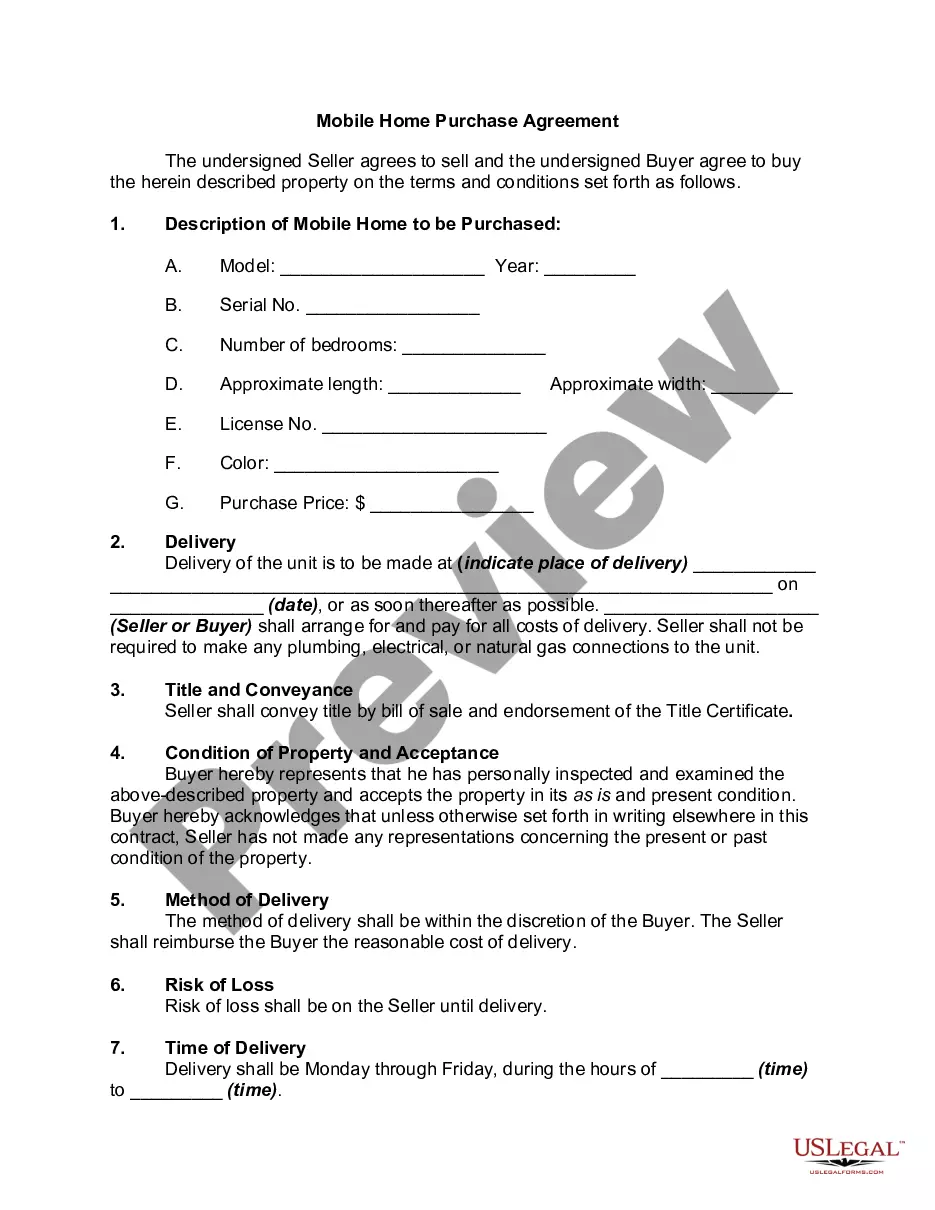
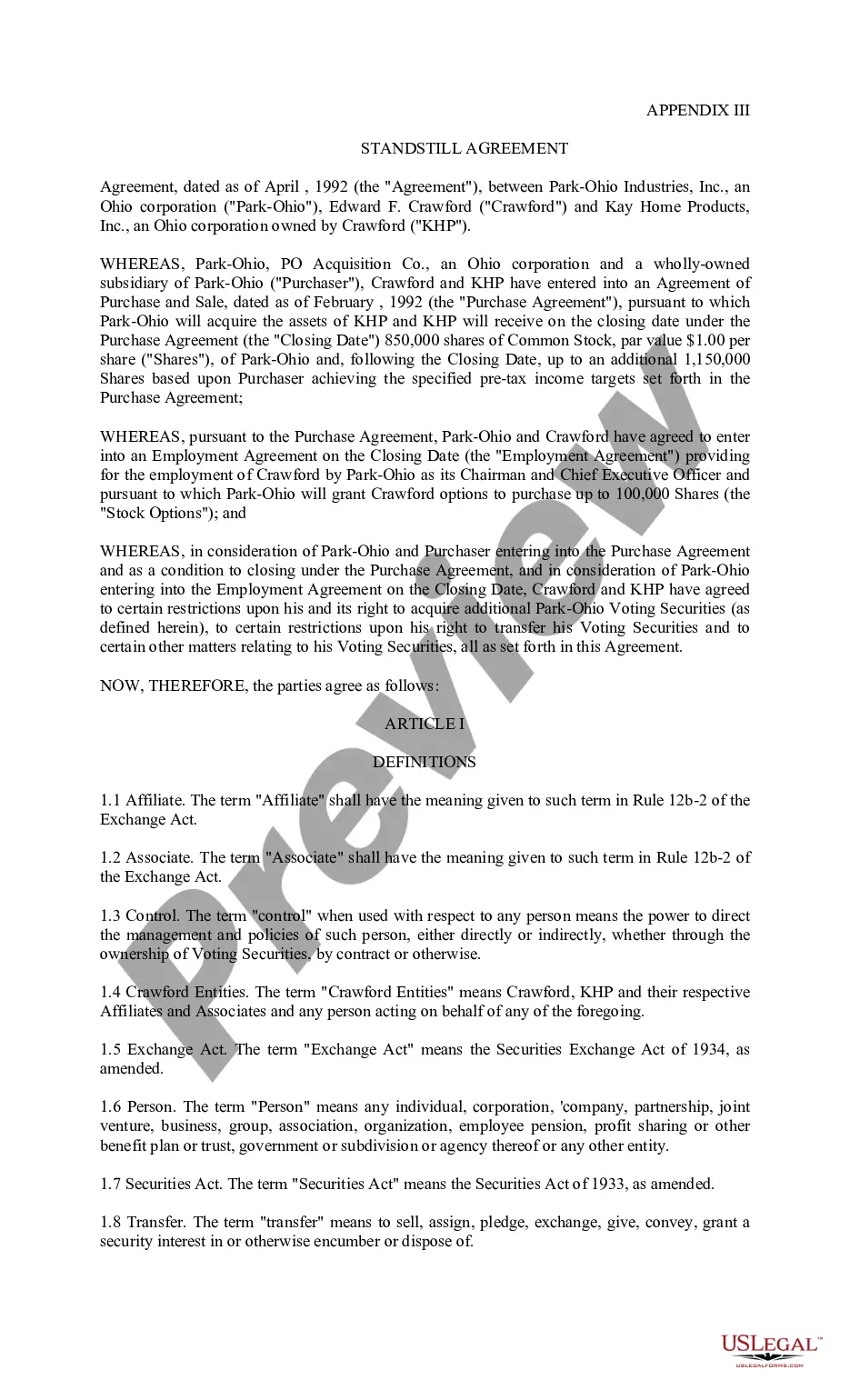


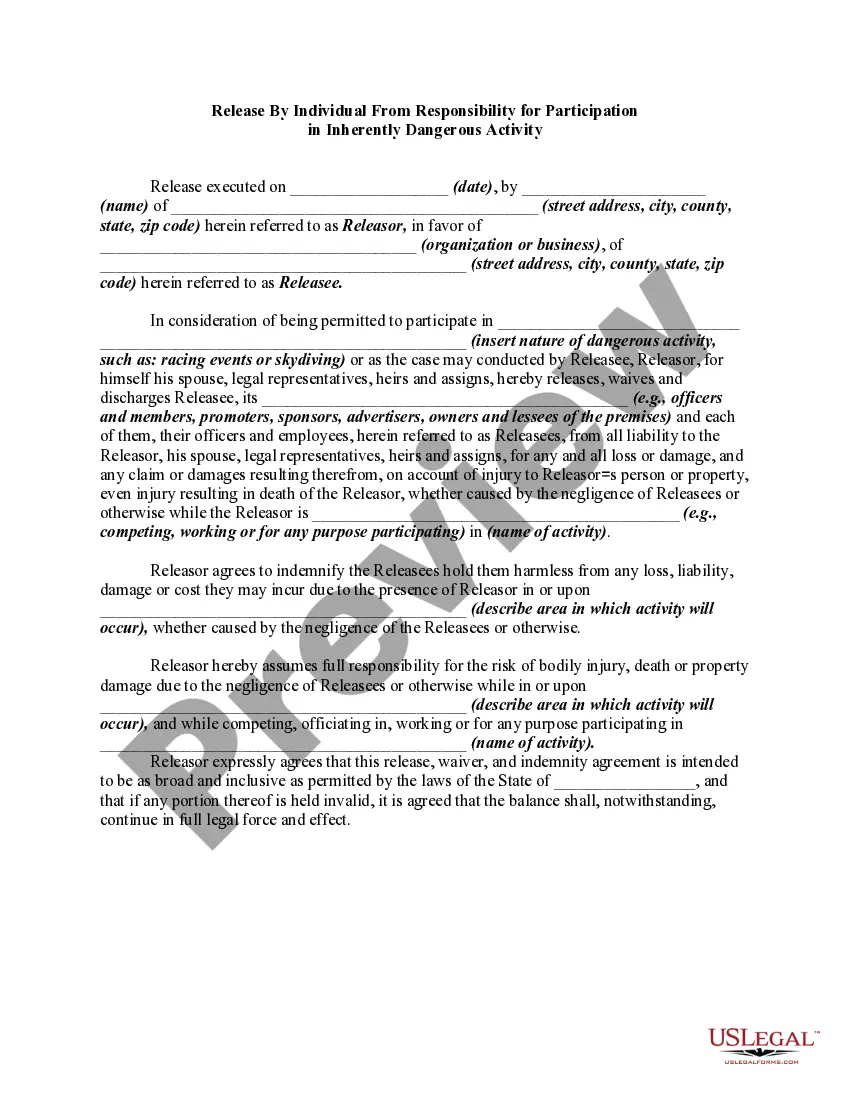
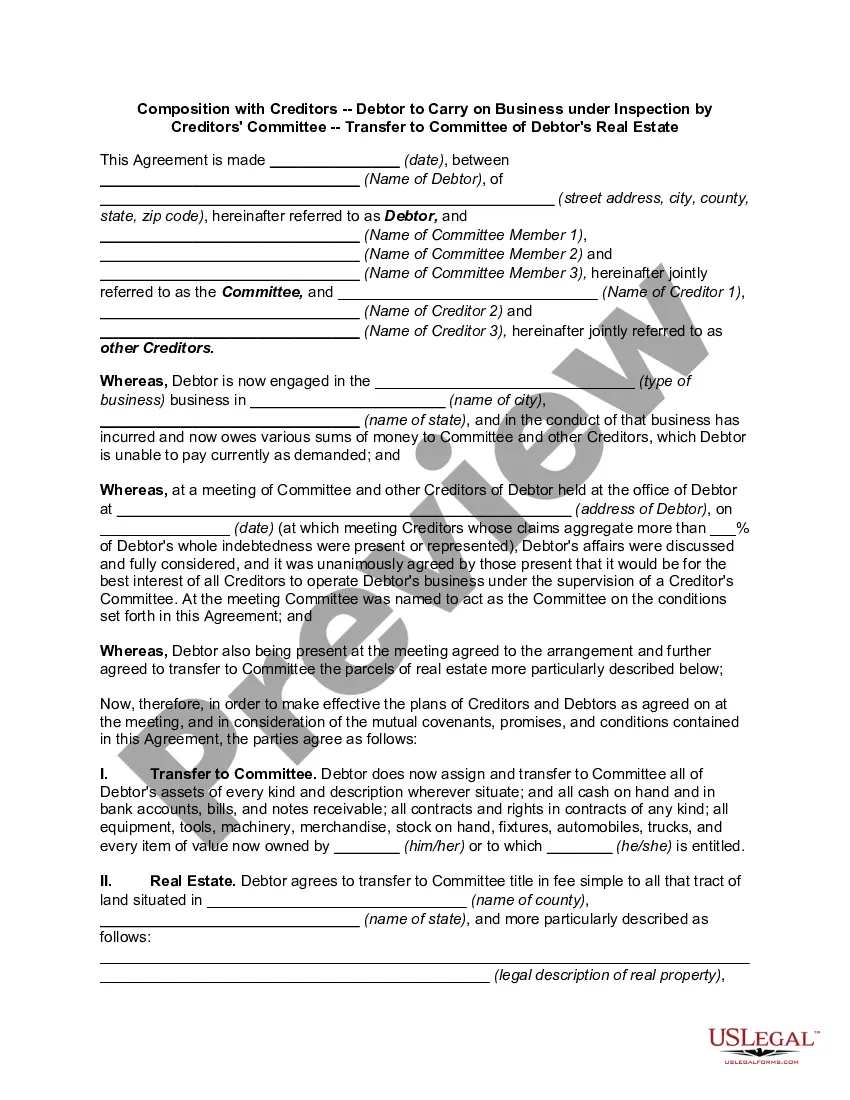
How to fill out Sample Agreement Of Purchase And Sale By Park - Ohio Industries, Inc., PO Acquisition Company, Inc., Kay Home Products, Inc., And Edward F. Crawford?
Engaging with legal documents and processes can be a lengthy addition to your schedule.
Sale Home Form For Students and similar forms generally necessitate searching for them and figuring out the best way to fill them out correctly.
Consequently, whether you are managing financial, legal, or personal issues, having a comprehensive and easy-to-access online repository of forms when you require them will be very beneficial.
US Legal Forms is the top online platform for legal templates, featuring over 85,000 state-specific forms and an assortment of resources designed to assist you in completing your paperwork with ease.
Simply Log In to your account, search for Sale Home Form For Students, and obtain it instantly from the My documents section. You can also retrieve previously downloaded forms.
- Explore the collection of relevant documents available with a single click.
- US Legal Forms grants you access to state- and county-specific forms available for download at any time.
- Protect your document management processes with a premium service that enables you to prepare any form in minutes without additional or concealed fees.
Form popularity
FAQ
If you receive a notice from a debt collector, it's important to respond as soon as possible?even if you do not owe the debt?because otherwise the collector may continue trying to collect the debt, report negative information to credit reporting companies, and even sue you.
There are federal protections to prohibit harassment or abusive communications by a debt collector. Ignoring or avoiding a debt collector, though, is unlikely to make the debt collector stop contacting you. They may find other ways to contact you, including filing a lawsuit.
If you are able to get a pay-for-delete from a collection agency, it may help your credit. But the delinquent account with the original creditor will still remain on your credit report. A collection account paid in full reflects better on your credit report.
Under this Act (Title VIII of the Consumer Credit Protection Act), third-party debt collectors are prohibited from using deceptive or abusive conduct in the collection of consumer debts incurred for personal, family, or household purposes.
However, they may file a lawsuit against you to collect the debt, and if the court orders you to appear or to provide certain information but you don't comply, a judge may issue a warrant for your arrest. In some cases, a judge may also issue a warrant if you don't comply with a court-ordered installment plan.
Consumers have 30 days from the initial communication about the debt (for example, the first letter received explaining the debt is in collections) to call the collector and ask for the debt to be verified in writing. The collector must return your request before it can start trying to collect the debt again.
You can ask the creditor ? either the original creditor or a debt collector ? for what's called a ?goodwill deletion.? Write the collector a letter explaining your circumstances and why you would like the debt removed, such as if you're about to apply for a mortgage.
So, to answer your original question, a debt collection letter serves to: Inform debtors that they owe you money: This is the most straightforward reason and is a way to put, in writing, that the debt exists, an amount is owed, and that you would effectively like it to be paid by the due date.