Merger Plan Template
Description
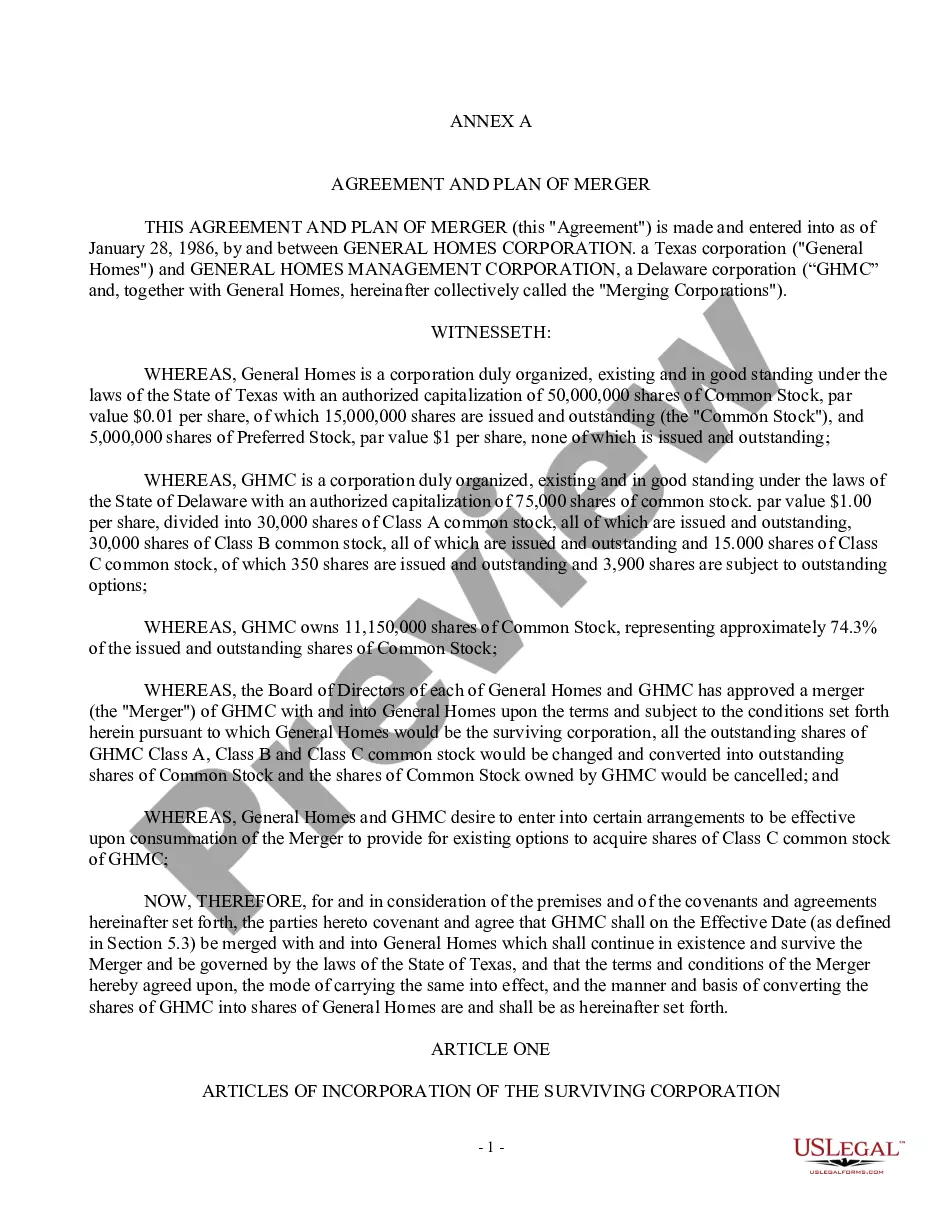
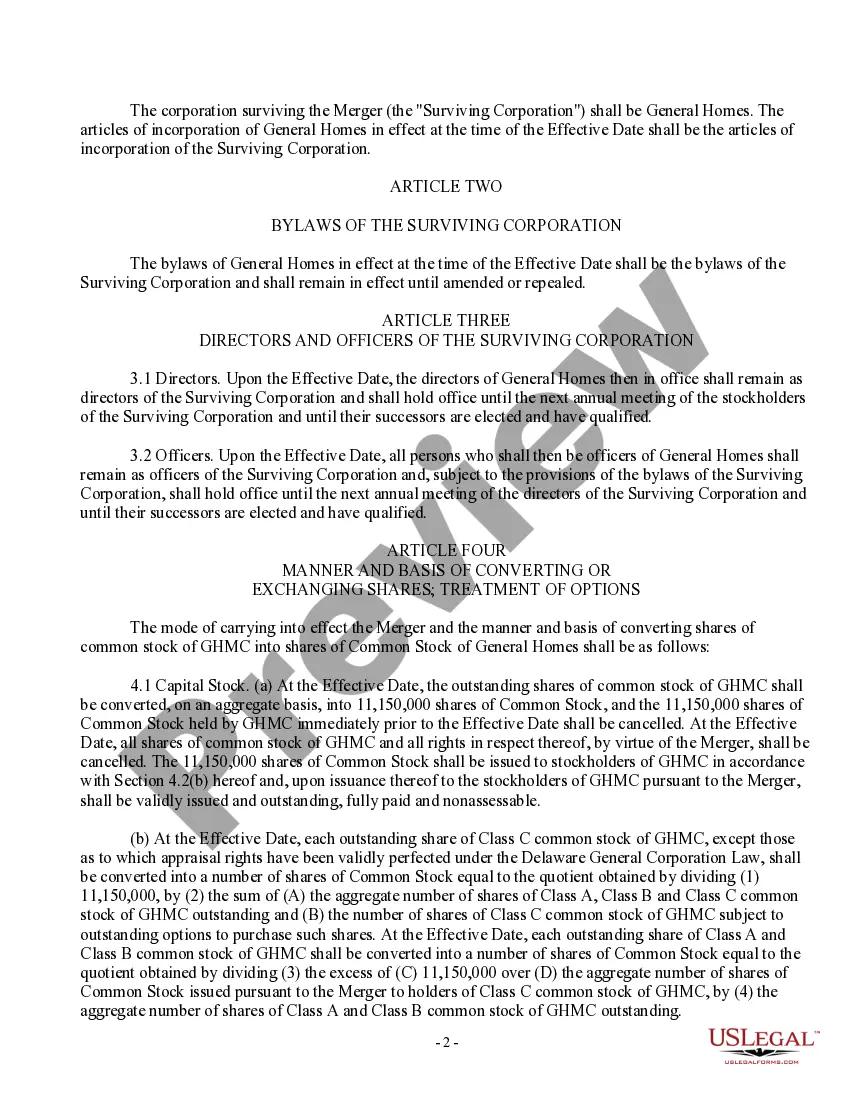
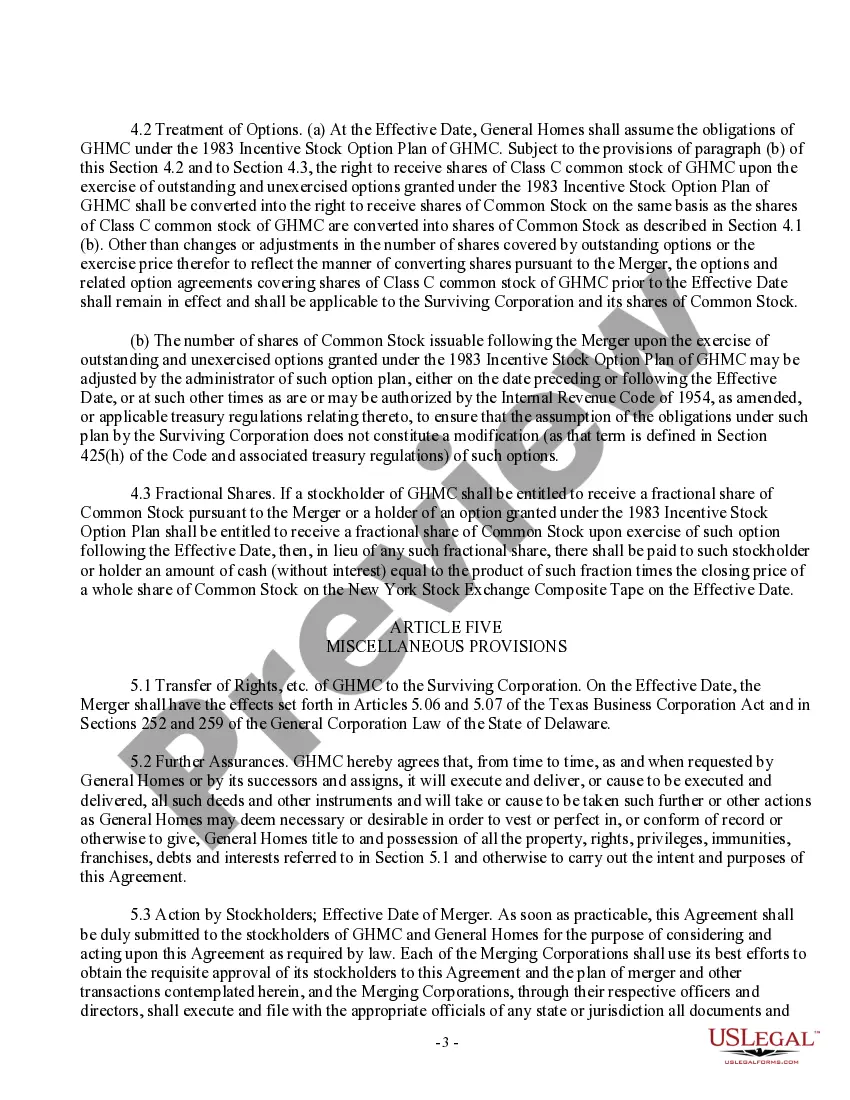
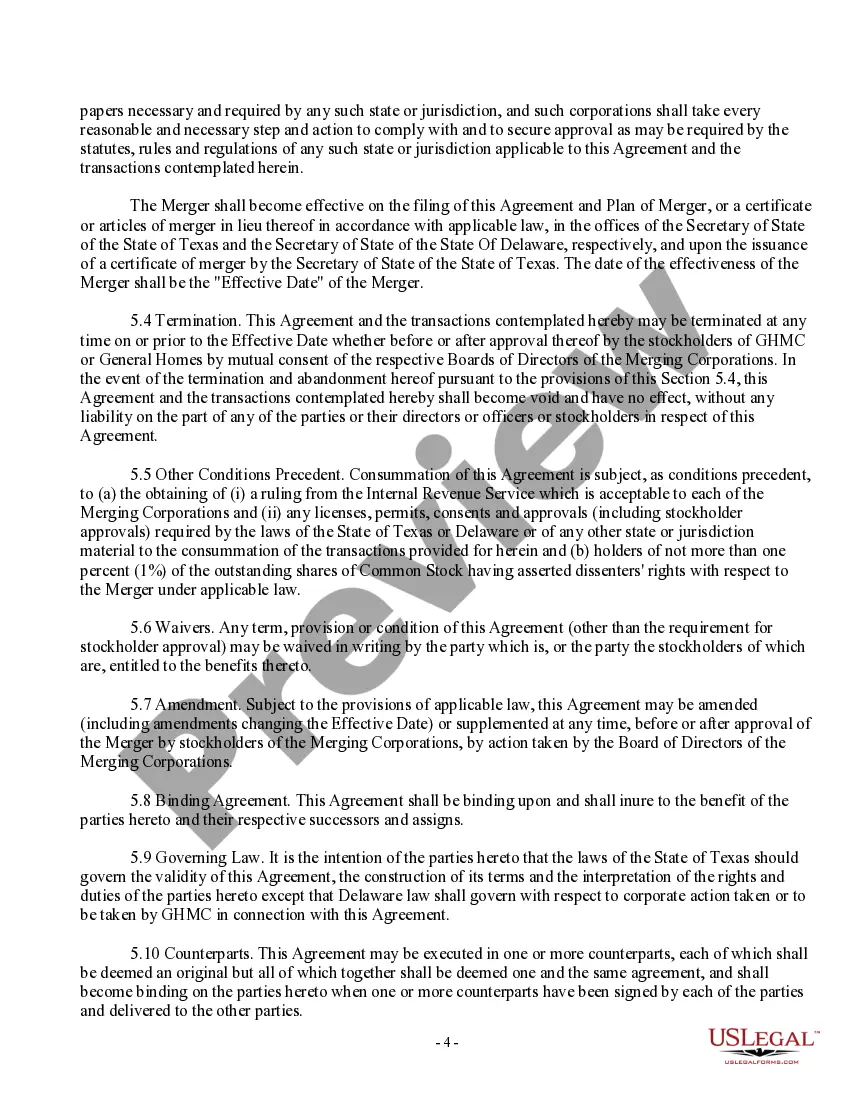
Get your form ready online
Our built-in tools help you complete, sign, share, and store your documents in one place.
Make edits, fill in missing information, and update formatting in US Legal Forms—just like you would in MS Word.
Download a copy, print it, send it by email, or mail it via USPS—whatever works best for your next step.
Sign and collect signatures with our SignNow integration. Send to multiple recipients, set reminders, and more. Go Premium to unlock E-Sign.
If this form requires notarization, complete it online through a secure video call—no need to meet a notary in person or wait for an appointment.
We protect your documents and personal data by following strict security and privacy standards.

Make edits, fill in missing information, and update formatting in US Legal Forms—just like you would in MS Word.

Download a copy, print it, send it by email, or mail it via USPS—whatever works best for your next step.

Sign and collect signatures with our SignNow integration. Send to multiple recipients, set reminders, and more. Go Premium to unlock E-Sign.

If this form requires notarization, complete it online through a secure video call—no need to meet a notary in person or wait for an appointment.

We protect your documents and personal data by following strict security and privacy standards.
Looking for another form?
How to fill out Agreement And Plan Of Merger By General Homes Corp And General Homes Management Corp?
Regardless of whether it's for professional reasons or for personal issues, everyone inevitably encounters legal circumstances at some point in their lives.
Completing legal documents requires meticulous care, beginning with choosing the right form specimen.
Once downloaded, you can either fill out the form using editing software or print it and complete it manually.
- For instance, selecting an incorrect version of the Merger Plan Template will result in its rejection upon submission.
- Thus, it is essential to source reliable legal documents like US Legal Forms.
- If you need to obtain a sample of a Merger Plan Template, follow these straightforward steps.
- Access the template you require using the search bar or the catalog's navigation.
- Review the form's details to ensure it aligns with your situation, jurisdiction, and county.
- Click on the form's preview to inspect it.
- If it turns out to be the incorrect form, return to the search function to find the Merger Plan Template sample that you need.
- Acquire the template once it meets your requirements.
- If you already have a US Legal Forms account, click Log in to access previously stored documents in My documents.
- In case you do not possess an account yet, you can obtain the form by clicking Buy now.
- Choose the suitable pricing option.
- Fill out the account registration form.
- Select your payment method: either use a bank card or a PayPal account.
- Choose the document format you prefer and download the Merger Plan Template.
Form popularity
FAQ
The steps involved in a merger typically include identifying potential partners, conducting due diligence, and creating a merger plan. Once both parties agree on the terms, they will finalize the plan, seek necessary approvals, and execute the merger. Using a merger plan template throughout this process can help streamline documentation and ensure that all legal requirements are met efficiently.
An assignment of mortgage gives the loan seller's rights under the mortgage, including the right to foreclose if the borrower doesn't make payments, to the new owner of the loan.
A disadvantage of a mortgage assignment is the consequences of failing to record it. Under most state laws, an entity seeking to institute foreclosure proceedings must record the assignment before it can do so. If a mortgage is not recorded, the judge will dismiss the foreclosure proceeding.
In a mortgage assignment, your original lender or servicer transfers your mortgage account to another loan servicer. When this occurs, the original mortgagee or lender's interests go to the next lender. Even if your mortgage gets transferred or assigned, your mortgage's terms should remain the same.
This document was created when a mortgagee wished to recover his money, but the mortgagor could not pay it back. The mortgagee would assign the mortgage to another person, who would pay him the money he was owed.
The purpose of the mortgage or deed of trust is to provide security for the loan that's evidenced by a promissory note. Loan Transfers. Banks often sell and buy mortgages from each other. An "assignment" is the document that is the legal record of this transfer from one mortgagee to another.
The most common example of an Assignment of Mortgage is when a mortgage lender transfers/sells the mortgage to another lender. This can be done more than once until the balance is paid. The lender does not have to inform the borrower that the mortgage is being assigned to another party.
Assignments are generally freely permitted in most modern mortgage agreements. Once the borrower has received proper notice of the assignment, payments will be made to the new creditor. A mortgage assumption occurs when a buyer agrees to take on the seller's current loan and mortgage obligations.
Mortgages are assigned using a document called an assignment of mortgage. This legally transfers the original lender's interest in the loan to the new company. After doing this, the original lender will no longer receive the payments of principal and interest.